Kesar Sadhra

514 posts

Kesar Sadhra banner
Kesar Sadhra

Kesar Sadhra

@KesarS2014

Senior Partner at Manor Park Medical Center MPMC | GP in Slough for 36 years | Committed to patient care and community health | Husband & Father

South East Katılım Kasım 2014
133 Takip Edilen248 Takipçiler
Kesar Sadhra retweetledi
Metabolic Health Summit
Metabolic Health Summit@MetabolicSummit·
Chronic migraines and bad sleep might share similar metabolic roots. Italian researchers followed 26 chronic migraine patients on a ketogenic diet or low glycemic index diet for six months. Both groups restricted carbs to about 30 grams daily. The results: sleep quality improved, daytime sleepiness dropped, and migraine frequency and intensity both came down. The most interesting part? Sleep improvements were independent of migraine improvements. This wasn't simply fewer headaches leading to better rest. The metabolic shift itself appeared to change sleep architecture. And the benefits showed up by only three months. Extending to six months didn't add further improvement, which led the researchers to question whether a three-month intervention might be enough. If you deal with chronic migraine and trouble sleeping, the metabolic connection is worth understanding. Want to learn about more studies like this? Our free ketogenic metabolic therapy ebook covers more than 150 synthesized peer-reviewed papers on findings like this. Get access at the link below.
English
2
2
7
343
Kesar Sadhra retweetledi
Dr. Kat Lindley
Dr. Kat Lindley@DrKatLindley·
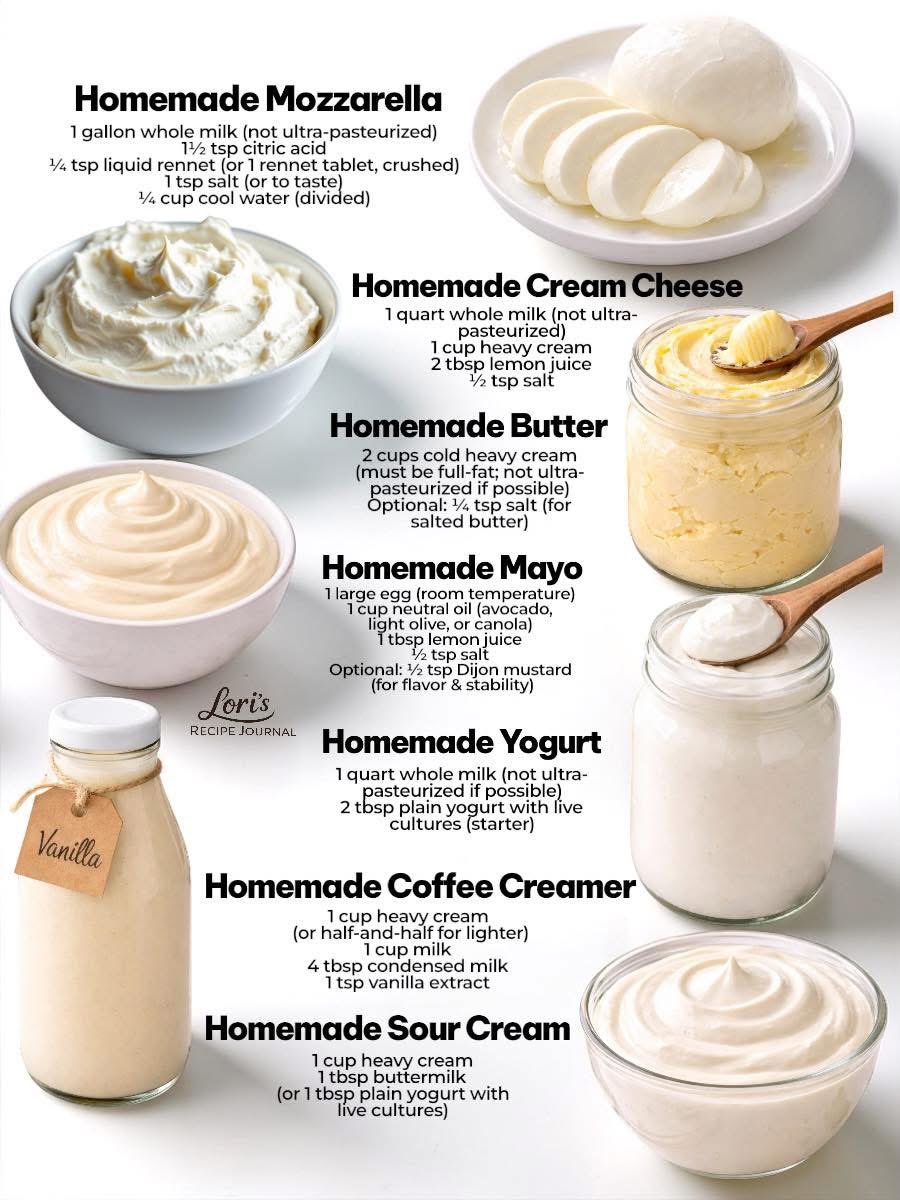
Homemade is always the best
Dr. Kat Lindley tweet media
English
38
543
2.3K
56.7K
Kesar Sadhra retweetledi
Dr David Unwin
Dr David Unwin@lowcarbGP·
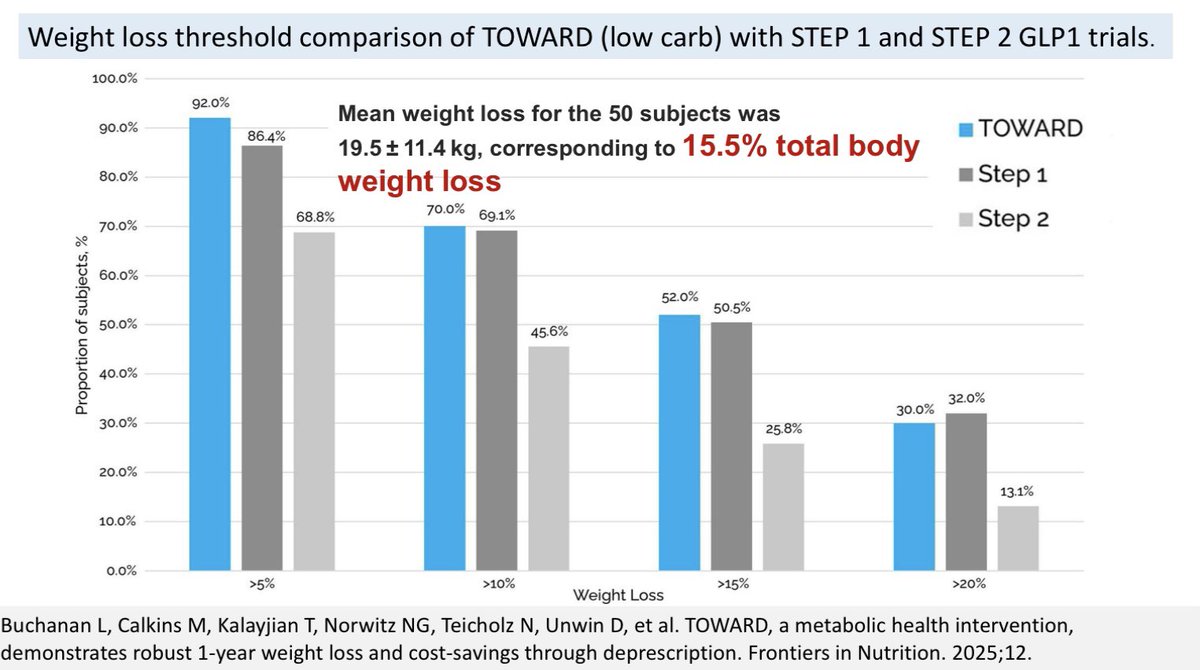
Our paper showing a low carb approach plus CGM can EQUAL the weight achieved by GLP-1 weight loss injections at one year 🥳Think about that Here it is frontiersin.org/journals/nutri…
Dr David Unwin tweet media
English
21
90
364
15.5K
Kesar Sadhra retweetledi
A Paradise for Parents
A Paradise for Parents@HalCranmer·
Why cardiologist Dr. Jack Wolfson NEVER prescribes statins to his patients: "The need for statins is totally built on lies... The most egregious thing that's ever been committed on the worldwide populace is the idea of taking statin drugs as a health measure." He continues: "Because I would say that statin drugs, not only do they not work in the sense that we would think they work, because they work to lower numbers down, that's for sure. But they don't really reduce the risk of heart attack, stroke, and dying to meaningful levels." If I didn't make this clear in my original thread: Statins are effective at one thing: lowering cholesterol numbers on a lab report. And they do this extremely well. Despite some saying there are benefits to it as Dr. Wolfson says: "They do have anti-inflammatory properties and can stabilize arterial plaques — which is why mainstream medicine argues they reduce the risk of heart attacks, strokes, and death. But according to a 2022 JAMA meta-analysis, that actual reduction is from 2% to 1.84% annually — a fraction of a point. And that marginal benefit comes at a real cost." That real cost is: 1) Your money 2) Side effects, for example: • Hormone disruption — since cholesterol is a precursor to all sex hormones, blocking its production disrupts hormone balance • Impaired vitamin D synthesis — sunlight converts cholesterol in the skin into vitamin D; less cholesterol means less vitamin D • Weakened bones — they interfere with vitamin K utilization, increasing osteoporosis risk Ultimately, it doesn't address the root cause for heart attacks and strokes which are inflammation, oxidative stress, toxic exposure, poor diet, and sedentary living which lifestyle can solve. Read my thread below to see solutions. (Disclaimer: do not get off your medications without consulting your doctor.)
A Paradise for Parents@HalCranmer

Dr. Aseem Malhotra said: "If you take a statin for 5 years after a heart attack, it will add an extra 4 days to your life expectancy." A marginal benefit yet 1 billion people are on it or have been prescribed it largely to prevent heart attacks. The truth about statins:🧵

English
30
431
1.3K
144.2K
Kesar Sadhra retweetledi
A Paradise for Parents
A Paradise for Parents@HalCranmer·
Dr. Aseem Malhotra said: "If you take a statin for 5 years after a heart attack, it will add an extra 4 days to your life expectancy." A marginal benefit yet 1 billion people are on it or have been prescribed it largely to prevent heart attacks. The truth about statins:🧵
English
70
274
1.4K
540.2K
Kesar Sadhra retweetledi
A Paradise for Parents
A Paradise for Parents@HalCranmer·
Solution #5: Practice breathwork and meditation daily A cardiologist in India reversed coronary artery disease using 40 minutes of Raj Yoga meditation daily. Results: 70% blockages became 50%, 50% became 30%. Some 100% occlusions completely opened up in 2 years.
English
1
3
35
7.7K
Kesar Sadhra retweetledi
Ty Beal
Ty Beal@TyBealPhD·
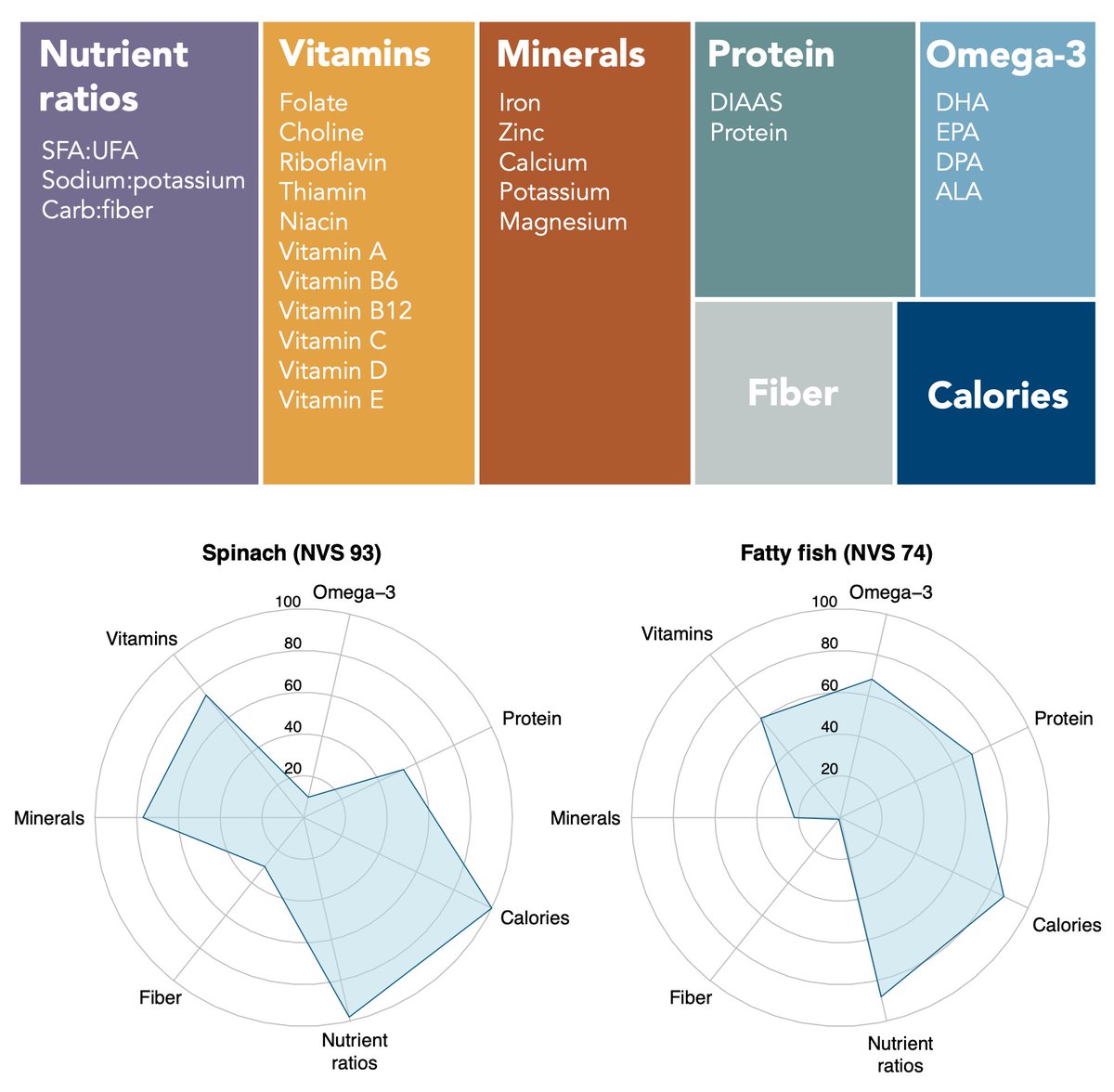
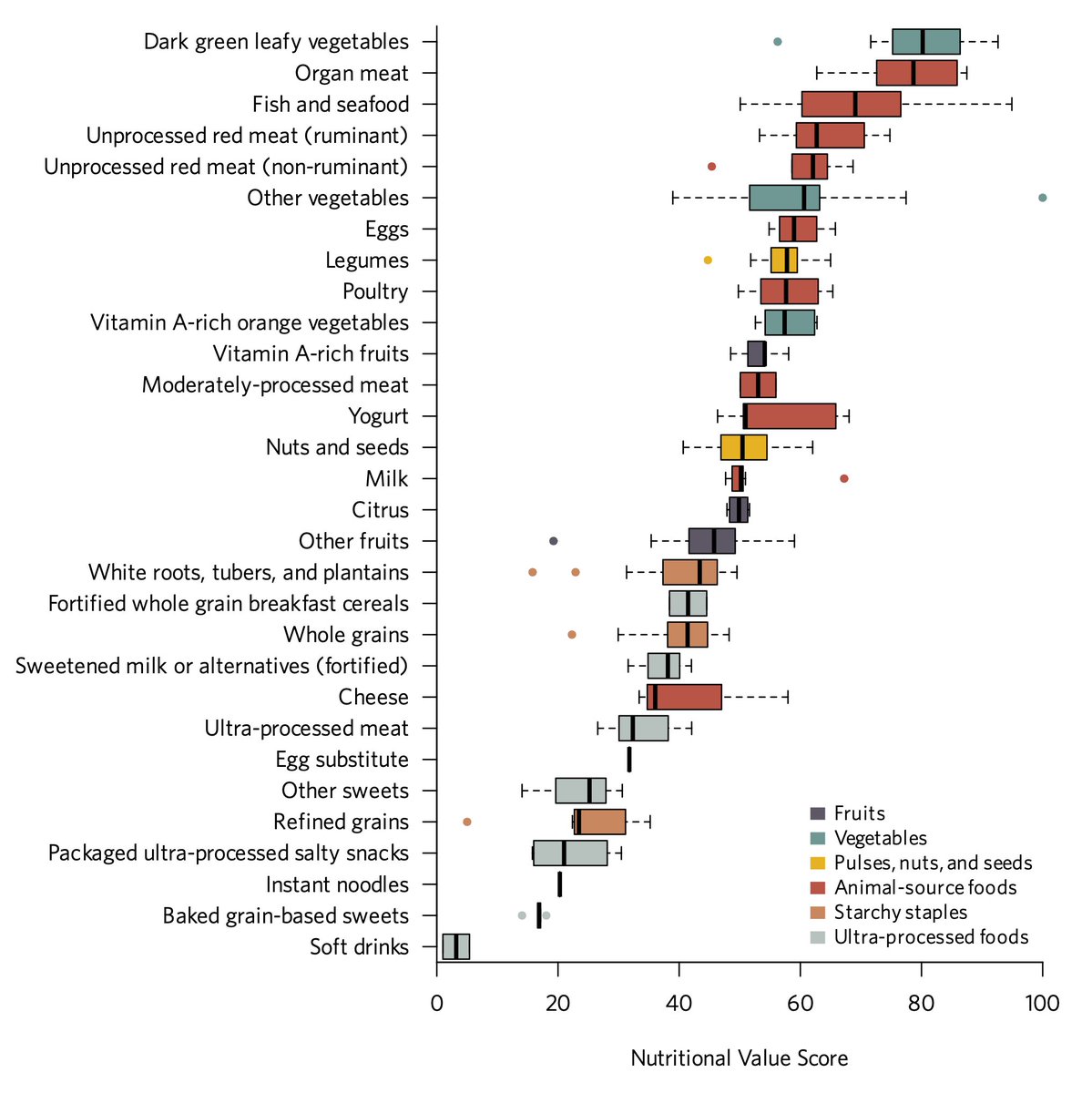
I can't believe it took 2.5 years...but my paper on a new system for rating foods by nutritional value was finally accepted for publication! Nutrient-dense foods like fish, meat, and non-starchy vegetables top the list.
Ty Beal tweet mediaTy Beal tweet media
English
104
206
1.3K
146.5K
David Oliver, Freshwell
David Oliver, Freshwell@LoCarbFreshwell·
1/ Delighted to share that the Freshwell Low Carb Programme has just been re-accredited by QISMET for: • Weight Management • Pre-diabetes • Type 2 Diabetes This is a strong national endorsement of quality and governance. 🧵👇
David Oliver, Freshwell tweet media
English
4
8
29
6.3K
Kesar Sadhra retweetledi
matrixbot
matrixbot@thematrixb0t·
Big Pharma wants you believe Alzheimer’s is incurable, but one brain surgeon is naming three substances that fight Alzheimer’s WITHOUT the side effects. #1 is Curcumin, which increases mitochondrial function and reduces the inflammatory chemicals that trigger Alzheimer’s. #2 is DHA (from omega-3 fats) - “DHA removes almost all the amyloid from brains.” #3 is EGCG (from green tea) - ECGC has antioxidant and anti-inflammatory effects that counter neurodegenerative processes. Dr. Russel Blaylock says these substances are ignored by mainstream medicine—not because they don’t work, but because pharmaceutical companies “couldn’t make a profit off it.” So, research and promotion are abandoned. If effective treatments can be buried, what else aren’t we being told about Alzheimer’s disease?
English
21
875
2.1K
73.2K
Kesar Sadhra retweetledi
Benjamin Bikman
Benjamin Bikman@BenBikmanPhD·
I don't like HbA1c as a clinical marker. I don't like how it's replaced almost every fasting marker, including fasting glucose. Of course, without fasting, you miss even better markers, such as fasting insulin, triglycerides, and HDL cholesterol. I also don't like that too many clinicians think HbA1c is only a marker of glucose. They forget there's another feature of that marker--the red blood cell. The most common blood disorder worldwide is iron deficiency anemia (because of lack of red meat). Unfortunately, even this can confuse HbA1c. With less iron, comes reduced RBC turnover, which can lead to an artificially elevated HbA1c. In this case, it's not a reflection of glucose at all, but rather "zombie" red blood cells that aren't allowed to die on time. The sooner HbA1c stops being the darling of clinical markers, the better. pubmed.ncbi.nlm.nih.gov/25994072/
English
50
99
584
44.6K
Kesar Sadhra retweetledi
Sama Hoole
Sama Hoole@SamaHoole·
1963: Dr. Robert Atkins is an overweight cardiologist in New York. He's tried standard low-calorie diets and failed like his patients fail. Weight comes off temporarily then returns. He discovers William Banting's 1863 pamphlet and Alfred Pennington's 1950s research. Both described weight loss eating meat and fat while avoiding carbohydrates. He tries it himself. Within months, loses significant weight without hunger. Energy improves, mental clarity increases. He starts prescribing the same approach to obese patients. The results match Banting and Pennington's findings. Patients lose weight eating unlimited meat and fat as long as they avoid carbohydrates. No hunger, sustainable long-term, health markers improve. 1972: Atkins publishes "Dr. Atkins' Diet Revolution." The book becomes a massive bestseller despite immediate attack from the medical establishment. The American Medical Association calls it dangerous. Nutritionists say it will cause heart disease. Government dietary guidelines condemn it. But people try it and lose weight consistently. Atkins continues refining the approach over 30+ years. Publishes updated editions, opens clinics, trains physicians. By the 1990s, millions have used his diet successfully. 2002: Controlled studies finally test the Atkins diet against low-fat diets. The results show Atkins dieters lose more weight and show better health markers than low-fat dieters. Atkins dies in 2003 from head injury after falling on ice. His autopsy is leaked and misreported - the press claims he died obese and unhealthy. Later correction shows he had normal coronary health and his weight at death was from medical treatment, not obesity. He spent 40 years being attacked for recommending exactly what Banting, Pennington, Donaldson, and others had successfully used. The evidence supported him but the industry opposed him. Modern low-carb movements exist because Atkins refused to give up despite relentless criticism. He didn't discover anything new - he just popularized what older physicians had proven decades earlier.
Sama Hoole tweet media
English
44
343
1.5K
47.9K
Kesar Sadhra retweetledi
Heart Surgeon Dr. Philip Ovadia
High-Protein Diet Boosts Kidney Function at 87 Years Old An 87-year-old patient improved his kidney function and energy by doubling his protein intake with eggs, bacon, and other high-protein foods. Contrary to common myths, high-protein diets can support kidney health and overall vitality. Discover how protein-rich nutrition can enhance longevity and quality of life. #HighProteinDiet #KidneyHealth #Longevity #HealthyAging #NutritionTips #ProteinForLife
English
13
90
382
15.6K
Kesar Sadhra retweetledi
Benjamin Bikman
Benjamin Bikman@BenBikmanPhD·
I can't help wondering whether there's ever been a study that finds LDL (or any single lipid marker?) is a better predictor for heart disease than markers of insulin resistance. The sooner we recognize insulin resistance as a key contributing factor of chronic disease, the earlier we detect the problem and the better we treat it. Of course, we'll also prevent it much more successfully.
Nina Teicholz, PhD@bigfatsurprise

Is high cholesterol the best predictor of heart disease? This paper argues that high insulin (hyperinsulinemia) is a better predictor of heart disease, type 2 diabetes, and neurodegenerative diseases. academia.edu/2994-435X/2/2/…

English
31
71
407
43.3K
Kesar Sadhra retweetledi
AlphaManDaily
AlphaManDaily@TheUpgradeMan·
Cortisol isn’t just a stress hormone. Chronically high cortisol drains energy, wrecks sleep, fuels belly fat, lowers testosterone, and even damages memory. The good news? You can bring it down naturally. Here are 9 proven ways 🧵
English
8
109
475
94.9K
Kesar Sadhra retweetledi
Dr David Unwin
Dr David Unwin@lowcarbGP·
So our international food addiction conference in London was covered by The Express The Telegraph The Mail and today The i Thanks @ClareWilsonMed 👍 When ‘moderation’ is bound to fail try abstaining!
Dr David Unwin tweet media
English
9
67
256
14.9K
Kesar Sadhra retweetledi
Brett Boettcher
Brett Boettcher@brettboettcher1·
The Healthcare System wants you sick and dependent. A patient cured is a customer lost. Here are the top 12 mind-blowing things they don’t want you to know about the “sick-care” system: 1) Type 2 Diabetes is completely reversible naturally
English
57
202
736
265.9K
Kesar Sadhra retweetledi
Dr David Unwin
Dr David Unwin@lowcarbGP·
Graph of the week! Doctors it’s odd we use insulin as a treatment for T2Diabetes IF the problem is INSULIN RESISTANCE! Perhaps reducing carbs instead could be more logical ? Here someone cuts both the carbs and insulin by 2/3 and diabetes so much better controlled Done with a CGM as cover @BenBikmanPhD
Dr David Unwin tweet media
English
20
80
364
29.3K
Kesar Sadhra retweetledi
Dr David Unwin
Dr David Unwin@lowcarbGP·
So why do I think Low carb works so well for T2D ? 1. Immediate improvements in blood glucose help motivate people to continue 2. LESS HUNGER this is key to longterm success 3.WEIGHT LOSS particularly fat loss from liver and pancreas improves insulin production and sensitivity Others might add more @DoctorTro @KenDBerryMD @KesarS2014 @drericwestman @drjenunwin
English
1
3
24
2.8K
Kesar Sadhra
Kesar Sadhra@KesarS2014·
So looking forward to significant progress in dietary guidelines. So overdue.
Dr Aseem Malhotra@DrAseemMalhotra

I lost my job in the #NHS after writing a 2013 BMJ commentary which made international headlines ‘Saturated fat is NOT the major issue’ making the case that flawed dietary guidelines have driven the obesity epidemic. 12 years later we’re on the brink of something magnificent 👊

English
0
0
7
197