Kenneth Cukier

18.5K posts

Kenneth Cukier banner
Kenneth Cukier

Kenneth Cukier

@kncukier

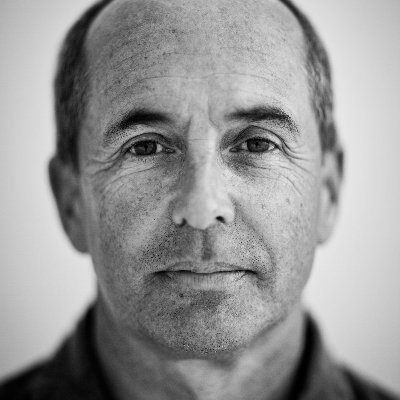
Deputy executive editor @TheEconomist. Coauthor of "Framers" and NYT bestseller "Big Data". Always curious - to my detriment.

London, England Katılım Şubat 2011
2.9K Takip Edilen25.2K Takipçiler
Sabitlenmiş Tweet
Kenneth Cukier
Kenneth Cukier@kncukier·
What is the role of people amid hyper-rational AI on one side and the simplistic answers of populism on the other? To frame issue better or reframe them altogether. And to do that well, we need openness and pluralism. We also need pre-orders. #framers amazon.com/Framers-Human-…
English
18
24
135
0
Kenneth Cukier
Kenneth Cukier@kncukier·
Alas, since this was broadcast, the situation has only become more dire!
Andrew Keen@ajkeen

Three Minutes to Midnight: How Europe is Running out of Time, by @ajkeen open.substack.com/pub/keenon/p/t… @kncukier Few speakers at DLD this year were more sombre than The Economist's deputy executive editor Kenneth Cukier. “Civilizations aren’t killed,” Cukier says, “they commit suicide.” It's now "three minutes to midnight" in Europe, he warns, and what he called the priceless "vase" of the liberal order is about to shatter. Borrowing from Hemingway's description of personal bankruptcy, Cukier argues that civilizational suicide comes "slowly, then suddenly". So can anything avert this collapse? Cukier isn't particularly optimistic, but nor is he hopeless. The vase hasn't shattered yet. The hope, he suggests, is with new peaceful technologies that can help reinvent democracy. But if the European clock really is teetering at three minutes to midnight, it's hard to be persuaded by Kenneth Cukier’s abstract promises of ethical technology.

English
0
0
0
656
Kenneth Cukier retweetledi
lou
lou@Louisalilly10·
Discussion on Evil Spawns and Agentic Economies! Thank you @kncukier asking all the right questions! youtu.be/643-pKg1M5Q?si…
YouTube video
YouTube
English
0
1
1
423
Kenneth Cukier retweetledi
Carissa Véliz
Carissa Véliz@CarissaVeliz·
@kncukier I wish! You're an amazing debater, @kncukier, Mr Original Sin of Knowledge. Let's repeat :)
English
0
1
3
431
Kenneth Cukier
Kenneth Cukier@kncukier·
Had a terrific time speaking to the brilliant @ajkeen - terrific, as in "terror" and "terrible": the world is a rougher place!
Andrew Keen@ajkeen

Three Minutes to Midnight: How Europe is Running out of Time, by @ajkeen open.substack.com/pub/keenon/p/t… @kncukier Few speakers at DLD this year were more sombre than The Economist's deputy executive editor Kenneth Cukier. “Civilizations aren’t killed,” Cukier says, “they commit suicide.” It's now "three minutes to midnight" in Europe, he warns, and what he called the priceless "vase" of the liberal order is about to shatter. Borrowing from Hemingway's description of personal bankruptcy, Cukier argues that civilizational suicide comes "slowly, then suddenly". So can anything avert this collapse? Cukier isn't particularly optimistic, but nor is he hopeless. The vase hasn't shattered yet. The hope, he suggests, is with new peaceful technologies that can help reinvent democracy. But if the European clock really is teetering at three minutes to midnight, it's hard to be persuaded by Kenneth Cukier’s abstract promises of ethical technology.

English
0
0
1
523
Kenneth Cukier retweetledi
Open to Debate
Open to Debate@OpentoDebateOrg·
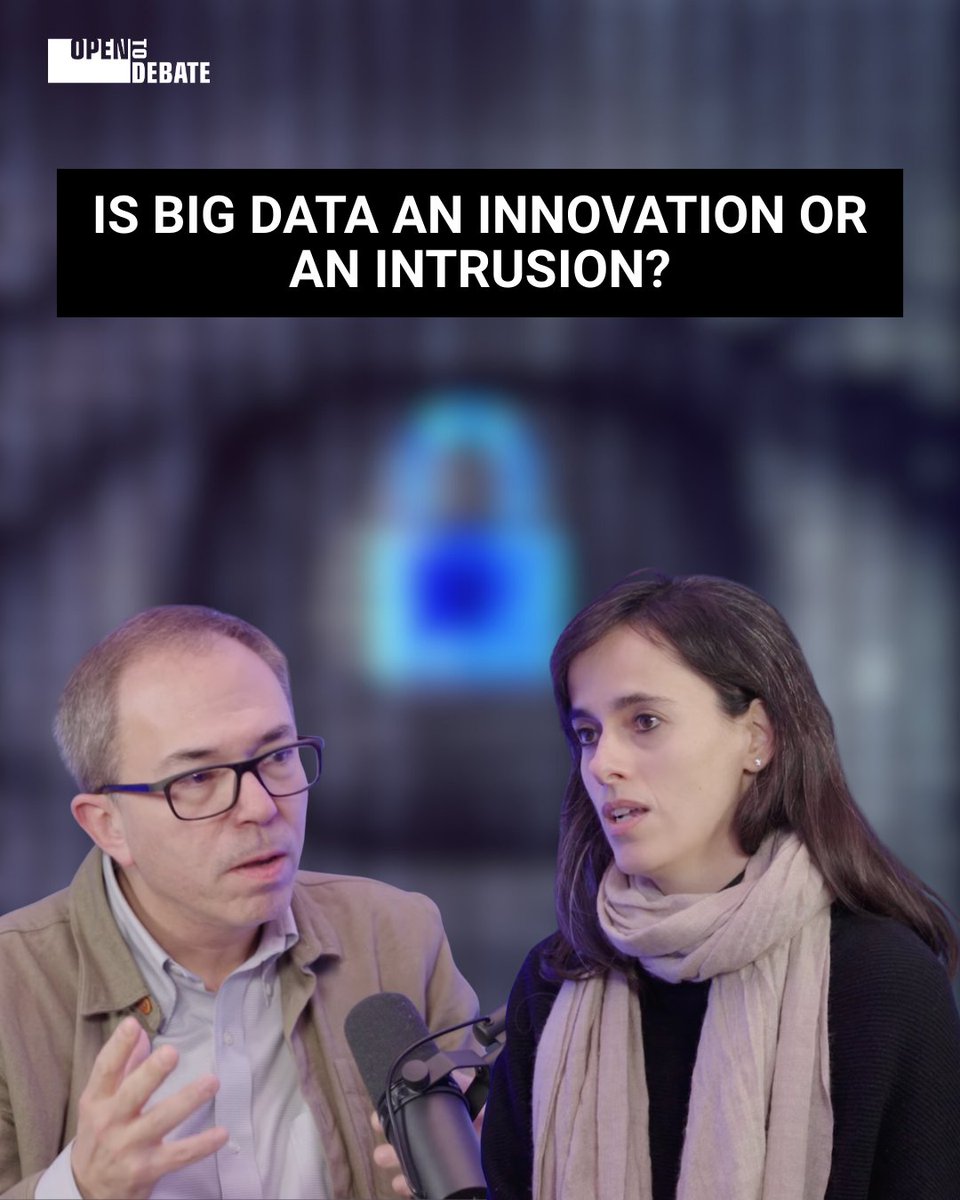
Every click you make is shaping the world around you. Big Data powers AI, elections, and trillion-dollar tech giants—but at what cost to privacy, power, and democracy? Listen now and decide: Is Big Data an innovation or intrusion? Featured Debaters: @kncukier, Deputy Executive Editor @TheEconomist @CarissaVeliz, Associate Professor at the Faculty of Philosophy and the Institute for Ethics in AI at the @UniofOxford Moderated by @xeniawickett.
Open to Debate tweet media
English
1
4
6
2.8K
Kenneth Cukier retweetledi
Open to Debate
Open to Debate@OpentoDebateOrg·
Can Democracy Survive Algorithms? From Minority Report to real-world elections, @kncukier and @CarissaVeliz tackle the dangers of assuming data can always predict the future, and explore why respecting human unpredictability—and the “minority view”—is so essential.
English
1
2
5
940
Kenneth Cukier retweetledi
Open to Debate
Open to Debate@OpentoDebateOrg·
Should companies be allowed to buy and sell your personal data? @CarissaVeliz argues it’s time to ban the data trade. @kncukier counters that, when used responsibly, it’s fair game and can enhance user experience. Where do you stand?
English
5
5
11
1.3K
Kenneth Cukier retweetledi
Don Winslow
Don Winslow@donwinslow·
John Barry completely restructured the iconic James Bond theme for the soundtrack of The Spy Who Loved Me. He had just listened to Isaac Hayes' Shaft and it shows. This track is called Bond 77 John Barry | The Spy Who Loved Me | 1977.
English
116
409
2.4K
155.8K
Kenneth Cukier retweetledi
Archaeo - Histories
Archaeo - Histories@archeohistories·
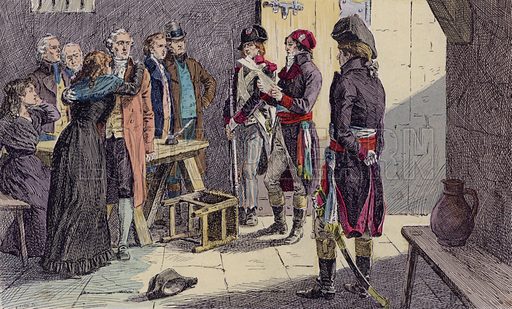
On the eve of execution, the condemned of Revolutionary France were often given paper, ink, and a few hours to say goodbye. No speeches were allowed. No appeals were heard. The blade would fall whether the words were written or not. And so bakers, seamstresses, priests, clerks, soldiers, and widows—people who had never imagined themselves part of history—sat in cold cells and tried to compress a lifetime into a page. Many began the same way: My dear wife, My beloved children, Forgive me. The Revolution that had promised liberty and equality now granted its final mercy only in ink. I’ve read hundreds of these letters. What makes them so unsettling is how ordinary they are. There is no grand political philosophy, no defiant rhetoric. A father worries about debts and winter coats. A mother apologizes for leaving her children without guidance. A young woman asks that her hair be given to her sister. One such woman was a Parisian seamstress in her early thirties, arrested after a neighbor denounced her for “lukewarm patriotism.” I don’t know why, but her case struck a chord with me. Her crime appeared to amount to little more than having regularly attended Mass and failing to denounce her brother quickly enough. The night before her execution, she wrote to her sister asking that her scissors be given to their youngest niece and that their mother be told she had died calmly. Again and again, the writers insist on their innocence—not always of crimes, but of hatred. “I die without bitterness,” one wrote, “and I forgive those who send me to death.” The language is plain, domestic, and heartbreakingly human. The Terror did not slay monsters; but it did produce victims who sounded like us. Many of the condemned had supported the Revolution at first. Some had cheered the fall of the Bastille. Others had denounced aristocrats, signed petitions, worn the cockade. But revolutions devour loyalty as easily as opposition. A careless remark, a past friendship, a failure to applaud loudly enough could be fatal. In the machinery of suspicion, innocence was not a defense—it was often a liability. As one prisoner wrote, “I do not know what crime I have committed, but I know I am to die for it.” On execution mornings, carts rolled through Paris streets lined with spectators who had grown accustomed to death as public ritual. The letters were folded, sealed, and handed to jailers or priests, some of whom risked punishment to deliver them. Many never arrived. Others survived by chance, preserved in family trunks or police archives—small scraps of paper that outlived the so-called Republic of Virtue. The guillotine was efficient; memory was not meant to be. These final letters endure because they expose the lie at the heart of revolutionary extremism: that abstract ideals can replace human bonds without cost. When politics demands total purity, ordinary life becomes treason. In the end, the French Revolution did not silence its victims with the blade alone. It silenced them by convincing enough of the nation that the individual did not matter. History’s task is to read their letters anyway. #archaeohistories
Archaeo - Histories tweet media
English
225
2.1K
7.4K
451.4K
Kenneth Cukier retweetledi
Kenneth Cukier
Kenneth Cukier@kncukier·
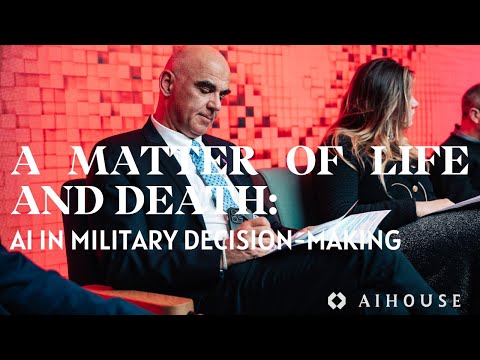
It's far-fetched, but not impossible. It's definitely wrong, but not 100% wrong. As war becomes too fast, too complex and too lethal for humans, we need machines that know the rules of engagement, or society has an even bigger problem on its hands. #PeaceTech
The Future Society@thefuturesoc

@vilasdhar @PJMFdn @stephenclare_ @SRjudgeslawyers @UNESCO @MarcRotenberg As militaries adopt AI, many fear a world of killer robots. @TheEconomist Deputy Executive Editor @kncukier's Firestarter Talk shared a provocative idea. #AIAthens2025

English
0
2
4
597