Leonard Maregere retweetledi
Leonard Maregere
1.9K posts

Leonard Maregere
@LeonardMareger
Humane Electrical Power Systems Protection Engineer
Bulawayo, Zimbabwe Katılım Haziran 2012
1.6K Takip Edilen770 Takipçiler

@VusaMkhaya Do you have a white shirt and a black tie? If you do, then you can blend in.
English
Leonard Maregere retweetledi

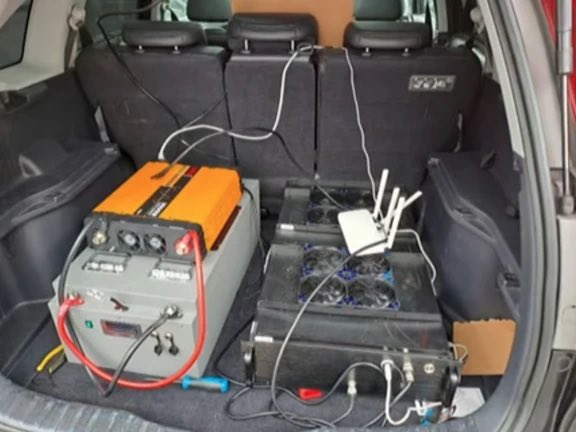
🚨 BREAKING: Toronto Police just seized “SMS Blasters” fake cell towers never seen before in Canada.
These portable devices hijack thousands of phones at once, blast fake bank/Canada Post texts, and knock out real service (even 911 calls).
Tens of thousands of phones hit.
Over 13 MILLION disruptions.
Three men charged 🇨🇳
• Dafeng Lin, 27, of Hamilton
• Junmin Shi, 25, of Markham
• Weitong Hu, 21, of Markham
This is next-level cyber crime on our streets. Stay alert. Never click surprise links.
#Toronto #CyberCrime #ScamAlert

National Post@nationalpost
Toronto police seize 'SMS blasters,' a cybercrime weapon never before seen in Canada nationalpost.com/news/canada/to…
English
Leonard Maregere retweetledi

@Chofamba @mawarirej We ain't normal anymore. Create room for arbitrage and the unemployed will utilise it. @ZANUPF_Official
Zimbabwe 🇿🇼 English
@CityofBulawayo @DavidColtart The WIG?? Yohhhh. Chris looks like some Nigerian clown. The wigs no longer serve any positive purpose
English
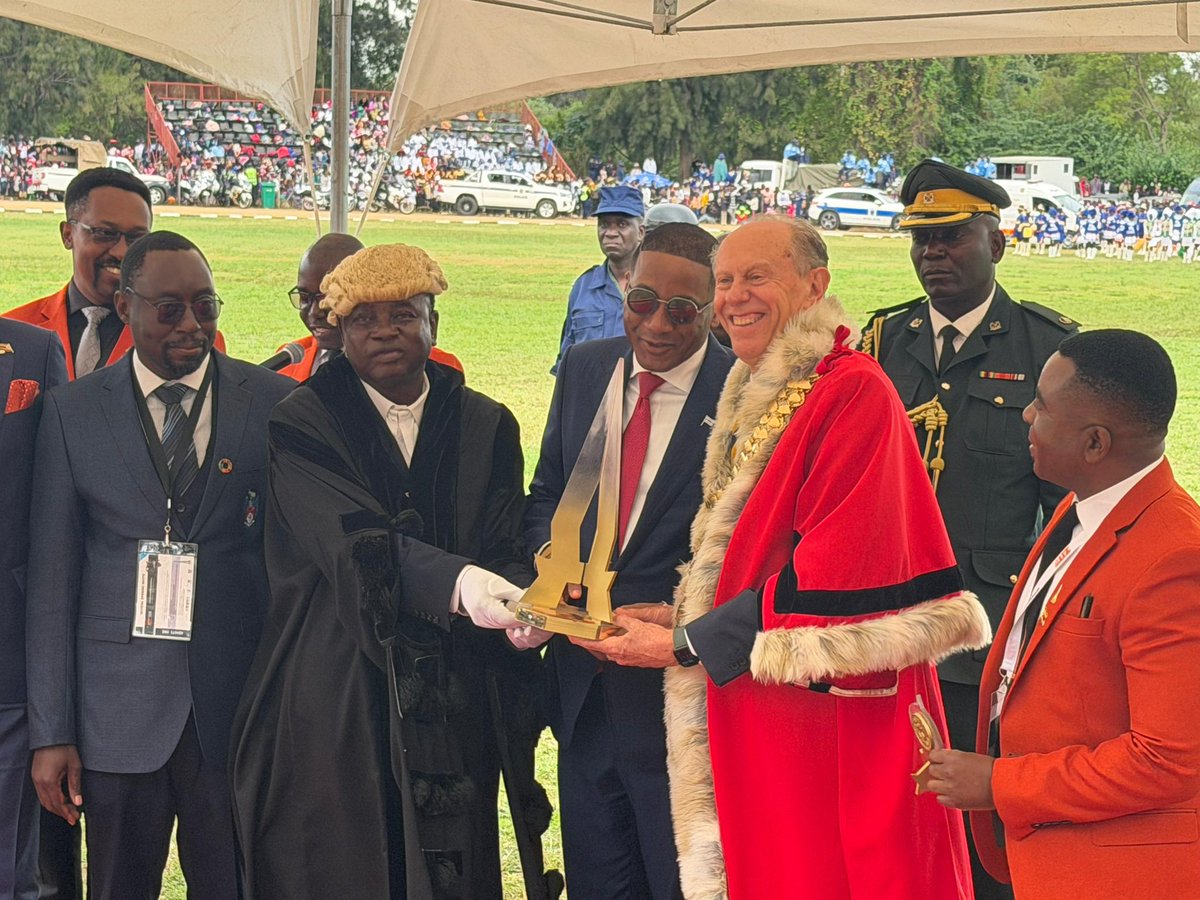
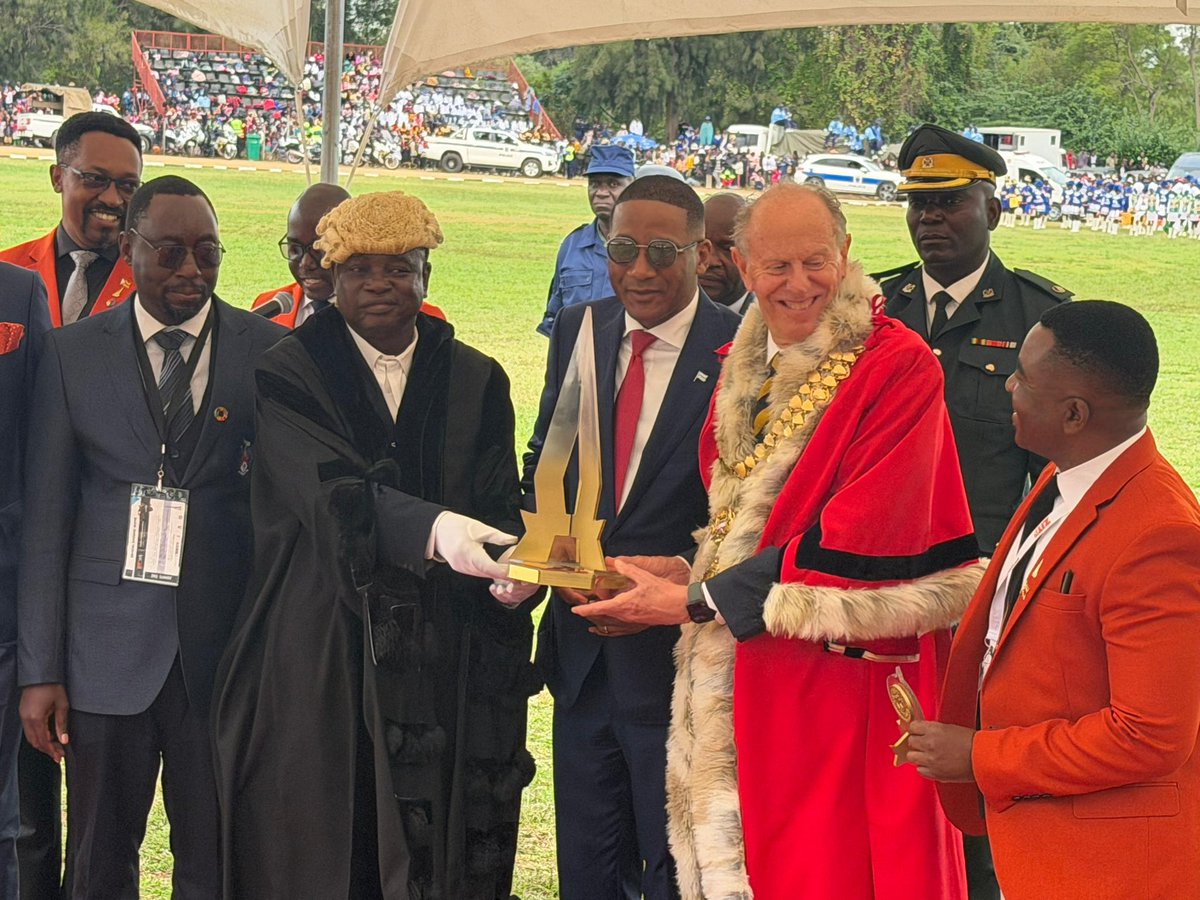
The City of Bulawayo was adjudged the best exhibiting Local Authority in the 66th edition of Zimbabwe International Trade Fair which was officially opened by His Excellency Advocate, Duma Gideon Boko, the President of the Republic of Botswana.
The City of Bulawayo was exhibiting under the theme: Connected Economies, Competitive Industries for a Smart and Sustainable Bulawayo.
His Worship Senator David Coltart, the Mayor and the Town Clerk Mr Christopher Dube received the City’s shield which was presented by President Advocate Boko.
The City of Bulawayo, in a shift from tradition, was exhibiting in Hall 3 as opposed to the City’s Pavillion.
The City’s showcased how it was contributing to connected economies and competitive industries under four thematic areas, physical, institutional, digital and economic development through market connections.
The City of Bulawayo is jointly exhibiting with Polokwane Municipality showcasing how connected cities can contribute to connected economies and competitive industries.


English
Leonard Maregere retweetledi

WATCH | This Stallion Bus driver was recorded watching a video on his phone while driving at high speed with a bus full of passengers. The bus was travelling along Masvingo Road towards Bulawayo. This is one of the reasons road accidents happen so often when drivers behave like this.
@PoliceZimbabwe @MinistryofTID
English
@SavannahSamas @LynneStactia Kanotiuraya, kufisa chaiko kuti fiiii!!!
Indonesia

#BhaskorONews !!
🔹 The CCC Chief Whips have agreed to meet with Presidential Advisor Paul Tungwarara tomorrow to discuss Constitutional Amendment Bill No. 3. According to reports, the opposition CCC MPs are in agreement with the amendment . It seems that Tungwarara is now the trusted ally of President ED Mnangagwa, and he is leading the #CAB3 , the TEMU Team is injured at the moment….More news to follow!

English

@advocatemahere 1st Frame: NICOZ, you never know what's going to happen.
How the mighty have fallen
English
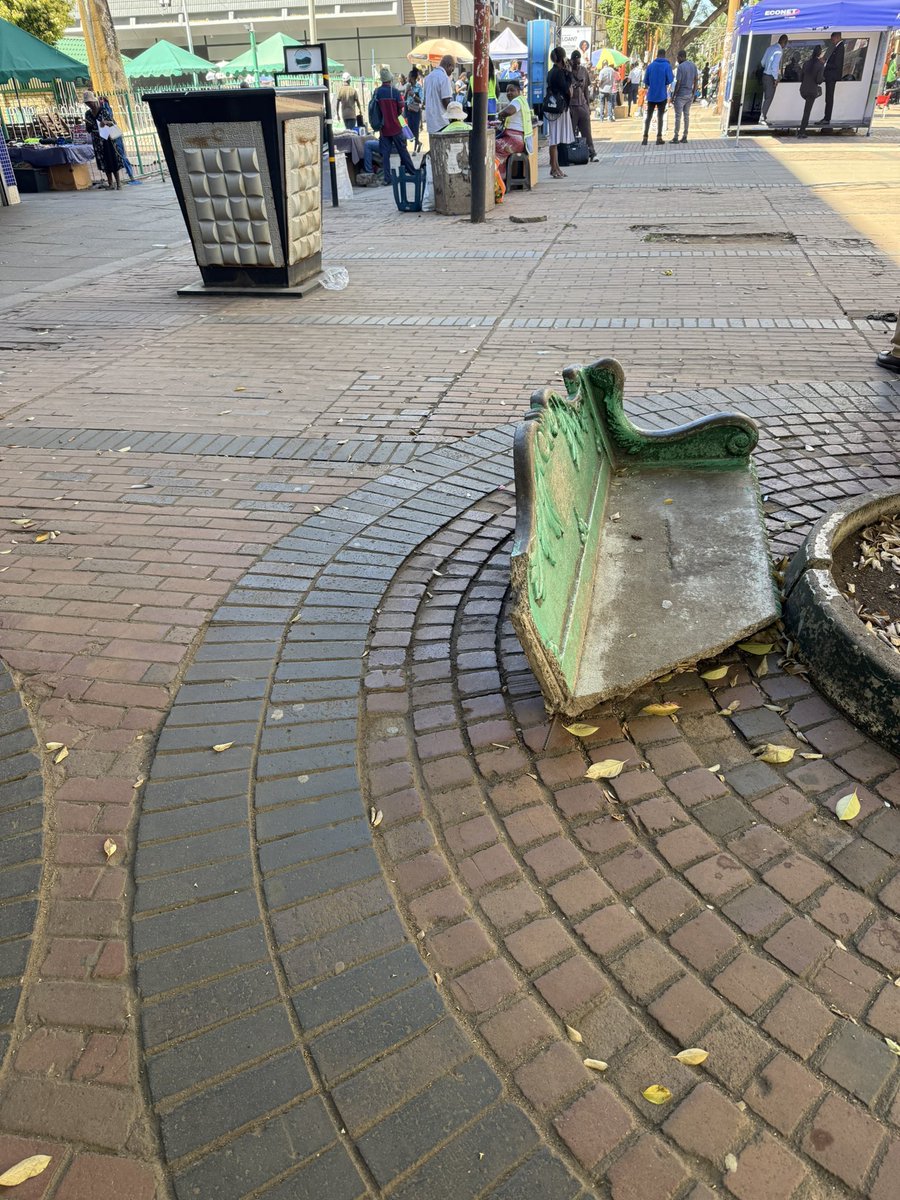
🔸Normally, when I’m walking in town, I’ll be going to and from court. I’ll be so deep in the zone that I don’t notice much.
Today, I decided to get some steps in during my coffee break. Zvaita dhorobha? Unochema. 46 years of Independence for this? I can never normalize such huchapa, neglect and dilapidation.
We need new leaders.🇿🇼


English

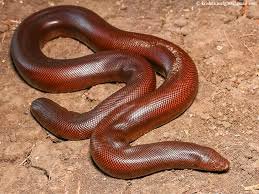
@ZimbabweHistor2 Thanks for sharing. Kindly assist with the following if you can.
1. What is it's English name?
2. Does it bite?
3. Is it poisonous?
4. How big can it become?
English

DID YOU KNOW
The shukuviri (also spelled tsvukukuviri, shukukuviri, sikukuviri, or similar variants) is a creature from Shona folklore in Zimbabwe, described as a large, mythical two-headed snake that can move backwards (one "head" at each end). In traditional Shona beliefs, it is regarded as deeply mystic because it is seen as a sacred messenger or manifestation of ancestral spirits (mudzimu or vekunyikadzimu), not an ordinary animal.
In Shona traditional religion and cosmology, certain "royal snakes" (including the python, the ndara/file snake, and the shukuviri) serve as intermediaries between the living and the spirit world. The appearance of a shukuviri—especially near a homestead—is interpreted as an omen (shura) signaling trouble, such as a breached taboo, neglected ancestors, or impending misfortune (e.g., illness or death in the family). It indicates that the ancestors are "complaining" or warning the community, requiring specific rituals to restore balance, such as brewing traditional beer and slaughtering a beast to appease them.
Killing or harming it is a serious taboo; doing so is believed to bring misfortune or suffering to the individual or the entire community. Instead, elders or a traditional healer would be called to interpret the message. If the snake stays calm and still, it confirms a genuine ancestral communication; if violent, it might indicate witchcraft. Some accounts also link its sighting (e.g., on the road while traveling) to myths around the number two or duality, or even the presence of an evil spirit (mweya wakaipa).
In reality, the name tsvukukuviri (or similar) is also used for a real, harmless blind snake (a small, worm-like species such as Schlegel's blind snake), which appears "two-headed" because both ends look similar and it can move in either direction. Shona oral tradition mythologizes this biological trait into the supernatural two-headed snake, elevating it to a spiritual symbol rather than a literal monster.
This fits broader Shona views of animals as sacred symbols tied to ancestors, land guardianship, healing, and moral order—snakes like the shukuviri are protected and revered precisely because they embody these connections, not because of physical danger. Encounters demand respect and ritual response to maintain harmony with the spirit world.

English

@kennethmtata For the ardent supporter (blind follower), their hero haaperi. They are even prepared to verbally/physically abuse those of different opinion. But eventually, they will have to accept the truth, though begrudgingly
English

@LeonardMareger No it's about supporting. Kupera was was not resolved
English

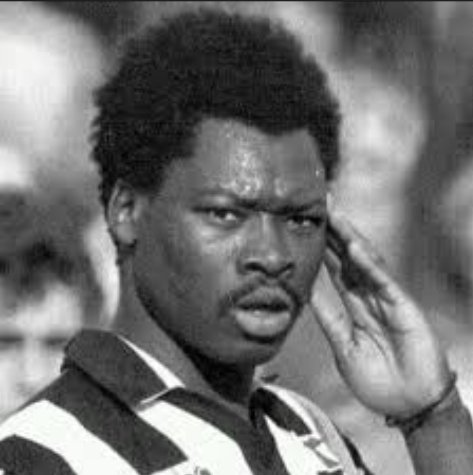
What “support” means in Zimbabwe—My Memory of Moses Chunga
Kenneth Mtata
7 April 2026
One day in 1993, Msaigwa, Vhim, and I went to Rufaro Stadium for a special match: Dream Team A versus Dream Team B. The two sides had been assembled by the then national coach, Reinhard Fabisch. While the match was intended to prepare for an upcoming international fixture against Zambia, it also carried a deeper purpose—to confront a growing public perception.
Moses Chunga—affectionately known as Bambo—had not been included in Dream Team A because of a serious knee injuries that even operations in Germany had failed to fully resolve. Yet many Zimbabweans, especially maDembare, insisted he should play. There was a strong longing to see him alongside Peter Ndlovu. The popular phrase at the time captured the national mood: “Regai vana vatambe vose”—let the boys play together.
To make his point, Fabisch placed Chunga on the opposing side.
Each time Bambo touched the ball—even as he visibly limped—the Musika end of Rufaro erupted in celebration. He was deeply loved. I, also admired him too.
In midfield for Dream Team A was Rahman Gumbo, a tough-tackling and uncompromising player. To Chunga’s supporters, Gumbo’s challenges seemed excessive—almost as if he was trying to injure Bambo further. The tension in the stadium thickened.
There were still flashes of brilliance from Chunga—clever passes, moments of vision. The football mind remained sharp. But the body could no longer fully respond.
Then, from somewhere below us, a quiet voice said, almost reluctantly:
“Asi Mose apera mhani!”
(But Moses is finished.)
Immediately, a man stood up and demanded:
“Ati Mose apera ndiani? Ndiani ati Mose apera?”
(Who said Moses is finished? Who said that?)
Silence fell.
Then he added sharply:
“Apera ndimai vako wazvinzwa?”
(The one who is finished is your mother—do you understand?)
The game ended with divided convictions: some were persuaded that Chunga was indeed finished; his ardent supporters insisted he simply needed another chance. (Years later, in a chance encounter when Chunga kindly gave me a lift from Zvishavane to Harare, he confirmed that his injuries could no longer allow him to compete at that level.)
As we squeezed into a kombi from Mbare to Fourth with Vhim and Msaigwa, we burst into laughter—but the moment stayed with me.
The Moral of the Story
In Zimbabwe—and perhaps in many places today—“support” is not always grounded in truth, evidence, or present reality. More often, it is rooted in loyalty, identity, and emotion.
To speak an honest word in such a context requires courage—especially when that truth contradicts what people deeply want to believe. Facts alone rarely shift deeply held loyalties. There are forms of support that endure not because they are true, but because they are felt.
In such moments, “support” ceases to be about seeing clearly or objectively.
It becomes, instead, a refusal to see differently.

English

@MickyJnr__ You need to do visit a club that's turning 100 years and do an article of their journey to 100 years such stories deserve a documentary
English

🇿🇼 Next Stop: Zimbabwe ❤️
In the coming days, I’ll be in Zimbabwe. A beautiful, unique nation with a rich football story.
While there, I’ll be meeting the FA President, Nqobile Magwizi and engaging with key stakeholders to understand their vision for the game.
I’m especially looking forward to hearing their plans on how they aim to restore the glory days of Zimbabwean football.
I’ll also be visiting a few clubs, including Scottland FC, as I immerse myself in the local football ecosystem.
More than anything, I want to truly feel the culture to connect with the people, the passion, the streets and the heartbeat of the game in Zimbabwe.
This is a country that has produced incredible talent, players who have gone on to leave their mark across African and world football. That legacy still lives on.
We must all play our part in ensuring Zimbabwean football rises strongly again and is in a position to host major CAF tournaments and events in the near future.
There’s a story here waiting to be told and I’m ready to experience it firsthand.
Exciting days ahead. Stay with me on this journey. 👀
#VisitZimbabwe
#AfricanFootball

English

@ZimbabweHistor2 Well researched piece. I wish to see such consistency
English

DID YOU KNOW
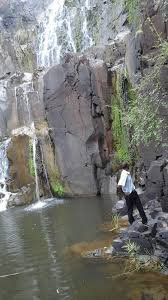
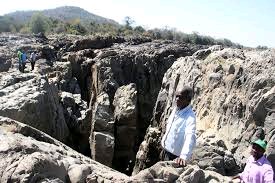
Gandavaroyi (also known as Gandavaroyi Falls or Gorge) is a place and natural feature in Gokwe District, Midlands Province, Zimbabwe, located along the Sanyati River in the Nembudziya/Gumunyu area (roughly 100 km from Nembudziya Shops).
The name Gandavaroyi is Shona in origin and directly refers to its grim historical use as a site for testing suspected witches and wizards. It loosely translates to “throwing witches into” (a plunge pool or deep gorge).
Historical Background
In pre-colonial times (and continuing into the early colonial period), the falls and the adjacent estimated 50-metre-deep gorge served as a “litmus test” for people accused of witchcraft (varoyi in Shona). Suspects were thrown into the plunge pool below the falls. If they disappeared—presumed to have been “swallowed” by the pool—they were deemed guilty witches and never seen again. Those who somehow survived were considered innocent.
This practice gave rise to the name Gandavaroyi (“Ganda varoyi” — essentially “throw the witches”). The last recorded incident took place in 1926, when a 20-year-old woman named Runyararo Mlambo was thrown in after being labelled a witch by the local community.
The practice was eventually halted decades ago (likely under colonial administration), but the site retains a strong mystical reputation. Local folklore holds that the spirits of those who perished there still roam the area, and unexplained disappearances or unusual events (such as a 2015 incident where a man slipped and vanished, or crocodile attacks where victims’ remains were never recovered) are sometimes attributed to these spirits.
Traditional leaders today describe the falls not as “haunted” but as sacred, with some families maintaining a guardianship role linked to spirit mediums (e.g., connections to the Matonjeni shrine).
Today, Gandavaroyi is promoted as a scenic but eerie tourist attraction—known for its dramatic gorge, deep pools, and swirling water that disappears into underground channels—while locals still treat the area with caution and respect due to its dark history.


English

@Zvoutete14 @sirigwe4real Iweka iwe. Unoda shamhu yemukamasani
Indonesia

On the highway, uri kuteerera vanhu 4 vapi from the list below?:
A
Monalisa
Madhawu
Mundikumbuke
Mwari wenyasha
Kushungurudzwa
B
Tsaona
Arindine
Mai Linda
Mwana waMesa
Zvibate pamhaka
C
Zvaitika
Jemedza
Mavanga
Mukwasha
Kudakwashe
D
Mugove
Kundiso
Sakunatsa
Unochemei
Hupenyu mutoro
E
Denda
Comma
Chautah
Pane asipo
Haina window
F
Naye
Zakeo
Chubvu
Handidi navo
Zvinoita murudo
G
Mbereko
Rudo imoto
Pfimbi yangu
Ndibvumbamireiwo
Tauraya rudzi rwedu


Filipino

@Tshumba5 @Chakariboy @HighlanderBosso @EzraSiband8233 Did you watch the game? Skilled but indisciplined, at least that's what he showed in that game. Even picked an unnecessary yellow
English

What a player this guy is, easy on the eye and makes football look such a simple goal, scored a beauty in the BOZ today @HighlanderBosso @EzraSiband8233

English

@mawarirej @edmnangagwa Coming from someone called Jealousy, that message hits differently. Maybe our parents truly understood the power of names.
English

I thought our journalists would investigate where ED, as a law student at UNZA, got the money to buy the car. Remember, he went to Zambia from prison in Rhodesia, where did he get the money to buy the car?
Where are the registration papers for the car to prove that @edmnangagwa
Owned the car?
Where was this car since 1980? How was it brought to Zimbabwe and was it ever used in Zimbabwe? If so, what was it's registration details in Zimbabwe?
Hadzisi mota dzamuri kutora kumarabu mopenda moneyepera vanhu kuti ED owned it?
Can we please have the registration papers for the car in Zambia tipedze nharo?


English

Real South African 🇿🇦 names:
Gayton McKenzie
Brown Mogotsi
Green Mogotsi
Blue-black Mogotsi
Goodwill Zwelitini
Doctor Khumalo
Evidence Makgopa,
Happy Cele,
Honour Zuma,
Surprise Moriri,
Wisdom Makobe,
Patience Phumelele Gwala,
Punch Masenamela,
Excellent Walaza,
Two-Boys Gumede,
Tonic Mkwanazi
Pollen,m Mawemela
Naughty Mokoena
Yanga@Yanga_Co
Zimbabweans' English names thread ✍️
English

@dextertawona @JMangoya Saka pane Suri Suri Airbase next to that stretch.
English

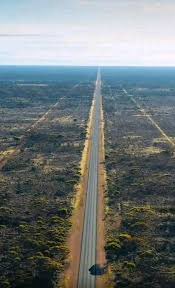
Speaking of wars, did you know that Africa’s LONGEST uninterrupted stretch of straight road is found in Zimbabwe? It is a 35.7-kilometre section of the A5 highway between Chegutu and Kadoma.
This stretch was deliberately designed during the era of Rhodesia, when military defence infrastructure was often integrated into civilian infrastructure. The road was engineered to be perfectly straight so that, in times of conflict or national emergency, it could serve as an improvised runway for jet fighters to land and take off.
In other words, it was not just a highway but also a piece of strategic military planning embedded within the country’s transport network. Know your country. 🇿🇼

English