Marehan Union Party

1.2K posts

Marehan Union Party banner
Marehan Union Party

Marehan Union Party

@MUPIONEERS

History & Geography ๐Ÿ“š๐ŸŒ

Harar Katฤฑlฤฑm Nisan 2024
5 Takip Edilen765 Takipรงiler
SabitlenmiลŸ Tweet
Marehan Union Party
Marehan Union Party@MUPIONEERSยท
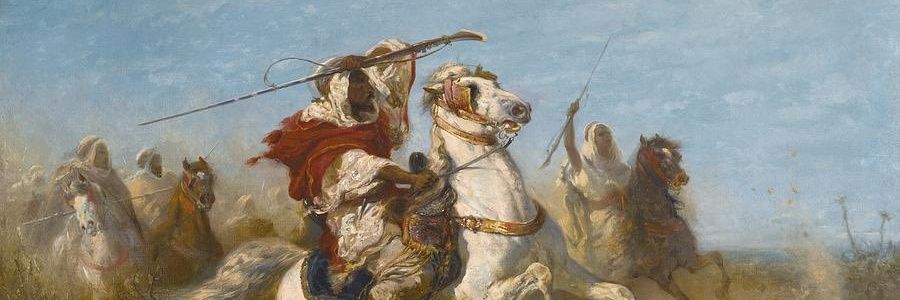
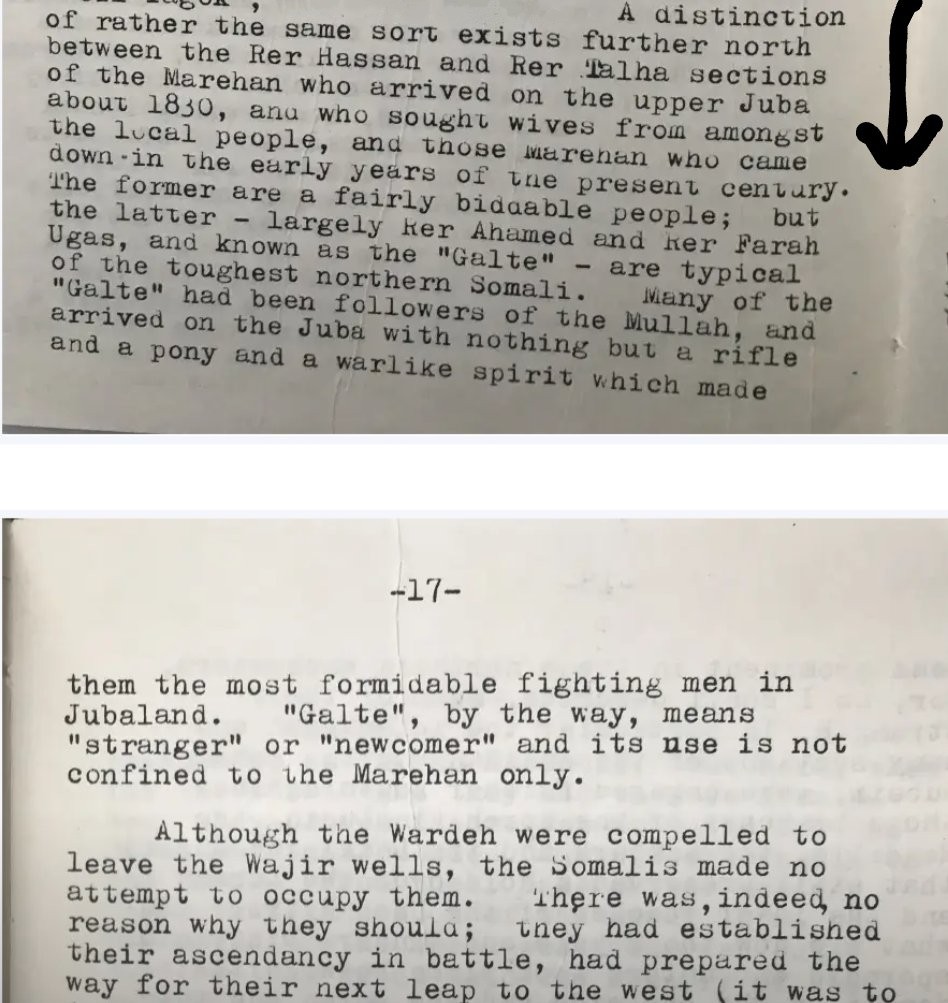
The early Marehans migrated to Jubaland around the late 18th century and were recorded on the upper Jubba by the year 1830 (the earliest on record). In particular, the Reer Hassan and Talha were the pioneers and sought wives from the local people. However, the "Galti," who arrived later, are known as the toughest northern Somalis. Many of them had aligned with the Dervishes before. They arrived on the Jubba with nothing but a rifle, a pony, and a warlike spirit, which made them the most formidable fighting men in Jubaland.
Marehan Union Party tweet media
Marehan Union Party@MUPIONEERS

One of the major reasons for the second wave of migration, also known as the "Galti" migration, was due to internal problems faced by the Marehan clan. However, another significant reason was to reinforce the Marehan who had migrated many decades prior. These early settlers were the pioneers who conquered the region and are referred to as the "Guri", meaning "home" in Af-Soomali. Their counterparts who migrated later are called the "Galti", meaning "newcomers." The Galti migrated in groups or as families. Those who couldn't move on the exact day made plans to follow in the near future. It was during this second wave that the famous saying "Mareexaan Gedo rimman, madaxna timo rimman" came into being. This phrase was coined by the Galti and holds a deeper meaning, it expresses appreciation for the Guri, the pioneers who had their eyes set on the prize and conquered it. Indeed, their sacrifices were not in vain. Ugas Mohammed left behind several daughters and one son, Hirsi, who was the only boy. Due to the chaotic situation following Ugas Mohammed's death, it was agreed that a new Ugas should not be elected immediately, as Hirsi was too young. Unfortunately, no one took the initiative to protect or prepare Hirsi, the rightful heir, for future leadership. As a result, Hirsi and his siblings, now orphans, migrated with their close cousins to Gedo.

English
5
8
75
32.2K
Marehan Union Party retweetledi
Ugaz
Ugaz@Ibnsadeยท
Ugaz tweet media
MP Dr Abdillahi Hashi Abib@MPDrAbib

TO: ALL SOMALI AND TURKEY CITIZEN Subject: From Adal to Ankara: The Centuries-Old Somali Turkish Alliance Executive Summary The historical relationship between Somalia and Turkey is not a modern phenomenon but is rooted in a centuries-old alliance that began with the Gadabuursi-led Adal Sultanate and the Ottoman Empire. This partnership was forged through shared religious identity, strategic military cooperation, and robust trade and cultural exchanges. The Gadabuursi clan, as the founders and rulers of the Adal Sultanate with its capital in Zeila, acted as the primary interlocutors and allies of the Ottoman Caliphate in the Horn of Africa. Their collaboration exemplified early Islamic diplomacy, military coordination, and economic integration in the Red Sea and Indian Ocean region. This report provides a comprehensive historical analysis of that relationship, tracing its origins, evolution, and legacy, and establishes that Somali Turkish ties have been continuous since the 13th century. 1. Gadabuursi: Founders and Leaders of the Adal Sultanate The Gadabuursi, a major Somali Dir clan, were the founders, rulers, and protectors of the Adal Sultanate centered in Zeila (Saylac) - one of Africaโ€™s oldest Islamic cities and a major commercial hub. From the 13th to the 15th centuries, Zeila became a political, economic, and religious powerhouse under Gadabuursi leadership, serving as a vital bridge between the Horn of Africa and the broader Islamic world, including the rising Ottoman Empire [Lewis, 1965; Trimingham, 1952]. This prominence made the Gadabuursi rulers natural allies of other Muslim powers - especially the Ottomans - in a region increasingly threatened by Christian Ethiopia and European colonial expansion, notably Portuguese interventions. 2. Shared Islamic Identity and Strategic Alliance Both the Adal Sultanate and the Ottoman Empire were Sunni Islamic states committed to defending and expanding Muslim rule. The Gadabuursi-led Adal rulers aligned themselves ideologically and diplomatically with the Ottoman Caliphate, viewing it as the center of Islamic authority and global Muslim leadership. This alignment was not merely symbolic - it evolved into real military, political, and economic cooperation when both powers faced common enemies in East Africa and the Indian Ocean [Pankhurst, 1968; Shihab ad-Din, 1540s]. 3. Ottoman Military Support to Adal During the Jihad Against Abyssinia (1527โ€“1543) The most direct and powerful example of this relationship came during the campaigns of Imam Ahmad ibn Ibrahim al-Ghazi (Ahmed Gurey) against the Christian Ethiopian Empire. The Gadabuursi and other Dir clans formed the backbone of Adalโ€™s leadership, armies, and administration during this war. Facing the combined might of the Abyssinian Empire and Portuguese naval support, Adal sought help from Sultan Suleiman the Magnificent, who responded decisively. The Ottoman Empire provided firearms and cannons, introducing advanced gunpowder warfare to the Horn of Africa, as well as military advisers and soldiers, including Turkish, Arab, and Yemeni troops. Naval support along the Red Sea disrupted Portuguese supply routes and reinforced Adalโ€™s operational capabilities. This cooperation transformed the Adal military, enabling them to nearly defeat Ethiopia and even occupy its capital for a period. The Gadabuursi leadershipโ€™s diplomatic outreach and political legitimacy as rulers of a Muslim state made this Ottoman support possible [ฤฐnalcฤฑk, 1973; Pankhurst, 1968]. 4. Ottoman Recognition of Zeila and Gadabuursi Rule After Imam Ahmadโ€™s death, the Ottoman Empire continued to expand its presence along the Red Sea and Somali coast. Zeila, as the historical capital of Adal and the heartland of the Gadabuursi, remained a key Ottoman strategic site. The Ottomans stationed garrisons and administrators in Zeila and nearby ports, recognized Somali rulers - Gadabuursi sheikhs and sultans - as Ottoman allies or vassals, and integrated Zeila into the Ottoman Eyalet of Habesh, the administrative province that included parts of Eritrea, Djibouti, northern Somalia, and Sudan. This arrangement allowed the Gadabuursi to retain political autonomy while benefiting from Ottoman military protection and international legitimacy [Trimingham, 1952; Lewis, 1965]. 5. Religious, Educational, and Cultural Links Through Ottoman influence, the Islamic institutions of Adal - including mosques, madrassas, Sufi brotherhoods, and courts - received intellectual and theological inspiration from Istanbul, Mecca, and Cairo. Gadabuursi scholars traveled to Ottoman-controlled centers of learning, while Ottoman-trained jurists and imams served in Zeila and Harar. This deepened the cultural and religious ties between the Gadabuursi elite and the Ottoman world, creating a network of scholarship and jurisprudence that reinforced Sunni Islam in the Horn [Pankhurst, 1968; Marcus, 1994]. 6. Strategic Significance of the Relationship The Gadabuursiโ€“Ottoman partnership was more than just a military alliance; it was part of a global geopolitical strategy. It secured Red Sea trade routes, protected Islamic pilgrimage corridors, and served as a counterbalance to Portuguese and Christian influence in East Africa. The Gadabuursi leadership ensured local stability, while the Ottomans provided advanced military technology, political legitimacy, and integration into a wider Islamic network. This relationship exemplifies how regional Muslim powers collaborated to preserve sovereignty, faith, and commerce against external threats. 7. Transition to Modern Somali Turkish Relations The historical relationship established during the Gadabuursiโ€“Ottoman period provides a clear lineage for modern Somali Turkish relations. Recognition of this shared past offers a legitimate foundation for contemporary partnerships and illustrates that the Somali Turkish alliance is not a recent phenomenon but rather the continuation of a centuries-old relationship dating back to the 13th century. Conclusion The Gadabuursi-led Adal Sultanate and the Ottoman Empire shared a relationship defined by faith, strategic cooperation, and mutual respect. From the establishment of Zeila as a commercial and religious hub to coordinated military campaigns and Ottoman recognition of Somali sovereignty along the coast, the historical record demonstrates a continuous and meaningful partnership. This alliance laid the foundation for enduring Somali Turkish relations, proving that the ties between the two nations are longstanding, resilient, and mutually beneficial. Recognizing this history provides both a scholarly and political framework for understanding the depth of contemporary cooperation. ๐Ÿ“ท Dr. Abdillahi Hashi Abib - BA, MA, MASc, Ph.D Member of Foreign Affairs Committee Candidate for President of Federal Republic of Somalia - 2026 MP- HOP #201 Awdal Region and Gebileh District Leader of the Accountability and Transparency Caucus of the House of People E: dheemaal@yahoo.com W: + 1-571-436-7586 References (Inline) o Lewis, I. M. A Pastoral Democracy: A Study of Pastoralism and Politics Among the Northern Somali of the Horn of Africa. London: Oxford University Press, 1965. o Trimingham, J. Spencer. Islam in Ethiopia. London: Oxford University Press, 1952. o Pankhurst, Richard. The Ethiopian Borderlands: Essays in Regional History from Ancient Times to the End of the 18th Century. Lawrenceville, NJ: Red Sea Press, 1997. o Shihab ad-Din Ahmad. Futuh al-Habasha: The Conquest of Abyssinia. Translated excerpts, 1540s. o ฤฐnalcฤฑk, Halil. The Ottoman Empire: The Classical Age 1300โ€“1600. London: Phoenix Press, 1973. o Marcus, Harold G. A History of Ethiopia. Berkeley: University of California Press, 1994. @TBMMresmi @NumanKurtulmus @HakanFidan @MFATurkiye @trpresidency @RTErdogan @golaha_shacabka @HouseForeignGOP @realDonaldTrump @StateDept @USTreasury @TheJusticeDept @SpeakerJohnson @susiewiles2024 @GOPMajorityWhip @RepFinstad @HassanSMohamud @TheVillaSomalia @HamzaAbdiBarre @AadanMadobe @SomaliainQatar @MOFAKuwait @UAEinSomalia @ChineseSomalia @KSAmofaEN @US2SOMALIA @EU_in_Somalia @ItalyinSomalia @UNSomalia @TC_MogadisuBE @UNDPSomalia @WorldBankAfrica @IMFAfrica @JMeservey @HudsonInstitute @CanHCKenya @SwissEmbassyKE @AbdisalamDhaay @MOFASomalia

ZXX
3
20
70
11.4K
Marehan Union Party retweetledi
Al-แธคumaydi
Al-แธคumaydi@Aqeeliyoonยท
Here we have The Migrations of the descendants of สฟAqฤซl ibn Abฤซ แนฌฤlib ุฑุถูŠ ุงู„ู„ู‡ ุนู†ู‡, during the Abbasid era. More details in the thread ๐Ÿงต โฌ‡๏ธ
Al-แธคumaydi tweet media
Catalร 
1
4
22
1.6K
Marehan Union Party retweetledi
Lt Khalifa
Lt Khalifa@LtKhalifaยท
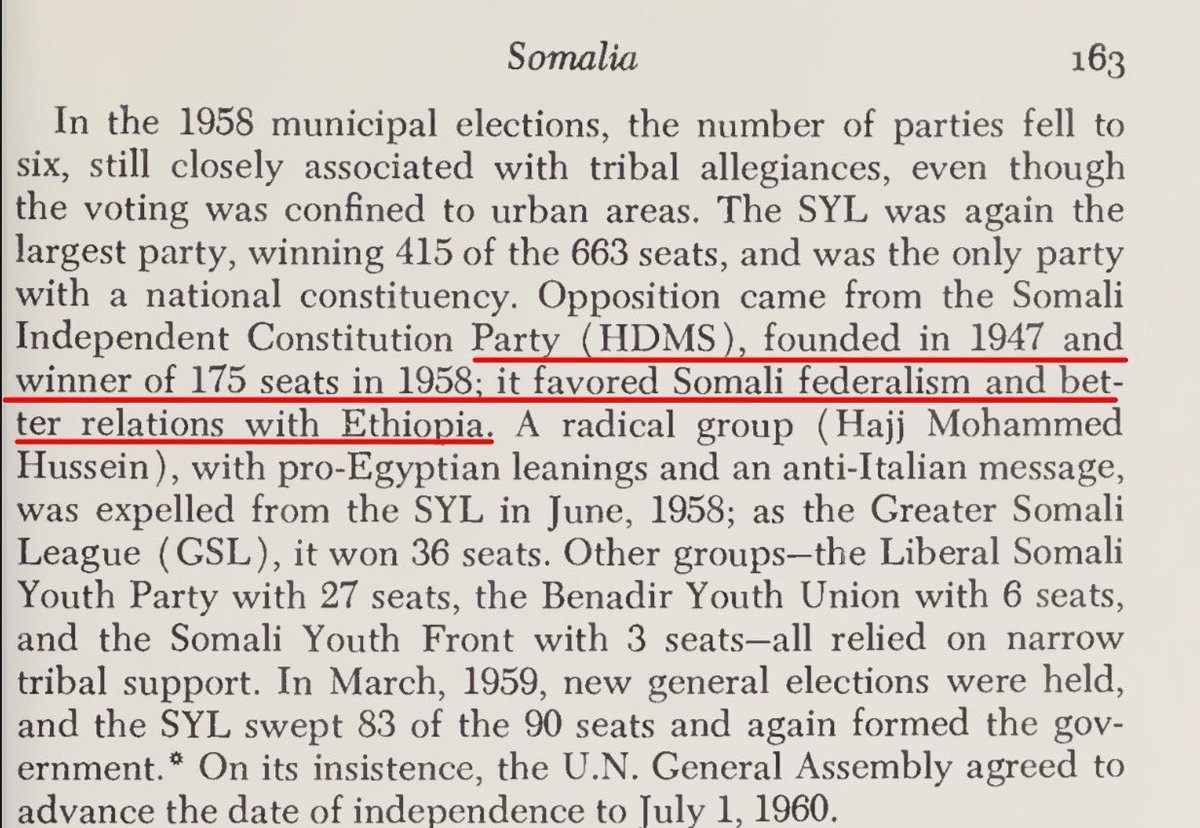
The HDMS party was the first to propose the idea of federalism within Somalia. Is it a coincidence that they wanted better relations with Ethiopia?
Lt Khalifa tweet media
English
1
17
74
5K
Marehan Union Party retweetledi
Ugaz
Ugaz@Ibnsadeยท
The Power of Narrative Construction: A Deeper Dive into its Impact on the Somali Conflict The document you are viewing isn't just presenting historical facts. It is an analysis of how a specific narrative is 'constructed' for "grievance-making." The hidden insight here is that narratives are not neutral holders of information. Instead, they are powerful, often deliberately crafted tools. These tools are designed to achieve specific political ends, such as justifying division or demanding autonomy.
Ugaz tweet media
Osman Sanweyne Dahir Seed@DahirSeed

The Majeerteen and the Marehan โ€“ The Legacy of Rivalry Introduction To understand Somaliaโ€™s fractured narratives, one must return to their roots and confront the causes at their core. Only then does the true dynamic between clans become visible. And only then does todayโ€™s divide make sense: why some cling to the idea of a strong central government, while others see survival only in a weaker state or a federal system. 1. Siad Barreโ€™s Coup and the Marginalization of the Majeerteen The decisive turning point came in 1969, when General Siad Barre seized power in a coup that abolished civilian rule at a time when the Majeerteen held significant political influence. From day one, Barre set about marginalizing them, stacking the state in favor of his own clan. As the son of the largely nomadic Marehan, Barre carried both a deep inferiority complex and a consuming paranoia toward the Majeerteen, whose long tradition of leadership and statecraft cast a constant shadow over him. He did not see them as rivals to outmaneuver within politics but as enemies to be crushed. That paranoia exploded after a failed coup attempt, which he blamed on Majeerteen officers. His response was brutal: executions, collective punishment, and indiscriminate assaults on communities and entire regionsโ€”not to govern, but to terrify. Thus, marginalization became institutionalized. Majeerteen regions were stripped of resources. Their history was deliberately distortedโ€”or in some cases erasedโ€”from schoolbooks and the national narrative. 2. Resistance and the Rise of Armed Opposition But fear has its limits. The Majeerteen have never been a people of submission. Their history is defined by resistanceโ€”against colonial rulers, against Italian fascism, against every attempt at domination. Barreโ€™s campaign did not silence them; it ignited them. They were among the first to organize armed resistance, founding the Somali Salvation Democratic Front (SSDF). Their defiance shattered the wall of fear and inspired others to rise, reject dictatorship, and claim their rights. 3. The Lesson History does not flatter the self-deceived. Faces may change, but the script remains the same. #Puntland cannot be bought, forced, or tricked into consent. Those who attempt to revive the dictatorโ€™s playbook are walking a familiar roadโ€”and they will meet the same end. This is also why Somalis remain divided over governance. For some, central authority is remembered as a tool of domination; for others, federalism or a weaker state is the only safeguard. These positions are not theoreticalโ€”they are carved from lived experiences of repression, exclusion, and the struggle for self-determination. Conclusion A state built on fear is nothing but a castle of sand. It may rise high, it may glitter for a time, but when the waves of resistance return, it will collapse. Those who dream of reimposing central control without consent are not visionariesโ€”they are imitators of a failed past. And just like him, they will not prevail. They will fall. Osman Sanweyne

English
2
20
53
9.7K
Marehan Union Party
Marehan Union Party@MUPIONEERSยท
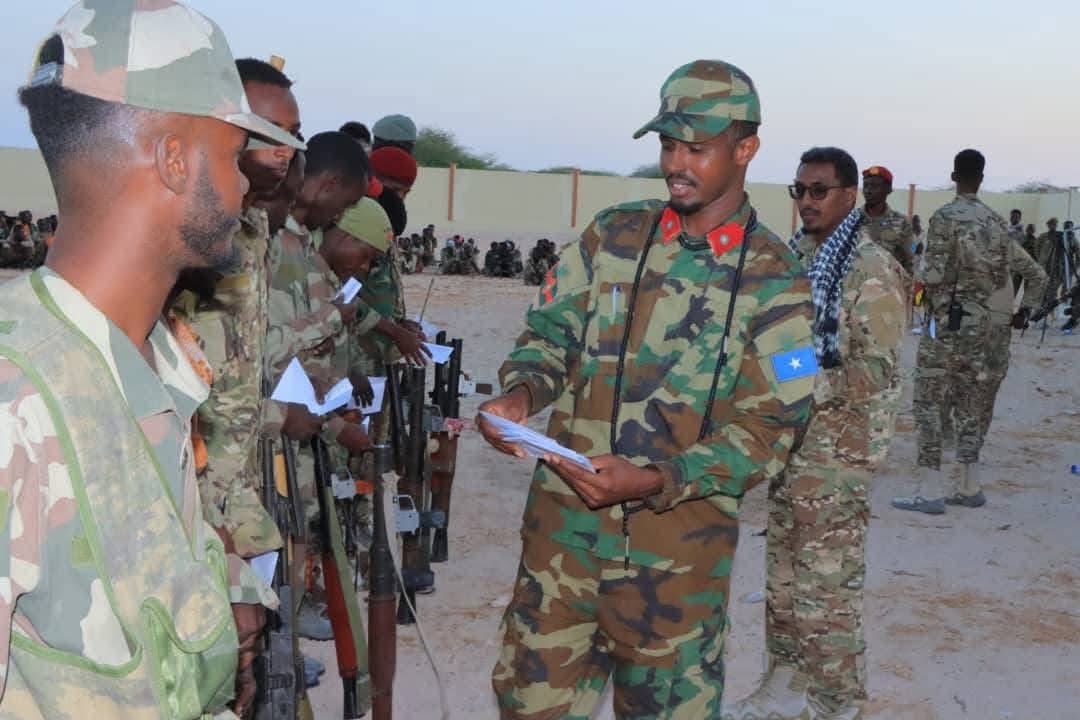
Taliyaha Qaybta 1-aad Kumaandooska Gorgor G/le dhexe Saahid Jaamac Faarax"Jareere" ayaa la guddoon bilad geesinimo ah kaddib kaalinkii uu ka qaatay guushii ciidanka xoogga dalka iyo kuwa xaq udirirka deegaanka ka gaareen Weerarkii fashilmay ee khawaariijta kusoo qaaday Ceeldheer.
Marehan Union Party tweet mediaMarehan Union Party tweet media
Marehan Union Party@MUPIONEERS

Hambalyo Saaxibkey Taliye Saahid jaamac oo loo Magacaabay amaan-duulka Qaybta 21-aad ee CXD Soomaaliyeed Rabbi Masuuliyada aad Qaaday ha kuu Fududeeyo. ๐ŸŽ–๏ธ

Eesti
0
4
20
1.5K
Marehan Union Party
Marehan Union Party@MUPIONEERSยท
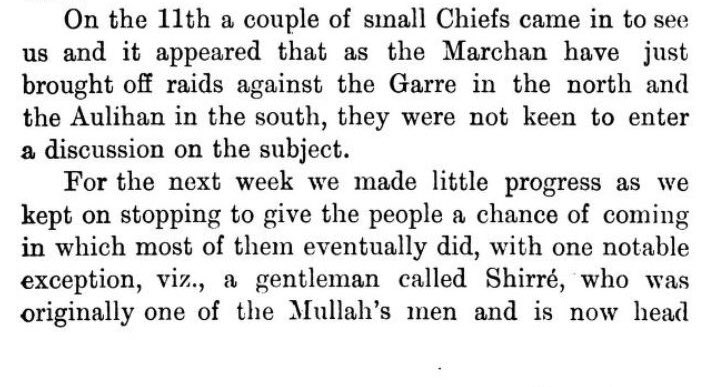
Shire Jama was known for his strong principles and believed that anyone who cooperated with the enemy should be treated like one.
Marehan Union Party tweet media
English
0
0
13
429
Marehan Union Party
Marehan Union Party@MUPIONEERSยท
During the Marehan Patrol campaign, whose sole objective was to disarm the Marehan clan, a notable war leader by the name of Shirฤ“ Jama refused any diplomatic talks with the British administration. Shirฤ“ was a former Dervish headsman who turned shifta after arriving in Jubaland.
Marehan Union Party tweet media
Marehan Union Party@MUPIONEERS

A more in-depth look at the warlike Galti who arrived on the Jubba in style. All of them were horsemen, and most were aligned with the Dervishes. This specific wave was led by Shire Jamac, a former Dervish headman in the north. They were known for their indiscriminate raiding and had their eyes set on the Borana.

English
1
4
30
2.5K
Marehan Union Party
Marehan Union Party@MUPIONEERSยท
The Schutztruppe were soldiers consisting of men from Tanzania, Burundi, and Rwanda. They were used to fight the Allied forces and excelled in guerrilla warfare
Marehan Union Party tweet mediaMarehan Union Party tweet media
English
0
0
12
453
Marehan Union Party
Marehan Union Party@MUPIONEERSยท
The British were keen on withdrawing most of their troops from Jubaland due to fearing the Marehan raiders more than the activities of the Schutztruppe across the western border of German East Africa.
Marehan Union Party tweet media
Marehan Union Party@MUPIONEERS

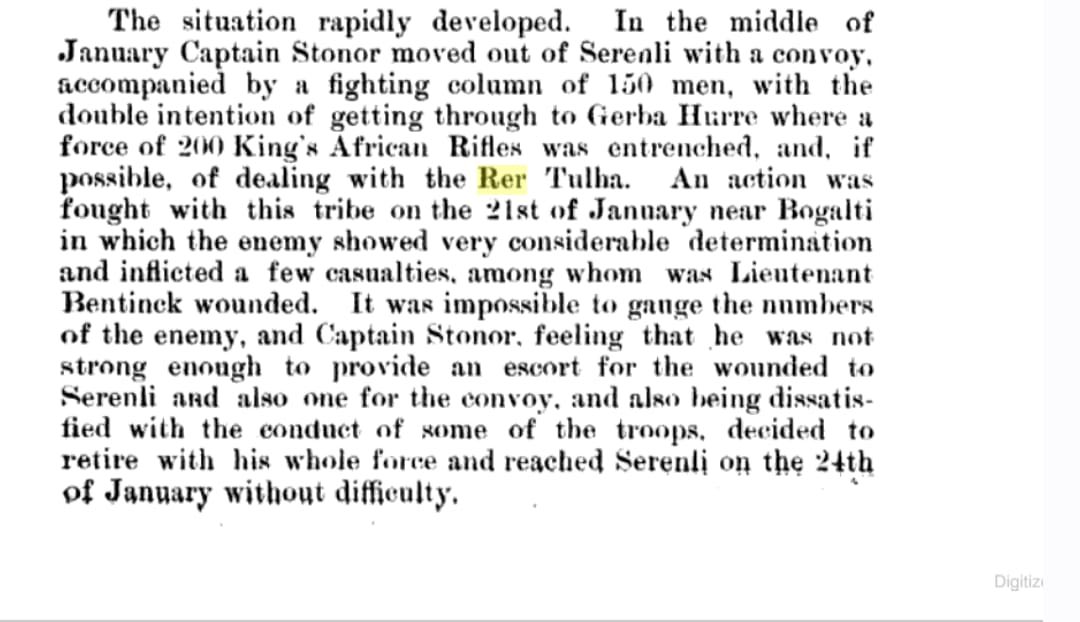
A British intelligence report regarding the Marehan clan's strength, determination, and tactics: Regarding their strength in terms of numbers, it is not entirely known, which gave the Marehan an upper advantage. However, their determination, which gave them confidence in their numbers, clearly indicated they were a considerable force. The King's African Rifles and the Somali Camel Corps, who worked for the British, were particularly vulnerable in the open fields and spaces that the Marehan chose for their attacks The determination and tenacity of the Marehan were quite unexpected, suggesting that the temperament of the Marehan had been underestimated and misjudged As for their tactics, the Marehan quite surprised the British, as they noted, "it deserves special mention." The Marehan riflemen avoided the column when it moved through thick bush, instead selecting calculated and advantageous firing positions. Certainly, they demonstrated excellence in guerilla warfare. Some 400 men, consisting of Talha and Rer Hassan, were in charge of besieging Serinley, where top British generals were staying. The British had trouble with movement, as they couldnโ€™t travel freely, especially for logistics.

English
1
8
32
2.9K
Marehan Union Party retweetledi
Lt Khalifa
Lt Khalifa@LtKhalifaยท
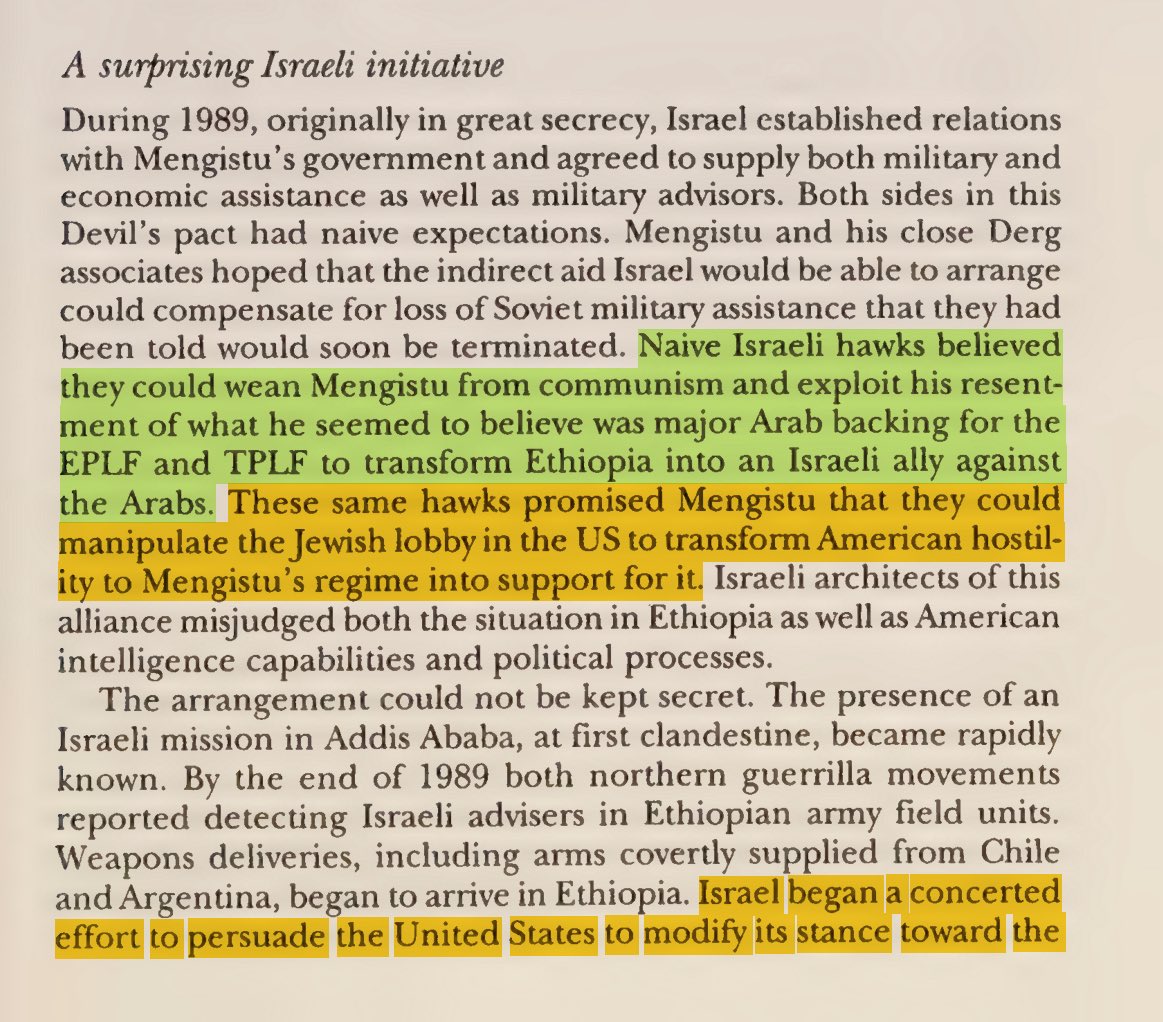
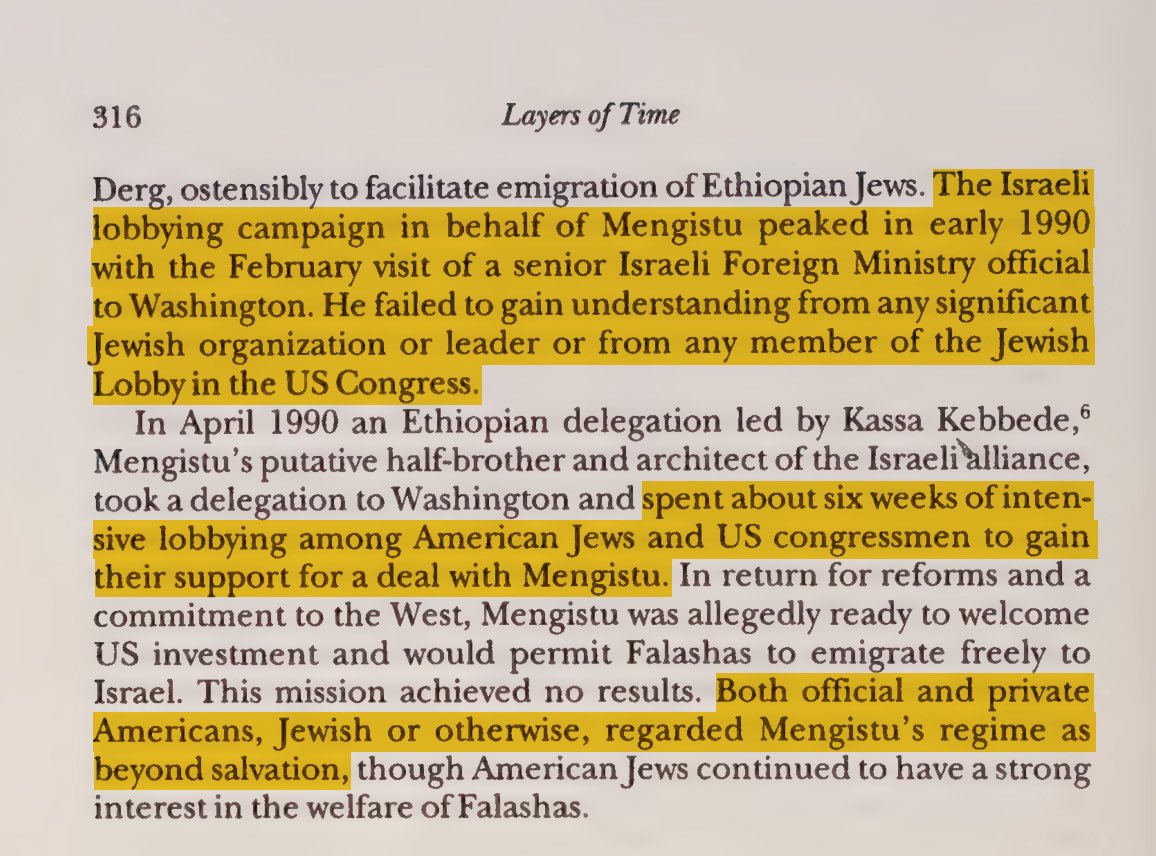
Mengistu and his contacts with the Jewish lobby In 1990, after the Soviets cut aid to Ethiopia, Israelis assured Mengistu that they would manipulate American Jewish lobby groups in his favour, if he positioned himself against Muslim states. An Israeli foreign minister official visited DC and personally lobbied for Mengistu. Mengistuโ€™s half-brother also spent 6 weeks of intense Jewish lobbying to gain support for the Derg. Jewish lobby groups rejected Mengistu not for abuses, but because his regime was unsalvageable.
Lt Khalifa tweet mediaLt Khalifa tweet media
Lt Khalifa@LtKhalifa

19/28 ๐—ง๐—ต๐—ฒ ๐—œ๐˜€๐—ฟ๐—ฎ๐—ฒ๐—น๐—ถ ๐— ๐—ผ๐˜€๐˜€๐—ฎ๐—ฑ ๐—œ๐—ป๐˜ƒ๐—ผ๐—น๐˜ƒ๐—ฒ๐—บ๐—ฒ๐—ป๐˜ ๐Ÿ‡ฎ๐Ÿ‡ฑ During the Hail Salassie era of Ethiopia, Israel played a crucial role in training and reshaping the Ethiopian military, Israel had considerable influence in Ethiopia. By 1960 Haile Salassie formed his own secret Israeli police, the secret Israeli police later helped thwart a coup in 1960. Moreover, Haile Salassie heavily relied upon Israel to counter the Muslim Eritrean insurgency, Israeli senior advisors helped train the Eritrean paramilitary police. CIA DECLASSIFIED ๐Ÿ‡บ๐Ÿ‡ธ๐Ÿ“„: โ€œ๐˜š๐˜ช๐˜ฏ๐˜ค๐˜ฆ ๐˜ต๐˜ฉ๐˜ฆ ๐˜ฎ๐˜ช๐˜ฅ 1960๐˜ด, ๐˜ฉ๐˜ฐ๐˜ธ๐˜ฆ๐˜ท๐˜ฆ๐˜ณ, ๐˜ต๐˜ฉ๐˜ฆ ๐˜Œ๐˜ต๐˜ฉ๐˜ช๐˜ฐ๐˜ฑ๐˜ช๐˜ข๐˜ฏ๐˜ด ๐˜ฉ๐˜ข๐˜ท๐˜ฆ ๐˜ณ๐˜ฆ๐˜ญ๐˜ช๐˜ฆ๐˜ฅ ๐˜ฉ๐˜ฆ๐˜ข๐˜ท๐˜ช๐˜ญ๐˜บ ๐˜ถ๐˜ฑ๐˜ฐ๐˜ฏ ๐˜›๐˜ฆ๐˜ญ ๐˜ข๐˜ท๐˜ช๐˜ท ๐˜ง๐˜ฐ๐˜ณ ๐˜ข๐˜ด๐˜ด๐˜ช๐˜ด๐˜ต๐˜ข๐˜ฏ๐˜ค๐˜ฆ ๐˜ช๐˜ฏ ๐˜ค๐˜ฐ๐˜ฎ๐˜ฃ๐˜ข๐˜ต๐˜ช๐˜ฏ๐˜จ ๐˜ต๐˜ฉ๐˜ฆ ๐˜ช๐˜ฏ๐˜ด๐˜ถ๐˜ณ๐˜จ๐˜ฆ๐˜ฏ๐˜ค๐˜บ ๐˜๐˜ฏ ๐˜ต๐˜ฉ๐˜ฆ ๐˜Œ๐˜ณ๐˜ช๐˜ต๐˜ณ๐˜ฆ๐˜ข ๐˜ฑ๐˜ณ๐˜ฐ๐˜ท๐˜ช๐˜ฏ๐˜ค๐˜ฆ ๐˜ค๐˜ข๐˜ณ๐˜ณ๐˜ช๐˜ฆ๐˜ฅ ๐˜ฐ๐˜ฏ ๐˜ฃ๐˜บ ๐˜ต๐˜ฉ๐˜ฆ ๐˜”๐˜ถ๐˜ด๐˜ญ๐˜ช๐˜ฎ ๐˜ฅ๐˜ฐ๐˜ฎ๐˜ช๐˜ฏ๐˜ข๐˜ต๐˜ฆ๐˜ฅ ๐˜Œ๐˜ณ๐˜ช๐˜ต๐˜ณ๐˜ฆ๐˜ข๐˜ฏ ๐˜“๐˜ช๐˜ฃ๐˜ฆ๐˜ณ๐˜ข๐˜ต๐˜ช๐˜ฐ๐˜ฏ ๐˜๐˜ณ๐˜ฐ๐˜ฏ๐˜ต ( ๐˜Œ๐˜“๐˜ )โ€. The Somali -Ethiopian conflict was so sensitive to Israel that they assigned Israelโ€™s intelligence service Mossad instead of the foreign ministry. The CIA write the following: โ€œ๐–จ๐—Œ๐—‹๐–บ๐–พ๐—… ๐–ผ๐—ˆ๐—‡๐—Œ๐—‚๐–ฝ๐–พ๐—‹๐—Œ ๐—‚๐—๐—Œ ๐—Œ๐—๐–บ๐—„๐–พ ๐—‚๐—‡ ๐—๐—๐–พ ๐–ง๐—ˆ๐—‹๐—‡ ๐—ˆ๐–ฟ ๐– ๐–ฟ๐—‹๐—‚๐–ผ๐–บ ๐—๐—ˆ ๐–ป๐–พ ๐—Œ๐—ˆ ๐—Œ๐–พ๐—‡๐—Œ๐—‚๐—๐—‚๐—๐–พ ๐—๐—๐–บ๐— ๐—‚๐— ๐—๐–บ๐—Œ ๐–บ๐—Œ๐—Œ๐—‚๐—€๐—‡๐–พ๐–ฝ ๐—๐—๐–พ ๐—๐–บ๐—Œ๐—„ ๐—ˆ๐–ฟ ๐—๐–บ๐—‡๐–ฝ๐—…๐—‚๐—‡๐—€ ๐—‚๐—๐—Œ ๐—‹๐–พ๐—…๐–บ๐—๐—‚๐—ˆ๐—‡๐—Œ ๐—๐—‚๐—๐— ๐–ค๐—๐—๐—‚๐—ˆ๐—‰๐—‚๐–บ ๐—๐—ˆ ๐—๐—๐–พ ๐–จ๐—Œ๐—‹๐–บ๐–พ๐—…๐—‚ ๐—‚๐—‡๐—๐–พ๐—…๐—…๐—‚๐—€๐–พ๐—‡๐–ผ๐–พ ๐–ผ๐—ˆ๐—†๐—†๐—Ž๐—‡๐—‚๐—๐—’ ๐—‹๐–บ๐—๐—๐–พ๐—‹ ๐—๐—๐–บ๐—‡ ๐—๐—๐–พ ๐–ฅ๐—ˆ๐—‹๐–พ๐—‚๐—€๐—‡ ๐–ฌ๐—‚๐—‡๐—‚๐—Œ๐—๐—‹๐—’โ€ In 1973 shortly before Ethiopia cut relations with Israel under heavy Arab pressure, several Ethiopian units had Israeli advisors skilled in desert warfare. โ€œ๐˜ด๐˜ฐ๐˜ฎ๐˜ฆ ๐˜Œ๐˜ต๐˜ฉ๐˜ช๐˜ฐ๐˜ฑ๐˜ช๐˜ข๐˜ฏ ๐˜ง๐˜ฐ๐˜ณ๐˜ธ๐˜ข๐˜ณ๐˜ฅ ๐˜ถ๐˜ฏ๐˜ช๐˜ต๐˜ด ๐˜ฉ๐˜ข๐˜ท๐˜ฆ ๐˜๐˜ด๐˜ณ๐˜ข๐˜ฆ๐˜ญ๐˜ช ๐˜ข๐˜ฅ๐˜ท๐˜ช๐˜ด๐˜ฐ๐˜ณ๐˜ด ๐˜ธ๐˜ฉ๐˜ฐ ๐˜ข๐˜ณ๐˜ฆ ๐˜ด๐˜ฌ๐˜ช๐˜ญ๐˜ญ๐˜ฆ๐˜ฅ ๐˜ช๐˜ฏ ๐˜ฅ๐˜ฆ๐˜ด๐˜ฆ๐˜ณ๐˜ต ๐˜ธ๐˜ข๐˜ณ๐˜ง๐˜ข๐˜ณ๐˜ฆ, ๐˜ข๐˜ฏ๐˜ฅ ๐˜ฑ๐˜ณ๐˜ข๐˜ค๐˜ต๐˜ช๐˜ต๐˜ช๐˜ฐ๐˜ฏ๐˜ฆ๐˜ณ๐˜ด ๐˜ฐ๐˜ง ๐˜ฅ๐˜ฆ๐˜ต๐˜ฆ๐˜ณ๐˜ณ๐˜ฆ๐˜ฏ๐˜ต ๐˜ข๐˜ฏ๐˜ฅ ๐˜ฑ๐˜ณ๐˜ฆ-๐˜ฆ๐˜ฎ๐˜ฑ๐˜ต๐˜ช๐˜ท๐˜ฆ ๐˜ต๐˜ข๐˜ค๐˜ต๐˜ช๐˜ค๐˜ดโ€.

English
1
20
87
7.8K
Marehan Union Party
Marehan Union Party@MUPIONEERSยท
The Talha sub-clan of Marehan are considered the most wealthiest in terms of livestock, especially camels: ๐Ÿช
Marehan Union Party tweet media
English
0
0
11
461