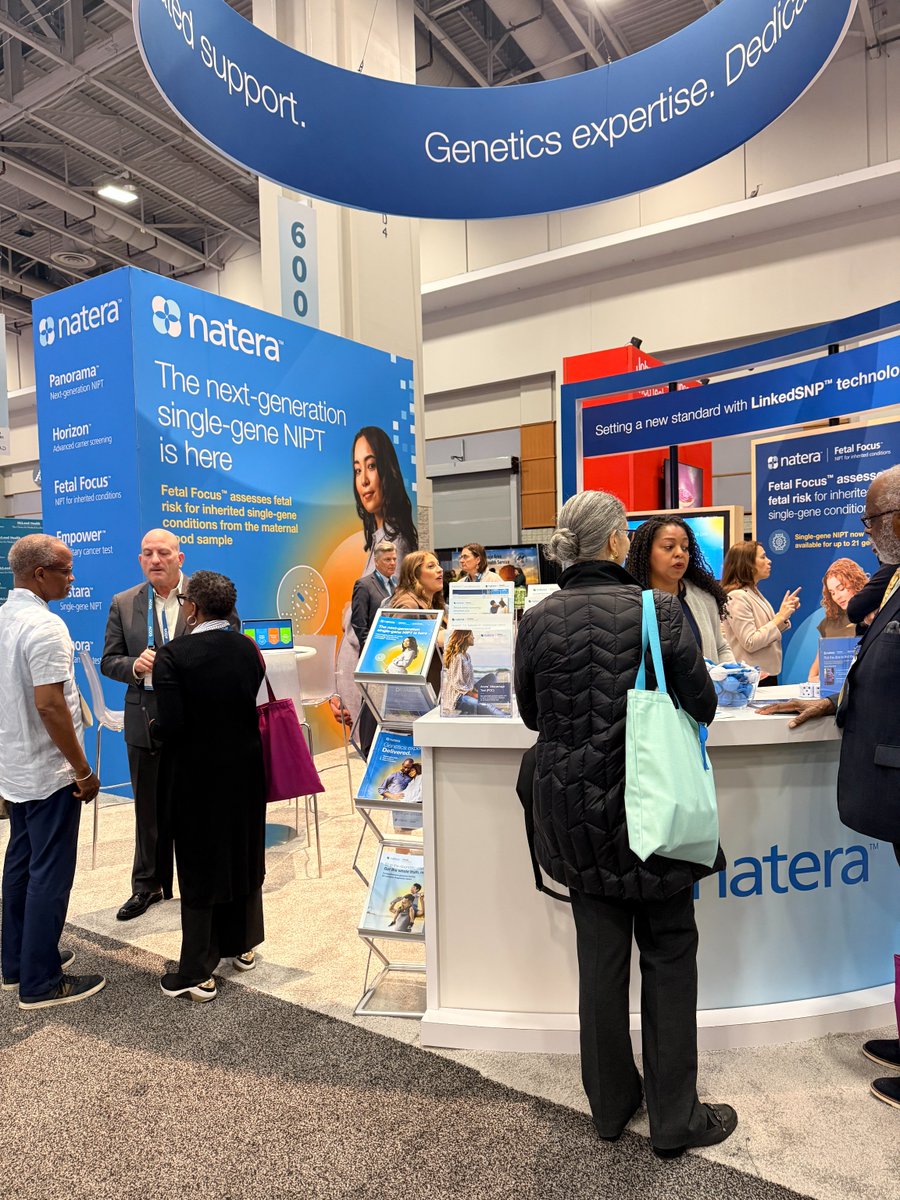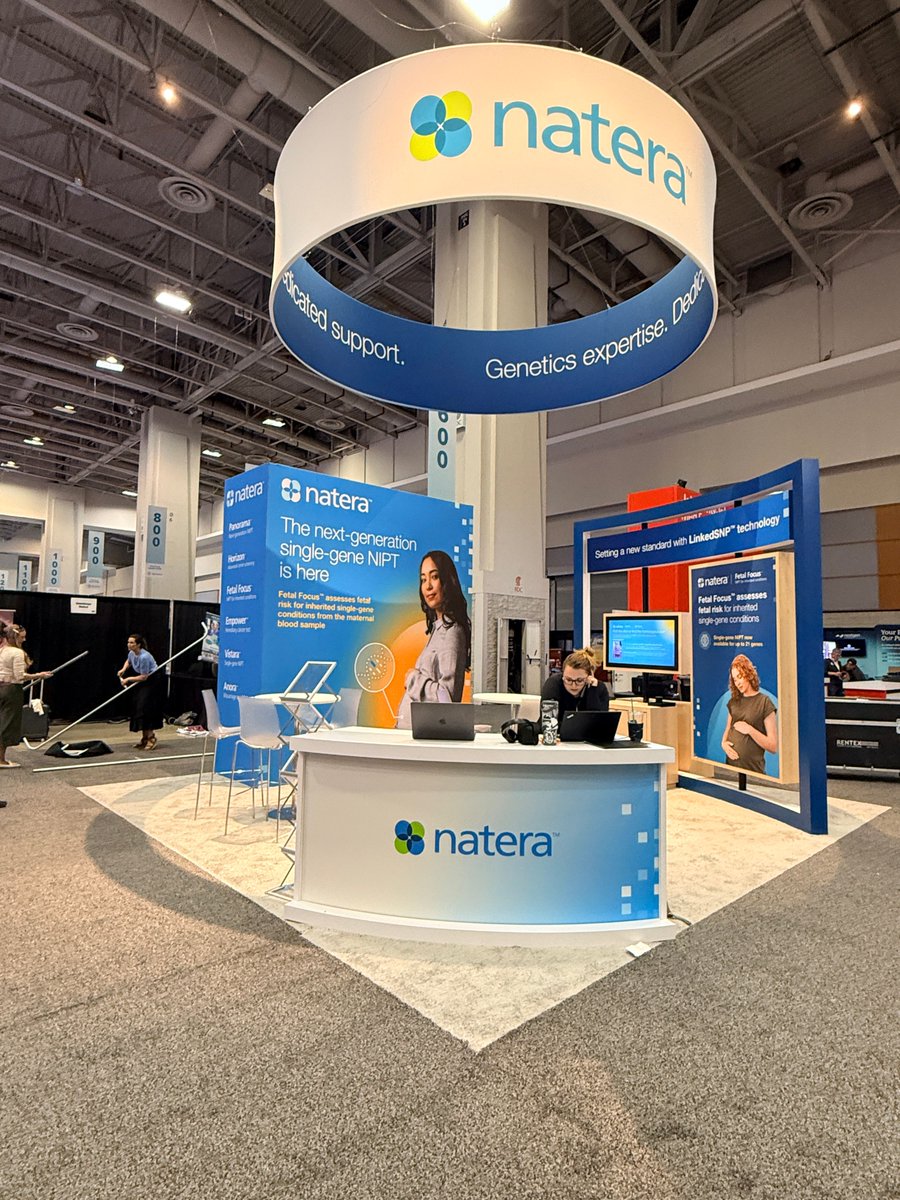

When I started Natera, the idea that you could screen a fetus for chromosomal abnormalities from a blood draw in the mother's arm sounded far-fetched. The standard was amniocentesis — needle into the womb, real risk, and so invasive that many parents simply chose not to do it.
We believed fetal DNA in the mother's blood could be read accurately enough to change that. It took years of signal processing, modeling, and a lot of convincing. But it worked. Panorama has now supported millions of pregnancies worldwide.
That wasn't the finish line. It was proof that biology, when viewed through the right computational lens, is still largely untapped.
I spoke with Maria Bartiromo on Fox Business about where this goes next.
English