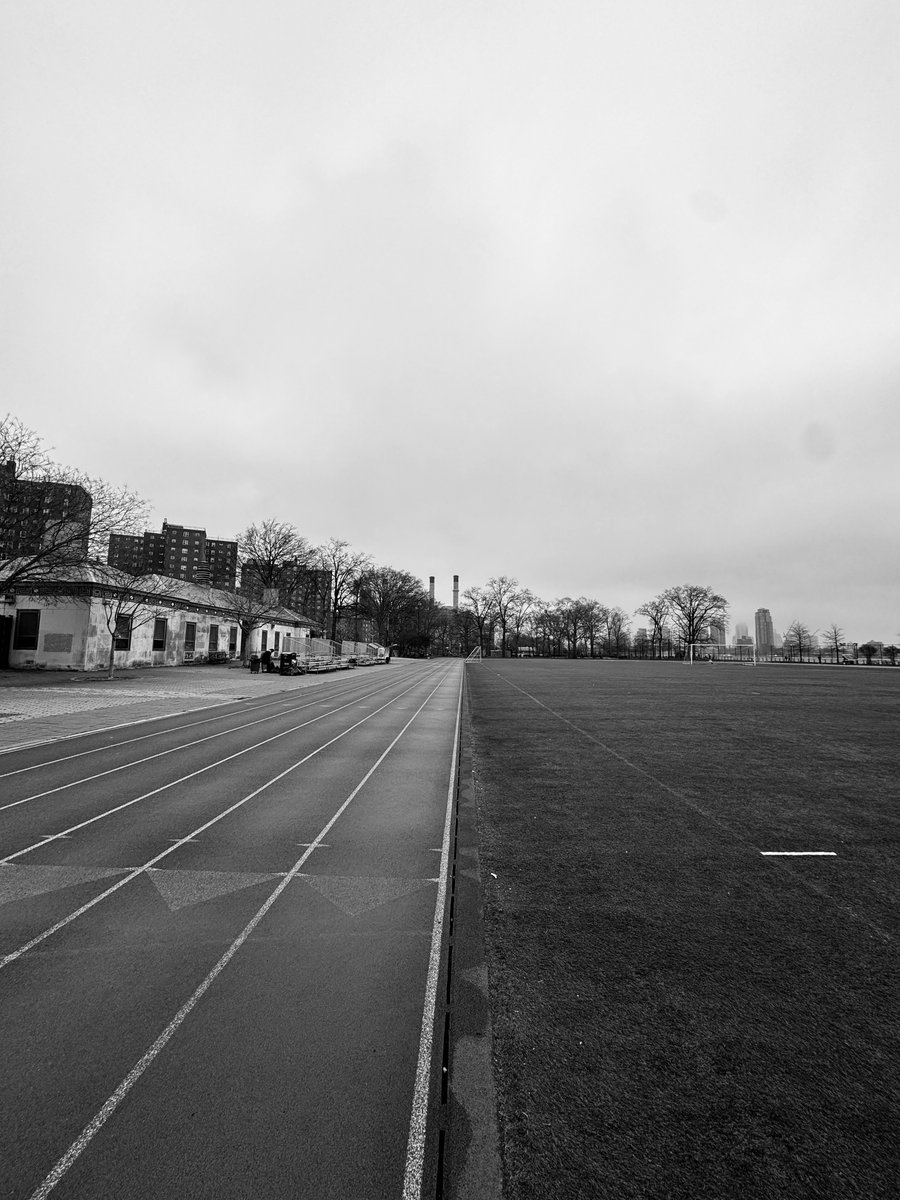
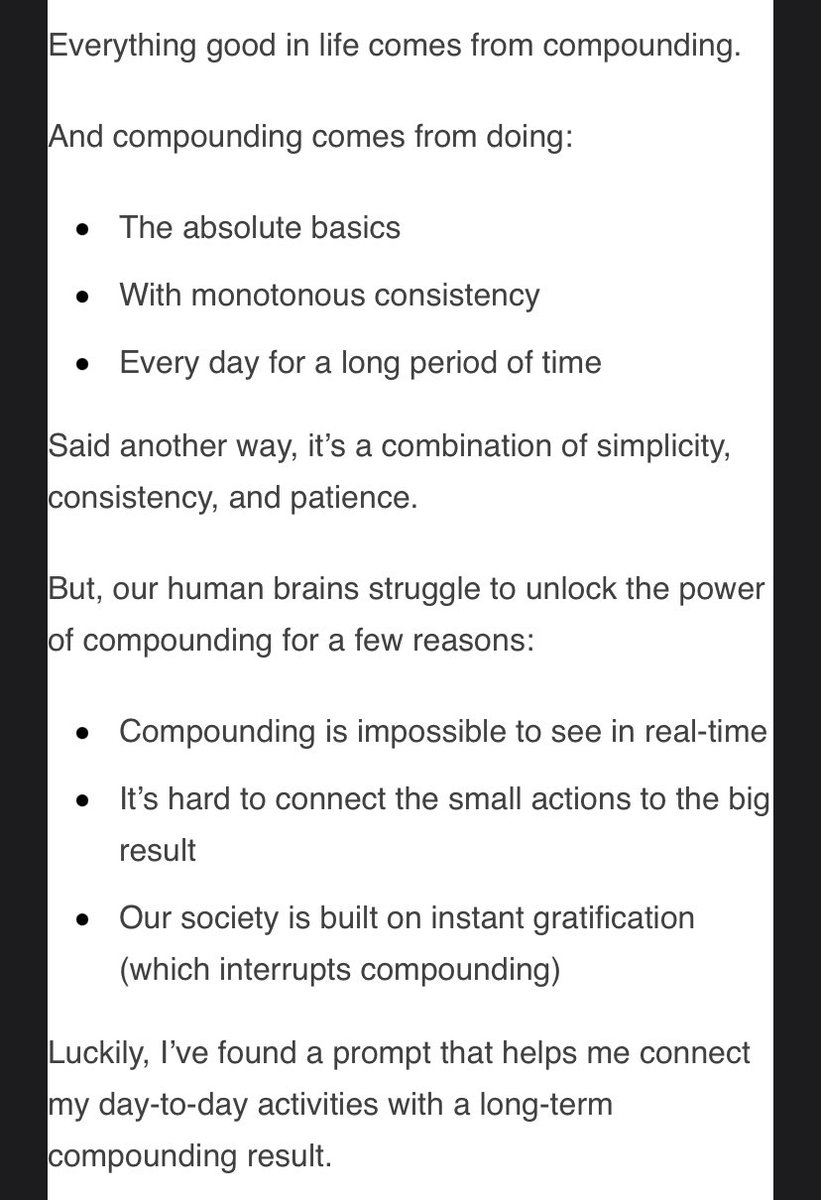
@zachpogrob Kobe heading out to train very early in the morning while all his teammates are just getting home from a night out partying in Vegas.
English
Matthew Petre
1.2K posts











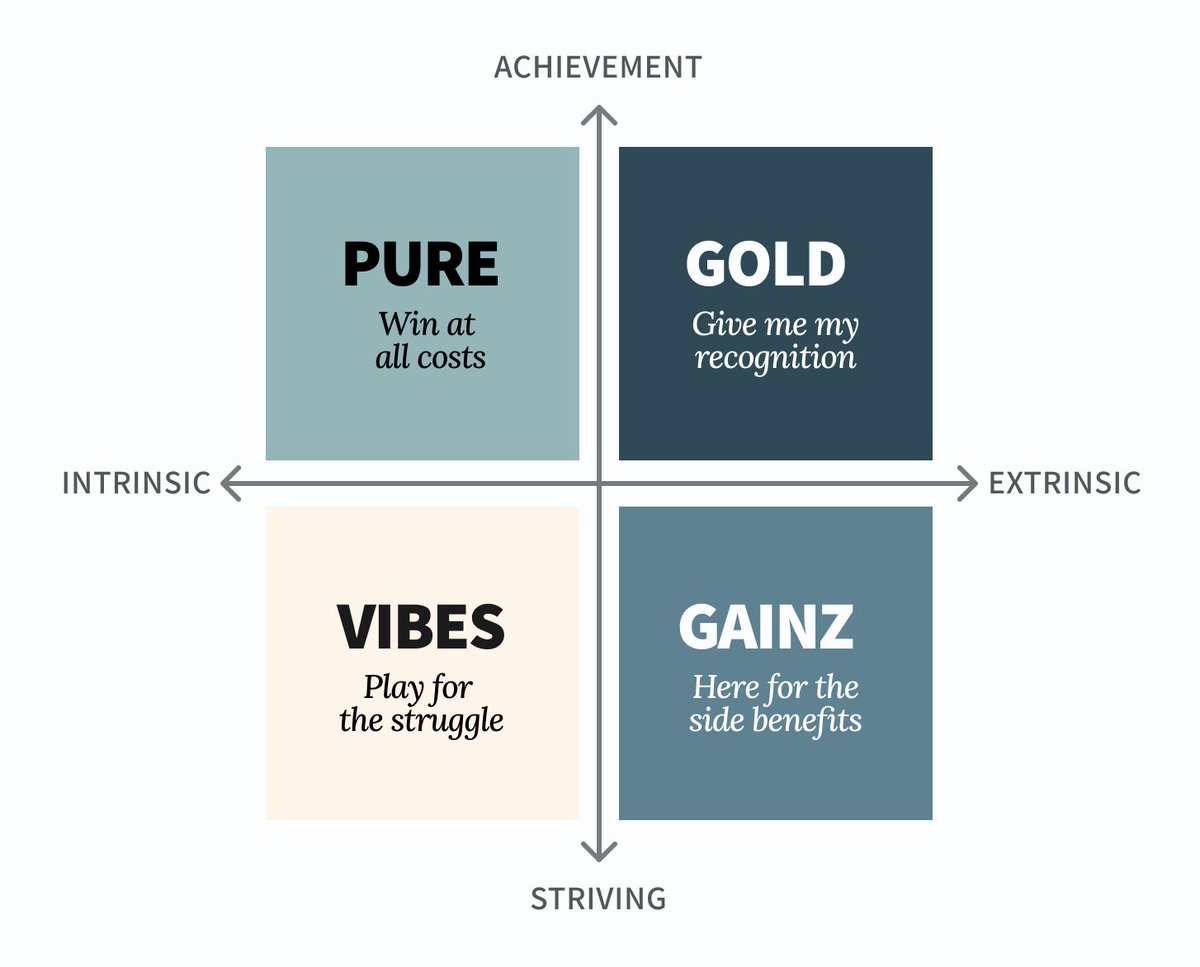








There is something fundamentally limiting about whipping yourself to do something. This kind of behaviour is very far away from the behaviour of the obsessed and therefore destined to come up short. Anytime one must turn outward for accountability, it indicates an insufficient amount of desire and the project is doomed to mediocrity from the start. Many people like to force accountability by putting money on the line if they don't take some action. Though we might be better served to look to Jacobi, who says that the answer can always be found by inversion. Perhaps the right way to approach this then, is to think of what are the behaviours you could bet dollars on yourself not doing and still be sure to lose. To apply this more broadly, I increasingly think that any and all 'oughts' are counter productive and do nothing in the (interior and exterior) world than create conflict and increase ignorance. Logically, any ought does not stand in the way of knowing what is, but in practice it almost always does. One way to describe both the behaviour of the infant and the crotchety old man is that both are entirely free from the tyranny of the 'ought'. Our lives are long processes of forgetting and then trying to come back to terms with what is. Suppose there was a one hundred percent accurate personality test. Any teenager would find this immensely depressing, seeing all the doors that are closed to them, the possibilities squandered. But, as we grow older, we begin to see all the closed doors as immensely reassuring. They let us off the hook. I am relieved by all things I cannot do, and consequently all the people I do not have to compare myself too. And forcing yourself to do something is a great way to close a few more of those doors; too breath a few more sighs of relief.