After a few years of writing on South Africa’s economic and social stagnation, I’ve learned something: people don’t want to know why things happen. They want to know who is responsible.
For example, when I wrote about how Eskom’s problems stem from its commercialisation in the 1980s, how restructuring a utility for profit created the very incentives that make looting rational, my readers yawned.
That wasn’t the story they wanted to hear. They needed the reason for Eskom’s struggles to be greed and incompetence instead of policy.
This pattern repeats everywhere. If you suggest that deindustrialisation and financialisation explain the country’s stagnation better than government failure, you’ll watch people’s eyes glaze over. But if you mention a corrupt tender, an incompetent minister, a stolen billion, now you have their attention.
All of this is because moral explanations are emotionally satisfying in ways that structural ones can never be.
Moral expositions offer the clarity of heroes and villains, devils and angels. They suggest simple solutions: fire the corrupt, put the thieves in orange jumpsuits, and elect better leaders.
This is human and satisfying because it turns chaos into a relatable story: There’s a thief, catch him.
On the other hand, structural explanations do the opposite. They’re abstract and involve everyone. They suggest that, often, what many observers see as “good policy” might have negative effects and hint that we’re all embedded in systems that reward certain behaviours regardless of individual integrity.
Most of all, they offer no easy fixes and no satisfying release of punishment.
Because what if the theft was made possible long before the thief arrived? What if the system itself was quietly redesigned over the years to turn public goods into private loot? What if the problem isn’t just who stole, but why stealing became so easy, so profitable and so normalised?
I once thought that if I could clearly explain the structural causes, people would understand. Now I realise the resistance isn’t only intellectual, it’s also psychological.
People need culprits because such culprits can be publicly shamed and even removed. But in reality, for any change to happen, systems have to be transformed, and transformation is uncertain and often exceedingly complex.
When I write about deindustrialisation or financialisation, I’m pointing to why. And I’ve noticed how often the response is polite impatience: “Yes, but who’s to blame today?”
This is why mainstream media gives people what they want: corruption scandals, government failures, incompetent officials. Not because journalists are stupid or compromised, they mostly are, yes, but also because that’s the narrative frame that resonates with the public. It gives them someone to blame.
And here’s the strange part: many people who consume and parrot these narratives don’t even trust the media delivering them. This explains why they get excited and feel validated when they hear the same things from a different source, like an independent journalist or analyst, one that makes them feel like independent thinkers rather than passive consumers of mainstream narratives.
At a theoretical level, there’s a deeper pattern at work here, one that the philosopher René Girard spent his career examining. Girard argued that when societies face crisis and unbearable tension, they instinctively resolve it through scapegoating: the community unites by directing all its anxieties and frustrations onto a single figure or group.
The scapegoat doesn’t have to be innocent. They might actually be guilty of something, but their guilt becomes vastly inflated to carry the symbolic weight of everything that’s gone wrong.
This is precisely what’s happening in South Africa’s public discourse.
The crisis is real: economic stagnation, mass unemployment, infrastructure collapse, deep inequality. These create unbearable social tension. But their causes are complex and systemic: colonial extraction, Apartheid’s spatial and economic architecture, global financialisation, policy choices spanning decades and governments, and the behaviour of both public and private actors.
These causes implicate everyone, offering no clear villains and no gratifying resolution.
Enter the scapegoat mechanism: Rather than face that complexity, the collective focuses blame on identifiable culprits: corrupt officials, cadre deployment, state capture, incompetent ministers.
Are these people actually corrupt or incompetent? Often, yes. But their failures become the explanation for everything, bearing a weight far beyond their actual role. They become vessels for all our rage and disappointment.
Notice something crucial here: the corruption narrative unites almost everyone. Business leaders, academics, opposition politicians, and even many ANC supporters all agree on blaming “the corrupt.”
This unanimity should make us suspicious. When everyone agrees on who the villain is, you’re likely witnessing scapegoating rather than analysis.
Real structural analysis is politically divisive precisely because they implicate different actors differently and require us to examine our own complicity.
The scapegoat mechanism explains why structural explanations feel so threatening. When I write about how Eskom’s commercialisation created incentives for looting, or how financialisation extracts value from the productive economy, I’m essentially saying: “It’s not really the scapegoat’s fault, or not mainly.”
Even if this is analytically correct, it’s psychologically intolerable because it removes the mechanism by which society manages its crisis. I’m asking people to face the void again, to sit with complexity and ambiguity and their own implication in broken systems.
The scapegoating mechanism obscures the structural violence of how the economy is organised, who owns what, how financialisation extracts value, how global capital flows work, and how privatisation and commercialisation create opportunities for looting that didn’t exist before.
These uncomfortable truths get buried under the satisfying simplicity of “bad people did greedy things.”
So we end up with a discourse that’s endlessly rich in righteous outrage but structurally impoverished. We know just about every corrupt official by name, but can’t really explain why corruption is systemic.
The country stays stuck, but at least we know who to blame. And perhaps that’s the point. The scapegoat mechanism just makes the crisis bearable by giving it a face, a name, a simple story.
The masses get the emotional satisfaction of moral clarity without the difficult work of structural transformation.
Until we’re willing to move beyond the search for culprits and sit with the discomfort of systemic causation, we’ll keep having the same conversations, blaming the same types of people, and wondering why nothing fundamentally changes.
@Tumi_Mokobi@iDiskiTimes Ordinarily, that would be ideal. Reality though is that a Bafana coach requires at least two qualities to fully control the egos in the dressing room. Those are: proven success and a good measure of arrogance. Does Midnight have those? I doubt it. Just my 2 cents view
@iDiskiTimes Pitso must stay wherever he's...... Even Hugo said, if SAFA wants proper continuity - Helman must takeover as the Head Coach!
Pitso got his chance to coach Bafana and failed🤷
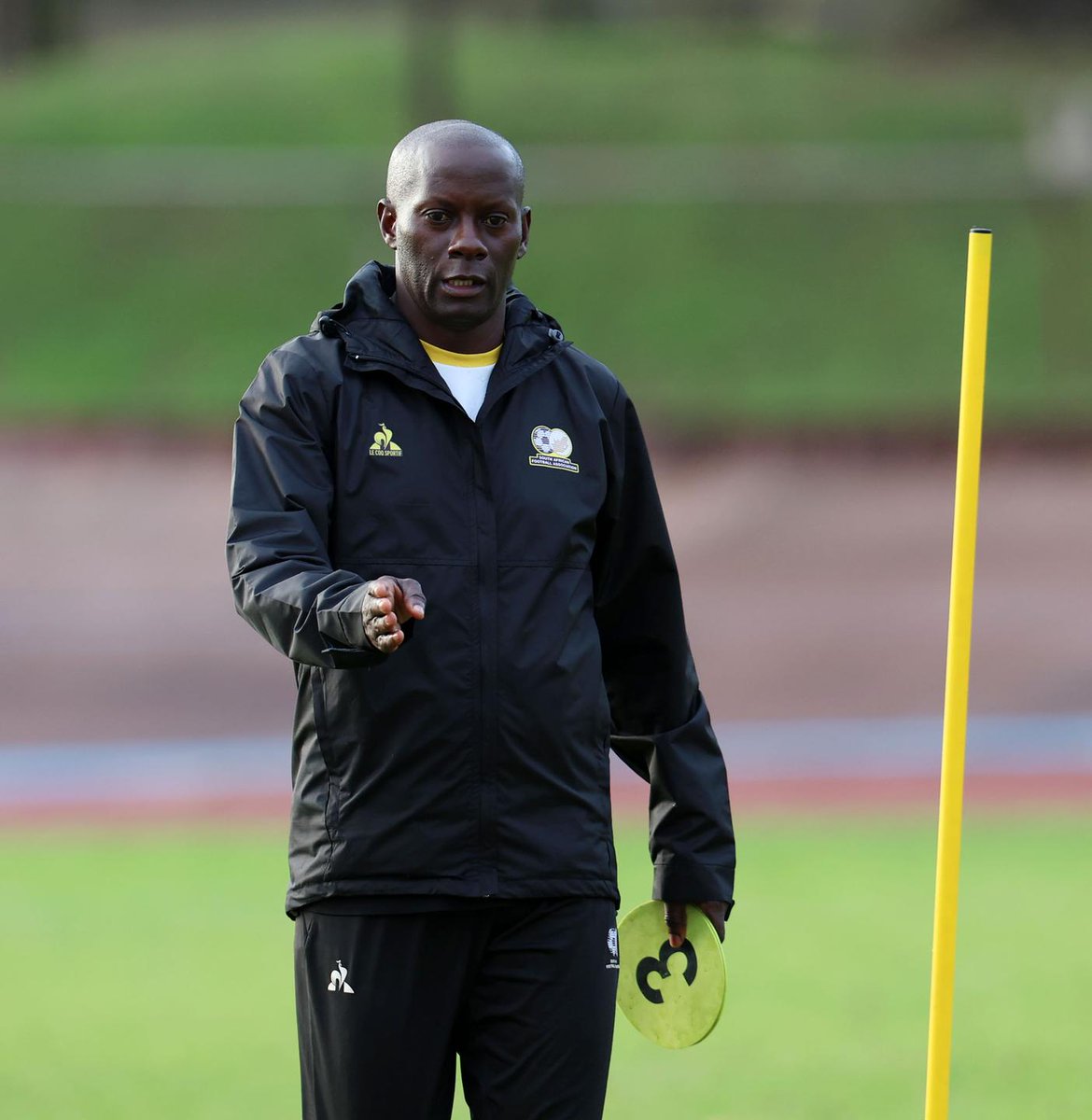
"There’s no any other better time to coach Bafana than now. Yes, I’m available for a good project but you can’t just say, ‘Okay we drew yesterday, now let’s get him and then we draw again, and then we can’t fix it’."
With Hugo Broos stepping down next year, Pitso Mosimane has revealed whether he’d be interested in taking over.
idiskitimes.co.za/bafana-bafana/…
@nasiphim Good day Mayor.
Wonderboom South, Capital Park and other suburbs haven't had power since Monday. There's no communication from the city whatsoever. Kindly assist
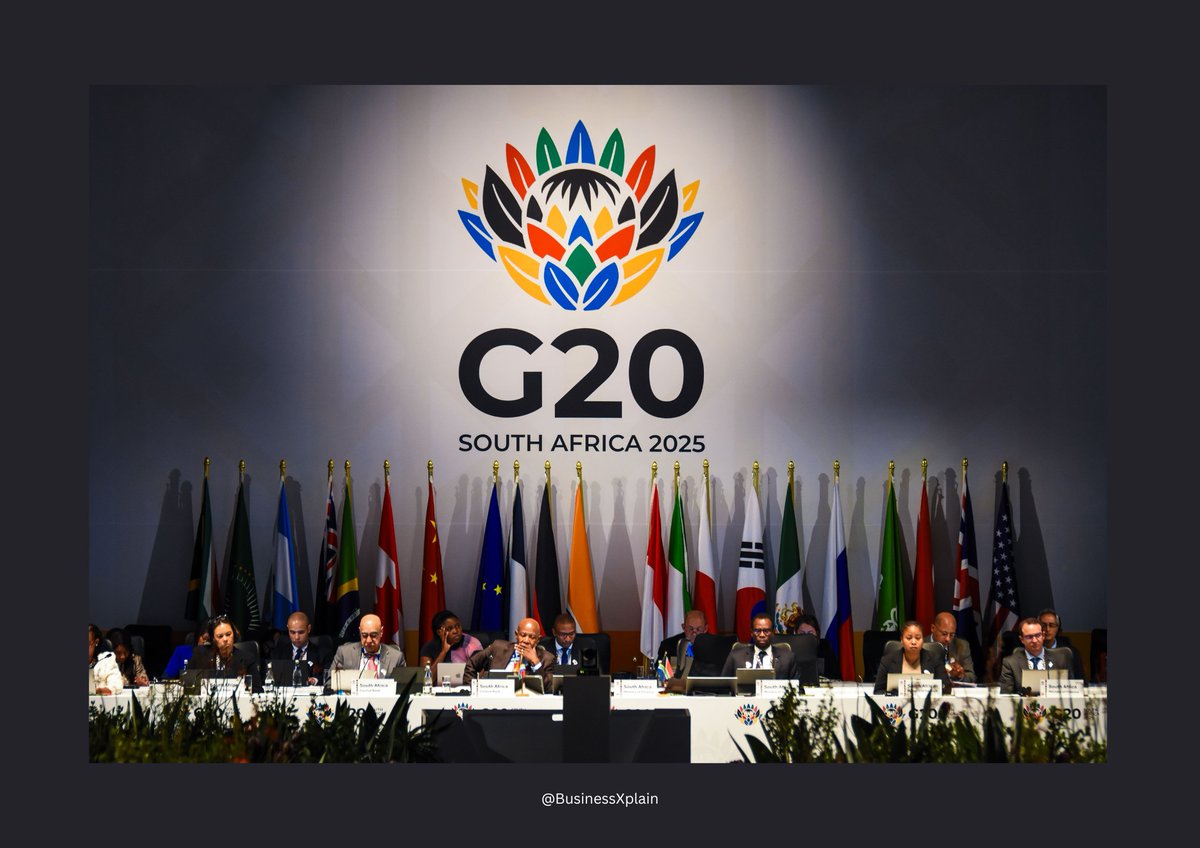
US COMPANIES SHOW STRONG G20 PRESENCE
The business forum ahead of South Africa's G20 summit has seen a strong presence of American corporations, despite the US government not pitching.
The event, held in Johannesburg, featured executives from major US companies who actively joined discussions on investment, trade and sustainability, particularly in renewable energy and digital infrastructure.
Despite geopolitical tensions, analysts believe the absence of Washington may give African hosts more room to push for bold reforms.
MORE ABOUT THE G20:
- 1/ This is the first time the G20 summit is being hosted on African soil.
- 2/ South Africa assumed the G20 presidency on 1 December 2024, and will be handed over to the US.
- 3/ The US government initiated a full boycott of the summit under President Donald Trump. The boycott was based on unsubstantiated claims of human rights abuses in South Africa.
- 4/ The G20 represents around 87% of global GDP and 62% of the world's population.
- 5/ Former South African Finance Minister Trevor Manuel chairs a key G20 expert panel on African development.
- 6/ The main G20 leaders' gathering is scheduled for 22 and 23 November in Johannesburg.
Full story - ultrashort.info/pwPg8R
@iDiskiTimes Good choice. Should add Senegal and Cape Verde in the pipelines. We beat or draw with those, we are more than ready for the AFCON. Sadly, there's simply no time
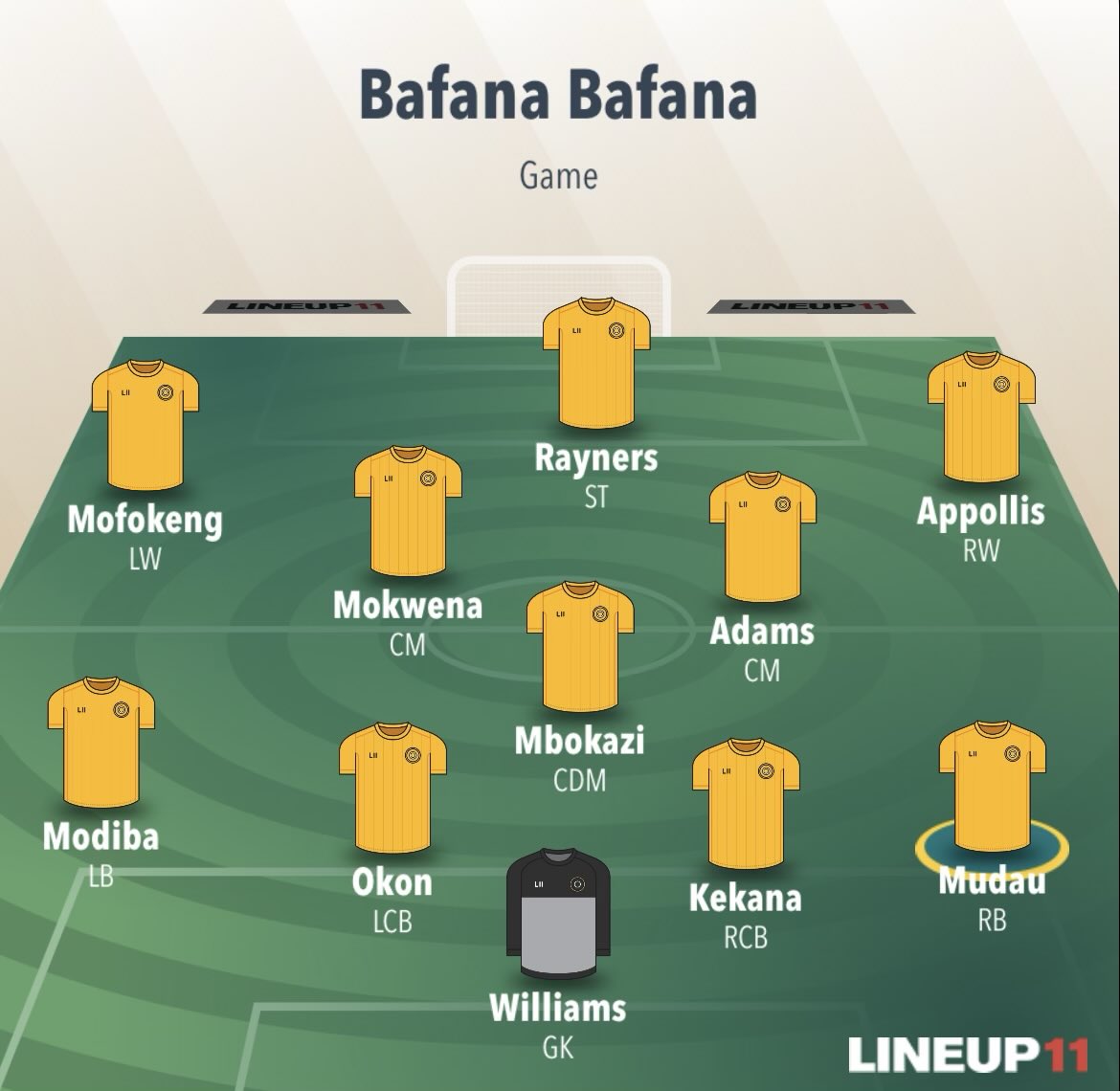
𝗕𝗔𝗙𝗔𝗡𝗔 𝗟𝗜𝗡𝗘-𝗨𝗣 𝗭𝗔𝗠𝗕𝗜𝗔 𝗙𝗥𝗜𝗘𝗡𝗗𝗟𝗬🇿🇦🇿🇲
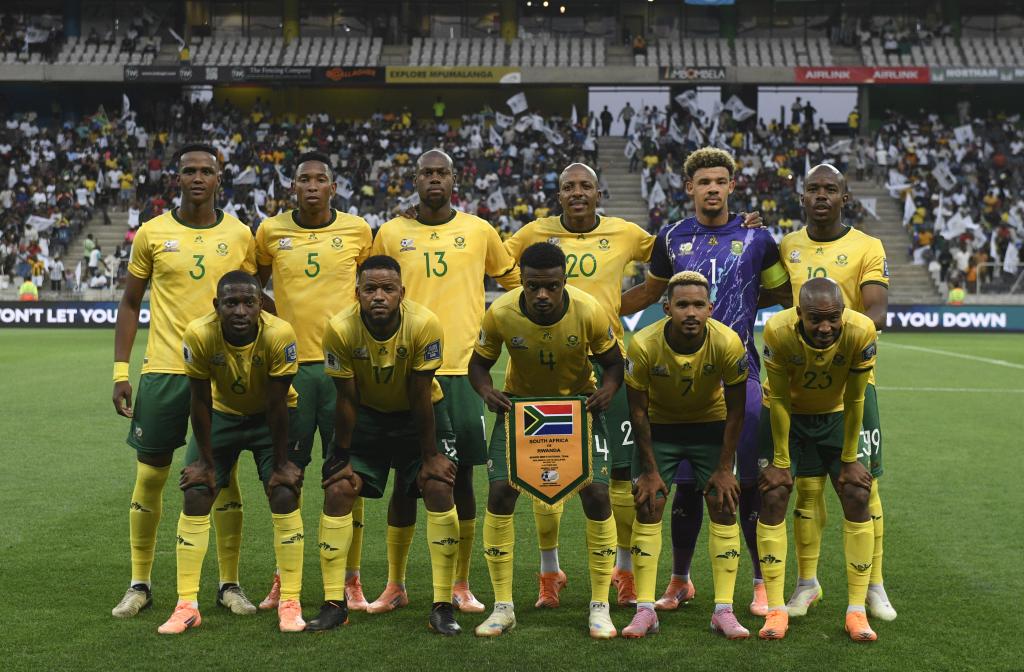
Bafana Bafana will face Zambia in an international friendly on Friday, 14 November 2025 as part of coach Hugo Broos’ preparations for this year’s AFCON in Morocco.
𝗦𝗔 𝗦𝗧𝗔𝗥𝗦 𝗔𝗕𝗥𝗢𝗔𝗗 🇿🇦
It was a stellar weekend for South Africans abroad as Philadelphia Union’s duo, coach Bradley Carnell and defender Olwethu Makhanya, secured silverware, while Antonio van Wyk, Thembinkosi Lorch and Fagrie Lakay were all on target. idiskitimes.co.za/sa-stars-abroa…
Commendable work @tlangimich 👏. I've seen roadworks on Onderstepoort Rd (M35), Garsfontein, Atterbury, Lynnwood and others. Pothole repairs all around the Moot area. Mintirho ya Vulavula.
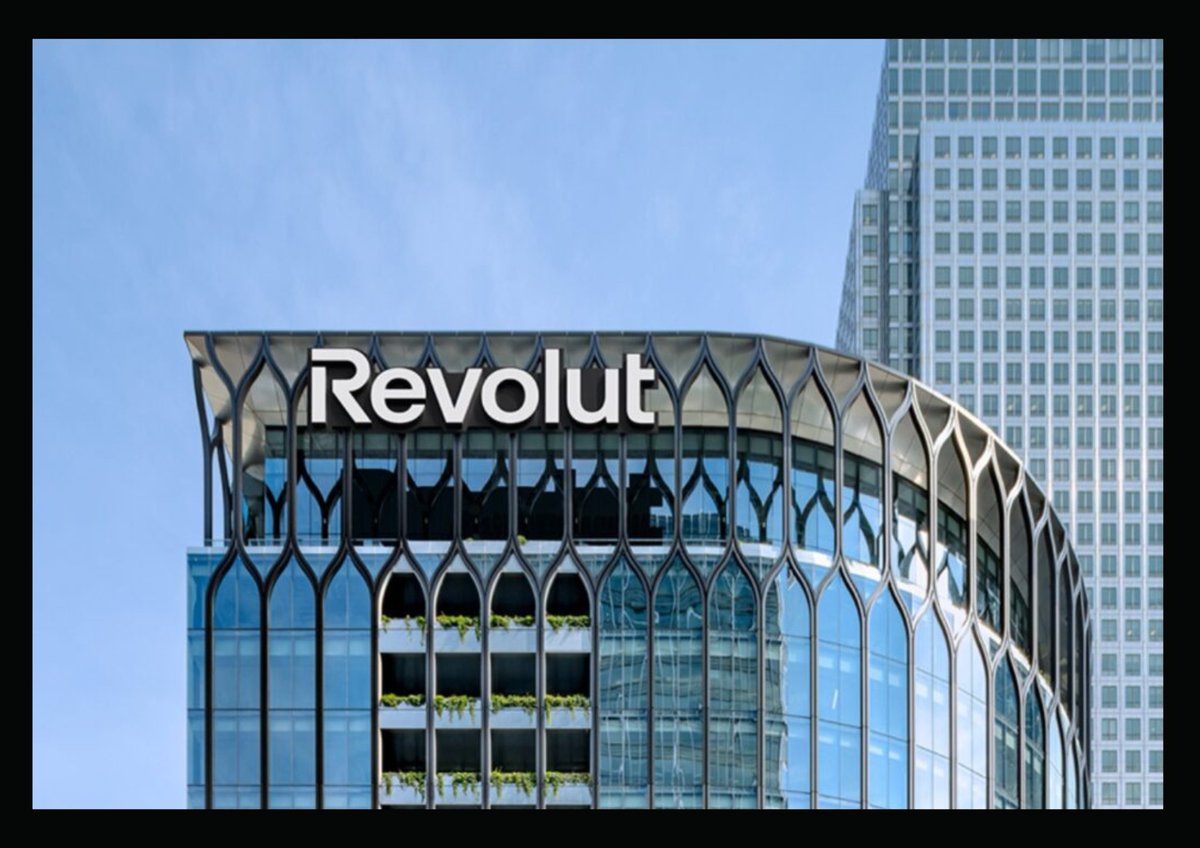
REVOLUT PICKS SA FOR ITS FIRST BRANCH IN AFRICA
Revolut has chosen South Africa as its gateway into Africa, unveiling a bold R230-billion investment plan to reach 100 million users by 2027.
Backed by strong profits and valued at $75-billion, the fintech giant aims to disrupt traditional banks with innovative, customer-focused services.
Revolut will offer a full suite of financial products, directly challenging established lenders.
The fintech company promises banking that is faster, smarter, and ready for change.
Full story - shorturl.at/dMA9F
I miss the days of Metro FM talk with @SakinaKamwendo . Those were the good years for conversation. Many of our contemporary challenges were foretold and crystallized then already. We should have kept the momentum.
💰 R900 MILLION in Service Delivery Funds Sent Back!
The worst offender? Gauteng — under Premier Panyaza Lesufi — handed back R465.4 million meant for critical services like health, education, and housing. That’s nearly half of all unspent funds in the country!
#DAatWork#RescueSA#DA_GPL@TheCitizen_News
Read more: citizen.co.za/news/south-afr…