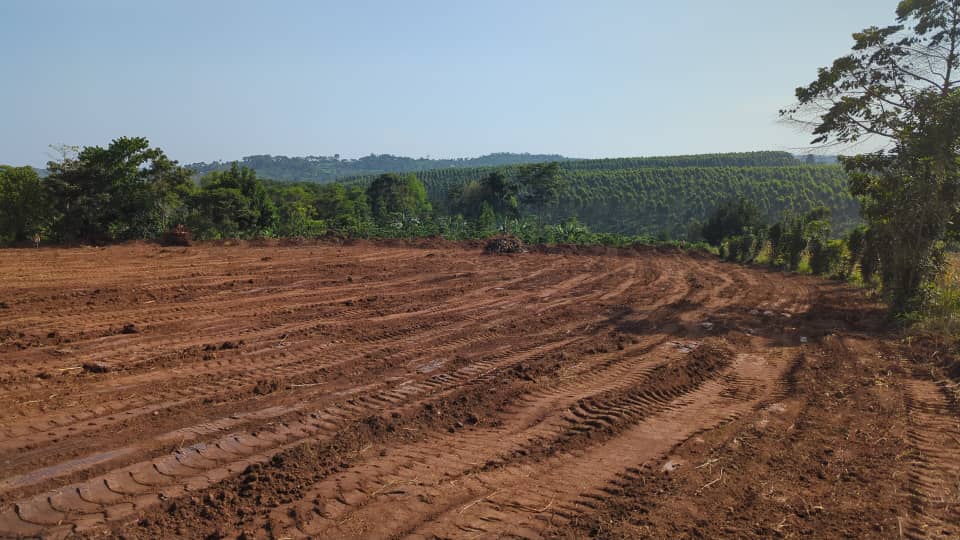
Let me tell you the real story of doing business in Uganda. Last November 2025, we set up a nice estate in Mukono. Plots ready, titles in order, everything clean. We thought, "This one will move fast." 4 months later... it is still sitting there like a mugole waiting for a man!
🧵 1/6
It’s finally here!
Say hello to the TECNO CAMON 50 designed for those who live life in full color. The Ultimate All-Rounder has Arrived. Grab yours today!
Visit your nearest MTN or TECNO outlet now and grab yours while stocks last. Get yours today for 𝗨𝗚𝗫 𝟭,𝟬𝟵𝟬,𝟬𝟬𝟬 and enjoy FREE 9GB for 3 months.
#UnpopularOpinion#670. On Thursday, I visited the Namanve Industrial Zone to make a Security Risk Assessment Survey for my new client. I realized that most factories & industries are owned by Indians & Chinese. Why can’t Ugandans go to China or India, buy the same equipment & start these industries? We can get development or commercial competitive loans for a good grace period. Why do we go there to look for jobs instead of creating them? Why don’t Ugandans like to operate in silos or partnerships if they can’t afford these establishments alone? C’mon. We spend a lot of time talking about tribes in government offices who earn not more than 3m a month as if this is the best thing to happen to us. We can own these companies, factories or industries. It’s possible.
@AKasingye 4/5
Ugandan entrepreneurs, however, do not have access to similar financing. Local loan interest rates are extremely high, making it very difficult for startups to compete or scale.
@AKasingye 3/5
This gives them the advantage of setting up large factories in Uganda, where land and labor are relatively affordable, without immediate pressure for repayment.
@AKasingye 2/5
Many of these Chinese investors are backed by bank loans from their home countries with long grace periods and very low interest rates as low as 3.5% per year.
@AKasingye 1/5
Thank you, Afande.
I’ve worked with Chinese companies for some time, and it has always been my dream to set up a factory of my own, a dream many like-minded Ugandans share.
We shall only invest in the 4 areas Mzee has identified for wealth creation:
(1) Commercial agriculture;
(2) Manufacturing;
(3) Mining;
(4) Services including tourism and ICT.
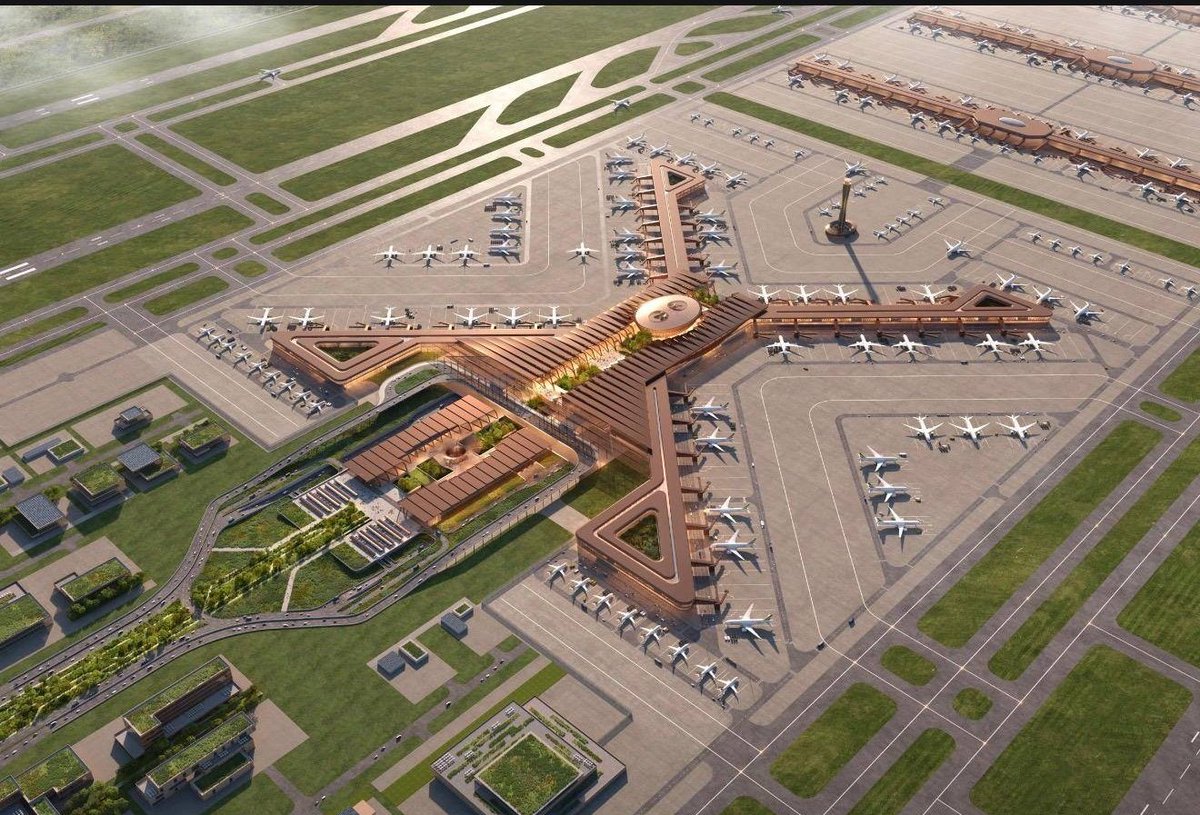
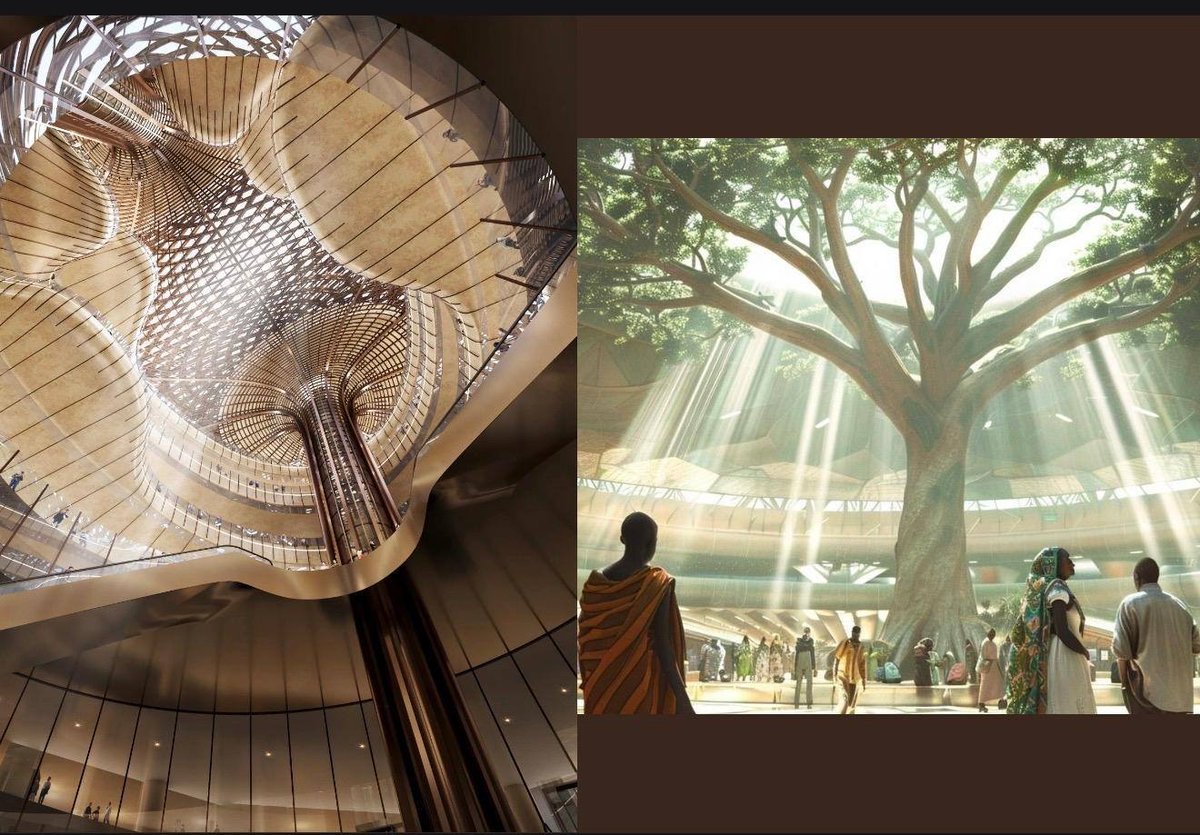
Dar group and Zaha Hadid Architects who won the contract to design Bishoftu International Airport (BIA) in 2018 have delivered the final design and they didn't just design the airport, they designed Ethiopian colours and cultures.
The four corners represent the four regions of Ethiopia. South, East, West and North with centre representing the Rift Valley.
Unlike GERD, Ethiopia this time went with open tendering process opening doors for local companies submit their bids till November 2025. The main contractor and sub contractors will be announced in August 2026.
From $10 billion to $12.5 billion. It means the airport will now have 6 runways instead of 4, parking capacity of 270 aircraft, shopping centres, a gym among others. Its a project worth studying.
Well done Ethiopia, well done!!