

@RogueCfpb @arcadylapiro Appearantly never did a procurement agreement with a municipality.
English
Tim Duncan
5.5K posts
@NotThatTimD
Director of Ai at BU School of Law and teach legal courses on Ai & Digital Finance. Former entrepreneur, exec and one time Head of Technology at CFPB.



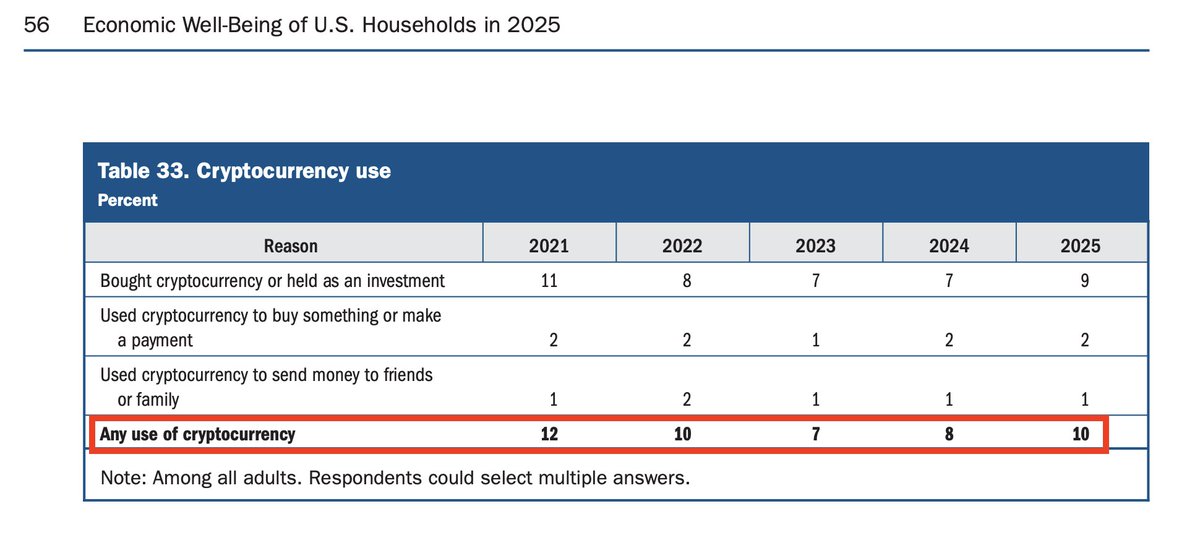


Two thirds of this exchange understand payments.



I realized most of the disdain for Dallas is the need to have money to enjoy it here. I wouldn’t like Dallas either if I was poor.

NYT's @NickKristof to fellow progressives: "A black kid in Mississippi is 2.5 times as likely to be proficient in math & reading by 4th grade as a black kid in Calif. Do we need to look a little bit less at what the Trump Admin is doing ... & look a little more in the mirror?"
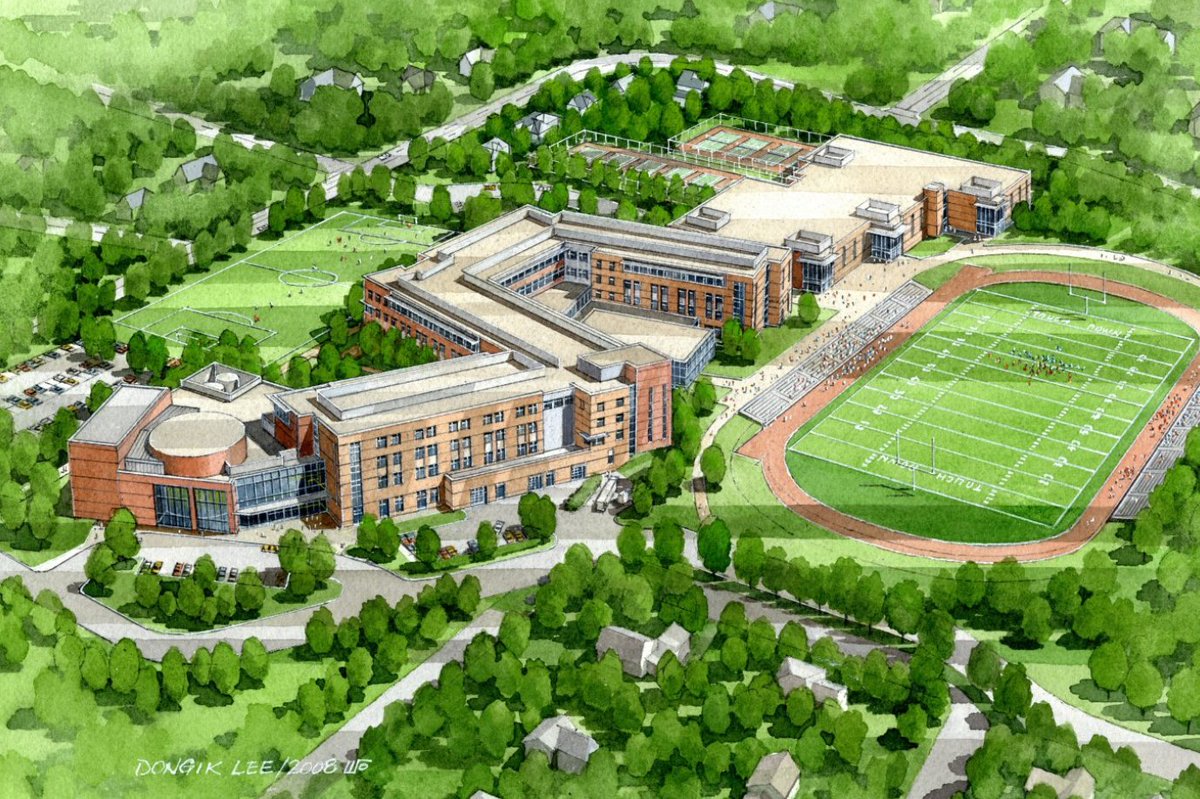
Let me explain exactly why parents pay $25,000 a year for youth sports their kid will never play professionally, because the math is more interesting than the headlines suggest. The $25K is buying admissions arbitrage at elite colleges. Run it both ways. Scholarship math first. The US has 8 million high school athletes. Roughly 7% play in college, 2% at D1. Total NCAA athletic scholarship spend is $3.6 billion across about 175,000 D1 athletes, mostly partial aid in the low teens per year. A family putting in $25K annually from age 6 to 18 spends $300K chasing a maximum return of about $80K. The expected value is a lottery ticket. Admissions math second. The SFFA v. Harvard trial disclosed that recruited athletes get admitted at 86%. The non-athlete rate sits around 5%. Even academically weak applicants jump to a 98% admit probability if recruited. A non-athlete with a 1397 SAT has roughly 0.08% odds at Harvard. The same kid recruited for crew has 70%+. The athletic hook is the largest single advantage in elite admissions, bigger than legacy or dean's list. Ivies don't even offer athletic scholarships. The value is purely the admissions ticket. This is what $25K buys. Year-round travel ball is the qualifier round for an admissions process operating on different rules than the one your kid's classmates compete in. The "country club sports" pipeline (squash, lacrosse, crew, fencing, golf) is a feature. Barrier to entry is the product. 90% of Ivy League squash players come from $30K-a-year private high schools. The math works because the alternative pool is small. PE arrived after the demand existed. Unrivaled Sports, Perfect Game, regional travel-ball roll-ups. Upper-middle-class parents had already turned youth sports into a class transmission mechanism. PE consolidated the supply chain and raised prices because the buyers were already there at $25K. $300K to convert a 4% admit rate at an Ivy into an 86% one. Plus the alumni network and pre-professional sorting that follows. That's the actual equation. The trade is rational at the top of the income distribution. Brutal everywhere else.


