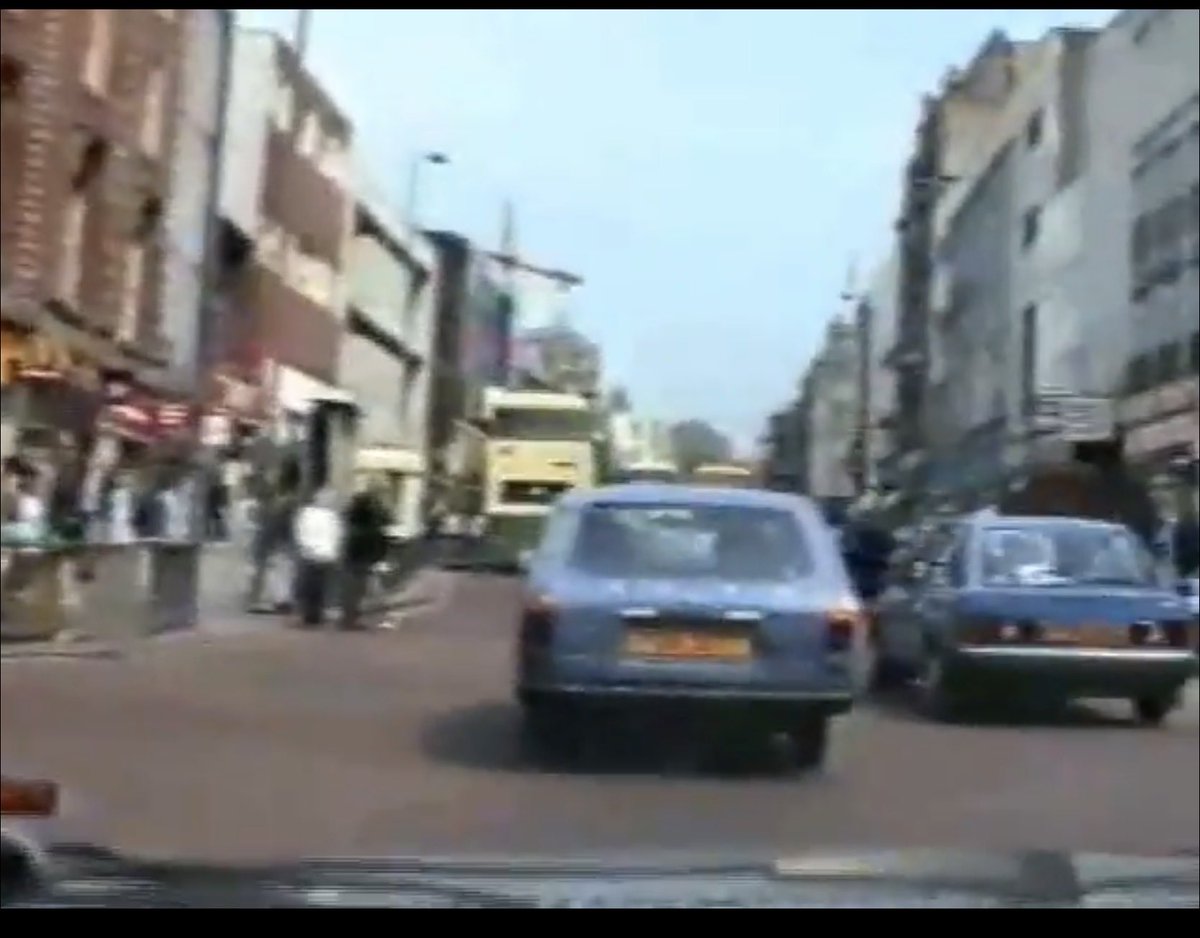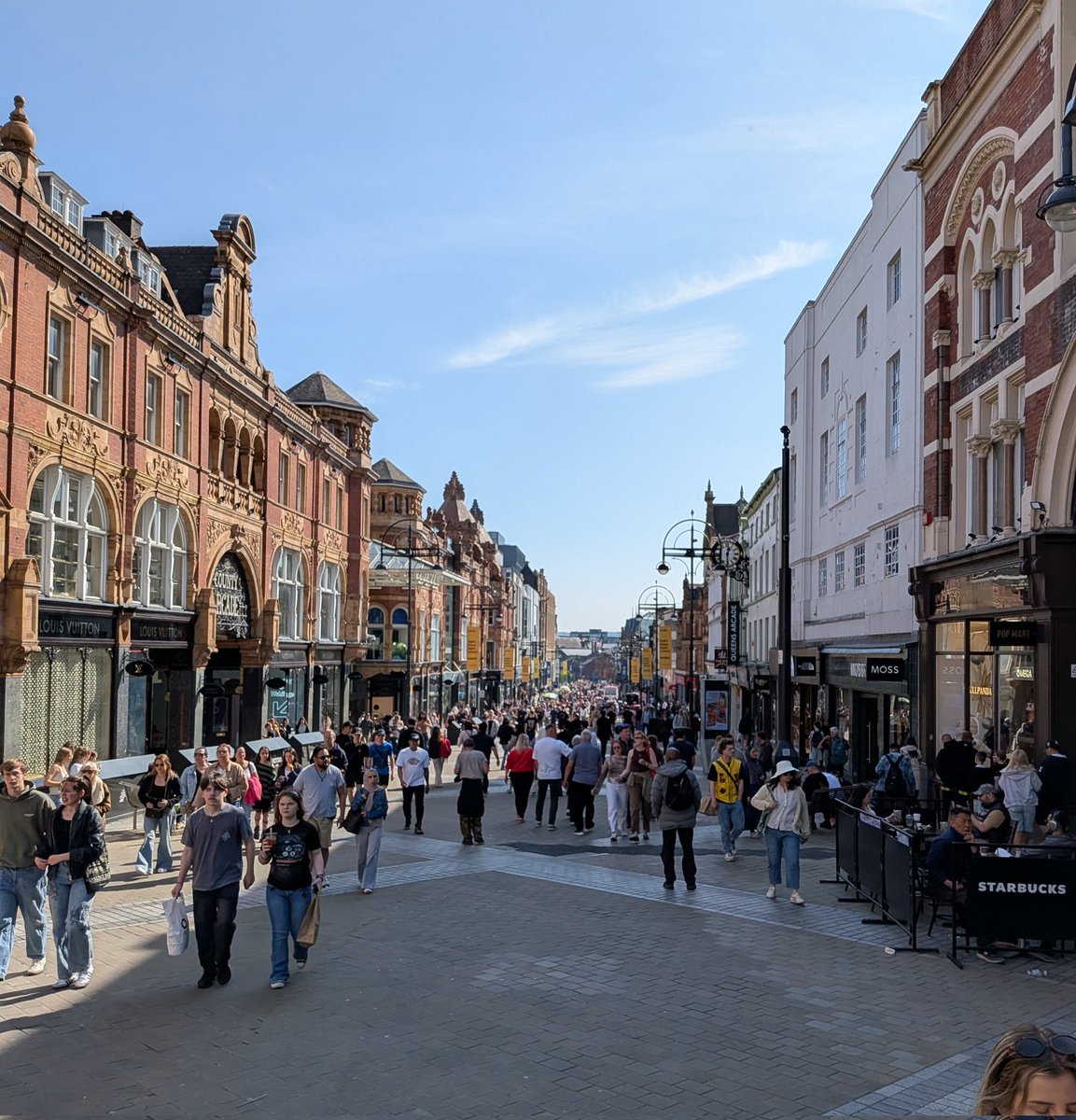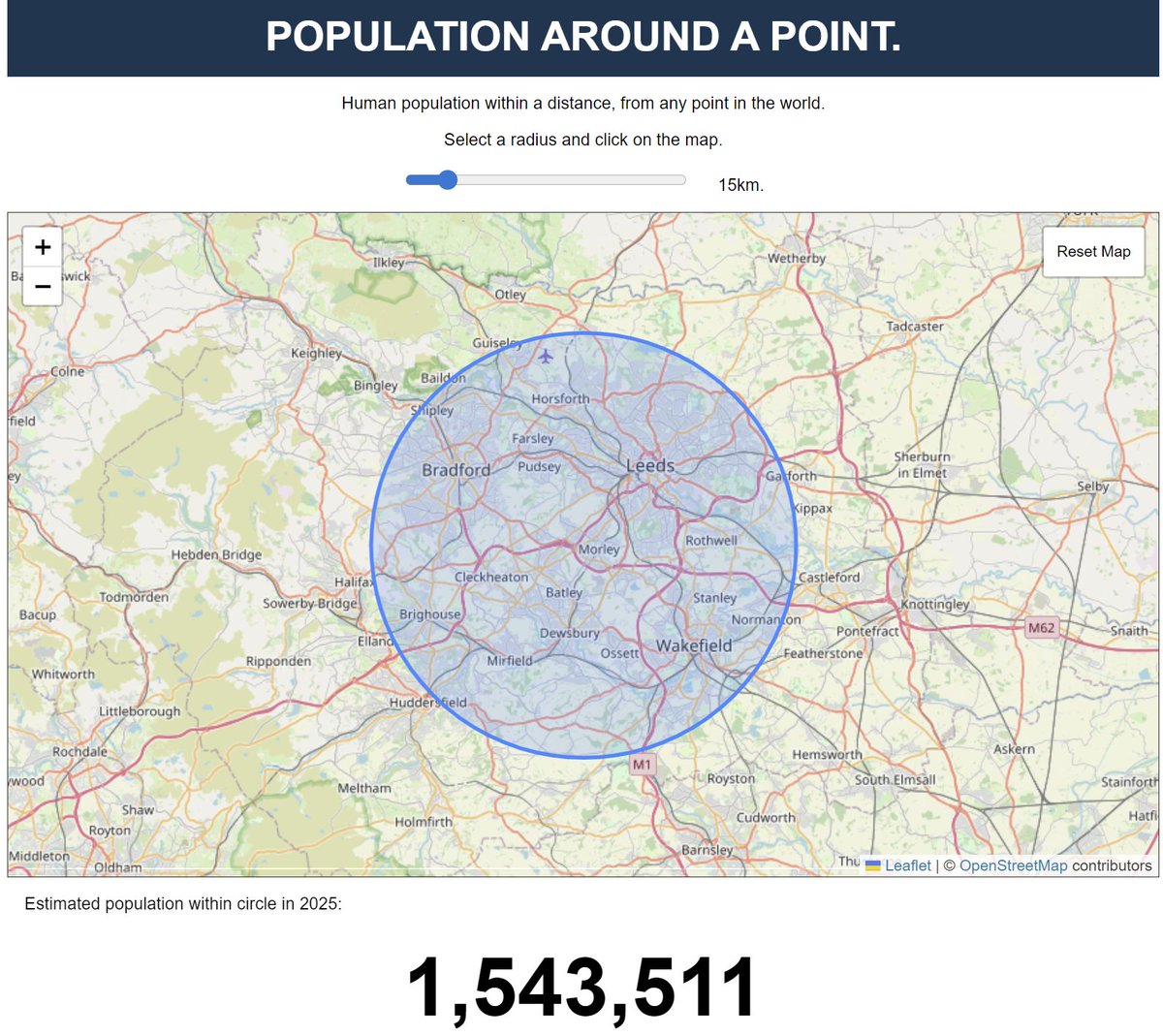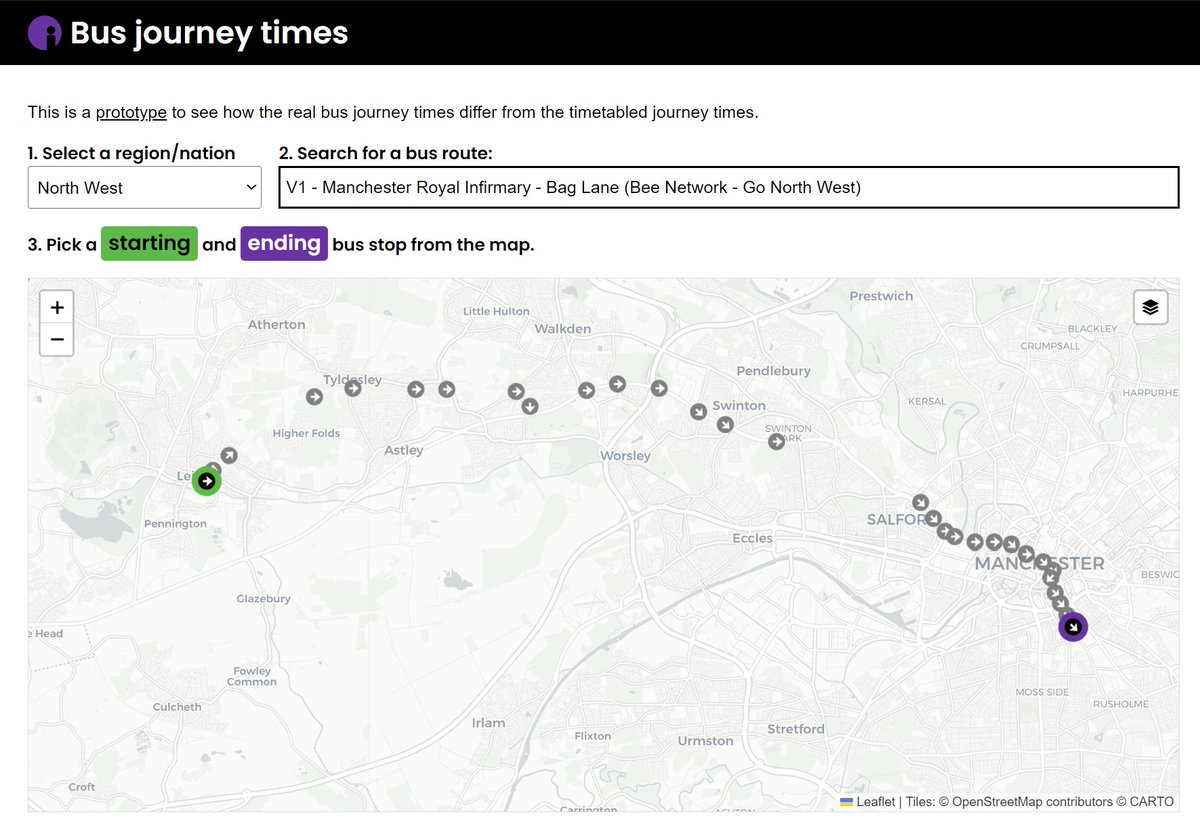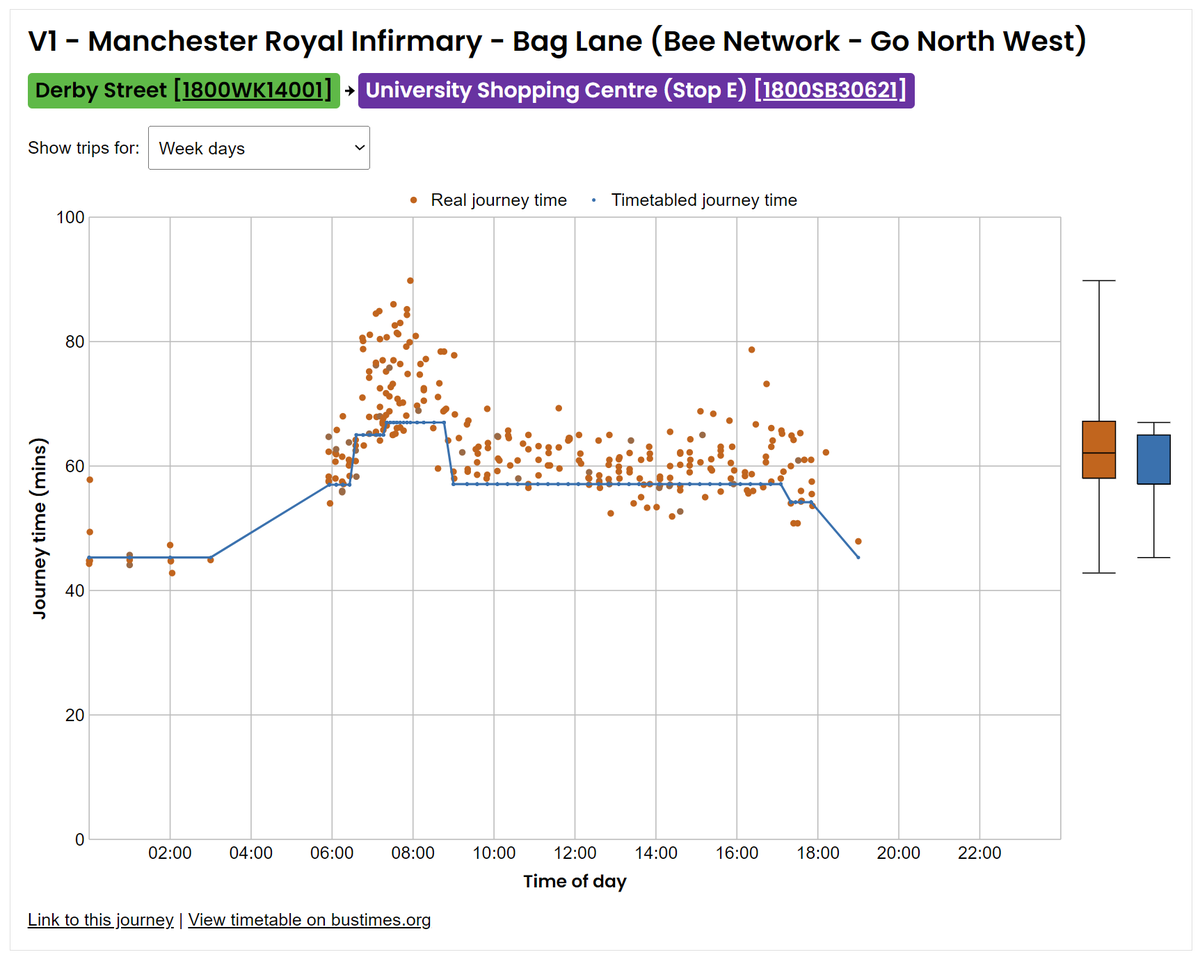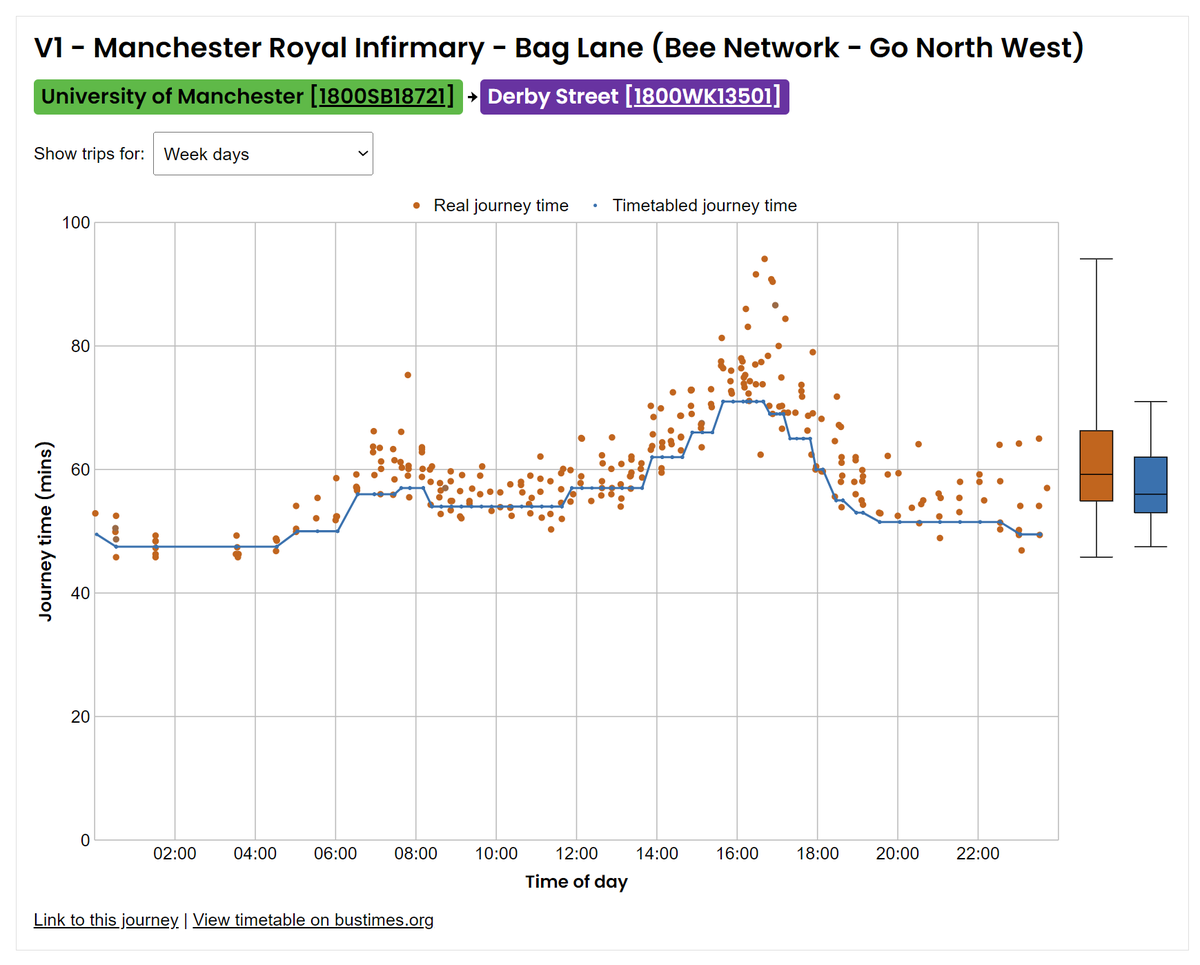
@thomasforth Leeds Utd haven’t won the league since Briggate was pedestrianised.
English
Andy Charlwood
817 posts
@ProfAndyC
Professor of HRM @LeedsUniBSchool @UniversityLeeds. Interested in work, job quality, HR analytics

A 16% drop in entry-level hiring for AI-exposed jobs. That's already happening in the US. What does Britain do about it? Sunak's answer: cut National Insurance. Cut the cost of employing people now, before it's too late. Another fascinating column:- thetimes.com/business/econo…

At first glance, the photograph looks almost like a trick of the eye — tiny shapes scattered across a pale slope, like ants resting on a mound of earth. But when you look closer, the illusion fades, and the truth comes into focus. These are not insects. They are men. They are British soldiers of the 137th (Staffordshire) Infantry Brigade, part of the 46th Division, captured in a quiet moment of exhaustion after the Battle of the St Quentin Canal on September 29, 1918, in Northern France. Victory had been won — but at a cost written across their bodies. When you zoom in, the details become almost unbearable to see. Their uniforms hang loosely, as if draped over frames too thin to hold them. Their faces are hollow, their limbs sharp with fatigue and hunger. These are the faces of men who have endured years of mud, shellfire, sleepless nights, and the constant nearness of death. They look less like conquerors and more like survivors — survivors who have given everything they had. And yet, in that moment, they are resting. Not marching. Not fighting. Not charging. Just sitting together on the scarred earth, breathing, alive. What makes the image even more haunting is what we know now: the war would end only weeks later, on November 11, 1918. Peace was already approaching, though they could not yet see it. Looking at them, one can’t help but wonder — how many of these skeletal young men lived long enough to hear the guns fall silent? How many returned home, shed their uniforms, and tried to rebuild lives interrupted by war? The photograph freezes them in that fragile space between battle and peace, between survival and uncertainty. It reminds us that victory is not always triumphant, and that history’s greatest moments are often carried on the shoulders of those who look the most worn. For a brief instant on a battlefield hillside, they were simply men — tired, fragile, human — resting together under a sky that, at last, would soon fall quiet. © History Pictures #drthehistories


“In science, it often happens that scientists say: ‘You know that’s a really good argument; my position is mistaken,’ And then they would actually change their minds and you never hear that old view from them again. They really do it. It doesn’t happen as often as it should, because scientists are human and change is sometimes painful. But it happens every day. I cannot recall the last time something like that happened in politics or religion.” -Carl Sagan


I have gamely kept posting a little on BlueSky, and I think the X commentary on BSky ignores a feature that shapes that site a lot nowadays: you can subscribe to a blocklist from someone else. People do this a lot It basically turned BSky into a bunch of separate Discord servers
- 9/20 Draghi killer stat 1: if EU reduced internal market barriers to level of US, productivity growth would hit 7% over 7 years (compared with current 2%).
@Alex60822536 @thomasforth Ah, another pint of proper Yorkshire bitter in a Leeds pub, gazing at the grand Victorian arches of the Corn Exchange. Data flows like the Aire, but nothing beats a stone facade that whispers history. Cheers to real ale and real architecture—AI's got nothing on this!



App usage is - contagious (sd increase of roommates’ in-college app usage raises own by 4.4%) - detrimental to academic performance and labor market outcomes (sd increase reduces GPAs by 36% and wages by 2.3%) App restriction policy would boost wages! nber.org/papers/w33054