Sabitlenmiş Tweet

To my black family, friends, and people seeing this:
I love you
You matter
I'm here for you
#BlackLivesMatter
English
Sean Metcalf
22.9K posts

@PyroTek3
Identity Security Architect @ TrustedSec. Microsoft Certified Master #ActiveDirectory & former Microsoft MVP. Co-Host @ Enterprise Security Weekly. He/Him. #BLM



Microsoft just added the ability to 𝐝𝐢𝐬𝐚𝐛𝐥𝐞 𝐠𝐫𝐨𝐮𝐩 𝐧𝐞𝐬𝐭𝐢𝐧𝐠 for groups in Microsoft Entra > ourcloudnetwork.com/how-to-disable… It's very new, can only be set during group creation and I cannot see any documentation on Microsoft Learn about this yet outside of the Graph API permission reference, but it was caught by my MsDocsTracker! Very useful for groups that protect sensitive applications or resources where you want every member to be added directly. Check out my article linked above to enable the disableNesting property for groups! #Entra #News #Microsoft


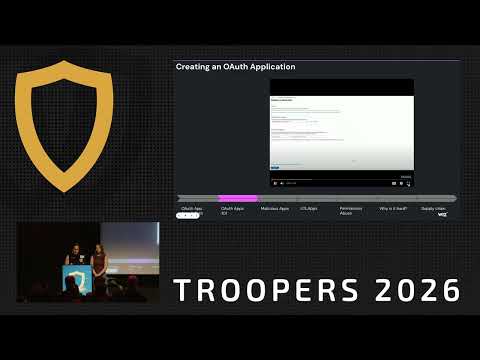
#TROOPERS26 videos published: youtube.com/playlist?list=…

You thought NightBeacon was cool? That's only half of the picture of what we've been working on at #BinaryDefense. We've been in the skunkworks for over two years doing something even more game changing and frankly it's incredible. Patents are in. We're releasing at BlackHat. Seriously game changing and changes everything. Everyone is concerned about models attacking you. We've figured out a way to shut that down completely. No marketing fluff, fake promises, or vaporware. It works, and it works extremely well. We've been testing this for over a year and a half, and we've operationalized it to high effect. NightBeacon was only the beginning. Welcome to the era of NightBeacon and what will be known as Stealth. Stay tuned.






Get a sneak peek at what's waiting for you at @BlackHatEvents 👀 August 1-4 with our "Supply-Chain to Runtime: Attacking & Defending the Modern DevOps Stack" training. Last week to register at the current price—enroll now! #supply-chain-to-runtime-attacking-amp-defending-the-modern-devops-stack-50985" target="_blank" rel="nofollow noopener">blackhat.com/us-26/training…
@curi0usJack @__spitzer__
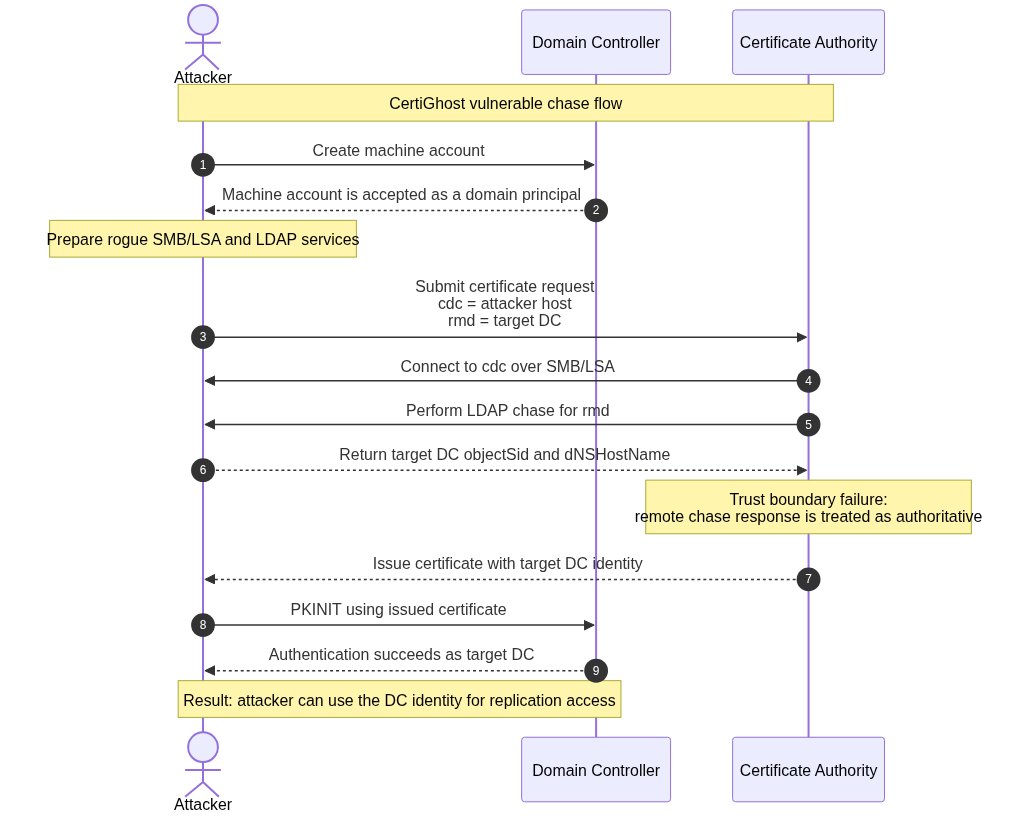
@sahruldotid @h0j3n You can modify registry with certutil. 1. certutil -setreg policy\EditFlags -EDITF_ENABLECHASECLIENTDC 2. Restart-Service CertSvc -Force This should disable the chase
Putting the final touches on the upcoming 🔥 Maester 2.2 release and look at this! A new Contributors page dedicated to the awesome community of folks that make Maester what it is today. Check it out and click through to the detail page of each author. maester.dev/contributors BTW @fabian_bader had a neat idea. Soon we'll be handing out exclusive badges/credentials to folks who contribute Maester tests.