Sabitlenmiş Tweet

𝐓𝐡𝐞 𝐀𝐝𝐦𝐢𝐬𝐬𝐢𝐨𝐧 𝐏𝐫𝐢𝐜𝐞
We construct elaborate fantasies about protected paths through life—careful routes that spare us the full weight of being human. We imagine that if we're cautious enough, strategic enough, emotionally intelligent enough, we can navigate existence without getting shattered. We choose careers that seem "safe." We avoid certain kinds of love because they feel too risky. We keep our dreams modest, our expectations managed, our hearts carefully guarded behind layers of irony and preemptive disappointment. And we call this wisdom.
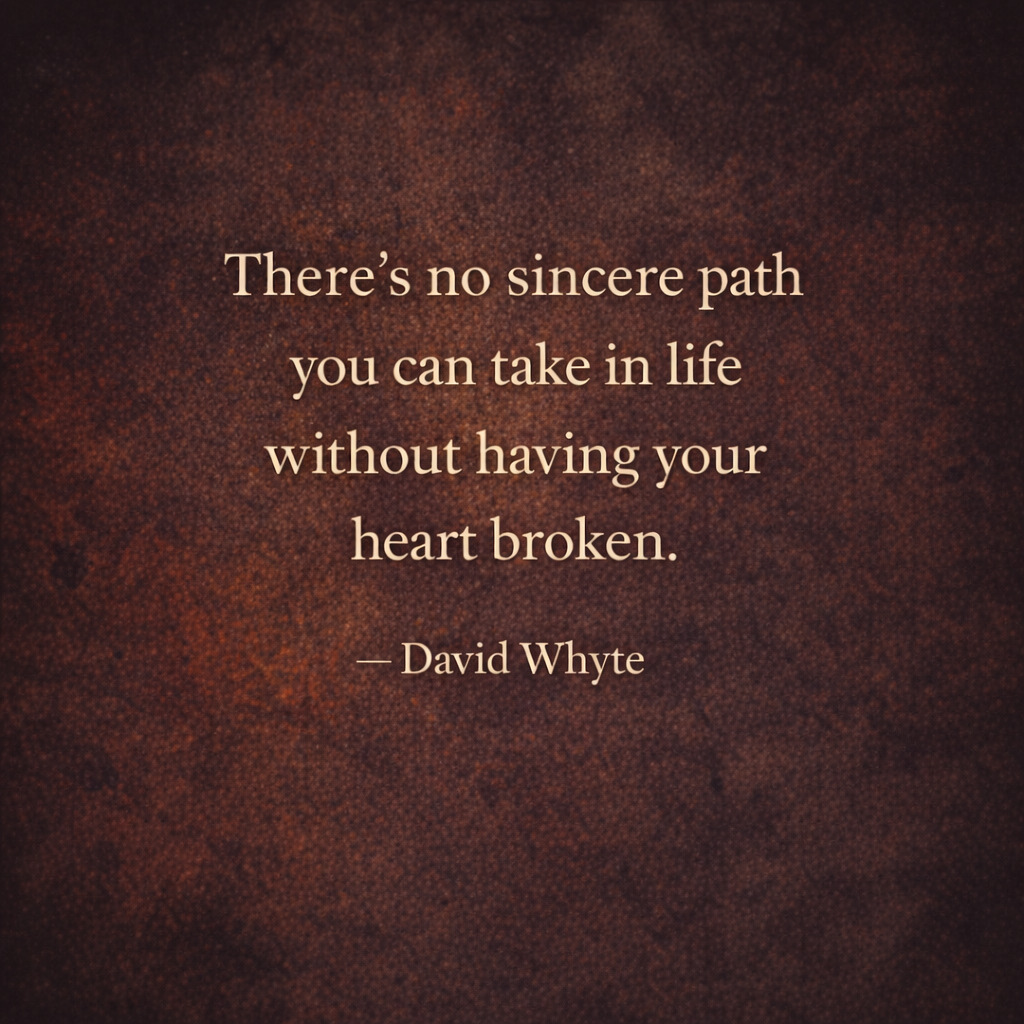
But sincerity—the act of meaning what you do, of investing yourself fully in something that matters—is inherently dangerous. To care deeply is to become vulnerable to devastation. To love is to give hostages to fortune. To commit to a path, a person, a calling, is to open yourself to the specific suffering that comes when that thing fails, leaves, or breaks you. The sincere heart is an exposed heart, and exposure means wounding is not a possibility but a certainty.
This isn't about seeking suffering or romanticizing pain. It's about recognizing that the cost of a meaningful life is paid in heartbreak. Not because the universe is cruel, but because meaning requires investment, and investment creates vulnerability. You cannot love without the possibility of loss. You cannot create without the possibility of failure. You cannot believe in something without the possibility of disillusionment. The sincere path doesn't offer protection from these possibilities—it guarantees you'll eventually meet them all.
Consider what we lose when we try to avoid this bargain. The person who never loves deeply never gets their heart broken—true. But they also never experience the particular transcendence that comes from genuine connection. The artist who never shows their real work never faces rejection—but also never knows if their voice matters. The person who never commits to anything never suffers disappointment—but also never experiences the meaning that comes from devotion. We trade the depths for the shallows and pretend we're being strategic rather than cowardly.
What makes heartbreak inevitable on the sincere path isn't just external circumstance—it's also internal. To live sincerely means to evolve, and evolution means outgrowing things you once loved. The career that felt like calling at twenty-five feels like confinement at forty. The relationship that saved you once might now be suffocating you. The beliefs that gave you meaning may eventually reveal themselves as beautiful illusions. Your own growth breaks your heart as often as the world does.
The textured darkness in this image—grainy, complex, neither uniformly black nor speckled with easy light—represents the emotional territory of sincerity. It's not simple. It's not clean. It doesn't resolve into easy patterns. But it's real in a way that protected paths never are. The question isn't whether you'll have your heart broken—you will. The question is whether the breaking will come from something that mattered or from discovering, too late, that you protected yourself out of ever mattering at all.
𝐖𝐡𝐚𝐭 𝐚𝐫𝐞 𝐲𝐨𝐮 𝐩𝐫𝐨𝐭𝐞𝐜𝐭𝐢𝐧𝐠 𝐲𝐨𝐮𝐫 𝐡𝐞𝐚𝐫𝐭 𝐟𝐫𝐨𝐦, 𝐚𝐧𝐝 𝐢𝐬 𝐭𝐡𝐚𝐭 𝐩𝐫𝐨𝐭𝐞𝐜𝐭𝐢𝐨𝐧 𝐜𝐨𝐬𝐭𝐢𝐧𝐠 𝐲𝐨𝐮 𝐭𝐡𝐞 𝐯𝐞𝐫𝐲 𝐥𝐢𝐟𝐞 𝐲𝐨𝐮'𝐫𝐞 𝐭𝐫𝐲𝐢𝐧𝐠 𝐭𝐨 𝐩𝐫𝐞𝐬𝐞𝐫𝐯𝐞?
English