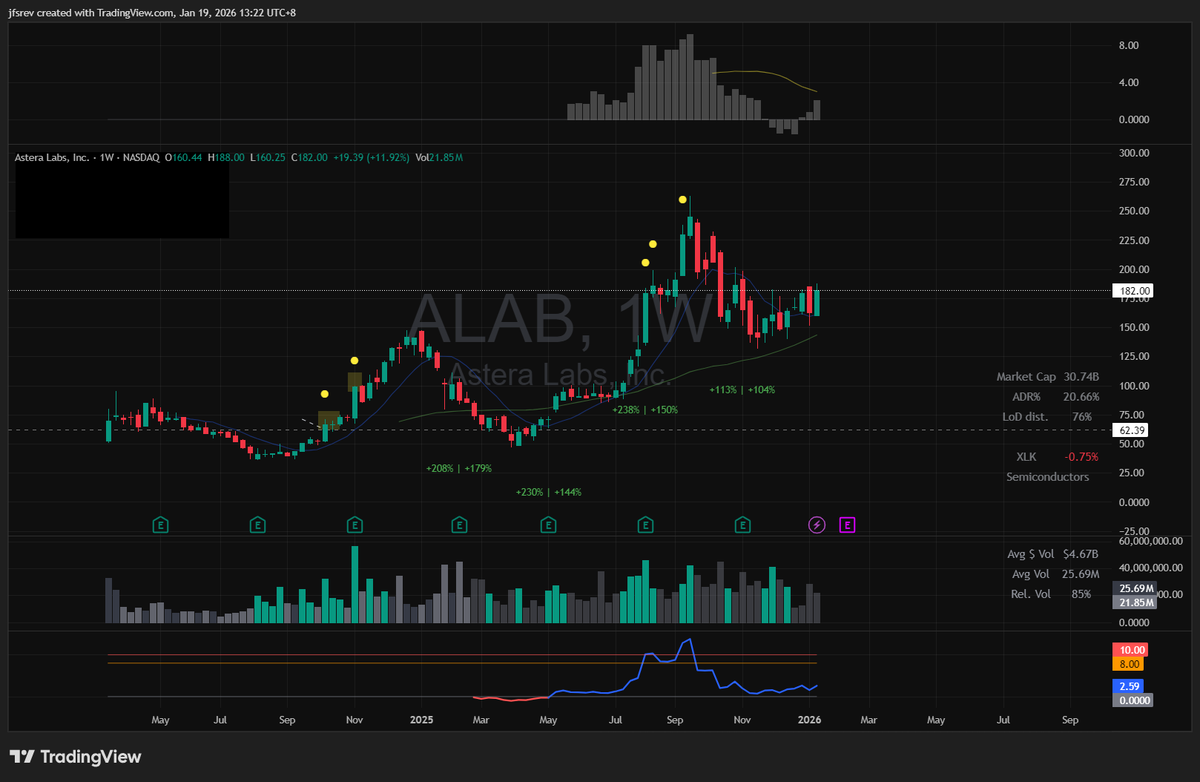
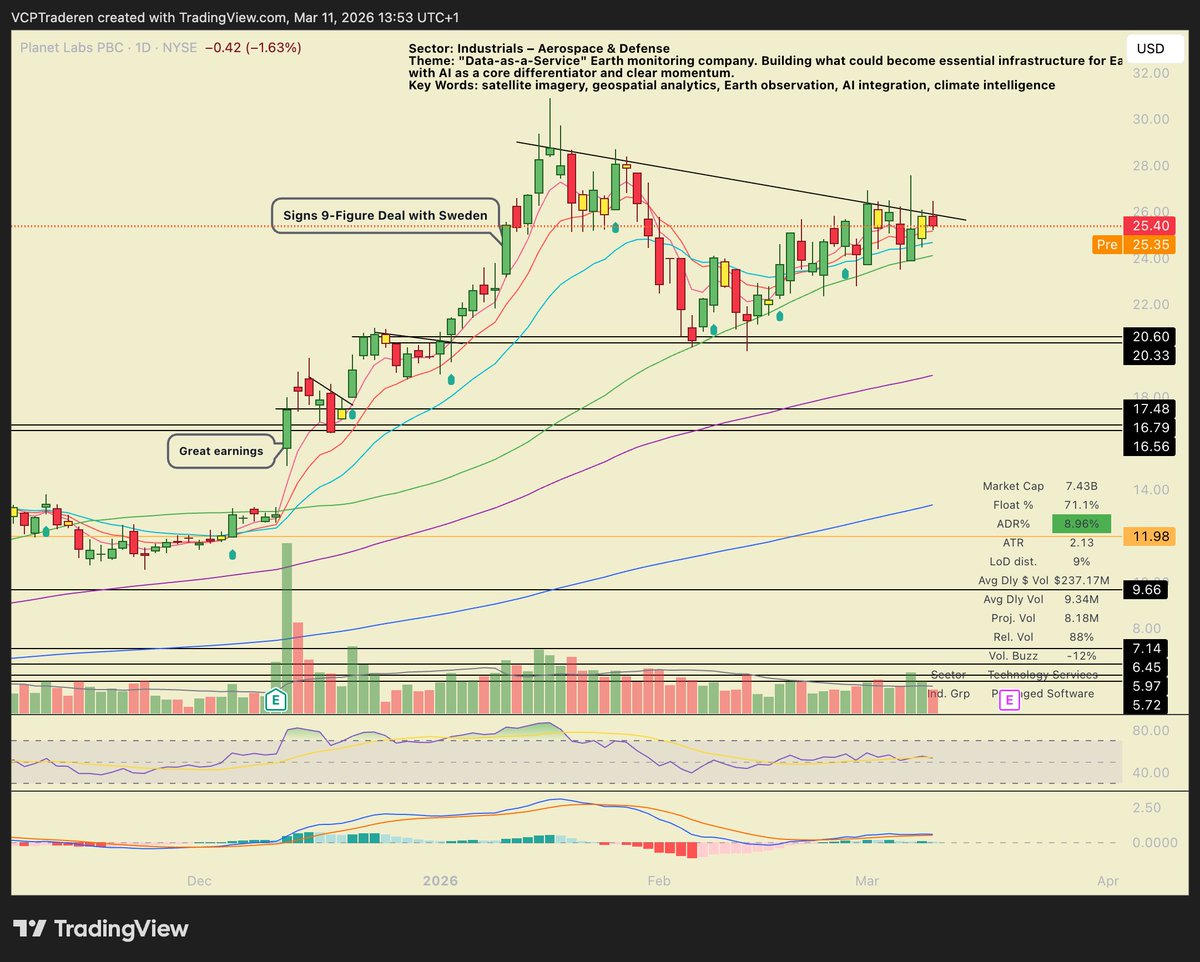
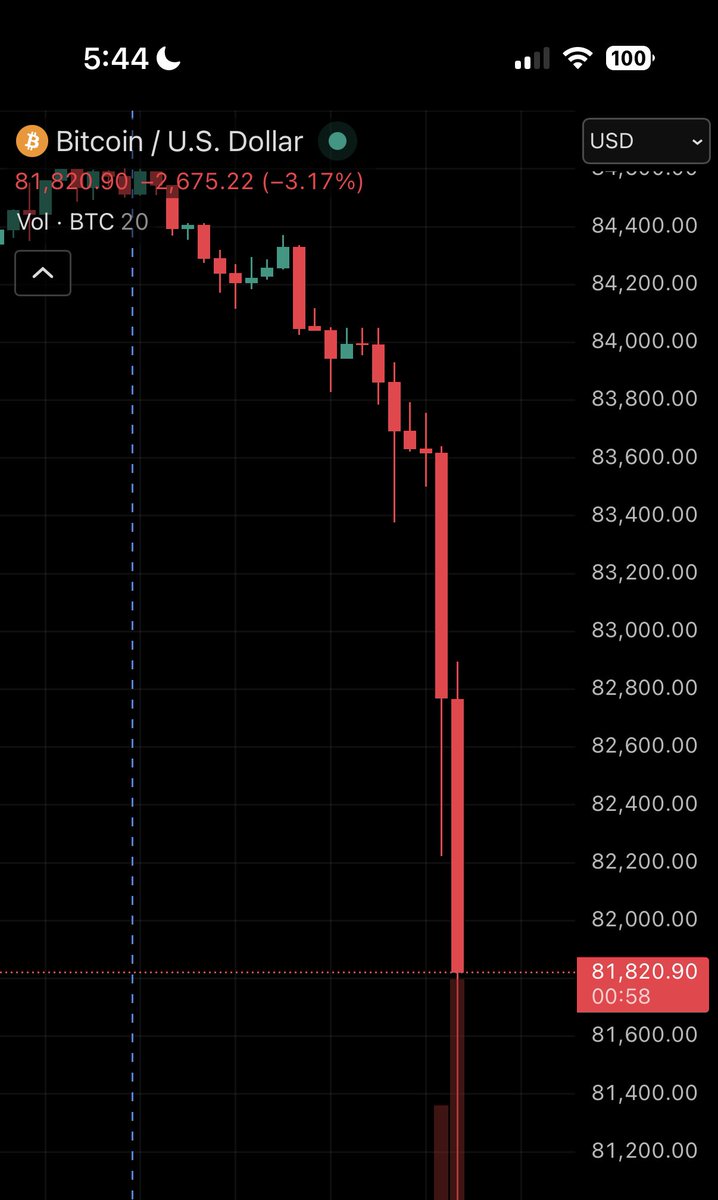
@i_manage_risk I can’t say is the best method to do it, but a big THANK you that you support new traders with materials that nobody does! Big respect G.
English
Gian Kom
43 posts

@Randomjobs
🚀 Trading breakouts | Swing trader | 📊 Process over predictions

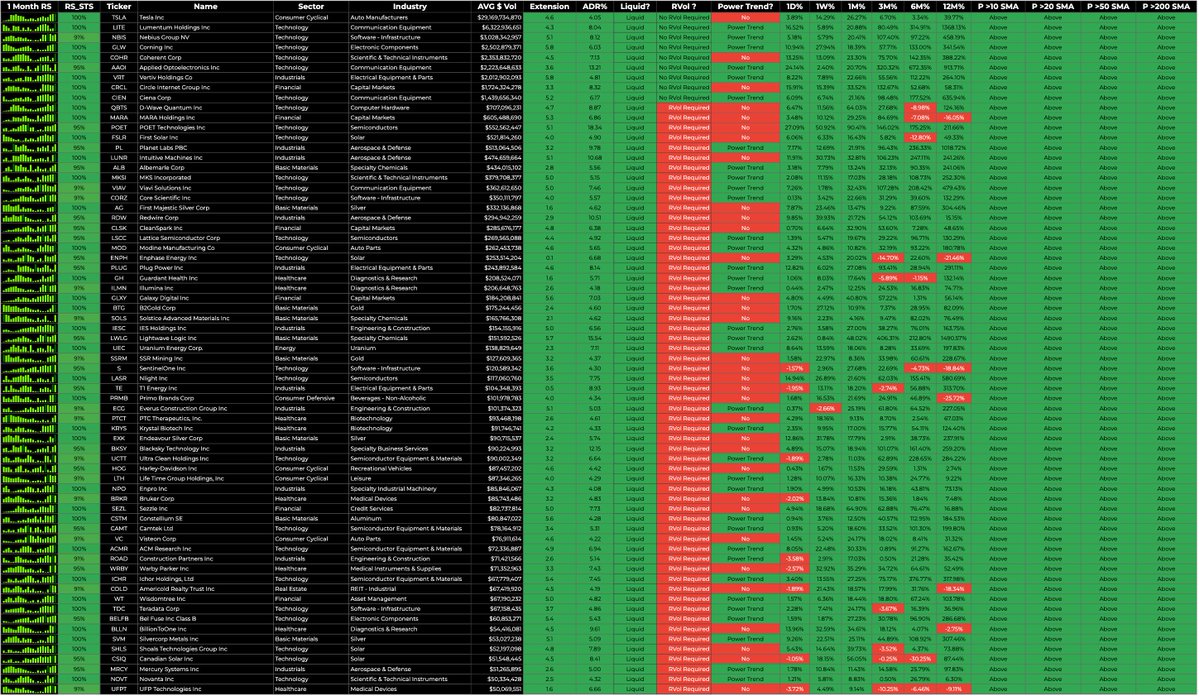
Hello everyone, another free gift for you! My sector google sheet that is broken down into all 11 sectors, contains all stocks greater than $1bn in market cap. Gives you RS rating, theme/group, ADR%, Extension from the 50sma, ATR%, Liquidity, Avg $ vol docs.google.com/spreadsheets/d…



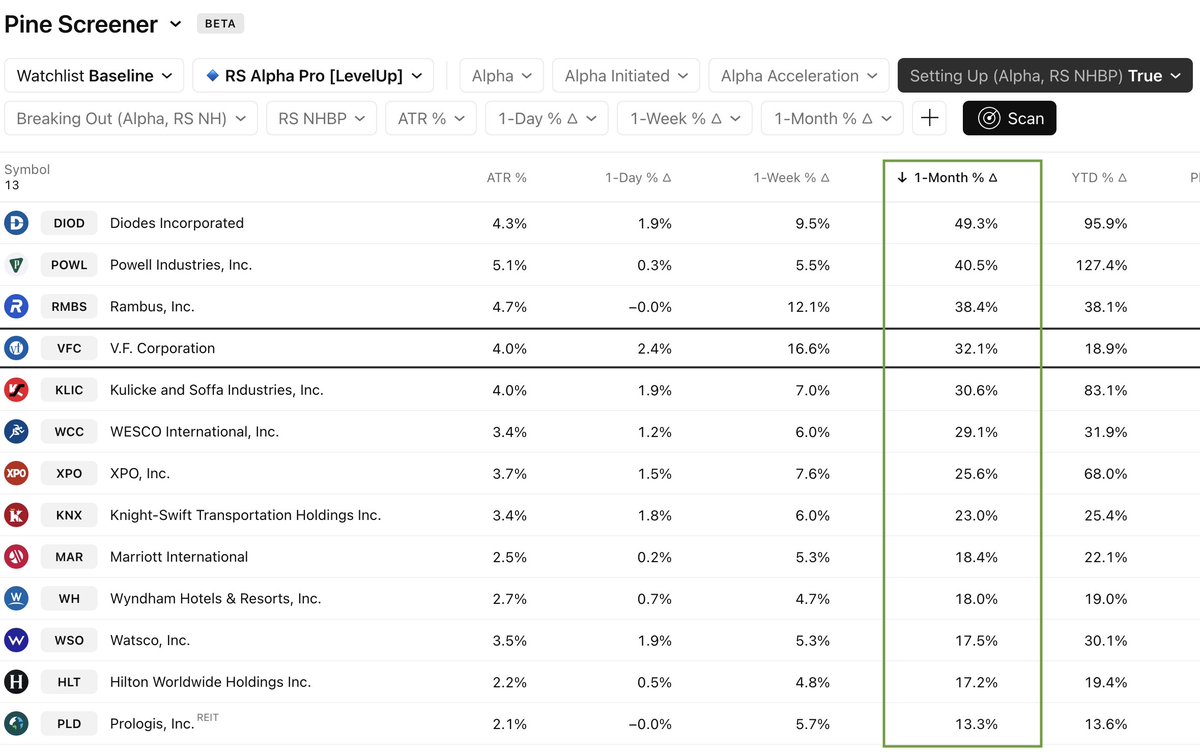


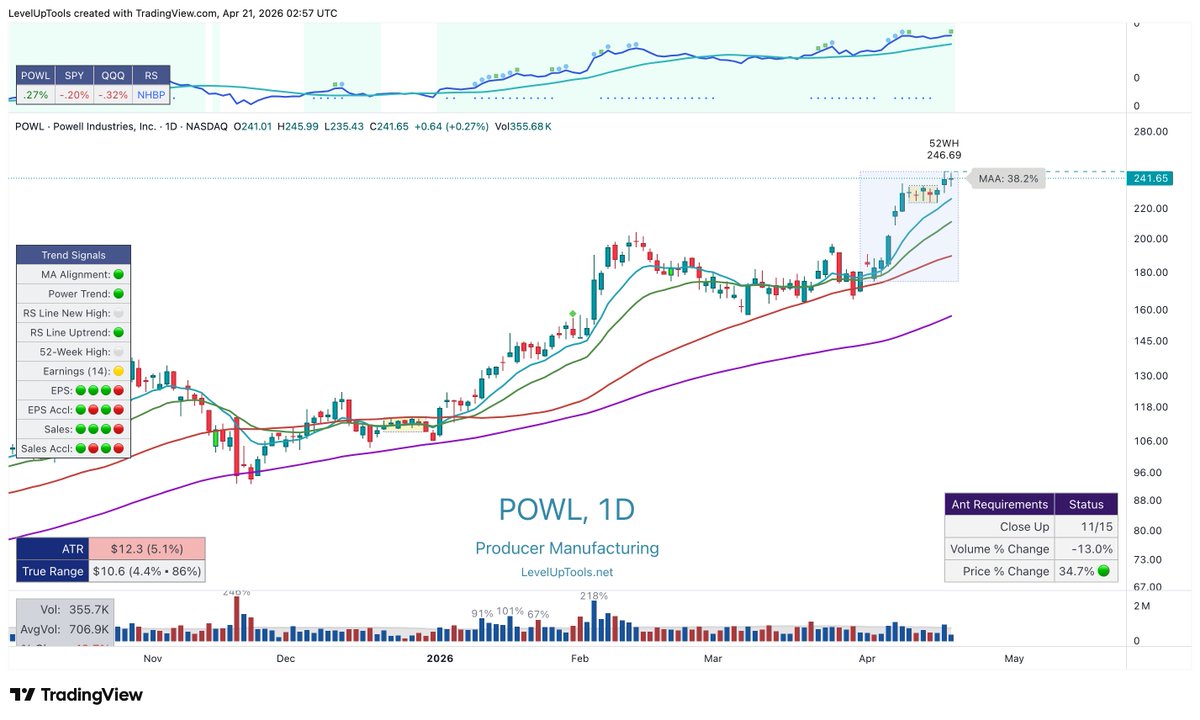

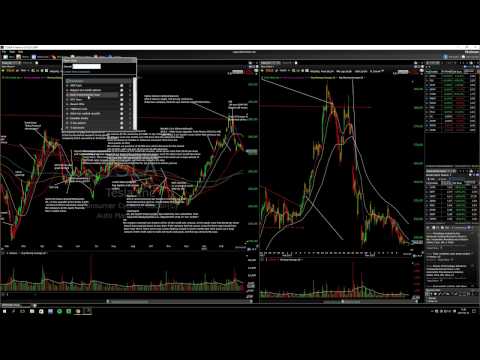
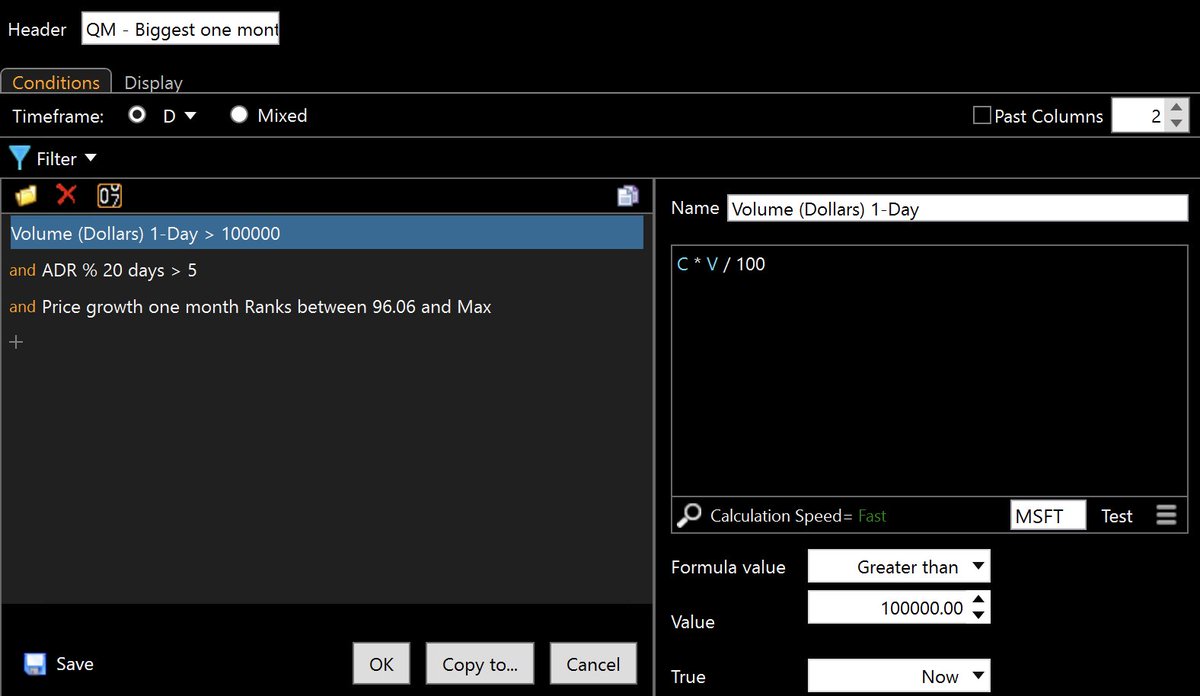
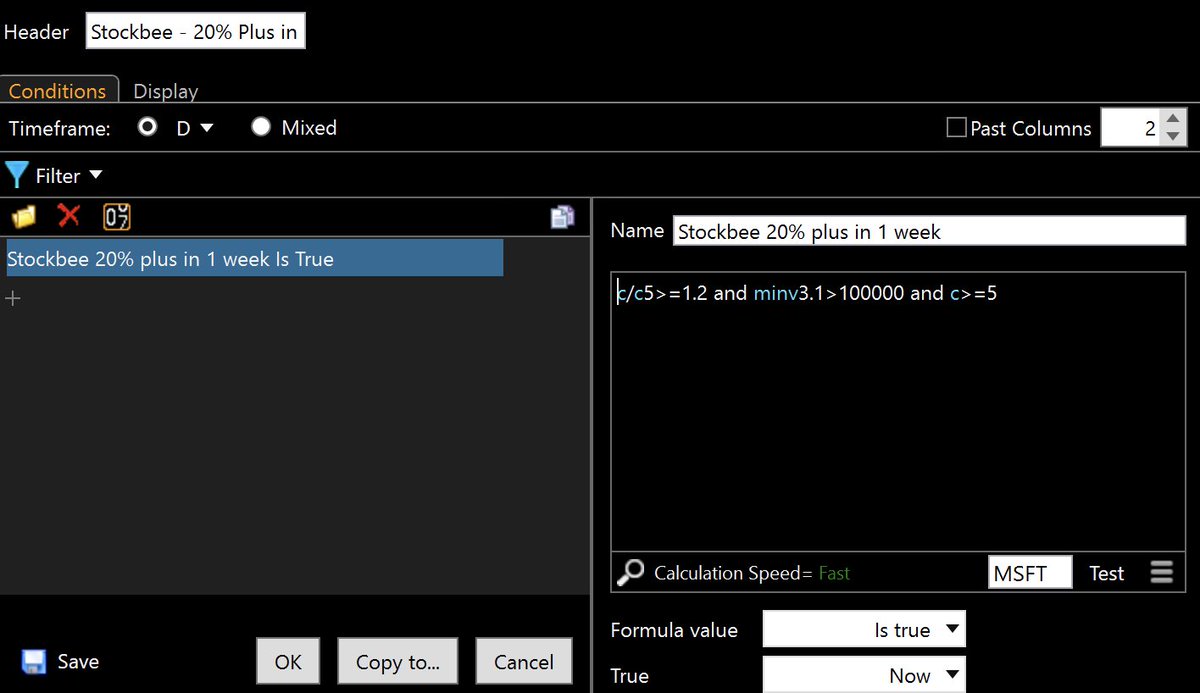





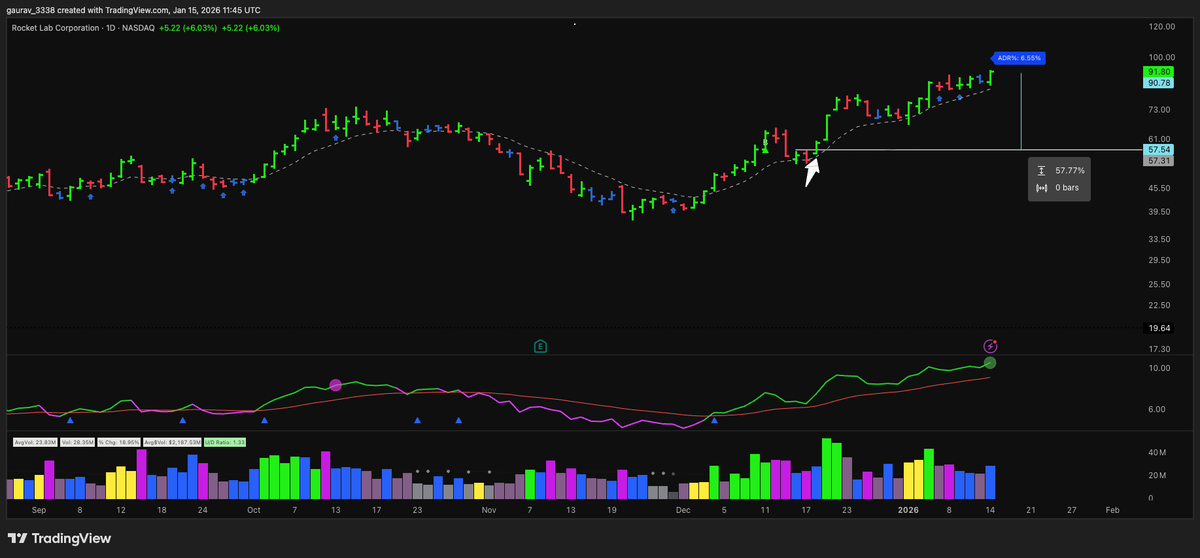





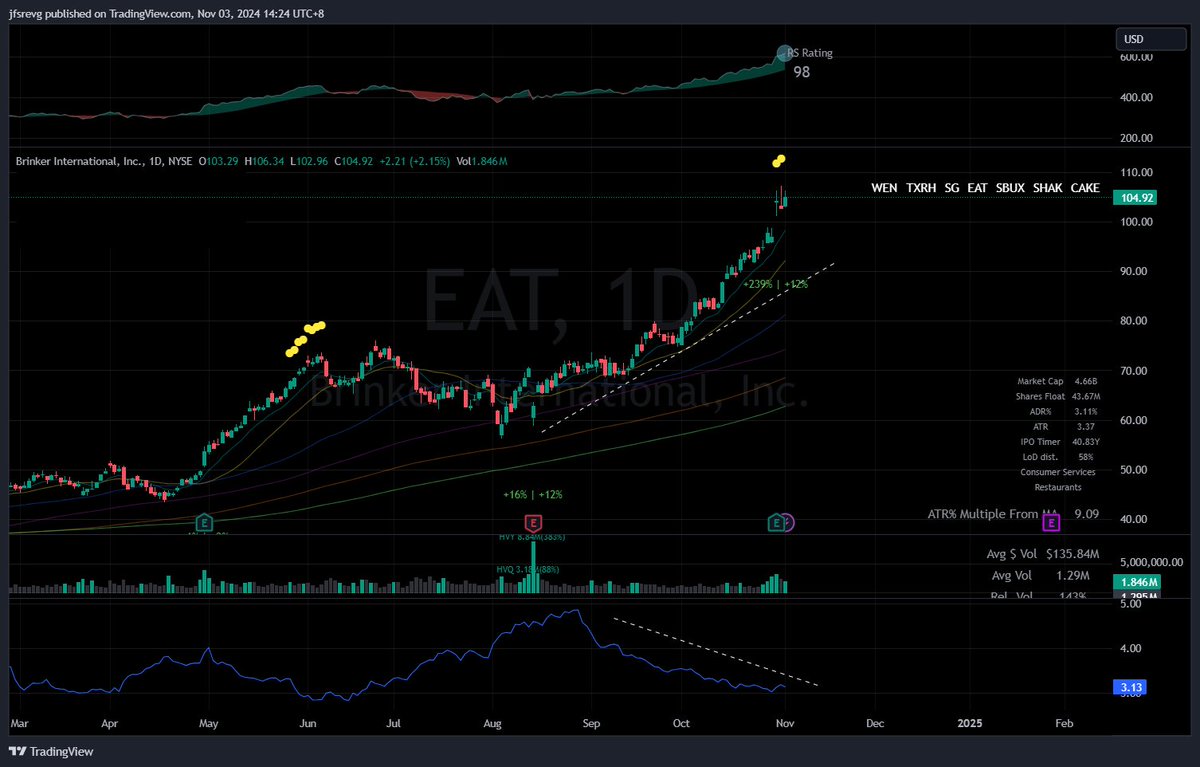
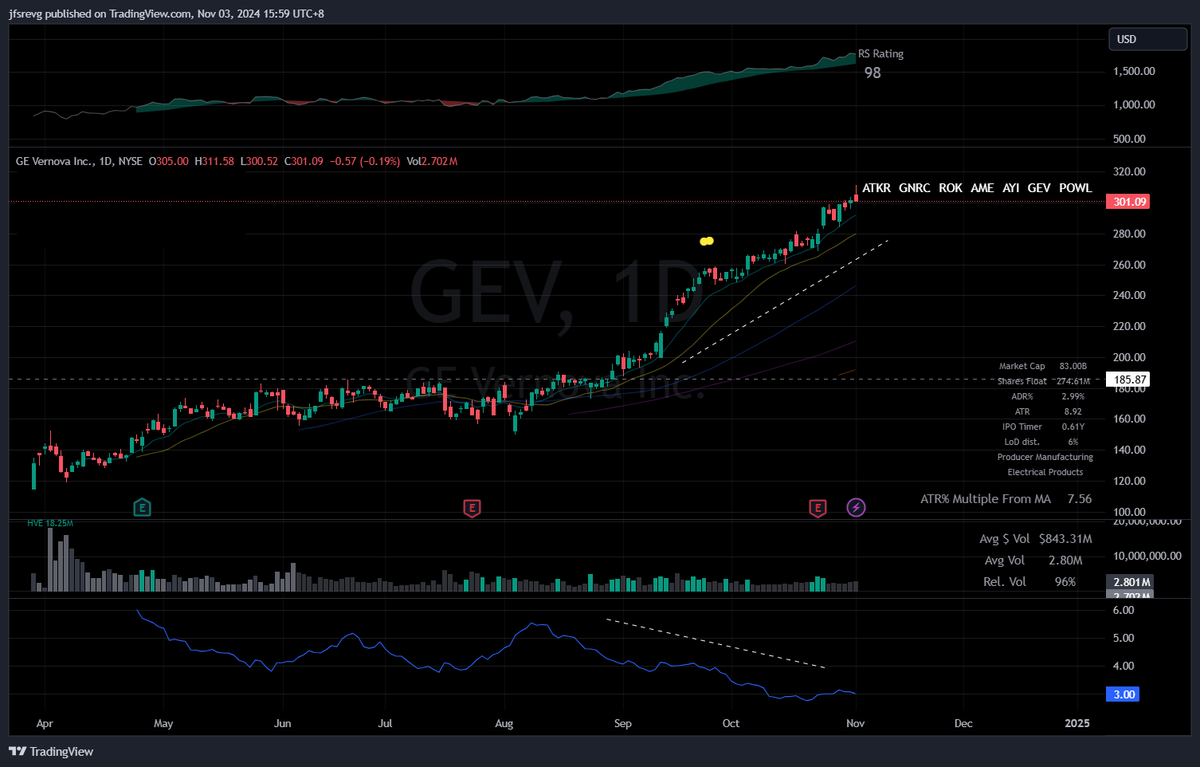


@PradeepBonde highlighted a crucial distinction between two types of stock movements, providing valuable insights to laser-focus your own stock selection, even within a breakout strategy. I personally categorize one as a range-expansive momentum move (e.g., $COIN on 20/11), while the other is identified as a trend-following move (illustrated well by $VRT). Consider the following principles that I adhere to when concentrating on momentum-based trading, with a focus on short-term range expansion via executing trades that are trading at high relative volume beyond pivotal levels. 1. Direct your attention to stocks in these five sectors: $XLK, $XLY, $XLI, $XLE, $XLV. They have the highest success rate of breakouts. I wrote about this with reference to @florinlazar001 research 1-2 years ago. 2. Give preference to lower-priced, lower float, lower capitalization stocks, and those with high short interest, as they often undergo substantial magnitude moves. 3. Steer clear of executing short-duration setups that surpass 4x ATR multiples from their 50-MA. The only exception to this rule is for stocks with a market cap below $500 million, where I would still set not trade them at more than a 5x multiple. 4. Setups should encompass range compression coupled with volume contraction, likened to a compressed coil spring. 5. Execute trades only on setups securing pivotal levels below 100% ATR from the current Low of the Day (LoD). This significantly heightens the probability of concluding the day with unrealized profits based on historical IV, implied volatility. 6. Execute trades that secure pivotal levels with substantial volume relative to its average 50-MA volume, contingent on the time period of the day (e.g., 40% relative vol to 50-MA vol in the first 30 minutes is a substantial liquidity event). If you have a watchlist stock trading beyond 10% dollar volume to their market cap, they should be your priority (look at how $CVNA started the +600% run in 2023) 7. Refrain from entering if stop losses require pricing and sizing beyond 1 ATR from your entry. This ensures optimal exploitation of a winning trade in terms of profit factor and risk-reward ratio. 8. If your thesis isn't validated upon entry, reduce your position size before it even reaching your stop. If you are not proven right, you are yet to be proven wrong either. By controlling and improving losses below 1.0R, 0.8R, and 0.6R per losing trade, you can go a long way. Imagine the capability of a 5R winner covering 9 losses, instead of 5. 9. Don't dismiss leveraged ETFs as trading ideas; they can exhibit much larger range-expansive moves than individual stocks within the same sector or group. Now I'm stalking etfs like $KOLD $DRIP $TZA $DPST I genuinely believe that these rules hold merit and can enhance your profitability.