
Ross Keller, PhD

986 posts

Ross Keller, PhD banner
Ross Keller, PhD

Ross Keller, PhD

@RossK11

Senior Research Director at Private Health Management. Previously, Fellow @sloan_kettering and PhD studying cancer evolution @Penn_State. Posts my own.

New York, NY Katılım Mayıs 2011
702 Takip Edilen225 Takipçiler
Ross Keller, PhD retweetledi
Anirban Maitra
Anirban Maitra@Aiims1742·
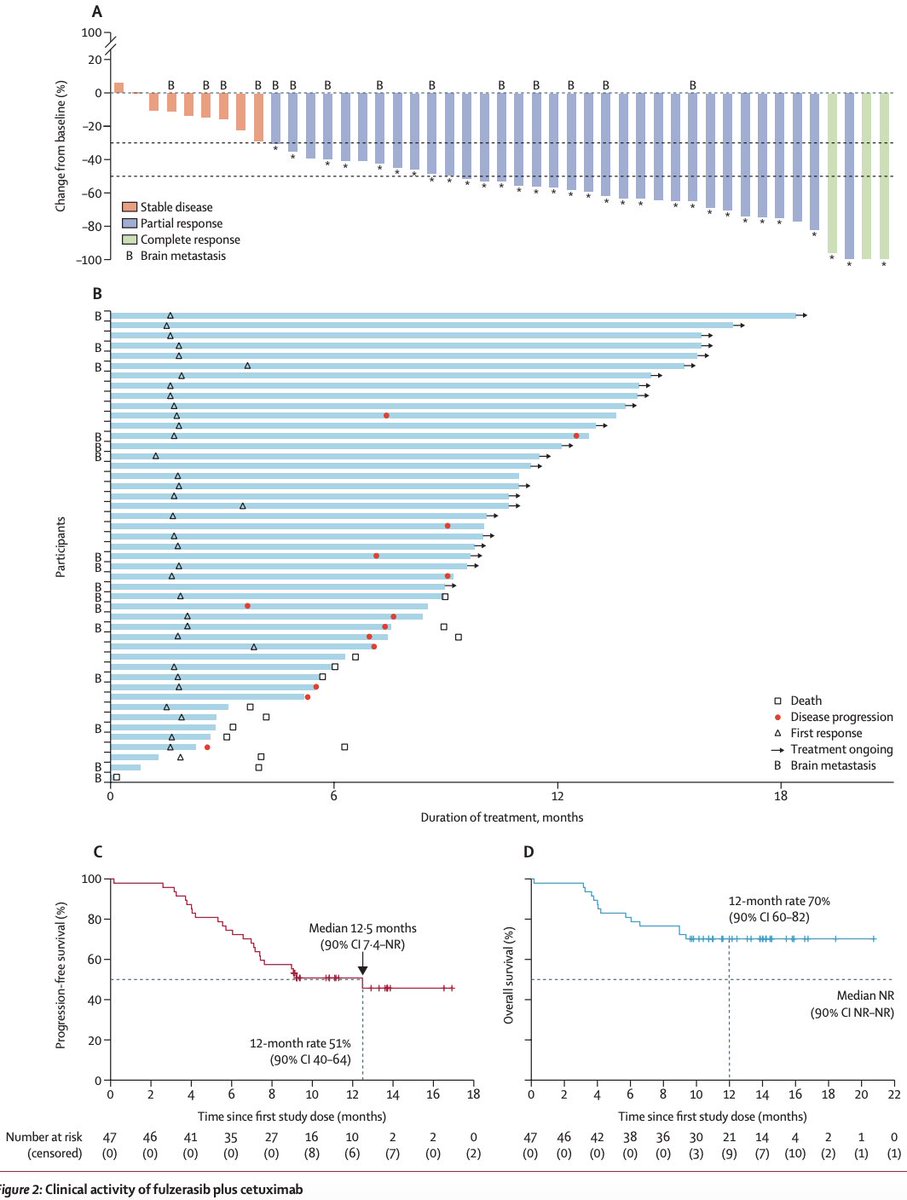
First line oral targeted therapy for advanced non small cell lung cancer, including responses observed in dreaded brain metastatic disease (thanks to the chemistry behind Zongertinib crossing BBB). New study in @NEJM nejm.org/doi/full/10.10… @JSabari @Perlmutter_CC
Anirban Maitra tweet mediaAnirban Maitra tweet media
English
2
13
68
4.7K
Ross Keller, PhD retweetledi
Anirban Maitra
Anirban Maitra@Aiims1742·
🚨🚨🚨 RASOLUTE-302 Ph3 is POSITIVE "Daraxonrasib demonstrated a median OS of 13.2 months versus 6.7 months for chemotherapy, with a hazard ratio of 0.40 (p < 0.0001)".... WOW! AMAZING news for patients with #PancreaticCancer The RAS Revolution is ON!! ir.revmed.com/news-releases/…
English
19
230
727
240.3K
Ross Keller, PhD retweetledi
Dr.Monica Avila
Dr.Monica Avila@MAvilaMD·
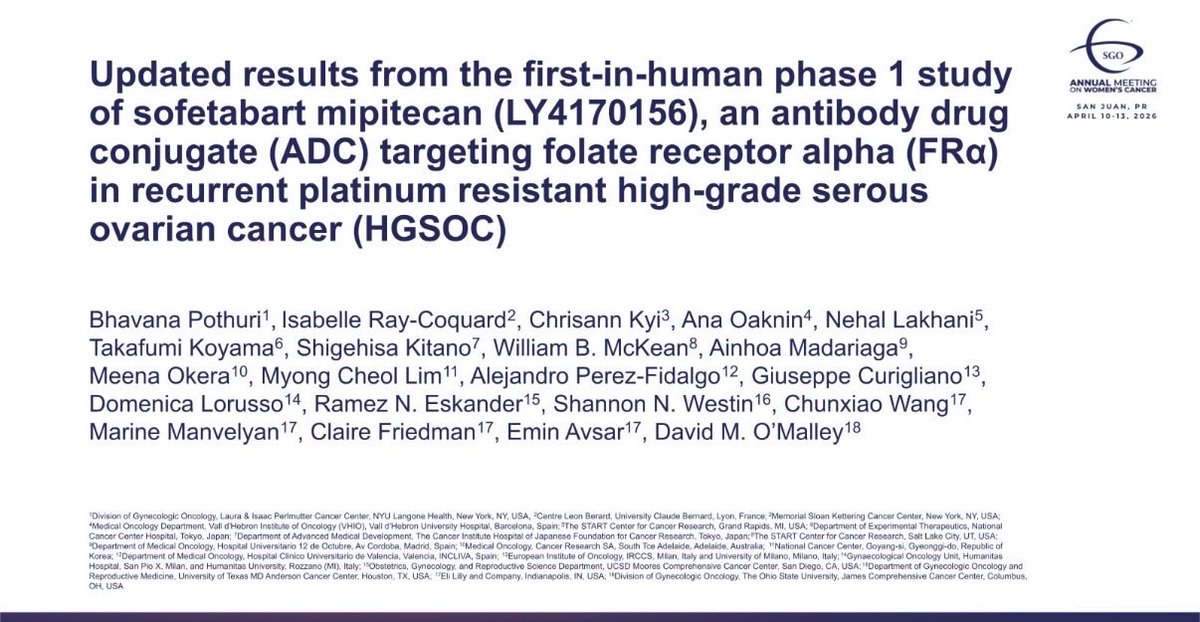
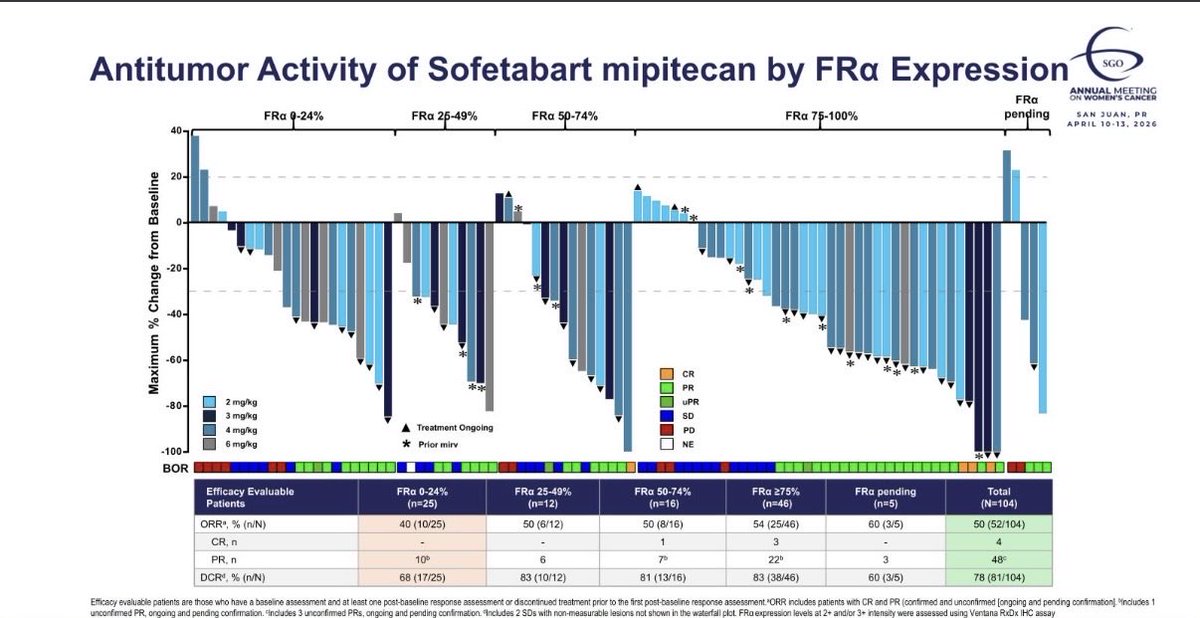
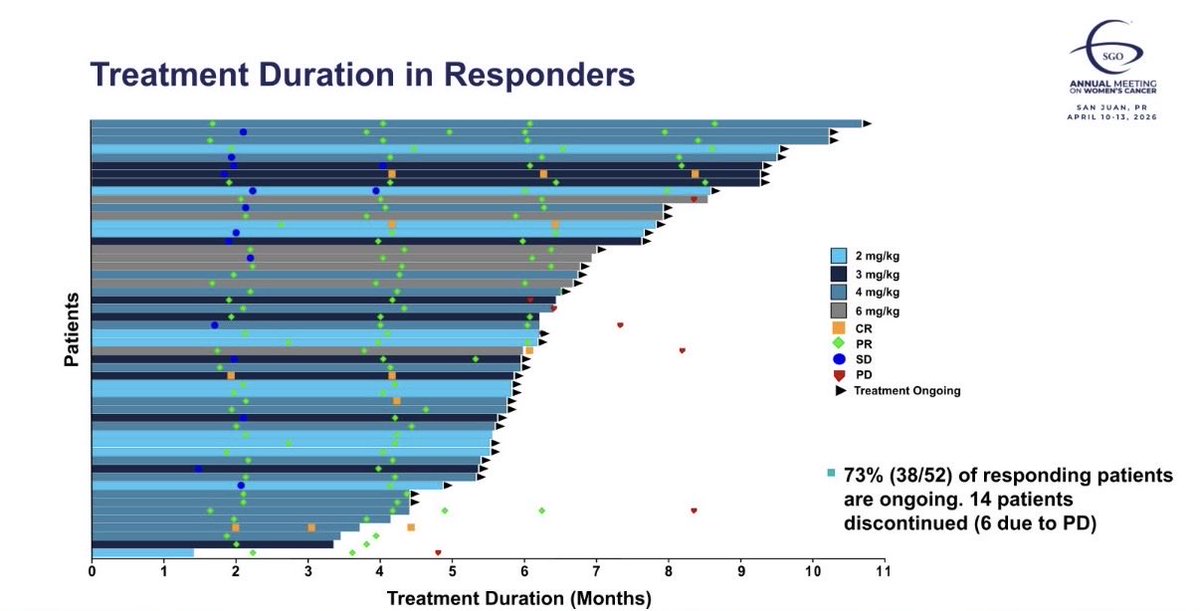
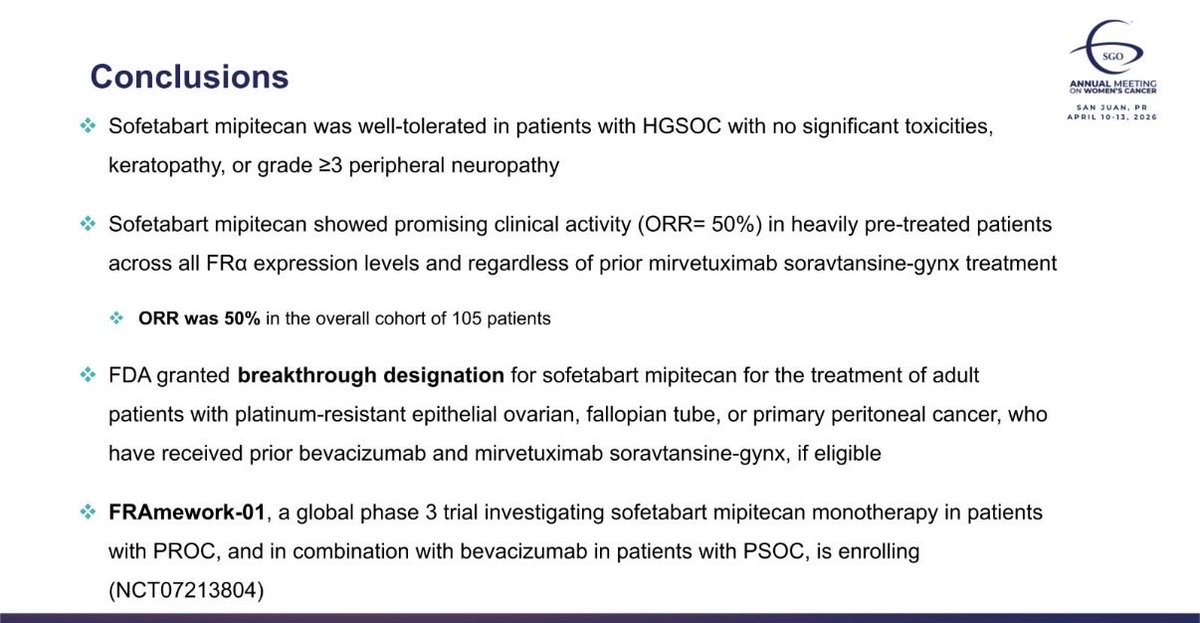
Can we leverage another FRalpha ADC with diff payload (TOPO1) from #mirvetixumab? FRAmework-01 phase 3 coming with phase 1 showing ORR 50% with 17% prior mirv and 88% prior bev. Durable with 73% ongoing. No G4/5 AEs. #SGOAM26 @SGO_org
Dr.Monica Avila tweet mediaDr.Monica Avila tweet mediaDr.Monica Avila tweet mediaDr.Monica Avila tweet media
English
0
6
28
2K
Ross Keller, PhD retweetledi
Diego A. Díaz-García
Diego A. Díaz-García@diegoadiazg·
🎯 Cancer type-specific variation in patterns of driver alterations. 50,000 tumors, 448 histologies. • 164 new hotspots • ~33% non-canonical drivers. • ↑ subclonality, later emergence. • Co-alterations and fusions → earlier onset. • HLA-restricted neoantigens vary by ancestry. • Somatic HLA loss → intrinsic resistance. Implication: tissue context shapes biomarker relevance and immunotherapy strategies. 📖 @Cancer_Cell DOI 👉🏻doi.org/10.1016/j.ccel… #CánCare #oncology #precisiononcology #biomarkers #immunotherapy #genomics
Diego A. Díaz-García tweet media
English
0
16
41
3.2K
Ross Keller, PhD retweetledi
Robert Z. Orlowski
Robert Z. Orlowski@Myeloma_Doc·
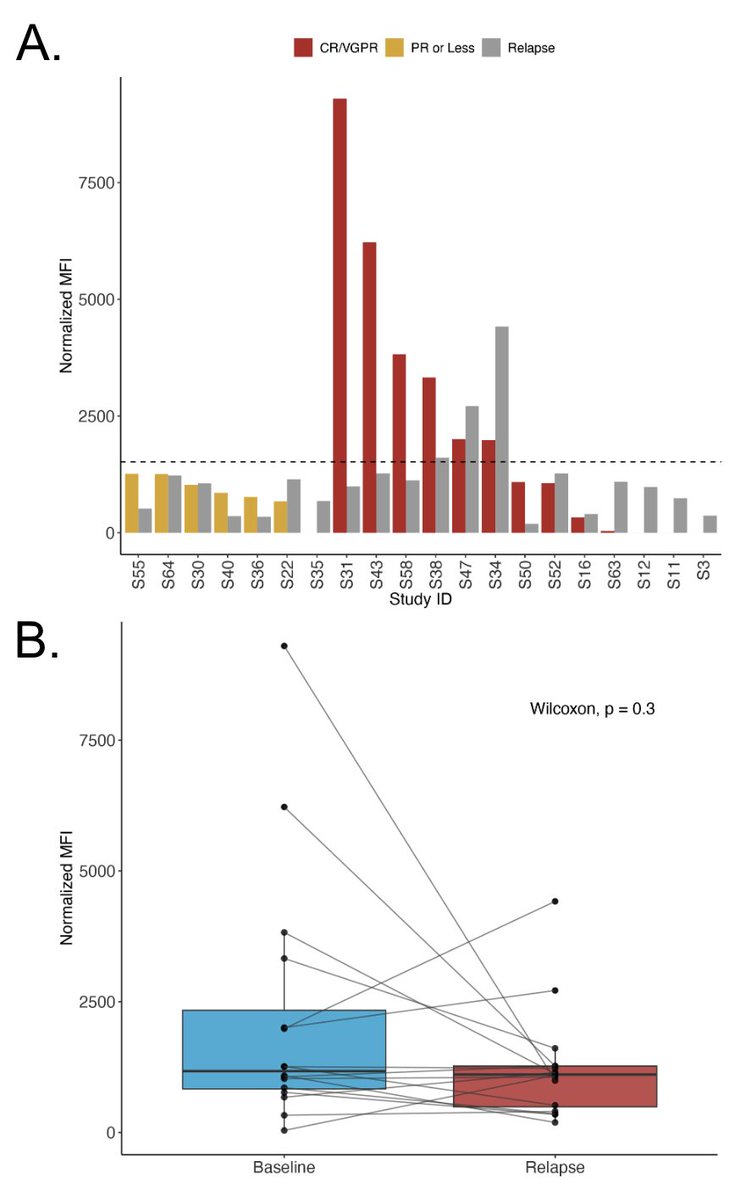
#Myeloma Paper of the Day: Study of dynamics of BCMA expression in RRMM pts w/ BCMA-directed CAR-T finds lower expression at relapse by flow vs baseline (p=0.04); down-regulation in 50% (8/16); higher expression correlated w/ deep/durable responses: pubmed.ncbi.nlm.nih.gov/41935039/. #mmsm
Robert Z. Orlowski tweet mediaRobert Z. Orlowski tweet mediaRobert Z. Orlowski tweet mediaRobert Z. Orlowski tweet media
English

1
7
25
1.8K
Ross Keller, PhD retweetledi
Paolo Tarantino
Paolo Tarantino@PTarantinoMD·
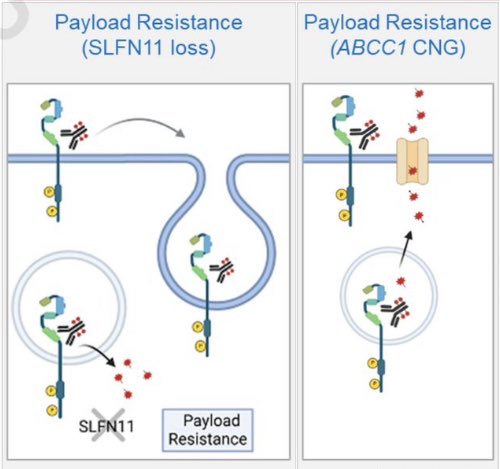
Wonderful study. Large part of the resistance to T-DXd derives from PAYLOAD resistance, via SLFN11 loss or efflux pump amplification. Thus, sequencing 2 ADCs with similar payload can lead to cross resistance, while switching payload is more likely to work. jto.org/article/S1556-…
Paolo Tarantino tweet media
Oscar Tahuahua@OscarTahuahua

Do HER2 mutant #NSCLC tumors progressing on T DXd lose HER2 dependence? No. Resistance is mainly driven by payload related mechanisms such as SLFN11 loss or ABCC1 gain, or impaired antibody binding due to domain IV mutations, rather than loss of the HER2 driver. HER2 signaling persists, and tumors retain sensitivity to #HER2 TKIs (zongertinib/poziotinib). Progression on #TDXd opens a rational path to TKIs jto.org/article/S1556-… @OncoAlert @AndresFCardonaZ

English
5
67
191
37.4K
Ross Keller, PhD retweetledi
Rafael Sirera
Rafael Sirera@ProfSirera·
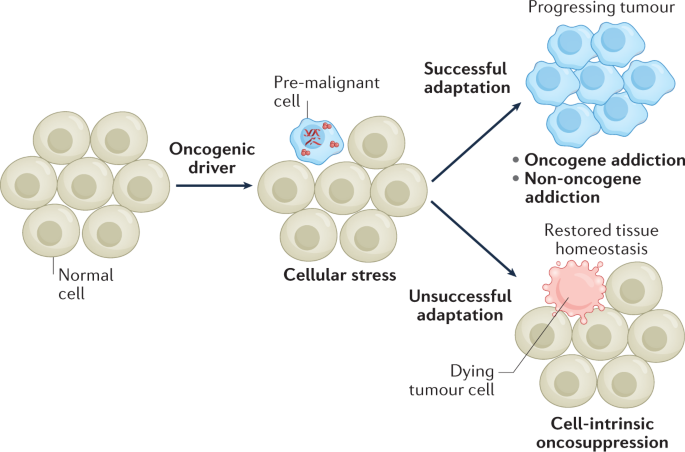
The other day we discussed driver and passenger mutations (x.com/ProfSirera/sta…). Today, it is time to take one step further—because not all drivers are equal. Some do more than initiate cancer. Some become indispensable. This is the basis of oncogenic addiction. At first glance, a tumour appears genetically complex. Multiple mutations, redundant pathways, extensive heterogeneity. One might expect that such a system would be robust, difficult to disrupt. And yet, paradoxically, many cancers become highly dependent on a single dominant oncogenic signal. They are, quite literally, addicted. This concept emerged from observations that inhibiting one specific oncogene could trigger a disproportionate effect—cell cycle arrest, apoptosis, or even tumour regression—despite the presence of numerous other mutations. Classic examples include activating alterations in BCR-ABL in chronic myeloid leukaemia, EGFR in certain lung cancers, or BRAF in melanoma. What is often overlooked is why this dependency emerges. Oncogenic signalling rewires the cell at multiple levels. It is not just about proliferation. Chronic activation of a pathway imposes transcriptional, metabolic, and proteostatic constraints. The cell adapts to this altered state, losing flexibility. Alternative pathways are downregulated, feedback loops are reshaped, and survival becomes contingent on the continuous activity of that oncogene. In other words, the cancer cell trades redundancy for efficiency—and becomes vulnerable. Interestingly, this addiction is not merely a property of the initiating event. It is reinforced over time. As the tumour evolves, additional mutations may accumulate, but many of them are tolerated only within the context of the dominant oncogenic programme. Remove that central node, and the system collapses. This explains a central paradox in oncology: genetic complexity does not always translate into functional independence. Clinically, oncogenic addiction is the rationale behind targeted therapies. Inhibitors directed against specific oncogenic drivers can produce dramatic responses, precisely because they exploit this acquired dependency. However, this state is rarely permanent. Tumours adapt, secondary mutations emerge, bypass pathways are activated, and resistance develops. At its core, oncogenic addiction reflects an evolutionary compromise. By committing to a single dominant signal, the tumour gains growth advantage—but at the cost of fragility. And that fragility is where therapy finds its opportunity.
Rafael Sirera tweet mediaRafael Sirera tweet media
Rafael Sirera@ProfSirera

Cancer is often described as a genetic disease—but that statement is incomplete unless we understand which mutations actually matter. Tumours accumulate thousands of genomic alterations over time. However, not all of them contribute to the disease. This distinction led to one of the most important conceptual frameworks in oncology: driver versus passenger mutations. ✳️ Driver mutations are the ones that change the rules of the game. They confer a selective advantage to the cell, allowing it to proliferate faster, evade apoptosis, adapt to hypoxia, or escape immune surveillance. In evolutionary terms, they are under positive selection. Without them, cancer does not develop. At the molecular level, drivers typically affect three major classes of genes. - Oncogenes become constitutively active (for example, mutations in KRAS or BRAF). - Tumour suppressor genes are inactivated (such as TP53). - DNA repair systems are compromised (e.g. BRCA1). The result is not just growth, but uncontrolled, deregulated growth with evolutionary potential. Importantly, not all drivers appear at the same time. Some occur early and are present in all tumour cells (so-called truncal drivers), while others arise later in subclones, contributing to intra-tumour heterogeneity and therapeutic resistance. ✳️ In contrast, passenger mutations are biologically neutral—at least in principle. They accumulate as a by-product of genomic instability, particularly in tumours with defective DNA repair. These mutations are not under selection and do not directly contribute to the malignant phenotype. In many cancers, the vast majority of detected mutations fall into this category. However, dismissing passengers as irrelevant would be an oversimplification. - First, they provide a molecular record of the tumour’s evolutionary history, allowing reconstruction of clonal dynamics. - Second, some passenger mutations generate neoantigens, which can be recognised by the immune system—this is one of the mechanistic bases underlying the association between high mutational burden and response to immunotherapy. The key challenge, both experimentally and clinically, is therefore not detecting mutations—but distinguishing signal from noise. In essence, cancer genomes are not just chaotic. They are structured by selection, where a small number of driver events shape the disease, and a vast background of passengers reflects the instability that fuels it.

English
1
25
89
21.5K
Ross Keller, PhD retweetledi
Samuel Hume
Samuel Hume@DrSamuelBHume·
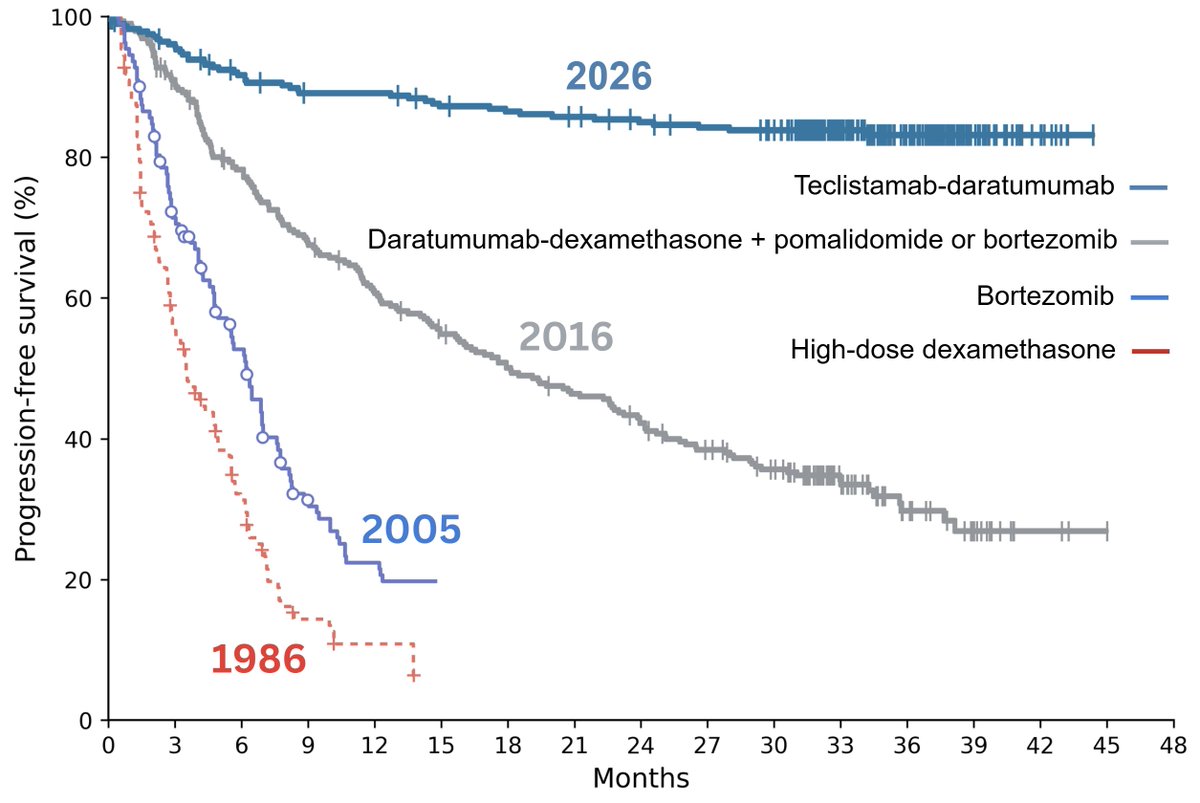
How outcomes in relapsed/refractory multiple myeloma changed, from 1986 to 2026
Samuel Hume tweet media
English
25
164
767
246.4K
Ross Keller, PhD retweetledi
Elvina Almuradova
Elvina Almuradova@Dr_ElvinaA·
Leptomeningeal disease may no longer be a “therapeutic dead end.” TBCRC049 (phase II): ▪️ OS: 10 months (vs ~4–5 historical) ▪️ LM response: 38% ▪️ Neuro improvement: 58% ➡️ Tucatinib + trastuzumab + capecitabine shows real clinical activity #bcsm #oncology #HER2 @NatureCancer @Larvol @OncoAlert @PTarantinoMD
Elvina Almuradova tweet media
English
1
10
35
2.4K
Ross Keller, PhD retweetledi
Kazuki Nozawa, MD
Kazuki Nozawa, MD@kazuki_nozawa·
pCR after neoadjuvant chemotherapy has long been considered a strong prognostic marker. But adding ultra-sensitive ctDNA changes the picture. In the PREDICT-DNA trial (NeXT Personal @PersonalisInc ), ctDNA-negative patients among non-pCR cases showed outcomes comparable to pCR. @JCO_ASCO Small sample size—but a highly impactful finding. ascopubs.org/doi/10.1200/JC…
Kazuki Nozawa, MD tweet media
English
3
74
192
30.2K
Ross Keller, PhD retweetledi
Eric Topol
Eric Topol@EricTopol·
Why should tumor whole genome sequencing (WGS) be done for cancer? In real practice of medicine study of 888 patients with solid cancers, WGS directly led to clinical consequences in over 40% @NatureMedicine nature.com/articles/s4159…
English
12
121
367
43.5K
Ross Keller, PhD retweetledi
Oscar Tahuahua
Oscar Tahuahua@OscarTahuahua·
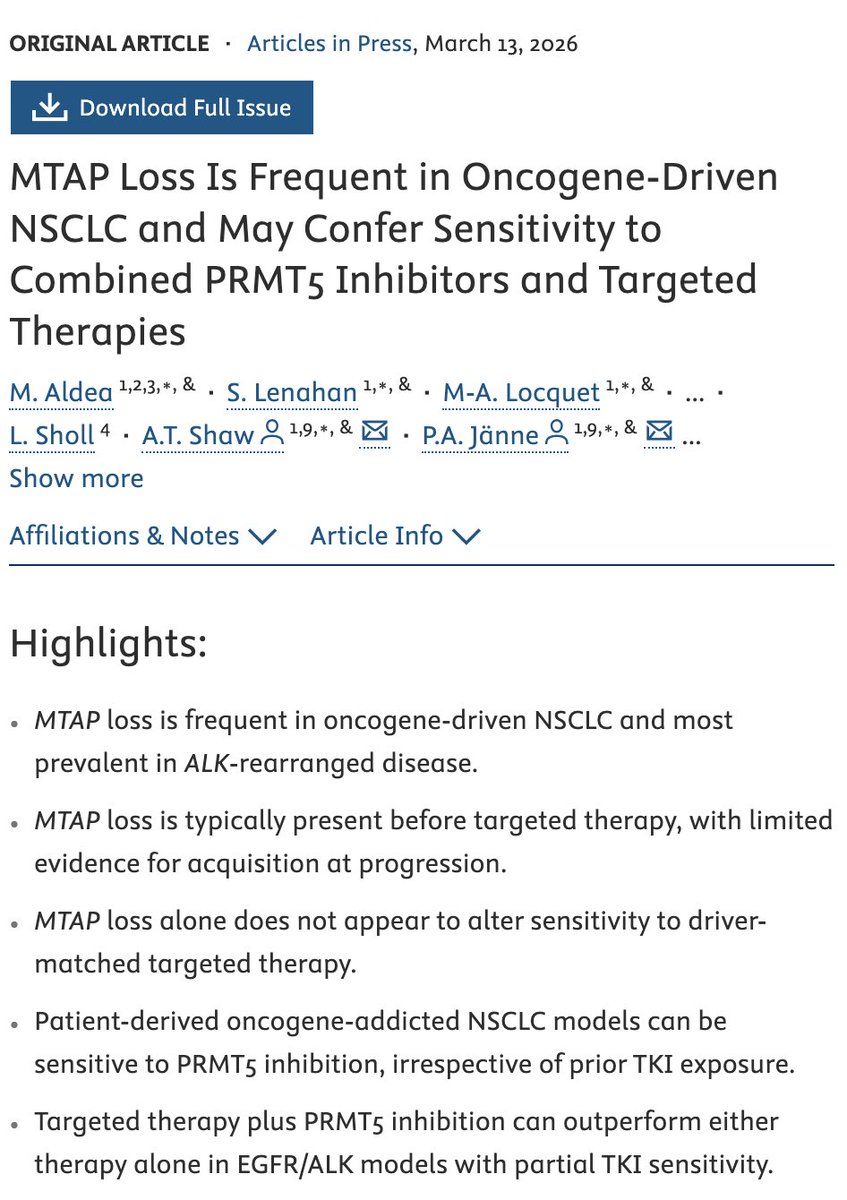
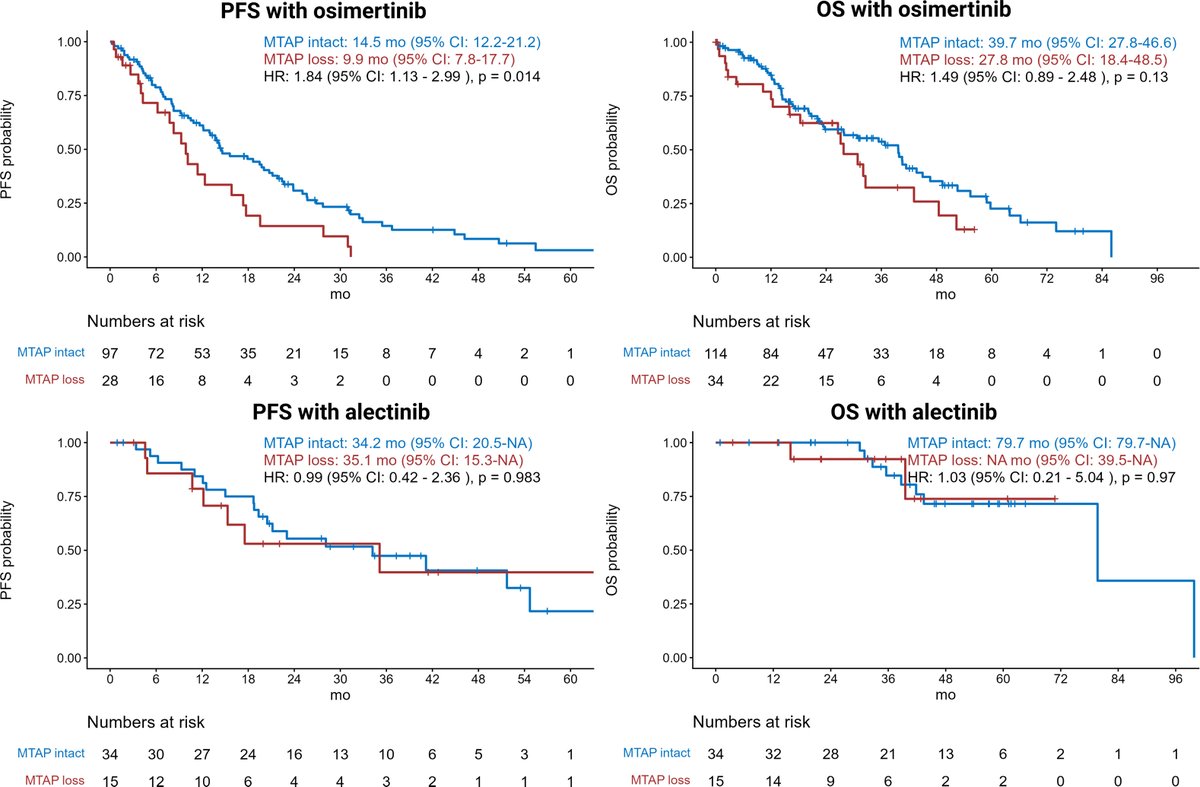
MTAP Loss Is Frequent in Oncogene-Driven NSCLC and May Confer Sensitivity to Combined PRMT5 Inhibitors and Targeted Therapies In >13,000 tumors, MTAP deletion was found in: ALK 27–45% RET 18–35% EGFR 17–29% 98% co-deleted with CDKN2A. TKI outcomes unchanged ⚠️⚠️ annalsofoncology.org/article/S0923-… #NSCLC #lcsm #EGFR
Oscar Tahuahua tweet mediaOscar Tahuahua tweet media
English
2
27
66
5.3K
Ross Keller, PhD retweetledi
Keita Masui
Keita Masui@keita_masui·
「KRASは変異の有無だけでは語れない」。Nature掲載の大規模研究が示したのはKRAS変異のdosage gain(アレル不均衡による変異型の増幅)が組織特異的にがん進化を駆動するという原理。膵がんでは変異KRASのdosage増加が発生プログラムのリプログラミングを引き起こし腫瘍を開始、腸管がんでは分化ブロックがKRAS協調変異の選択圧として機能。590株のMouse Cancer Cell line Atlas(MCCA)で系統的に検証。変異の「存在」だけでなく「量」と「文脈」ががん表現型を決める——精密腫瘍学に新たな次元を加える発見。 nature.com/articles/s4158… #がん研究 #KRAS #精密医療
日本語
0
35
236
24.5K