

Sanjeev
428 posts



Sanjeev retweetledi

For real, turn screens off 60 min before bed. I know it feels like death at first. Do it for a few days, and you’ll realize that it was slowly chipping away your sanity.
English
Sanjeev retweetledi

The reason most people stay average is because average behaviour gets you social acceptance much earlier than exceptional behaviour gets you results.
English
Sanjeev retweetledi

If you feel lost, build something.
A business. Your body. A skill set. Anything that gives you a reason to learn and focus.
Don't worry about choosing the right thing. Don't think about how difficult it will be.
Just start moving forward and you'll find a path that feels right
English
Sanjeev retweetledi
Your ability to sell what you make is worth more than what you make. An average product with distribution beats a great product with no audience.
English
Sanjeev retweetledi
Focus is not a trait. It is a practice. You notice you are distracted, you return, you notice again, you return again. Repeated enough times, it becomes second nature. Most people have never done this deliberately, which is why they are not as focused as they think they are.
English
Sanjeev retweetledi
The internet gave you the ability to learn anything. Social media gave you the ability to reach anyone. AI is giving you the ability to build almost anything. There has never been a better time to be an ambitious person with a clear idea.
English
Sanjeev retweetledi

For the developers building with Claude, a direct line from the team.
Follow for changelogs, API releases, community updates, and deep dives.
English
Sanjeev retweetledi


Sanjeev retweetledi

Yesterday: iPad demo
Today: iPhone demo
Same headless Mac mini setup, but now you can manage AI agents from your pocket.
Here’s a quick demo of how I remotely connect from anywhere with my iPhone to monitor what’s happening, and take over when needed
English
Sanjeev retweetledi
A person who avoids embarrassment will usually avoid growth too. The same situations that threaten your image are often the ones that expand your life.
English
Sanjeev retweetledi

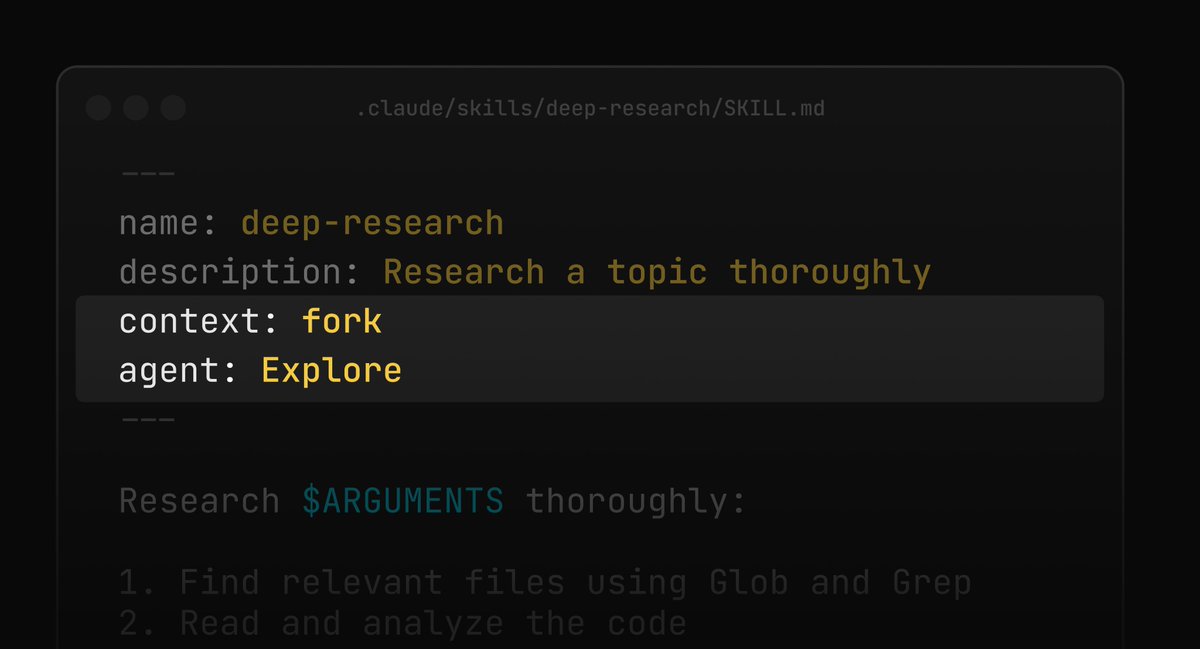
Btw you can add `context: fork` to run a skill in an isolated subagent. The main context only sees the final result, not the intermediate tool calls
It gets a fresh context window with CLAUDE.md + your skill as the prompt. The `agent` field even lets you set the subagent type!
English
Sanjeev retweetledi

Sanjeev retweetledi

@AnthropicAI @grok did claude write the exisiting c compiler code? Or is it original? Can you confirm if rust version of the c compiler is already there
English

New Engineering blog: We tasked Opus 4.6 using agent teams to build a C compiler. Then we (mostly) walked away. Two weeks later, it worked on the Linux kernel.
Here's what it taught us about the future of autonomous software development.
Read more: anthropic.com/engineering/bu…
English
Sanjeev retweetledi

Sanjeev retweetledi

it's really handy that wikipedia went and collated a detailed list of "signs of ai writing".
so much so that you can just tell your LLM to ... not do that.
i asked claude code to read that article, and create a skill to avoid all of them.
enjoy: github.com/blader/humaniz…
English
Sanjeev retweetledi

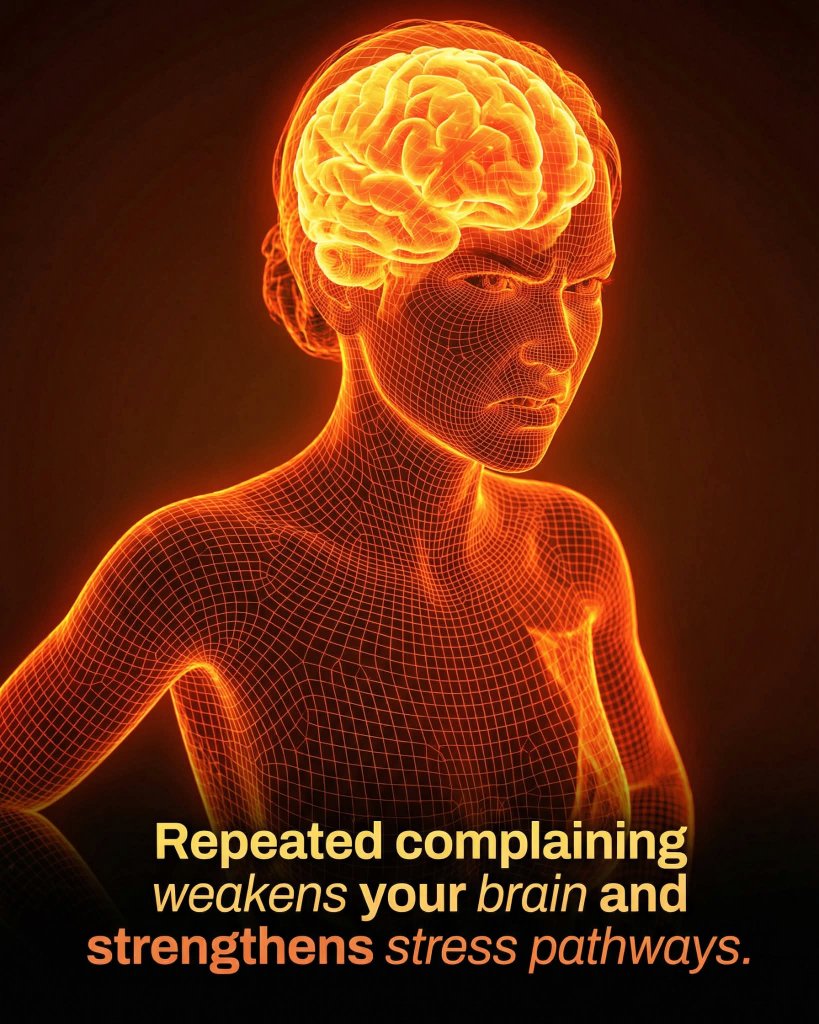
🚨 Research shows repeated complaining physically rewires your brain to prioritize stress and negativity.
The way we speak about our daily challenges does more than just vent frustration; it physically alters the architecture of the brain.
When we engage in chronic complaining, we repeatedly activate neural networks responsible for detecting threats and processing stress.
Through the biological process of neuroplasticity, these circuits become stronger and more efficient every time they are used. Essentially, the brain learns to become more adept at finding things to be unhappy about, turning a temporary mood into a permanent biological predisposition toward negativity and fear-based thinking.
As these negative pathways become the brain's default setting, individuals often experience a measurable increase in baseline stress levels and emotional volatility. This heightened sensitivity means that even minor inconveniences can trigger an intense stress response because the brain has been conditioned to interpret the world through a lens of threat. Findings discussed by the Stanford University School of Medicine emphasize that while this mechanism is powerful, understanding the science of affective neuroscience is the first step in consciously redirecting those pathways toward more resilient emotional patterns.
Source: Stanford University School of Medicine. (2023). Neural Plasticity and the Impact of Negative Thought Patterns on Emotional Regulation. Stanford Medicine News.
English