Matthew Herper@matthewherper
Would you permanently edit the DNA of cells in your liver in order to lower your LDL cholesterol and your risk of a heart attack?
Eli Lilly spent $1 billion a year ago to Verve Therapeutics, a company founded by cardiologist and geneticist @skathire on just that idea. This morning early data on the company's new experimental gene editor were published in the New England Journal of Medicine and presented at the annual meeting of the European Atherosclerosis Society in Athens.
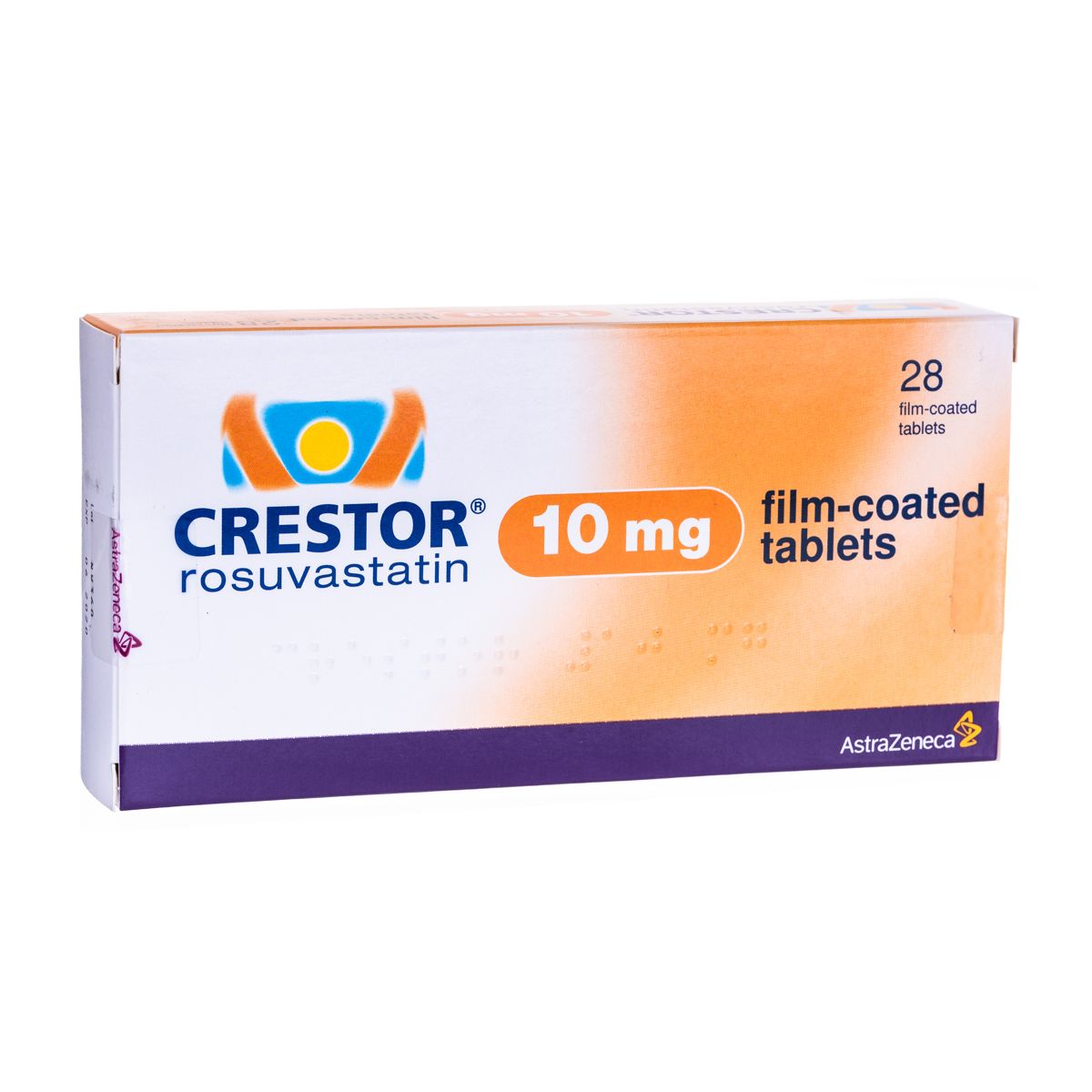
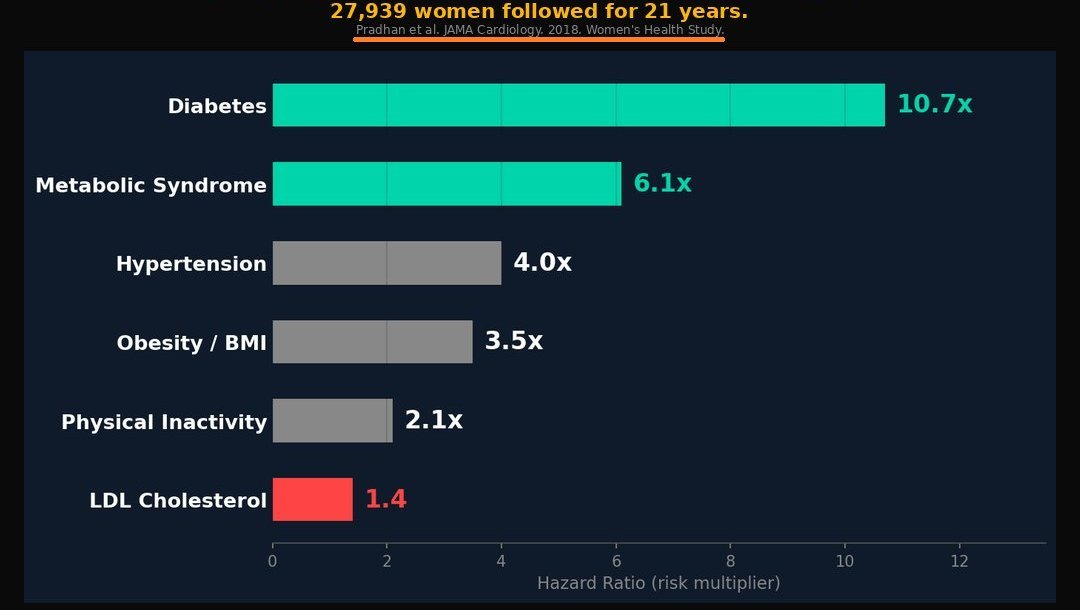
The treatment lowered LDL, which we know causes heart attacks, by 62% -- about the same amount as 10 mg of rosuvastatin plus ezetimibe. But Kathiresan points out to my colleague Jason Mast that constant LDL-lowering should work better than a pill patients often stop taking.
“I treated patients for about 20 years, and you know, patients ask me all the time whether they’ll be on cholesterol medicine for the rest of their lives,” Kathiresan said. “And I think with VERVE-102 for the first time, I can tell them maybe not.”
Cardiologists say it will take time, data, and experience to know if this approach is right for some people.
There were no treatment-related serious adverse events in the Phase 1 study — a notable finding, given that Verve had to shelve its first candidate due to safety concerns.