Mad News #28
‣ @ryonfallerr lands a Backside 1800 at @Visa Big Air
‣ @SpottieWiFi talks music, Solana, and Mad Lads
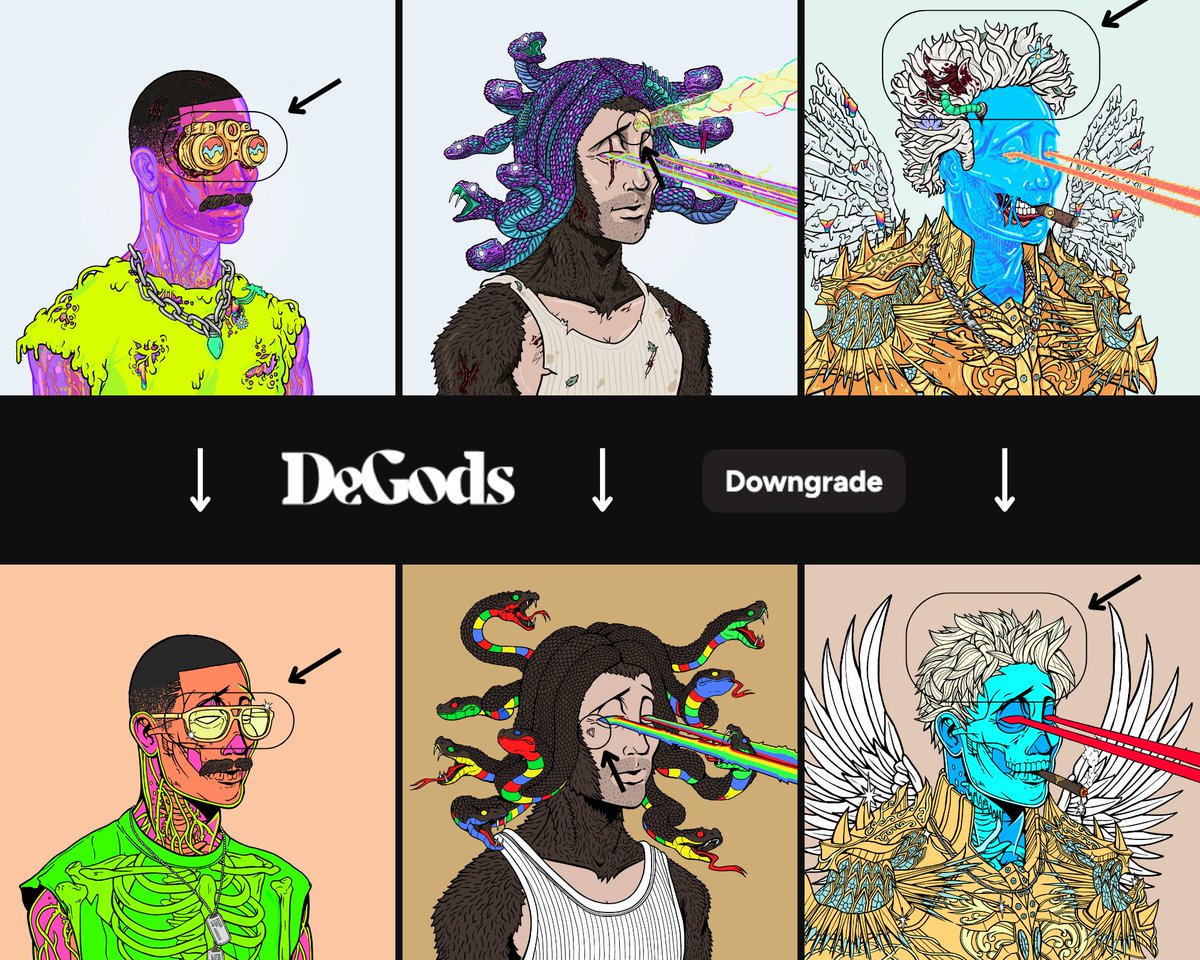
‣ @RogueSharks upgrade their art via xNFT
‣ @metamenft launches xNFT trait explorer
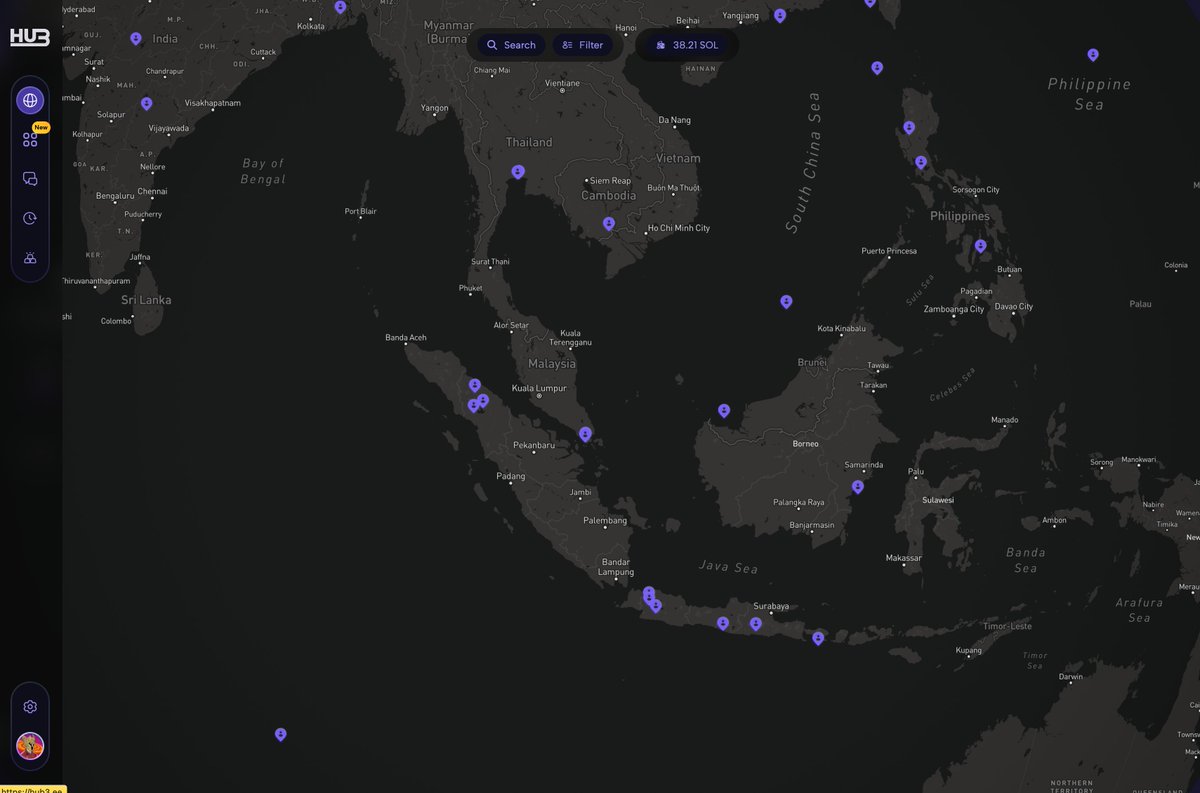
‣ Lads of the Week, Taipei meetup & more!
Read the full article below ⬇️
We're stoked to welcome @ryonfallerr to the Mad Lads Roster!
Lyon is a professional snowboarder, all-around killer board athlete, and Mad Lad. He's currently working to qualify for the Winter Olympics on Team New Zealand and we couldn't be more excited to have him on the team.
History of IBM and its parallels to @ethereum
As an institutional venture investor, I hear the same arguments weekly from partners at major VCs:
"All the capital is in ETH, its 18x larger than competitors like @solana." - VCs
"Most of the developer activity is in ETH, 4x-6x competitors like $SOL" - VCs
Sounds eerily similar to 1985:
''The biggest concern is that, in the future, there might not be any effective competition to I.B.M.'' - William J. Synwoldt (New York Times)
These facts are true in the current market, however, based on history it’s unlikely that they will hold.👇
@ElectricCapital dev report developerreport.com/developer-repo…
However, it got me thinking “are there any historic parallels to companies who dominated the market, only to be unexpectedly usurped by an innovative new-comer”.
The Rise of IBM
Founded in 1911, IBM began as an incredible innovative company that had a massive impact on the world. From maintaining records for the US government to putting a man on the moon.
In 1956 IBM developed 305 RAMAC (Random Access Memory Accounting System) a machine that held records.
As well as an IBM 704 data processor which was a large scale compute machine that could learn from itself - eventually it would play checkers/chess & beat grandmasters (first ai).
In 1960 we had the advent of mainframe computers, calculations and transactions in real-time
The advent of mainframes as @cdixon articulates so well, let to a flourishing of
1. Interoperability between devices
2. Upgradable machines
3. Large scale use-cases/applications.
[this was incredibly innovative as it revolutionized the way we interact with machines from modern hardware to @ChatGPTBot]
The Rise of Ethereum
Ethereum's introductory to the world to place in 2013 when @VitalikButerin posted his first paper, before the project's launch in 2015.
Way back website👇
web.archive.org/web/2014020803…
Similar to IBM the Ethereum protocol would innovate on existing primitives within other cryptocurrencies like bitcoin (ex. pow). Yet, Ethereum would allow developers use new & at the time next-generation blockchain tools such as smart contracts to build dApps (decentralized applications).
You can think about these movements as akin to the transformational significance of IBM’s moving from data processing to compute.
Similar to mainframes, applications began to flourish on this new layer-1.
In 2016-17 these dApps would manifest themselves in several forms including NFTs, a concept that is vastly normalized now.
In 2019 Istanbul and Constantinople upgrades began the movement to POS & the beacon chain, then the “merge" of the PoW blockchain into the Beacon Chain in 2022.
The Rise of Apple (SOL) and Stagnation of IBM (ETH)
Given IBMs massive success leading up to the 1970s in which it controlled almost 70% of the computer market - it seems like a no brainer that they would be able to dominate the next-generation of users/technologists.
''The biggest concern is that, in the future, there might not be any effective competition to I.B.M.,'' - NY Times, 1985
As of today Ethereum holds a 17% marketshare over Solana’s 1%.
Numbers that are no where near 70%, yet IBM crumbled into stagnation because of their lack of innovation & reliance on current state.
Introduce the next-gen of technology: the PC … you’d think given IBMs track record, tech, critical mass, $ allocated, and size that they’d dominate this market.
“Once IBM gains control of a market sector, they almost always stop innovation. They prevent innovation from happening” - Steve Jobs.
If you haven’t guested it yet Apple is analogous to @solana.
It’s 1977 and Apple has released the Apple II, and overnight whole industries were turned upside down as this new technology entered peoples homes.
1981 IBM would introduce the IBM PC in its first year it was producing over 200,000 units per month (2.4m) vs apples peak 1983 (1m units) even though the Apple II was vastly superior from a technological point of view.
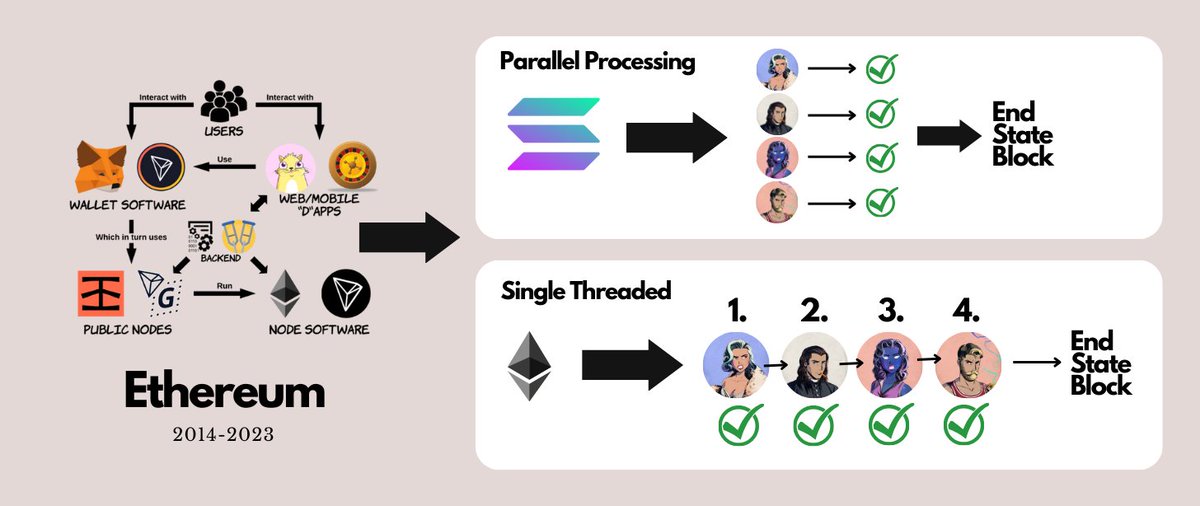
This simple but important fact reminds me of the innovation that is taking place in high-throughput blockchains (with parallel processing vs single-threaded EVMs), yet the pricing isn’t based on better tech - yet.
good resources on this include @armaniferrante@LoganJastremski@mert@SolanaLegend@toly
IBMs fundamental flaw ended up being an oversight in it’s technology, because IBM didn’t have the rights to their software (Microsoft did). So when competitors came about, the IBM hardware was unique but the software wasn’t - microsoft forked it’s technology to competitors intern spreading the pie thinner and thinner for IBM as it’s competitive advantage slipped away.
Apple on the other hand owned nearly the full-stack of it’s system (similar to Solana), Operating: Integer BASIC / Apple DOS.
Therefore its superior hardware was coupled with its own advanced software.
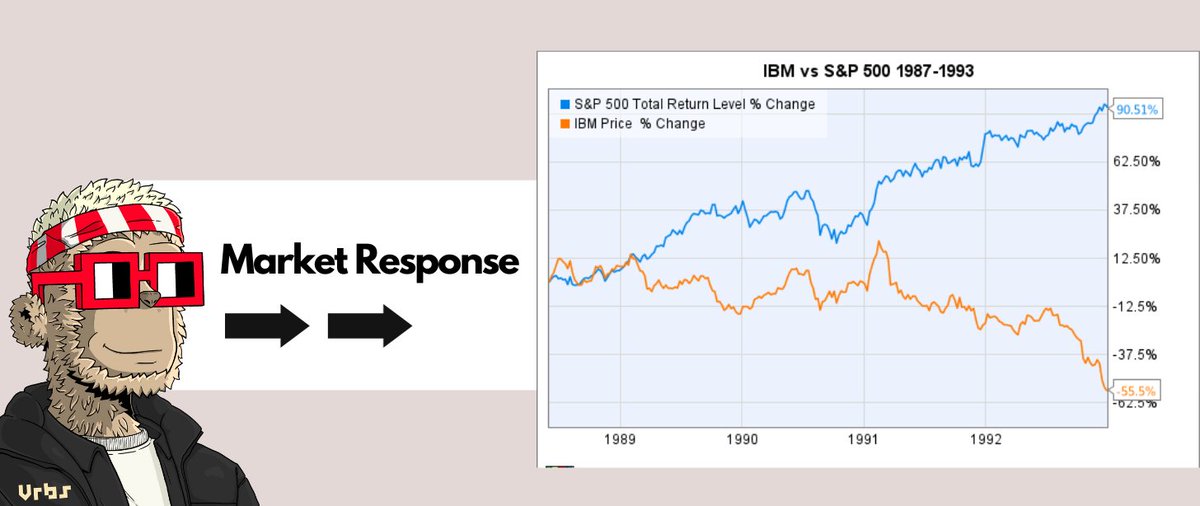
Conclusion: IBMs marketshare wen’t down from 80% in 1983 to 20% in 1993.
The lesson’s learned are:
1. Superior technology typically wins in the log-run assuming the developers have some level of network effects & scalability.
2. Existing players can lose if they fail to innovate, the larger they are the harder they fall.
3. As we look at Solana vs Ethereum the conversation for dominance has just begun, whereas most participants in the market seem to think its over.
Pulling back the curtain on the state of venture backed crypto companies👇
If you're a founder/investor/user ... you need to bookmark this.
Something very important is happening behind the scenes @ your favorite vc-backed companies which could drastically impact the entities who have raised at substantial valuations $1-$15 billion like @opensea@chainalysis@FireblocksHQ@Sorare@yugalabs.
Background:
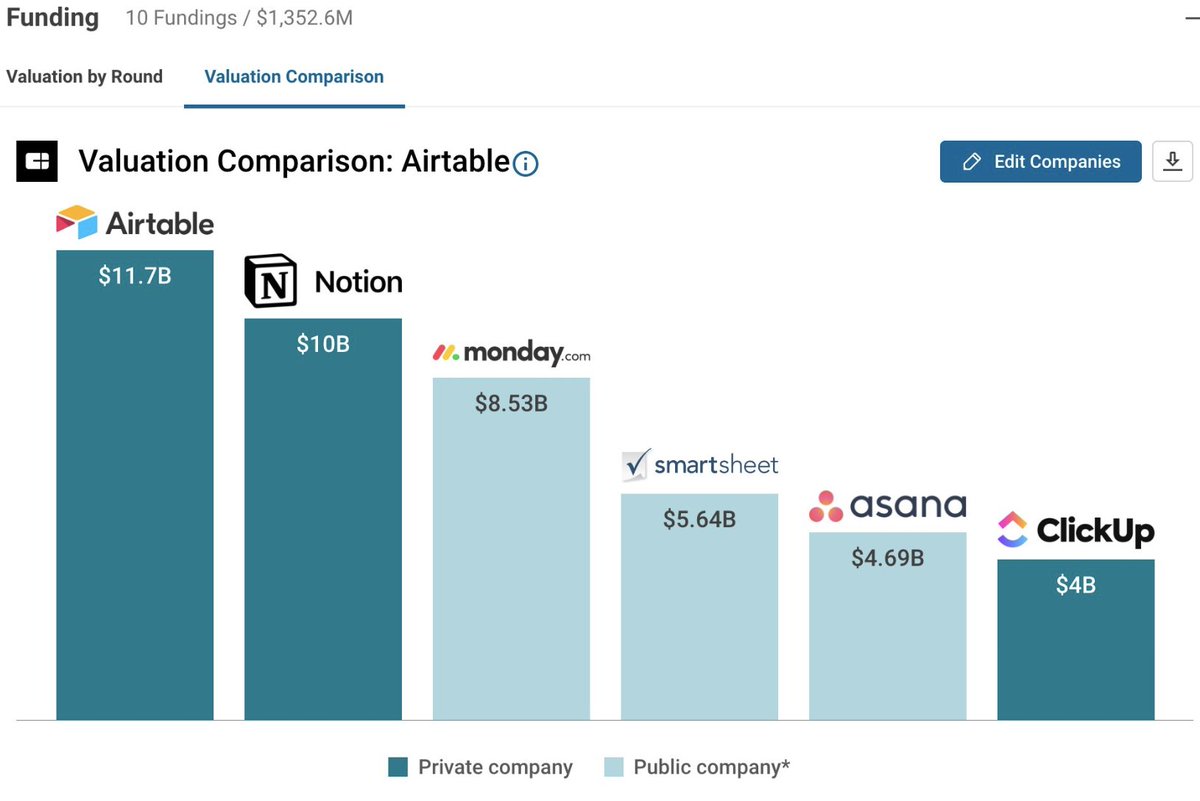
@asanwal (CB Insights CEO) highlighted the fact that @airtable a company which has an amazing product (I use it weekly) is not only underwater from its $11.7B valuation Dec 2021 but the company is likely worth less than the ~$1.4B+ it raised.
Airtable is on track for $150M of ARR in 2023
14%' growth per annum
= 78x ($11.7B valuation / $150M ARR)
It's true valuation based on comps (notion, monday, asana) should be $991 million to $1.89 billion aka -84-92% valuation discount vs that $11.7B val in 2021.
Why does this matter?
There is something you need to understand as a founder, investor, or early employee, as you raise venture rounds you're selling pieces of your company (obvious right?).
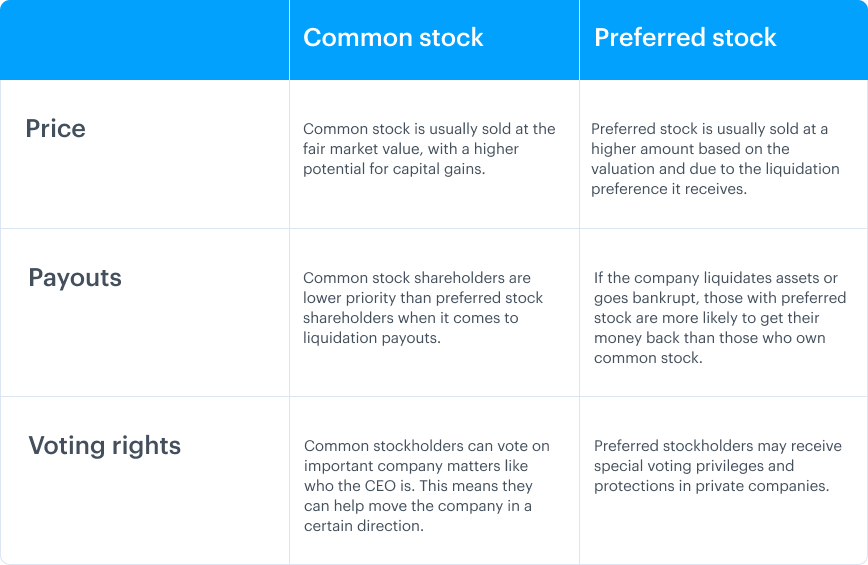
Well here is something less obvious from the outside looking in, the ownership rights, liquidation preferences, and decision making becomes increasingly weighted as you raise more money. Additionally, your board becomes filled with individuals who have invested at different stages.
This happens in nearly every VC-backed company from @Uniswap to @yugalabs
This is a pref-stack roles/rights ^ basically early round investors get certain rights/roles.
Okay so token ... explain to me what happens to investors if a company does well & can IPO vs when it's in trouble & can't raise.
Example 2: Company does well, what happens?
Facebook/Meta raised $12.7m at a $98m post-money from @Accel@pmarca lowercase capital & more.
These investors were followed by @GreylockVC@foundersfund in 04/06 at a $500 post-money. The investors on the cap table from Series A to Pre-IPO had a variety of rights, some with common shares, some with preferred shares (voting rights).
Ultimately it didn't really matter in the end because the company IPOed in 2012 at $81.25 billion | aka 825x (Series A).
Everyone owned their percentage of the company in public stock.
Example 3: Company doesn't do well, what happens?
So companies that have raised mega-rounds that are substantially above what the market is pricing it at in today's market will have to face two choices if the pref-stack (essentially debt) is greater than the value of the company or the founder is running out of cash:
1. Go public which wipes out the pref-stack & everyone just owns their % of the company.
^ this reality causes massive tension on the board/founders war-room because basically if you can go public - late stage investors will push back because they will lose their preference & become equal with early stage investors.
2. Raise a down-round, and revise the cap table (re-cap). This is a scenario that is happening in droves from my personal calls w/ funds.
^ this basically means if a crypto nft marketplace raised at $1b but is in this scenario & needs to recap - the new valuation may be $100m (10x less) - so existing investors who put in a $1m check @ $1b valuation now have a position that is work $100k vs $1m.
If they can't go public or need cash ASAP to stay alive, then the late-stage investors & early are faced with the decision, do we let the company go under or do we keep it alive but our position gets revised down 2x, 5x, or 10x+
How does this impact us? Well many companies raised as massively high valuations so they either have to grow into their valuation, cut employees/burn or go under.
-> this impacts people who work at these companies, users who will experience slowdowns in UX/UI improvements, potential closing of companies/projects, lower-valuations for your NFT assets, no more new products from companies, and so much more.
Be aware of what's happening in VC because it will trickle to you soon.