Stefania G. L.

24.7K posts

Stefania G. L. banner
Stefania G. L.

Stefania G. L.

@Stelygs

I teach, and tweet at times, hoping to involve... “Tell me and I forget. Teach me and I remember. Involve me and I learn.” Franklin

...the city of Romeo & Juliet Katılım Nisan 2010
869 Takip Edilen1.3K Takipçiler
Stefania G. L. retweetledi
SPACE.com
SPACE.com@SPACEdotcom·
The Vera C. Rubin Observatory has released its first images, providing a staggering glimpse at the observing power it will unleash when it begins its decade-long survey. space.com/astronomy/vera…
English
4
37
147
12.7K
Stefania G. L. retweetledi
daryavaseum
daryavaseum@daryaastrovas·
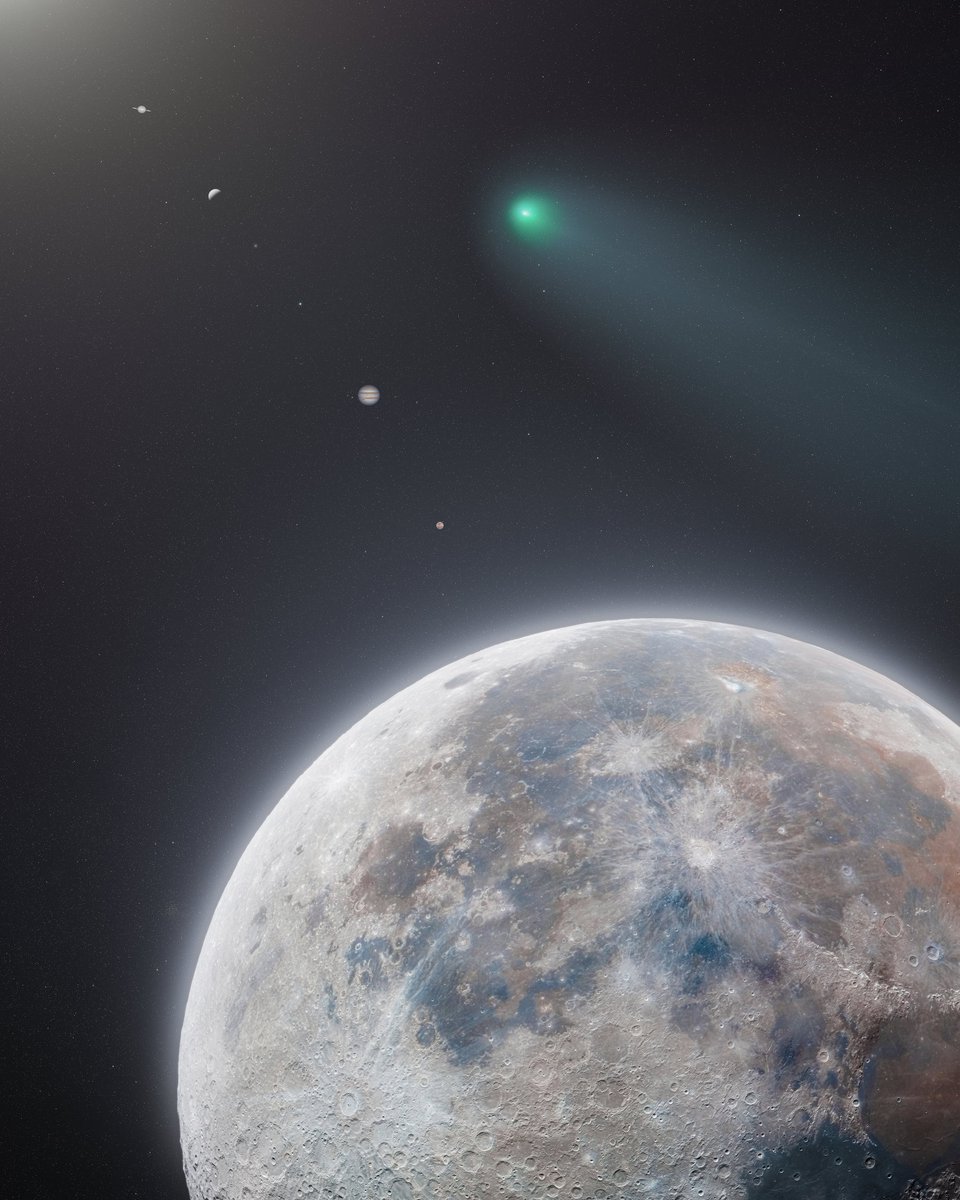
This ambitious project entailed four consecutive days of continuous moon observation and photography, culminating in an image size of 708 gigabytes, comprised of over 81,000 stacked images.
daryavaseum tweet mediadaryavaseum tweet media
English
2
9
48
3.2K
Stefania G. L. retweetledi
Erika 
Erika @ExploreCosmos_·
Distance to some galaxies from the Milky Way. 1 light year = 9.5 trillion km.
English
41
589
2.2K
85K
Stefania G. L. retweetledi
Interesting STEM
Interesting STEM@InterestingSTEM·
Capturing the Speed of light
English
16
227
921
54.2K
Stefania G. L. retweetledi
Soma
Soma@somadwrites·
Did you know the Moon looks different depending on where you are on Earth? For instance, the waning crescent may point left in some places, right in others, and sometimes even resembles the Cheshire Cat's smile! This variation is due to how the Moon's orientation changes with your latitude. Observers in the Northern and Southern Poles see the Moon as if it were flipped. As you move between latitudes, the Moon appears to rotate by an angle equivalent to the latitude you've crossed. Video :: starwalkapp
English
4
19
55
5.4K
Stefania G. L. retweetledi
Andrew McCarthy
Andrew McCarthy@AJamesMcCarthy·
I captured the entire "Planetary Parade" using my 11" telescope, and combined everything into one composite photo that stayed true to the angular scale of these objects. Made entirely with real photos, I hope this composite helps illustrate the scale of these things!
Andrew McCarthy tweet media
English
1.5K
11.7K
84.9K
5.1M
Stefania G. L. retweetledi
Jason Major
Jason Major@JPMajor·
Happy #Solstice! Remember, Earth's 23.4º axial tilt with relation to the plane of its orbit around the Sun is the true "reason for the season!" 🌎🌞
Jason Major tweet media
English
6
34
145
5K
Stefania G. L. retweetledi
SpaceX
SpaceX@SpaceX·
Mechazilla has caught the Super Heavy booster!
English
11.3K
60.6K
246.1K
45.2M
Stefania G. L. retweetledi
Massimo
Massimo@Rainmaker1973·
If you're seeing the Northern Lights tonight, here's why different colors can appear
Massimo tweet media
English
49
937
4.5K
490.1K
Stefania G. L. retweetledi
ESA's Juice mission
ESA's Juice mission@ESA_JUICE·
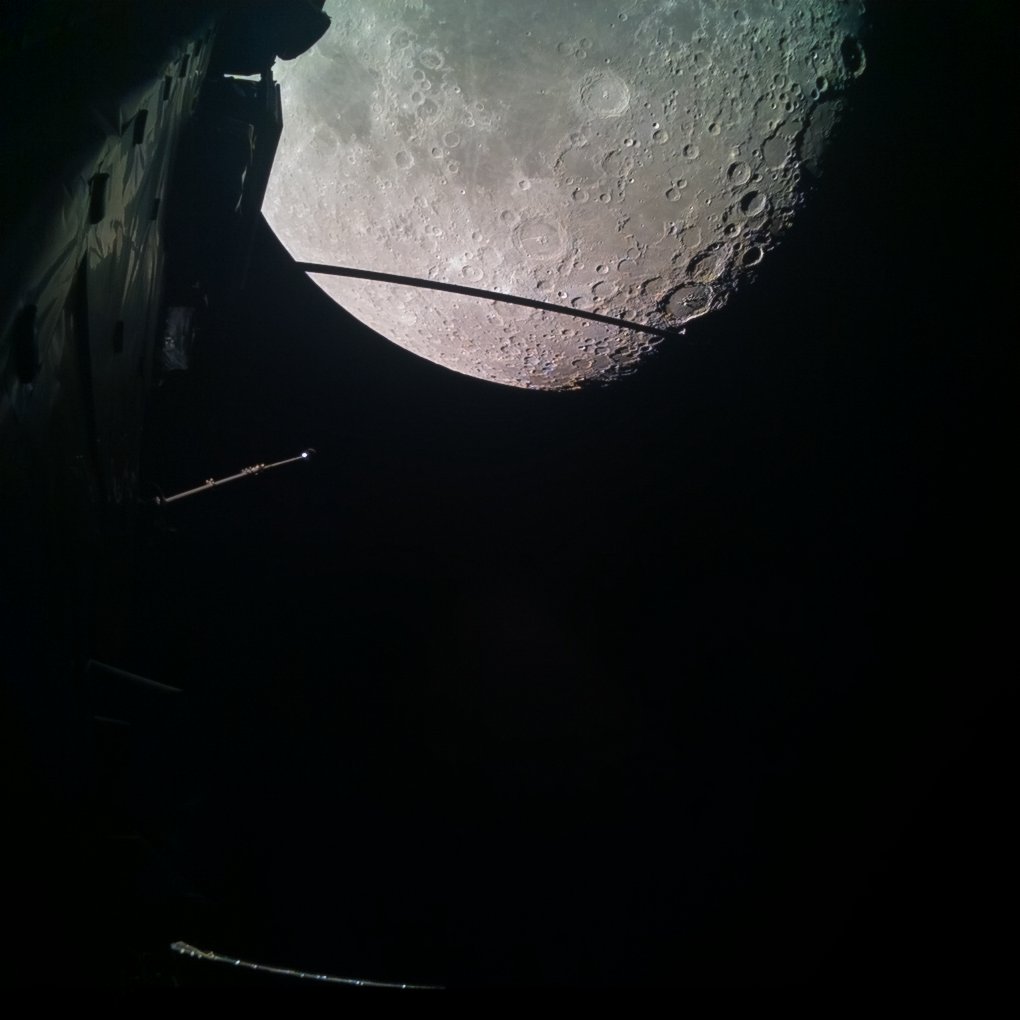
🆕Timelapse! Volume up, sit back and enjoy #ESAJuice's lunar-Earth flyby in all its glory 🤩
English
21
158
520
42.6K
Stefania G. L. retweetledi
ESA's Juice mission
ESA's Juice mission@ESA_JUICE·
Curious to find out more about #ESAJuice's lunar-Earth flyby? Join members of the Juice science and operations team online to hear about perspectives from navigation, science and radiation. 🗓️13:00 CEST, 27 September 2024 Zoom link 👉 us02web.zoom.us/webinar/regist…
ESA's Juice mission tweet media
English
2
31
132
8.3K
Stefania G. L. retweetledi
ESA's Juice mission
ESA's Juice mission@ESA_JUICE·
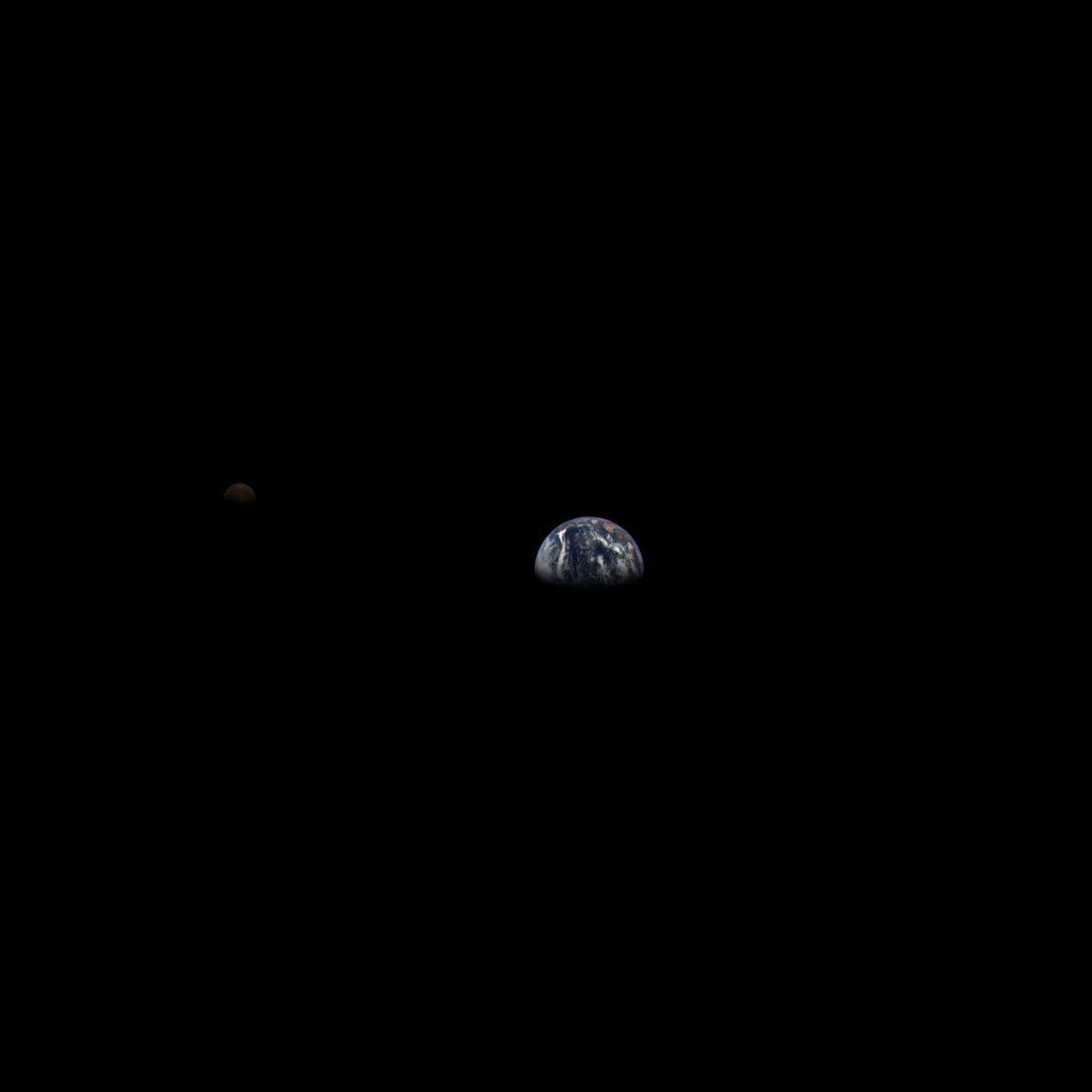
Say cheese, again! 📸😄 Juice’s scientific camera, JANUS, had a go too at snapping an Earth–Moon portrait, as it sailed off towards Venus. After its Venus flyby in August 2025, #ESAJuice will be back, passing by Earth again in September 2026 and January 2029. esa.int/ESA_Multimedia…
ESA's Juice mission tweet media
English
20
137
502
81.8K
Stefania G. L. retweetledi
ESA Earth Observation
ESA Earth Observation@ESA_EO·
The arrival of a new season as seen from space! On 22 September the equinox marked the beginning of Autumn in the Northern Hemisphere and of Spring in the Southern Hemisphere. This animation shows how the terminator line moved from December 2023 to 20 September 2024. 📸 @eumetsat Meteosat Second Generation data, processed by @simon_sat
English
7
120
373
42.6K
Stefania G. L. retweetledi
Stuart Atkinson
Stuart Atkinson@mars_stu·
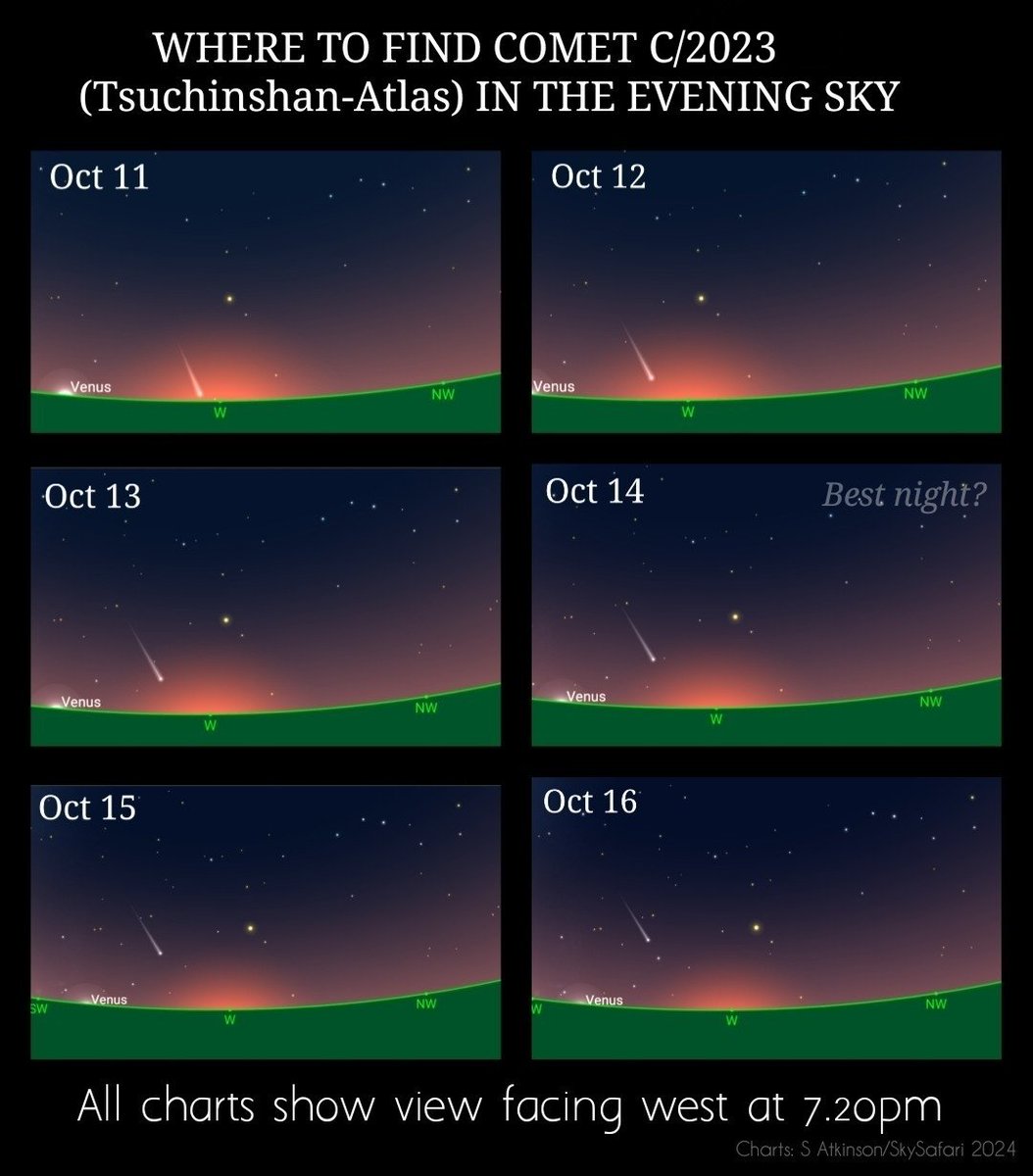
Looks like we might have a pretty naked eye comet in the northern sky next month! To find it, face the west after sunset and look for a star with a fuzzy tail. (Note: charts drawn for UK time, use an app for times specific to your own location). Charts made using @skysafariastro
Stuart Atkinson tweet media
English
7
114
389
23.9K
Stefania G. L. retweetledi
Massimo
Massimo@Rainmaker1973·
Did you know? There's an Interplanetary Transport Network in our Solar System, used to launch spacecraft from Earth and send them to the desired destination. It is a collection of gravitationally determined pathways through the Solar System that require very little energy for an object to follow. The ITN makes particular use of Lagrange points as locations where trajectories through space can be redirected using little or no energy. Interplanetary transfer orbits are solutions to the gravitational three-body problem. The ITN is based around a series of orbital paths predicted by chaos theory and the restricted three-body problem leading to and from the orbits around the Lagrange points – points in space where the gravity between various bodies balances with the centrifugal force of an object there. Notable spacecraft that used the ITN were the ISEE-3, launched in 1978, the Hiten lunar mission in 1991, NASA's 2001–2003 Genesis mission, and the Chinese spacecraft Chang'e 2. [image: stylized depiction of the ITN]
Massimo tweet media
English
66
482
2K
109.5K
Stefania G. L. retweetledi
Corey S. Powell
Corey S. Powell@coreyspowell·
This is the surface of another star! Polaris, imaged by the CHARA array. Explorers have navigated by Polaris for centuries, but now for the first time we can see what it actually looks like. news.gsu.edu/2024/08/20/new…
Corey S. Powell tweet media
English
5
108
337
17K
Stefania G. L. retweetledi
James Lucas
James Lucas@JamesLucasIT·
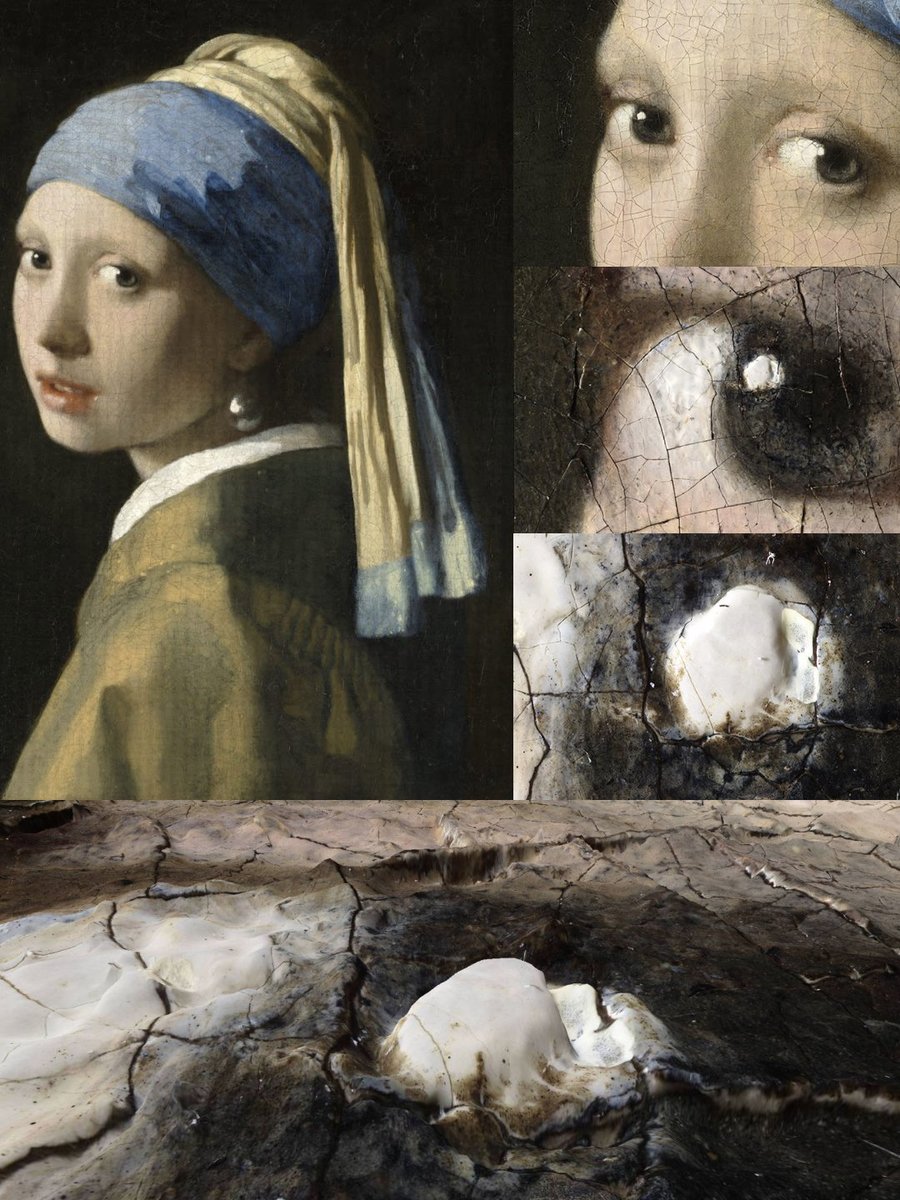
Thread of crazy painting details 🧵 1. It's all in the eyes
James Lucas tweet media
English
984
41.8K
518.9K
56.7M
Stefania G. L. retweetledi
Matthew Dominick
Matthew Dominick@dominickmatthew·
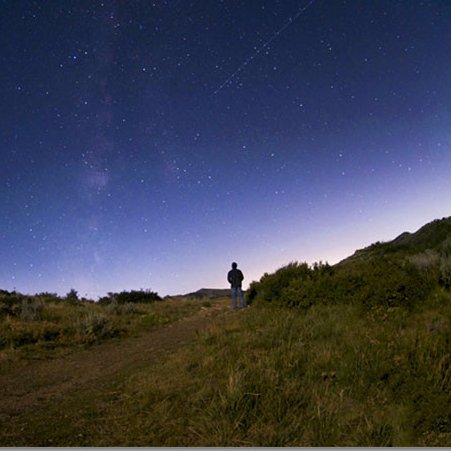
Satellites, stars, and, a meteor . . . Night timelapse just prior to sunrise. If you watch carefully, part way through you can see a meteor streak towards earth. I do not have the settings readily available, but they are likely: 50mm, f1.2, ISO 6400, 1/4s, with a 1/2s interval.
English
41
282
1.1K
175.3K
Stefania G. L. retweetledi
Nereide
Nereide@Nereide·
The Perseids are a meteor shower that the Earth passes through during the summer period as it orbits the Sun. The meteor shower is prolific, which may count up to 100 meteors per hour during the peak. This makes this shower among the most relevant in terms of observability. The Perseid Meteor Shower is associated with Comet 109P/Swift-Tuttle, a large periodic comet which has a nucleus of about 26 km in diameter. Its last perihelion passage occurred in 1992, and the next one will occur in 2126. The meteors that we see now are particles released during the past orbits of the comet. In 2024 the Perseid Meteor Shower is active between 17 July and 24 August; the peak is expected to be on the night of August 11 through the morning of the 12th. Image: This meteor was caught exploding above Austria next to the central band of the Milky Way, on 2015 Perseid Meteor Shower's maximum. Image Credit: André van der Hoeven Source➡️apod.nasa.gov/apod/ap150812.… #Perseids
GIF
English
8
38
117
4K