Teresa M Coque

4K posts

Teresa M Coque banner
Teresa M Coque

Teresa M Coque

@TMcoque

Mother, Microbiologist. Crazy about eco-evolutionary aspects of bacteria. #IRYCIS @microRyC @ciberinfec @GemaraSeimc @ESGEM_ESCMID Also at @tmcoque.bsky.social

Madrid, Spain Katılım Nisan 2013
972 Takip Edilen1.4K Takipçiler
Teresa M Coque retweetledi
EL PAÍS
EL PAÍS@el_pais·
📹️ Harrison Ford defiende la justicia social en su discurso de graduación en la Universidad de Arizona. El actor aprovechó para animar a los graduados a comprometerse con el liderazgo, la justicia social y la responsabilidad medioambiental.
Español
6
166
575
35.1K
Teresa M Coque retweetledi
Yener Çıracı
Yener Çıracı@yenerrciraci·
Yale Üniversitesi siyaset felsefesi üzerine giriş kursu yayınladı. Sokrates, Platon, Aristoteles, Machiavelli, Hobbes, Locke, Rousseau ve Tocqueville'in temel görüşlerini ele alıyor. Otomatik çevir seçeneği ile hedef dilde altyazılı izlenebilir. youtube.com/watch?v=xhm55m…
YouTube video
YouTube
Türkçe
21
1K
3.7K
331.3K
Teresa M Coque retweetledi
Ailin Tomio
Ailin Tomio@ailintomio·
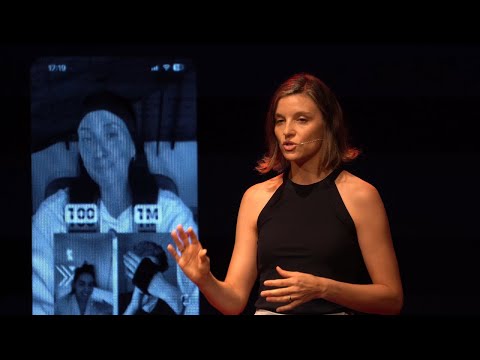
Ya está subida mi charla TEDx, sobre el uso de nuestro datos en redes y cómo comportamientos básicos como dar likes o compartir pueden decir mucho sobre nuestra personalidad. Dale like y compartí. Total, qué le hace una mancha más al tigre 😉 youtu.be/-iJ8Rk5Z4GQ
YouTube video
YouTube
Español
5
37
204
18.7K
Teresa M Coque retweetledi
Microbiome
Microbiome@MicrobiomeJ·
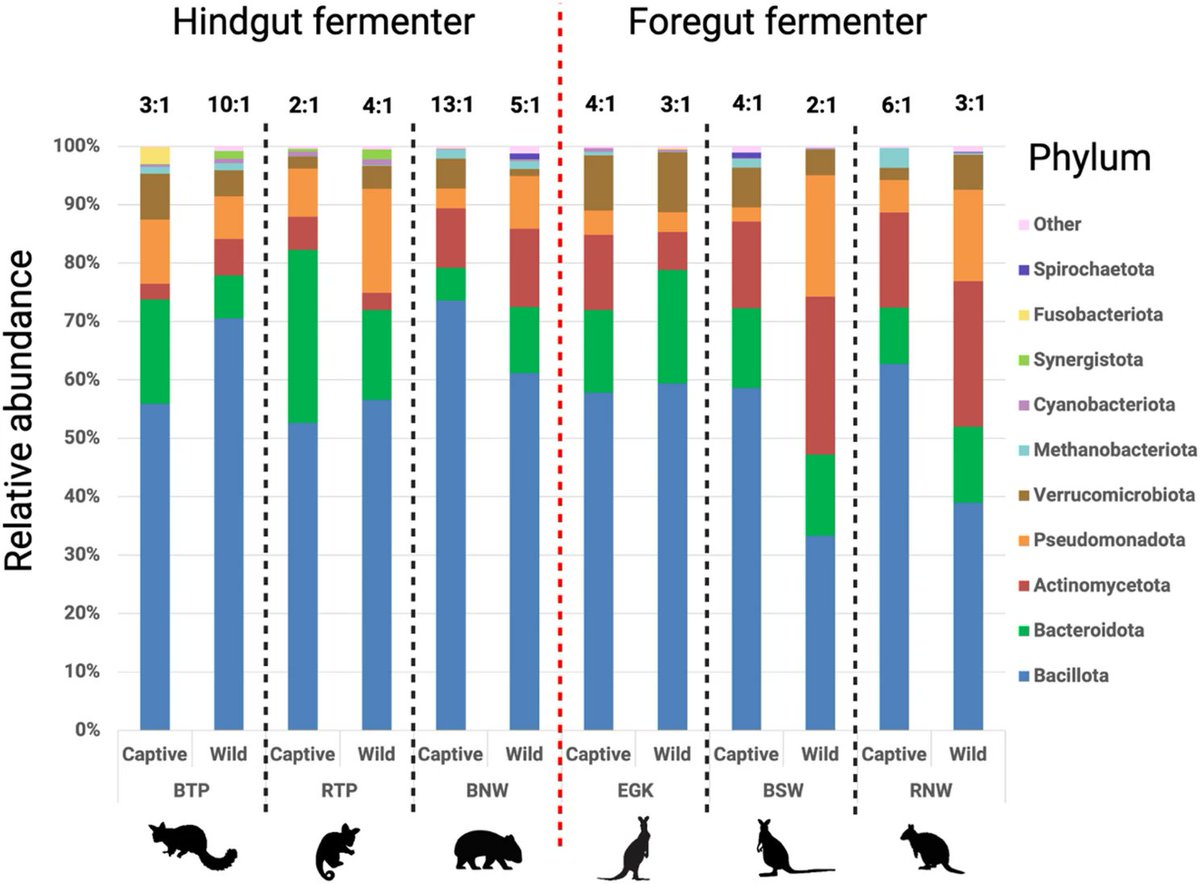
In #AnimalMicrobiome Characterising the gut microbiome of six Australian marsupials reveals captivity constrains microbiome🦠 Read more👉doi.org/q4rn
Microbiome tweet media
English
0
7
27
1.5K
Teresa M Coque retweetledi
Manisha Mishra
Manisha Mishra@manishamishra24·
Instead of watching an hour of Netflix, watch this 2 hour hour Stanford lecture will teach you more about how LLMs like ChatGPT and Claude are built than most people working at top AI companies learn in their entire careers.
English
70
2.4K
13.2K
1.6M
Teresa M Coque retweetledi
Carlos Briones
Carlos Briones@brionesci·
En el #DíaDeLaMadre recordemos a #LUCA, el último antepasado común de bacterias, arqueas y eucariotas: la madre de toda la biodiversidad.
Carlos Briones tweet media
Español
3
306
905
25.4K
Teresa M Coque retweetledi
ASM
ASM@ASMicrobiology·
DiscoVir, an automated pipeline for viral metagenomics, makes viral discovery, taxonomic and functional annotation, host predictions & diversity analyses of the virome easily accessible to researchers at all levels of expertise. Learn more in #MRAJournal: asm.social/2Vx
ASM tweet media
English
0
22
53
3.3K
Teresa M Coque retweetledi
David
David@David_eficaz·
Claude ahora puede crearte un canal de video con IA completo desde cero como un consultor creador de $10,000 (gratis). Te dejo 10 prompts que te llevarán de cero a un canal de video de IA monetizado en 90 días: (Guardar para más tarde) x.com/David_eficaz/s…
David tweet media
David@David_eficaz

Si usas IA a diario, deja lo que estás haciendo. Mi flujo de trabajo acaba de dar un salto de nivel absurdo. 🚀 @HIX_AI_ 2.1 ya está aquí y trae exactamente lo que la comunidad exigía para multiplicar la productividad por 10: 🎨 UX/UI de locos: Un lavado de cara total. Más rápido, más limpio, cero fricción. 💬 Chat IA ILIMITADO: Sí, leíste bien. Sin límites para usuarios de pago. Cero costos ocultos. Jugada maestra. 🔋 Pagas lo que usas: Nuevos paquetes de créditos 100% flexibles. Se adaptan a ti, no al revés. ✨ PPTs con superpoderes: Crea y edita presentaciones generadas con lo último de la industria (Nano Banana y GPT Image 2). 🎁 El regalo de lanzamiento: Tienen una promo activa por la versión 2.1, pero dura poco. Usa el código QWCOT8EA y llévate un 20% de descuento en tu membresía. ⏳ Ojo: La oferta desaparece el 5 de mayo. Pruébalo antes de que se acabe aquí👇 🔗 hix.ai/es #GenerativeAI #AIAgent #Workspace #HIXAI

Español
12
26
90
13.6K
Teresa M Coque retweetledi
Gorka Orive
Gorka Orive@gorka_orive·
Un sistema de detección temprana basado en Inteligencia Artificial es capaz de detectar el cáncer de páncreas oculto mejor (73 vs 39%) que usando el TAC de los servicios de radiología. gut.bmj.com/content/early/…
Gorka Orive tweet media
Español
0
38
109
5K
Teresa M Coque retweetledi
Arturo Pérez-Reverte
Arturo Pérez-Reverte@perezreverte·
"El mundo actual está en guerra contra la Ilustración y lo que ella hizo posible. Europa, su heredera, la deja hoy morir con la misma estolidez satisfecha de quien vende la biblioteca del abuelo para irse una semana de vacaciones a Bali o al Caribe". zendalibros.com/en-guerra-cont…
Español
64
431
1.4K
47.9K
Teresa M Coque retweetledi
European Research Council (ERC)
European Research Council (ERC)@ERC_Research·
NEWS: The ERC Scientific Council has listened to the concerns from members of the research community about changes to the re-submission rules, intended to manage the surge in demand for grants. The Scientific Council will readjust some of the changes: link.europa.eu/TBqRQJ
English
8
109
365
59.9K
Teresa M Coque retweetledi
Carlos Mtz Gorriarán
Carlos Mtz Gorriarán@cmgorriaran·
Esto es muy, muy bueno: “Si no puedes reformular un problema con tus propias palabras, no lo entiendes. Solo lo has leído.” Wittgenstein dijo algo complementario en filosofía: nunca tengas prisa para pensar. (buen par de torpedos para todólogos y tertulianos).
Ihtesham Ali@ihtesham2005

A Stanford mathematician spent 40 years watching brilliant students freeze in front of hard problems. Not because they lacked intelligence. Because nobody had ever taught them what to do before they started solving. His name is George Pólya, and the book he wrote in 1945 has never gone out of print. It has sold over a million copies. Marvin Minsky, the man who built the first neural network machine at MIT, said publicly that everyone should know this work. Engineers, mathematicians, and computer scientists treat it as scripture. Most people have never heard of it. Here is the framework buried inside it that changed how I think about every hard problem I face. Pólya watched the same failure repeat itself across decades of students. A problem would be presented. The student would stare at it for a moment, feel the first wave of anxiety, and immediately start calculating. Not because calculating was the right next step. Because calculating felt like doing something, and doing something felt better than sitting with the discomfort of not knowing what to do. The calculation was almost always wrong. Not because the student lacked the skill to execute it. Because they had not yet understood what they were being asked. Pólya called this the most neglected step in all of problem solving, and he spent the rest of his career trying to make people take it seriously. Step one is to understand the problem. Not skim it. Not assume you know what it is asking because you have seen something similar before. Understand it. Completely. He gave students a specific set of questions to force this: What is the unknown? What are the given conditions? Can you draw a figure? Can you restate the problem in your own words without looking at it? That last one is the filter. If you cannot restate a problem in your own words, you do not understand it. You have only read it. Most people skip this entirely and wonder why they get stuck. Step two is to make a plan. Not to execute. To plan. Pólya documented every heuristic he could observe in successful problem solvers, and one pattern appeared more than any other. When a problem feels impossible, find a simpler version of it and solve that first. Not because the simpler version is the goal. Because solving it gives you a foothold, a method, a partial structure you can carry back to the original problem and build from. He phrased it with precision: if you cannot solve the proposed problem, try first to solve some related problem. Could you imagine a more accessible related problem? That question alone is worth more than most problem-solving courses. Step three is to carry out the plan. This is the step everyone thinks is the whole game. It is not. It is the third of four. And Pólya spent the least time on it because it is the most obvious. Once you understand the problem and have a plan, execution is mostly patience. Step four is the one almost nobody does. Look back. Not to check the arithmetic. To ask a different set of questions entirely. Can you verify the result by a different method? Can you use this result or this method to solve a different problem? What would you do differently next time? This is where the real learning lives and almost no one goes there. The look-back step is not about the problem you just solved. It is about building a library of methods that transfers to the next problem, and the one after that. Every expert problem solver Pólya studied had this habit. Every struggling student skipped directly from the answer to the next question on the page, carrying nothing forward, starting from zero every time. Pólya's deepest insight was not a technique. It was a diagnosis. The reason most intelligent people feel bad at problem solving is not that they lack the ability to reason. It is that they conflate understanding a problem with having read it. They conflate having a method with starting to work. They conflate getting an answer with having learned anything. These are not the same things. They never were. The students who get genuinely good at hard problems are not the ones who practice more. They are the ones who slow down at the beginning and the end, at the two moments every instinct tells them to rush. The problem is almost always not as hard as it looks at the start. You just haven't understood it yet.

Español
2
33
108
6.2K
Teresa M Coque retweetledi
Jose Ramos Vivas
Jose Ramos Vivas@joseramosvivas·
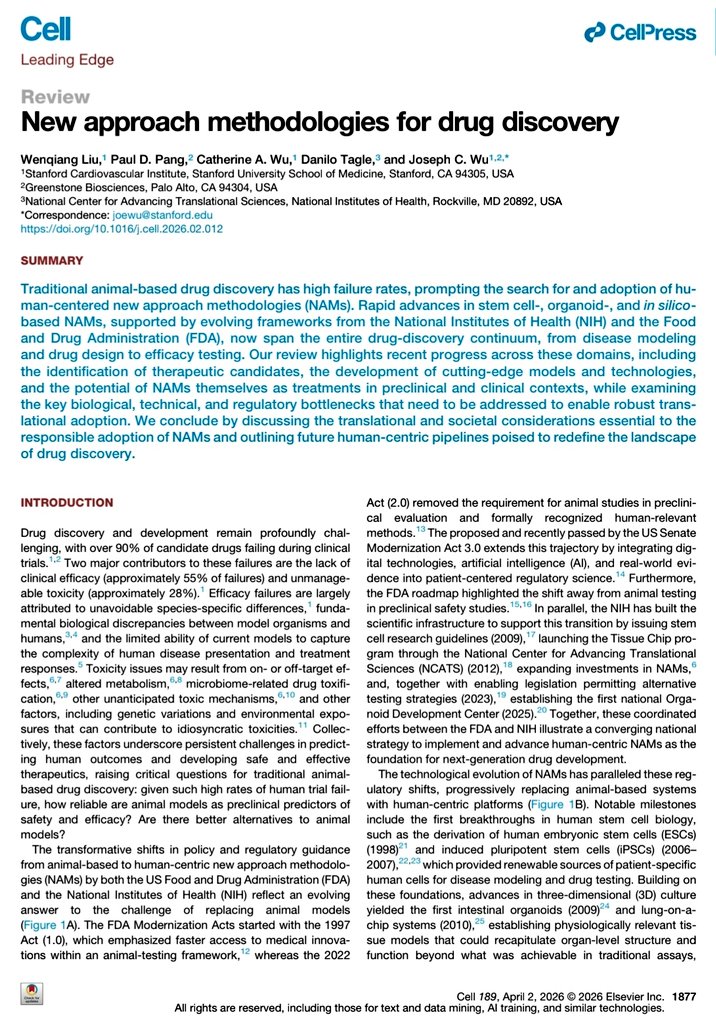
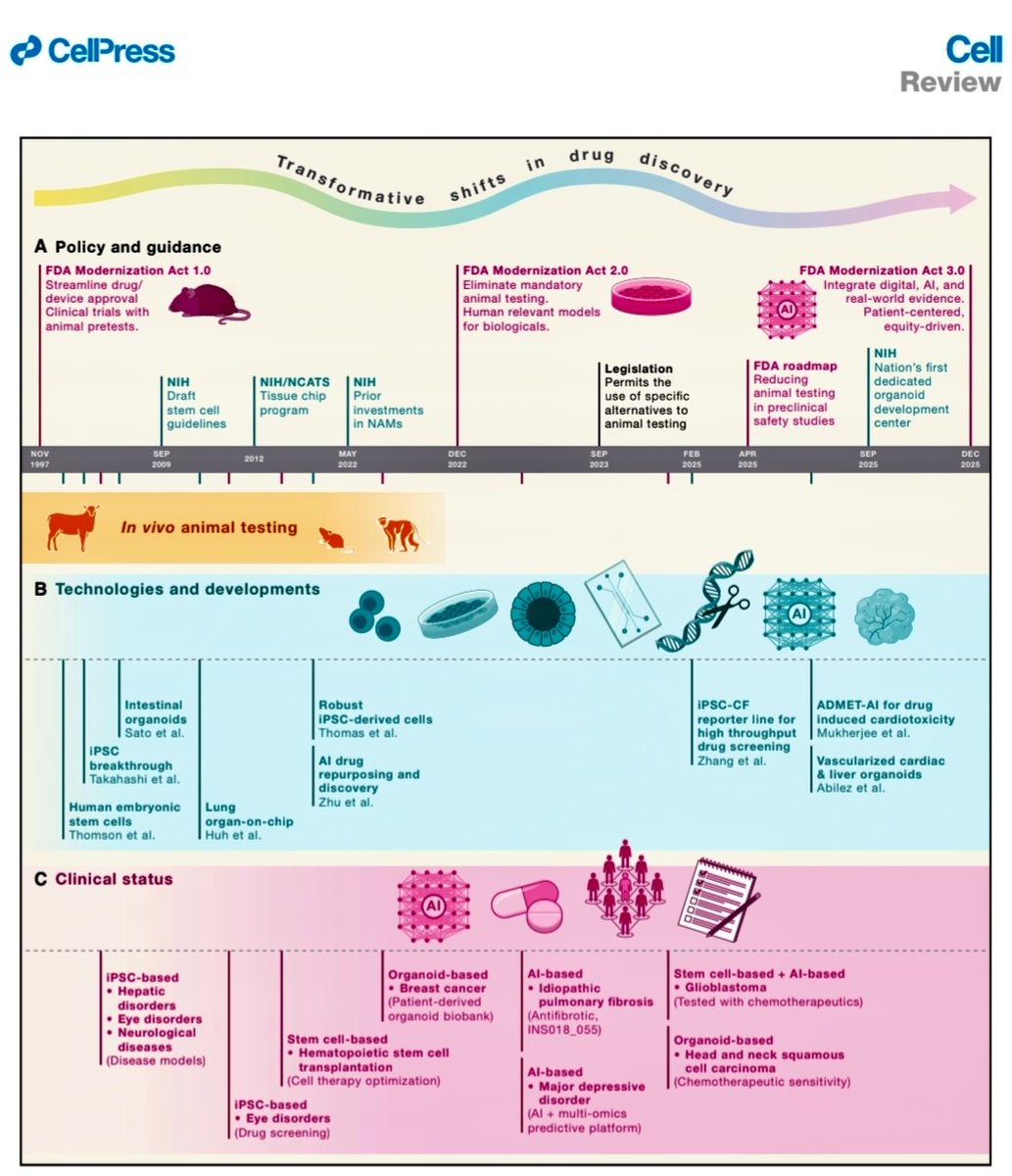
¿Sabías que cerca del 90% de los fármacos que llegan a ensayos clínicos fallan, en parte porque los modelos animales no predicen bien la respuesta humana? 🐁❌ ¿Es hora de un cambio de paradigma? Un nuevo artículo en Cell analiza las Nuevas Metodologías de Enfoque (NAMs): una revolución humanocéntrica en el descubrimiento de fármacos. 🧬💊 Lo más destacado: 🧫 Organoides e iPSCs: Mini-órganos y células madre humanas para modelar enfermedades con una precisión mucho más cercana a la fisiología real. 🤖 IA e In Silico: Plataformas de inteligencia artificial capaces de predecir toxicidad y eficacia antes de entrar al laboratorio. ⚖️ Marco legal: Las Actas de Modernización de la FDA (1.0 a 3.0) abren la puerta a sustituir pruebas animales por modelos humanos y digitales, impulsando una nueva era regulatoria. 🚀 Objetivo: Reducir el enorme fracaso clínico y acelerar la llegada de terapias seguras y eficaces a los pacientes. 🏥 ¿Estamos ante el fin de una era y el inicio de una medicina más ética, precisa y eficiente? 🌍✨ 🔗👇💊 doi.org/10.1016/j.cell… Ciencia #Farmacología #IA #BioTech #Salud #Innovación #NAMs #StemCells #CellPress #Cell @SEMicrobiologia @ANIH_1
Jose Ramos Vivas tweet mediaJose Ramos Vivas tweet media
Español
6
140
515
35.8K
Teresa M Coque retweetledi
Gloria Lomana
Gloria Lomana@LomanaGloria·
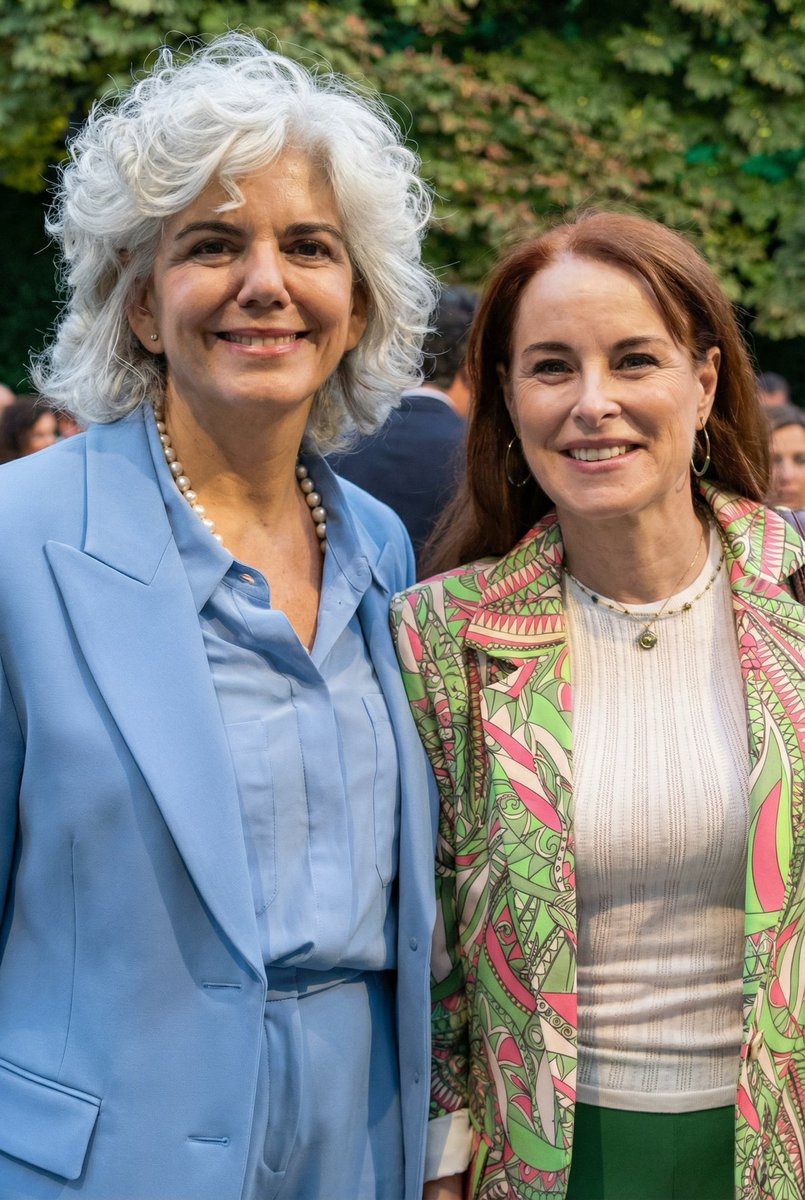
Nombramiento histórico de Amparo Moraleda como Presidenta global del gigante aeroespacial europeo Airbus, tras su destacada tarea en ⁦@EsAirbus⁩ 🔺1ª mujer 👏🏼 🔺1ª vez que no es de Francia o Alemania 📸 En la Embajada de Alemania en España ⁦@AlemaniaDiplo
Gloria Lomana tweet media
Español
7
70
254
10K
Teresa M Coque retweetledi
Eric Topol
Eric Topol@EricTopol·
Every mammogram should be supported by 3 different AIs for improved detection of cancer, prevention, and risk of heart disease. At no cost to patients. My new @TheLancet essay reviews the evidence and the lack of implementation thelancet.com/journals/lance…
Eric Topol tweet media
English
14
162
546
68.3K