Theo Hirsch

370 posts

Theo Hirsch banner
Theo Hirsch

Theo Hirsch

@TZ_Hirsch

Cancer Genomics Researcher @Inserm, https://t.co/prPeotwQY9 @CRCordeliers | Liver cancer evolution in children and adults | Bulk, single-cell, spatial | Mosaicism

Paris, France Katılım Ekim 2013
390 Takip Edilen202 Takipçiler
Sabitlenmiş Tweet
Theo Hirsch
Theo Hirsch@TZ_Hirsch·
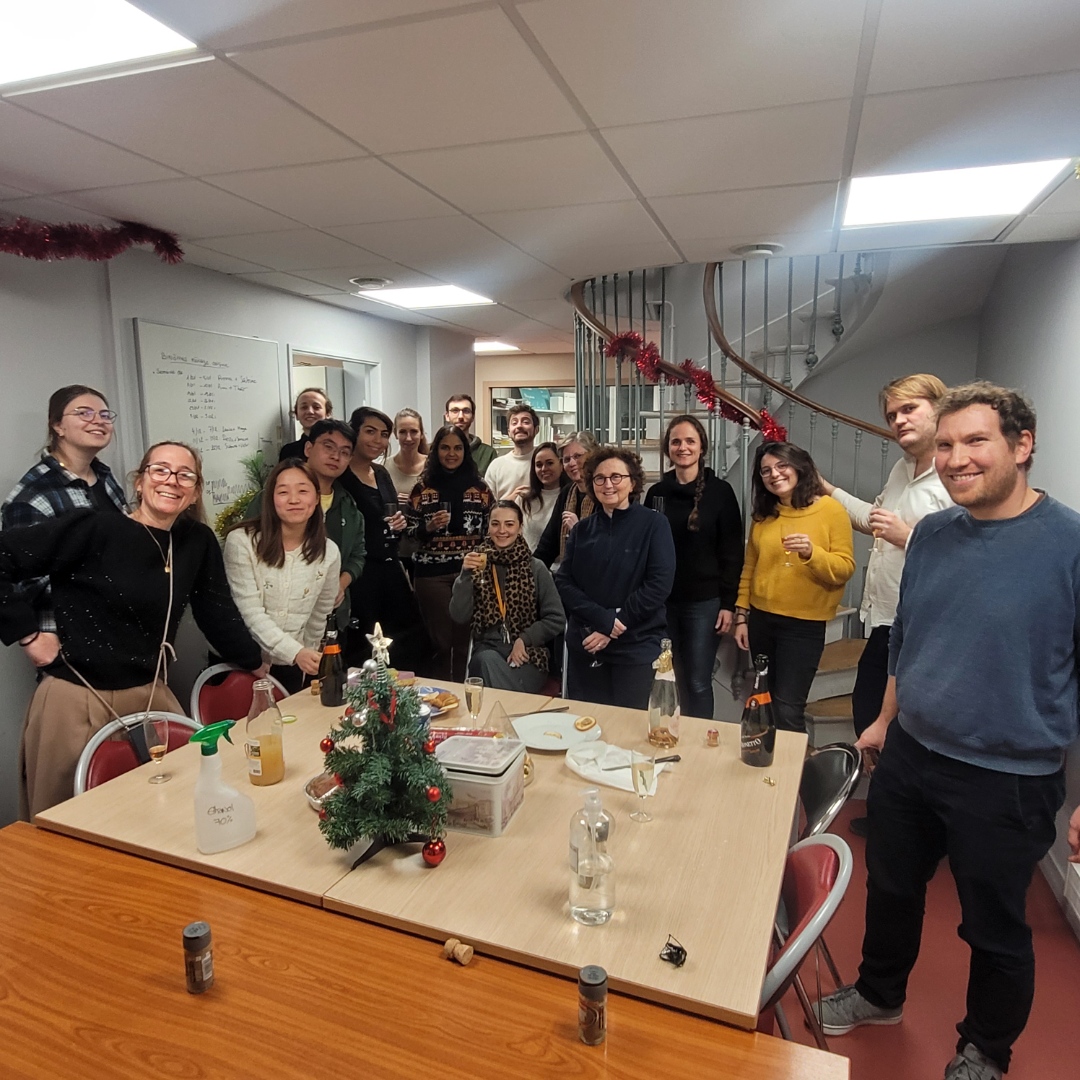
Some personal news: I’ve secured a permanent research position at @Inserm so I'll be able to continue working with this happy bunch of the FunGeST team in the wonderful @CRCordeliers ! Stay tuned for scientific updates on the genomics of pediatric and adult liver cancer!
Theo Hirsch tweet media
English
2
1
12
1.1K
Theo Hirsch retweetledi
Sonya Hessey
Sonya Hessey@SonyaHessey·
Thrilled that our manuscript ‘Evolutionary characterization of Lung Cancer metastasis’ in #TRACERx & #PEACE was published in @Nature today. Here is a summary:
English
5
16
80
13.1K
Theo Hirsch retweetledi
Kenneth Loi
Kenneth Loi@kenjmloi·
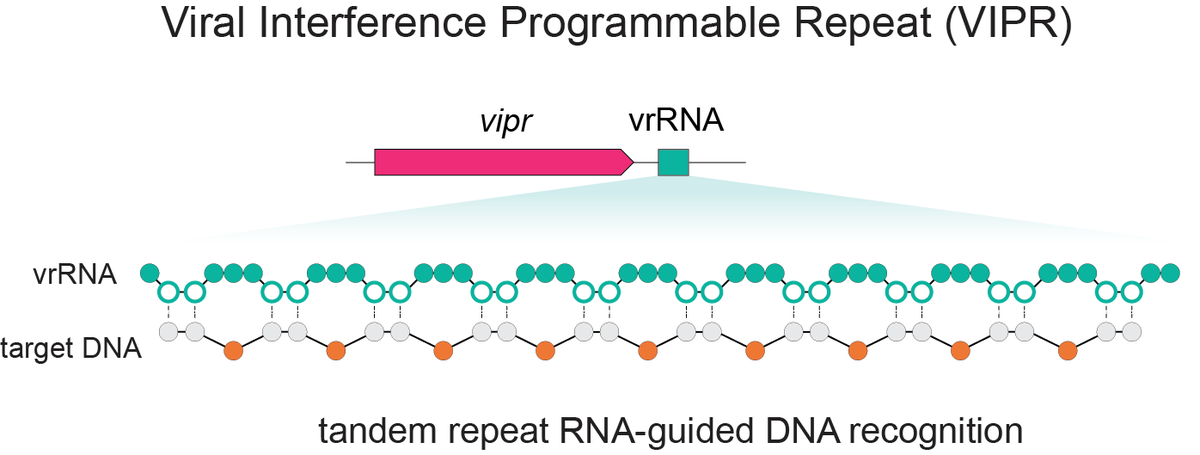
Excited to share our discovery of a new programmable RNA-guided DNA-targeting system hiding inside bacteriophages that predates CRISPR. We call it VIPR (Viral Interference Programmable Repeat), and it uses an entirely new logic to find its targets. Thread + link below.
Kenneth Loi tweet media
English
25
351
1.2K
232.5K
Theo Hirsch retweetledi
Inigo Martincorena
Inigo Martincorena@imartincorena·
Excited to share our latest work. Applying advanced single-molecule and single-cell DNA sequencing methods, we uncover an extraordinary landscape of somatic mutations in immune checkpoint genes in autoimmune lymphocytes. [1/n] rdcu.be/fdqbr
English
7
65
191
30.8K
Theo Hirsch retweetledi
Garyk Brixi
Garyk Brixi@garykbrixi·
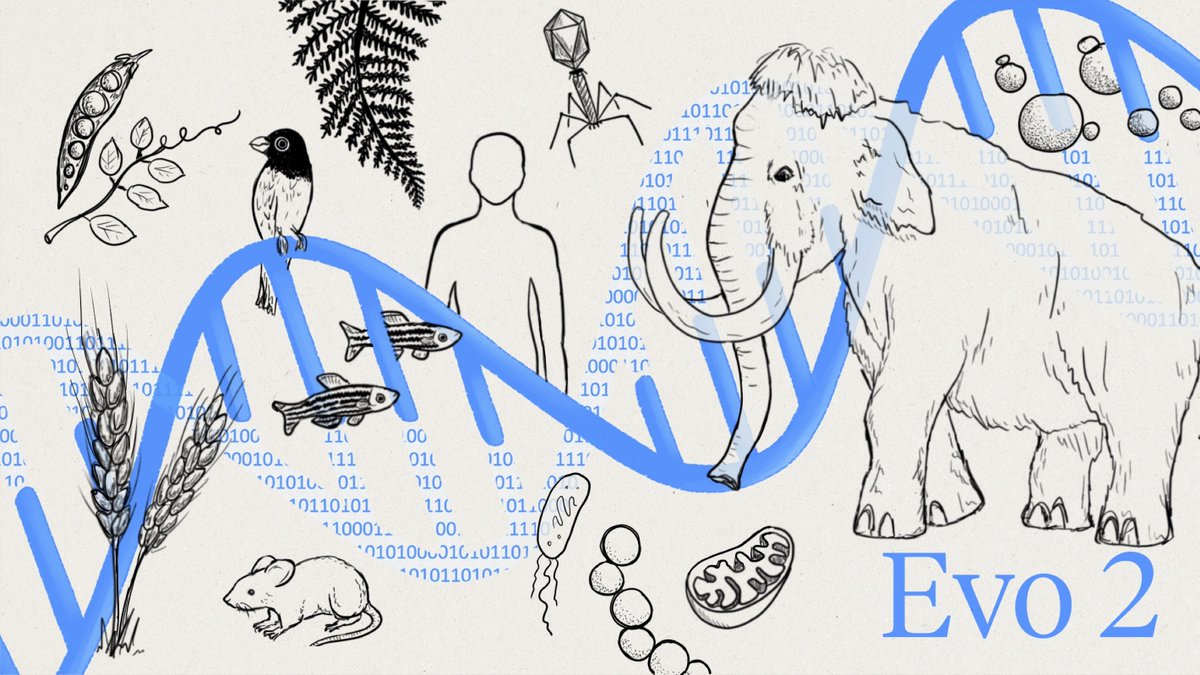
Evo 2 is out in Nature today, showing that genome language models can predict and design across the full complexity of life, from phages to eukaryotes. A few surprises from the project, including how ignoring trillions of nucleotides was key to getting a good model. 🧵
Garyk Brixi tweet media
English
12
208
1K
100.7K
Theo Hirsch retweetledi
Jamie Blundell
Jamie Blundell@jrblundell·
In 1999, Tom Maniatis discovered something remarkable: neurons achieve self-avoidance via stochastic methylation of the protocadherin gene cluster. We've just discovered this locus is an evolvable in-vivo barcode across the human tissues: biorxiv.org/cgi/content/sh… 🧵
English
6
67
182
26.1K
Theo Hirsch retweetledi
Josephine Yates
Josephine Yates@JoYatesResearch·
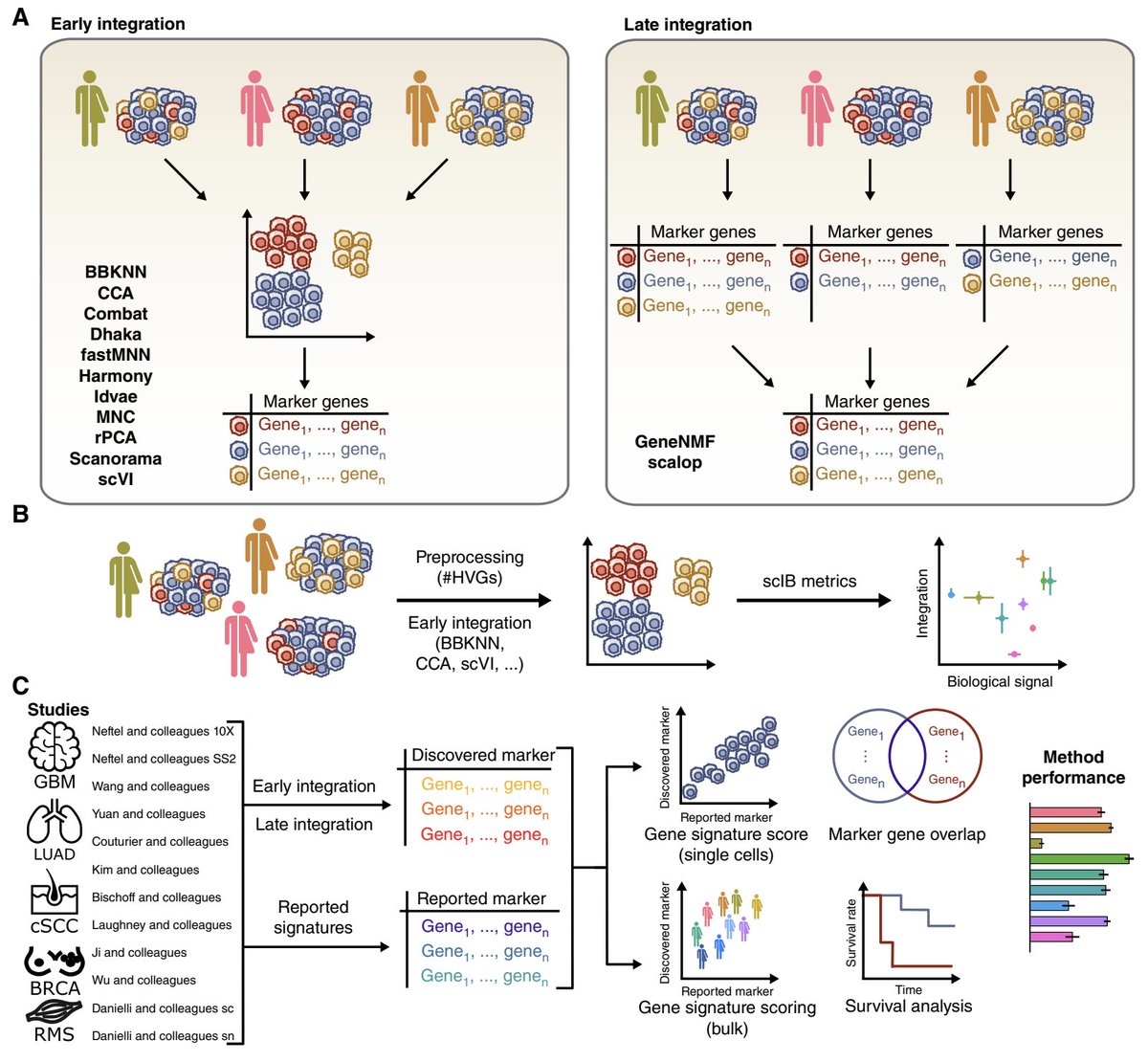
🧵 New paper from the Boeva @val_boeva lab! How can we reliably identify cancer cell states from single-cell RNA-seq?🤔 Florian Barkmann and I, with our co-authors, tackle this in our new CanSig benchmark, published in Cancer Research aacrjournals.org/cancerres/arti…
Josephine Yates tweet media
English
1
6
24
4.7K
Theo Hirsch retweetledi
Uri Alon
Uri Alon@UriAlonWeizmann·
Biopsies provide just a single snapshot of the underlying tissue. In our recent work published in @Nature, we made progress in estimating tissue-level dynamics from a biopsy using spatial proteomics. nature.com/articles/s4158…
English
8
72
361
34.6K
Theo Hirsch retweetledi
Claudia Campani
Claudia Campani@campani_claudia·
Grateful to EASL for supporting this research fellowship and investing in early-career scientists! @EASLnews
EASLnews@EASLnews

Hepatocellular carcinoma is the most common primary liver cancer and remains a leading cause of cancer related mortality worldwide. Despite major advances in systemic therapy, including atezolizumab plus bevacizumab, only around 30% of patients derive meaningful benefit, and clinicians still lack reliable biomarkers to guide treatment decisions. 🧬A critical unmet need in HCC care is the ability to predict who will respond to immunotherapy and to monitor treatment effectiveness early. Without this, many patients are exposed to ineffective therapy and unnecessary toxicity, while losing valuable time to switch strategies. 🎓A new #EASLfellowship project by Claudia Campani, ​Centre de Recherche des Cordeliers, Paris addresses this challenge by developing a serum based proteomic signature for patients with advanced HCC treated with atezolizumab and bevacizumab. Using high throughput Olink® technology, more than 5,000 circulating proteins were analysed in 88 patients, leading to the identification of 35 proteins strongly associated with both progression free and overall survival. These promising candidates will now be validated in an independent multicentre cohort of 120 patients using multiplex ELISA, a cost effective and clinically feasible approach. 🔍By integrating baseline and longitudinal biomarker analyses, this project aims to deliver a non invasive tool to improve prognostic stratification and early treatment monitoring. Ultimately, it seeks to support a more personalised, biomarker driven approach to #HCC management, maximising therapeutic benefit while sparing patients from ineffective treatments. @DebbieShawcros1 @analleo

English
1
1
7
166
Theo Hirsch retweetledi
Nicholas McGranahan
Nicholas McGranahan@NickyMcGranahan·
Delighted to share our latest collab with @CharlesSwanton and MariamJamalHanjani - we delve into the world of normal tissue evolution and explore the impact of cancer treatment in tissues across the body.... nature.com/articles/s4158… For all the details, see @oriol_pich thread 👇
Oriol Pich@oriol_pich

Happy to share our latest study @Nature , where we evaluate somatic evolution and the effect of treatment in normal tissue using duplex sequencing 1/n nature.com/articles/s4158…

English
1
15
55
14K
Theo Hirsch retweetledi
Marcin Imieliński
Marcin Imieliński@skimomiks·
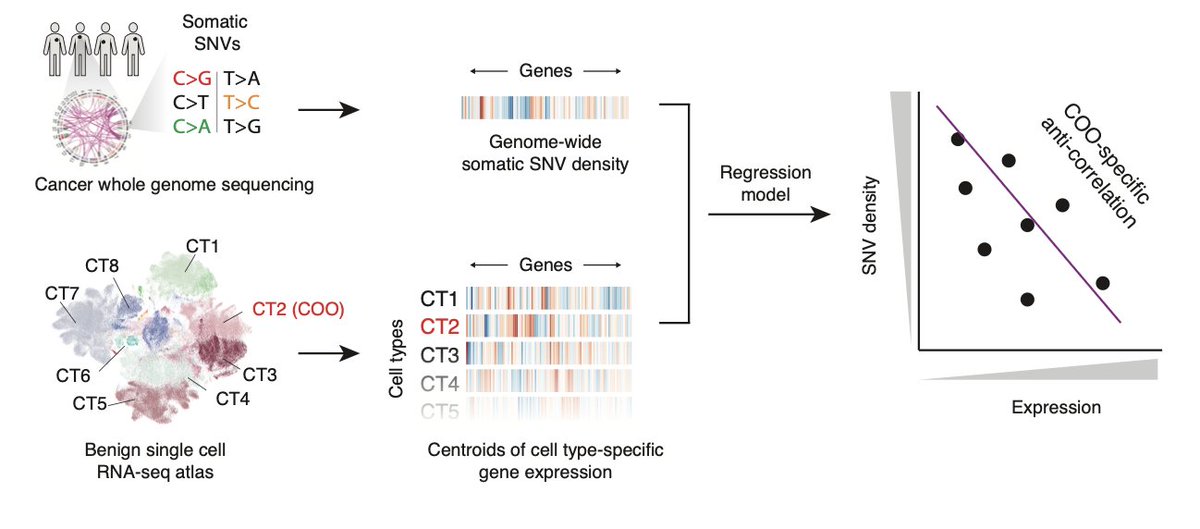
latest from the lab --> how we used whole genome passenger somatic mutation patterns 🧬 to trace the origins of never-smoker lung adenocarcinoma (LUAD) to cells of the proximal lung 🫁 @NatureGenet nature.com/articles/s4158… 1/🧵
Marcin Imieliński tweet media
English
3
35
105
17.2K
Theo Hirsch retweetledi
King L Hung
King L Hung@kinglhung·
Our paper is out in @Nature! Oncogenes are often copy-number amplified on extrachromosomal DNA (ecDNA) in cancer, but how is ecDNA inherited by dividing cells? Here we identified elements within ecDNA that promote its retention in dividing cells. 1/11 nature.com/articles/s4158…
English
5
57
255
27.3K