Rabbit 🐰

296 posts

Rabbit 🐰

Rabbit 🐰

@TheDevRabbit

the tech guy behind @TholosApp

Katılım Nisan 2022
260 Takip Edilen344 Takipçiler
Sabitlenmiş Tweet
Rabbit 🐰
Rabbit 🐰@TheDevRabbit·
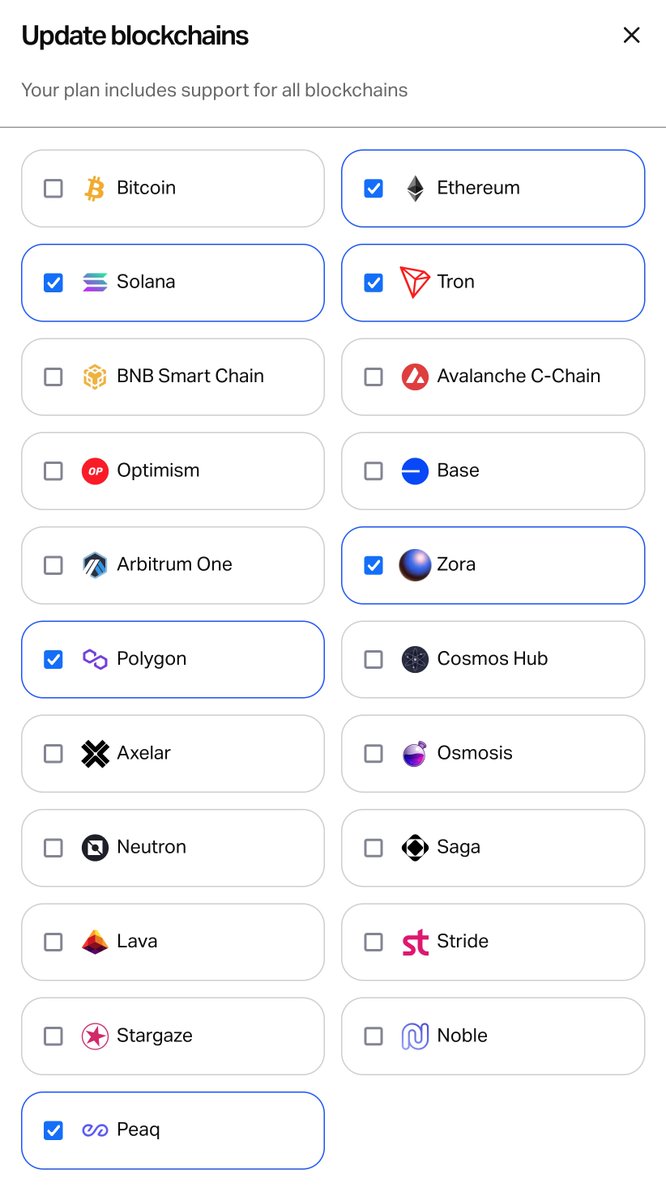
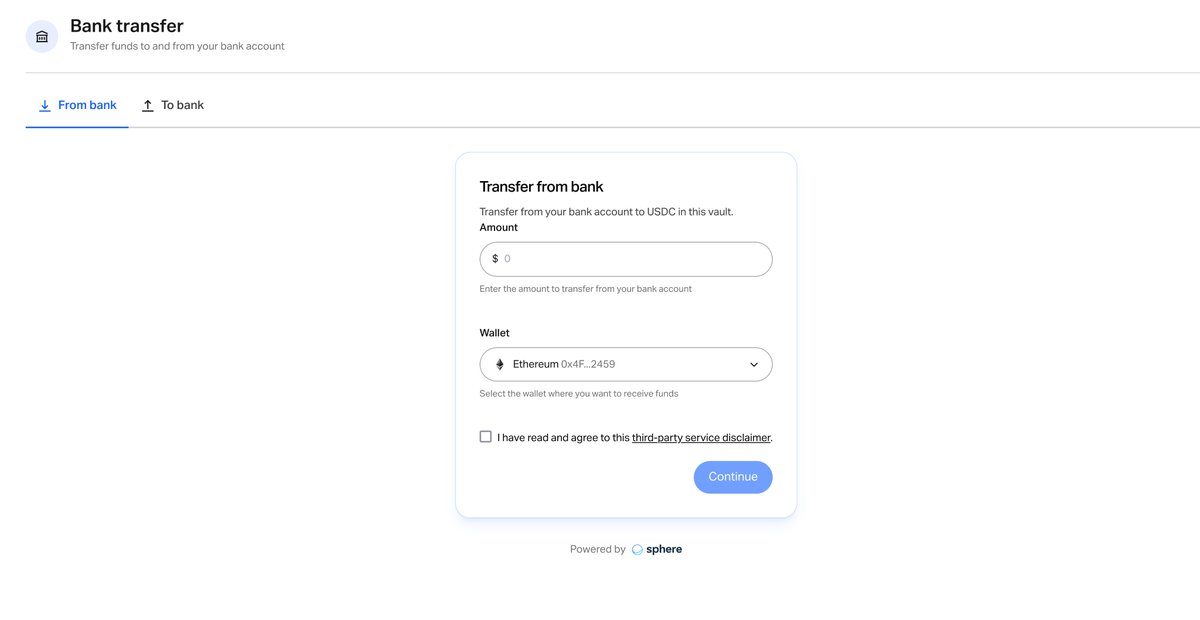
@TholosApp now supports - 21 different mainnets across 5 different VMs (newest chain: @peaq) - Fiat on/off ramp without exchanges (powered by @sphere_labs) - Policies with multiple conditions - @HyperliquidX support Why use anything else for your treasury management?
Rabbit 🐰 tweet mediaRabbit 🐰 tweet mediaRabbit 🐰 tweet media
English
4
2
12
1.2K
Rabbit 🐰
Rabbit 🐰@TheDevRabbit·
@BowTiedBull Siakam perf example, didnt start playing ball until 17, then championship at 25
English
0
0
3
560
BowTiedBull.eth - Read Pinned or NGMI
We have been saying this for a long time. The people who never amounted to anything, not even good college athlete thinks they should have trained earlier. It is the reverse. Elite people specialize later.
BowTiedBull.eth - Read Pinned or NGMI tweet media
Ihtesham Ali@ihtesham2005

A Hungarian psychologist raised three daughters to prove that any child could become a chess grandmaster through early specialization. He succeeded. Two of them became grandmasters. One became the greatest female chess player who ever lived. Then a sports scientist looked at the data and found something nobody wanted to hear. His name is David Epstein. The book is called "Range." The Polgar experiment is one of the most famous case studies in the history of deliberate practice. Laszlo Polgar wrote a book before his daughters were even born arguing that geniuses are made, not born. He homeschooled all three girls in chess from age four. By their teens, Susan, Sofia, and Judit were dominating tournaments against grown men. Judit became the youngest grandmaster in history at the time, breaking Bobby Fischer's record. The story became the gospel of early specialization. Pick a domain young, drill it hard, and you can manufacture excellence. Epstein opens his book by telling that story honestly and then quietly demolishing the conclusion most people drew from it. Chess works that way. Most things do not. Here is the distinction that took him four years of research to articulate, and that almost nobody who quotes the 10,000 hour rule has ever read. There are two kinds of environments in which humans develop expertise. Psychologists call them kind and wicked. A kind environment has clear rules, immediate feedback, and patterns that repeat reliably. Chess is the cleanest example. Every game ends with a winner and a loser. Every move is recorded. The board never changes shape. The pieces never invent new ways to move. A child who plays ten thousand games will see most of the patterns that exist in the game, and pattern recognition is exactly what chess mastery is built on. A wicked environment is the opposite. Feedback is delayed or misleading. Rules shift. The patterns that worked yesterday may be exactly the wrong patterns to apply tomorrow. Most of the real world looks like this. Medicine is wicked. Investing is wicked. Building a company is wicked. Scientific research is wicked. Almost every job that involves a complex changing system with humans in it is wicked. The Polgar sisters trained in the kindest environment any human can train in. Their success was real and the method was correct. The mistake was generalizing the method to fields where the underlying structure of the environment is completely different. Epstein's research is what made the implication impossible to ignore. He looked at the careers of elite athletes outside of chess and golf and found that the pattern was almost the inverse of what people assumed. The athletes who reached the very top of their sports were overwhelmingly people who had played multiple sports as children, specialized late, and often switched disciplines well into their teens. Roger Federer played squash, badminton, basketball, handball, tennis, table tennis, and soccer before tennis became his focus. The kids who specialized in tennis at age six and trained year-round for a decade mostly burned out, got injured, or topped out at lower levels of the sport. The same pattern showed up everywhere he looked outside of kind environments. Inventors with the most patents had worked in multiple unrelated fields before their breakthrough work. Comic book creators with the longest careers had drawn for the most different genres before settling. Scientists who won Nobel Prizes were dramatically more likely than their peers to be serious amateur musicians, painters, sculptors, or writers. The skill that mattered in wicked environments was not depth in one pattern. It was the ability to recognize when a pattern from one domain applied unexpectedly in another. That kind of thinking cannot be built by drilling a single subject. It can only be built by accumulating mental models from many subjects and learning to move between them. The deeper finding is the one that should change how you think about your own career. Specialists in wicked environments often get worse with experience, not better. Epstein cites studies of doctors, financial analysts, intelligence officers, and forecasters showing that years of experience in a narrow domain frequently produce more confident judgments without producing more accurate ones. The expert builds elaborate mental models that feel comprehensive and turn out to be increasingly disconnected from the actual structure of the problem. They stop noticing what does not fit their framework. They mistake fluency for understanding. Generalists do better in wicked domains for a reason that sounds almost mystical until you understand the mechanism. They have less invested in any single mental model, so they abandon broken models faster. They are used to being a beginner, so they are not threatened by the discomfort of not knowing. They have seen enough different domains that they can usually find an analogy from one field that unlocks a problem in another. The technical name for this is analogical thinking, and the research on it is one of the most underrated bodies of work in cognitive science. The single most useful sentence in the entire book is the one Epstein puts almost as a throwaway. Match quality matters more than head start. A person who tries six different fields in their twenties and finds the one that genuinely fits them will outperform a person who picked one field at fourteen and stuck to it on willpower alone. The lost years were not lost. They were the search process that produced the match. Every field they walked away from taught them something they later imported into the field they finally chose. The reason this is so hard to accept is cultural, not empirical. We tell children to pick a path early. We reward the prodigy who knew at six. We treat the late bloomer as someone who failed to launch on time, when the data suggests they were running an entirely different and often more effective optimization process underneath. The Polgar sisters were not wrong. The conclusion the world drew from them was. If your environment is genuinely kind, specialize early and drill hard. If it is wicked, and almost every interesting human problem is, then the people who win are the ones who refused to specialize until they had seen enough to know what was actually worth specializing in. You are not behind. You were running the right experiment all along.

English
14
38
579
58.3K
Sodot
Sodot@sodot_hq·
Breaking news: Sodot has been acquired by @moonpay! We are excited to join forces with MoonPay, to expand our reach and set together the foundations for MoonPay Institutional Read more ↓ sodot.dev/blog/sodot-is-…
English
24
17
174
27.3K
Jeffrey Emanuel
Jeffrey Emanuel@doodlestein·
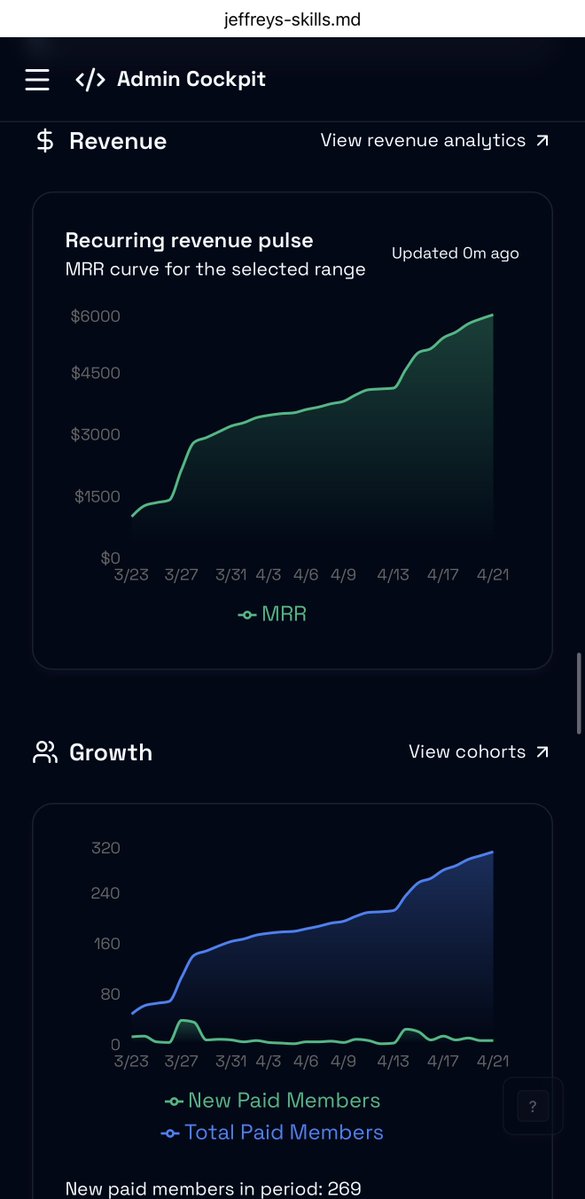
Seeking advice from people who are savvy about marketing for SaaS businesses. My jeffreys-skills.md site has been growing nicely in percentage terms since I launched it around 6 weeks ago. It should hit $6k/month in MRR today at the current growth rate (see pic from my admin dashboard). All this has been with negligible costs besides the ~5% fee to Stripe and PayPal for managing the subscriptions and billing. The site costs basically nothing to run, and I don’t offer a free tier. So far, I’ve done zero paid marketing or advertising. Instead, I’ve just been writing posts about the new skills I’ve been making and how they work. I believe the potential market for my service is pretty huge given that there are now 4 million active users of Codex alone, and many also using Claude Code. Compared to spending $200/month for GPT Pro and Claude Max, paying just $20/month for my site is pretty cheap. So my question is whether I should now start doing non-organic marketing, and if so, how? I know that if I took venture funding (I didn’t, it’s all bootstrapped and I built everything myself), investors would be pushing me to spend a lot to grow faster. But my past experience has been that paid marketing and advertising really doesn’t work very well and dramatically reduces margins. I’d basically be competing against all the other venture-backed AI startups that are burning money in an undifferentiated game. If I’m already growing ~200% a month, should I just keep doing what I’ve been doing and stick with organic content-based marketing that leverages my following on here? Maybe I should instead spend my time and energy making it easier for non-technical users to use and make more general, non-software related skills (like income taxes and wills) that can have broader appeal? Or focus more on business/teams users at a higher price point with enterprise functionality like SSO? (I’ve already built this out, but it’s a lot harder to sell those subscriptions; I don’t have a single teams customer yet!). Curious to hear what people who have been through this think. What do you suggest, @levelsio ? @dhh ? Anyone else? I appreciate any advice people can give me!
Jeffrey Emanuel tweet media
English
43
0
56
8.9K
Rabbit 🐰
Rabbit 🐰@TheDevRabbit·
@BowTiedLoon they have a unfathomable amount of training data that can be used to build out their own model and stop paying rent to openai/anthropic cursor is already used everywhere from hobbyists to enterprises, but no one uses grok models for work
English
0
0
1
27
Rabbit 🐰 retweetledi
D2 Finance
D2 Finance@D2_Finance·
Root cause now fully on-chain. The rsETH OFT Adapter on mainnet trusted a LayerZero message from EID 30320, peer 0xc3eACf06…09f58, and released 116,500 rsETH ($293.5M) from escrow in a single lzReceive call. LayerZero Scan labels that source peer “Kelp DAO.” Meaning it was Kelp’s own legitimately-deployed peer contract, with 308 prior message nonces on that pathway. This is not setPeer injection. This is key compromise on the source chain. IMPORTANT: Not a LayerZero protocol bug. An OApp peer-trust bug. Full forensics, attacker cluster, and Aave bad debt flow in the thread below.
D2 Finance tweet media
D2 Finance@D2_Finance

@dcfgod is right! rsETH exploit forensics. Live on-chain. 1/ Attacker wallet: 0x1F4C1c2e610f089D6914c4448E6F21Cb0db3adeF @aave V3 supply ladder, one wallet: 1 → 400 → 5,000 → 20,000 → 27,999 rsETH. Textbook test-then-scale. Probe with 1 token, ramp each time the prior clears. 53,400 rsETH from this wallet. ~$134M. Cluster total: ~116,500 rsETH. ~$290M. 2/ Aave V3 ETH reserve, live: Supplied: 2.71M WETH ($6.37B) Borrowed: 2.71M WETH ($6.37B) Utilization: 100% Supply APY: 7.36% Borrow APY: 8.71% That is the bank run. WETH suppliers are locked. Withdrawals blocked, as first flagged by @Marczeller. 3/ The mechanic. Attacker drained rsETH (OFT bridge vector, per initial reports). Supplied it as collateral on Aave V3 mainnet. Borrowed max WETH up to liquidation threshold. Walked. Kelp paused redemptions. Secondary rsETH liquidity cracked. Aave oracle still marks near peg. Liquidators cannot close the position at mark. The gap becomes bad debt on the WETH reserve. 4/ Loss waterfall. a. Umbrella. First live stress test of the Q4 2025 replacement for Safety Module. Will it fully slash aWETH stakers to cover the deficit? b. Residual haircut flows pro-rata to remaining WETH suppliers. c. Kelp mainnet rsETH holders are intact. Native ETH backing untouched, circulating supply unchanged. This is not a Kelp mint exploit. It is a bridge theft that became an Aave bad debt via instant cash-out. 5/ The primitive lesson. Listing an LRT, or any bridged derivative, as collateral means underwriting the entire upstream dependency stack: - Bridge config and security (@LayerZero_Core OFT here) - Mint and burn permissions - Oracle feeds and redemption mechanics - Fee contracts and wrapper logic Any single point of failure upstream becomes WETH bad debt downstream. @StaniKulechov, this is a listing-authority problem more than a token problem. If the stack cannot be fully priced and simulated, do not list it.

English
62
74
407
143K
Rabbit 🐰
Rabbit 🐰@TheDevRabbit·
@BowTiedBull hah knew those thousands of hours of league of legends werent a waste
English
2
0
3
420
WiFi Money Guy
WiFi Money Guy@WiFiMoneyGuy·
You should be running a single repo (monorepo) for your entire software project. Basically your front end and backend and anything in between lives in a single repo. I had to deal with legacy code with like 12 repos. Total mess and waste of tokens with agents.
English
2
1
19
1.9K
D2 Finance
D2 Finance@D2_Finance·
Must read for anyone in the space from @DriftProtocol. This wasn’t a smart contract exploit. It was a 6-month social engineering operation by state-level actors. Fake trading firm, real conferences, face-to-face meetings, $1M deposited to build trust. Then malicious repos and compromised devices to access the multisig. Two major exploits in two weeks ( @ResolvLabs + @DriftProtocol ), two completely different vectors, same lesson: your security perimeter isn’t just your code. It’s your infra, your people, and every device that touches signing authority. At D2, no contributor device touches signing infrastructure. HSM-backed custody via @Anchorage Digital, @TholosApp MPC with policy-level validation, and on-chain OMS constraints that bound what the operator can do even if everything else is compromised. Audit your access. Audit your people. Audit your assumptions.
D2 Finance tweet media
Drift@DriftProtocol

x.com/i/article/2040…

English
4
5
22
1.8K
Tetra | ChadFish
Tetra | ChadFish@TetraChad·
Quiz to help ppl choose a product = best funnel
English
2
0
15
793
BowTied Fullstack - Link in bio or NGMI
Tiguan, Q3, or RAV4 PHEV? Used? New? After years of enjoying the comforts of my Q7 TDI, repairs are finally too much and I probably need to replace it.
English
2
0
0
574
Rabbit 🐰
Rabbit 🐰@TheDevRabbit·
@AdamRackis - Using loaders effectively - difference between awaiting promises in loaders and not - How to use loaders + tanstack query (useSuspenseQuery, etc) - auth-walled routes - when to use beforeload and loader - tuning router defaults (pendingMinMs, preloadStaleTime, etc)
English
0
0
0
46
Adam Rackis
Adam Rackis@AdamRackis·
My TanStack Start / Router workshop is in about two weeks. What topics would you want to hear if you were attending / watching?
English
4
1
17
3K
Rabbit 🐰
Rabbit 🐰@TheDevRabbit·
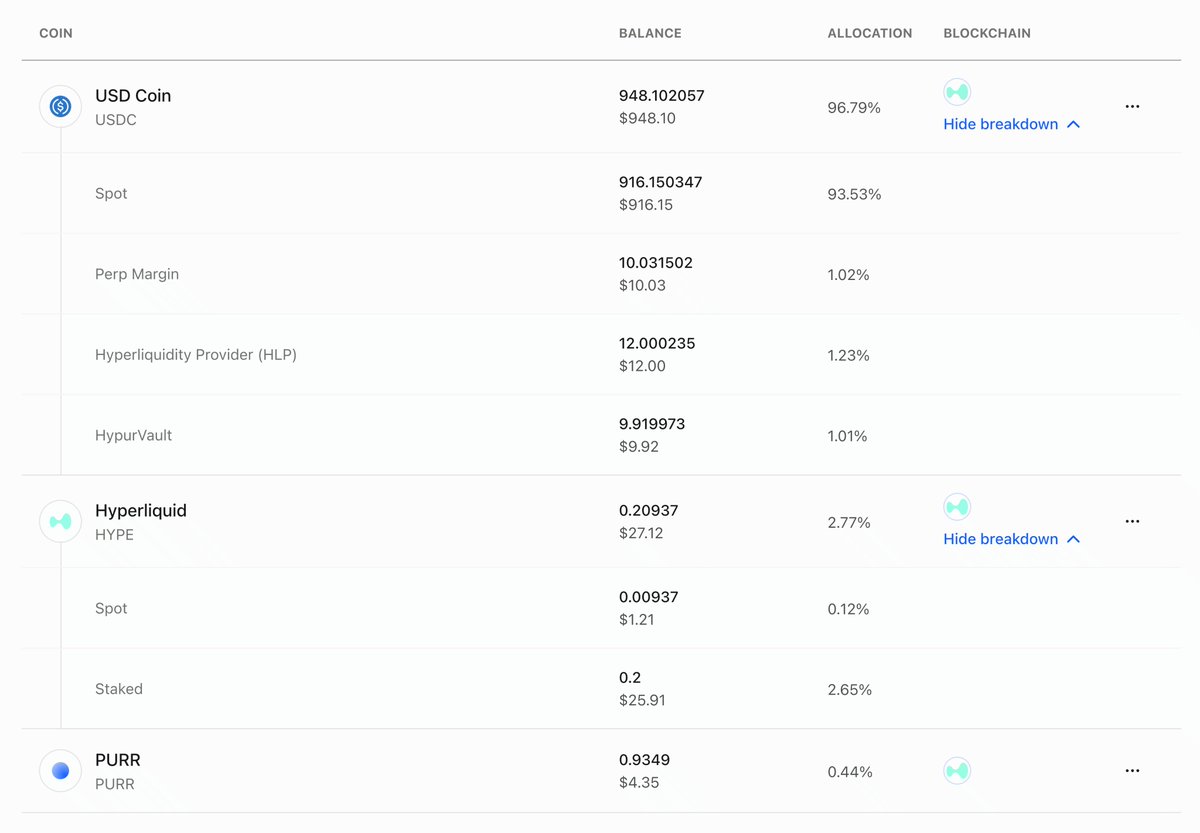
Core @HyperliquidX support thru the dashboard coming soon For now it will be limited to asset transfers + a reflection of spot assets, perp margin, and vault positions. DM me if you would like to beta test
Rabbit 🐰 tweet media
English
1
2
3
741
Rabbit 🐰
Rabbit 🐰@TheDevRabbit·
Our whole dashboard is literally all @tan_stack query + router + form + table query options auto generated from openapi via @mrlubos deployed as a simple spa on cloudflare never bet against @tannerlinsley
English
6
1
34
5.9K
Rabbit 🐰 retweetledi
Tholos
Tholos@TholosApp·
Secured by Tholos 🛡️
Simon Dedic@sjdedic

Looks like @retrimentum might really be onto something with @upshot_cards. The biggest, most expensive bundle sold out in one second. 1 single second. If you were wondering what the only thing people currently love more than trading cards is: It’s when prediction markets meet trading cards.

English
0
1
3
143
Simon Dedic
Simon Dedic@sjdedic·
Looks like @retrimentum might really be onto something with @upshot_cards. The biggest, most expensive bundle sold out in one second. 1 single second. If you were wondering what the only thing people currently love more than trading cards is: It’s when prediction markets meet trading cards.
Simon Dedic tweet media
Upshot@upshot_cards

Pre-order packs are officially LIVE. Our first-ever real cash packs are now available to secure before mainnet launch this Thursday. •⁠ ⁠Discounted bundles with free bonus packs •⁠ ⁠Supercharged prize pools •⁠ ⁠Boosted rewards & XP If you’ve been waiting for your moment to get ahead, this is it 👇 beta.upshot.cards/store

English
76
30
149
7K
Dominik 🔮
Dominik 🔮@TkDodo·
📚 Creating thin abstractions is easy, until you’re trying to build them on top of functions that heavily rely on generics. I wrote about the tradeoffs of wrapping useQuery and why type inference makes this trickier than it looks. tkdodo.eu/blog/creating-…
English
15
41
363
34.4K