
The Trading Engineer

27.9K posts

The Trading Engineer banner
The Trading Engineer

The Trading Engineer

@TheTradingEngin

Professional trader Telegram: https://t.co/1yAwlhVjlz Web: https://t.co/wThPzQvofF #forex #Cryptos #BTC #SPX #QQQ #Gold #Silver #stocks

Paris Katılım Kasım 2021
454 Takip Edilen2.2K Takipçiler
Sabitlenmiş Tweet
The Trading Engineer
The Trading Engineer@TheTradingEngin·
Website: thetradingengineer.com Instagram: instagram.com/thetradingengi… Meta: facebook.com/the.trading.en… TikTok: @thetradingengineer?_t=8Yo3aqmg19Z&%3B_r=1" target="_blank" rel="nofollow noopener">tiktok.com/@thetradingeng… LinkedIn: linkedin.com/company/the-tr… Telegram: @TheTradingEngineerSignals" target="_blank" rel="nofollow noopener">web.telegram.org/k/#@TheTrading… Youtube: @TheTradingEngineerOfficial" target="_blank" rel="nofollow noopener">youtube.com/@TheTradingEng… Linkr (eBooks): linkr.bio/thetradingengi…
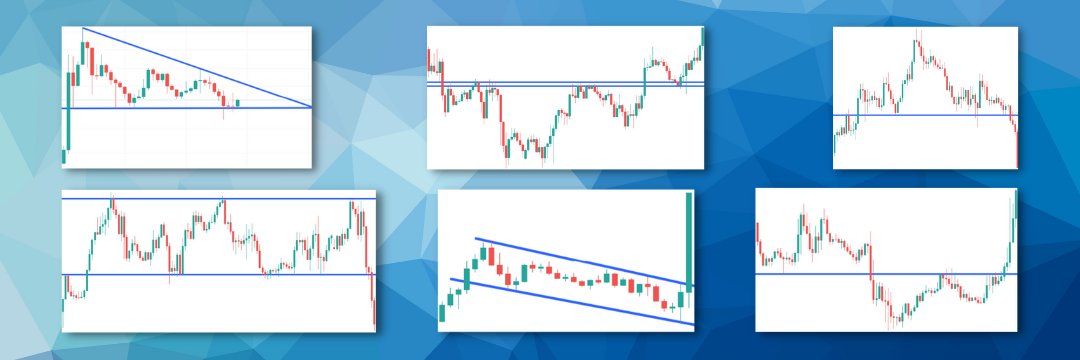
The Trading Engineer tweet media
English
3
1
7
7.8K
The Trading Engineer retweetledi
Liz Ann Sonders
Liz Ann Sonders@LizAnnSonders·
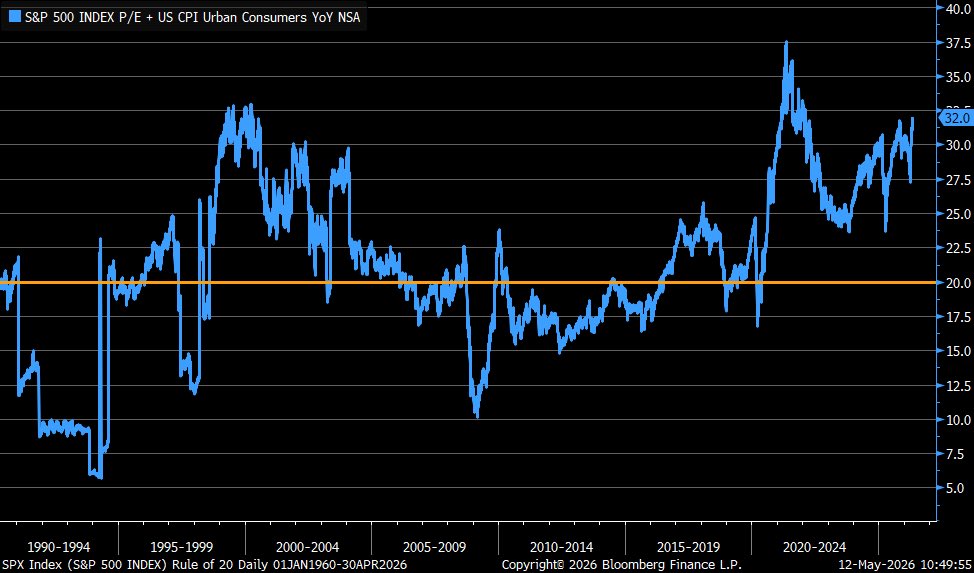
Rule of 20, which says market is fairly valued when sum of S&P 500 P/E and CPI Y/Y equals 20, is elevated at 32
Liz Ann Sonders tweet media
English
19
64
264
21.3K
The Trading Engineer retweetledi
Cauê Oliveira
Cauê Oliveira@caueconomy·
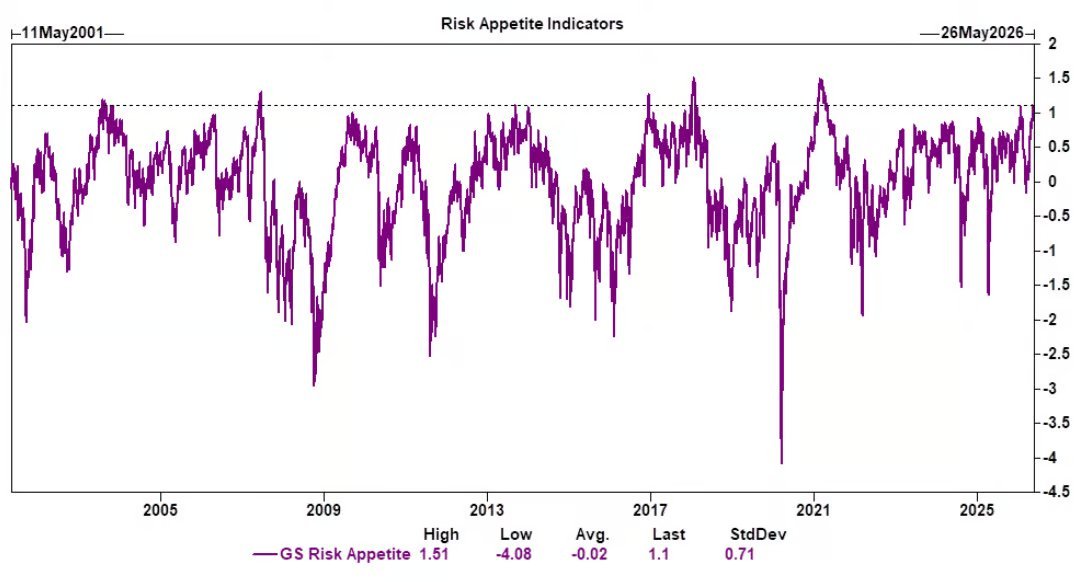
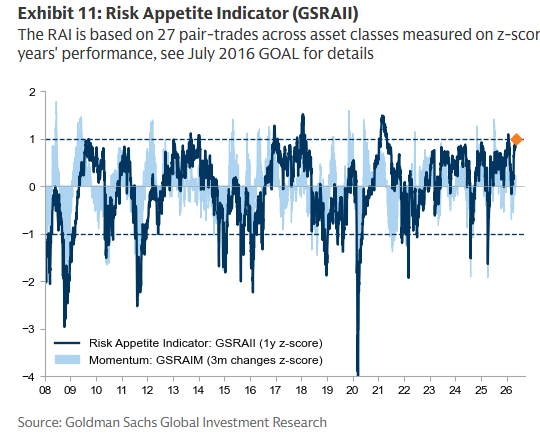
O indicador de apetite por risco do Goldman Sachs está no MAIOR NÍVEL em cinco anos. Um dos mais altos já registrados em toda a série desde 2001. Isso significa que o mercado, agregado, está com máxima disposição para assumir risco agora. Apetite por risco extremo é sinal de que o pessimismo já foi totalmente precificado para fora e que pouca coisa negativa está sendo considerada. Inclusive, isso também casa com maior exposição em calls que comentei recentemente, onde o mercado está tomando pouca proteção contra reversões bruscas. O mercado está fortemente otimista. Será que isso vai dá bom?
Cauê Oliveira tweet media
Português
2
3
79
2K
The Trading Engineer retweetledi
(((The Daily Shot)))
(((The Daily Shot)))@SoberLook·
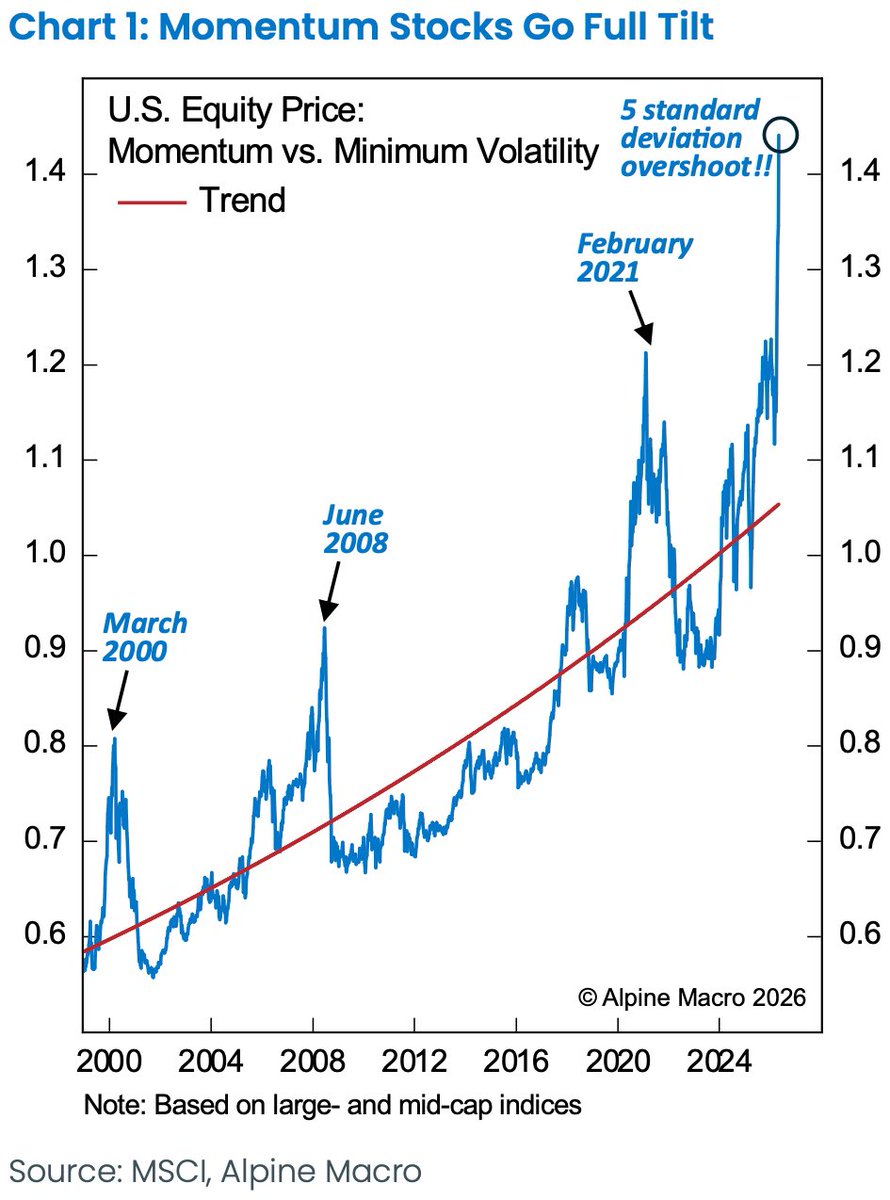
Momentum stocks are experiencing one of their sharpest rallies relative to minimum-volatility equities on record. Source: @RealAlpineMacro
(((The Daily Shot))) tweet media
English
22
171
826
182.2K
The Trading Engineer
The Trading Engineer@TheTradingEngin·
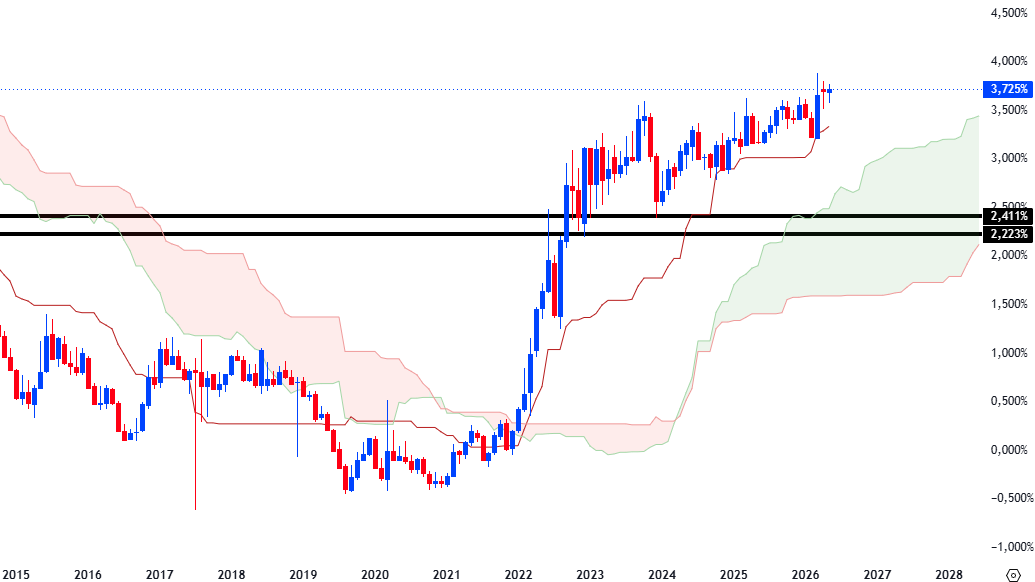
Le taux obligataire français continue de croître au-dessus de sa kijun sen mensuelle. Ca va certainement mettre la pression sur les finances françaises. Le poids des intérêts de la dette va commencer à devenir trop important.
The Trading Engineer tweet media
Français
0
0
2
115
The Trading Engineer retweetledi
Global Markets Investor
Global Markets Investor@GlobalMktObserv·
🚨The US job market is signalling a RECESSION under the surface: US household employment dropped -226,000 in April, the 4th consecutive monthly decline. 1,370,000 people have LOST a job in the US year-to-date. TAP THE IMAGE TO SEE THE FULL INSIGHT👇 globalmarketsinvestor.beehiiv.com/p/us-job-marke…
English
4
29
87
4.7K
The Trading Engineer retweetledi
John P. Hussman, Ph.D.
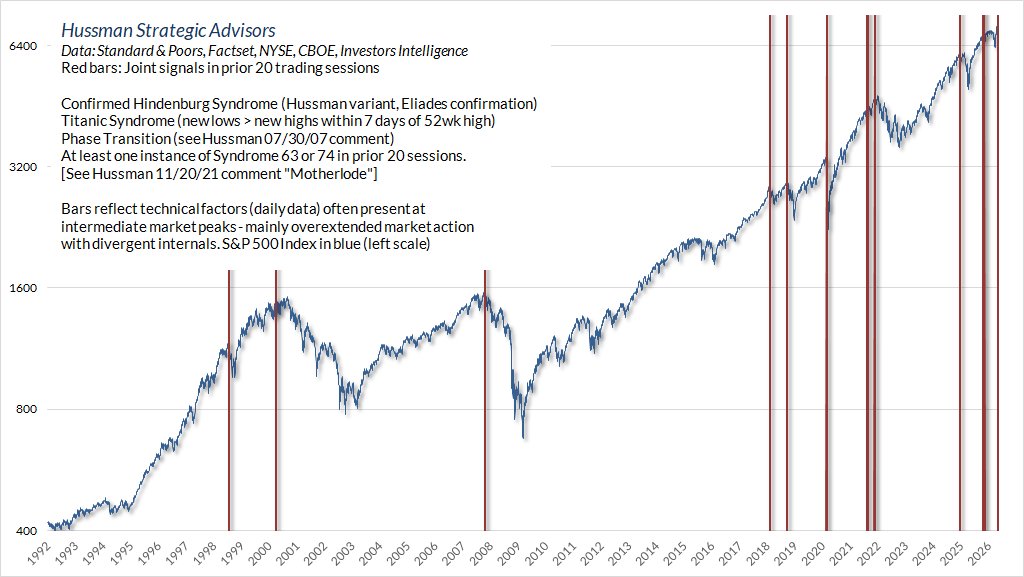
another motherlode as new lows push above new highs immediately after a 52-week high - and all the warning flags with sinister names kick in together not a forecast, not a market call, just FYI
John P. Hussman, Ph.D. tweet media
English
20
63
367
35.2K
The Trading Engineer retweetledi
Macro Charts
Macro Charts@MacroCharts·
Fascinating data from GS: “On March 27, dealer gamma positioning hit -$7.24bn – the 2nd most negative GEX print on record. Six weeks later, dealer gamma closed Friday at +$21.3bn, now the 8th highest positive GEX reading ever recorded. To put that in perspective, 7 of the top 10 highest GEX readings in history came during 2021.” “That was peak post-stimulus melt-up – retail call buying was everywhere, realized vol was suppressed, upside chasing was aggressive, and dealers were structurally long gamma… importantly, those 2021 episodes (ex-November) were not bearish omens – they were periods where the market continued grinding materially higher.” Will be interesting to see how this develops…
Macro Charts tweet media
English
6
53
273
35.5K
The Trading Engineer retweetledi
Global Markets Investor
Global Markets Investor@GlobalMktObserv·
🚨The US job market is signalling a RECESSION under the surface: US household employment dropped -226,000 in April, the 4th consecutive monthly decline. This follows -64,000, -185,000, and -895,000 in March, February, and January. This means 1,370,000 people have LOST a job in the US year-to-date. Historically, such a 4-month streak has almost NEVER happened outside of a recession. Household employment is key data to watch over the next few months.
Global Markets Investor tweet media
English
24
144
410
43.7K
The Trading Engineer retweetledi
Michael J. Kramer
Michael J. Kramer@MichaelMOTTCM·
Kospi is now almost 75% above its 200-day moving average.. Just stupid at this point.
Michael J. Kramer tweet media
English
36
32
312
23.9K
The Trading Engineer retweetledi
Mike Zaccardi, CFA, CMT 🍖
Goldman's Risk Appetite Indicator.. back near 5-year highs
Mike Zaccardi, CFA, CMT 🍖 tweet media
English
0
6
26
2.3K
The Trading Engineer retweetledi
Jay Kaeppel
Jay Kaeppel@jaykaeppel·
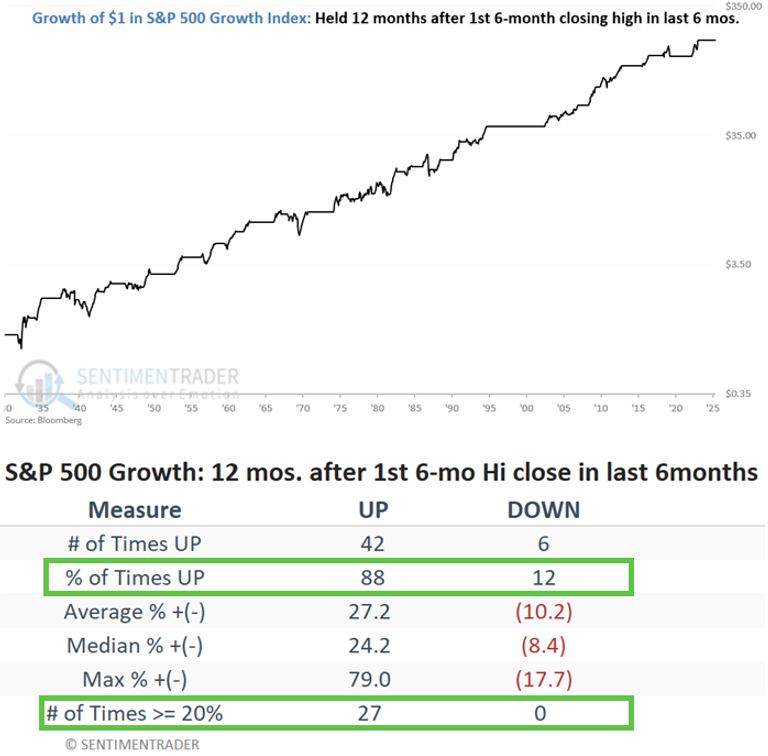
S&P 500 Growth Index closed at a 6-month high for the first time in at least 6 months at the end of April. Does this guarantee a continued advance? No. Is it a bad thing? Also No. Jay’s Trading Maxim #122: Momentum is a real “thing” in the markets. @sentimentrader
Jay Kaeppel tweet media
English
1
4
22
2.1K
The Trading Engineer retweetledi
Global Markets Investor
Global Markets Investor@GlobalMktObserv·
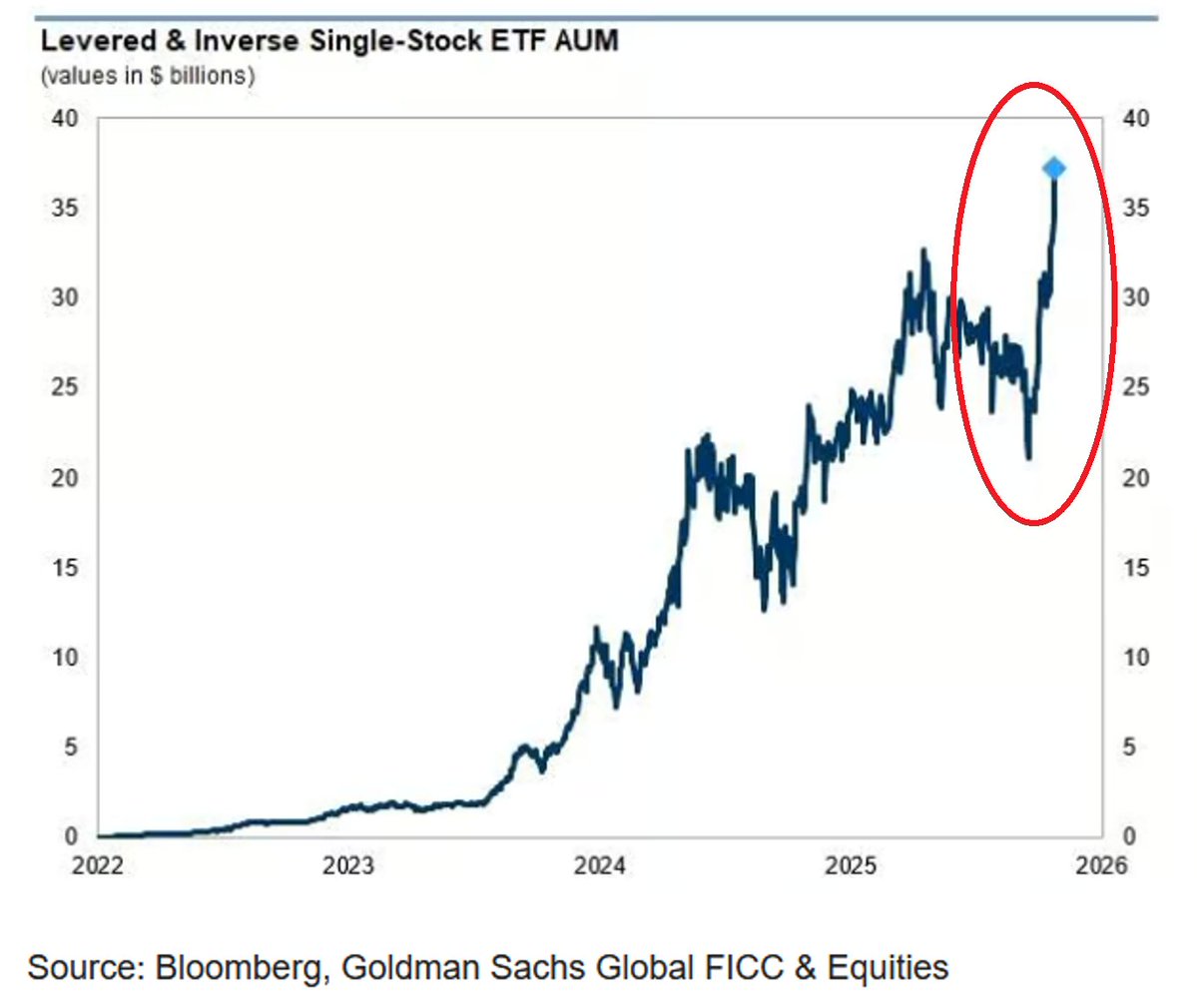
⚠️Speculation in the US market is skyrocketing: Assets under management (AUM) in leveraged and inverse single-stock ETFs have surged to a record ~$38 billion. This has QUADRUPLED since 2024. These products allow investors to bet on individual stocks moving up or down by 2 or 3 times in a single day, making them among the most speculative instruments available to retail investors. There are now 355 leveraged single-stock ETFs listed in the US, 80 of which have been launched since January 2025, according to Morningstar Direct. This is absolutely INSANE.
Global Markets Investor tweet media
English
14
45
184
16.7K
The Trading Engineer retweetledi
Kevin Gordon
Kevin Gordon@KevRGordon·
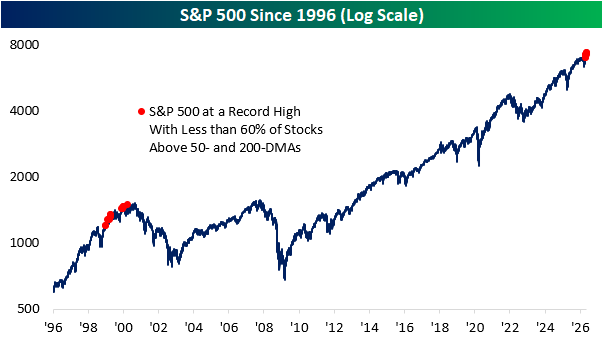
Per @bespokeinvest: The only precedent for when the S&P 500 has been at record highs while fewer than 60% of stocks were above both their 50- and 200-day moving averages: December 1998-March 2000.
Kevin Gordon tweet media
English
46
148
709
151.2K
The Trading Engineer
The Trading Engineer@TheTradingEngin·
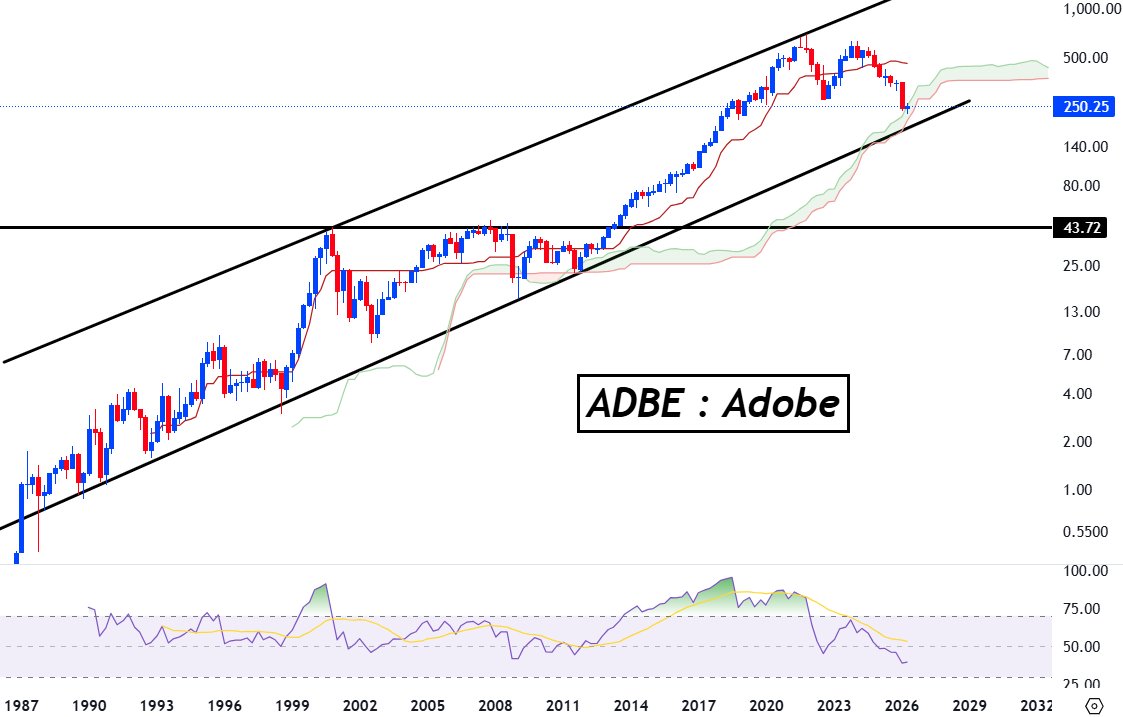
#Adobe $ADBE still in this magnificent #bullish corridor and above the 3-month Kumo of this Ichimoku system ! A lifetime opportunity to buy such a cheap stock. #SP500
The Trading Engineer tweet media
English
0
0
1
60
The Trading Engineer retweetledi
jeroen blokland
jeroen blokland@jsblokland·
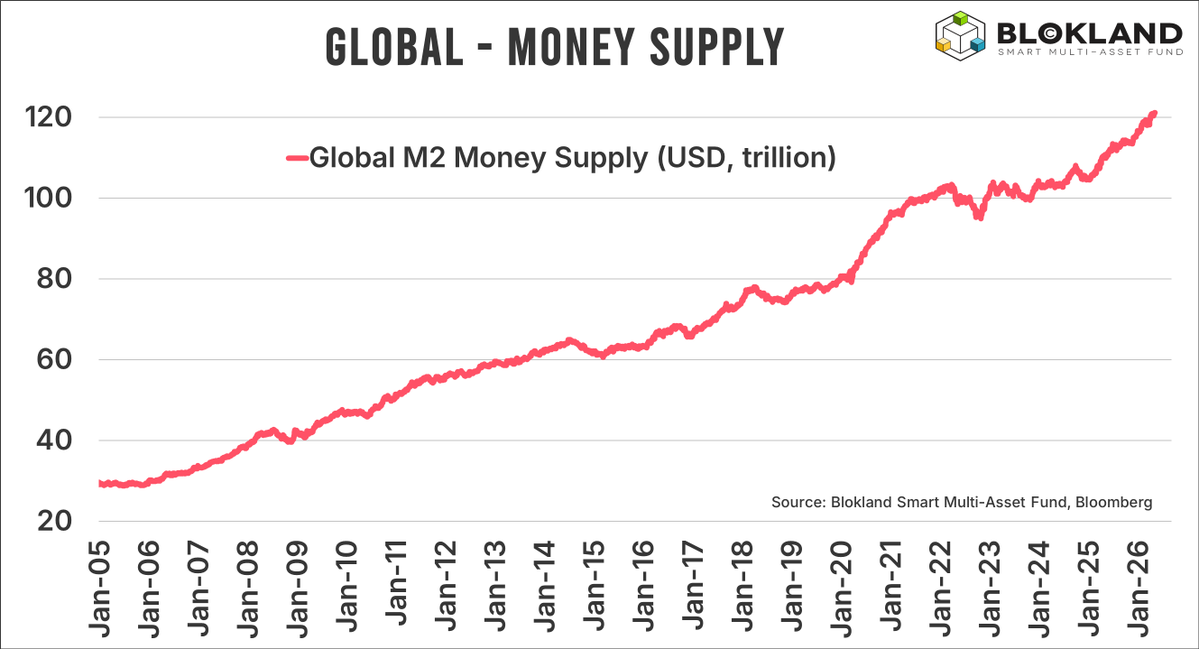
The investment world is full of assumptions, clichés, false narratives, and a striking lack of understanding about what truly drives returns and value. Inflation, despite constantly being discussed in financial media, is perhaps one of the least understood forces determining your long-term wealth. Take the way inflation is presented. We are told it is captured by some arbitrary index that supposedly reflects the average basket of goods and services consumers buy. But there is no such universal basket. Your inflation is different from that of your neighbor. More importantly, while high inflation is constantly framed as “bad,” there is rarely a direct translation to what inflation actually does to your savings and wealth. Not a single bank, asset manager, or financial institution shows you the value of your savings or investments in real terms. When you compare savings rates online, all numbers are nominal. When you open your banking app, all numbers are nominal. Even pensions show you nominal future income. Nobody shows you the estimated real return after inflation, even though the real value of your wealth is the only thing that actually determines your purchasing power. That alone is remarkable. In addition, the modern definition of inflation has become incredibly narrow. Almost nobody asks what inflation originally meant, or whether other forms of inflation matter far more than short-term changes in consumer prices. Historically, inflation referred to the expansion of the money supply. The word comes from the Latin “inflatio,” meaning swelling or blowing up. For a long time, inflation literally meant the pace of money growth in the system. Very few investors, let alone ordinary people, have any feel for this measure. And even fewer understand that, in a fiat monetary system, money with no intrinsic value and largely consisting of digital entries on a screen, money supply growth may be a far better measure of inflation for the future value of your savings and wealth. Global money supply is currently growing at an annualized pace of roughly 11%. Since COVID, global money supply has risen by approximately 53%, equal to about 7% annual growth. Since the Great Financial Crisis in 2008, the global money supply has nearly tripled, also compounding at an average annual rate of 7%. Yet because central banks remain narrowly focused on consumer price indices, and because there is so little understanding of the historical meaning of inflation and its direct relationship with money creation, very few people truly grasp how enormous inflation actually is.
jeroen blokland tweet media
English
10
46
157
37.2K
The Trading Engineer retweetledi
Andrew Thrasher, CMT
Andrew Thrasher, CMT@AndrewThrasher·
Nasdaq 100 is now over 14% above its 10-week moving average. This hasn't happened in quite a while, not since Nov. '22, Nov. '01, March '00, Nov. '99, Nov. '98, Jan. '92, Feb. '91 The proverbial rubber band is stretched. Only the '91, '98, '99 periods did price not produce a negative response.
Andrew Thrasher, CMT tweet media
English
17
30
156
19.7K
The Trading Engineer retweetledi
Peter Berezin
Peter Berezin@PeterBerezinBCA·
Outside of tech, investment spending in the US is contracting.
Peter Berezin tweet media
English
10
61
220
32.2K
The Trading Engineer retweetledi
Mike McGlone
Mike McGlone@mikemcglone11·
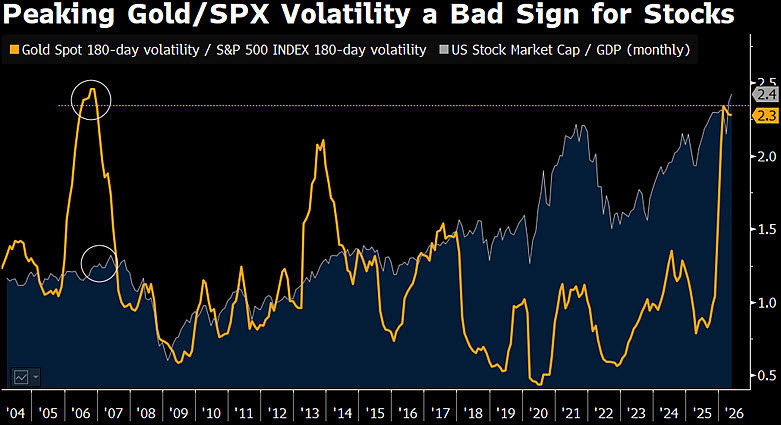
Hoping This Indicator Is Wrong? Gold Volatility Extreme peaks in gold vs. S&P 500 volatility have a tendency to front-run drawdowns in the US stock market. Is it different this time? My graphic of the spread between gold and SPX volatility on the same scale as the stock market's cap-to-GDP might highlight why most investors hope this indicator is no longer valid. The metal's 180-day volatility at 2.3x the S&P 500's is the highest since 2006. What's notable is that the peak in the gold/SPX volatility spread at roughly 2.5x 20 years ago preceded the drop in market cap-to-GDP to the 2009 trough near 0.6x from the 2007 peak around 1.3x. Gold has made the rare shift to volatile risk asset from store of value, which often marks price peaks. What of stocks? My take is that, at 2.4x GDP, the market is the economy and risks a typical post-inflation deflation cycle. Full report on the Bloomberg here: blinks.bloomberg.com/news/stories/t… {BI COMD} #gold #stockmarket @BBGIntelligence
Mike McGlone tweet media
English
10
45
149
13.3K
The Trading Engineer retweetledi
Global Markets Investor
Global Markets Investor@GlobalMktObserv·
‼️Semiconductor valuations are at EXTREME levels: The Philadelphia Semiconductor Index, $SOX, is trading at a price-to-sales ratio of ~9, more than 4 times the level seen in 2013. This comes as $SOX has surged more than +50% over the last 25 trading sessions, the strongest 25-day rolling performance since March 9, 2000. That date is telling: one day later, the Nasdaq peaked and went on to shed ~80% of its value over the following 3 years. Furthermore, every single stock in the SOX index has gained +14% or more over this period, with Intel, $INTC, Credo Technology, $CRDO, and Astera Labs, $ALAB, each surging more than +100%. History does not repeat, but it often rhymes.
Global Markets Investor tweet media
English
9
28
118
12.3K