Tom Mauchline 🤠 retweetledi

A Blairite, a Brownite, a Corbynite and a Starmerite walk into a bar
The barman asks:
“What are you having, Andy?”

English
Tom Mauchline 🤠
17.7K posts

@TomMauchline

Our mayoral, council and Senedd campaigns were rooted in fighting to end the housing affordability crisis, and voters have spoken. We need action to end rip-off rents now. So newly elected Green Mayors @ZoeGarbett and @LiamShrivastava alongside Carla Denyer MP have written to the government to demand a Rent Controls Bill in the King’s Speech tomorrow.


Thrilled to be here with the Mamdani admin for the release of the SPEED task force recs to cut red tape and reduce time at every step to deliver housing faster. “The process of building the affordable housing we need to lower costs is too onerous and too slow.” -@NYCMayor
Labour MP: Bond markets ‘will have to fall into line’ with Burnham agenda bit.ly/4u9ETgH

The 3m-2y spread is the highest since November 2022


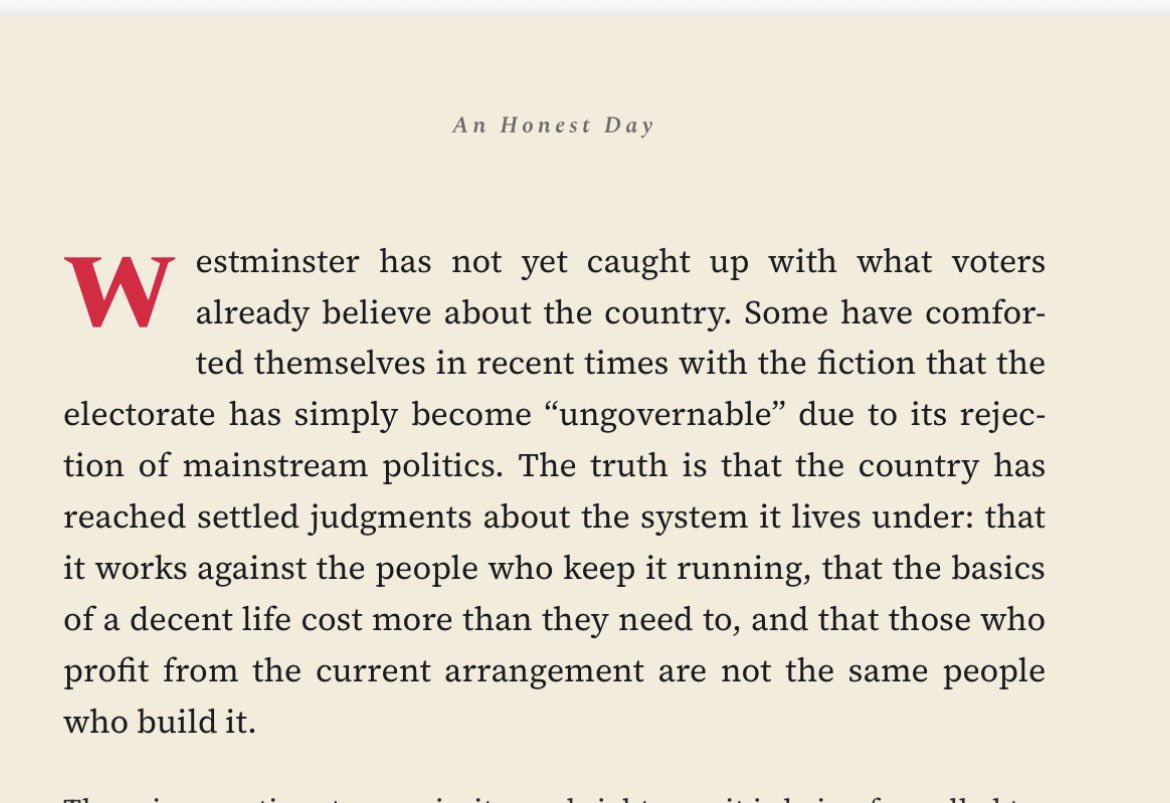
This is for the people who do the work. The nurses doing double shifts. The teachers who stay late. The plumbers, the carers, the small builders, the people running shops. The graduates trying to build a life. The founders who chose to build something here. Britain has stopped being a country that backs them. Over 40 years of political choices Britain has built an economy where owning things pays better than building them. Holding scarce land. Holding protected market positions. Holding the right credentials. Holding the right postcode. Gaming process. Capturing public money meant for someone else. These have become safer routes to reward than working, investing, teaching, caring, manufacturing or taking productive risk. This isn't a conspiracy. It's the predictable result of a state that has lost the ability to build, decide, enforce and shape markets in the public interest. The planning system rations land. The energy system rations power. Capital fails to scale British firms. Regulation protects incumbents and crushes challengers. Tax falls hard on work and lightly on position. Government compensates people for the costs this creates. But in rationed markets, that compensation is often captured by the same scarcity that made it necessary. Public money flows through broken systems and strengthens the very interests that broke them. Fiscal space shrinks. The state becomes more cautious, less capable, more dependent on the processes that created the failure. The loop tightens. An Honest Day is a new economic settlement for Britain. The shift required is from a distributive state to a capable one. Support people now. Reform the scarcity that makes support necessary. Reward action, not position. Read it now labourgrowth.co.uk


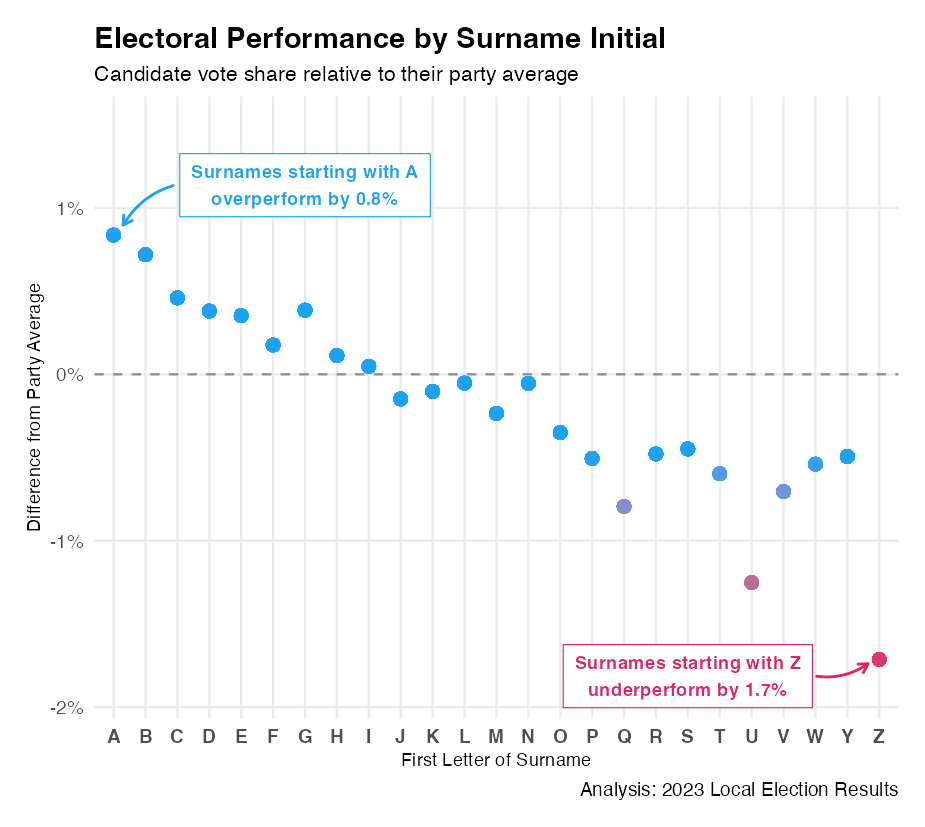
Now the dust has settled from the local elections, it's time to talk about vote-rigging. In particular, the way in which a sinister force has been manipulating British democracy in council after council, year after year. That force? The goddamn alphabet. (1/?)

Polychromy is archaeologists finding traces of the underpainting layer and then pretending finely crafted sculptures were handed to pre-schoolers to paint by number. They even get frustrated by how much “red hair” they find- red is used in underpainting to build warmth for brown.


Hospital staff thought woman, 24, struggling to breathe was 'overreacting' and spent hour in corridor with oxygen mask 'not connected to anything' before she died, inquest hears trib.al/TTMZlWp

THE CASE FOR MANCHESTERISM by @DantonsHead Ask someone in Wythenshawe or Rochdale whether the buses are better than they were three years ago and they will say yes. Greater Manchester’s Bee Network is the most instructive public transport experiment in Britain not because it is radical in design but because it works. Since franchising began under Andy Burnham’s leadership, passenger numbers have risen for the first time in a generation. Routes have expanded into communities that private operators had abandoned as insufficiently profitable. Fares are capped at levels the deregulated system could not deliver. The model is now spreading. A public operator optimising for coverage and frequency rather than fare recovery serves a social need that private calculation screens out, while reducing system costs through public coordination. Manchesterism works. Public control of essentials reduces the cost of provision by eliminating the privatisation premium and lowering coordination frictions, which in turn reduces the fiscal transfers required to make essentials accessible – progressively deflating the upward pressure on public spending that currently exposes the country to the harsh judgement of bond markets. Rebuilding public provision is not the alternative to fiscal prudence. It is fiscal prudence. What has been done for buses can be done with similar ambition for energy, water, housing, and care. The architecture operates at multiple scales simultaneously: national corporations for network infrastructure like energy and water, regional and municipal authorities for transport and housing, municipal providers for care and local services. The institutional template is already being built, sector by sector, in the places that have chosen to reclaim public control. That is why this is an argument for Manchesterism rather than a blueprint for Whitehall – its political character is decentralised, plural and democratically accountable. The question is whether national politics has the ambition to match it.