James O'Brien begins by explaining that @LBC is a business, & the good thing about government raising corporation tax, is it'll help make companies improve our country
LBC is part of Global Radio Group Ltd (Jersey), they're based overseas & pay £0.00 in corporation tax
#OBINGO
Imagine if you ran a branch of Greggs but you got fired for being corrupt. So one day you got everyone to storm Greggs and smash it up, and your only punishment is Greggs asking you back to run a Greggs again. That’s basically America.
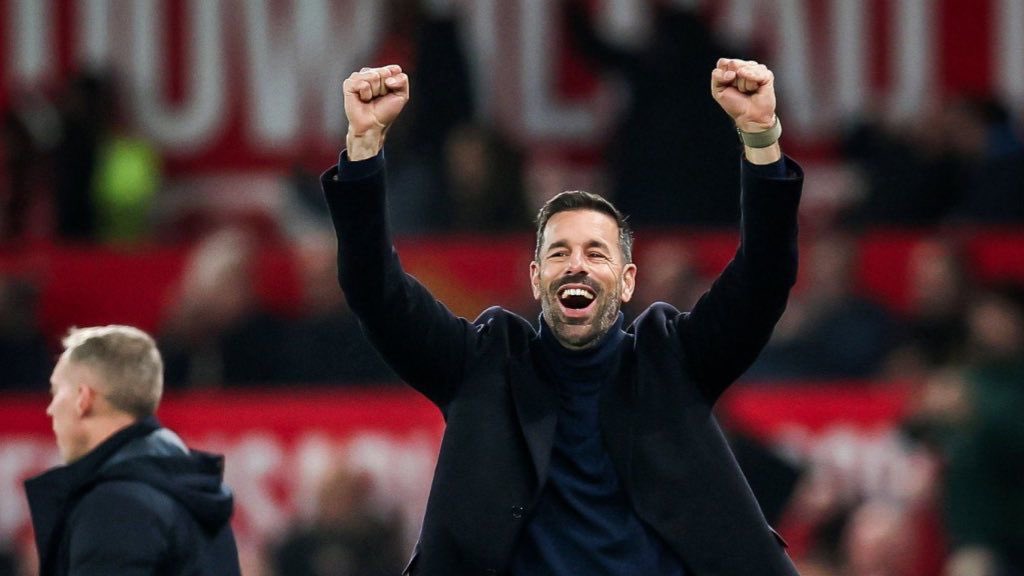
Nice to see Ruud jumping around for a change 😉. Think I’ll send him my book to congratulate him. It’s released tomorrow, if you’d also like one you can get it here: linktr.ee/martinkeownbook
@pub_that All of this means we have to keep putting prices up, which results in bigger VAT returns for the treasury, right up until the moment we go out of business.
If rumours are true then hospitality biz face an announcement of ⬆️ Employer National Insurance ⬆️ Living Wage + Lowering the age threshold ⬆️Business Rates & possible ⬆️ Beer duty. Without any offset to these costs for small biz it will surely close many and cost jobs.
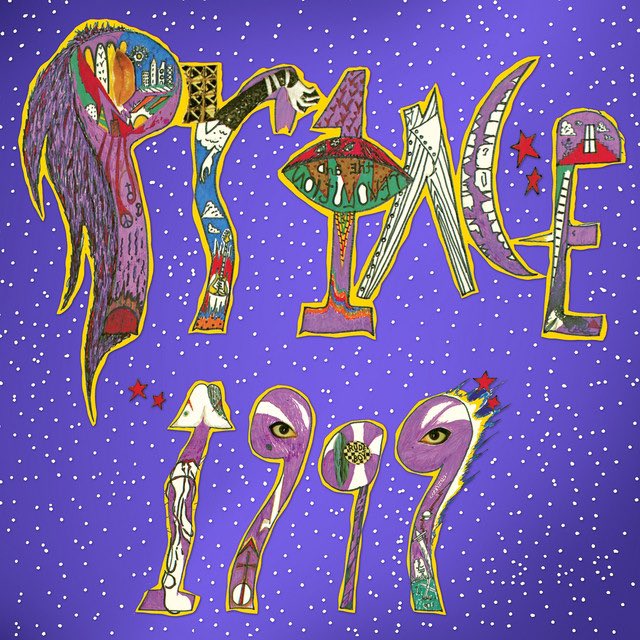
NAME THAT FAVORITE TRACK! 42 Years Ago Today, Prince releases 1999.
1999
Little Red Corvette
Delirious
Let’s Pretend We’re Married
D.M.S.R.
Automatic
Something In The Water (Does Not Compute)
Free
Lady Cab Driver
All The Critics Love U In New York
International Lover
The Chancellor of the Exchequer has just told my colleague Joel that if - as expected - she increases what employers pay to the government in national insurance that would be consistent with the Labour Party's manifesto promise not to "increase national insurance".
Rachel Reeves's argument is that the party meant only the national insurance paid directly by employees, not the national insurance that employers are obliged to pay on behalf of their staff.
She implies that we should all have been prepared for a possible rise in employers' NI because the manifesto qualifies its pledge not to increase this tax on income with the caveat that a Labour goverrnment "would not increase taxes on working people".
In other words, Reeves is insisting that we should all have known that increasing employers’ NI could be on its way under a Labour government because - on her definition - employers' NI is not a tax on working people.
She seems to believe that a rise in employers' NI would hurt only the owners of the business.
Reeves ignores that many employers would attempt to recoup this increased employment cost by limiting pay rises.
Alternatively if Reeves' goes her seemingly preferred route of levying NI on the pension contributions made by employers for their employees, employers are bound to respond by freezing those pension contributions, or cutting them where they are above the statutory minimum.
Any such response would hurt working people. It would have a clear and harmful impact on their future pensions, their income in retirement.
In economic terms, putting up employers' NI is unambiguously the quacking duck of an attack on working people. It only quacks slightly less loudly in politics if most voters expect all politicians to play fast and loose with the commonsense meaning of manifesto commitments.
Reeves and Starmer desperately need the many billions of pounds that would be raised from this NI rise to help fix public services. But if on 30 October they announce it, as I expect, they won't achieve their aim of restoring trust in what ministers say.