Sabitlenmiş Tweet
GeopoliticsAfricaTv
16.2K posts

GeopoliticsAfricaTv
@TvGeopolitics
King Saciid Diiriye, Founder, DirAfar National Congress (DNC) Geopolitics Africa TV | DirAnfar Nation, Abraham Accord Normalisations with Israel & Somaliland
London, England Katılım Eylül 2022
9.6K Takip Edilen11.8K Takipçiler

Turkey Defies U.S. Warnings, Bolsters Somalia’s Military with Lethal Akinci Drones - Defence Security Asia defencesecurityasia.com/en/turkey-defi…
English

Turkey Wants Ballistic Missile Test Range, Spaceport in Somalia - Bloomberg bloomberg.com/news/articles/…
English

Geopolitics Africa TV | Opinion
Thursday , May 22, 2025
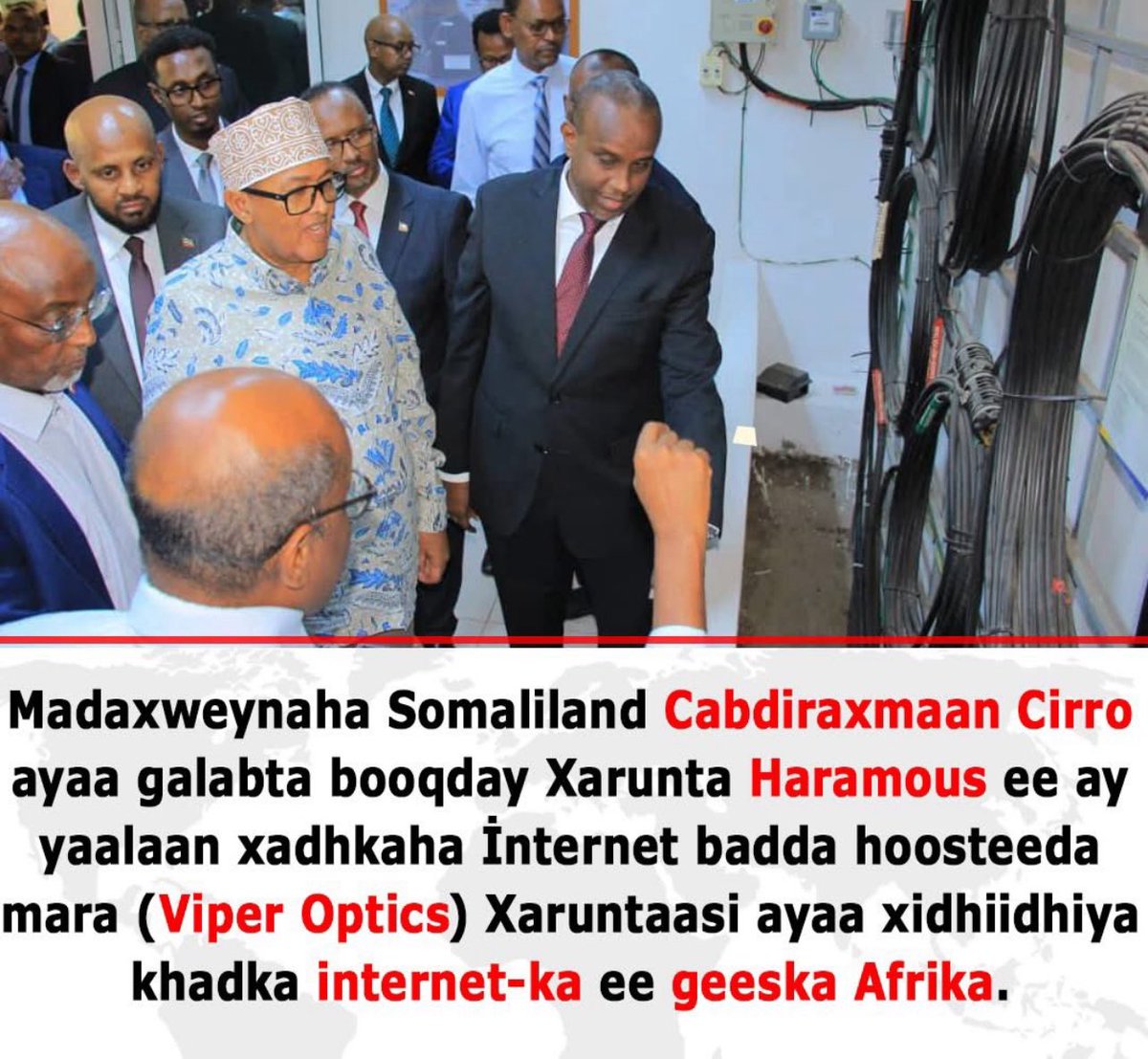
OPINION | “ Who Controls the Cables, Controls the Country ”: Somaliland’s Digital Sovereignty Crisis
HARGEISA, SOMALILAND — More than three decades after declaring independence, Somaliland remains trapped in the digital grip of foreign powers. Its international dialing code is still Somalia’s. Its internet flows through Djibouti. Its airspace is controlled by Mogadishu. And now, new evidence reveals that telecommunications and financial systems within Somaliland are being quietly operated — and possibly surveilled — by companies with ties to Al Ictisaam, a hardline ideological movement hostile to Somaliland’s very existence.
This is not a digital inconvenience. This is a full-scale compromise of national sovereignty — and it is being allowed to happen in plain sight.
The core of the problem lies in what Somaliland does not control: the submarine internet cables that carry its data, the airspace that governs its skies, the telecom systems that power its communications, and the financial technology networks that now hold the economic lifeblood of a cashless society. And at each of these critical junctions, Djibouti and Mogadishu are in control.
Even more concerning, private companies operating under the influence of Al Ictisaam have quietly embedded themselves into Somaliland’s digital infrastructure. Their networks carry not only civilian data but the sensitive communications of government ministries, the armed forces, law enforcement agencies, the intelligence service, and members of parliament. These companies are not accountable to Somaliland’s public or its laws. They are accountable to foreign ideologies and foreign governments.
This isn’t a theoretical risk — it’s an active one. Insiders within the telecom and fintech industries acknowledge that foreign surveillance of Somaliland’s communications is ongoing and systematic. Calls, messages, transactions, and emails are all vulnerable to interception. In a region as geopolitically volatile as the Horn of Africa, this is not simply a cybersecurity issue. It is a matter of national survival.
And yet, the Somaliland government has done next to nothing.
Officials continue to use unsecured platforms for sensitive affairs. Ministries rely on foreign-routed internet. Parliamentarians communicate through apps connected to foreign servers. Intelligence agencies and law enforcement agencies operate as if the threat doesn’t exist.
This level of negligence is no longer tolerable. If this government knowingly allows companies aligned with ideological extremists or foreign regimes to operate within its digital ecosystem, it is engaging in an act that borders on high treason. A nation cannot claim independence while surrendering its most vital systems to its adversaries.
What Somaliland Must Do Now:
•Immediately replace the +252 Somalia telecom code with an internationally recognized Somaliland code.
• Establish full national control over internet infrastructure, including submarine cable access and landing rights.
• Audit all telecom and fintech providers for foreign ownership, ideological influence, and security vulnerabilities.
• Ban companies affiliated with extremist networks or foreign intelligence services.
• Establish a National Cybersecurity and Digital Sovereignty Agency.
• Codify digital sovereignty as a constitutional right and national security imperative.
No modern state can afford to outsource its digital backbone — especially not to those who oppose its existence. The fact that Somaliland has done so for decades is not just a tragedy. It is a strategic catastrophe.
If the government of Somaliland fails to act now, it will be remembered not for defending independence — but for quietly giving it away, one compromised connection at a time.
Geopolitics Africa TV | Opinion
We investigate the silent wars shaping the future of Africa.
Follow us on X: @TvGeopolitics

English

Plugged into the Enemy: Why Somaliland Must Ditch Djibouti’s Cables and Somalia’s +252 Code
Geopolitics Africa TV | Opinion
21 May 2025
While shouting independence from rooftops, Somaliland is still digitally shackled to its enemies. Internet? Routed through Djibouti’s dictatorship-controlled undersea cables. Phone system? Still tied to Somalia’s +252 country code. The result? A national security disaster hiding in plain sight.
Djibouti’s regime, openly hostile to Somaliland’s sovereignty, has full control over digital gateways. That means every government message, financial transaction, and citizen’s data is exposed to a state actively working to undermine Somaliland. Add Somalia into the mix, with direct telecom influence via +252, and you’ve got the entire nation vulnerable to surveillance, sabotage, and cyber control.
Meanwhile, Somaliland’s government remains embarrassingly silent. No plan for independent infrastructure. No diplomatic offensive. No urgency to protect its own people’s privacy and data from foreign powers.
If Somaliland is serious about sovereignty, it must cut the cables, claim its own dialing code, and build national digital infrastructure under full Somaliland control — not Gelleh’s or Mogadishu’s.
Until then, independence remains a flag on the wall, not a firewall in the ground.
⸻
Geopolitics Africa TV
“Uncensored, Unfiltered, Unafraid”
@politico @thehill @axios @PunchbowlNews @Newsweek @dailycaller @NRO @freebeacon @BreitbartNews @nytimes @washingtonpost @cnnpolitics @FoxNews @NBCPolitics @CBSNews @ABCPolitics @AP_Politics @RealClearNews @TheAtlantic @ForeignPolicy @DailySignal @townhallcom @theintercept @jacobin @MotherJones @slate @voxdotcom @CatoInstitute @Heritage @AEI @brookingsinst @CSIS @CNASdc @foreignaffairs @POTUS @mrubin1971 @AtlanticCouncil @HudsonInstitute @ragehomaar @yGabobe @RAbdiAnalyst @EgehKhadar @SaeedDhegarog @nura_ayn @HagiHibo @steve_hanke
@HouseForeignGOP @RepChrisSmith1

English
GeopoliticsAfricaTv retweetledi

OpenAI to buy Jony Ive’s io for $6.4bn in hardware push ft.com/content/8ac403…
English

GEOPOLITICS AFRICA TV | OPINION | 21 MAY 2025
SURRENDER IN REAL TIME: IRRO KNEELS TO DJIBOUTI DICTATOR – NO FLAG, NO PRIDE, NO PLAN
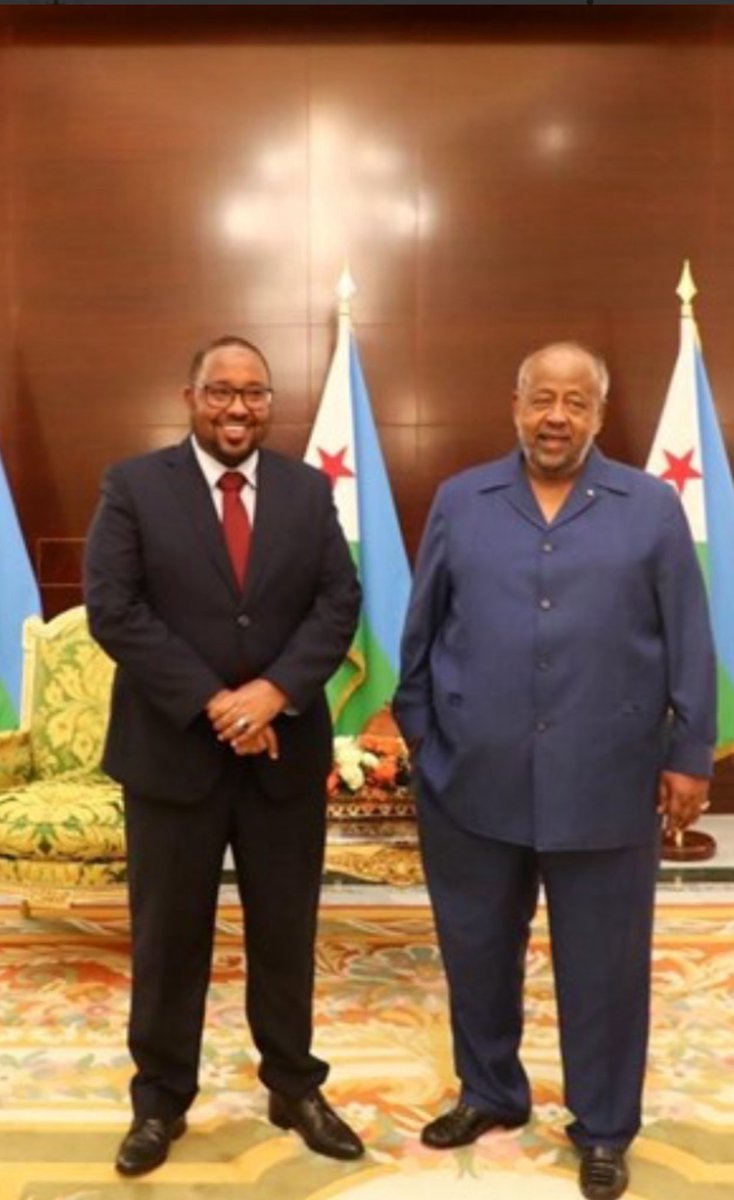
As Somaliland soldiers remain imprisoned in Lasanood and enemy militias consolidate control over the Eastern Sool region, President Irro has today chosen to shake hands with Somaliland’s number one regional adversary: the Djibouti dictatorship of Ismail Omar Guelleh.
There was no Somaliland flag behind Irro during his visit — only the Djiboutian one. The symbolism could not be louder: this wasn’t diplomacy, it was submission.
Instead of going to Washington D.C. to request U.S. backing against China’s aggressive interference in Somaliland via SSC-Khatumo proxies, Irro chose to kneel before a regime that has long worked to undermine Somaliland’s independence and helped fund Islamist-aligned actors.
This is not leadership, it’s appeasement. While China, Turkey, and Qatar openly engage with SSC-Khatumo—arming and legitimising them—Irrro’s administration has failed to launch either a political or military strategy to rescue Somaliland POWs or regain sovereign territory.
Somaliland troops remain stranded around Oog, immobilised since Muse Bihi’s retreat, and yet the Irro administration is busy entertaining backchannel negotiations with the very actors destabilising the nation.
And the shadow behind the curtain? Al Ictisaam. Its Islamist influence quietly spans both the Bihi and Irro governments. Add to that Dahabshiil and Hormuud, and it becomes clear: Irro is protecting special interests—not the Republic of Somaliland.
No resistance to China. No bold diplomacy with the West. No demands for POWs. No flag behind the President.
Somaliland’s sovereignty is not just under threat — it’s being traded away.
@politico @thehill @axios @PunchbowlNews @Newsweek @dailycaller @NRO @freebeacon @BreitbartNews @nytimes @washingtonpost @cnnpolitics @FoxNews @NBCPolitics @CBSNews @ABCPolitics @AP_Politics @RealClearNews @TheAtlantic @ForeignPolicy @DailySignal @townhallcom @theintercept @jacobin @MotherJones @slate @voxdotcom @CatoInstitute @Heritage @AEI @brookingsinst @CSIS @CNASdc @foreignaffairs @POTUS @mrubin1971 @AtlanticCouncil @HudsonInstitute @ragehomaar @yGabobe @RAbdiAnalyst @EgehKhadar @SaeedDhegarog @nura_ayn @HagiHibo @steve_hanke
@HouseForeignGOP @RepChrisSmith


English

Geopolitics Africa TV | Opinion
May 21, 2025
Treacherous Inaction: Somaliland’s Current Government Fails to Reverse Muse Bihi’s Disasters, Lets SSC Militias Hold Territory, POWs & Invite Foreign Meddling
If the last government dropped the ball, the current one has kicked it straight into enemy hands.
Despite taking office with bold promises of restoring order and dignity, the current administration in Hargeisa has not only failed to reverse the strategic implosions of the Muse Bihi era—they’ve somehow managed to normalize them.
Let’s start with the most egregious scandal: the continued illegal occupation of eastern Sool by the so-called SSC-Khatumo militia, who now control wide swathes of Somaliland territory—territory paid for in blood and buried flags. More than that, they’re holding hundreds of Somaliland soldiers hostage—including senior military commanders—while the government stands by like a stunned spectator.
No military rescue.
No diplomatic breakthrough.
Not even a solid press statement with backbone.
Instead, the Somaliland army remains stranded and immobile in Oog, the very same fallback position chosen during the Goojacade debacle two years ago when Muse Bihi’s regime made its infamous “strategic withdrawal” (also known in military terms as “abandonment”).
Meanwhile, the SSC-Khatumo faction—which publicly aligns with Federal Somalia—is not only hosting Somali PMs inside captured Somaliland towns, but also openly building foreign alliances. They’ve courted Qatar, Turkey, and China, with Beijing leading the charge in retaliation for Hargeisa’s ties with Taiwan. SSC officials have reportedly met Chinese, Turkish, and even Western diplomats—from Mogadishu, not Hargeisa.
But while foreign actors feed this proxy war and the army remains tied down in defensive paralysis, there’s a darker, more insidious influence at play: the quiet but deliberate rise of Al Ictisaam, the secretive Islamist faction rooted in political Salafism.
Al Ictisaam is no ordinary religious movement. It has penetrated deep into the political bloodstream of Somaliland, influencing policy and ideological direction under both Muse Bihi’s administration and the current Irro government. Cloaked in religious conservatism but operating with political cunning, it has helped shape the government’s passivity, discouraged bold defense strategies, and even pushed behind-the-scenes appeasement narratives toward foreign-backed insurgents.
And Somaliland?
Silent. Spineless. Possibly complicit.
No international challenge. No protest. No legal case. Not even a symbolic slap-on-the-wrist. China is treating Somaliland like a rogue province, arming militias and undermining sovereignty, and the government is still trying to “negotiate” through third-party mediators—possibly the same ones bankrolling the SSC movement.
In any other functioning country, this would be called what it is:
High treason.
And yet here we are, with a government too afraid to confront its enemies, too weak to free its soldiers, and too confused to defend its own borders. Inaction has become policy. Cowardice, the new doctrine.
This isn’t a case of national crisis—it’s national collapse in slow motion, dressed up in political suits, muted mosques, and vague committee meetings.
While Hargeisa fumbles and fidgets, Somaliland’s sovereignty is being shredded, one town, one soldier, and one handshake with China at a time.
⸻
Geopolitics Africa TV | Opinion

English
GeopoliticsAfricaTv retweetledi

Opinion | Geopolitics Africa TV
Why Is Somaliland Rewarding Its Biggest Regional Enemy?
By Geopolitics Africa TV | May 20, 2025
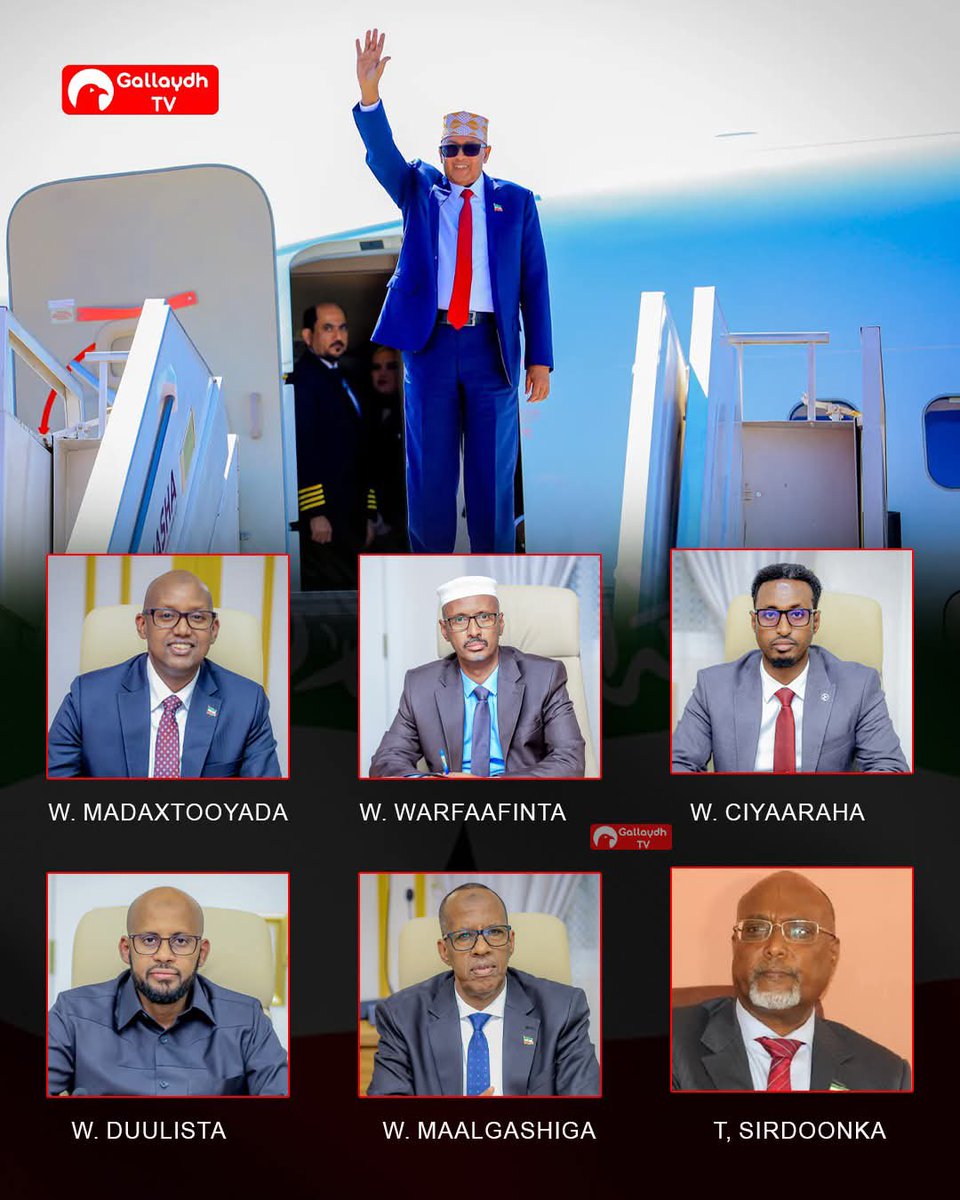
This week, Somaliland President Abdirahman Irro made Djibouti his second official foreign visit—a move that raises urgent and uncomfortable questions about the government’s priorities, strategy, and national security awareness.
Djibouti is not just an unfriendly neighbor. It has been one of the most aggressive and consistent opponents of Somaliland’s sovereignty for decades. The regime of Ismail Omar Guelleh, one of Africa’s longest-ruling and most autocratic leaders, has not only refused to recognize Somaliland’s independence but has actively tried to block it.
Djibouti’s Hostility: The Facts
Earlier this year, as Somaliland and Ethiopia signed a historic Memorandum of Understanding (MOU), Djibouti offered Ethiopia 100% control of one of its ports to derail the Somaliland-Ethiopia agreement. This wasn’t diplomacy — it was sabotage.
Only this week, the Djiboutian regime invited the so-called Minister of Health of the SSC-Khatumo faction—a militia-backed administration occupying parts of Somaliland’s eastern Sool region—to Djibouti for official talks. The SSC militia has openly taken Somaliland soldiers hostage and destabilized the region with the support of Somalia’s federal government.
Yet, inexplicably, there has been no official protest from Hargeisa. No expulsion of Djiboutian representatives. No diplomatic counteraction. Instead, the Irro administration appears to be rewarding Djibouti’s interference with diplomatic recognition and state visits.
A Question of National Security — or Business Interests?
This raises serious questions: Is Somaliland’s foreign policy being driven by national interest, or by the business interests of powerful elites—especially those tied to the Dahabshiil conglomerate and Al Ictisaam-linked institutions, who have long protected their Mogadishu-based financial and telecom partnerships?
Has Somaliland’s hard-won independence become expendable in the face of corporate appeasement and quiet backroom deals?
We Have No Common Ground
Somaliland is a pluralistic democracy, built on consensus and driven by a desire for international legitimacy. Djibouti, by contrast, is a dynastic dictatorship that hosts Chinese 🇨🇳 bases and sponsors anti-Somaliland militias.
To continue engaging with such a regime — without demanding respect for our sovereignty — is not diplomacy. It is defeatism.
The people of Somaliland deserve clarity, strategy, and leadership grounded in principle. They do not deserve a government that turns a blind eye to open hostility while chasing meaningless handshakes with regional saboteurs.
@BreitbartNews @nytimes @washingtonpost @cnnpolitics @FoxNews @NBCPolitics @CBSNews @ABCPolitics @AP_Politics @RealClearNews @TheAtlantic @ForeignPolicy @DailySignal @townhallcom @theintercept @jacobin @MotherJones @slate @voxdotcom @CatoInstitute @Heritage @AEI @brookingsinst @CSIS @CNASdc @foreignaffairs @POTUS @mrubin1971 @AtlanticCouncil @HudsonInstitute @ragehomaar @yGabobe @RAbdiAnalyst @EgehKhadar @SaeedDhegarog @nura_ayn @HagiHibo @steve_hanke
@HouseForeignGOP @RepChrisSmith1
@addisstandard @zborkena @MOFA_Taiwan


English
GeopoliticsAfricaTv retweetledi

Geopolitics Africa TV | Analysis
Editorial Board | May 21, 2025
Al Ictisaam’s Infiltration of Somaliland Government Threatens Core National Values
Irro’s Visit to Djibouti Raises Alarms of Possible Betrayal
Somaliland stands at a precarious crossroads. The principles that have long defined this self-declared republic — sovereignty, territorial integrity, and independence — appear increasingly imperiled under the current administration of President Abdirahman Mohamed Abdilahi Irro. Recent developments suggest that the Islamist group Al Ictisaam has infiltrated the upper echelons of the Somaliland government, effectively shifting the state’s priorities away from its foundational goals.
Irro’s recent diplomatic itinerary raises urgent questions. Since assuming power, the president’s only two known foreign visits have been first to the United Arab Emirates, and now to Djibouti — a regime notorious for its authoritarianism and hostility toward Somaliland. Djibouti’s dictatorship has declared a political and diplomatic war against Somaliland, frequently undermining its bid for international recognition and fueling regional instability. So why, Somalilanders are asking tonight, would their president make Djibouti his first foreign visit since the UAE?
We know that Djibouti is the center ground of Al Ictisaam’s global illicit businesses and hosts major Somali business hubs such as Dahabshill and Hormuud — making it a strategic headquarters for their financial and political influence.
The opacity surrounding the purpose and outcomes of this trip only fuels suspicion. This visit comes amid escalating tensions in Lasanood, where Firdhiye — the militia leader accused of detaining Somaliland’s soldiers as prisoners of war — remains active. Reports indicate that Irro will hold a meeting with Firdhiye, a development that deepens concerns that the administration’s allegiances may lie outside Somaliland’s interests.
Engagement with a militia responsible for undermining national security would be a serious breach of trust. It would signal a dangerous tilt away from Somaliland’s hard-won secular and democratic ideals toward ideological currents that threaten its unity and independence.
The infiltration of Al Ictisaam into the government apparatus is not merely a political concern; it is a direct challenge to Somaliland’s very existence. If the administration is indeed compromised, the future of the republic is at stake.
The people of Somaliland deserve transparent leadership that honors the sacrifices made for sovereignty. They deserve answers — not silence or secret dealings that risk eroding their nation’s foundation.
Tonight, as Somalilanders debate the implications of their president’s visit to an adversarial regime and the planned meeting with a militia leader, one question looms large: Will President Irro uphold the dignity and independence of Somaliland, or will his actions mark the beginning of a betrayal from within?
@politico @thehill @axios @PunchbowlNews @Newsweek @dailycaller @NRO @freebeacon @BreitbartNews @nytimes @washingtonpost @cnnpolitics @FoxNews @NBCPolitics @CBSNews @ABCPolitics @AP_Politics @RealClearNews @TheAtlantic @ForeignPolicy @DailySignal @townhallcom @theintercept @jacobin @MotherJones @slate @voxdotcom @CatoInstitute @Heritage @AEI @brookingsinst @CSIS @CNASdc @foreignaffairs @POTUS @mrubin1971 @AtlanticCouncil @HudsonInstitute @ragehomaar @yGabobe @RAbdiAnalyst @EgehKhadar @SaeedDhegarog @nura_ayn @HagiHibo @steve_hanke
@HouseForeignGOP @RepChrisSmith1


English