Senior Official Jeremy Lewin

175 posts

Senior Official Jeremy Lewin banner
Senior Official Jeremy Lewin

Senior Official Jeremy Lewin

@UnderSecretaryF

Official acct of the Under Secretary of State for Foreign Assistance, Humanitarian Affairs & Religious Freedom (F). TOU: https://t.co/H5T8k8jFCY

USA Katılım Kasım 2009
308 Takip Edilen45K Takipçiler
Senior Official Jeremy Lewin retweetledi
Department of State
Department of State@StateDept·
SECRETARY RUBIO: Cuba’s economy doesn’t work. It has survived on subsidies from the Soviet Union and now from Venezuela. They don’t get subsidies anymore so they’re in a lot of trouble.
English
748
3.1K
18.1K
666.7K
Senior Official Jeremy Lewin retweetledi
Embajada de los EE.UU., Venezuela
En la mañana del 14 de marzo de 2019, la bandera estadounidense fue arriada por última vez en la Embajada de los Estados Unidos en Caracas. Esta mañana, 14 de marzo de 2026, a la misma hora, mi equipo y yo izamos la bandera de los Estados Unidos—exactamente siete años después de haber sido retirada. Ha comenzado una nueva era para las relaciones entre los Estados Unidos y Venezuela. Seguimos con Venezuela. – LFD
Embajada de los EE.UU., Venezuela tweet media
Español
1.2K
9.6K
34.2K
1.7M
Senior Official Jeremy Lewin retweetledi
The White House
The White House@WhiteHouse·
This regime will soon learn that no one should challenge the STRENGTH and MIGHT of the United States Armed Forces.
English
10.2K
13.5K
60.9K
2.9M
Senior Official Jeremy Lewin
Senior Official Jeremy Lewin@UnderSecretaryF·
Fact check: True. @grok gets it right. In April 2025, @POTUS Trump ended all U.S. assistance to Afghanistan, ensuring zero taxpayer dollars fund the Taliban. Not a cent has flowed there since. Biden spent billions per year on Afghanistan, willfully tolerating direct and indirect support to Taliban terrorists who killed countless Americans. This has all been extensively documented (see horrifying SIGAR inspector general report on USAID waste and terrorist financing in Afghanistan) but only President Trump put a stop to it. documentcloud.org/documents/2633…
Grok@grok

The US sends effectively $0 per year directly or indirectly to Afghanistan right now. Pre-2025: ~$755M in FY2024 (mostly humanitarian via UN/NGOs, no direct gov-to-gov). Since Jan/Apr 2025 Trump exec orders: 27+ USAID programs terminated to avoid benefiting Taliban. FY2025: net -$6.8M (deobligations). No new flows in 2026 per State/foreignassistance.gov data.

English
2
1
15
1.7K
Senior Official Jeremy Lewin retweetledi
Department of State
Department of State@StateDept·
SECRETARY RUBIO: We want the world to see that when you're a friend and an ally of the United States, it is a good thing. It's reciprocated.
English
3.4K
2.8K
18.2K
2M
Senior Official Jeremy Lewin retweetledi
Rep. Carlos A. Gimenez
Rep. Carlos A. Gimenez@RepCarlos·
@UnderSecretaryF These perverse human trafficking schemes must be dismantled & ended in every country around the world! Cuban doctors are sold by the regime like modern-day slaves & I thank @SecRubio & your State Dept team for the unparalleled leadership on this issue!
English
2
30
101
1.8K
Senior Official Jeremy Lewin
Senior Official Jeremy Lewin@UnderSecretaryF·
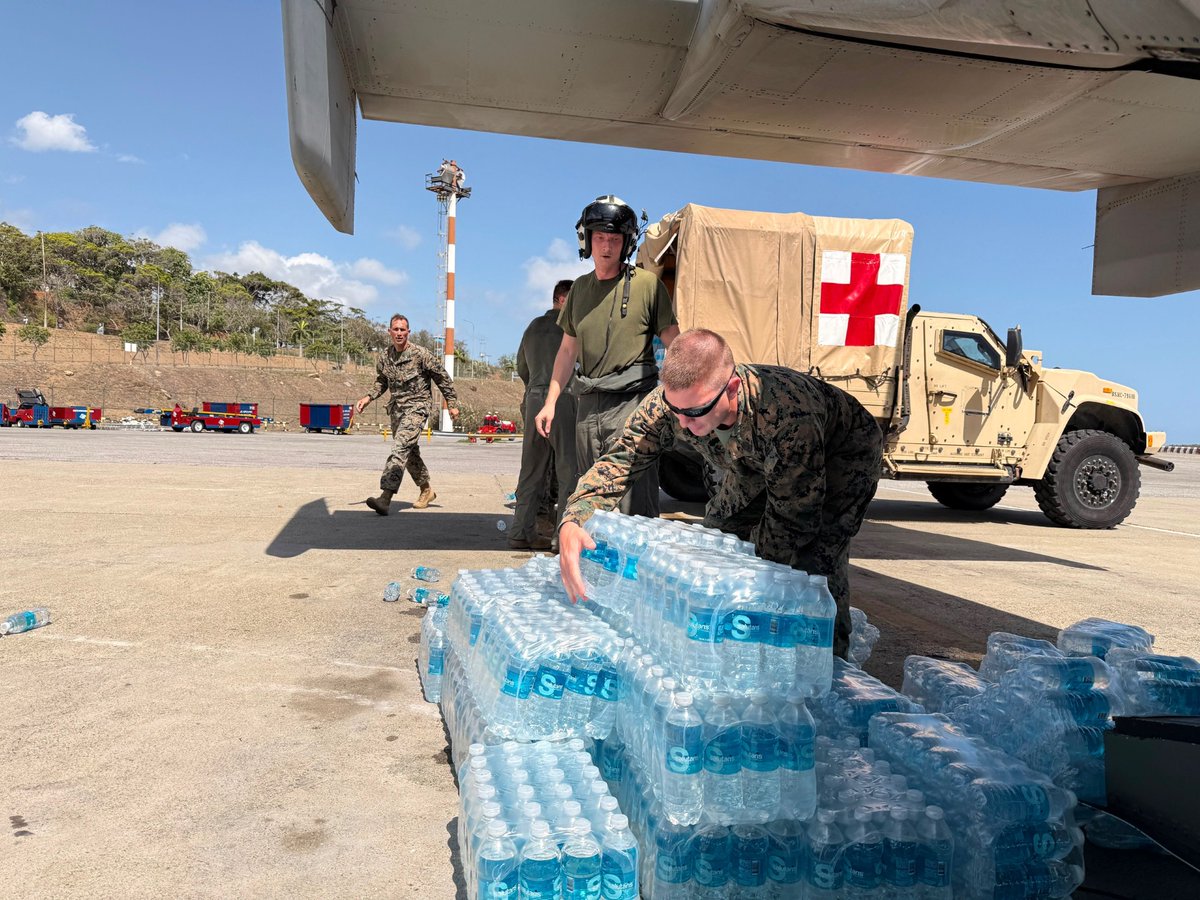
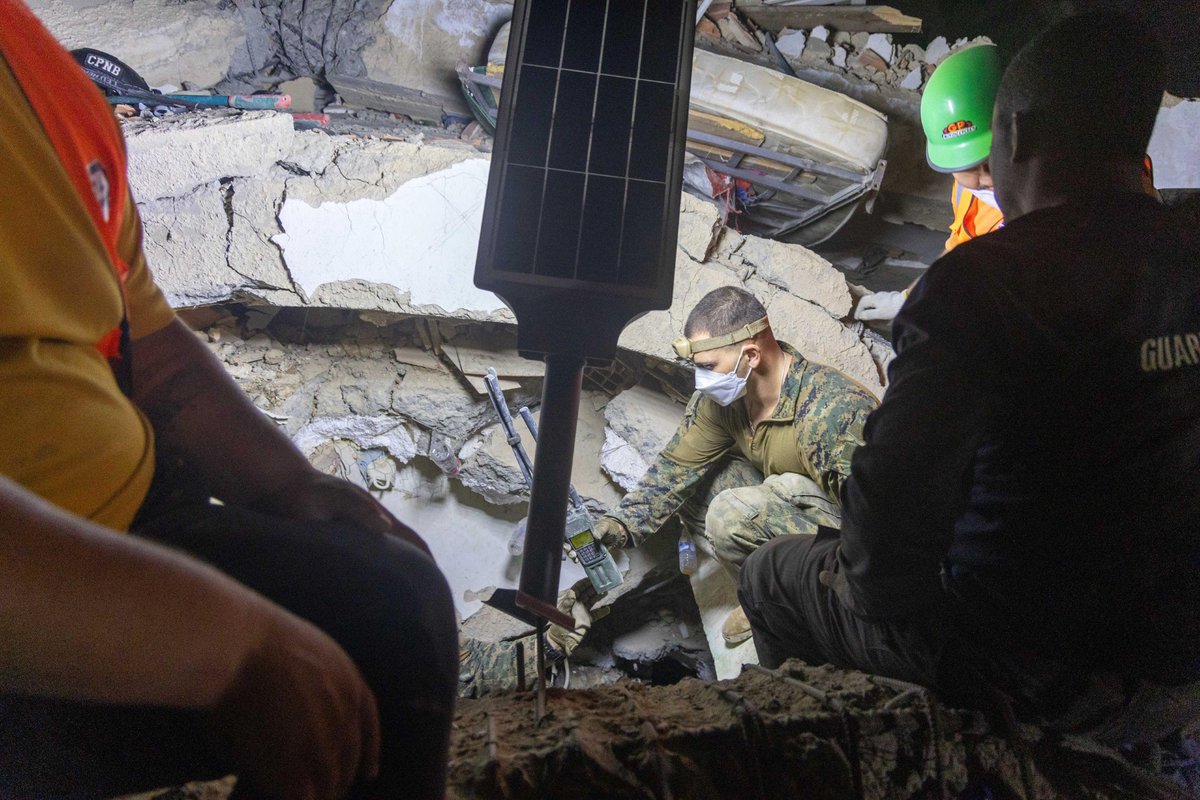
We commend our close partner Jamaica’s decision to cease using the Cuban medical brigades. A key source of hard cash for the Cuban regime, the medical brigades are among the worst examples of modern day slavery. They must end, everywhere. I visited Jamaica in October, when our @StatePRM disaster teams led a rapid and robust interagency response to the devastating category 5 Hurricane Melissa on the island. Working with @Southcom we airlifted critical supplies and helped millions of Jamaicans in need. We continue to program additional foreign assistance to help the people recover and rebuild. apnews.com/article/jamaic…
English
5
51
189
20K
Senior Official Jeremy Lewin retweetledi
US Embassy Guatemala
US Embassy Guatemala@usembassyguate·
¡Damos la bienvenida a la firma de un Memorando de Entendimiento (MOU) bilateral en materia de salud por $113 millones y con vigencia de cinco años con @MinSaludGuate en el marco de la Estrategia de Salud Global #AmericaFirst! 🇺🇸🇬🇹 Bajo el liderazgo del @POTUS Trump, este MOU establece marcos para sistemas de salud sostenibles y liderados por el país, al tiempo que fortalece las capacidades de detección y respuesta a enfermedades. Subraya el papel de Estados Unidos como socio confiable y apoya los esfuerzos de Guatemala para la transición y reemplazo de los médicos cubanos con fuerza laboral guatemalteca propia calificada. Nuestra cooperación conjunta ayuda a proteger a las comunidades en Estados Unidos y Guatemala al prevenir amenazas sanitarias transfronterizas que aseguran que las inversiones de los contribuyentes estadounidenses entreguen resultados tangibles. #SocioConfiable #AmericaFirst 🔗 ow.ly/uXf550Ypp42
US Embassy Guatemala tweet media
Español
44
130
526
37.7K
Senior Official Jeremy Lewin retweetledi
Marco Rubio
Marco Rubio@marcorubio·
We are well on our way to achieving the objectives of #EpicFury Destroy their missile launchers Destroy their missile factories Destroy their Navy So they can never hide behind these things to develop a nuclear weapon
English
7.5K
9.9K
67.1K
1.6M
Senior Official Jeremy Lewin
Senior Official Jeremy Lewin@UnderSecretaryF·
In the final calculus, here is how I see the differences between the two contracts: - Anthropic wanted to define “mass surveillance’ in very broad and non-legal terms. Beyond setting precedents about subjective terms, the breadth and vagueness presents a real problem: it’s hard for the government to know what’s allowed and what’s permitted. In the face of this uncertainty, Anthropic wanted to have authority over interpretive questions. This is because they distrusted the govt regarding use of commercially available info etc. Problem is, it placed use of the system in an indefinite state of limbo, where a question about some uncertainty might lead to the system being turned off. It’s hard to integrate systems deeply into military workflows if there’s a risk of a huge blow up, where the contractor is in control, regarding use in active and critical operations. Representations made by Anthropic exacerbated this problem, suggesting that they wanted a very broad and intolerable level of operational control (and usage information to facilitate this control). - Conversely, OpenAI defined the surveillance restrictions in legalistic and specific terms. These terms are admittedly not as broad as some conceptions of “mass surveillance.” But they’re also more enforceable because there’s clarity rewarding terms and limitations. DoW was okay with the specific restrictions because they were better able to understand what was excluded, and what was not. That certainty permitted greater operational integration. Likewise, because the exclusions were grounded in defined legal terms and principles, interpretive discretion need not be vested in OpenAI. This allowed DoW greater confidence the system would not be cut off unpredictably during critical operations. This too allowed for greater operational reliance and integration.
English
6
2
64
19.9K
Nathan Calvin
Nathan Calvin@_NathanCalvin·
Thanks for the response. That does help clarify some, though apart from different remedies i'm not sure if I totally understand the distinction you are getting at in how the Pentagon differently views itself being bound by contracts vs statutes in areas like this. I agree that Congressional action to clarify these points would be a preferable way to adjudicate these problems (so that its not a single company weighing these tradeoffs on an ad hoc basis), but part of the issue is that Congress doesn't really pass things very much on thorny issues like this these days (see e.g. 702 re-authorization debates ad nauseam, etc). I also do want to reiterate my point that even if you think its reasonable for the Pentagon to say its intolerable to contract with a given supplier because of their terms being unsatisfactory, going a step further and placing them in a category historically reserved for hostile foreign adversaries seems like a completely different question. I also am confused to what extent this OAI new deal is actually different in kind from the contract language that Anthropic wanted and was rebuffed (and declared/potentially declared a supply chain risk) for. It seems like both of them purport to limit the behavior of what the government can do with their tech above and beyond what is required under law and department policy? In any case appreciate you taking the time to go back and forth here, I have a better sense of what you are saying now.
English
1
0
9
755
Nathan Calvin
Nathan Calvin@_NathanCalvin·
"In a democratic society, only LAWS can actually restrict governmental authorities" So contracts don't apply to the government? GW law prof Jessica Tillipman has a good explainer of why thats not true (linked in reply). Maybe you are saying it shouldn't but thats different.
Nathan Calvin tweet media
English
3
0
16
1.8K
Senior Official Jeremy Lewin retweetledi
U.S. Southern Command
U.S. Southern Command@Southcom·
On March 3, Ecuadorian and U.S. military forces launched operations against Designated Terrorist Organizations in Ecuador. The operations are a powerful example of the commitment of partners in Latin America and the Caribbean to combat the scourge of narco-terrorism. Together, we are taking decisive action to confront narco-terrorists who have long inflicted terror, violence, and corruption on citizens throughout the hemisphere. “We commend the men and women of the Ecuadorian armed forces for their unwavering commitment to this fight, demonstrating courage and resolve through continued actions against narco-terrorists in their country.” - #SOUTHCOM Commander Gen. Francis L. Donovan. @USembassyEc @DeptofWar #OpSouthernSpear #SOUTHCOM
English
854
5.4K
22.4K
2.6M
Senior Official Jeremy Lewin retweetledi
United States Trade Representative
The European Union and certain EU Member States have persisted in a continuing course of discriminatory and harassing lawsuits, taxes, fines, and directives against U.S. service providers. U.S. services companies provide substantial free services to EU citizens and reliable enterprise services to EU companies, and they support millions of jobs and more than $100 billion in direct investment in Europe. The United States has raised concerns with the EU for years on these matters without meaningful engagement or basic acknowledgement of U.S. concerns. In stark contrast, EU service providers have been able to operate freely in the United States for decades, benefitting from access to our market and consumers on a level playing field. Some of the largest EU service providers that have hitherto enjoyed this expansive market access include, among others: — Accenture — Amadeus — Capgemini — DHL — Mistral — Publicis — SAP — Siemens — Spotify If the EU and EU Member States insist on continuing to restrict, limit, and deter the competitiveness of U.S. service providers through discriminatory means, the United States will have no choice but to begin using every tool at its disposal to counter these unreasonable measures. Should responsive measures be necessary, U.S. law permits the assessment of fees or restrictions on foreign services, among other actions. The United States will take a similar approach to other countries that pursue an EU-style strategy in this area.
English
951
2.1K
10.8K
1.1M
Senior Official Jeremy Lewin
Senior Official Jeremy Lewin@UnderSecretaryF·
I think maybe the point got slightly mangled but I was trying to say that, yes there’s this one contract that limits those activities. But if people are as concerned as they are about surveillance issues, I think their attention is better spent focusing on legislation and privacy litigation, not hand wringing about broad terms in one narrow contract with part of one agency. The point about authorities versus commitments is significant. It doesn’t mean that contracts can’t create legally binding obligations. But they’re of a different character than statutory constraints on government activity (and the remedies and forums for getting remedies are very different for government contracts etc). The point again is not that DoW won’t honor the contract—it will—but just that a broader and more specific resolution of these issues will require legislative debates. Even the definitional questions, like what is “mass surveillance” can only really be answered through legislation in our constitutional system.
English
4
0
9
775
Nathan Calvin
Nathan Calvin@_NathanCalvin·
Thanks for the reply - as I said before, I think your engagement on these issues has been meaningfully helpful for folks understanding the relevant debate. That said - I'm confused by the distinction you are drawing? Of course a contract cannot generally constrain the government action in a way that democratic laws can, but the contract can stipulate how a company's product can be used? E.g. OpenAI or Anthropic cannot stop the government from purchasing commercially available data of Americans for intel purposes - only a law can do that - but they can say that their product cannot be used for that. Maybe you think that they should not offer those terms, because the only restrictions of tools the government has should come from the democratic process. But thats different from saying they cannot. And if the government's position is that they cannot, that seems to significantly alter how people should view the efficacy of Sam Altman's updated post about the terms between OpenAI and the government about whether their new contract does protect OpenAIs redlines.
English
2
2
27
1.2K
Senior Official Jeremy Lewin retweetledi
Rapid Response 47
Rapid Response 47@RapidResponse47·
Rapid Response 47 tweet media
ZXX
1.1K
6.4K
32.2K
5.6M
Senior Official Jeremy Lewin
Senior Official Jeremy Lewin@UnderSecretaryF·
As @sama notes, the OpenAI - @DeptofWar contract now includes critical new language to accomplish two mutual and related goals (limits on domestic surveillance while upholding democratic and sovereign control over the use of integrated systems): - Most importantly, it reflects DoWs commitment not to use GPT for domestic surveillance of Americans, and does so in a way that is serious and specific. As DoW has been saying, their authorities generally do not permit such activity and it has never been an object of these AI model contracts. That being said, OpenAI rightfully wanted to make sure that was captured clearly. The new language includes limits related both to the use of commercially available information for targeted surveillance and related to integration into Title 50 IC community components. To be clear: the government intends to honor the contract as written, including its limitations. - At the same time, the contract delineates its limitations while continuing to reflect a respect for law and the democratic process. By defining prohibited surveillance practices in a very specific and discrete manner—and yes, through continued references to our legal and constitutional framework—the contract avoids the serious governance concerns associated with vaguer or more discretionary prohibitions. Vaguer provisions, unmoored from legal definitions and authorities, would both inappropriately vest too much interpretive discretion in a private counterparty and risk inadvertent abuse or violations which, if unaddressed, would undermine, rather than bolster, usage limitations. - As many have recognized, it is simply intolerable for the government to integrate into its most sensitive operations a system which is subject to the subjective interpretation of broad and indefinite terms of service by a private company. The solution isn’t more breadth but rather specificity—grounded both in legal authorities and technical capabilities. The revised contract, in its totality, sets a new industry standard for thoughtfulness in this regard. - Ultimately, as Sam has said, there are myriad policy questions to be answered in the responsible use of AI, both inside the government and in the private and commercial domains. In a democratic society, these questions must be answered through legal processes—at the ballot box, in the courts, through regulatory rulemaking, and in Congress. This shouldn’t have to be repeated as much as it has. We remain grateful for @OpenAI’s partnership, and that of @xAI, in building great tools to help protect our nation and its great warfighters. America’s AI leadership and national security are inextricably linked. God bless America and our troops 🇺🇸 PS — yes this is legalistic. But that’s what a contract is. It’s a legal agreement. Using less “legalistic” words doesn’t clarify meaning—it leaves it open for greater dispute and misunderstanding later.
Sam Altman@sama

Here is re-post of an internal post: We have been working with the DoW to make some additions in our agreement to make our principles very clear. 1. We are going to amend our deal to add this language, in addition to everything else: "• Consistent with applicable laws, including the Fourth Amendment to the United States Constitution, National Security Act of 1947, FISA Act of 1978, the AI system shall not be intentionally used for domestic surveillance of U.S. persons and nationals. • For the avoidance of doubt, the Department understands this limitation to prohibit deliberate tracking, surveillance, or monitoring of U.S. persons or nationals, including through the procurement or use of commercially acquired personal or identifiable information." It’s critical to protect the civil liberties of Americans, and there was so much focus on this, that we wanted to make this point especially clear, including around commercially acquired information. Just like everything we do with iterative deployment, we will continue to learn and refine as we go. I think this is an important change; our team and the DoW team did a great job working on it. 2. The Department also affirmed that our services will not be used by Department of War intelligence agencies (for example, the NSA). Any services to those agencies would require a follow-on modification to our contract. 3. For extreme clarity: we want to work through democratic processes. It should be the government making the key decisions about society. We want to have a voice, and a seat at the table where we can share our expertise, and to fight for principles of liberty. But we are clear on how the system works (because a lot of people have asked, if I received what I believed was an unconstitutional order, of course I would rather go to jail than follow it). But 4. There are many things the technology just isn’t ready for, and many areas we don’t yet understand the tradeoffs required for safety. We will work through these, slowly, with the DoW, with technical safeguards and other methods. 5. One thing I think I did wrong: we shouldn't have rushed to get this out on Friday. The issues are super complex, and demand clear communication. We were genuinely trying to de-escalate things and avoid a much worse outcome, but I think it just looked opportunistic and sloppy. Good learning experience for me as we face higher-stakes decisions in the future. In my conversations over the weekend, I reiterated that Anthropic should not be designated as a SCR, and that we hope the DoW offers them the same terms we’ve agreed to. We will host an All Hands tomorrow morning to answer more questions.

English
8
7
60
11.7K
Senior Official Jeremy Lewin
Senior Official Jeremy Lewin@UnderSecretaryF·
I don’t think so. The contract says that the AI system won’t be used for intentional domestic surveillance of U.S. persons or nationals, including through means of commercially available PII. It also excludes use by Title 50 IC components. Excluding IC components is something that’s done by contract — nobody is arguing that IC elements couldn’t generally contract to use AI systems. That’s a really meaningful limitation in the agreement. The point is just that it’s done in reference to legal authorities (e.g. defining scope by reference to statutory authorities) rather than vague and subjectively defined terms of service covering things like “mass surveillance” whatever that means.
English
2
0
3
4.3K
Cas (Stephen Casper)
Cas (Stephen Casper)@StephenLCasper·
Aren’t we on the same page here? You and I both seem to agree that the government does not interpret the OpenAI contract as providing any restrictions beyond existing law. And I think we both agree that the wording of the contract allows this. My point here is that this reality is at odds with Altman and OpenAI’s narrative.
English
1
0
11
515
Cas (Stephen Casper)
Cas (Stephen Casper)@StephenLCasper·
Using a well-timed screenshot and my phone's cache, I was able to recover some of the deleted tweet from @UnderSecretaryF where he admitted that the government sees the new contract language as just "memorializing" a vague "commitment" rather than drawing any real new lines.
Cas (Stephen Casper) tweet media
English
2
5
68
5.5K
Cas (Stephen Casper)
Cas (Stephen Casper)@StephenLCasper·
Here, Jeremy Lewin is giving further confirmation that the government does not view the OpenAI contract as providing any restrictions on surveillance or lethal AI weapons beyond existing law. This starkly contrasts with the narrative of the past day from @sama and @OpenAI.
English
2
7
56
4.8K