

Alberto Merlo
292 posts

Alberto Merlo
@UserisAJ
🤖MOONSHOT MINDSET 🐶DOG PPL
EARTH Katılım Eylül 2015
1.2K Takip Edilen58 Takipçiler

BREAKING: Nasdaq has submitted a request to the SEC for 24 hour stock trading.
English
Alberto Merlo retweetledi

When Shohei Ohtani was a high school freshman, he created a detailed "dream sheet" with one central goal: to be the #1 draft pick for 8 NPB (Nippon Professional Baseball) teams.
It was a 64-cell roadmap based on a framework called the Harada Method.
Here's exactly what Shohei did 👇
1. First, some history.... The Harada Method was created by Takashi Harada, a Japanese junior high track coach. He took a team ranked last out of 380 schools and, using his system, turned them into the #1 team in the region within 3 years. They held that top spot for the next 6 years.
2. You start by placing your main goal in the center of an 8x8 grid. For Ohtani, this was "be the #1 draft pick."
3. Next, you identify 8 critical supporting pillars needed to achieve that goal. These surround the main goal.
Ohtani's 8 pillars were:
• Body
• Control
• Sharpness
• Speed
• Pitch Variance
• Personality
• Karma/Luck
• Mental Toughness
4. You then break down each of those 8 pillars into 8 smaller, actionable tasks or daily routines.
This fills out the entire 64-cell grid, turning a massive dream into a concrete, daily action plan.
To improve his karma, he listed tangible actions like:
• Showing Respect to Umpires
• Picking up trash
• Being positive
• Being someone people want to support
5. The method goes far deeper than just technical skills. It forces you to analyze your weaknesses and build confidence. It also has a highlight on service to others, emphasizing that humility and contributing to your community are essential for personal success.
6. The key to the system is daily execution and accountability. Once the 64-cell chart is complete, you turn the tasks and habits into a daily diary and a "Routine Check Sheet." It’s designed to transform abstract intentions into a measurable, daily practice.


MLB@MLB
The legend continues! Shohei Ohtani is the NL MVP for the second straight season!
English

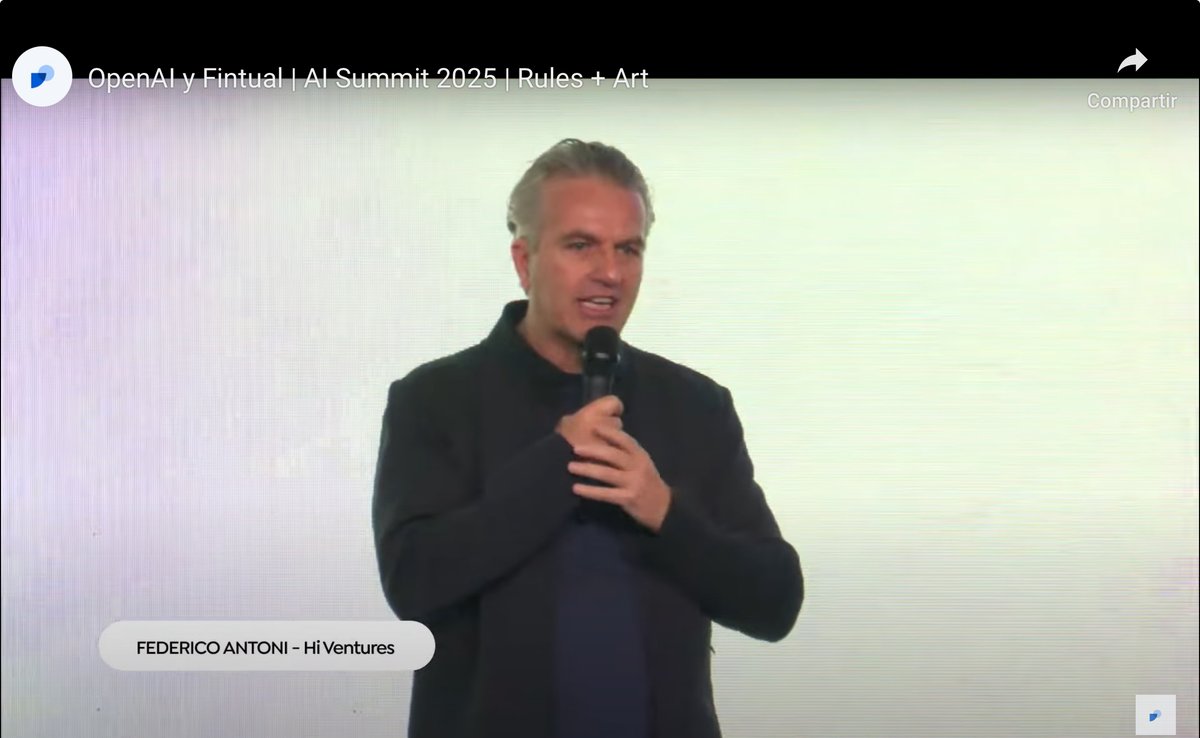
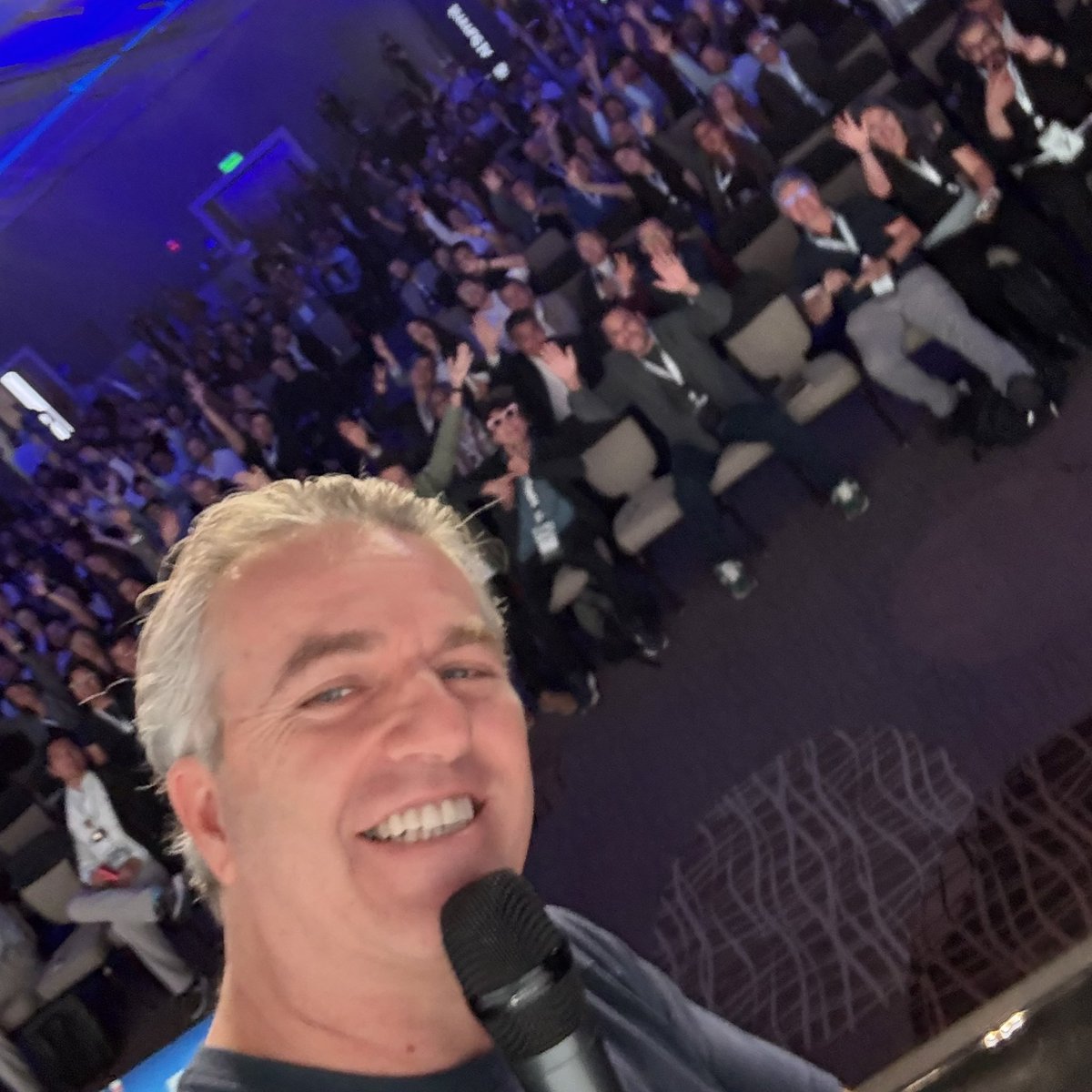
Este año #AI dejó de ser promesa y empezó a transformar cómo trabajan las empresas en Latinoamérica.
En Hi Ventures publicamos el State of AI 2025, donde analizamos cómo startups, corporativos e inversores están usando IA hoy: no como experimento, sino como parte clave de su operación.
Descarga el reporte completo en la liga en el thread!
Español


Español
Español

@federicoantoni @hi_ventures_ @diexmx Pretty cool!
have you seen NVIDIA’s academy? Shout out to Diego Solórzano!🔥
English
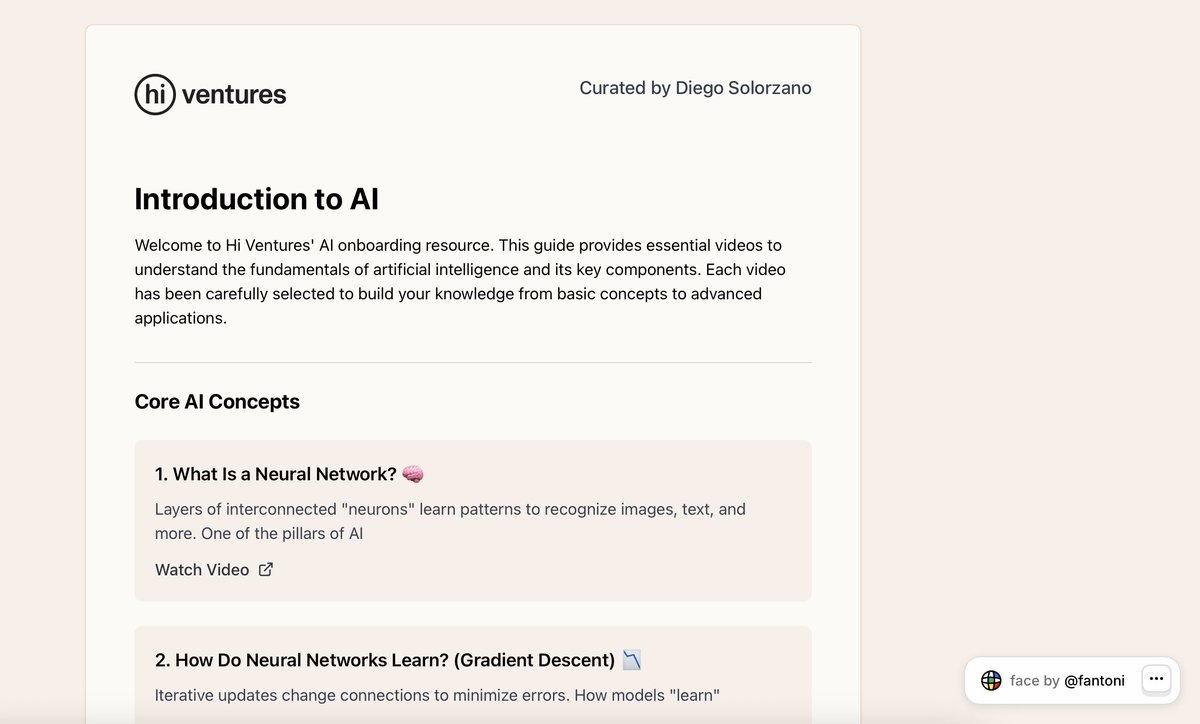
As part of onboarding at @hi_ventures_ , we ask new Hi-ers to review an AI primer... and we use the best curated list we’ve found, crafted by @diexmx, one of my go-to founders for all things AI. It’s clear, visual, and strikes the right balance between foundational and forward-looking.
It’s all built on the magical ✨Faces by @perhapsinc, a portfolio AI company born in Santiago 🇨🇱 and now building from San Francisco.
If you're onboarding new team members into AI or just looking for a fresh, intuitive intro, feel free to borrow it.
Link to the full guide below 👇
English



He cobrado mi primera "nómina" de @startupsSI. Han pasado 13 meses desde que lanzamos, 16 desde la constitución de la empresa y 21 meses desde que tomé la decisión de lanzarme a crear una escuela para emprendedores. Es decir, casi dos años trabajando sin cobrar.
Español
Alberto Merlo retweetledi

JUST IN: 🇨🇳 AI-powered robot "Erbai" kidnaps 12 larger robots from Shanghai, China showroom.
Erbai held human-like conversations with the larger robots.
English
@Dan_Pistolas @OHWallStreet I am also Mexican, I confirm what has been said.
English

How they be teaching el EBITDA south of the border
English

Pronosticó que en México y LATAM veremos un aumento en la inversión en Search Funds sobre Venture Capital.
Con pocas salidas en LATAM y múltiplos de 3-4x en VC en USA, los Search Funds están apuntando a 5-7x.
Parece más razonable adquirir una PYME a 5-7x EBITDA y triplicar su valor, que esperar 10 años para que un portafolio de startups genere un retorno de 3-4x.
Y creo que la gran oportunidad para emprendedores está en comprar PYMES que compiten con empresas tradicionales y aplicar tecnología para acelerar su crecimiento.
Se me ocurren varias industrias clave donde se podría transformar a una PYME en una Tech Startup.
Español
English

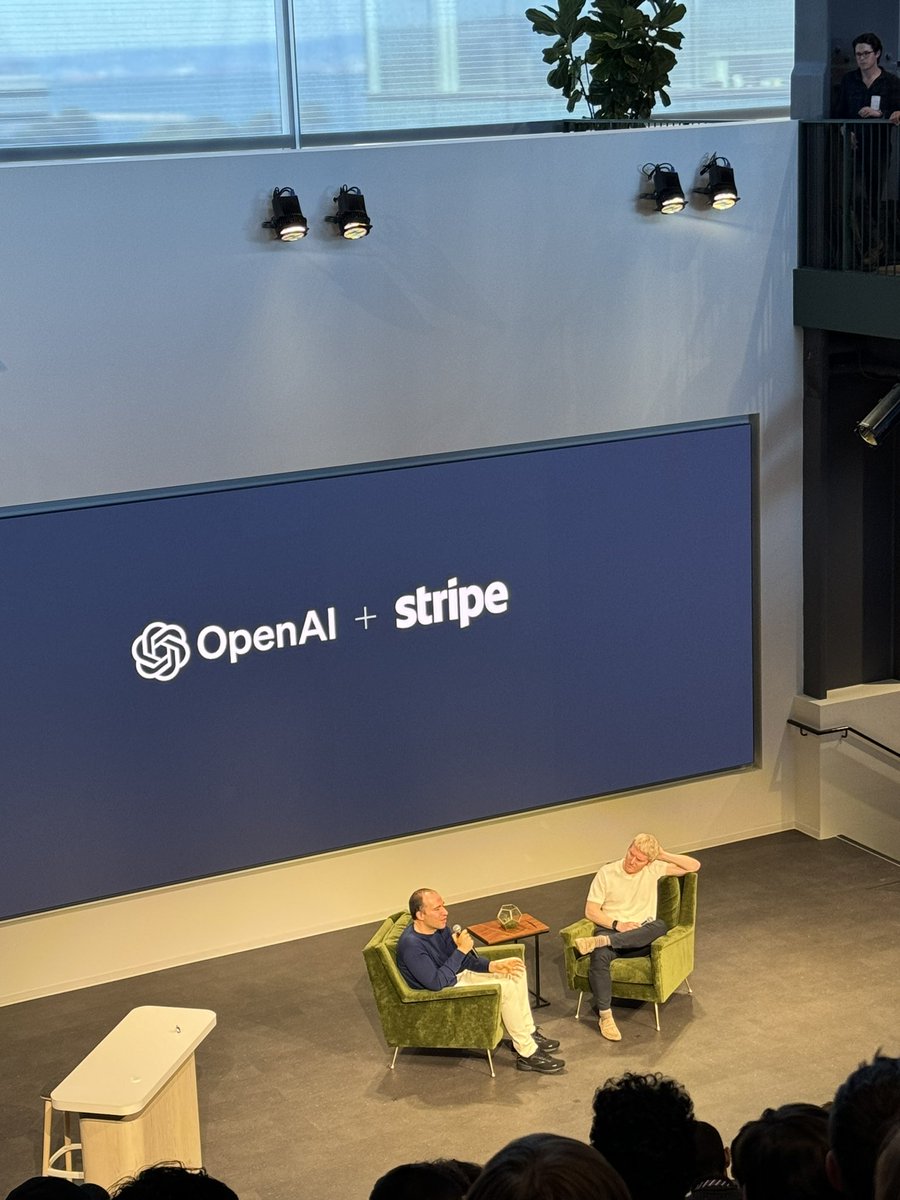
Today is Day 0 at YC S24. What better way to start than having a fireside with Greg & Patrick?
Fourteen years ago, they both moved to the Bay Area. Greg slept on Patrick’s couch as he was part of the Stripe founding team.
Now, they run the Valley.
English
Alberto Merlo retweetledi

Alberto Merlo retweetledi

Duro golpe para @OpenAI , mientras ellos atrasan el modo avanzado de voz @kyutai_labs acaba de lanzar Moshi, un modelo básico multimodal nativo en tiempo real que puede escuchar y hablar, crear sonidos, imitar emociones,... similar a lo que OpenAI demostró con GPT-4o en mayo. 👀
Moshi:
🗣️ Habla y escucha en tiempo real con una latencia bajísima (160-240 ms)
🎭 Entiende y expresa emociones (¡hasta puede imitar acentos!)
💡 'Piensa' mientras habla, generando pensamientos en texto
🎧 Puede escuchar y hablar a la vez (¡como un humano de verdad!)
🧠 Usa un LLM de 7B parámetros llamado Helium
💻 Funciona hasta en un portátil normalito
Lo mejor de todo:
🌐 ¡Será de código abierto! Modelos, paper y código a la vista de todos
Desarrollado en 6 meses por solo 8 investigadores, Moshi promete plantar cara al mismísimo GPT-4 de OpenAI 🥊
Español


During YC demo day a VC asked us if AI could automate their deal flow
Claude 3.5 Sonnet now analyzes every pitch deck they get emailed
It instantly:
-Extracts all metrics from pdf
-Finds all founder LinkedIns + extracts their background
-Writes to Notion + sends a link in Slack
GIF
English