Venkatesh V Ranjan

221 posts

Venkatesh V Ranjan banner
Venkatesh V Ranjan

Venkatesh V Ranjan

@VVR_XTRA

“Stupidity is the same as evil if you judge by the results.”

Katılım Temmuz 2025
493 Takip Edilen49 Takipçiler
Sabitlenmiş Tweet
Venkatesh V Ranjan
Venkatesh V Ranjan@VVR_XTRA·
This is an excellent analysis. "But what if... the institutions of an open society are no longer necessary for scientific and technological innovation?" I am afraid of this being true. I don't want it to be true. Maybe they are still necessary but not sufficient... would love to learn more about the points raised here.
Jesús Fernández-Villaverde@JesusFerna7026

Last Thursday, I had an interesting dinner with two prominent economists. Soon, the conversation turned to Joel Mokyr’s work and its relationship with @danwwang’s recent book, Breakneck: China’s Quest to Engineer the Future. Mokyr has long argued that Europe’s Republic of Letters encouraged broad scientific and technological innovation by providing a setting where new ideas could be evaluated and disseminated. For him, Europe occupied the ideal midpoint between political fragmentation and cultural unity: enough polycentrism to prevent the suppression of ideas by heavy-handed rulers, but enough common ground to sustain serious dialogue and a deep pool of potential patrons and protectors. But what if, as Wang cautiously suggests, the institutions of an open society are no longer necessary for scientific and technological innovation? (To be fair, Wang does not assert this as fact—he only hints at it). Elaborating on Wang, one could construct the following argument: 1️⃣ Yes, the Republic of Letters was essential for the flourishing of the scientific method that had emerged in the late Middle Ages and the Renaissance. 2️⃣ Yes, the institutions of an open society were necessary in the 19th and 20th centuries to create today’s framework of universities, academic societies, and scientific journals. 3️⃣ But no, once the scientific method and its institutional architecture are established, an open society might no longer be needed. 4️⃣ Indeed, China possesses institutions such as Peking University and Tsinghua University, and it performs impressively in mathematics, engineering, and computer science—fields central to scientific and technological progress. 5️⃣ Lack of political freedom likely still harms the social sciences (including economics) and the humanities, but those fields may be of secondary importance for technological innovation. 6️⃣ By limiting the rise of anti-scientific movements—such as the “decolonize science” trend on many Western campuses—or by avoiding resource allocation to “useless” humanities, China might even gain a comparative advantage. 7️⃣ The historical episodes of anti-science in totalitarian regimes (e.g., Deutsche Physik in Nazi Germany or Lysenkoism in the USSR) are not inevitable in a modern, technocratic Confucian state such as China’s, which prizes pragmatism. 8️⃣ In fact, pragmatism might help China avoid some of the West’s current problems: the creeping politicization of the natural sciences, rising bureaucratization, and resource allocation driven more by lobbying than by scientific merit. In short, have science and technology grown so powerful and self-sustaining that they no longer depend on their historical institutional scaffolding? Let me stress that I am not endorsing points 3), 5), 6), 7), or 8). Points 1), 2), and 4) are hard to deny. My regular readers know that I would never call philosophy or history “useless.” Moreover, I believe deeply that the institutions of an open society have intrinsic value—an argument far stronger in their favor than any instrumental one. Still, as a researcher, I must separate what I want to be true (that open societies are better for innovation) from what the evidence actually shows. So, what kind of empirical evidence could one gather to disprove claims 3), 5), 6), 7), and 8)? Finally, it’s worth recalling that similar anxieties haunted the West in the 1950s and 1960s, back then focused on the Soviet Union. Would it surpass the West in economic growth and scientific innovation? It did not. Hence, my prior distribution still places a higher probability on China not overtaking the West than on the opposite outcome. Yet China is not the Soviet Union, and overfacile historical analogies are always dangerous.


English
0
0
4
444
Venkatesh V Ranjan retweetledi
George Selgin
George Selgin@GeorgeSelgin·
Nothing speaks more eloquently of the utter failure of socialism than its champions having to redefine it to refer, not to economic systems based on state ownership and control of the means of production, but to mostly market-based welfare states, so they can say it works. 1/2
BladeoftheSun@BladeoftheS

Norway, Finland, Iceland, Denmark.

English
45
142
1.7K
78.6K
Venkatesh V Ranjan retweetledi
NASA
NASA@NASA·
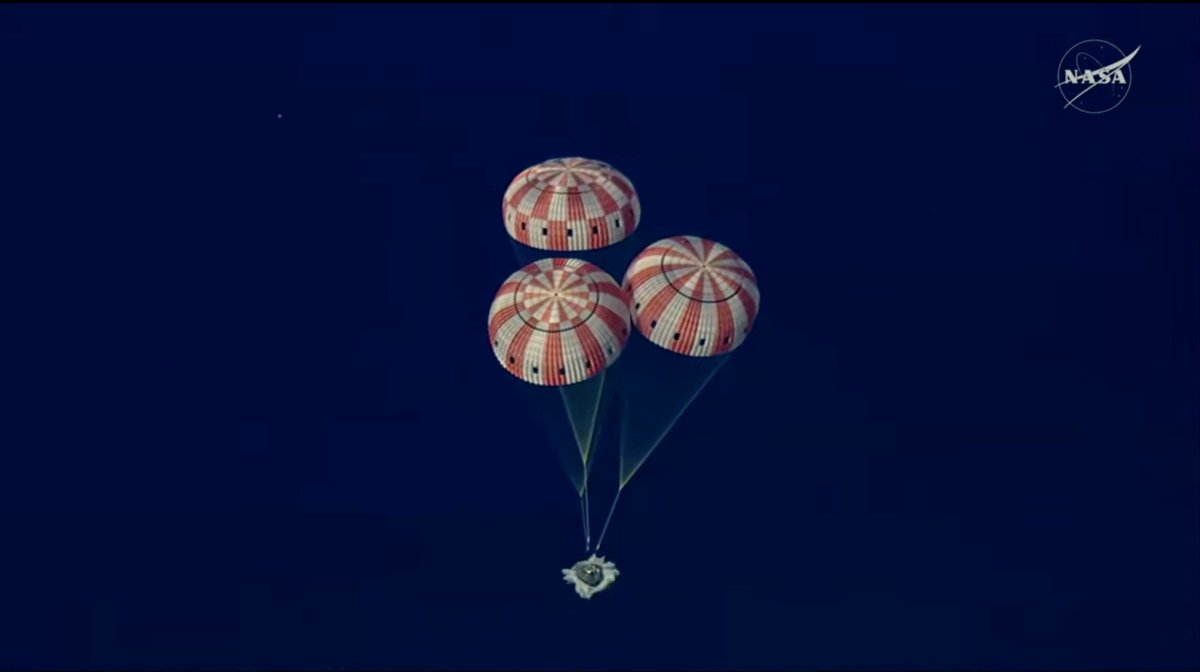
Welcome home Reid, Victor, Christina, and Jeremy! 🫶 The Artemis II astronauts have splashed down at 8:07pm ET (0007 UTC April 11), bringing their historic 10-day mission around the Moon to an end.
English
6.7K
107.5K
387.5K
79.5M
Venkatesh V Ranjan retweetledi
NASA Administrator Jared Isaacman
And splashdown! America is back in the business of sending astronauts to the Moon and bringing them home safely. Reid, Victor, Christina, and Jeremy did an outstanding job. These talented astronauts inspired the world and represented their space agencies and nations as humanity’s ambassadors to the stars. This was a test mission, the first crewed flight of SLS and Orion, pushing farther into the unforgiving environment of space than ever before, and it carried real risk. They accepted that risk for all we stood to learn and for the exciting missions that follow, as we return to the lunar surface, build a Moon base, and prepare for what comes next. And they were not alone. The entire NASA workforce, our commercial and international partners, and the hopes and dreams of people all over the world were with them. The astronauts know it, and you should too. This mission would not have been possible without you. Congratulations. Artemis II, mission accomplished.
NASA Administrator Jared Isaacman tweet media
English
1.4K
5.3K
37.3K
1.6M
Venkatesh V Ranjan retweetledi
manar
manar@manarmn__·
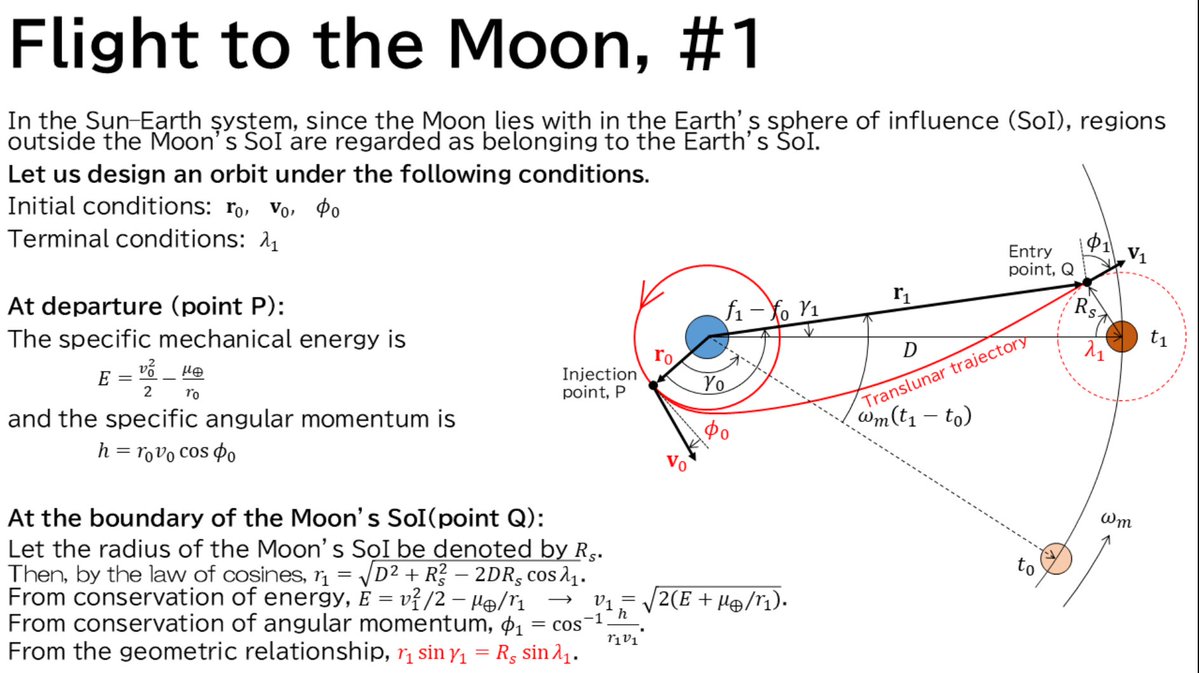
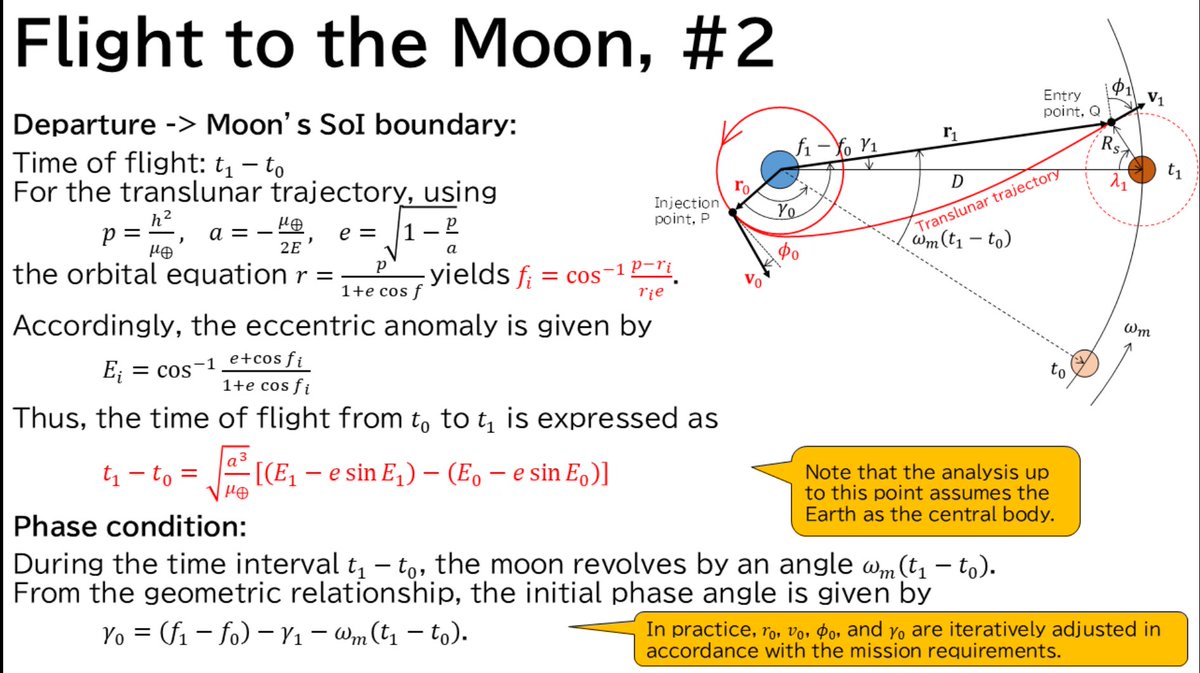
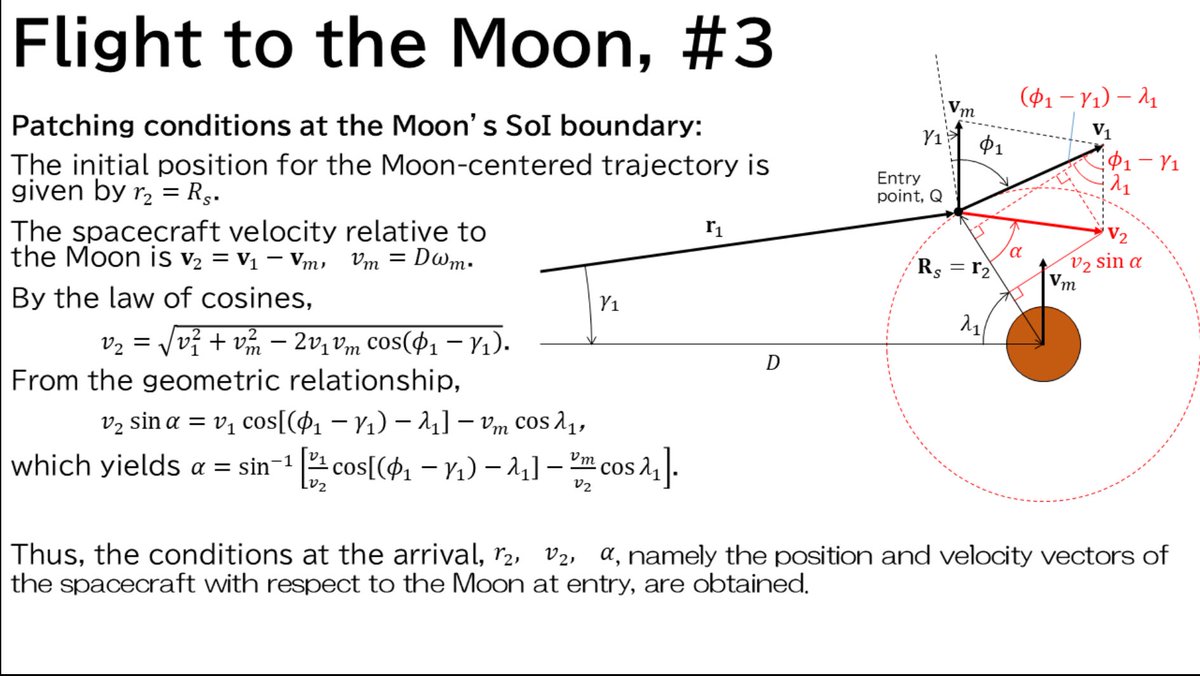
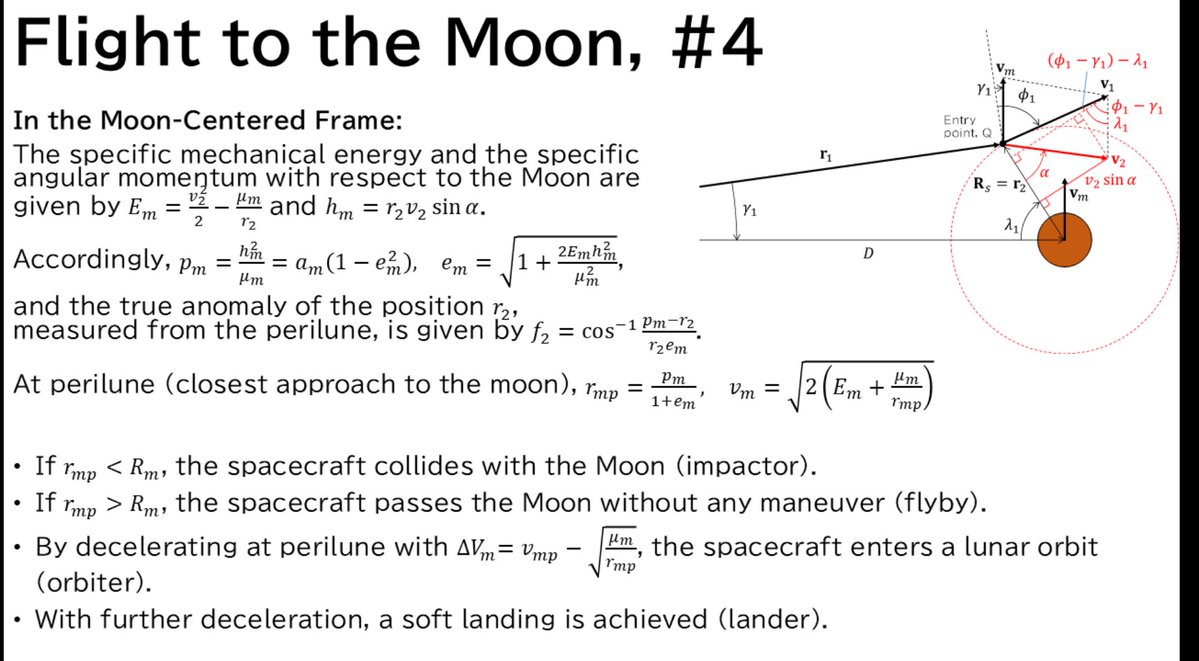
The Math Behind Artemis II
manar tweet mediamanar tweet mediamanar tweet mediamanar tweet media
English
103
3.4K
14.7K
551.9K
Venkatesh V Ranjan retweetledi
Marques Brownlee
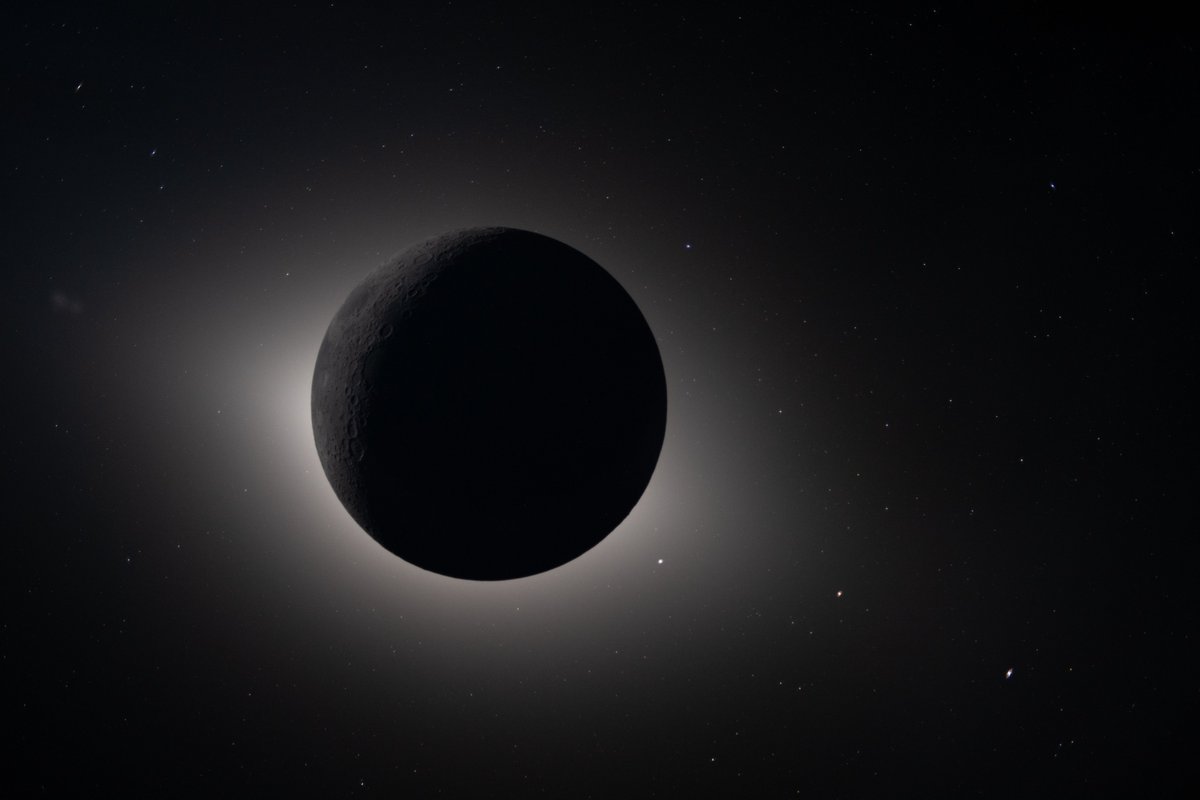
Ok last one: the rarest solar eclipse of all time. Only 4 people have seen this with their naked eyes. The sun is fully behind the moon. The only faint light hitting the near side is reflecting off of earth, 250,000 miles away. And the stars and galaxies in the background, sheesh Nikon Z9 f/2.0 2 second exposure ISO 1600 @NASA: flickr.com/photos/nasa2ex…
Marques Brownlee tweet media
English
329
3.2K
45.6K
965.3K
Venkatesh V Ranjan retweetledi
NASA Artemis
NASA Artemis@NASAArtemis·
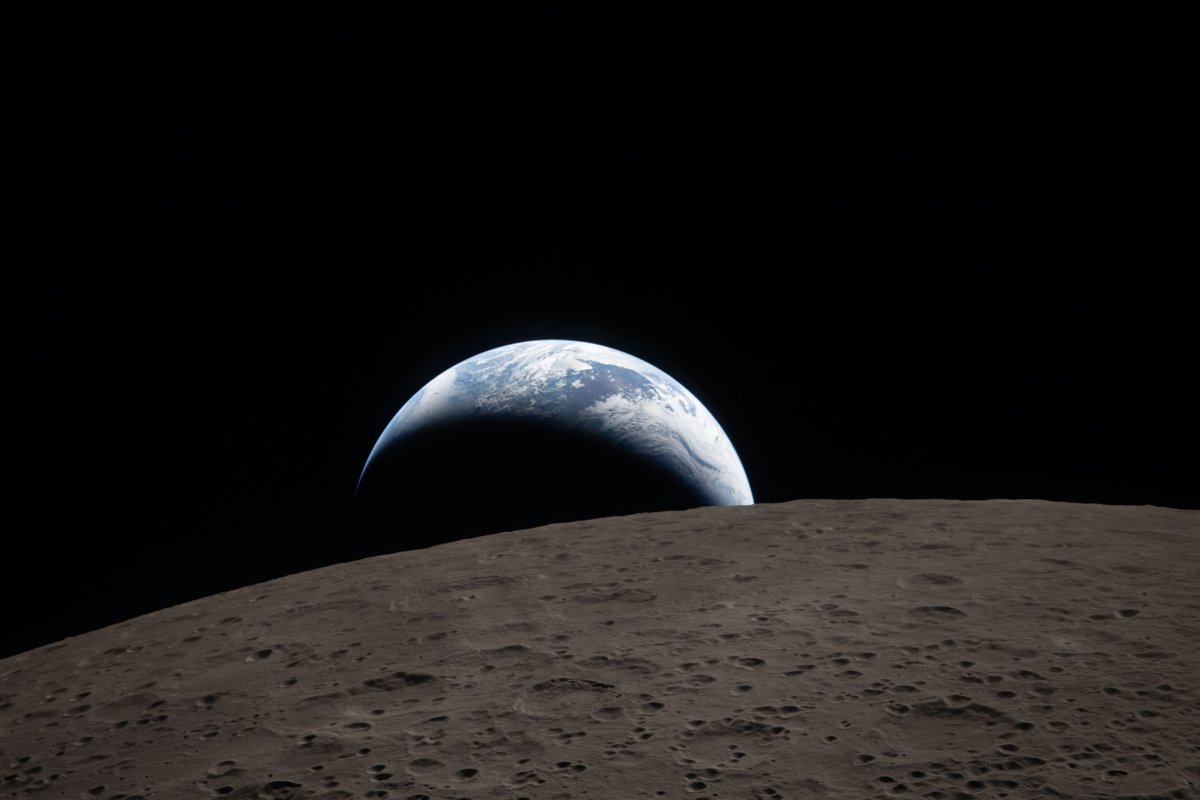
Earthset. The Artemis II crew captured this view of an Earthset on April 6, 2026, as they flew around the Moon. The image is reminiscent of the iconic Earthrise image taken by astronaut Bill Anders 58 years earlier as the Apollo 8 crew flew around the Moon.
NASA Artemis tweet media
English
991
27.4K
117.4K
7.7M
Venkatesh V Ranjan retweetledi
Jeff Greason
Jeff Greason@JeffGreason·
I really didn't expect breaking the "distance from Earth" record with Artemis 2 to be a big deal for me. But I'm in tears. All my life I can remember we've been shrinking our reach. As is, with all faults and limitations, for the first time I can remember, we're climbing.
English
19
184
2.4K
24.6K
Venkatesh V Ranjan retweetledi
Jason Major
Jason Major@JPMajor·
Quotes from the dark side: "We've got lots of stars...there are definitely stars. It's a wicked view..." "It is absolutely spectacular, surreal...there's no adjective to describe what we're seeing here." "We can absolutely see the color of Mars. That's awesome." #ArtemisII
English
13
905
12.7K
185K
Venkatesh V Ranjan retweetledi
Matthew Tortora
Matthew Tortora@MatthewTortora_·
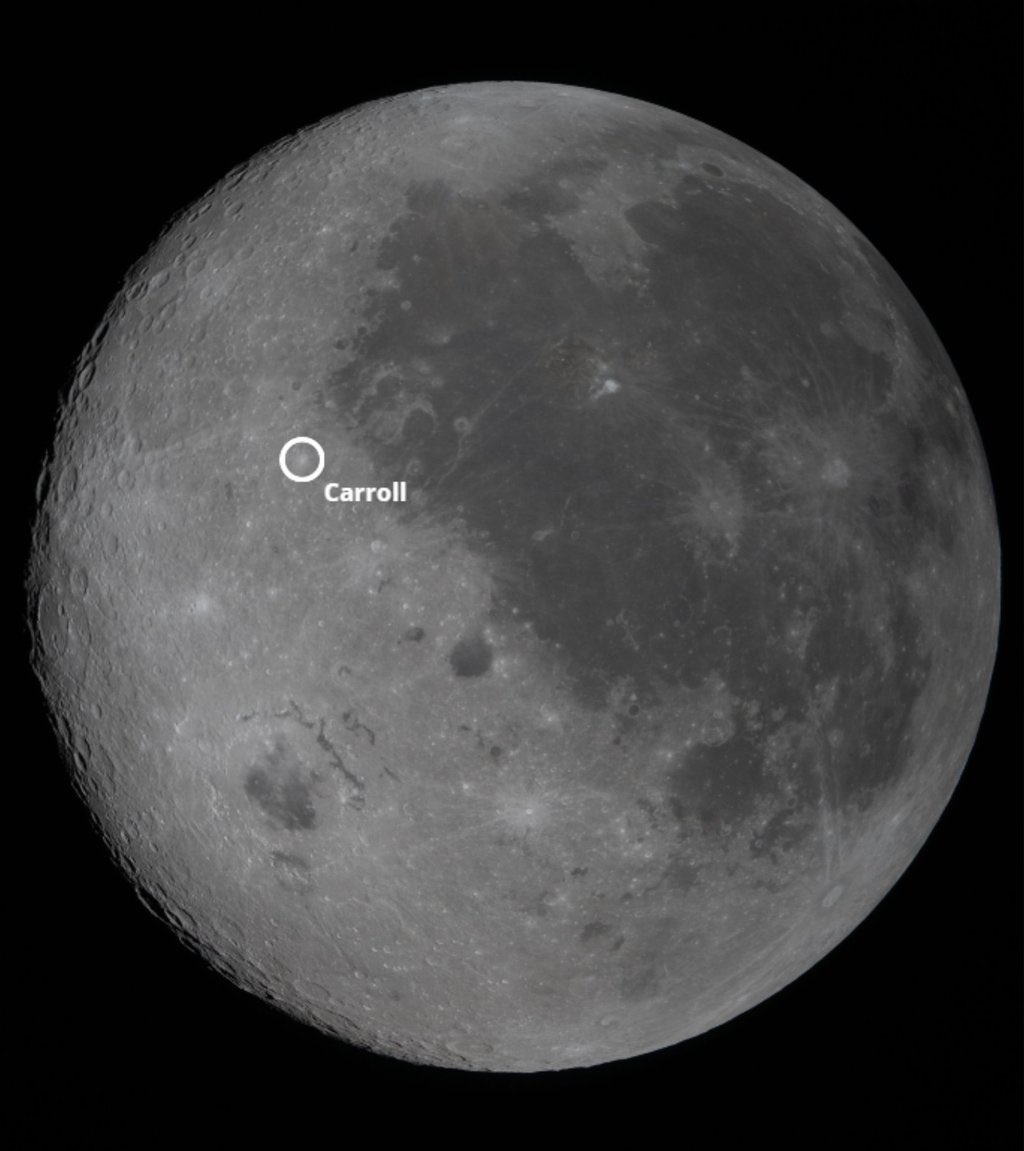
This whole mission feels like its reactivating the Lunar Limbic system of society. Every moment has been beautiful and moving, Carroll crater being the peak. They might've not set foot back on the Moon but they are doing something arguably more important: They've made us realize we really do want to go back, and stay.
Canraptor ☄️@canraptor_

Artemis II really is the emotional backbone of the Artemis Program

English
10
191
2.7K
77.3K
Venkatesh V Ranjan retweetledi
reb
reb@rebmasel·
Carroll, now a bright spot on our Moon, because four people, who traveled farther from Earth than any human in the 4.5-billion-year history of Earth has ever been, loved someone so much, they carried her the whole way there.
reb tweet mediareb tweet media
English
3
8.7K
67.7K
1.4M
Venkatesh V Ranjan retweetledi
Anduril Industries
Anduril Industries@anduriltech·
Pictured: Orion – 30,000 miles above Earth on the Artemis II mission – separating from the rocket's upper stage. Anduril now has over 400 telescopes around the globe. Advanced space sensing software provides real-time focal plane processing to identify & track objects. Think Sentry Tower software, but for space.
English
255
1.1K
10.3K
1.5M
Venkatesh V Ranjan retweetledi
Ryan Moulton
Ryan Moulton@moultano·
If "Moon Colonization" causes your "Colonization is bad" neuron to fire you are more of a stochastic parrot than GPT2.
English
70
929
14.7K
191.8K
Venkatesh V Ranjan retweetledi
isabelle 🪐
isabelle 🪐@isabelleboemeke·
California’s only nuclear plant, Diablo Canyon, just won approval to stay open until 2045. It was scheduled to shut down in August 2025. Now it will keep delivering clean, reliable electricity for 4 million Californians for another 20 years. In 2022, I spoke at an American Nuclear Society event when Diablo Canyon’s closure seemed inevitable. The mood in the room was pure resignation. I asked the audience: “How did we convince ourselves it’s easier to shut down a safe, operating nuclear plant that employs thousands of people… and replace it with renewables plus batteries… than to simply keep it running?” Several people came up to me afterward and said they’d never thought about it that way. That’s what happens when a narrative takes over: we stop seeing the obvious truth right in front of us. But the days of insanity and delusion about the reality of our energy needs is over. Long live sanity! Long live Diablo Canyon!
isabelle 🪐 tweet media
English
129
568
4.7K
166.6K
Venkatesh V Ranjan retweetledi
Sarah (gif/jif)
Sarah (gif/jif)@mamaswati·
Why are you here? "We're going back to the fucking moon, that's why." The kids are ok.
English
155
4.6K
57K
1.3M