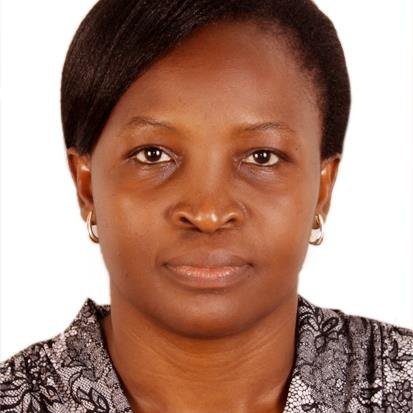
Juliet Were

4.8K posts

Juliet Were

Juliet Were

@WereJuliet

Social Justice activist; Deputy Executive Director - Women's International Peace Centre

Uganda Katılım Haziran 2011
707 Takip Edilen942 Takipçiler
Juliet Were retweetledi
Jacqueline Asiimwe
Jacqueline Asiimwe@asiimwe4justice·
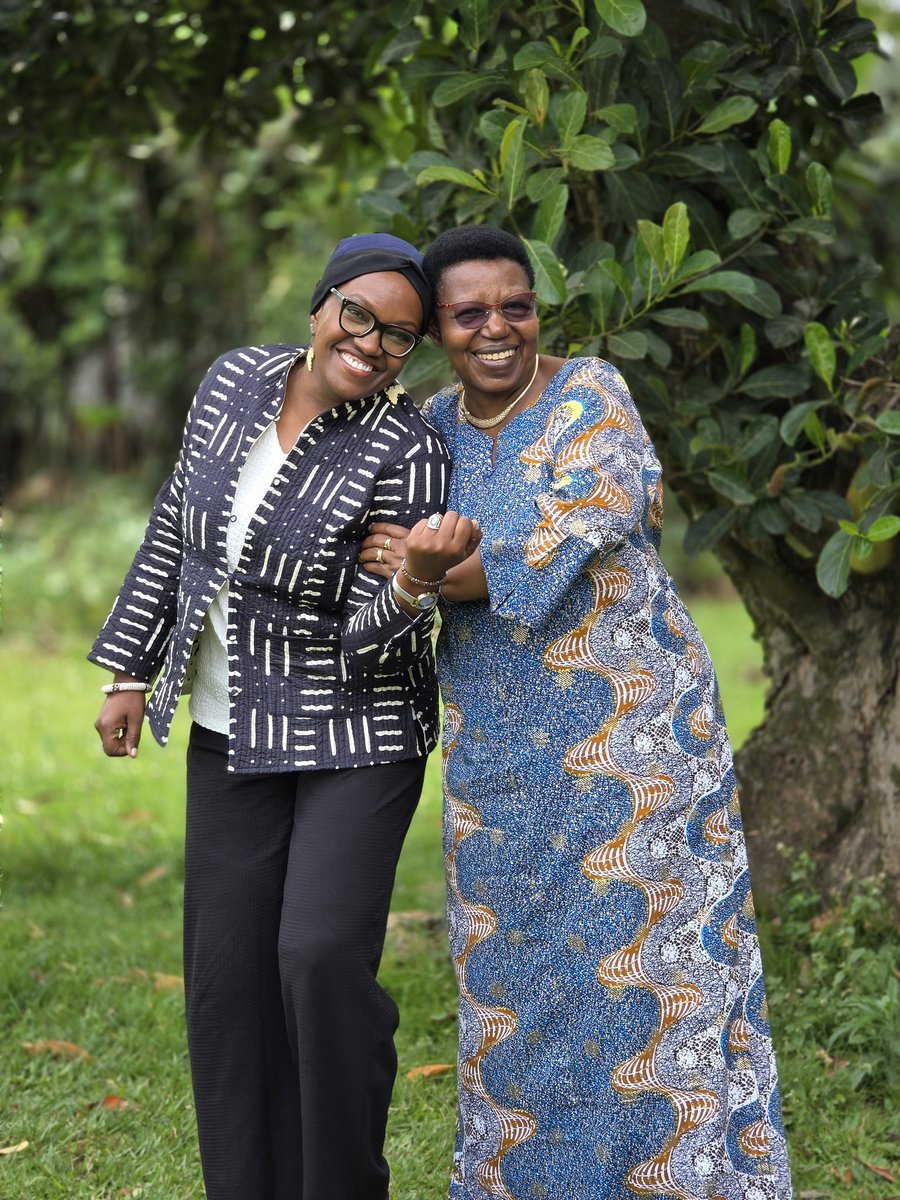
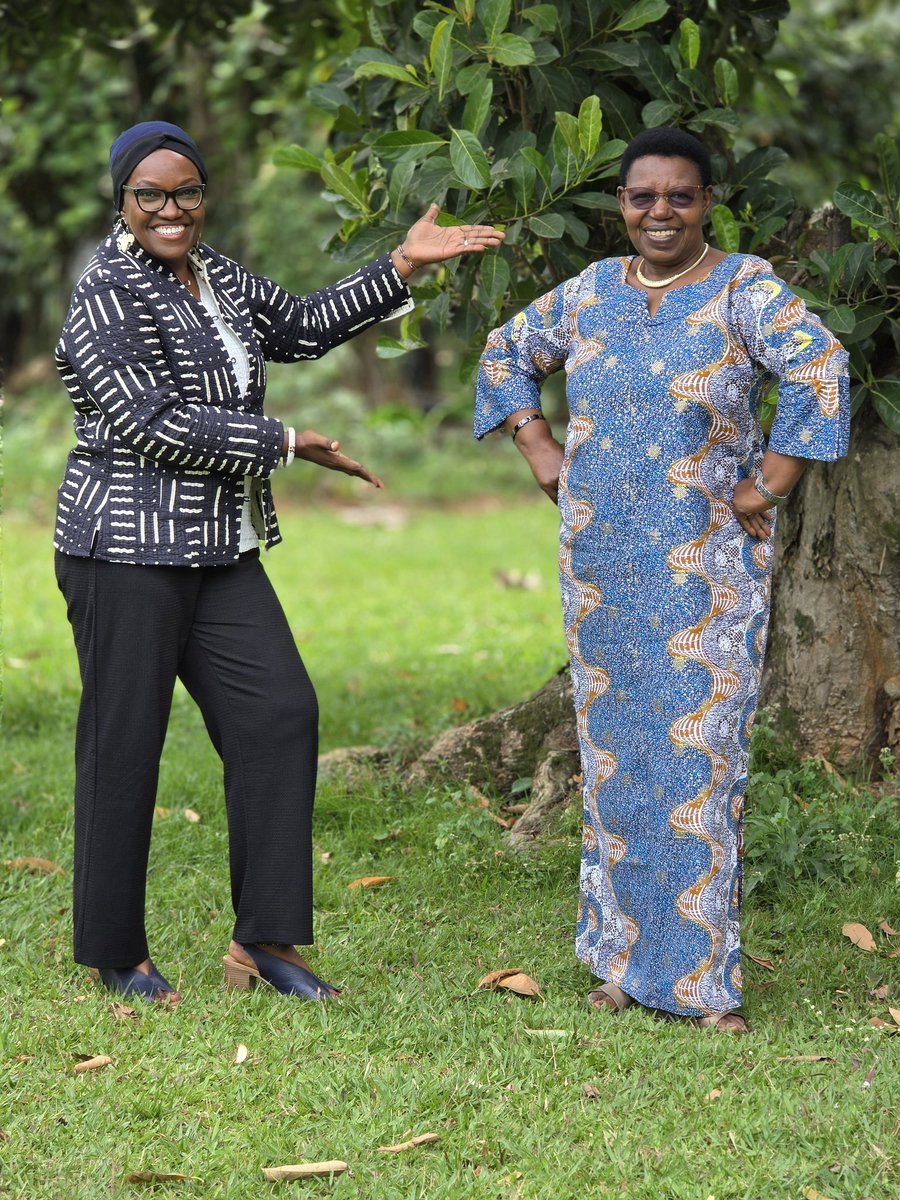
The Generosity of Her Voice She is one of the most recognized and outspoken women in our country. Many know her public voice. Fewer know her as a grandmother. I chose to celebrate Miria in this #GoGrandma series for a reason, because when we speak of generosity, we often think of money, time, or care. We do not always think of voice. And yet, Miria has given hers again and again. Those who know her closely know her deep love for her family. She will drop everything to be present for her grandchildren, immediate and extended. She is generous with her time and her resources, especially for women and children in distress. But it is her voice that I keep coming back to. She says it herself that her most potent weapon and gift is her mouth. And she uses it. To speak on justice. On faith. On integrity. On fairness. She speaks in ways that are clear, unwavering, and often costly. In a context where civic and political space can be constrained, to speak as she does is not without risk. Grandmothers like her do not just raise families. They hold the line for society. They speak when silence would be safer. They challenge when retreat would be easier. And in doing so, they protect something far bigger than themselves. We do not always name this as generosity. But it is. It is a giving of self. A laying down, again and again, in service of truth and dignity, even when the cost is high. Dear Grandma Miria, thank you. For speaking. For standing. For refusing to be silenced. Your voice is a gift to this nation, and to generations. #GoGrandma #VoiceAsGenerosity #SpeakingTruth @GivingTueAfrica @CivsourceAfrica
Jacqueline Asiimwe tweet mediaJacqueline Asiimwe tweet mediaJacqueline Asiimwe tweet media
English
6
15
138
7K
Juliet Were retweetledi
Dr Wanyama Judas Thadeo
Dr Wanyama Judas Thadeo@Wanyamajudas·
We had a meaningful engagement with Hon Minister @PNyamutoro the Out-Going National Female Youth MP, whose experience and leadership in the youth space continue to inspire many Young People Out there Her emphasis on unity, teamwork and working closely with the @NYCofUganda to champion all Youth Agendas is a powerful reminder that real impact comes through collective action. As Youth MPs, we are ready to step up and deliver for the YOUTH. #NewCurriculum
Dr Wanyama Judas Thadeo tweet mediaDr Wanyama Judas Thadeo tweet media
English
16
29
259
12.7K
Juliet Were retweetledi
Uganda Women's Network
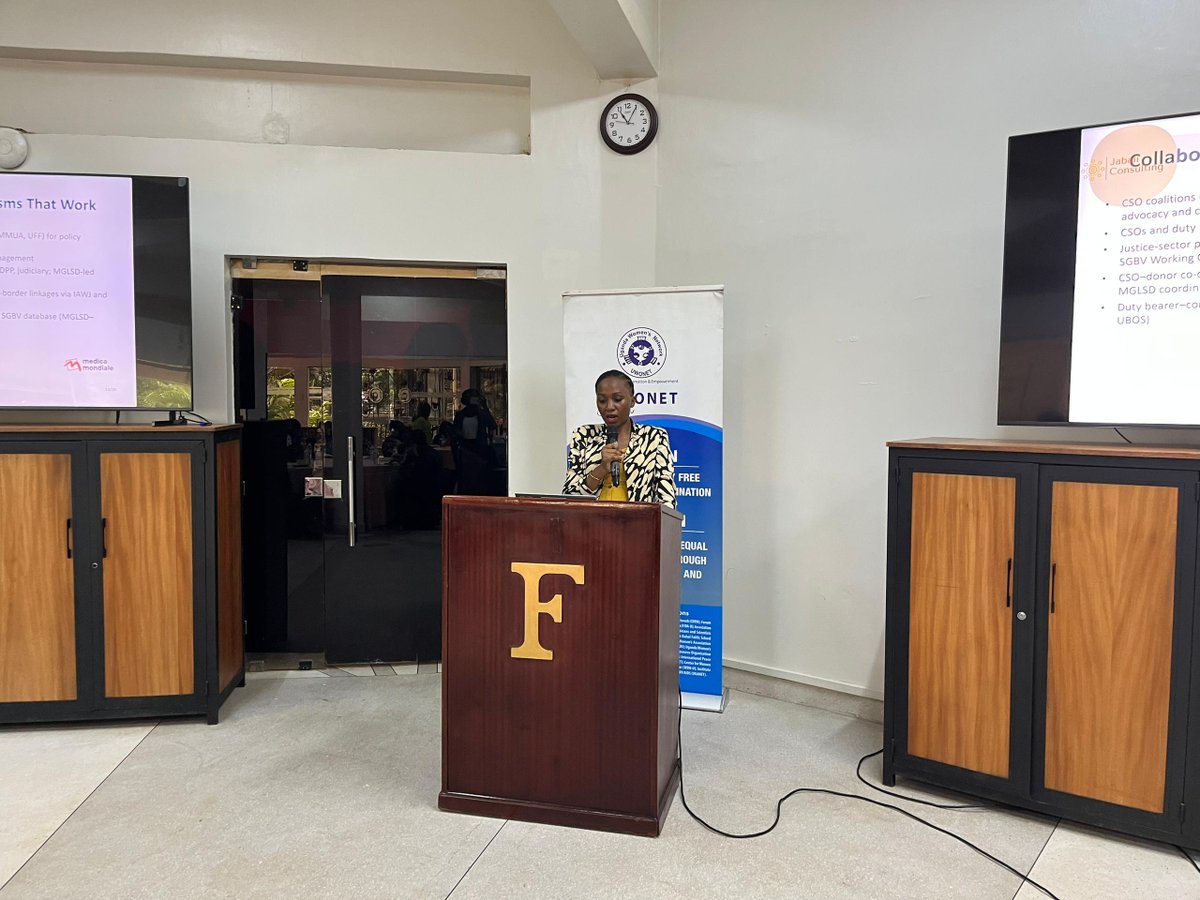
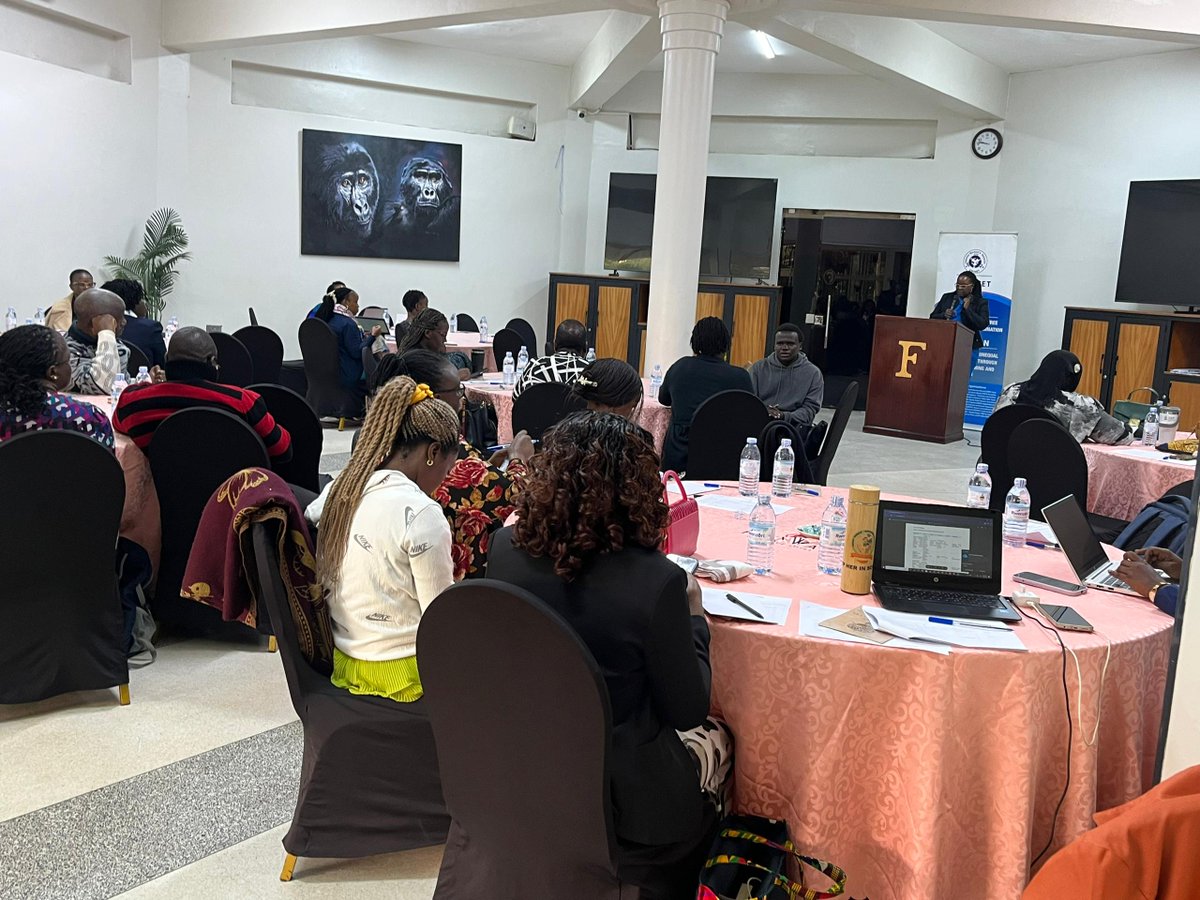
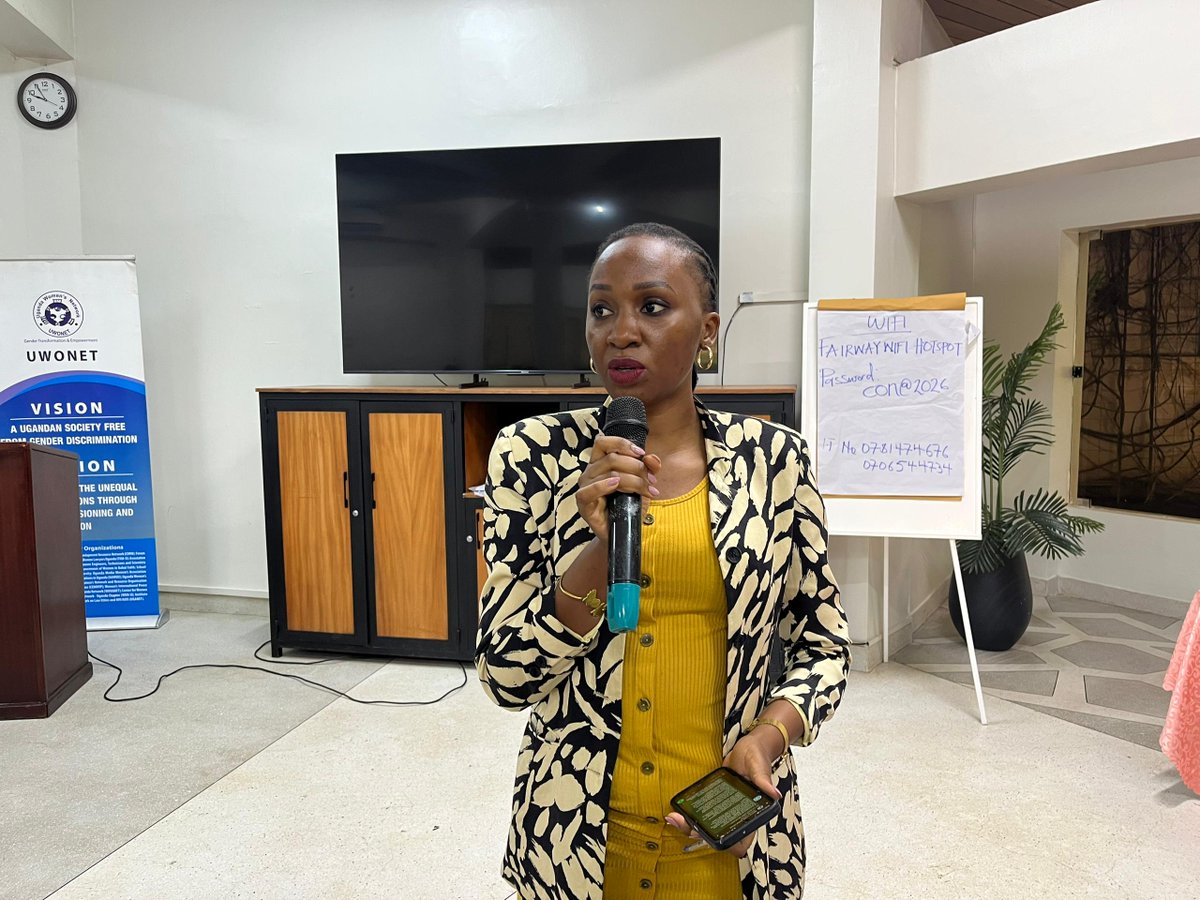
Participants are engaging with a presentation of findings on the key initiatives shaping community-based protection systems and the feminist movement’s response to SGBV across the region. The presentation highlights progress within justice-sector reforms and state-led interventions, including legal literacy and community outreach led by organisations such as FIDA Uganda and Uganda Law Society. It also points to advances in gender-responsive adjudication, specialised SGBV court sessions, survivor-friendly spaces, strengthened forensic processes and the use of national SGBV data systems to improve coordination and accountability. The findings further emphasise the importance of survivor support and community protection systems. Across contexts, GBV shelters, legal aid, psychosocial support and court accompaniment remain central to response efforts, supported by existing community structures such as senior women teachers, local councils and women’s groups. At the same time, the presentation does not shy away from the challenges. Entrenched patriarchy, stigma and backlash against survivors continue to shape outcomes, alongside institutional gaps such as case backlogs, weak follow-up and affordability barriers within the justice system. Yet, the findings also point to clear opportunities: leveraging frameworks like the Maputo Protocol, strengthening coordination through SGBV working groups, harnessing digital platforms for organising and narrative change, and expanding women’s leadership. The conversation now turns to how these insights can inform stronger, more coordinated action moving forward. #GLRPAR #EndSGBV #FeministMovements
Uganda Women's Network tweet mediaUganda Women's Network tweet mediaUganda Women's Network tweet media
English
0
3
15
349
Juliet Were retweetledi
Uganda Women's Network
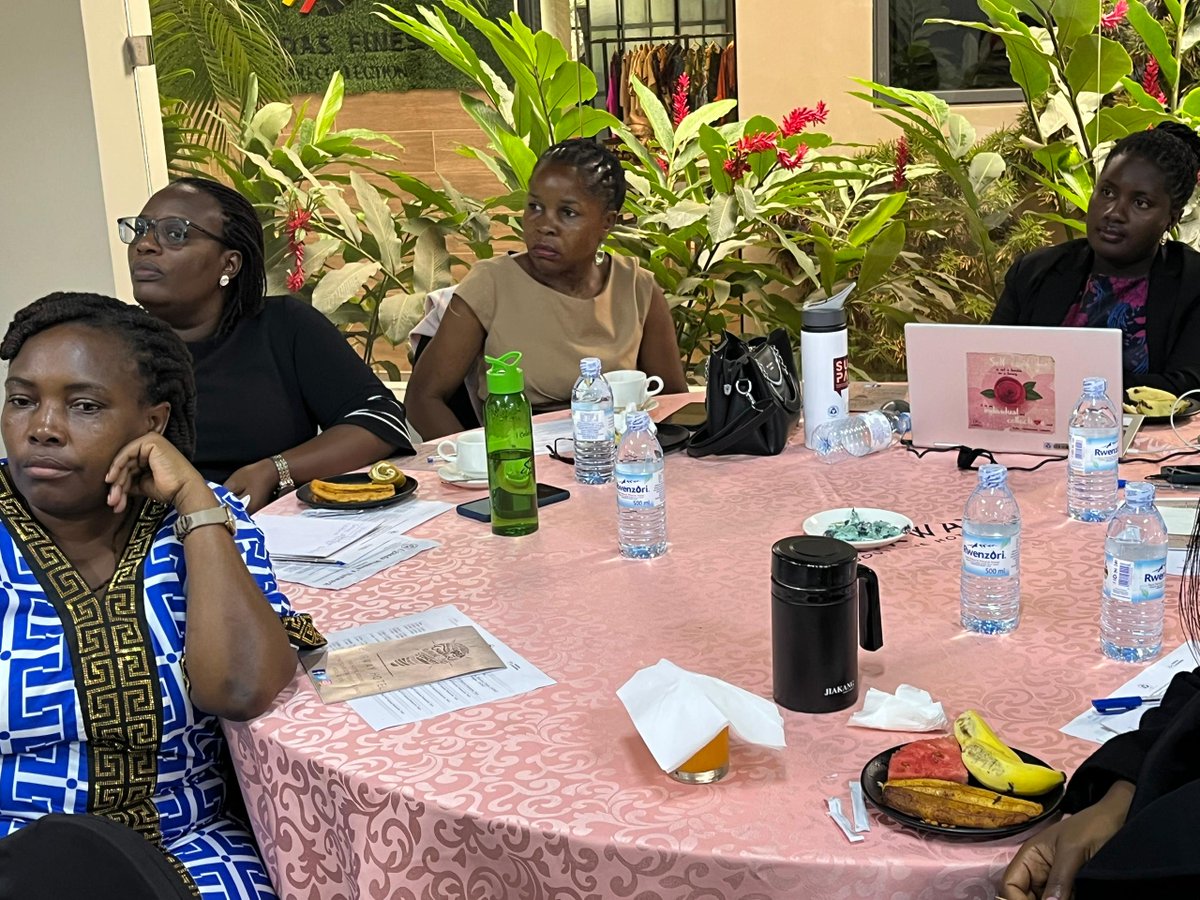
As the validation meeting progresses, findings are being presented on the state of collective care within feminist movements and community-based systems. What emerges is a mixed picture: while some organisations have workplace provisions like leave, insurance, and breastfeeding spaces, much of collective care still happens informally: through mutual aid, shared moments of celebration and support during loss. These practices are already building community and belonging, but they remain underfunded, inconsistently understood and often reduced to individual self-care rather than shared responsibility. Patriarchal stigma and heavy workloads further limit how widely these practices are adopted, even as existing cultural traditions and growing state recognition offer a strong foundation to build from. The presentation also surfaces the broader country realities and priorities shaping this work. Key issues include strengthening feminist organising through sustainable funding, mentorship of young feminists, and evidence-based advocacy; addressing SGBV and harmful norms while expanding conversations on SRHR for adolescent girls; and improving access to justice and accountability systems. Alongside this, women’s economic empowerment, girls’ education and domestic resource mobilisation remain critical. Across these, three priorities stand out clearly: sustainable and well-resourced feminist organising, meaningful access to justice and long-term transformation of harmful social norms and violence against women and girls. Building from these insights, the recommendations point toward both immediate and long-term action. There is a call to develop a shared understanding of collective care and to institutionalise it through policies, budgets and cultures that allow for rest, support and sustainability within movements. Strengthening the movement itself: through inclusivity, intergenerational mentorship and stronger coordination is seen as essential, alongside improving SGBV prevention and response through faster justice processes, expanded shelters, and stronger data systems. The path forward also emphasises unified legal and policy advocacy, stronger institutional partnerships, and deeper regional collaboration through shared knowledge, cross-border solidarity, and coordinated action. #GLRPAR #FeministMovements #CollectiveCare #EndSGBV
Uganda Women's Network tweet mediaUganda Women's Network tweet mediaUganda Women's Network tweet mediaUganda Women's Network tweet media
English
1
5
12
439
Juliet Were retweetledi
Uganda Women's Network
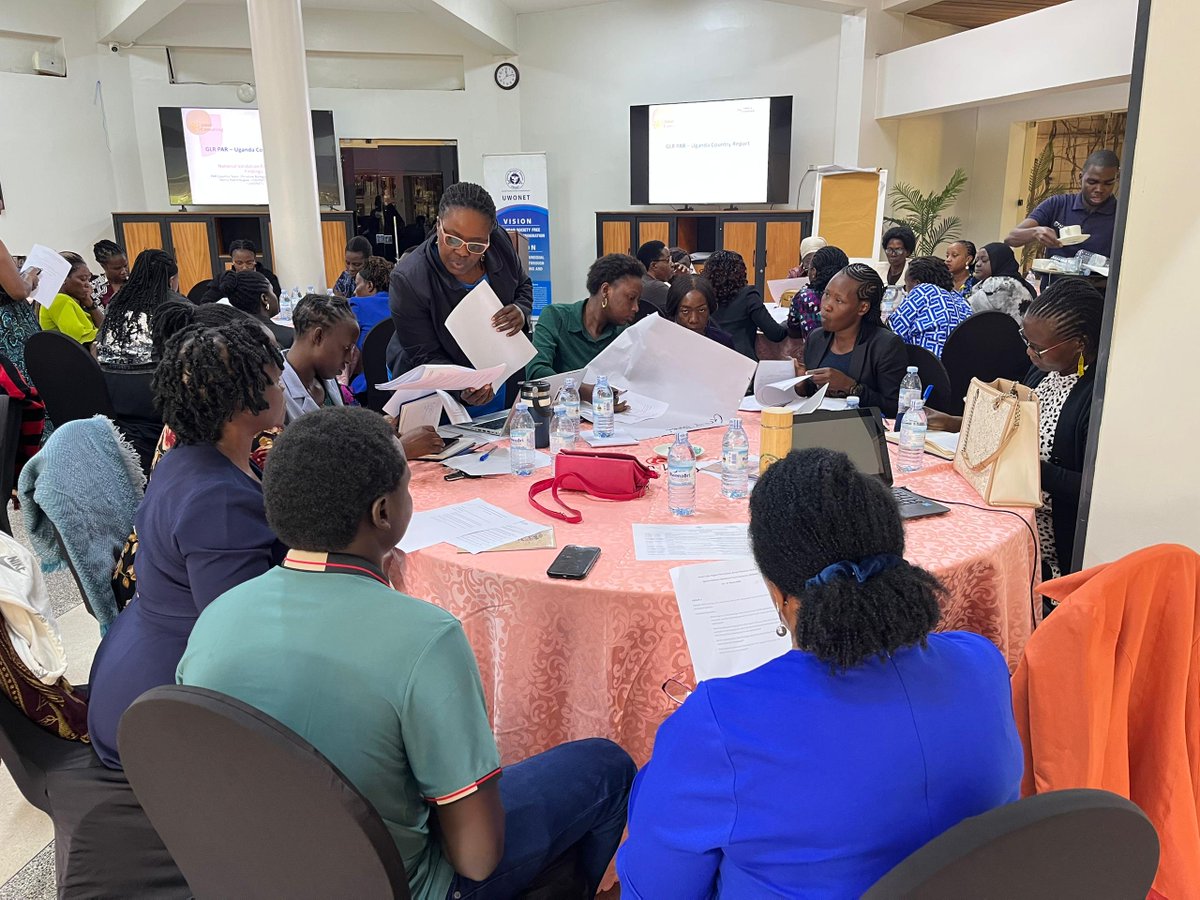
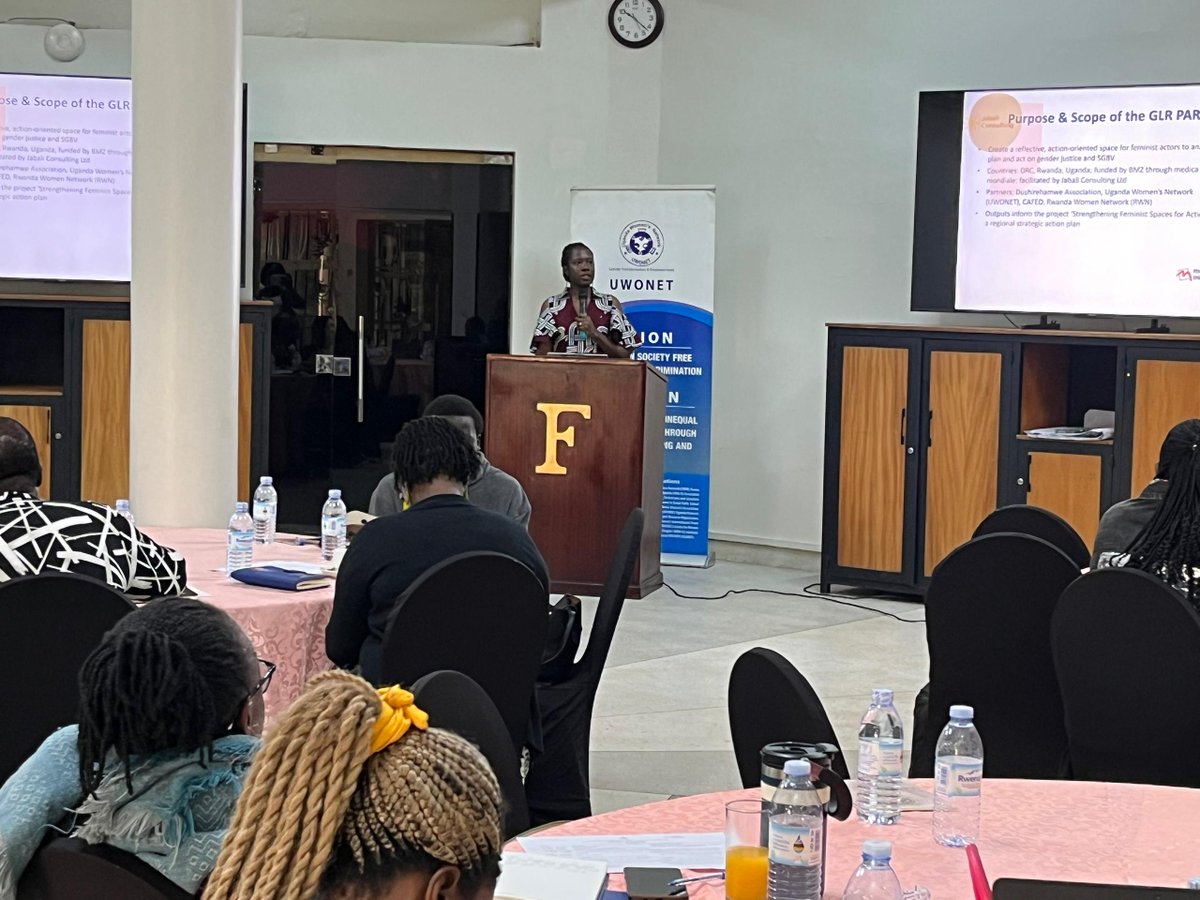
Today, we convene partners, feminist activists and women’s rights organisations for the validation meeting of the Great Lakes Region Participatory Action Research (GLR PAR) report, marking an important step in a process that has brought together movements across Uganda, Rwanda, and Democratic Republic of Congo to reflect, learn and act collectively on gender justice and Sexual and Gender-Based Violence (SGBV). The GLR PAR was designed as more than research: it is a feminist, action-oriented process that creates space for activists and organisations to lead their own analysis, surface lived realities and shape strategies grounded in their contexts. By centering local actors, the process has enabled deeper reflection on the strengths, challenges and evolving dynamics within feminist movements, while identifying opportunities for shared learning and regional solidarity. Through this work, key actors, initiatives, and community-based protection systems have been mapped and critical insights generated to inform advocacy, programming, and partnerships. Today’s validation meeting is a moment to collectively interrogate the findings, affirm shared realities and refine the action pathways that will guide national and regional strategies moving forward. #FeministSolidarity #GLRPAR #EndSGBV
Uganda Women's Network tweet mediaUganda Women's Network tweet mediaUganda Women's Network tweet media
English
0
6
23
423
Juliet Were retweetledi
Women's International Peace Centre
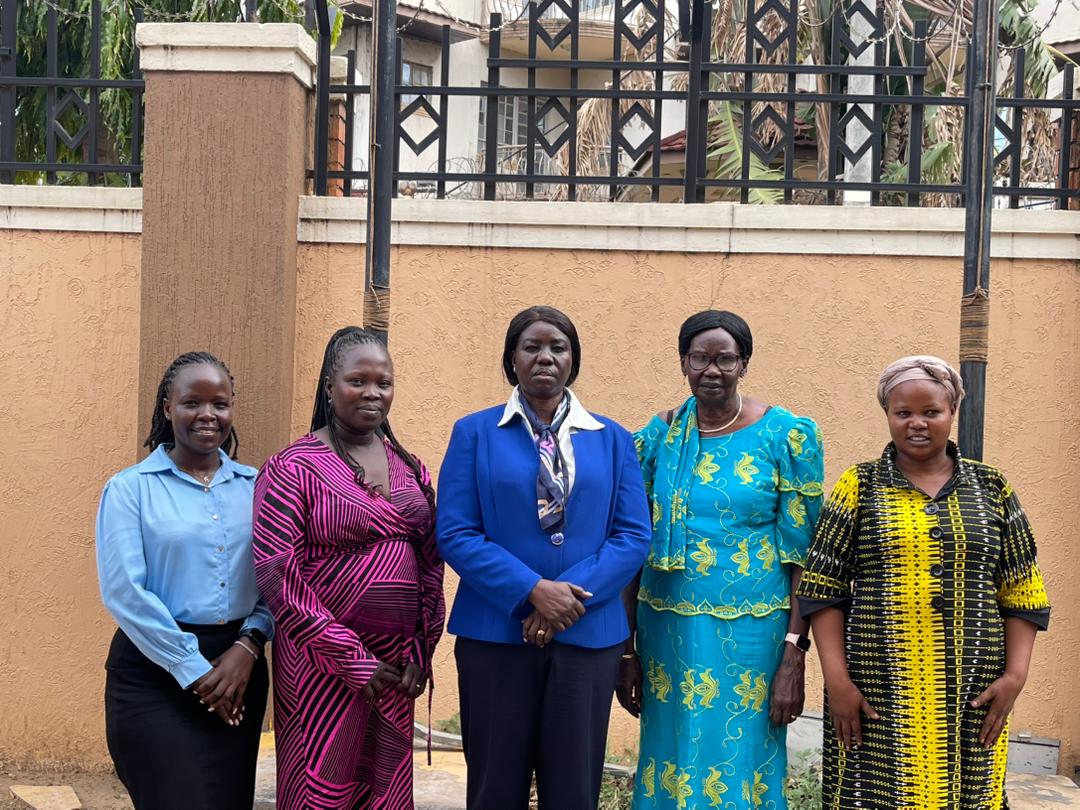
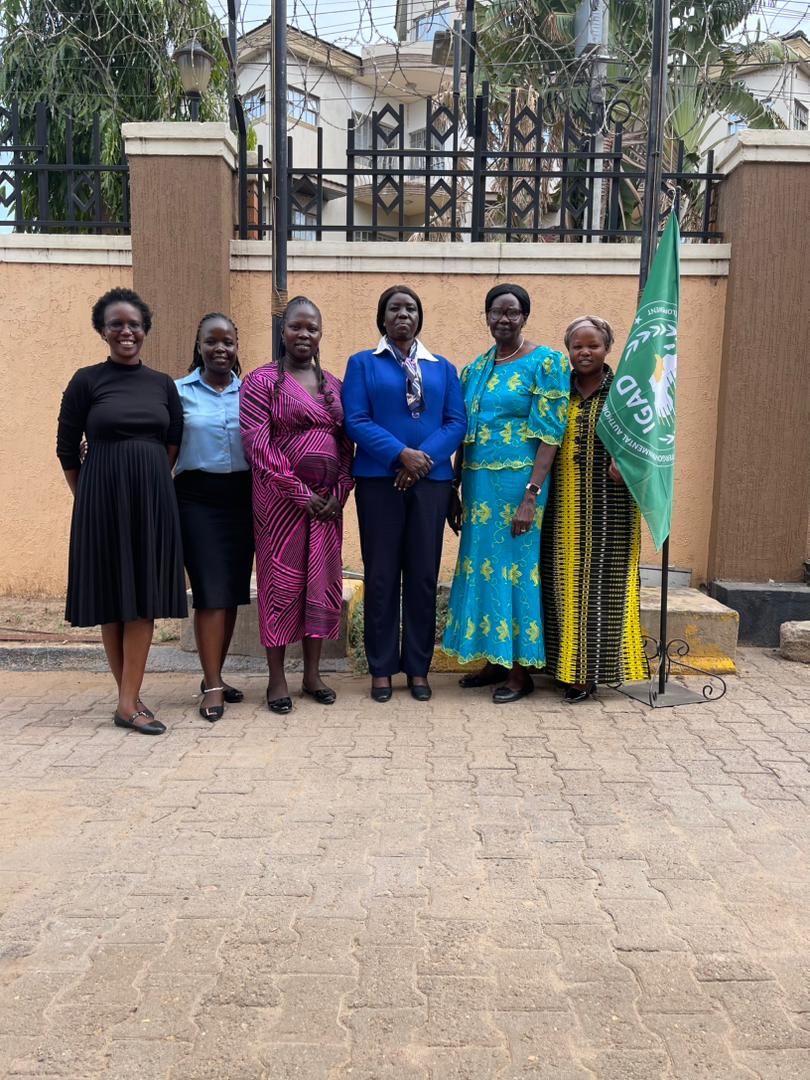
✨Our work in South Sudan continues to center women’s demands for peace and accountability!✊ This week, we joined the South Sudan Women Coalition for Peace (@sswcponline) in a meeting with IGAD Head of Mission, Dr Victoria Anib (@Dr_anib). Together, we presented the women's communiqué on peace, calling for full implementation of the R-ARCSS, at least 35% representation in all governance structures, protection from violence, accountability for perpetrators, and inclusion in all peace and security processes. 📌We call on @IGADsecretariat , @SouthSudanGov , and all partners to take forward these priorities in ongoing peace processes and implementation efforts.#NoWomen #NoPeace
Women's International Peace Centre tweet mediaWomen's International Peace Centre tweet mediaWomen's International Peace Centre tweet media
English
0
4
8
146
Juliet Were retweetledi
African Union ECOSOCC
African Union ECOSOCC@AU_ECOSOCC·
The @UN has officially declared the transatlantic slave trade the gravest crime against humanity. For years, #civilsociety documented the harm, kept the issue on the agenda, and pushed for this level of recognition. That work is now reflected in a formal decision at the global level. What follows will not happen on its own. This recognition creates space for governments to be engaged, for proposals to be put forward, and for the conversation to move from acknowledgment to what should be done about it. Civil society remains central to this next phase. That means continuing to press for reparatory justice, contributing to how it is defined in practice, and ensuring that #education, memory, and #policy responses reflect the full scale and legacy of the transatlantic slave trade. This graphic gives a brief overview of what comes next and how civil society can support each step. #Reparations #Justice #HumanRights #ReparationsNow #DecadeOfReparations
African Union ECOSOCC tweet media
English
5
56
79
1.9K
Juliet Were retweetledi
Dr Wanyama Judas Thadeo
Dr Wanyama Judas Thadeo@Wanyamajudas·
As Youth MPs-elect, we had a highly engaging and productive meeting with Rt. Hon @AnitahAmong focused on the pressing challenges facing young people across Uganda. She expressed strong commitment to championing practical solutions on vital youth issues marking a bold step towards transforming the youth narrative. We also unanimously endorsed Rt. Hon @AnitahAmong for Speaker of the 12th Parliament. We are confident she has the vision, leadership and experience to steer a people centered House that will truly serve the wanainchi. Asante Sana Ndugu Zangu 🤝 || @SamBegira || @ElmaKapelChalla || @KanyesigyeMerc1 || @MwineTumwebaze #AAA4Speaker #NewCurriculum
Dr Wanyama Judas Thadeo tweet media
English
16
22
147
6.9K
Juliet Were retweetledi
NSSF Uganda
NSSF Uganda@nssfug·
Ready to invest with confidence? Join us for the March edition of the NSSF Financial Literacy Webinar as industry experts break down financial investment options and help you make smarter financial decisions. Tap the banner to register and mark your calendar!
English
0
36
417
257.1K
Juliet Were retweetledi
Jacqueline Asiimwe
Jacqueline Asiimwe@asiimwe4justice·
When Art Changes a Child’s Story I first encountered Faces Up through a beautiful act of generosity. At the time, a friend of mine, then Marketing Manager at Latitude Zero, reached out looking for an organization to receive the proceeds from an art event called Ebirungi. The artists had committed to donate 10% of their sales, and Latitude wanted it to go to a meaningful cause. Working with my colleague Elizabeth, who leads our Kuonyesha Art Fund, she recommended @FacesUpUganda And so began the connection. At the Ebirungi event, I remember listening to @kalulemma, the Founder and CEO, speak so passionately about their work. It stayed with me. Faces Up works with children in low-income communities, using art as a tool for expression, healing, and possibility. The children create art, and through its sale, contribute toward their schooling. But it is so much more than that. Through art, they are finding voice. They are building confidence. They are learning empathy, community, and even entrepreneurship. I fell in love with the work, the ethos, and the people behind it. I promised myself I would visit. When I finally did, I spent an afternoon painting with the children. The joy, the laughter and the seriousness of that day remain one of my most memorable experiences. This year, I had the added joy of meeting Emmanuel’s mother, the woman who believed in and supported his dream from the very beginning. Hearing her speak gave even deeper meaning to the journey of Faces Up. I have watched this organization grow and bloom. And now, they are at a pivotal moment. They need a bigger space so they can reach more children, nurture more talent, and extend this beautiful work even further. To make this possible, they are raising $5,000, which will be matched. Deadline: 31st March If you have ever believed in the power of art… If you have ever seen what happens when a child is given a chance… This is one of those moments to act. 👉🏾 Donate here: lnkd.in/dP7A2mwY And truly, why stop at $5,000? Let’s help them go beyond. Let’s help them reach even more children. We can do this. Together. #ArtForChange #InvestInChildren #CollectiveGiving
Jacqueline Asiimwe tweet mediaJacqueline Asiimwe tweet mediaJacqueline Asiimwe tweet mediaJacqueline Asiimwe tweet media
English
0
18
37
1.1K
Juliet Were retweetledi
Women's International Peace Centre
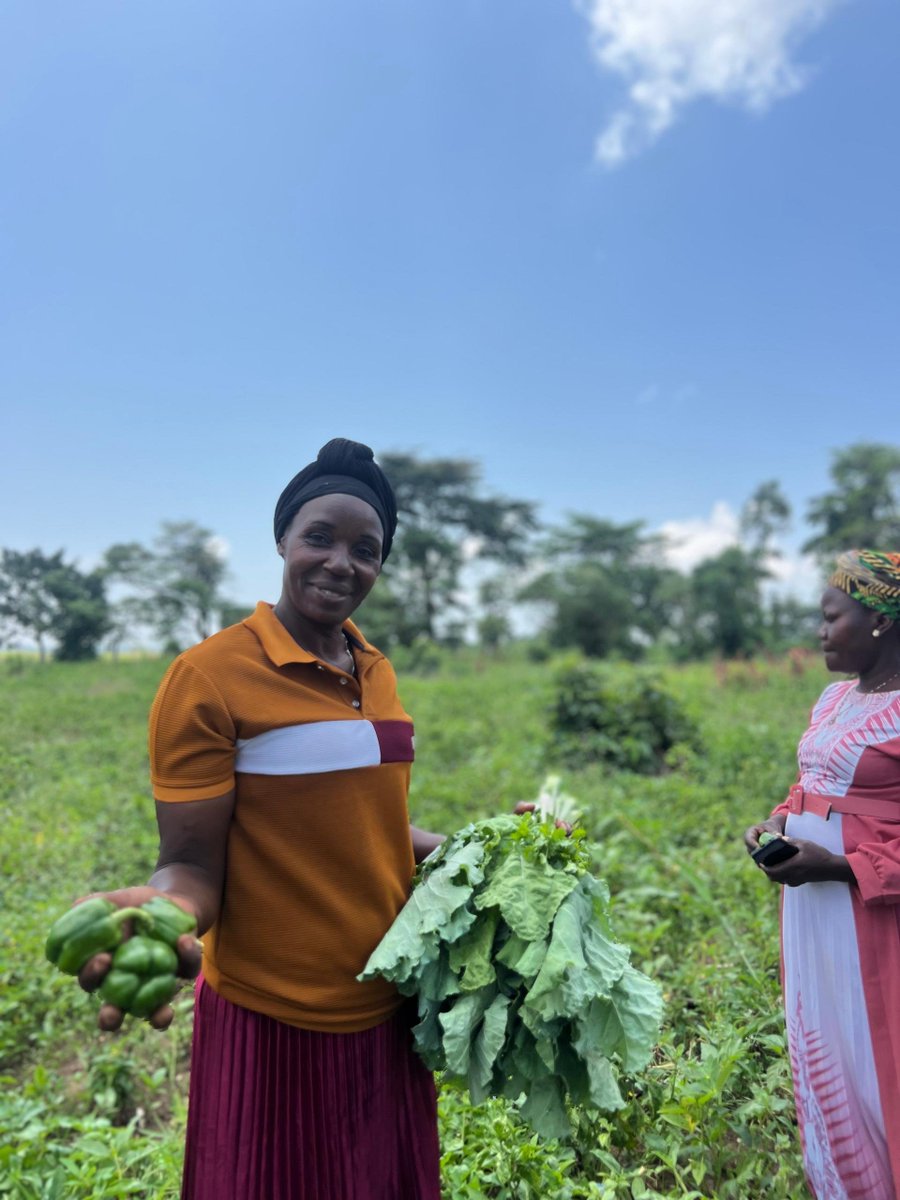
Talk about women leading Climate Action💪 Women in Namayingo District 🇺🇬 are not waiting—they are leading 🌱 From planting vegetables like sukuma wiki, okra, green peppers, cabbage, and tomatoes to growing thriving trees, these women are building sustainable livelihoods and caring for their families. Through Village Savings & Loan Associations (#VSLAs), they are saving, investing, hiring land, and growing their futures together. 💬 What does climate resilience look like in your community? Share your thoughts. #ClimateJustice #WomenLead #SustainableLivelihoods #Namayingo #HerLeadership
Women's International Peace Centre tweet mediaWomen's International Peace Centre tweet mediaWomen's International Peace Centre tweet mediaWomen's International Peace Centre tweet media
English
5
6
14
160
Juliet Were retweetledi
Juliana Kagwa
Juliana Kagwa@JulzKagwa·
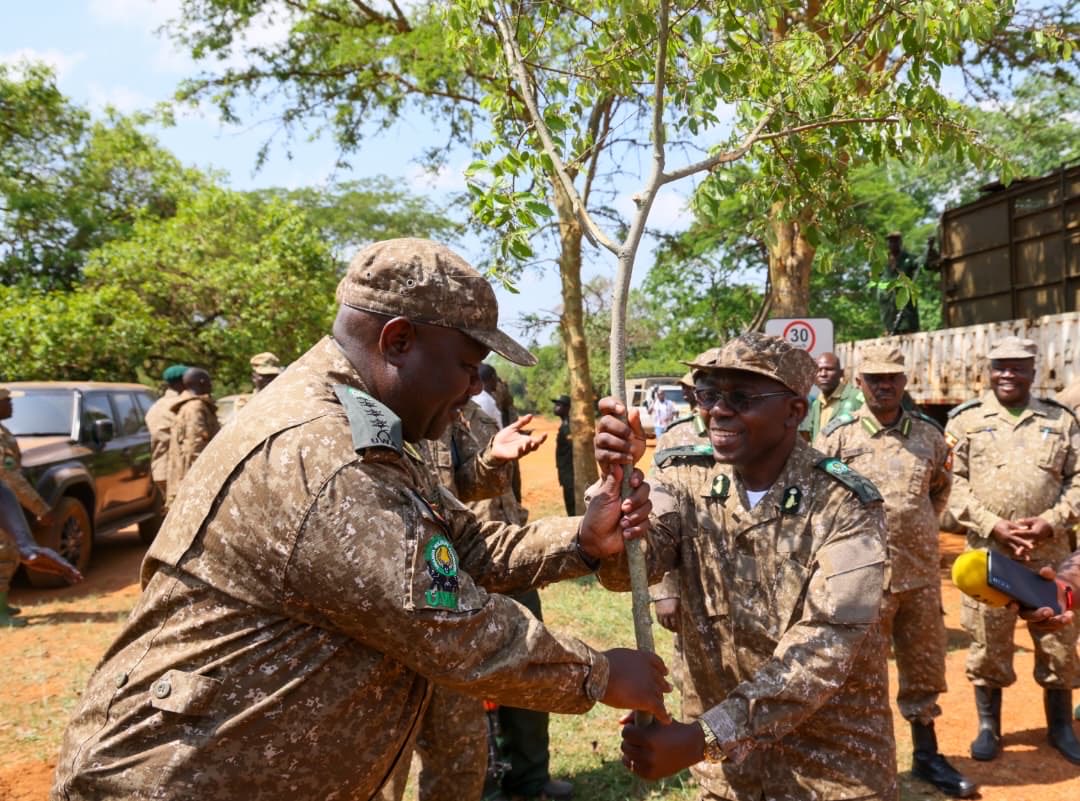
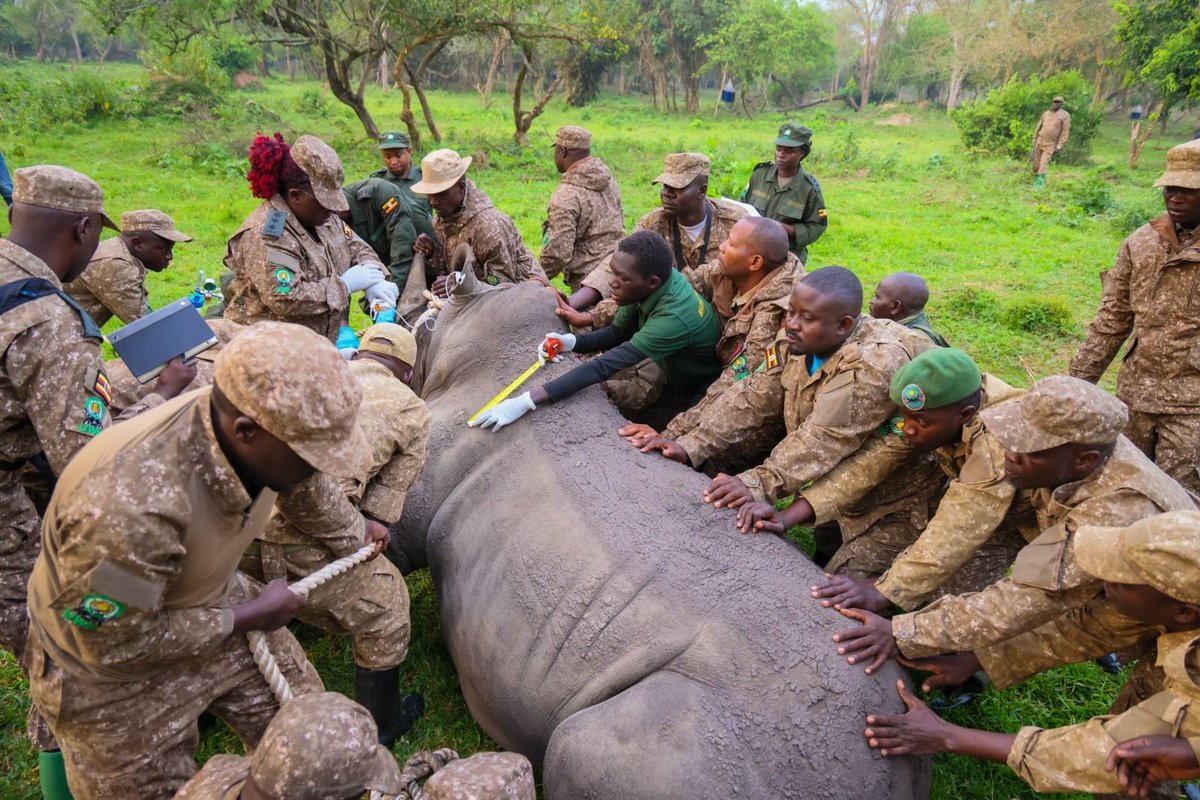
Warm congratulations to the team at @ugwildlife, under the leadership of Dr. James Musinguzi, on successfully translocating Rhinos to Kidepo Valley National Park. The translocation of the first two rhinos - part of a carefully managed plan to reintroduce eight into the wild - is not just a conservation milestone. It is a powerful restoration of Uganda’s natural story, a reminder of what is possible when vision meets commitment. As stakeholders in tourism, we celebrate this bold step toward enriching our wildlife offering and strengthening Uganda’s position as a destination of choice. Uganda’s tourism is rising and this is what progress looks like. #ExploreUganda
Juliana Kagwa tweet mediaJuliana Kagwa tweet media
English
4
42
128
5.7K
Juliet Were retweetledi
Emeka Ajene ✍🏽
Emeka Ajene ✍🏽@eajene·
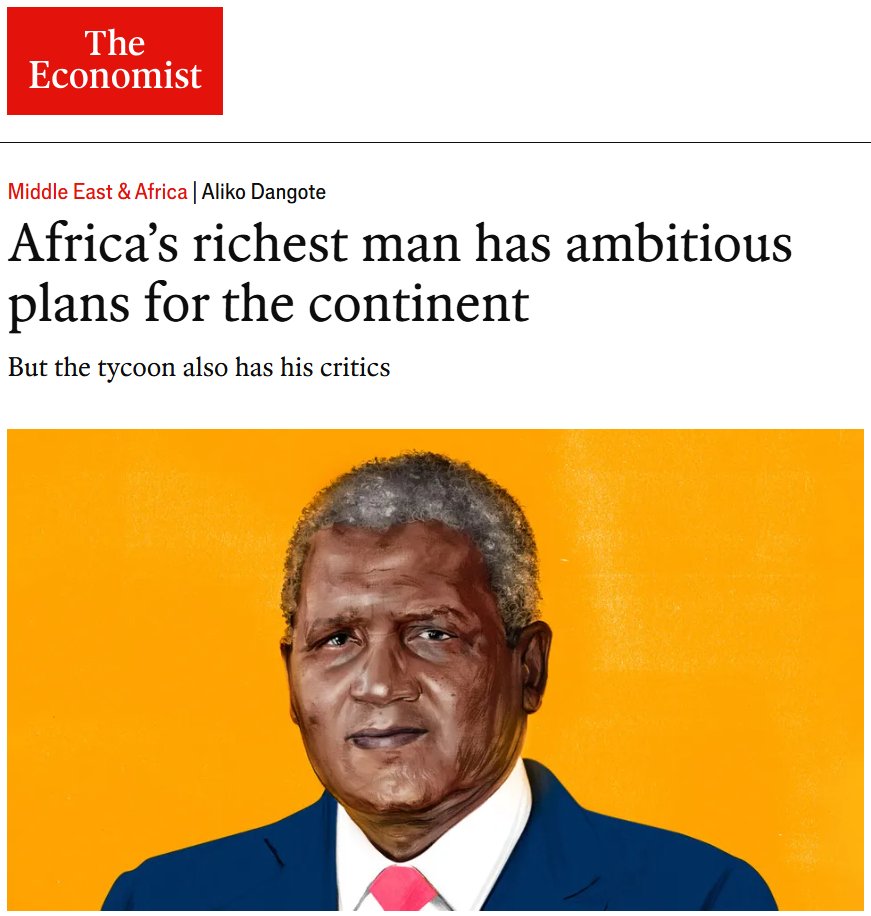
Africa's industrialist-in-chief, Aliko Dangote, shared his theory of African industrialization in an interview @TheEconomist published earlier this week. "If we don’t invest, nobody will come and invest in our continent." Who led investment into East Asia? "It wasn’t the Europeans. It was led by themselves as Asians." The industrialists building India? "They’re all Indians." "If we Africans don't lead in the industrialization of Africa, Africa will never industrialize." That argument isn't necessarily new. But Dangote is uniquely credible among those who make it. • His petroleum refinery processes up to 650k barrels of oil per day — the IMF estimates that run at full capacity it adds 1.5% to Nigeria's non-oil GDP. • His fertilizer plant produces 3M metric tons of fertilizer annually — more than any other plant in Africa. • His cement operations produce over 48M metric tons annually across multiple plants, making Dangote Cement the continent's largest producer. It's evidence that huge returns can be had in African markets by installing the kind of industrial capacity that exists everywhere else in the world. But to transform Africa from a resource exporter to an industrial powerhouse at scale, a new generation may need to follow Dangote's blueprint. The challenge as the man himself notes: "Africans generally might not have this kind of capital. Even when they have, they don’t want to invest." What do you think? What would it take for a new generation of industrialists to emerge across Africa?
Emeka Ajene ✍🏽 tweet media
English
13
107
299
16.9K
Juliet Were retweetledi
comagend cameroon
comagend cameroon@ActionGender·
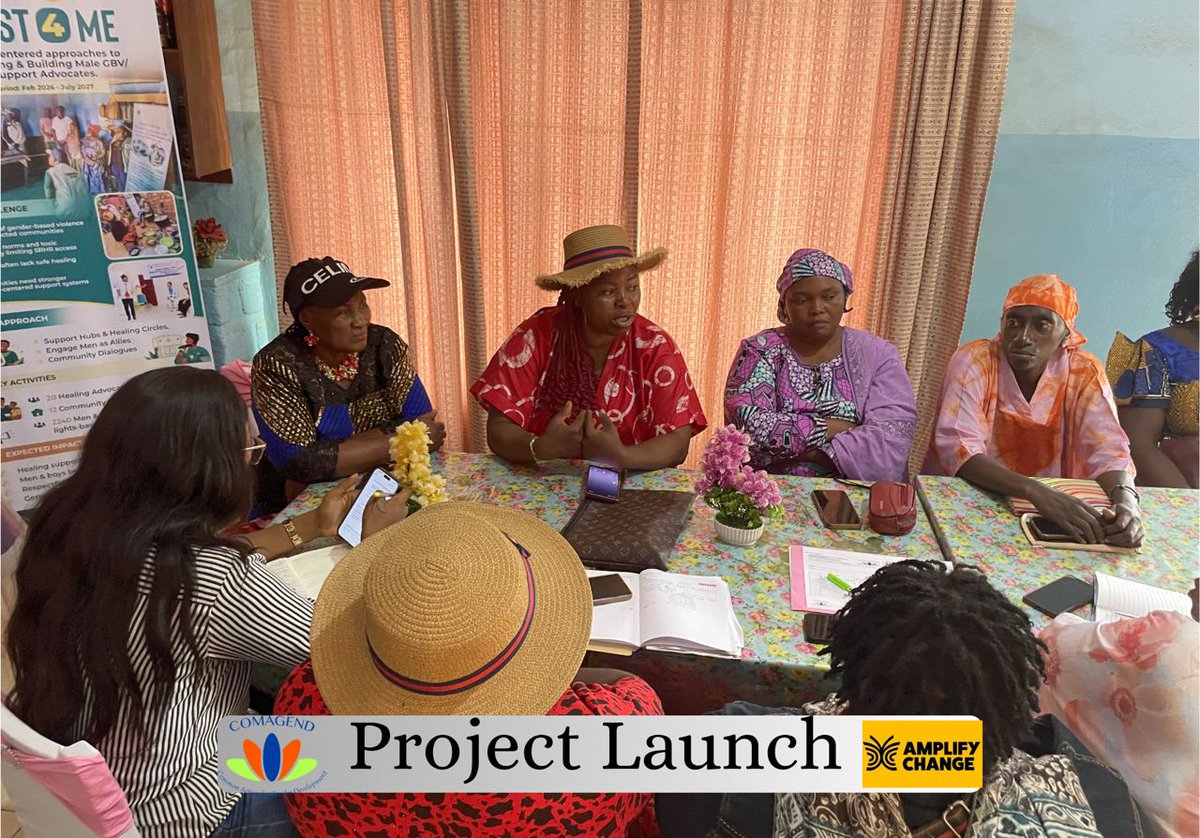
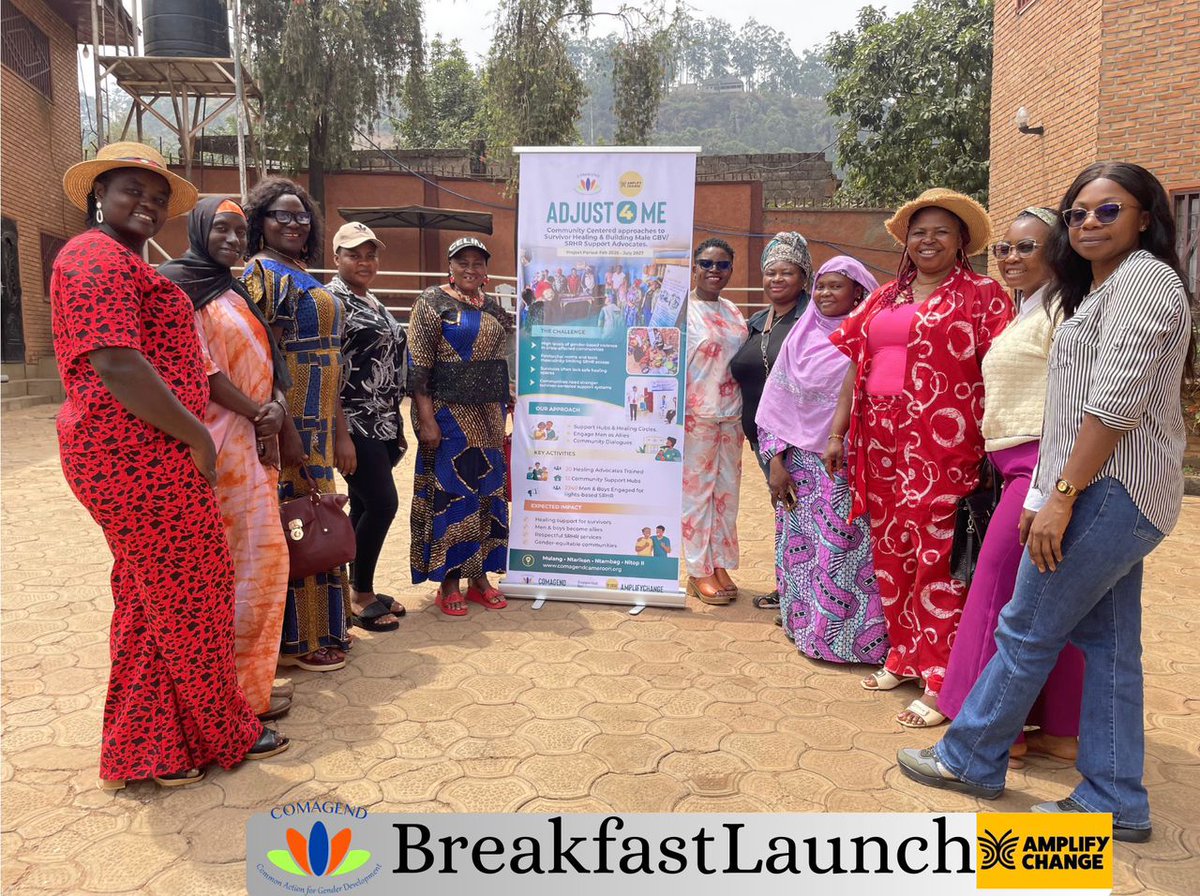
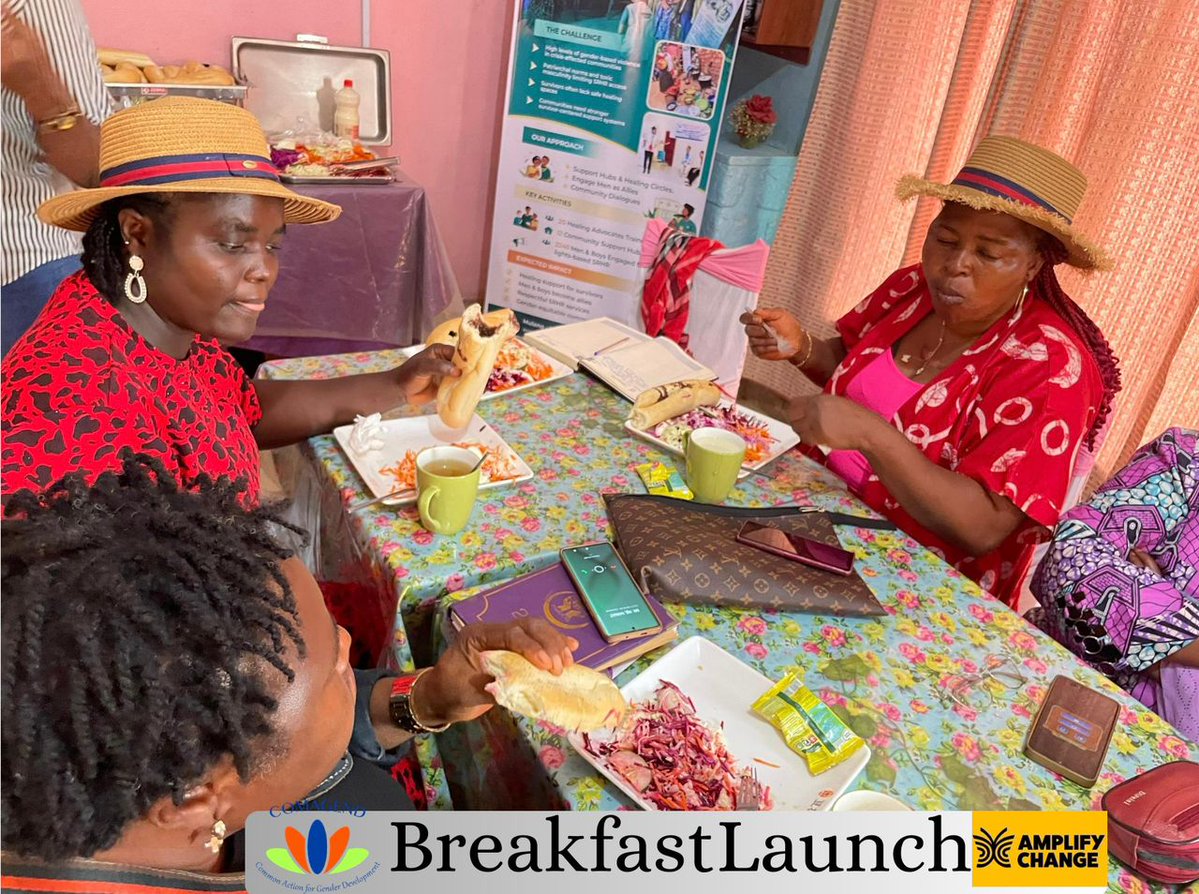
Breakfast served. Change preserved. we used de launch 2⃣: 🌱Ground the conception of this🆕,survivor-led project. 🔍Reflect on critical lessons 4⃣rm the previous #GBVprevention phase.Tis isn’t just about change; it's about embeddx it w/community accountability. #GenderJustice
comagend cameroon tweet mediacomagend cameroon tweet mediacomagend cameroon tweet mediacomagend cameroon tweet media
English
0
2
9
102
Juliet Were retweetledi
Perry Aritua
Perry Aritua@PerryAritua·
Shoes of intelligence,resilience, values & compassion.Yesterday, I &several others joined Hon. Alice Alaso at the launch of her book- Trials&Triumphs in the journey of Affirmative Action Politics.This book is a must read for all who seek leadership to serve humanity. @KasUganda
Perry Aritua tweet mediaPerry Aritua tweet mediaPerry Aritua tweet mediaPerry Aritua tweet media
English
0
5
11
604
Juliet Were retweetledi
African Union ECOSOCC
African Union ECOSOCC@AU_ECOSOCC·
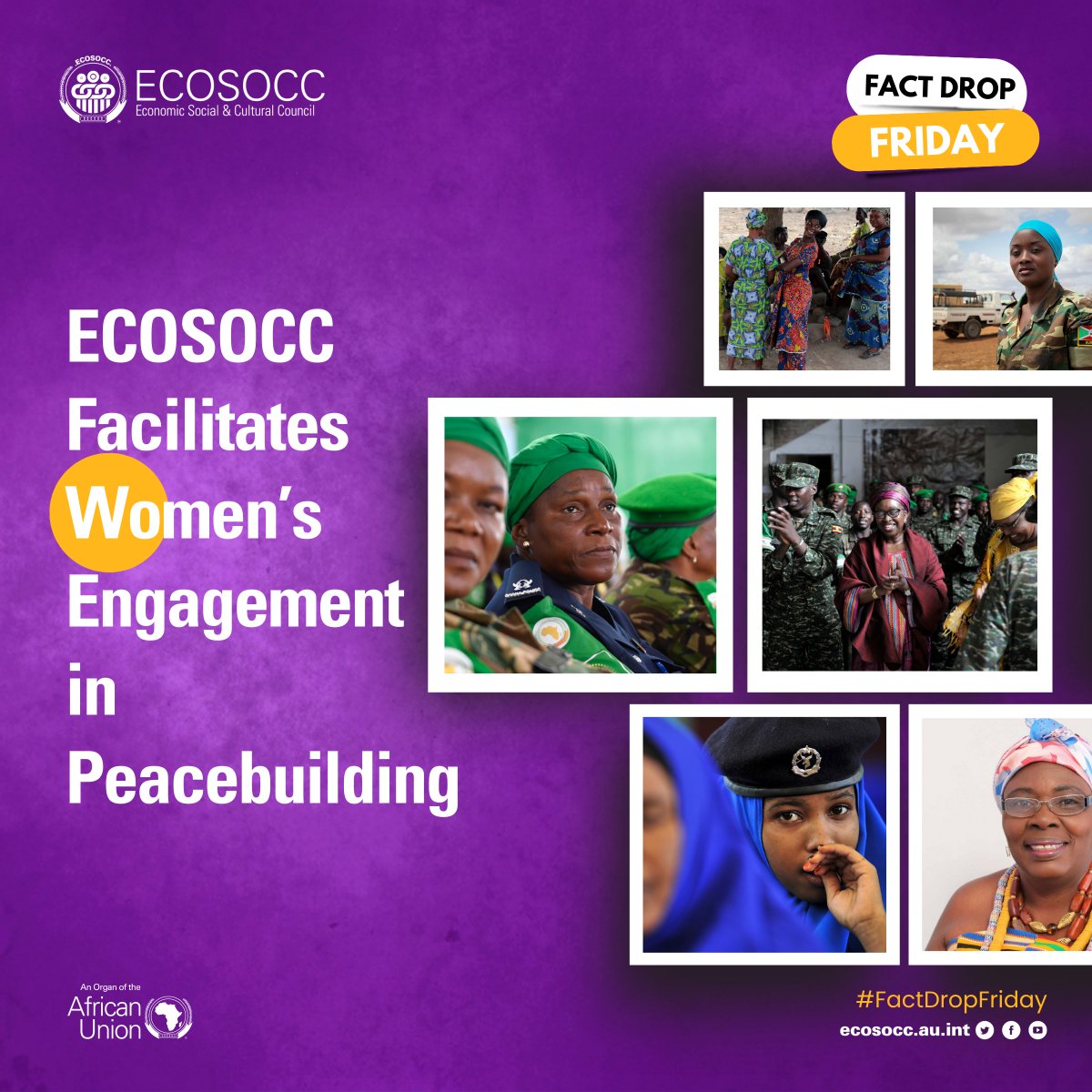
Did you know that ECOSOCC facilitates the participation of women civil society actors in @_AfricanUnion peace and security discussions?! Through consultations, forums, and policy dialogues, women’s organizations have opportunities to share experiences from their communities and contribute perspectives to continental conversations: bit.ly/ECO-WPS Women play active roles in preventing conflict and sustaining peace: they mediate community disputes, organize dialogue across divided groups, support survivors of violence, and advocate for more inclusive peace processes. Policies are better informed by realities on the ground when these voices are present in discussions on #peace, #governance, and stability. #FactDropFriday #TheVoiceOfTheAfricanCitizenry #Security
African Union ECOSOCC tweet media
English
0
2
9
262