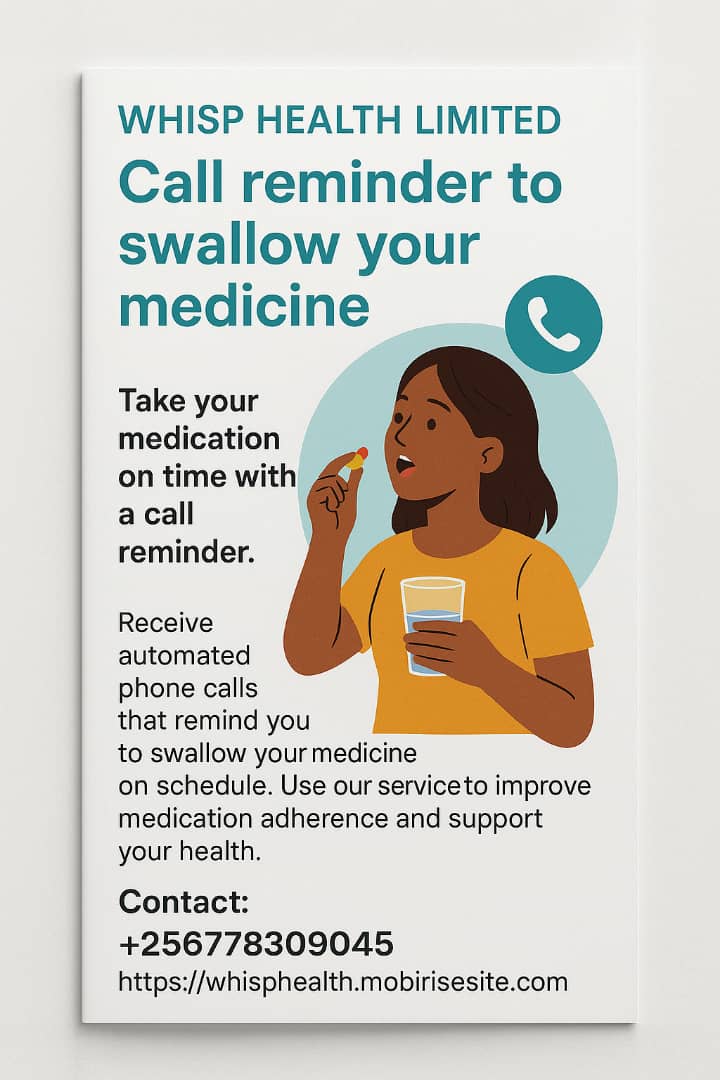
Did you take your last dose, oba you forgot. We are here for you our beloved Ugandans.
It's simple, send your prescription details: whisphealth.mobirisesite.com
Leave others to use.
English
Whisp Health
96 posts

@WhispHealthLink
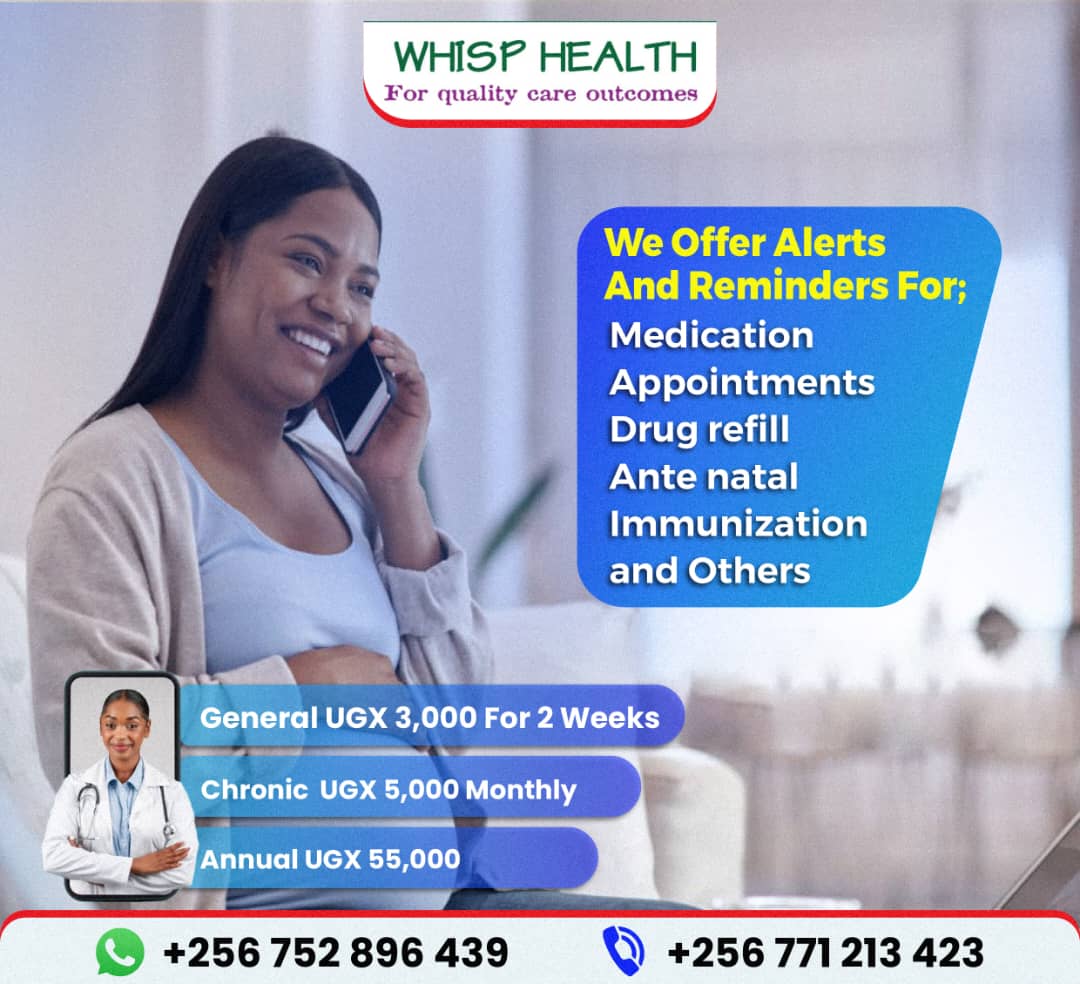
Medication Call reminders Appointments Reminders call health campaigns Market your new services Telemedicine, Digital and remote care.



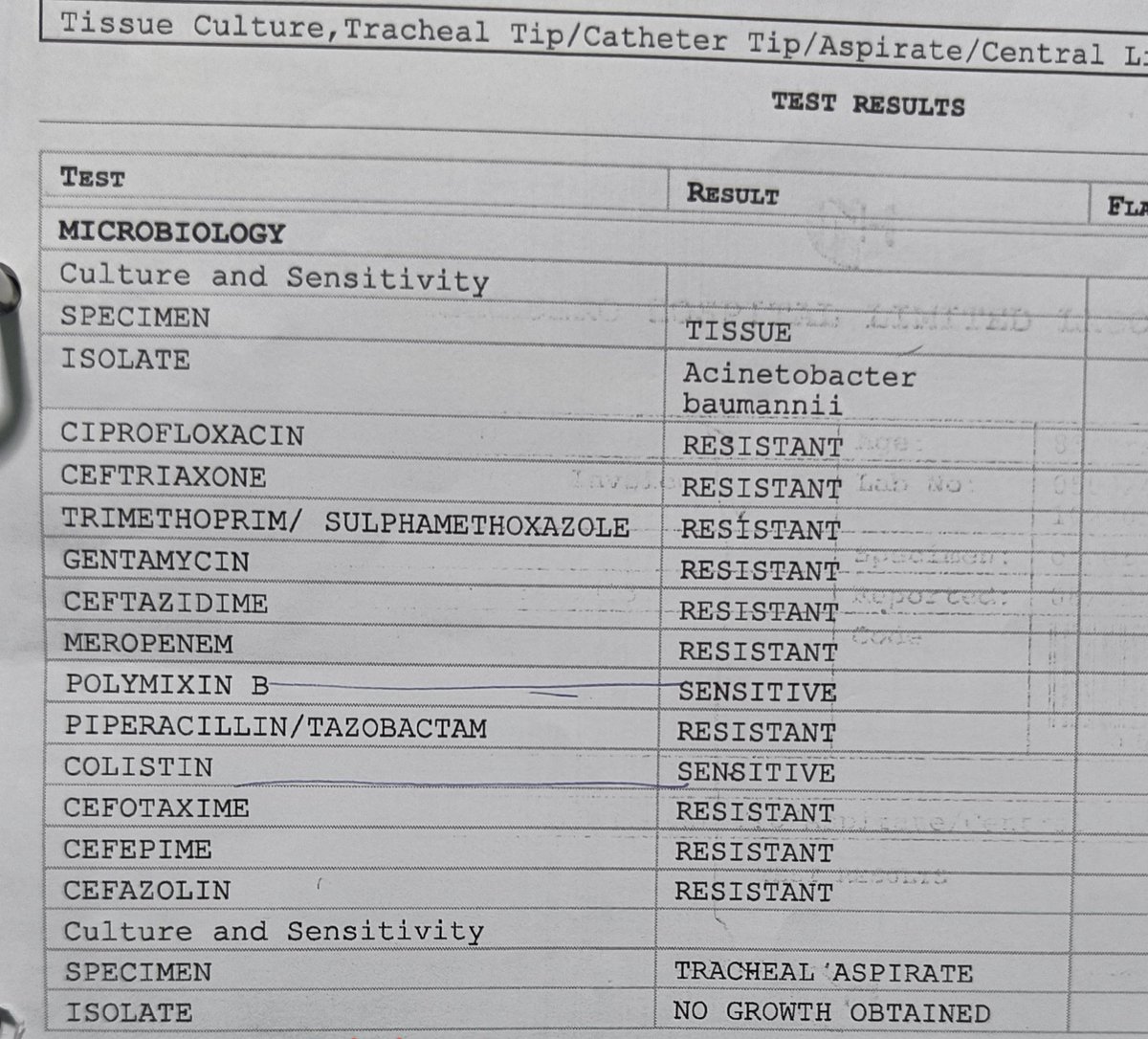












At a private hospital where I previously worked, I learned the immense value of patient follow-up. We would call patients to check on them post-discharge, and I discovered its critical importance. So I've carried this practice to the public hospital where I currently work, making it a personal mission to follow up with patients, particularly those with high-risk conditions or those who have undergone major surgeries coz I'm not able to follow up all of them as one person. For example, I recently called a patient who had undergone surgery. When I asked a few questions concerning her health and how she was doing, she told me she had noticed pus at the incision site, I advised her to return to the hospital immediately. Upon her return, I conducted a thorough evaluation and intervened promptly, preventing complications like wound sepsis, dehiscence, and even more severe conditions such as burst abdomen or pelvic abscess. Another patient was not taking her medications correctly upon discharge, and my phone call helped her rectify this. A few days later, she informed me of her improved condition, and I was delighted. The importance of patient follow-up cannot be overstated. It allows us to catch potential complications early, ensure patients are adhering to their treatment plans, and provide them with the support they need during recovery. This practice not only improves patient outcomes but also fosters trust and reassurance. I encourage all healthcare professionals to adopt the habit of patient follow-up. It is a simple yet powerful tool that can make a significant difference in patient care and recovery.