John A. Johnson

20.3K posts

John A. Johnson

John A. Johnson

@agpolicywonk

Lifetime n production ag, farmed, public policy work at various ag trade associations & USDA, opinions my own-Coram Deo.

Shenandoah Valley, VA Katılım Ocak 2010
4.5K Takip Edilen2.5K Takipçiler
John A. Johnson retweetledi
NEXTA
NEXTA@nexta_tv·
Forbes: China seized an island while global attention was focused on Iran While world leaders were watching events in the Persian Gulf, China effectively annexed territory in the South China Sea by building an artificial island about 400 km from Vietnam. A full-scale base has appeared on what used to be a reef — more than 50 facilities and a runway about 2.7 km long, enough for military aircraft. Vietnam responded only months later. China claims it as its territory, but under international law, such constructions do not grant new maritime rights. In essence, this is an expansion of military presence. The site is located near submarine bases and could be used to control the region and apply pressure in the event of a conflict over Taiwan.
NEXTA tweet media
English
29
264
713
63.1K
John A. Johnson retweetledi
Mario Nawfal
Mario Nawfal@MarioNawfal·
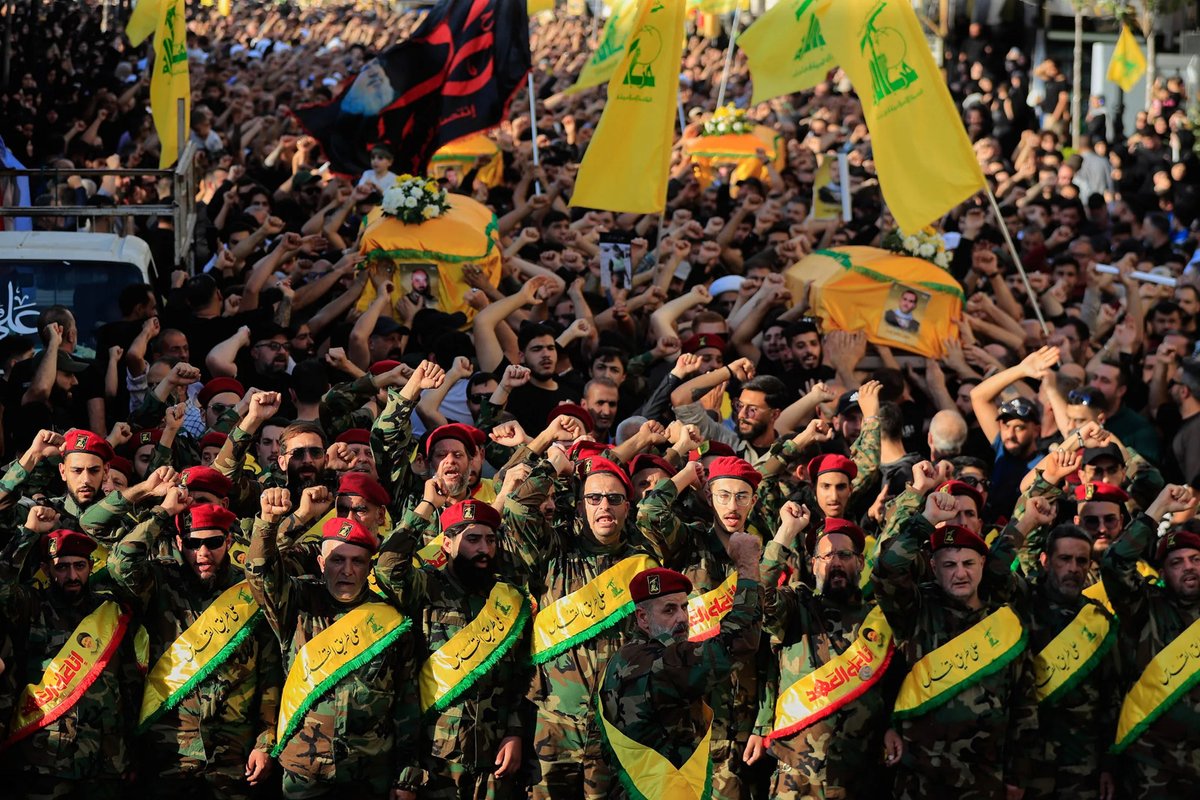
🇺🇸🇱🇧🇮🇱 Hezbollah fired a swarm of attack drones at Israeli soldiers in Bayada, southern Lebanon. They say their response will continue until U.S.-Israeli 'aggression' stops. Ceasefire with Iran is barely holding… but the war on the ground in Lebanon is heating up anyway. Source: Al Jazeera
Mario Nawfal tweet media
Mario Nawfal@MarioNawfal

🇮🇷 Everyone is talking about the U.S. naval blockade of Iranian ports that started this morning. But here's the thing: Iran already moved the oil. Before the war started, Iran began loading tankers at three times its normal export rate. Smart. By late March, roughly 174 million barrels of Iranian oil were sitting in floating storage at sea. 158 million barrels of crude, the rest petroleum products, per maritime intelligence firm Windward. A blockade of Iranian ports does not touch a single barrel of that. Here's where it actually is right now. At least 96 Iranian oil-laden tankers are anchored roughly 70km off Malaysia's coast near Johor, where cargo gets quietly transferred ship-to-ship before continuing to Chinese ports. 129 tankers linked to Iranian crude are currently sailing with their tracking signals switched off. Ghost fleet. Running dark. Dozens more are already transiting the Malacca Strait and South China Sea headed directly to China. Over 90% of all of it is bound for China. And China is not going to intercept it. Trump already had to warn Beijing this weekend that transferring weapons to Iran would trigger a 50% tariff. He's not in a position to also start boarding Chinese-bound tankers in the South China Sea. Iran also quietly repositioned roughly 23 million barrels of crude east of the US enforcement line in the Gulf of Oman before the blockade even kicked in. They saw this coming. They planned for it. So what does the blockade actually do? It cuts off future exports from Iranian ports. It squeezes Iran's ability to keep loading new tankers. Over weeks and months, that bites. But as an immediate economic weapon, it is swinging at a target that already moved. Iran spent months building a buffer precisely for this moment. The blockade is real. The pressure is real. But Iran walked into these talks with 174 million barrels of runway. That's why they didn't blink in Islamabad. @DropSiteNews

English
12
51
197
96.2K
John A. Johnson retweetledi
Jason Mauck
Jason Mauck@jasonmauck1·
10 years ago my focus was growing “400 bushel corn” … it gets a lot of attention, but it’s unpractical. The laws of diminishing returns cost you more than it gains you. Today I focus on capturing more value from free things. Attributes are assets if you can employ them. We’re finishing up our relay beans with the last pass here. For you to be in the right frame of mind you have to leave the mindset of maximizing monocrop yields and instead maximizing acre yield efficiently. Each day is hyper critical in the profitability of this system… that’s why even when we reach that peak ultimate practice efficiency… we’ll still be maxed at maybe 30-40% of our acres. I can only do things great within the constraints of time. I lay out all the specifics here but this is some truths I’ve learned from chasing high yields.. to conventional… no till… strip till… relay… alley… organic… grazing … Intergrazing… silvopasture Less plants require less inputs, especially nitrogen Soil temperature and WEOC drive plant growth Weed pressures come with bare soil You can index… or reallocate anything from fertilizers, chemistry, seed, etc You can cheat any system by leaning on the constraints to make the system work best Here in this specific system Follow early corn. The attributes of corn canopy, residue, N scavenge is an asset Plant wheat early. Every day in late September is worth 10x of those in late October Control weeds in the fall cheaply with good timing before you have them Control weeds in the spring and summer with timing and expedited canopy closure A great harvest plan for the wheat and the pruning of it, the straw, and the ☀️ is 10x more effective than any soil amendment or spray fertilizer. Account for the capability of single plants. They can yield 10x of a bunch of them slammed in a field competing with one another Sequencing plants allows you to stage different plant perceptions to get expressions, let live, and use their natural death to your advantage.
English
10
11
169
18.8K
John A. Johnson retweetledi
Mario Nawfal
Mario Nawfal@MarioNawfal·
🇮🇷 Everyone is talking about the U.S. naval blockade of Iranian ports that started this morning. But here's the thing: Iran already moved the oil. Before the war started, Iran began loading tankers at three times its normal export rate. Smart. By late March, roughly 174 million barrels of Iranian oil were sitting in floating storage at sea. 158 million barrels of crude, the rest petroleum products, per maritime intelligence firm Windward. A blockade of Iranian ports does not touch a single barrel of that. Here's where it actually is right now. At least 96 Iranian oil-laden tankers are anchored roughly 70km off Malaysia's coast near Johor, where cargo gets quietly transferred ship-to-ship before continuing to Chinese ports. 129 tankers linked to Iranian crude are currently sailing with their tracking signals switched off. Ghost fleet. Running dark. Dozens more are already transiting the Malacca Strait and South China Sea headed directly to China. Over 90% of all of it is bound for China. And China is not going to intercept it. Trump already had to warn Beijing this weekend that transferring weapons to Iran would trigger a 50% tariff. He's not in a position to also start boarding Chinese-bound tankers in the South China Sea. Iran also quietly repositioned roughly 23 million barrels of crude east of the US enforcement line in the Gulf of Oman before the blockade even kicked in. They saw this coming. They planned for it. So what does the blockade actually do? It cuts off future exports from Iranian ports. It squeezes Iran's ability to keep loading new tankers. Over weeks and months, that bites. But as an immediate economic weapon, it is swinging at a target that already moved. Iran spent months building a buffer precisely for this moment. The blockade is real. The pressure is real. But Iran walked into these talks with 174 million barrels of runway. That's why they didn't blink in Islamabad. @DropSiteNews
Mario Nawfal tweet mediaMario Nawfal tweet mediaMario Nawfal tweet media
Mario Nawfal@MarioNawfal

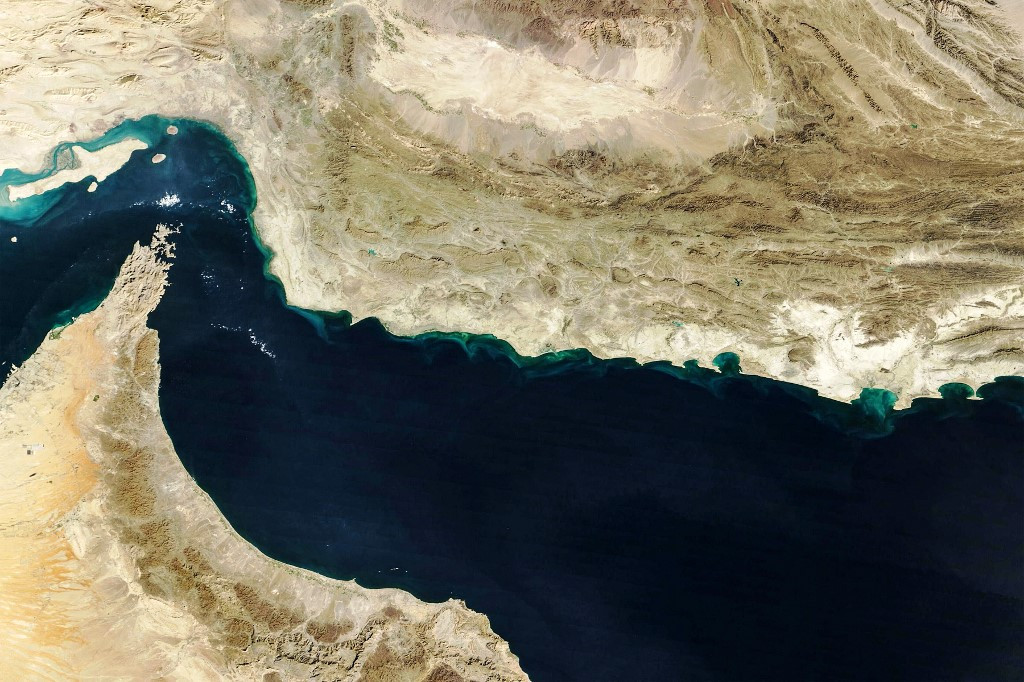
🇺🇸🇮🇷 The talks in Islamabad failed. Vance flew home. And within hours, CENTCOM announced the U.S. will blockade all exports from Iranian ports starting this morning. All vessels. All nations. Arabian Gulf and Gulf of Oman. No exceptions. Let's talk about what this actually means for your wallet, and everyone else's. The Strait of Hormuz has been effectively closed since March 4. Iran shut it down when the war started. That already removed 27% of the world's seaborne crude oil trade from the market overnight. Brent crude is sitting at $95 a barrel. Up 31% since February 28. US crude up 44%. And that was before today. Now you're adding a U.S. counter-blockade on top. There are an estimated 230 fully loaded oil tankers sitting inside the Gulf right now going nowhere. One energy analyst at Columbia put the shortage at 7 million barrels of crude and 4 million barrels of refined product per day not reaching markets. Every single day. The knock-on effects are already visible. QatarEnergy declared force majeure on all LNG exports. Qatar supplies a massive share of Europe and Asia's gas. Restarting LNG liquefaction once it shuts down takes weeks, not days. China, India, Japan and South Korea get 75% of their regional oil imports and 59% of their LNG through this corridor. Those are the four largest manufacturing economies on Earth. If you're wondering why your energy bill, your groceries, your shipping costs are about to move, this is why. And the threat doesn't stop at Hormuz. Iran's allies are openly floating shutting Bab al-Mandeb too, the other end of the Arabian Sea. If that closes alongside Hormuz, a full quarter of the world's energy supply is blocked simultaneously. One Columbia analyst said it plainly this weekend: oil prices will stay elevated "into the end of 2026" regardless of when the war ends, because even after a deal the infrastructure damage alone will take months to repair. This is a global supply shock in slow motion, and it just got a second act.

English
85
147
545
170.1K
John A. Johnson retweetledi
NEXTA
NEXTA@nexta_tv·
Budapest is celebrating tonight! 🎉 Massive crowd on the streets, fireworks exploding behind the Parliament, and thousands singing "We Are The Champions". After 16 long years, Hungarians are saying goodbye to the Orbán era. History is happening right now. #Hungary #ElectionNight
English
44
247
1.6K
36.5K
John A. Johnson retweetledi
BRICS News
BRICS News@BRICSinfo·
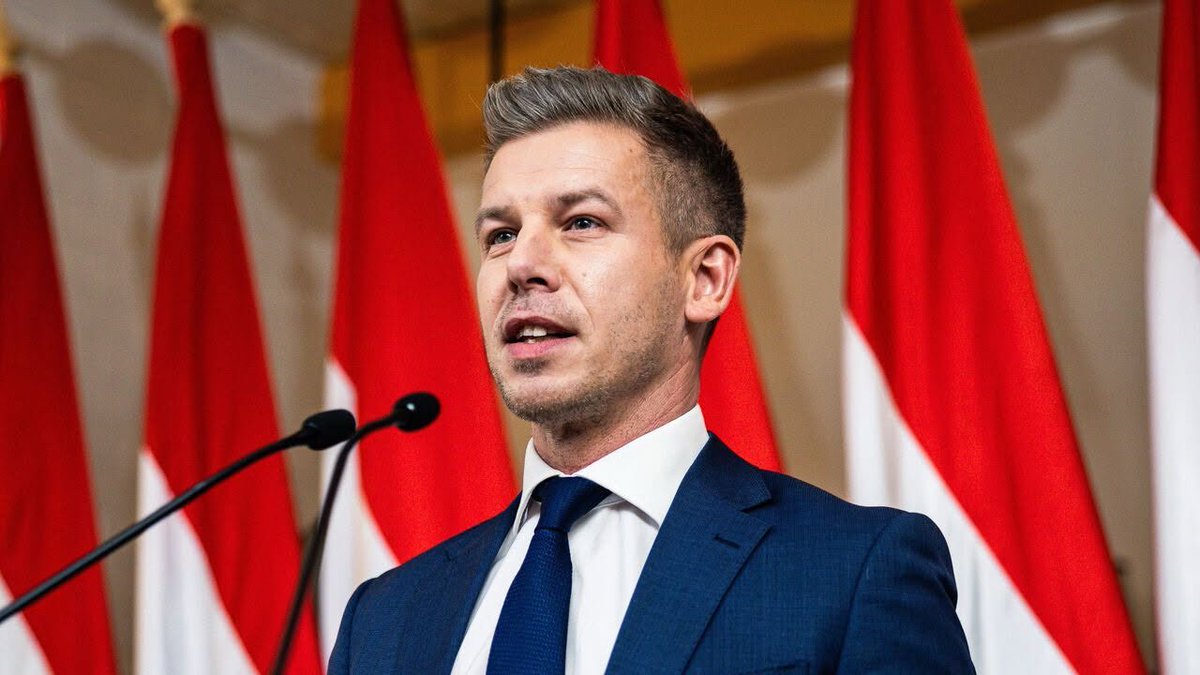
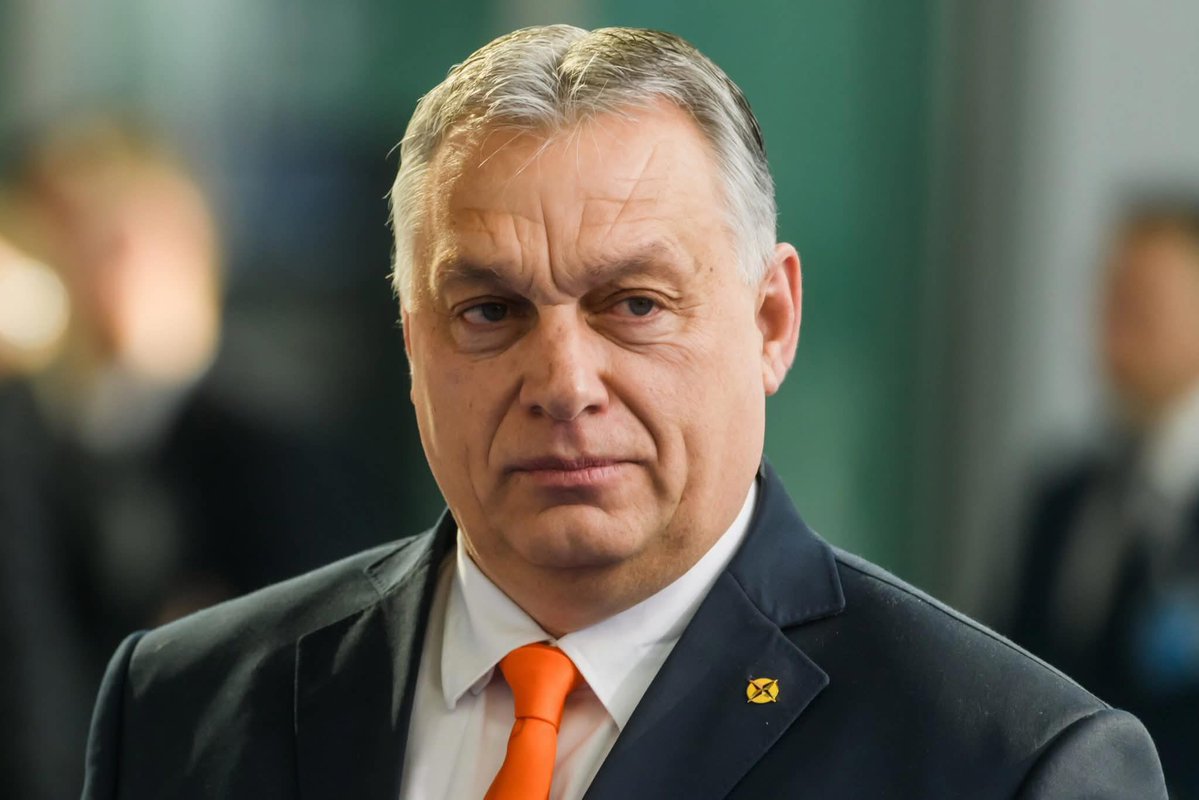
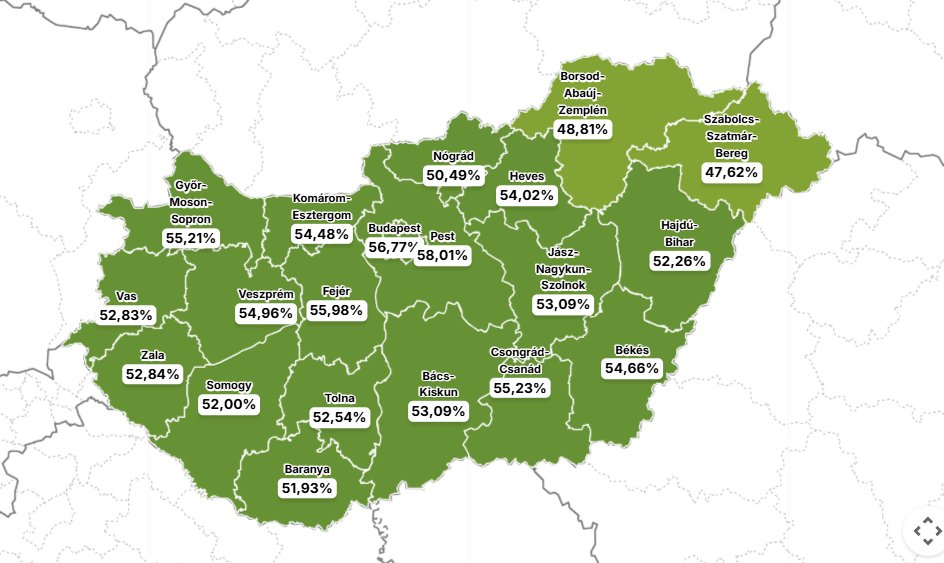
JUST IN: 🇭🇺 Peter Magyar officially defeats Viktor Orbán to become Prime Minister of Hungary.
BRICS News tweet mediaBRICS News tweet media
Română
1.1K
2.7K
26K
3.4M
John A. Johnson retweetledi
Tracy Shuchart (𝒞𝒽𝒾 )
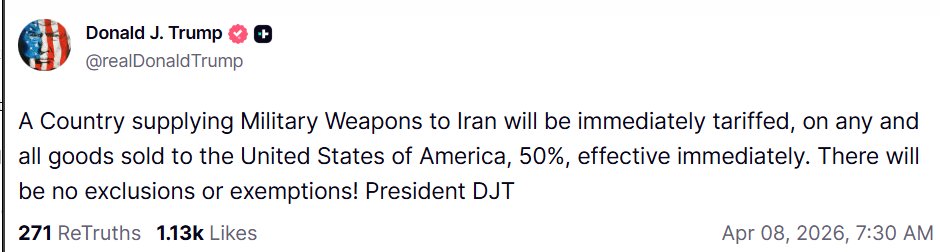
Here is a question, I think few are talking about>>> This morning Trump said he would impose a 50% tariff on any country supplying weapons to Iran, no exclusions. We already know China sells weapons to Iran. What does this mean for the May Trump meeting with Xi in Beijing on May 14 and 15?
Tracy Shuchart (𝒞𝒽𝒾 ) tweet media
English
29
32
310
55.6K
John A. Johnson retweetledi
Mario Nawfal
Mario Nawfal@MarioNawfal·
🚨🇺🇸🇮🇷 IRAN WALKS AWAY WITH $180 BILLION Fmr U.S. Navy Intel Officer Malcolm Nance on what Iran actually won from this war Sanctions lifted, oil flowing, and Hormuz tolls rolling in; Iran's proxy network, missiles, and nuclear threshold strategy were validated, not destroyed. "Donald Trump is their ATM." @MalcolmNance
Mario Nawfal@MarioNawfal

🚨🇺🇸🇮🇷 IRAN HAS THE HORMUZ MINE MAP AND ISN'T SHARING IT Fmr U.S. Navy Intel Officer Malcolm Nance found Iraq's mine map himself in Desert Storm buried under rubble and handed it to Schwarzkopf, Iran has the same map and has zero reason to hand it over. "They're just not going to give it to us. They will keep it for their own purposes." Iran's play: do nothing and wait for a U.S minesweeper to hit something. @MalcolmNance

English
76
28
98
90K
John A. Johnson retweetledi
Jay in Kyiv
Jay in Kyiv@JayinKyiv·
At 1pm, turnout in Hungarian election has broken all records. VERY bad news for Orban and Putin.
Jay in Kyiv tweet media
English
222
1.3K
7.3K
127.7K
John A. Johnson retweetledi
Institute for the Study of War
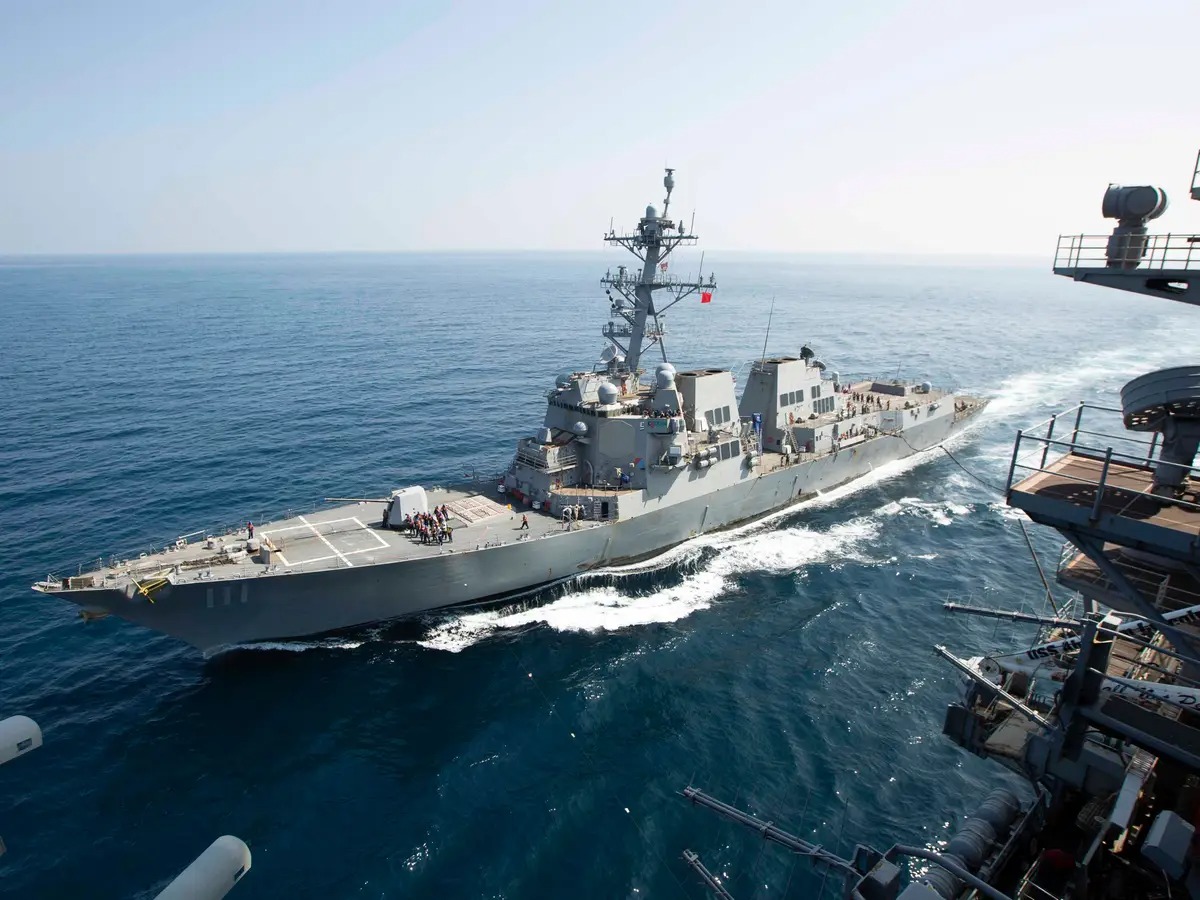
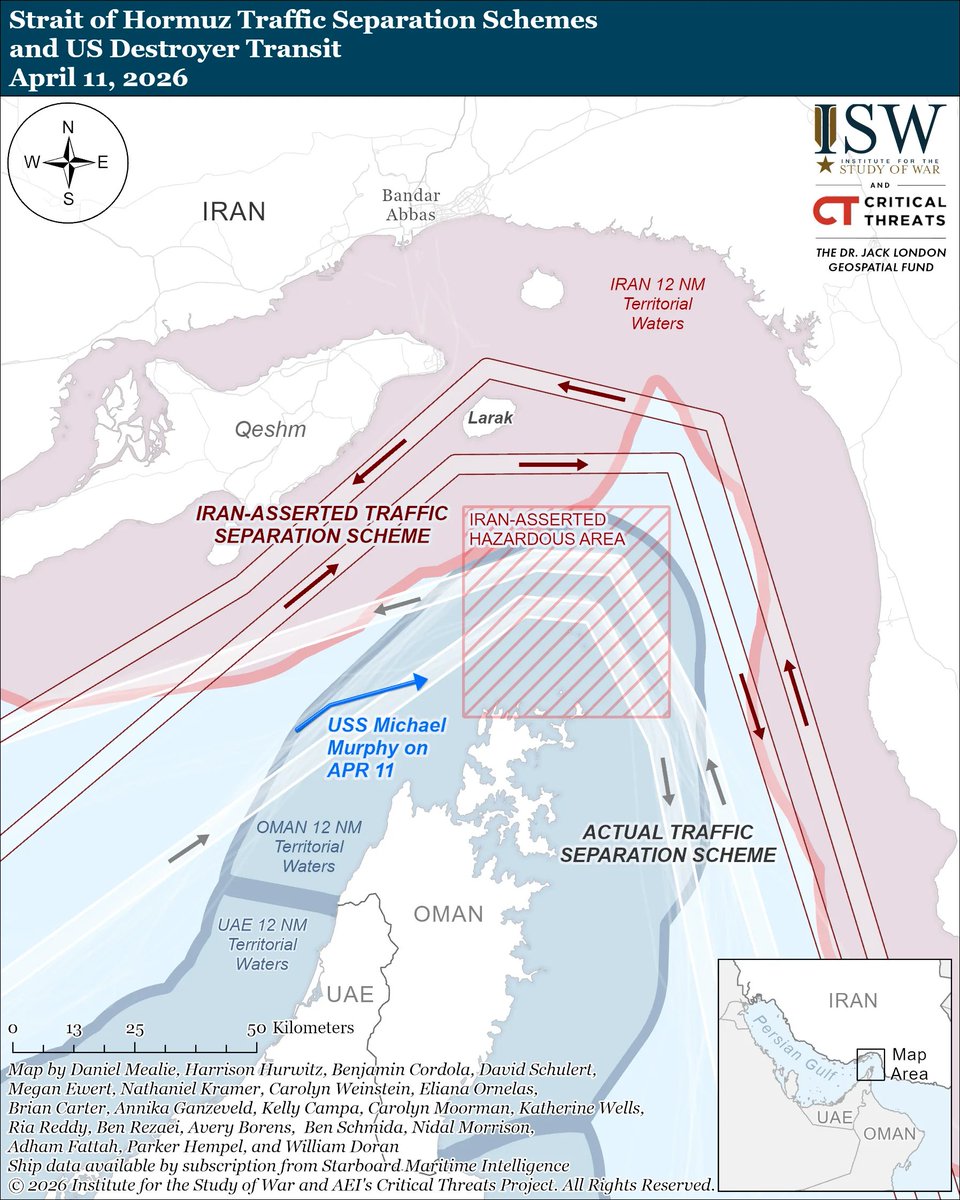
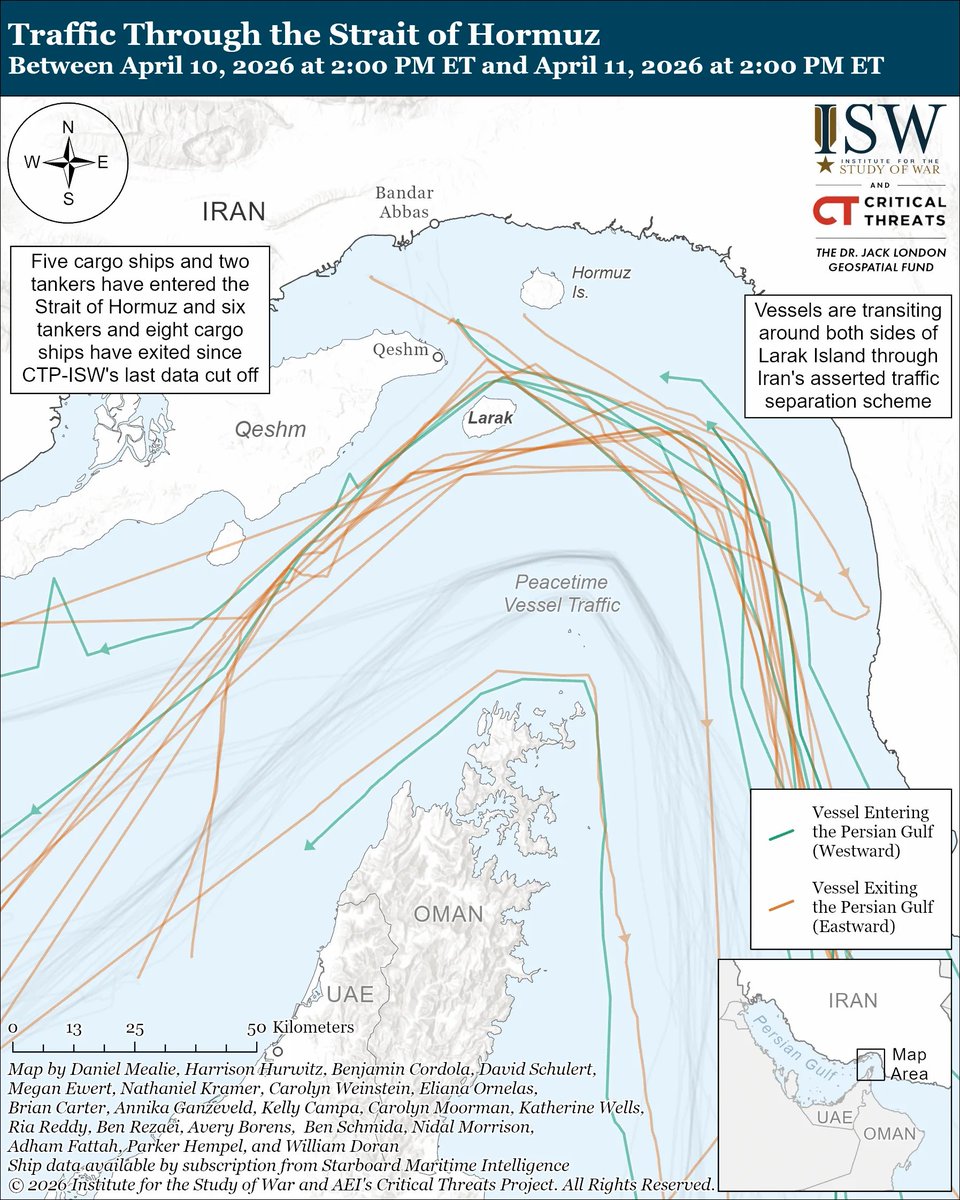
Iran is using the existence of an unknown number of naval mines it laid in the Strait of Hormuz to force ships to use Iranian territorial waters to traverse the Strait, which enables Iran to shakedown these ships for fees while the ships are in Iranian territorial waters. Iran likely designed its threatening behavior and its shakedowns to disrupt the global economy, which Iran calculates will enable it to extract concessions from the United States. Iran warned merchant ships that mines could exist in a “hazardous area” that covers 1,394 sq km of the Strait, including the normal traffic separation scheme (shipping lanes) that ships use to transit the Strait. Ships seeking to avoid the Iranian-declared hazardous area must transit Iranian territorial waters. Iran then shakes down these merchant ships by extracting “protection fees.” These “protection” fees protect ships from Iranian attacks. This protection racket is illegal under maritime law. No state bordering a strait is permitted to restrict traffic or extract fees under the United Nations Convention on the Law of the Sea. Unspecified US officials told the New York Times on April 11 that Iran laid its mines—of which there are reportedly fewer than a dozen, according to a previous March 23 report—” haphazardly,” which has prevented Iran from locating or removing them. These mines may or may not be in the 1,394 sq km “hazardous area.” The threat of mines also enables Iran to keep the price of oil and shipping insurance as high as possible for as long as possible without conducting attacks that would cause the ceasefire to collapse. Iran may calculate that the high price of oil and shipping insurance would cause the United States to cave on some of Iran’s demands. The United States is attempting to undermine Iran’s ability to use the threat of mines in the “hazardous area” by using US Navy destroyers to prove that the normal traffic separation scheme is safe and viable for traffic. Iran can only use the threat of mines to keep these costs high if the fear of mines persists. US President Donald Trump said on April 11 that the United States is “starting the process of clearing out” the strait. Arleigh Burke-Class destroyers USS Frank E. Peterson and USS Michael Murphy transited the Strait to clear the Strait of naval mines. US CENTCOM commander Admiral Brad Cooper said that the US Navy will share the route of safe passage with civilian shipping as soon as possible. Such a move would undermine Iran’s threats and badly damage its leverage in negotiations. The Qatari Transport Ministry announced later on April 11 that it will resume operations ”for all types of maritime vessels and ships” between 6:00 AM and 6:00 PM local time on April 12.
Institute for the Study of War tweet mediaInstitute for the Study of War tweet media
Institute for the Study of War@TheStudyofWar

NEW: Iran and the United States have fundamentally different interpretations of the ongoing negotiations, which will generate friction. Iran seeks an all-encompassing agreement that will end the threat of war with the United States, while the United States seeks a much narrower agreement centered on the current war. The US delegation, led by US Vice President JD Vance and including US Special Envoy to the Middle East Steve Witkoff and Jared Kushner, appears to be pursuing a narrow, issue-specific negotiation focused on de-escalatory mechanisms around the Strait of Hormuz, and reportedly secondary matters like detainees. Iran is using the existence of an unknown number of naval mines it laid in the Strait of Hormuz to force ships to use Iranian territorial waters to traverse the Strait, which enables Iran to shakedown these ships for fees while the ships are in Iranian territorial waters. This protection racket is illegal under the United Nations Convention on the Law of the Sea. Iran likely designed its threatening behavior and its shakedowns to disrupt the global economy, which Iran calculates will enable it to extract concessions from the United States. Iran warned merchant ships that mines could exist in a “hazardous area” that covers 1,394 sq km of the Strait, including the normal traffic separation scheme (shipping lanes) that ships use to transit the Strait. The current ceasefire will provide Iran an opportunity to reorganize its missile force and recover from the temporary disruption wrought to the missile force during constant US and Israeli operations. Consistent US and Israeli operations over Iran had suppressed Iran’s missile force by preventing Iran from digging out launchers, disrupting command-and-control, and creating pervasive fear in military units that made them unwilling or unable to conduct attacks, as ISW-CTP has previously assessed. Iranian Supreme Leader Mojtaba Khamenei continues to recover from severe facial and leg injuries that he sustained in the February 28 strike on the supreme leader’s compound in Tehran Province. Three unspecified individuals close to Mojtaba’s inner circle told Reuters on April 11 that the strike disfigured Mojtaba’s face and injured one or both of his legs. The People’s Republic of China (PRC) may be helping Iran to reconstitute some of its degraded air defense capabilities during the current ceasefire. The PRC is preparing to deliver man-portable air-defense systems (MANPADS) to Iran within the coming weeks, according to three sources familiar with recent US intelligence assessments.

English
98
847
2.4K
494.8K
John A. Johnson retweetledi
PeterSweden
PeterSweden@PeterSweden7·
CENSORSHIP CONTINUES Facebook just shut down the page of the well known independent investigative Swedish news site Doku. They focus on investigating islamism extremism, the rise of honor culture, parallel societies in Sweden and antisemitism in these environments. Now they are being censored.
English
20
339
1.1K
19.2K
John A. Johnson retweetledi
Viktória Serdült
Viktória Serdült@viktoriaserdult·
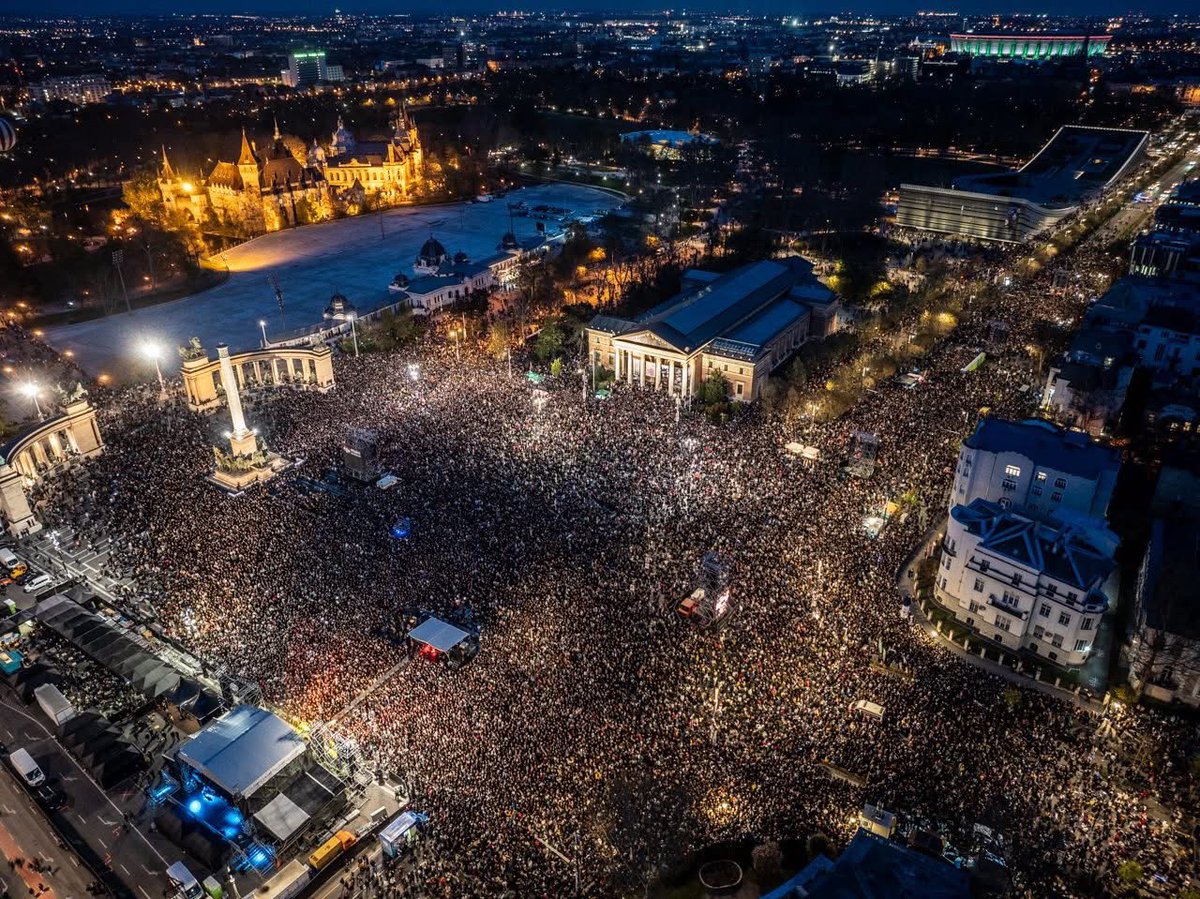
Just two days before the elections, Budapest’s youth delivered a powerful message to the Orbán government with the “Bring Down the System” concert, featuring performances by some of the country’s most popular musicians.
Viktória Serdült tweet media
English
47
247
945
28.5K
Josh Barzon
Josh Barzon@JoshuaBarzon·
Tim Keller gets a lot of hate these days. But I still love this book. Having come from a very legalistic IFB background that badly distorted the gospel, this book was life-giving. It showed me the love of the Father and the beauty of the gospel. About to read it again.
Josh Barzon tweet media
English
49
18
394
30.8K
John A. Johnson retweetledi
ClipRush
ClipRush@ClipRush_·
This is amazing 😍😍
English
159
143
1.9K
2.6M
John A. Johnson retweetledi
Jason Jay Smart
Jason Jay Smart@officejjsmart·
⚡️⚡️ Hungary 🇭🇺 in flames: a rally against Orbán on the eve of tomorrow's parliamentary elections. 👉 Only thing better than Orban’s defeat will be to see what the subsequent criminal investigations uncover about his Russian ties.
English
12
82
346
60.9K
John A. Johnson retweetledi
Rusudan Djakeli 🇬🇪🇺🇦
I can hardly believe this, but this is Day 500 of protests in Georgia! For 500 days, protesters have gathered every day in 8+ cities despite heavy fines, mass arrests, and abuse. The pro-Russian Georgian Dream regime must end.
English
198
4.1K
12.9K
224.5K