Amit Matani

505 posts

Amit Matani banner
Amit Matani

Amit Matani

@amitm

CEO @WellfoundHQ (formerly AngelList Talent) - Helped 28k+ startups makes 100k+ hires

Manhattan, NY Katılım Kasım 2007
335 Takip Edilen739 Takipçiler
Amit Matani retweetledi

David Booth
David Booth@david__booth·
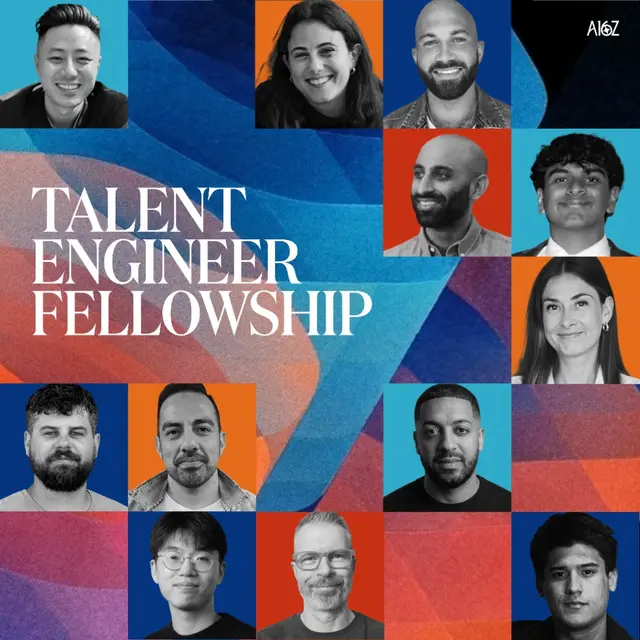
Today we're thrilled to announce the @a16z Talent Engineer Fellowship — an 8-week cohort for the people building the next operating system for recruiting. We have a killer group of humans already joining- folks at the frontier of this space, including: - Danielle Poreh - Clay for Recruiting Lead, prev. Talent Scientist at Clay - Umesh Khanna (@forwarddeploy) Talent Engineering Lead at xAI - Viet Nguyen - Founder at Talent Collective, ex- Vercel, Netflix, Gem, Airops - Sebastian Cuadros (@hiiinternet) - Head of Talent Engineering @ Fonzi AI - Joshua Gill - Talent Engineering & Operations @ Luma AI - Jared Long - Recruiting Ops Lead @ Cursor, prev. Head of Recruiting Systems @ OpenAI - Jeffrey Li (@lijeffrey39) Co-founder & CTO at Paraform - Dan McCarthy - Snr Talent Engineer at Zapier) - Madison Morales - Talent at Anthropic, prev. General Catalyst - Amit Matani (@amitm) CEO @ Wellfound, formerly AngelList Talent - Johnny Sanchez (@johnnyblu6) - Head of Recruiting Operations & Technology @ Airbnb - Scott Bianco (@ScottBianco3) - Head of Talent at Hebbia - Ishan Deshpande (@ishand) - Talent Engineer at xAI - Joe Penn (@techdetjoe) - Talent Engineer & Partner at Carrara Join us! —> Apply here (let us know what you think of the application experience 👀): build.a16z.com/fellowships/ta… —> More info: a16z.news/p/introducing-… cc @eriktorenberg, @katiekirsch
David Booth tweet media
English
25
13
123
67.4K
Amit Matani retweetledi
Aditya Agarwal
Aditya Agarwal@adityaag·
4 thoughts on early-stage hiring: 1/ If an engineer is trying to pick between a pre Series-B company and a BigCo/BigLab --> stop talking to them immediately. They are clearly not ready for a startup. 2/ If someone isn't willing to take a 70% cash paycut (relative to BigCo/BigLab) --> stop talking to them immediately. They will be unhappy/stressed. 3/ You learn a lot about a candidate during the negotiation/closing process. Do not be afraid to walk away if you get new information. 4/ Startups have zero work-life balance. If you are not willing to put in the hours, you are not in the right headspace to grind.
English
28
23
469
113.3K
Amit Matani
Amit Matani@amitm·
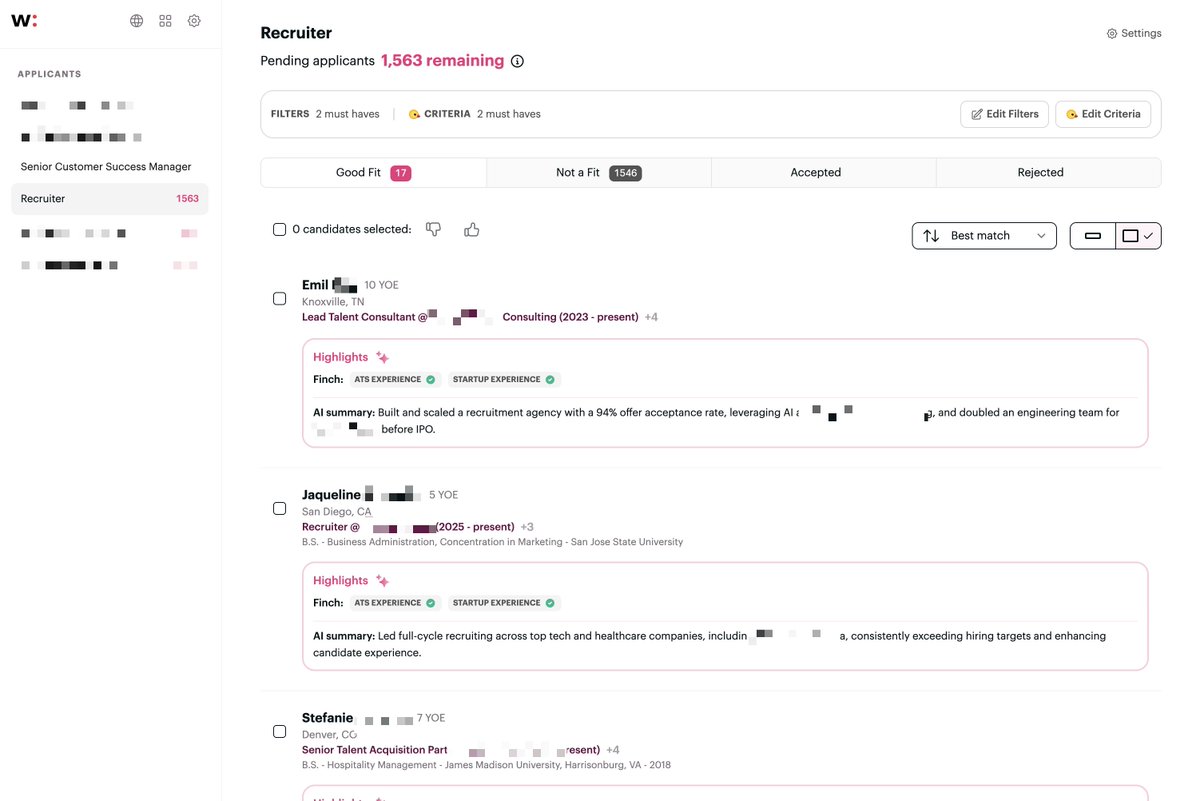
As part of our acquisition of Hirefly, we're now able to announce some significant upgrades to wellfound:ai Applicants our AI agent to help you manage your inbound. Today’s job market has created a perfect storm for recruiting teams: more candidates are applying to fewer positions, often powered by AI tools that make mass applications simple. The result is overwhelmed recruiters, overlooked talent, and frustrated candidates waiting for responses. The solution is staring us in the face - move beyond keywords. Keyword filtering is not nuanced enough to surface all the matching candidates, but there’s no time to manually review everyone. Here’s the process: - AI reads and understands your job description, and auto-fills hiring filters and criteria - You can add more using natural language - any nuance you’re looking for, beyond simple keywords - That’s it. Candidates that match your rules are marked “Good fit” and the ones that don’t are “Not a fit”. Every candidate will have natural language explanations for WHY they’re a good fit, too. Humans always make the final decision. Now, you’ll have confidence it’s the right one. Hirefly built an incredible experience, and I’m happy we’re able to take their learnings and build a best-in-class inbound management tool. I’m proud of what we’re able to do for our customers. With wellfound:ai Applicants, AI helps you focus on what matters. Give it a try, and let us know what you think.
Amit Matani tweet media
English
6
0
6
152
Amit Matani retweetledi
Boring_Business
Boring_Business@BoringBiz_·
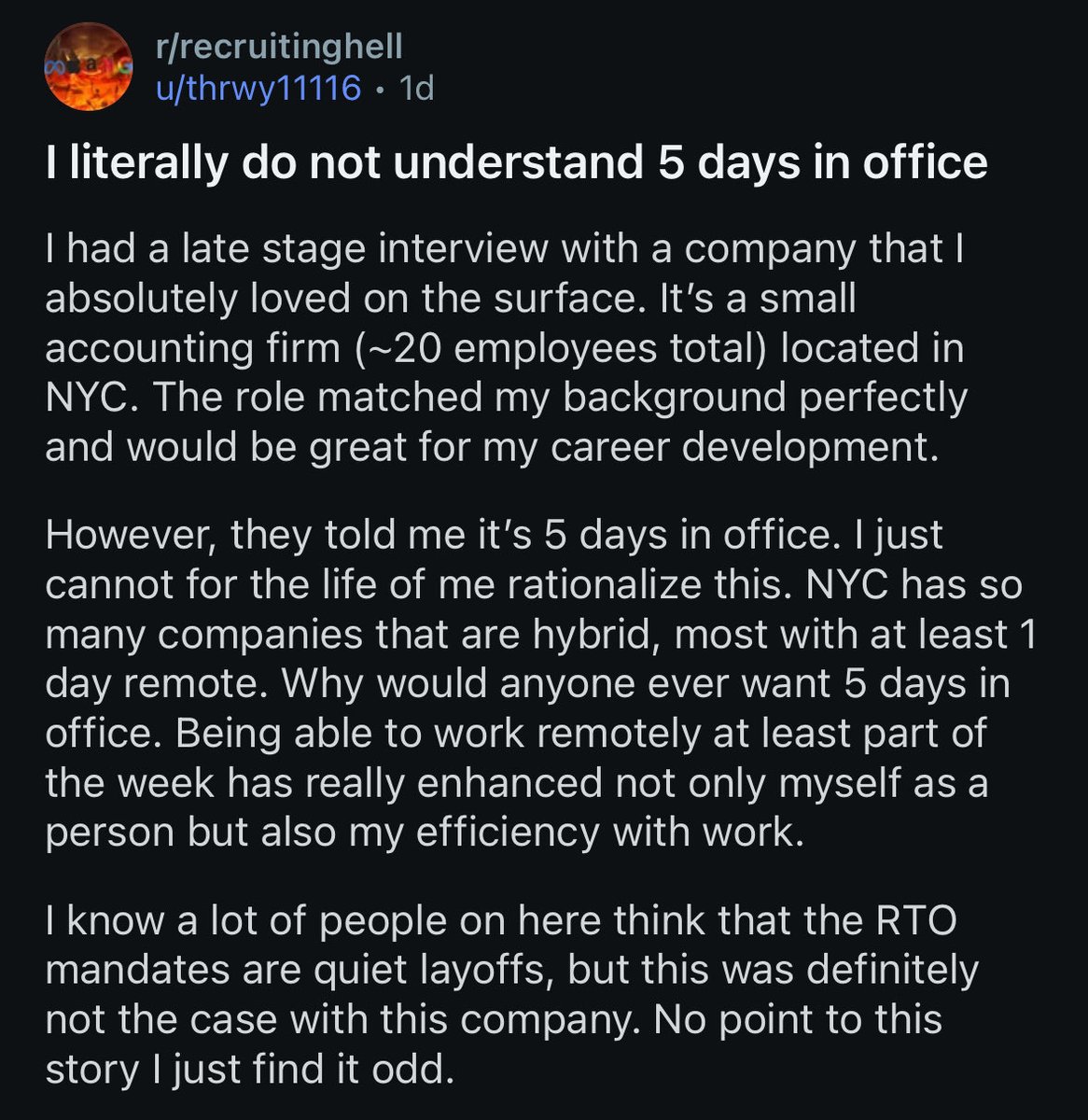
Have said this before and will say it again If you are early in your career, the biggest low hanging fruit that can help you land a job faster or get promoted faster is being willing to work 5 days in person This used to be table stakes before 2020. Now, experienced folks will pass up on job opportunities if they don’t have hybrid flexibility as part of the role People hate “face time culture” at companies, but reality is that it is exactly what moves your career ahead A manager is much more likely to promote someone who they see often in person vs someone working remotely, even if that remote worker has equivalent or slightly better work performance For companies, this is also the easiest filter to see which candidates actually want the job the most
Boring_Business tweet media
English
205
105
3.3K
781.2K
Amit Matani
Amit Matani@amitm·
We just worked with a leading data startup to hire 300+ engineers. Here’s exactly what we did, and how we kept quality high: Typically, high-volume hiring usually breaks down when the technical bar is high. We recently tested this limit with a leading data startup needing to scale their team of Python engineers for LLM training. The client needed volume, but they couldn't sacrifice quality. To hire hundreds of engineers, you’d typically expect a year+ of manual outreach. That wasn’t an option. We treated this as a programmatic marketing campaign rather than a standard recruiting search. We did a few key things: 1. Sourcing at scale  We filtered our user base for specific Python/Location requirements and used automated outreach. We contacted ~60,000 targeted candidates, at outreach speeds of about 10,000 candidates per hour (vs. the ~30/day limit of a human sourcer). 2. AI-Assisted prioritization  To filter tens of thousands of applications, we let candidates choose to take an optional AI video interview. From these interviews, we could view the recordings and prioritize the candidates who had LLM experience. It worked. Despite the friction of a multi-stage, external onboarding process, the campaign delivered: - ~300 fully onboarded, high-level engineers in under 2 months - Higher conversion rates through the client's funnel compared to their other sourcing channels. When you need specialized talent at scale, you can’t just do more manual outreach. Not in this age. You need infrastructure that can identify, target, and screen thousands of candidates simultaneously. We’ve built that infrastructure, and we know it works. DM me if you’re looking for something similar.
English
2
0
2
86
Amit Matani
Amit Matani@amitm·
I have a hot take on this hiring advice. Or any hiring advice that advises to spot talent the market hasn’t priced in. If you read Keith’s essay, his two points on hiring are: 1. Become a magnet for talent 2. Learn to spot talent that the market hasn't yet The first is basically “Be insanely great” which, sure, we’d all love to be there. But the second is genuinely great advice. Most don’t take it, but it’s good advice. In TK’s case, he wasn’t underpriced talent. He was a designer at Facebook. Then, he joined arguably the hottest startup on the planet. A smart move? Yes. A great hire for Ramp? Undoubtedly. But underpriced? I’m not so sure. The lesson is still to find underpriced talent. But you probably won’t find that at Facebook.
Amit Matani tweet media
English
0
0
2
43
Amit Matani
Amit Matani@amitm·
If you’re on the job hunt, I’m going to start highlighting startups with incredible traction hiring for open roles. @Antimetal is building the future of infrastructure management, and they’re hiring 8 roles across sales, machine learning, product, GTM, and more. They’ve also raised $20+ million in funding and have team members from Meta, Google, Ramp, and Salesforce. Apply below, or comment who you’d like me to feature next.
Amit Matani tweet media
English
1
0
2
141
Amit Matani
Amit Matani@amitm·
Forward-deployed engineer is the hottest role in tech right now. If you’re struggling to land one, I think I know why. The problem is, there weren’t that many before Palantir made it “cool.” And even if they were, many weren’t “great” engineers. Their role was more customer-facing, and less engineering. Which is a problem now. Really high demand + fairly low supply (at least, supply of engineers who will pass an interview) = tough hiring market. My suggestion to any company looking for great engineers is simple. Don’t just go after “Former FDE @ Palantir.” Be customer-focused. Find engineers that: - Have been PMs before - Are technical or have a CS degree - Might have been engineering managers who know the messy stuff of dealing with humans Ramp has a version of this advice focusing on finding college TAs, ex-founders, and anyone in an early stage startup. That’s great advice, too. But bottom line, if you’re narrowing your search criteria to “FDE” AND “Palantir”…you’re going to be looking a lot longer than you think.
Amit Matani tweet media
English
0
0
2
118
Amit Matani
Amit Matani@amitm·
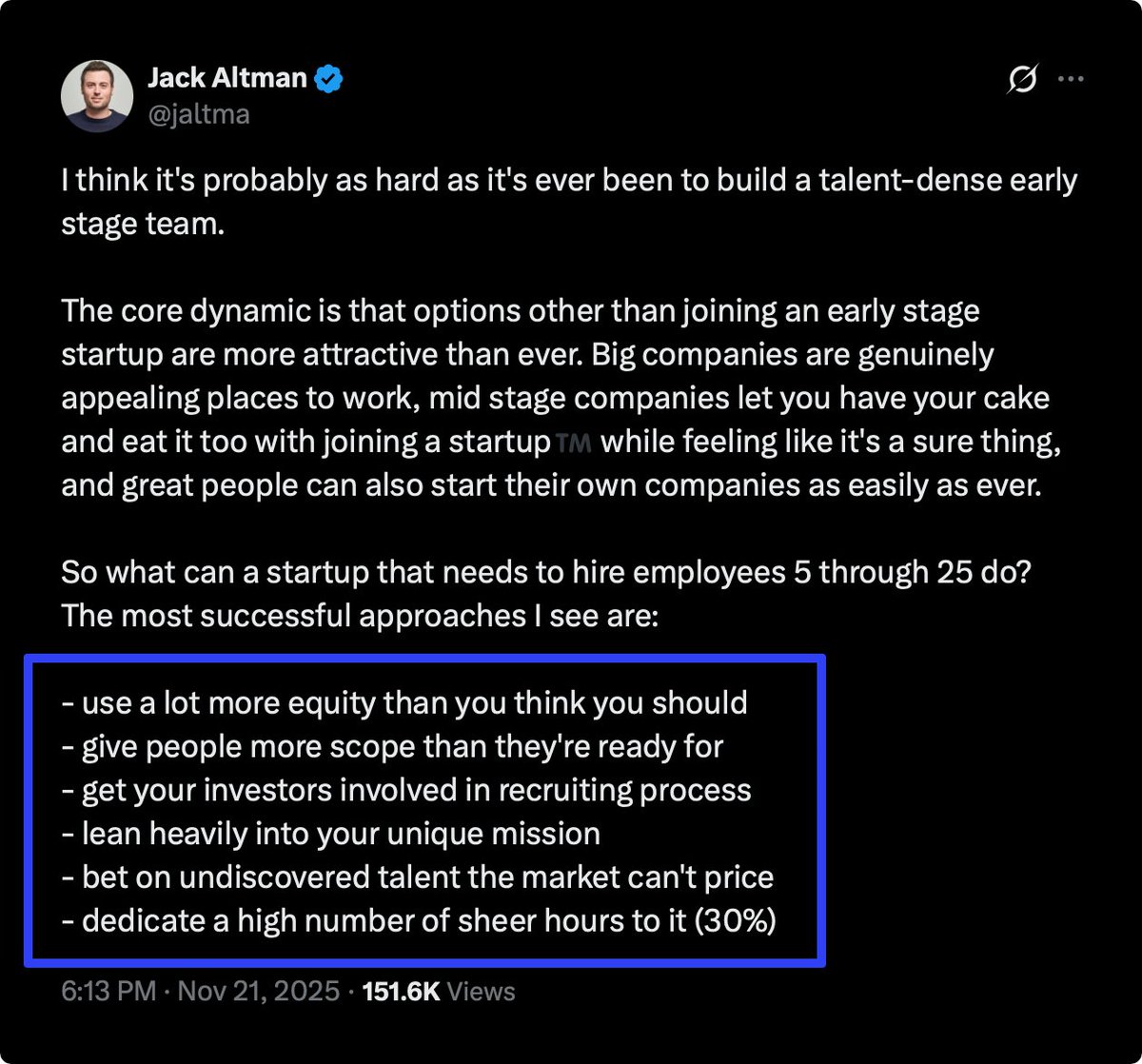
This hiring advice from Jack Altman is exactly what I see working for early-stage startups right now. Give more equity, grant more scope, spend more hours than you think you need hiring. Most are willing to do this, of course. But if you can take a bet on undiscovered talent - a REAL bet, not a “safe” bet - you’ll find the greatest potential upside.
Amit Matani tweet media
English
2
0
1
108
Amit Matani
Amit Matani@amitm·
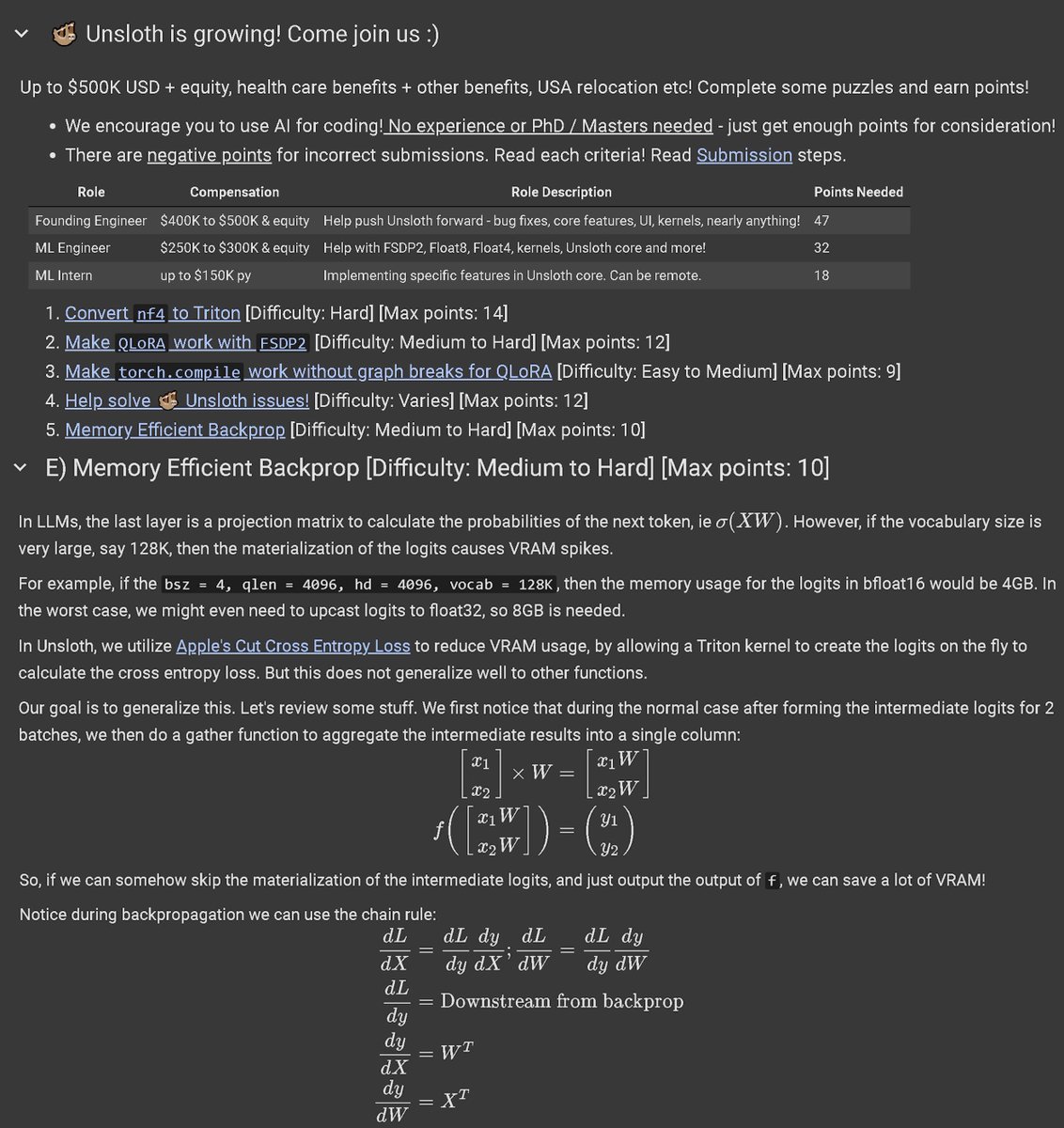
Score enough points, get a $500k job offer. I stumbled across this creative hiring process from Unsloth. It reads more like a Math Olympiad challenge than a hiring funnel. - 5 challenges - Some easy, some difficult - Each lets you score a certain number of points - 18 points to become an intern, 32 to get an ML Engineer offer, 47 for founding engineer This was from February, and it looks like they closed the challenge (although they’re still hiring!) One of the more creative hiring processes I’ve ever seen. What have you seen that tops this?
Amit Matani tweet media
English
0
0
1
80
Amit Matani
Amit Matani@amitm·
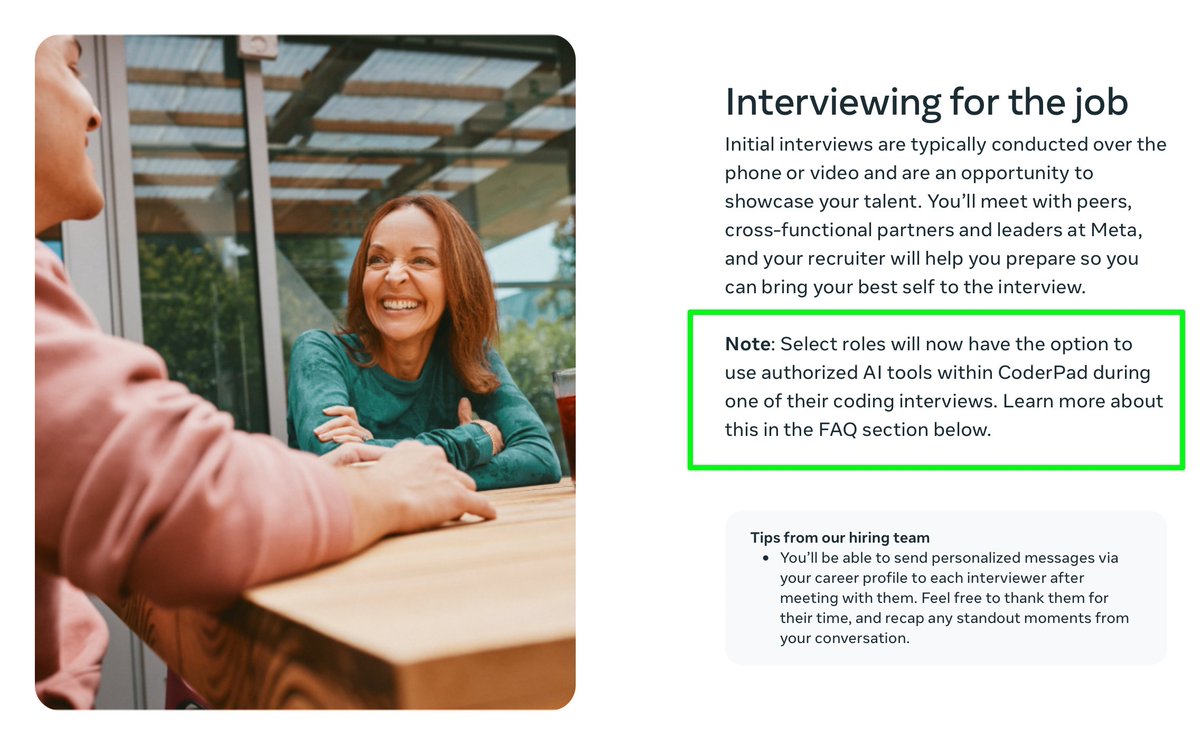
I’m not surprised to see that a $1.5 trillion company like Meta is embracing AI-assisted interviewing. I also think this means the end of traditional interviewing…mostly. First, some details: - This is for select technical roles - Pilot program includes one “classic” interview without AI, and one AI-enabled interview - These interviews take place through CoderPad, and candidates can use Llama, ChatGPT, Claude, and Gemini I think interviews of tomorrow resemble one of two things. 1. The above; basically, what Meta is doing. Remote, AI-enabled interviews that reflect the reality of engineering. 2. In-person interviews where you can guarantee your candidate isn’t using AI. Plus, a non-AI remote interview runs the risk of the candidate cheating. We’ll see how the pilot goes, and if Meta can guarantee great results from the classic interview. But the way things are going…traditional interviews are on their way out.
Amit Matani tweet media
English
0
0
1
27
Amit Matani
Amit Matani@amitm·
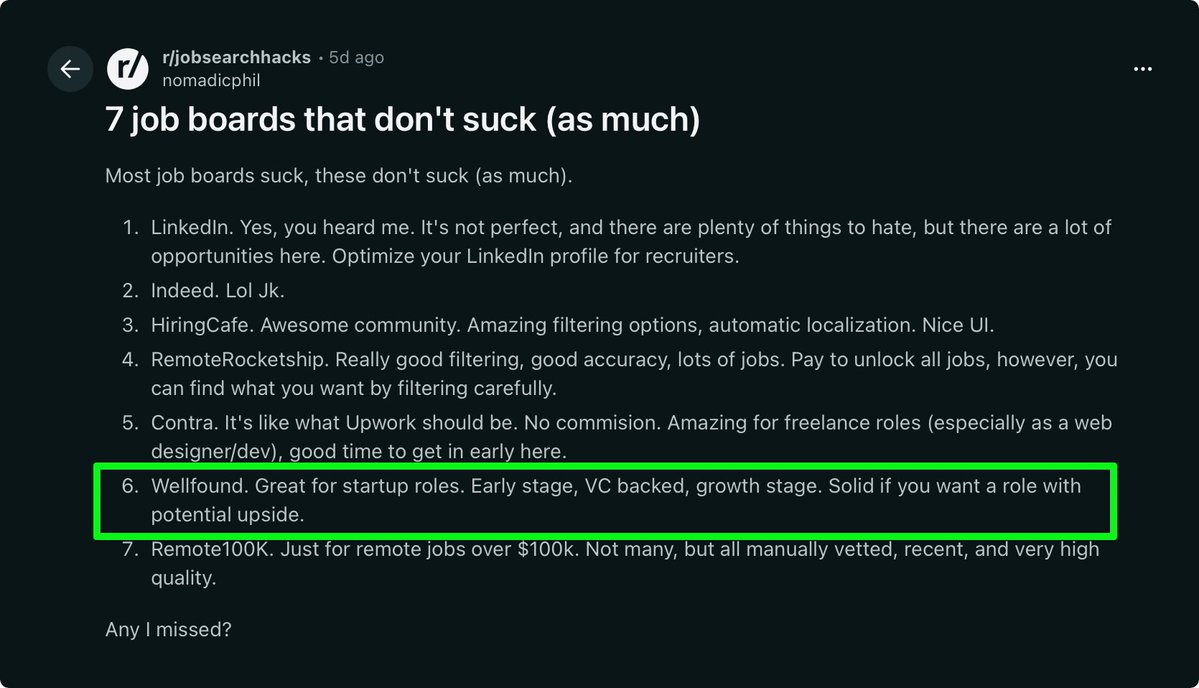
Proud to make lists with titles like “7 job boards that don’t suck (as much)”
Amit Matani tweet media
English
0
0
1
22
Jackson
Jackson@zeroxjackson·
@levelsio i think you’re one of the only people who suggested trainer, can you elaborate on the benefits?
English
9
0
18
13.9K
Jackson
Jackson@zeroxjackson·
engineers & founders, please share your advice for getting fit and staying fit while spending 10-12hr/day working on the computer.
English
1.5K
103
3.6K
2.5M
Amit Matani
Amit Matani@amitm·
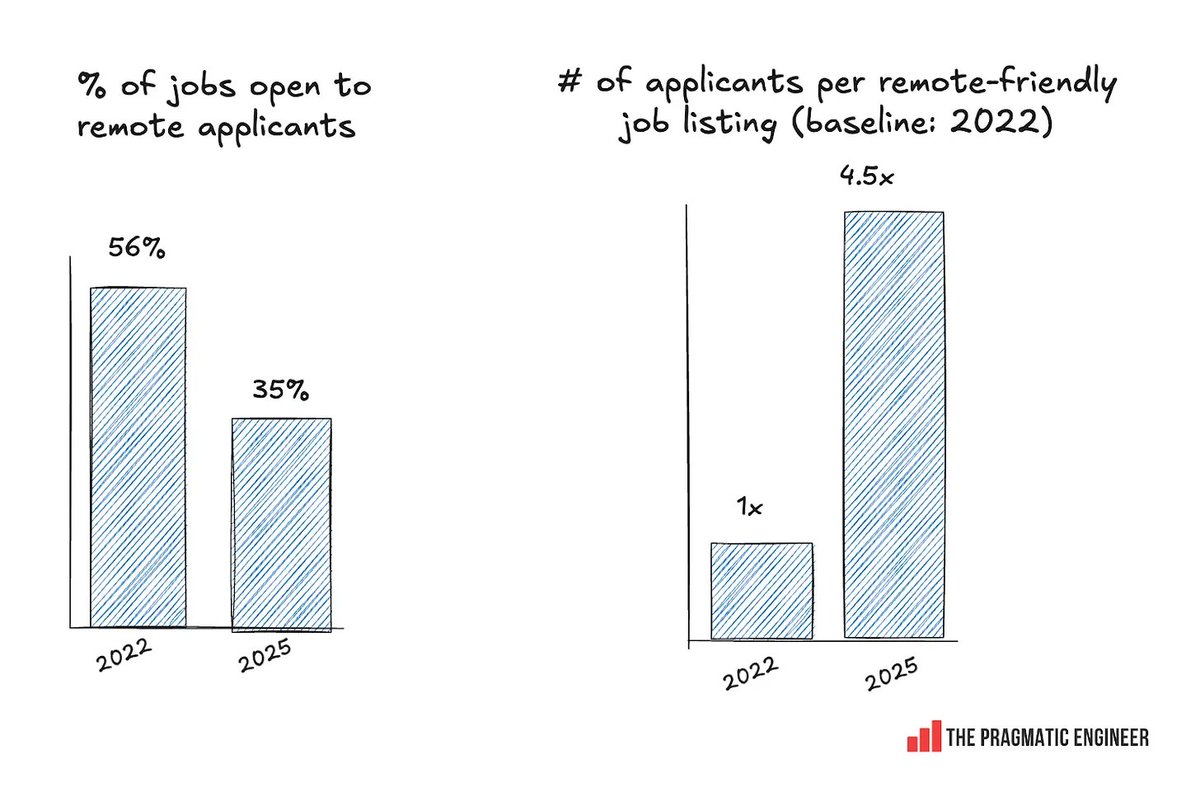
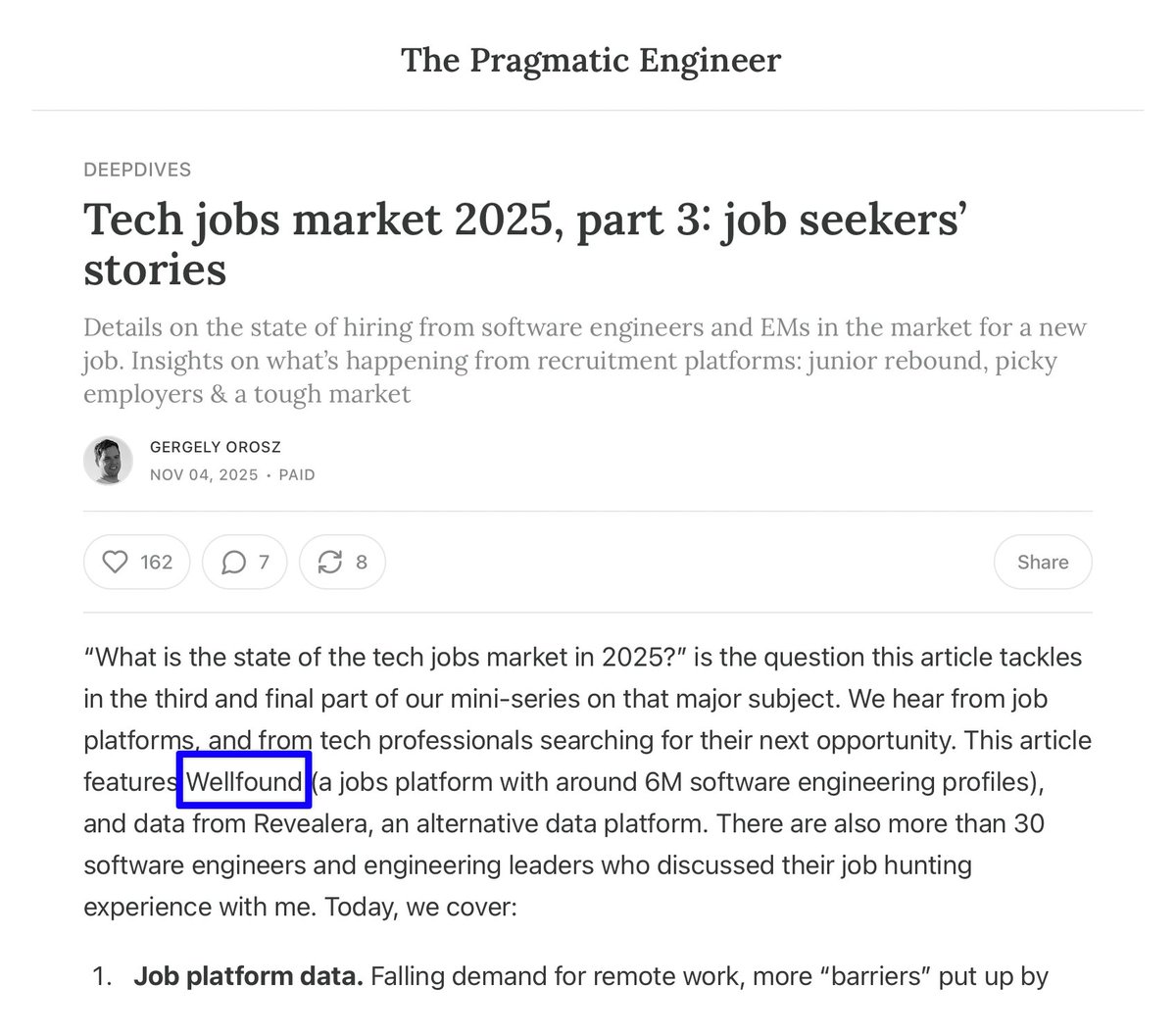
You don't have to be a $10B startup to hire effectively. Here's the strategy I laid out in the latest issue of 1M+ subscriber newsletter @Pragmatic_Eng. I shared data from @WellfoundHQ's 12M candidates and 27K+ companies with @GergelyOrosz. What became clear: you don’t need a $100mm pay package to compete on the best talent. Here’s what the best companies are doing differently: 1. They're adding strategic filters, instead of a bunch of different steps With some roles getting 1,000+ applications per week, top companies use async screenings, coding assessments, and AI-powered ranking to find the right talent. Done well, this is a key part in identifying talent at scale. 2. They combine inbound with direct sourcing. Inbound still drives hires, but the most effective companies also reach out proactively to candidates. They don't wait for applications alone - they use both channels. 3. They offer remote when competitors don't. Only 35% of engineering roles are open to remote candidates, but remote jobs get 4.5x more applications than in 2022. Companies willing to hire remotely have a massive talent pool advantage with limited competition. 4. They target the 3-15 year experience band. This is where ROI is highest - capable engineers who aren't commanding Big Tech premium salaries yet. The market's most in-demand profile is also the most cost-effective. 5. …but they're ALSO investing in junior talent. The market is tough for new grads, but companies like OpenAI, Anthropic, and Shopify are hiring AI-native junior engineers at scale. Smart companies see the opportunity while competition for this talent is low. The full article breaks down the trends, the data, and what's working. But the pattern is clear: the best companies aren't hiring the way the market expects them to. What do you think? What are you seeing?
Amit Matani tweet media
English
1
0
1
65
Amit Matani
Amit Matani@amitm·
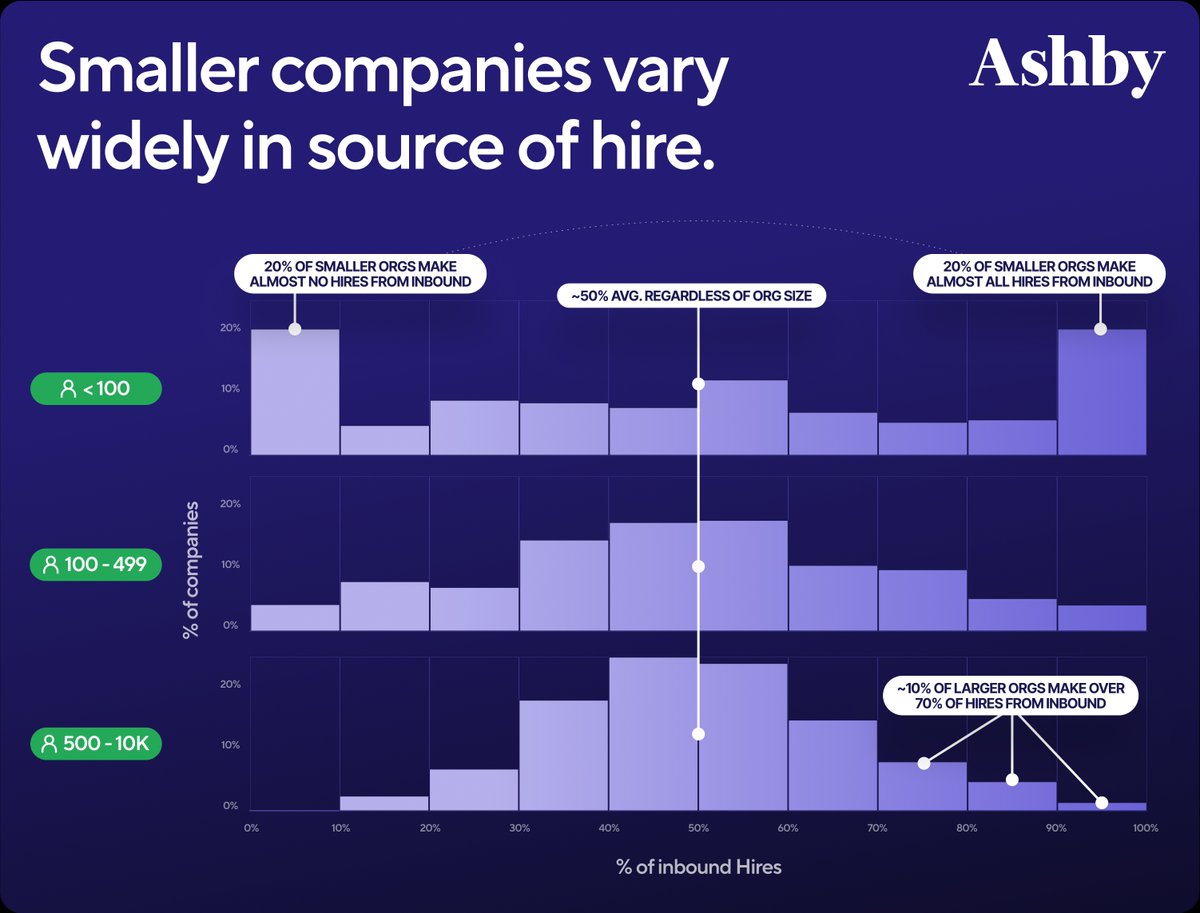
Narrative violation: Inbound isn’t dead. Startups, ignore it at your own risk. Ashby did a survey on hiring, and there’s a clear message: 80% are using inbound for hiring. What’s more, inbound applicants made up 52% of hires. (This is consistent with what we see on Wellfound, too.) This tells me that inbound isn’t a dead channel, despite all the narrative that it’s pointless to cold-apply to a role. It just means that you want a great filter on inbound; either platforms with quality talent (like Wellfound) or an excellent recruiting team to find the best candidates (we use a combination of human + AI) Either way, inbound is far from dead.
Amit Matani tweet media
English
0
1
2
132
Amit Matani
Amit Matani@amitm·
I'm proud to see @Wellfoundhq featured in the latest issue of 1M+ subscriber newsletter @Pragmatic_Eng. With 12M active candidates and 27K+ companies on our platform, we’re able to show a unique view into what's actually happening in tech hiring: Here's what the data shows. - Remote jobs now receive 6x more applications than in 2021. In-person roles see 5x more. We saw competition peaking in January 2025, though it's down 10% since then. The market remains extremely competitive for candidates. - AI product engineers who can build end-to-end are the most sought-after profile we're tracking. Companies are specifically reaching out to candidates who combine fullstack capabilities with LLMs, evals, and RAG. Backend and data engineers are also seeing measurably higher demand. - Location has become a major factor again. We've watched remote-eligible roles drop from 56% in 2022 to just 35% today. Engineers based in major metros are getting significantly more outreach—the data is clear on this. - Companies are adding more screening layers to combat application noise. When you're processing 1,000+ applications per week for a single role, you have to be selective. We're seeing async screenings, coding assessments, and AI-powered filtering become standard. It was a privilege to share Wellfound's data with @GergelyOrosz to get an insight into the state of the engineering job market. The full article includes more from our data on what's working for candidates and which profiles are in highest demand.
Amit Matani tweet media
English
1
0
1
23