Ani B

1.4K posts

Ani B banner
Ani B

Ani B

@anicellscience

Biotech , Science , Fitness , philosophy , travelling, classic literature , poetry and music
Edapally, Kanayannur Katılım Ocak 2018
280 Takip Edilen132 Takipçiler
Ani B
Ani B@anicellscience·
@theliverdoc Dr Shashank Joshi is a highly respected endocrinologist not only in india but abroad also … @AskDrShashank
English
0
0
0
133
TheLiverDoc™
TheLiverDoc™@theliverdoc·
And the guy sitting next to her, promoting "ancient science" of Brahmi, the most wasted Ayurvedic supplement with zero objective evidence, is supposed to be a senior Endocrinologist. These disgraceful, irrational, religious drivel loving, senior boomer doctors are the reason why Indians are getting treated with Ayurveda at NIMHANS and Homeopathy at AIIMS in 2026.
ರಜತ್ ನಾಯಕ್ ಕೊಕ್ಕರ್ಣೆ@Yaatrika_

Next time this @namitathapar appears with a pandit ji and tries to fool hindus, BEWARE!!! #AntiHindu #TCS

English
68
218
1.3K
71K
Ani B retweetledi
Dr Brad Stanfield
Dr Brad Stanfield@BradStanfieldMD·
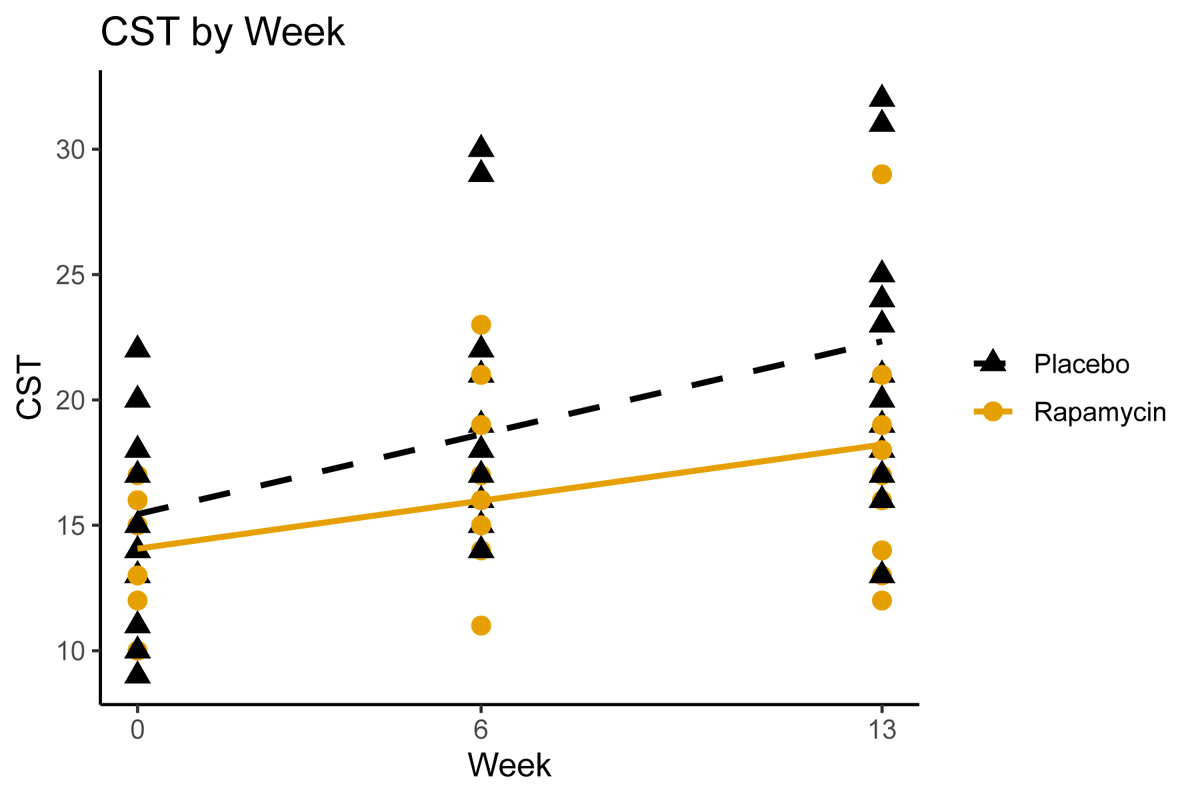
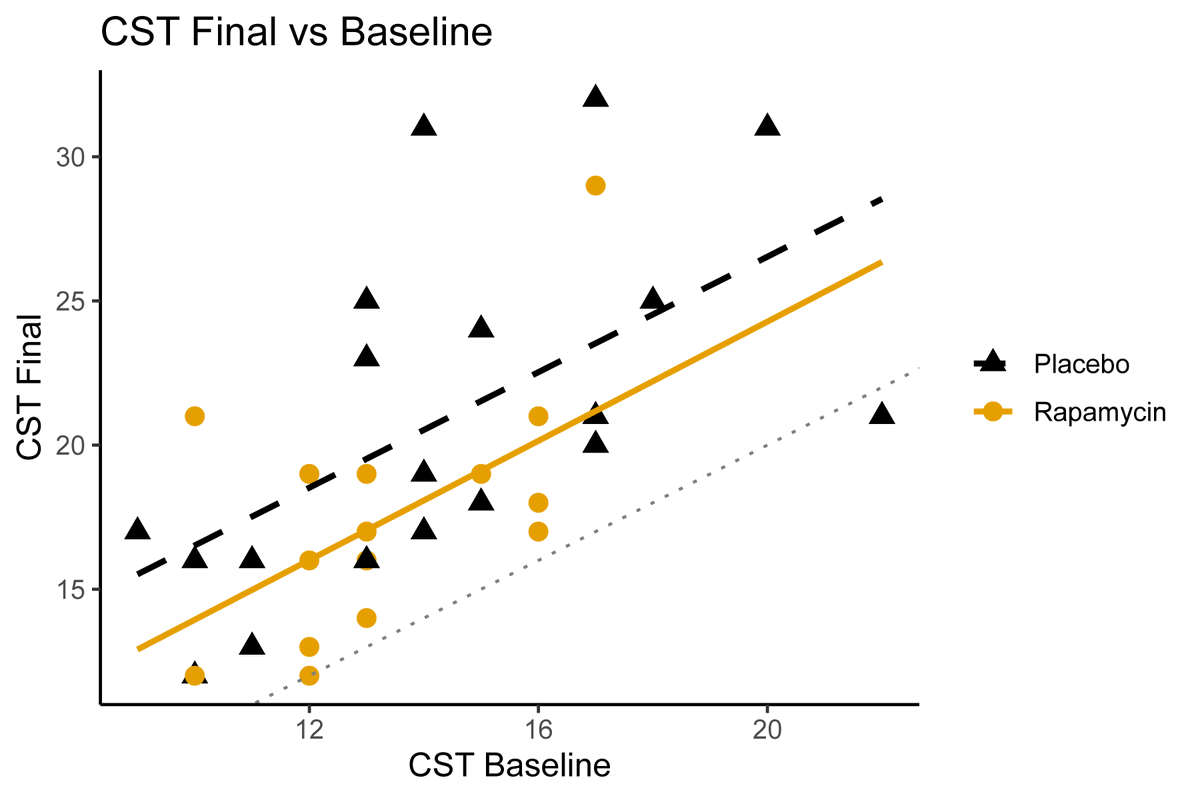
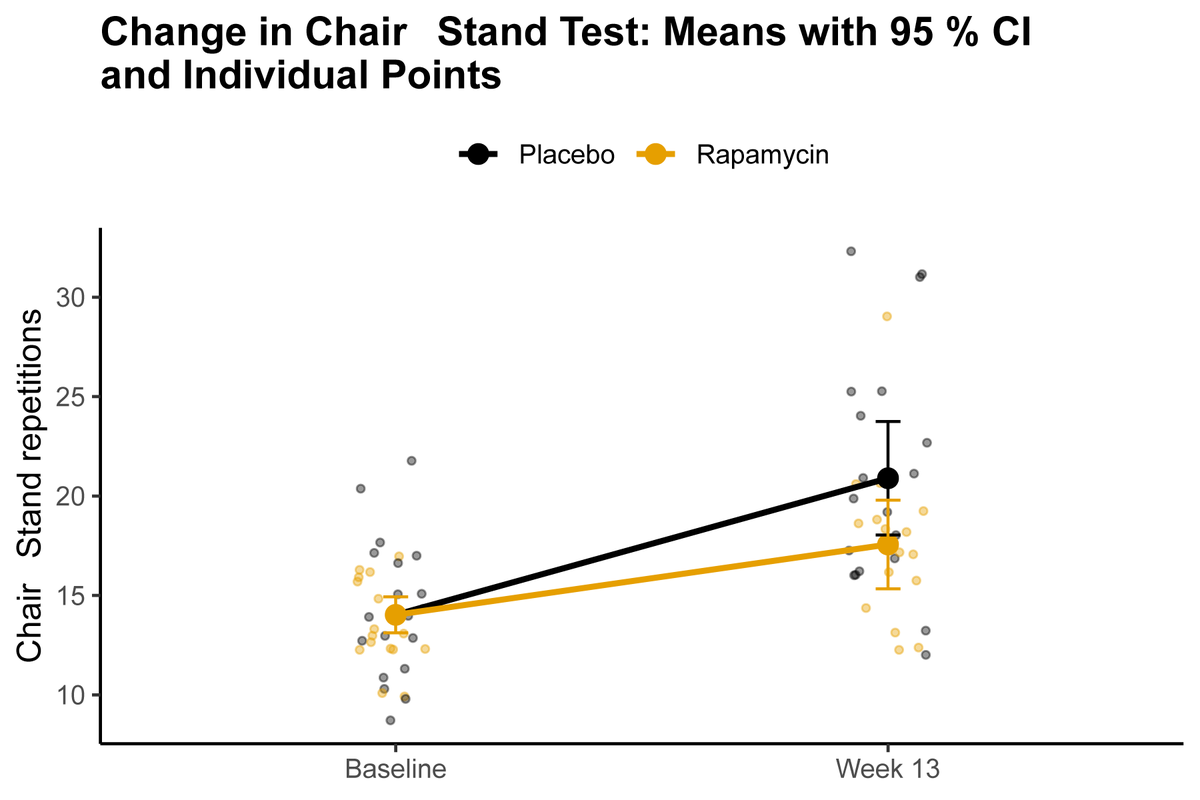
Our Rapamycin & Exercise clinical trial has just been published! The topline result? Rapamycin didn't help. Instead, it may have made things worse. Here's what we found 🧵 onlinelibrary.wiley.com/doi/epdf/10.10…
Dr Brad Stanfield tweet mediaDr Brad Stanfield tweet mediaDr Brad Stanfield tweet media
English
81
147
823
215.6K
Dr. Shashank Joshi
Dr. Shashank Joshi@AskDrShashank·
Nothing new with AirIndia despite of new owner woes of @airindia continue to plaque including non working seats in business class .. apathy n complacency is something they need to drastically change.. once Maharaja ruled the world hope they get Good old times again best wishes ..
Umang shah@umangshah321

I’m travelling to AI130 London to Mumbai I just sped £15.40 for secured my window seat . They change my boarding and seat without any notification All over fine But look after that what happens @ air India

English
1
1
2
1.3K
Ani B retweetledi
Metabolic Uncle
Metabolic Uncle@MetabolicUncle·
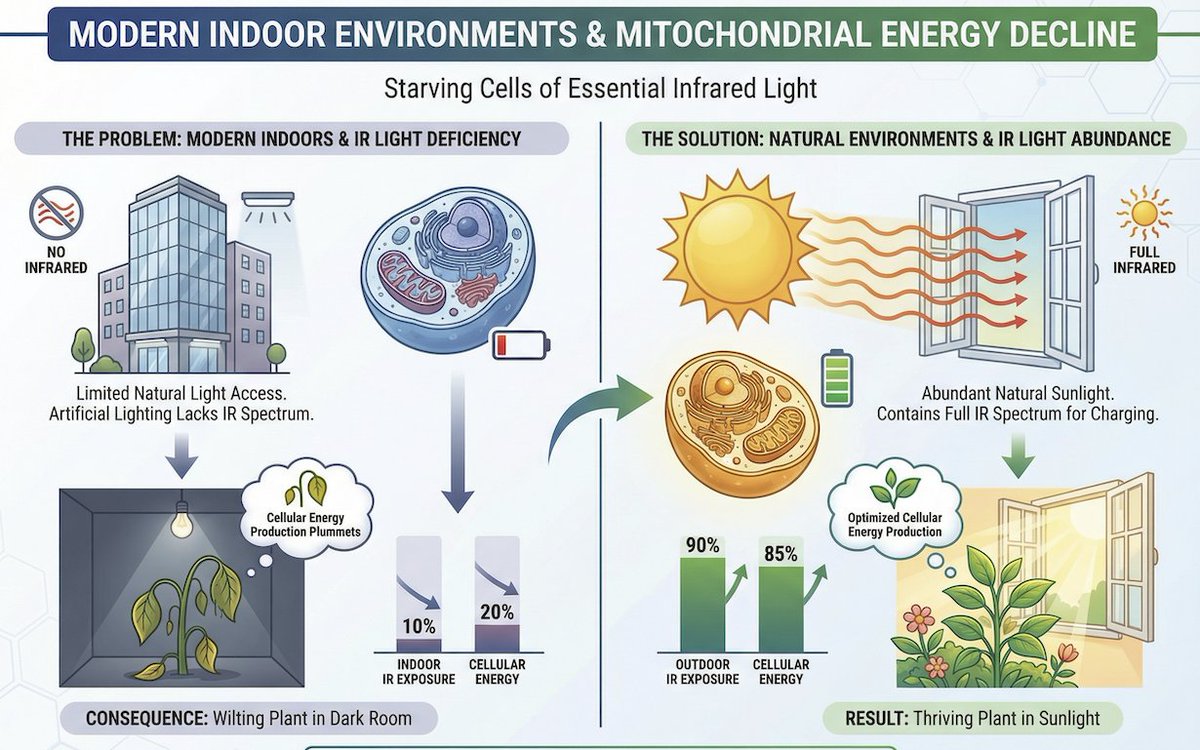
THE INFRARED DEFICIT Winter kills more people than summer. That's been true for decades. Researchers blamed vitamin D deficiency for a while, but the pattern persisted even when controlling for that variable. Something else about sunlight was protective, and nobody could pin it down. The answer sits in plain sight. Most photons from the sun exist in the infrared spectrum. You can't see them. You feel them as heat, but they're not heat itself. They're electromagnetic radiation with wavelengths longer than visible light, ranging from 760 nanometers out past 1200. This light penetrates everything. The atmosphere barely stops it. Your clothes barely stop it. Takes 10 to 13 layers of fabric to fully block infrared photons. They pass through your skin and come out the other side, though weaker because your tissues absorb much of it along the way. The sun's photosphere selectively allows infrared through more easily than other wavelengths. Our atmosphere has transparency windows at specific infrared frequencies because nitrogen and oxygen bonds absorb other wavelengths. The light that makes it through happens to be exactly what penetrates tissue and reaches mitochondria. That's not coincidence. That's design, whether you want to call it evolution or something else. Mitochondria sit at the center of nearly every chronic disease. Diabetes. Obesity. Heart failure. Dementia. Cancer. All of them show mitochondrial dysfunction. The central theory of aging says energy output from mitochondria drops 60 to 70 percent after age 40. Your cellular batteries run down. Food breaks down into acetyl-CoA regardless of whether you ate fat, protein, or carbohydrates. That two-carbon molecule enters the mitochondrial matrix and goes through the Krebs cycle to extract high-energy electrons. Those electrons exist as NADH and FADH2, which feed into the electron transport chain. Picture the Colorado River dropping from high elevation down to sea level. We built dams at various points. Niagara Falls works the same way. Lake Erie sits 200 feet above Lake Ontario. Water falls through turbines and generates electricity. Mitochondria do something similar. High-energy electrons drop down an energy gradient. Instead of turning turbines, they pump protons out into a reservoir around the mitochondria. Those protons eventually flow back in through ATP synthase, creating ATP. That's cellular energy. The electron transfer isn't smooth. When an electron moves from one protein to another, it leaves behind a positive charge and creates a negative charge where it lands. Water molecules surrounding these proteins have to reorganize themselves to buffer those charges. That reorganization creates resistance. Rudolf Marcus won the Nobel Prize in Chemistry in 1992 for describing this barrier. He's 102 years old now, still alive in Pasadena. His equations showed that electron transfer faces reorganization energy. The protein changes shape. The water molecules flip orientation. That takes energy and slows the whole process down. Infrared light reduces that barrier. Multiple wavelengths of infrared introduce low-energy vibrations that make water molecules restructure more easily. The electrons slide down the transport chain faster instead of having to push through resistance. Protons pump out more efficiently. ATP production increases. Glenn Jeffrey tested this in humans. He gave subjects glucose and measured their blood sugar spike. Those exposed to long-wavelength infrared light showed a 20 percent reduction in glucose spike compared to controls. They also exhaled more carbon dioxide, which indicates increased mitochondrial metabolism. The light made their mitochondria work better. Brazilian researchers ran randomized controlled trials on COVID patients. Fifteen minutes of infrared light per day at 2.9 milliwatts per square centimeter. That's a fraction of what you get from sunlight, which delivers about 100 milliwatts per square centimeter at Earth's surface. The intervention group left the hospital four days earlier than controls. Twelve days versus eight days. The intervention group started sicker than the control group. Tamiflu got FDA approval because it reduced flu symptoms by 24 hours. We're talking about a four-day reduction in hospitalization from 15 minutes of weak infrared light. Another Brazilian study looked at ICU patients. Same protocol. Same results. Thirty percent reduction in length of stay. Patients came out stronger with less need for physical therapy. This isn't a small effect. This isn't marginal. The dose is tiny and the results are dramatic. You don't need much exposure. Fifteen to twenty minutes triggers the effect. More exposure doesn't help much beyond that. Jeffrey tested this across species including bees, insects, and humans. Same pattern every time. It's like flipping a switch. The light doesn't need to be strong. The randomized trials used 2.9 milliwatts per square centimeter. That's weak. Much weaker than sunlight. But it works because the threshold is low. We've created environments that block this wavelength entirely. Windows block infrared to reduce cooling costs. LED bulbs replaced incandescent bulbs to save energy. Incandescent bulbs produce infrared as a byproduct of their inefficiency. LEDs don't. Bob Fosbury calls this the scurvy of the 21st century. British sailors three hundred years ago preserved food in ways that stripped out vitamin C. They developed scurvy on long voyages. The solution was simple. Drink lime juice. Your gums stop bleeding. Your shipmates stop dying. We've done the same thing with light. We optimized for energy efficiency and created an infrared deficit. The wavelength that mitochondria need most is the wavelength we removed from our environment. Infrared penetrates clothing. You can get exposure fully dressed. Even in winter. Even in Toronto. Even when it's below freezing. Watch snow on a sunny winter day. It melts. The temperature might be below freezing, but the snow still drips. That's infrared light penetrating the atmosphere and heating the snow surface. The moment the sun sets, even if air temperature hasn't changed, the melting stops immediately. No more drips. The light that melts snow in Toronto winter is the same light that charges your mitochondria. Studies show broad-spectrum infrared works better than monochromatic laser light. Jeffrey compared the two using color vision tests. The eye's retina has the highest concentration of mitochondria in the body. Monochromatic light improved color differentiation by about 15 percent in some cone types. Incandescent light improved all cone types by over 20 percent. Infrared saunas deliver monochromatic wavelengths. They show benefits in studies. But they might not beat just spending time outside in natural sunlight, which delivers broad-spectrum infrared. The mechanism makes sense now. Multiple wavelengths reduce reorganization energy across different electron transfer points in the chain. One wavelength helps one transfer. Multiple wavelengths help multiple transfers. The whole chain runs smoother. We spent years looking at vitamin D because that's what we could measure easily. We missed the bigger effect happening at the mitochondrial level in every cell. The sun isn't just making vitamin D in your skin. It's charging every battery in your body. The medical establishment approved drugs that reduce symptoms by hours. We're seeing interventions that reduce hospitalizations by days using nothing but light at doses weaker than natural sunlight. The implications are straightforward. Modern environments removed a fundamental input to cellular metabolism. We replaced incandescent bulbs with LEDs to save electricity. We installed low-E windows to reduce cooling costs. We moved indoors and stayed there. Every optimization for energy efficiency created a deficit in biological energy production. Subscribers will find detailed practical protocols for infrared exposure in Part 2 below, including specific implementation strategies, timing recommendations, and alternative approaches for those unable to access natural sunlight regularly.
Metabolic Uncle tweet mediaMetabolic Uncle tweet media
English
10
79
248
10K
Ani B retweetledi
Trad West
Trad West@trad_west_·
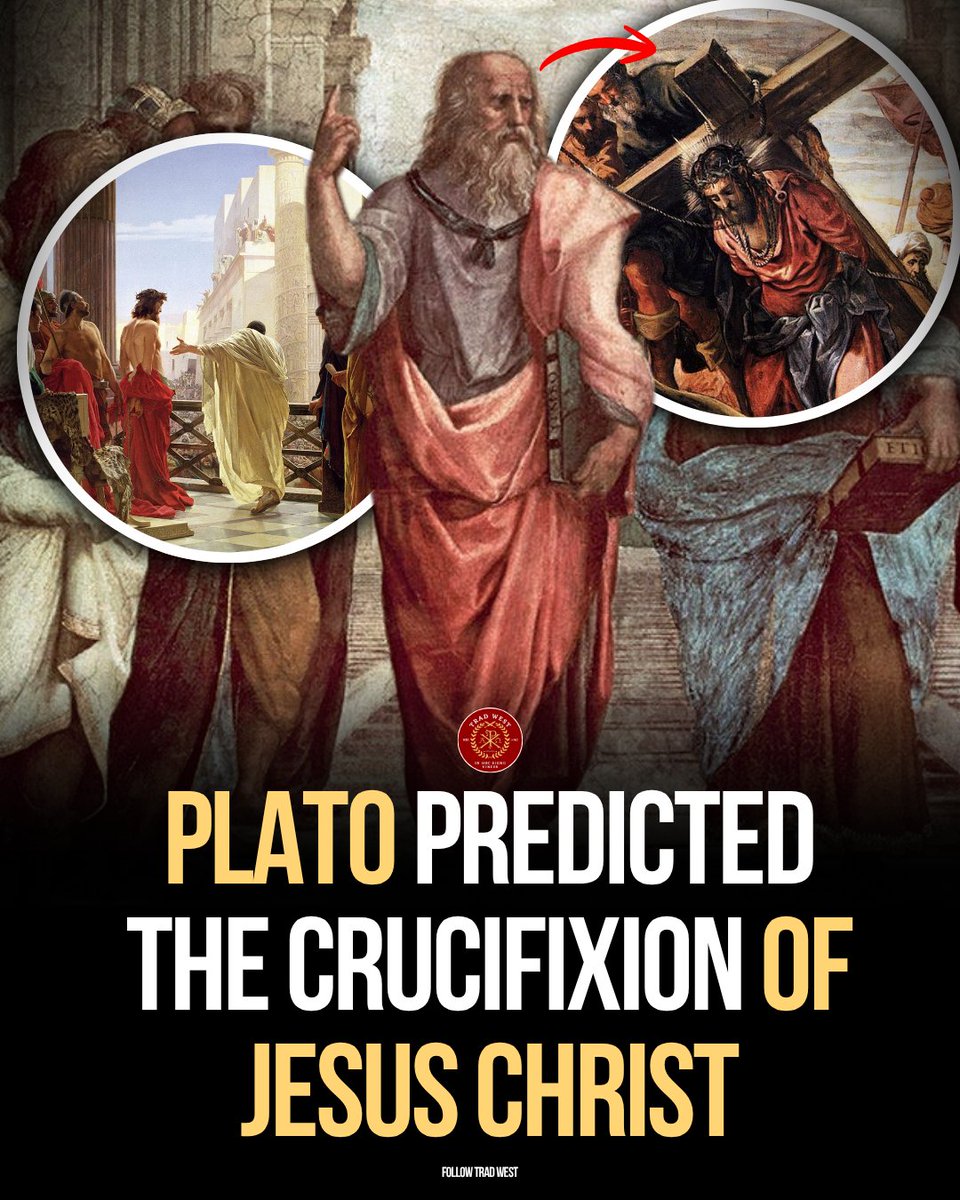
In 375 BC, the philosopher Plato may have predicted the crucifixion of Jesus Christ. “The perfectly just man will be considered unjust, while the unjust will appear just. […] The just man will be scourged, tortured, chained, his eyes will be burned out, and, after suffering all evils, he will be crucified.” - Plato (The Republic Book II, 361e–362a)
Trad West tweet media
English
12
140
1.2K
36.2K
Ani B retweetledi
Nick Freiling
Nick Freiling@NickFreiling·
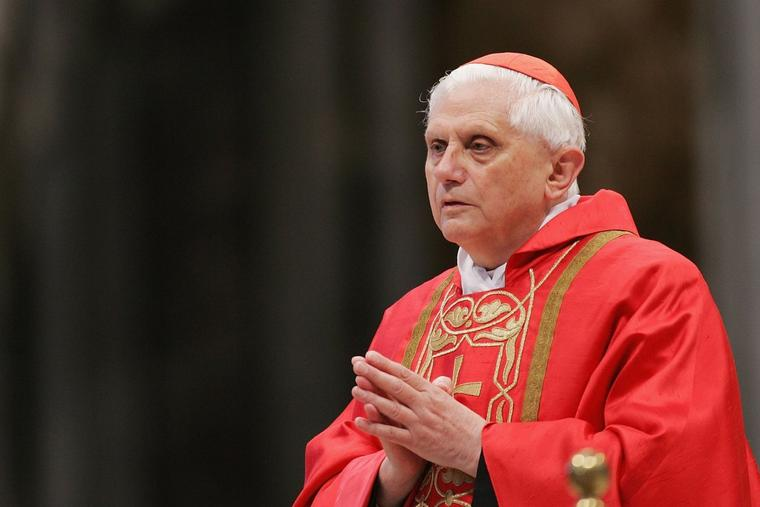
A cutting reflection from Cardinal Ratzinger, Good Friday 2005: "Pilate is not utterly evil. He knows that the condemned man is innocent, and he looks for a way to free him. But his heart is divided. And in the end he lets his own position, his own self-interest, prevail over what is right. Nor are the men who are shouting and demanding the death of Jesus utterly evil. Many of them, on the day of Pentecost, will feel "cut to the heart," when Peter will say to them: "Jesus of Nazareth, a man attested to you by God... you crucified and killed by the hands of those outside the law." But at that moment they are caught up in the crowd. They are shouting because everyone else is shouting, and they are shouting the same thing that everyone else is shouting. And in this way, justice is trampled underfoot by weakness, cowardice and fear of the diktat of the ruling mindset. The quiet voice of conscience is drowned out by the cries of the crowd. Evil draws its power from indecision and concern for what other people think."
Nick Freiling tweet media
English
307
4.4K
19K
872.8K
Ani B retweetledi
Muse
Muse@xmuse_·
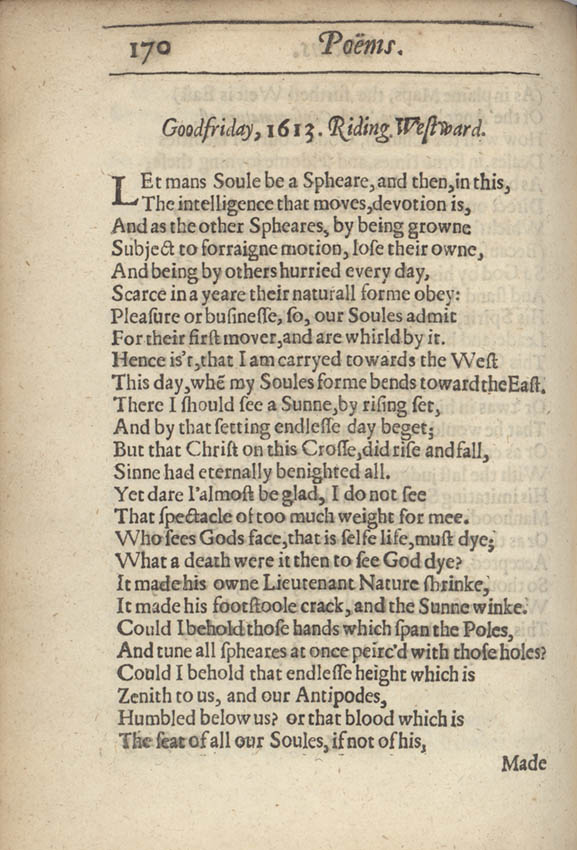
Literature wrestles with Good Friday’s shadow. Dante’s Inferno owes its moral map to this day. T.S. Eliot’s The Waste Land echoes its desolation. Stories don’t just retell the cross, they grapple with its questions: Why suffer? Why love?
Muse tweet media
English
2
9
100
2K
Ani B retweetledi
Trad West
Trad West@trad_west_·
Today is Good Friday. We remember the crucifixion and death of Jesus Christ. After being arrested the night before, Jesus was beaten, flogged, crowned with thorns and sentenced to death by Pontius Pilate. He carried His cross through Jerusalem and was nailed to it. Darkness covered the land from noon to 3pm. At 3pm He said: “It is finished.” And He died. (John 19:30) He was taken down from the cross and buried in a tomb before sundown. A large stone was rolled across the entrance and guards were posted outside in fear that His disciples might steal the body and claim He had risen from the dead. No greater love has ever been shown.
Trad West tweet media
English
64
1.3K
5.1K
67K
TheLiverDoc™
TheLiverDoc™@theliverdoc·
1/2 Dear Friends, I never wanted to become a doctor. I always wanted to write and tell stories. And yet, over the years, medicine gave me the most extraordinary stories I could never have imagined - stories that lived in hospital corridors, outpatient rooms and inside terrifying ICUs; in the trembling hands of a father carrying his jaundiced daughter, in the silence between a prognosis spoken and a family's world shattered. Today, I am proud and deeply moved to announce my first book, The Liver Doctor: Stories of Love, Loss and Regeneration, published by @HarperCollinsIN . This book is where my two worlds finally collide. My childhood love for writing and telling stories. And my adultdhood, as a medical doctor. Through the lives of real patients and their families - their courage, their grief, their impossible choices - I tell the story of the most misunderstood, most indispensable, and only self-regenerating organ in the human body: the liver. But this is not just a medical book. It is a journey through ancient myth and modern science, through Prometheus and Wilson's disease, through Mesopotamian clay tablets and liver transplant waiting lists, through the history of healing itself. I wrote it for doctors, so they may remember why they chose this life. I wrote it for patients and families, so they may know when to fight and when to find peace. I wrote it for myself, to make peace with what I have lost and what I will lose. This book shoulders that one truth I have learned in all my years at the clinical bedside: I did not become a doctor to help people cheat death, but to help them understand it. This book is my offering - to medicine, to storytelling, and to you. Lose yourself in these pages, as I have. Pre-orders are open now The Liver Doctor : Stories of Love, Loss and Regeneration - amzn.in/d/0duTenmW
TheLiverDoc™ tweet media
English
249
263
2.5K
117.8K
Ani B retweetledi
Eric Topol
Eric Topol@EricTopol·
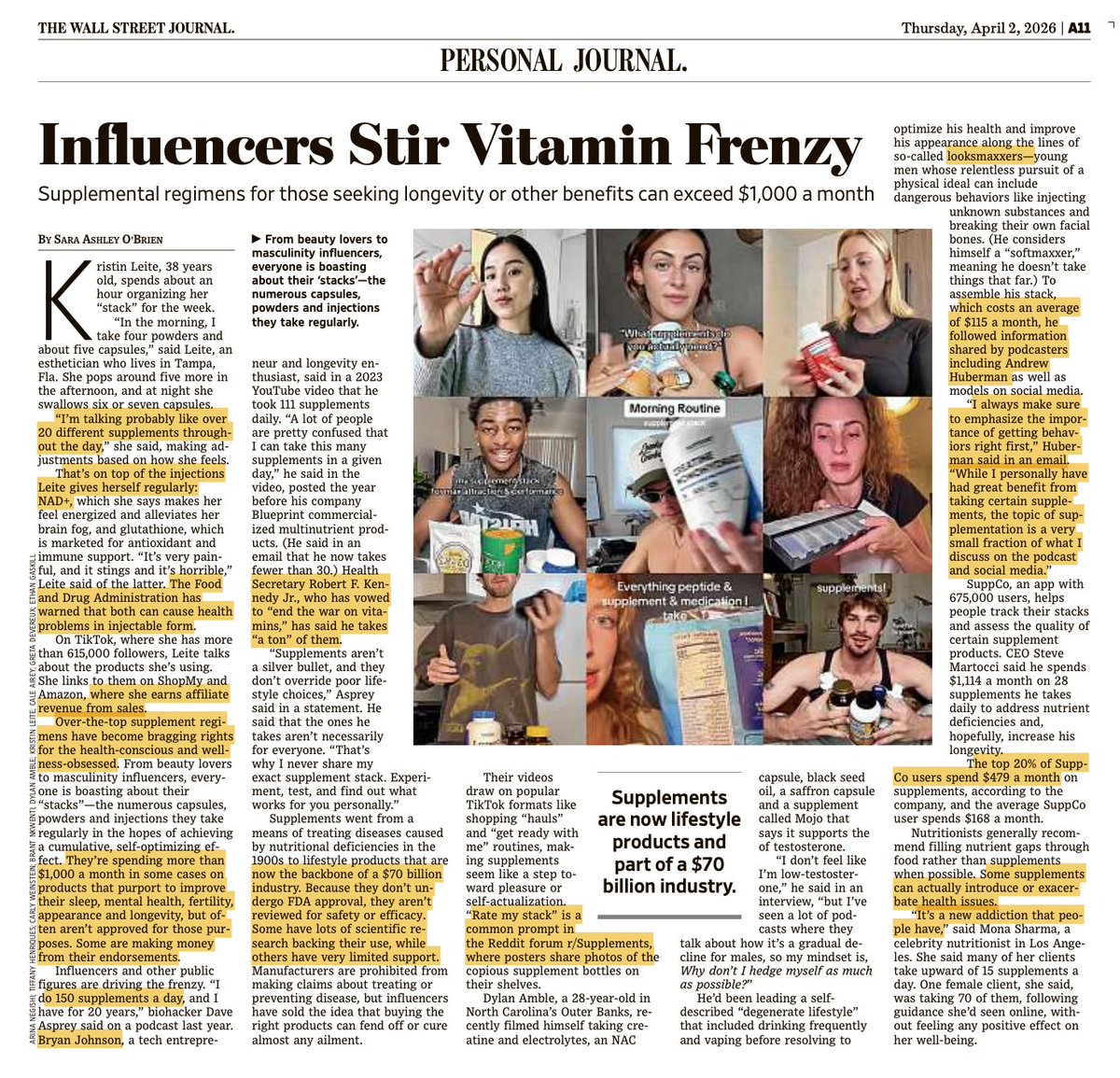
The $70 billion/year industry in the US with zero evidence of benefit in healthy people and thousands of paid influencers, by @saraashleyo gift link wsj.com/health/wellnes…
Eric Topol tweet media
English
29
137
406
53.1K
Ani B retweetledi
The Free Press
The Free Press@TheFP·
GLP-1s are often portrayed as miracle drugs, because they are incredibly effective in treating obesity. They also may be powerful enough to wipe out drug addiction, too. But at what cost?
English
0
223
2.5K
6.7M
Ani B retweetledi
Colm Flynn
Colm Flynn@colmflynnire·
One of my favourite pieces in St Peter’s Square at the Vatican: a statue that first appears to be a beggar, transforming into an angel as you move around it - by Timothy Schmalz.
English
251
3.8K
51.9K
2.1M
Ani B retweetledi
Καλός 🍇
Καλός 🍇@realKalos·
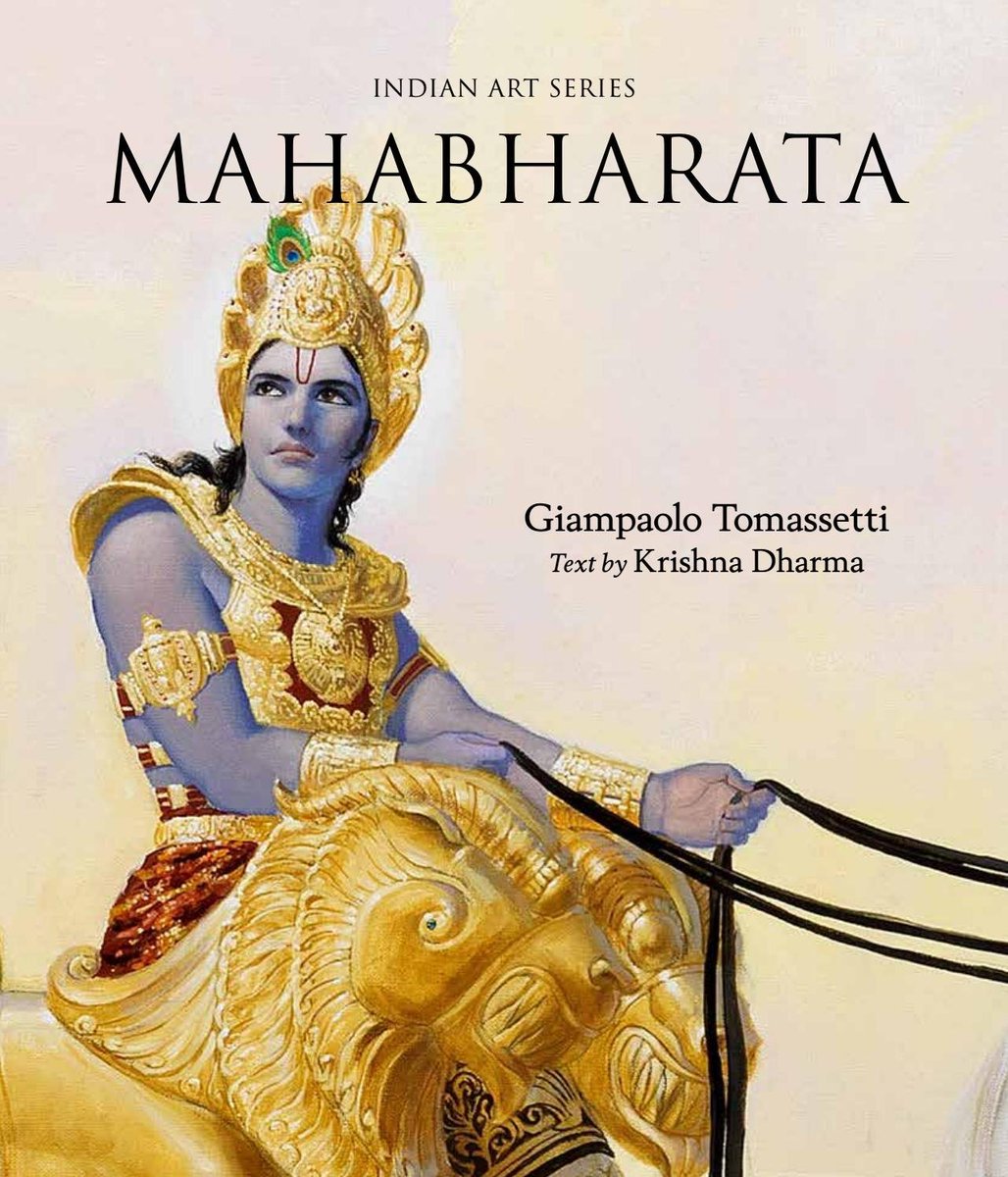
In 2003, after a thorough study of the Mahabharata, Giampaolo Thomasetti began work on a large-scale project dedicated to it. After 12 years, he completed his collection of over 20 majestic paintings depicting the main moments of this great spiritual epic. 👇
Καλός 🍇 tweet media
English
101
1.6K
9.1K
745.4K
Ani B retweetledi
Massimo
Massimo@Rainmaker1973·
Dudu Cat King is a Chinese artist who paints expressive cats with a few effortless sumi ink strokes.
English
21
1K
5.7K
150.1K
Ani B retweetledi
Muse
Muse@xmuse_·
Not blood, just Montblanc LOZ Horse red ink flowing ridiculously smooth. Flex fude brush doing its thing 🖋️
English
15
129
1K
1.1M
Eric Topol
Eric Topol@EricTopol·
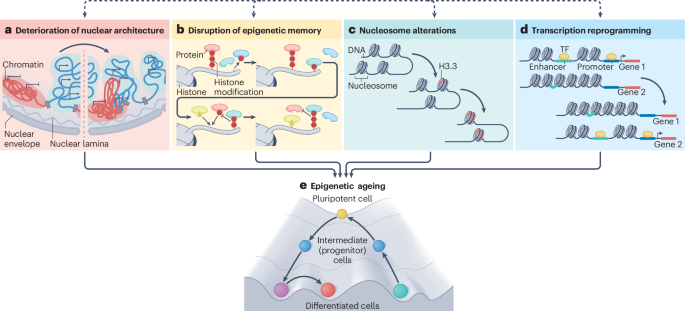
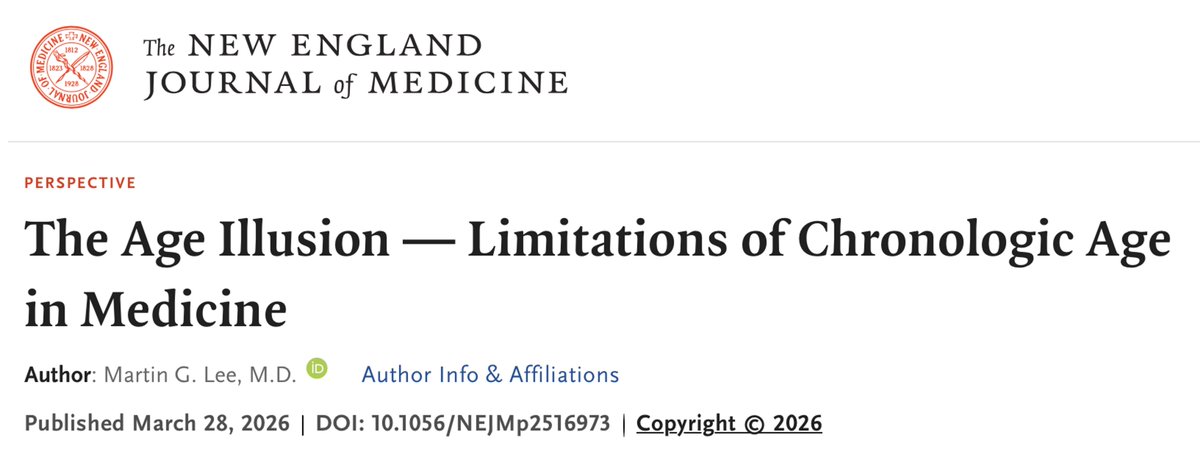
In the era of molecular and organ clocks and marked inter- and infra-individual variability of the aging process, we need to move beyond chronological age. "biologic measures predict outcomes more robustly than chronologic age" @NEJM nejm.org/doi/full/10.10…
Eric Topol tweet media
English
12
57
283
26.6K