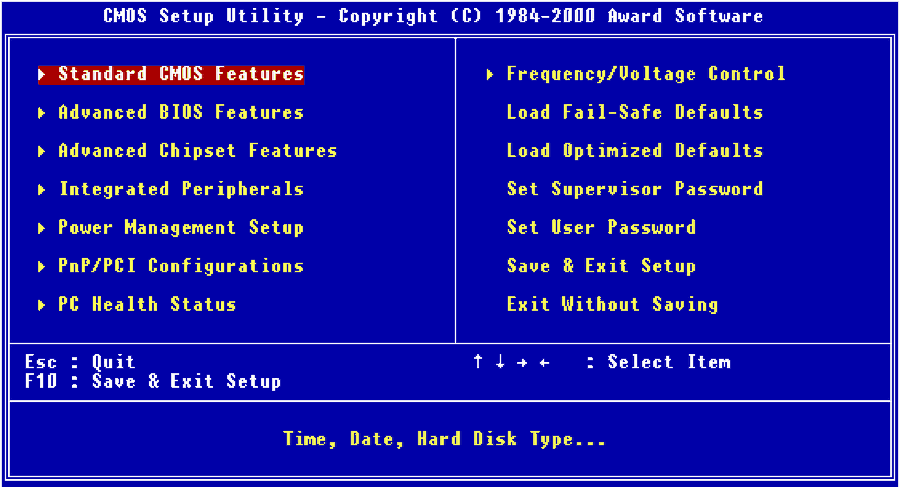
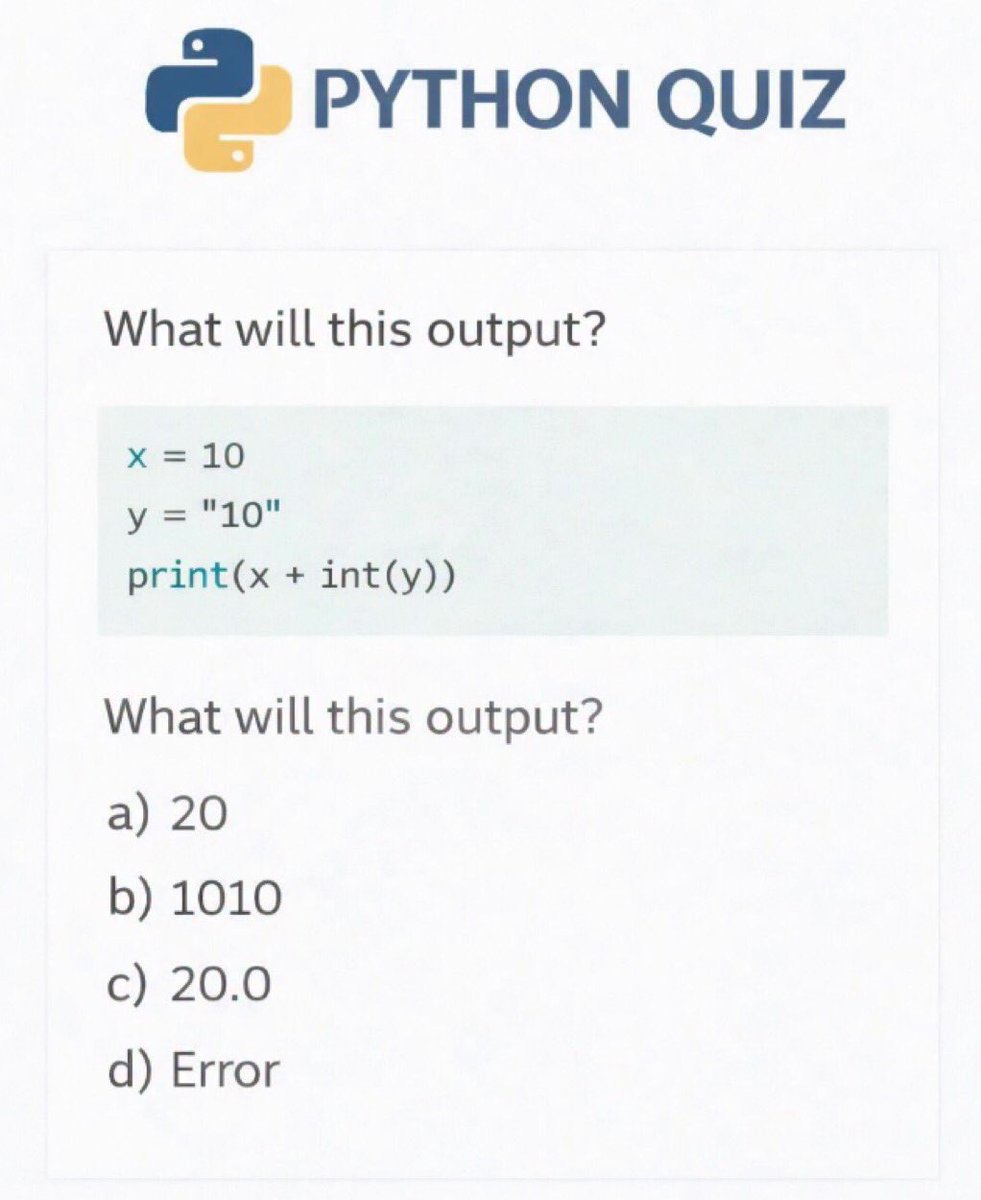
@PythonDvz Where are the programming languages designed by #NiklausWirth ?
Where are PL360 , Pascal language, Modula(s), Oberon(s) ?
Where are the derivative Object Pascal, developed by #AppleComputer and #Borland ?
🚀 From Punch Cards to AI: The Evolution of Code 💻
Ever wonder how we got from Ada Lovelace’s first algorithm in 1843 to the modern languages powering today's AI?
Look at how the foundations laid by pioneers like Grace Hopper (COBOL) and Dennis Ritchie (C) paved the way for JavaScript, Python, Rust, and the tech we rely on every single day.
What was the very first programming language you learned? Let me know in the comments! 👇
#Programming#CodingLife#TechHistory#SoftwareEngineering#java#rust#Python#JavaScript#WebDevelopment#ComputerScience#CodeNewbie
@sysxplore RAID-1. is reliable & most inexpensive from other raid types. Simple in concept.
RAID-3/4. I was always wondered what will happen if Disk-4 fails.
RAID-5. :-|
RAID-6. Looks very attractive, but I haven't tied it yet
RAID-10. was excellent in the era of HDD dominance, before SSDs.
Jour 065, orbite 1005 – La science du dimanche matin avec Sophie, épisode 4 : Eau, bulles d’air et force centrifuge.
Remarque importante: à bord de la Station, nous avons chacun une gourde souple que nous remplissons avec de l’eau recyclée. Cette bouteille en plastique est un accessoire utilisé uniquement pour des démonstrations scientifiques ludiques !
🎥 @esa/ @NASA
#εpsilon • • @esaspaceflight • @ESA_fr • @Space_Station • @CNES • @NASA_Johnson
Park adventures with my six-year-old on a beautiful sunny day.
Proof that playgrounds are still fun, no matter your age! Reminds me we are all born joyful (and maybe just a bit silly)!
🎥 Camera skills by my little one!
#BigKid#BeYou
Easter in Greece 🇬🇷
Explore Greece: tasteatlas.com/greece
Greek Easter is not a quiet holiday. It is built entirely on wood smoke, heavy butchery, and open fire. Long metal spits loaded with large cuts of meat and thick rolls of kokoretsi turn slowly over glowing coals. The intense heat forces the fat to render, blistering the exterior into a hard, charred crust. Tables are quickly loaded with heavy platters of roughly chopped roast, thick fried potatoes, and dense scoops of tzatziki, washed down with continuous pours of cold white wine.
Before the eating begins, hard-boiled eggs dyed a deep, dark red turn the table into a physical battleground. Gripping the egg tightly to expose just the pointed tip, you drive it directly into your opponent’s egg. The goal is pure blunt force. You want to shatter their shell completely while keeping yours perfectly intact, leaving the cracked ones to be peeled.
The loud celebration extends into the night around massive, roaring street bonfires. Even the religious traditions leave a physical, charred mark. The holy flame is carried home, and the burning candle is used to scorch a black cross of soot directly into the wall above the front door.
Credits: @helena_marieee
@JennaWDavis@engineers_feed Is this a progress in human space exploration?
I would expect a more refined entrance for the astronauts after decades of experience.
Space-shuttle was a major forward step. But after its termination, we chose to go back to older methods, instead of evolve it and move forward
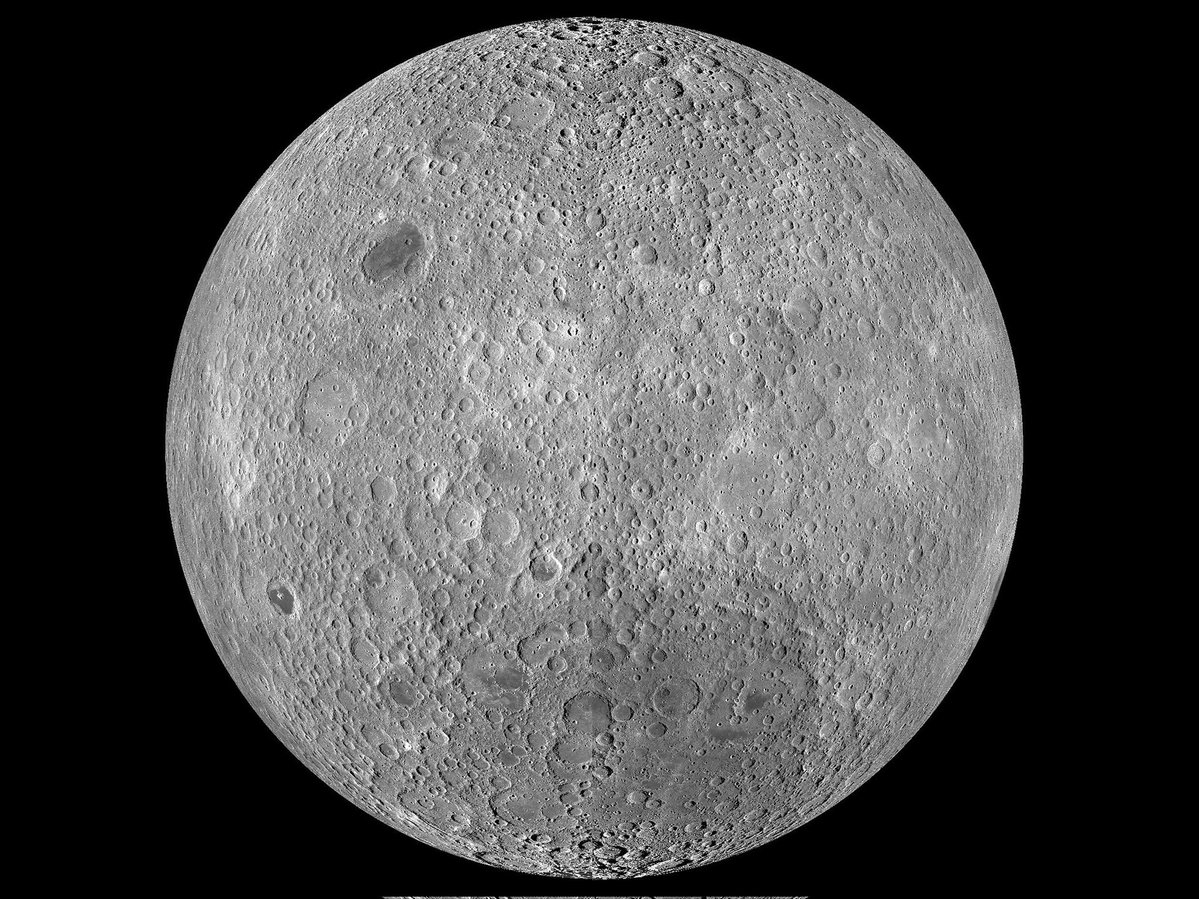
@ExploreCosmos_ "The Dark Side of the Moon" is the eighth album of the English progressive rock band #PinkFloyd, released on March 1, 1973, just few months later the final Apollo mission to the Moon, of #Apollo17, on December 14, 1972
Apollo 17 lifts off from the moon ⬇️ youtube.com/watch?v=9HQfau…
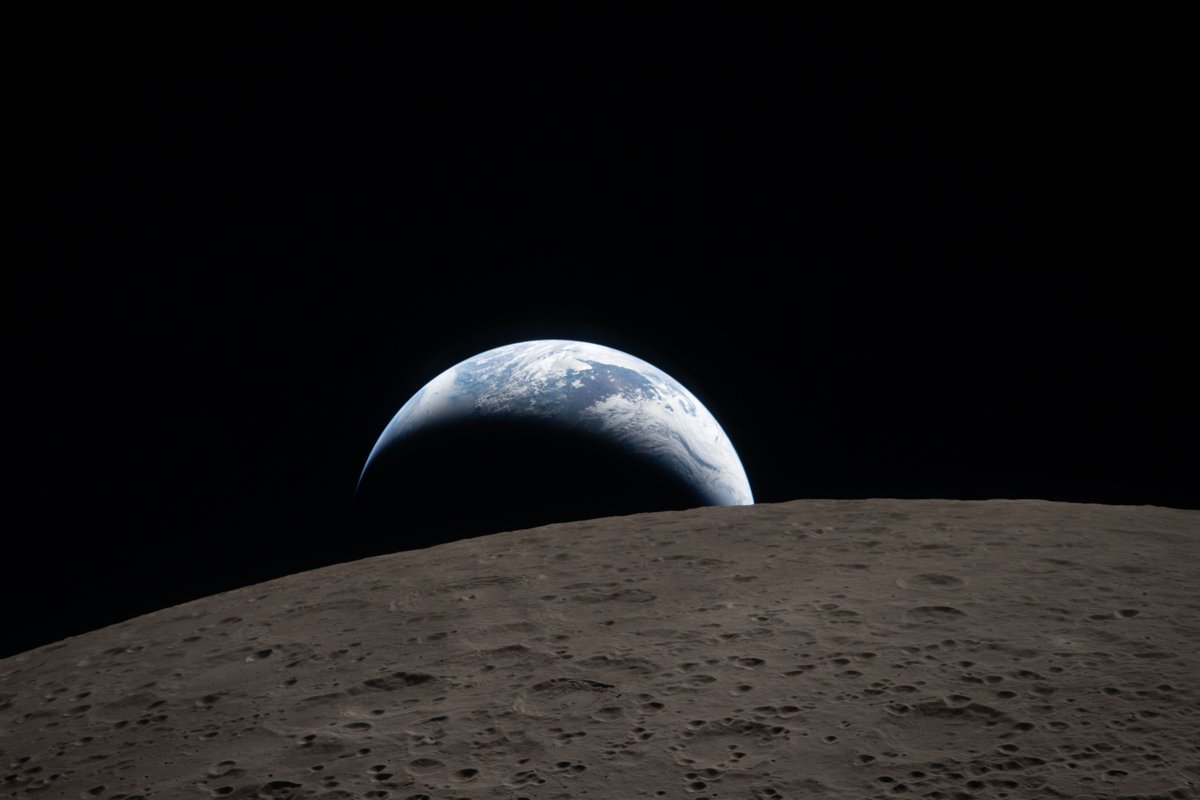
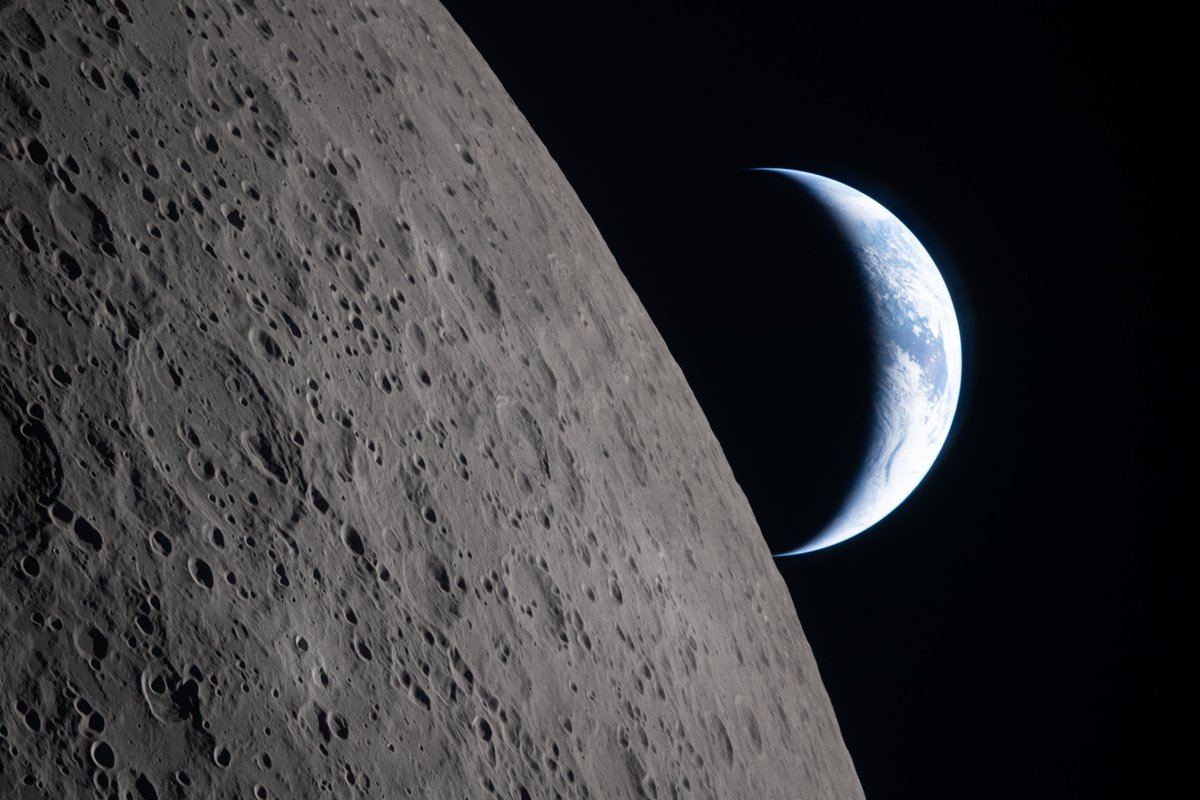
@NASA Awesome Earth view !
Our "pale blue dot", looks absolutely fantastic !!
I understand that behind these photos, there are the endless and tremendous efforts of decades, to see what is out there and to "boldly go where no one has gone before" !
Thank you NASA !
🖖
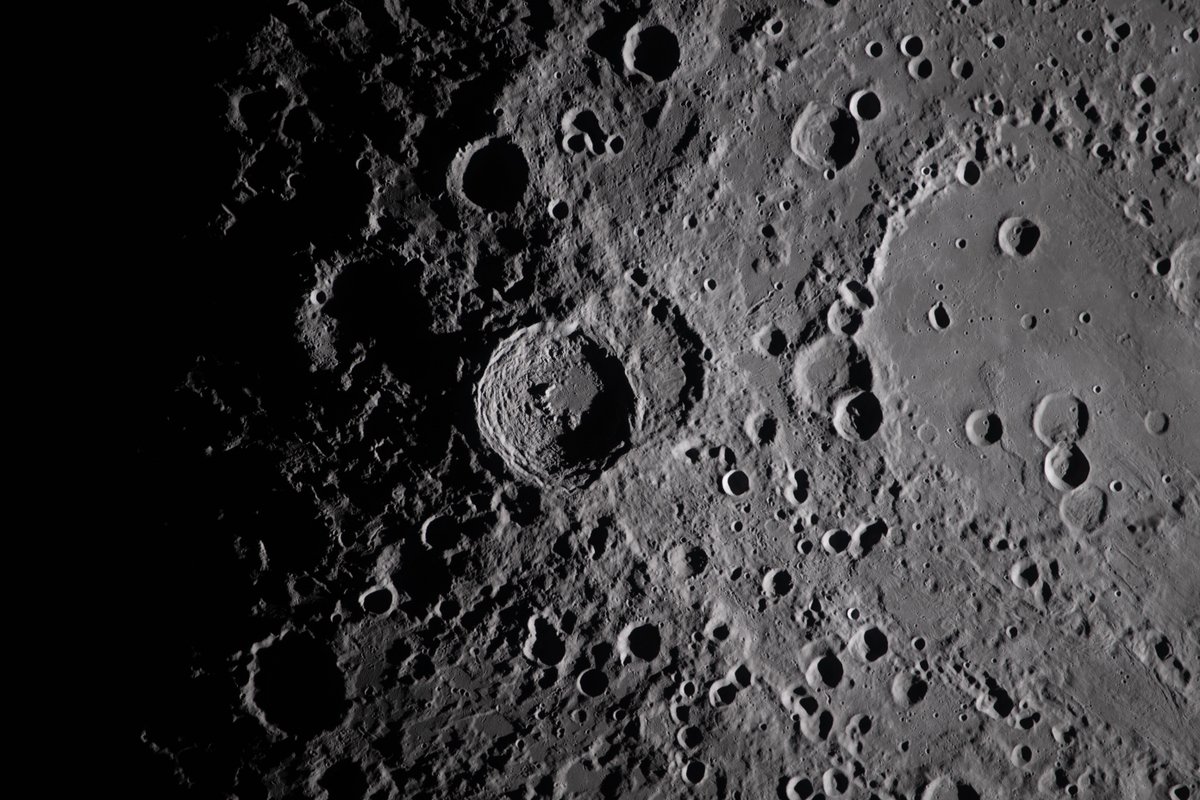
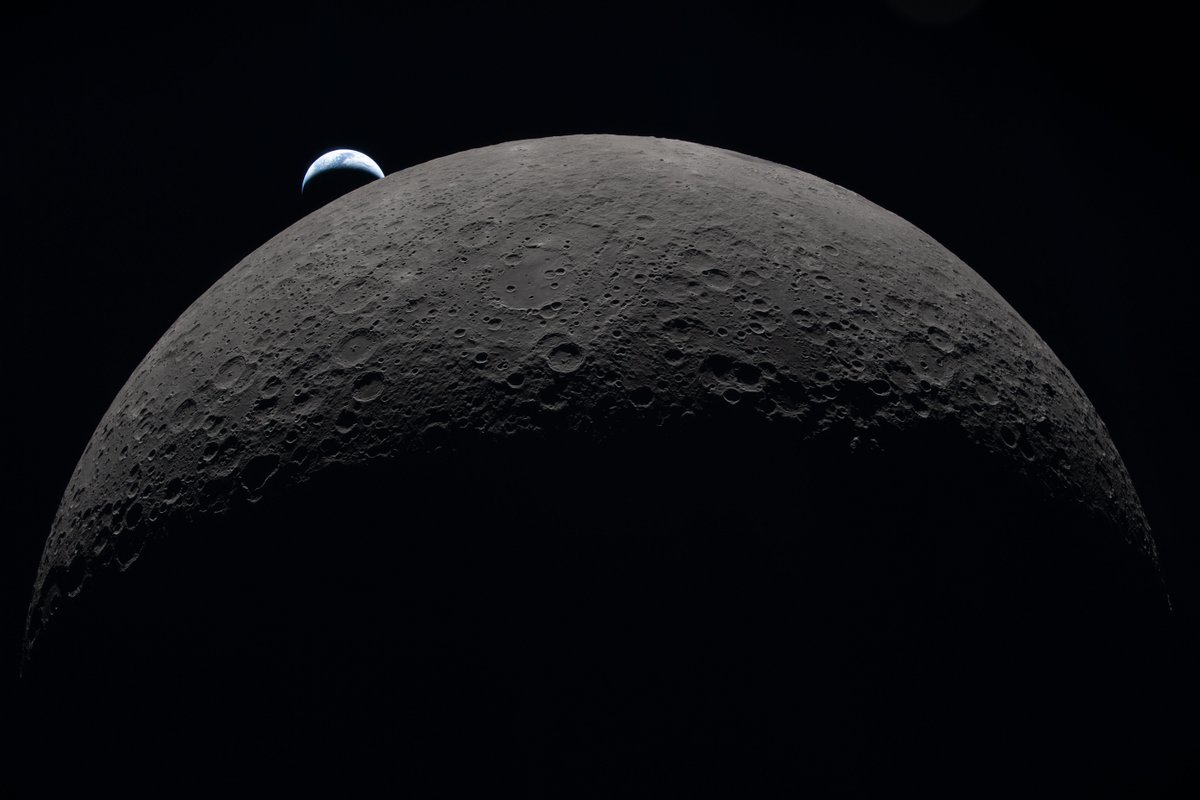
Hello, Moon. It’s great to be back.
Here’s a taste of what the Artemis II astronauts photographed during their flight around the Moon. Check out more photos from the mission: nasa.gov/artemis-ii-mul…
@PhysInHistory#AntikytheraMechanism is an astronomical computer that determines positions of celestial bodies with extraordinary precision !
Built by Greek engineers at around 100 BCE
#LEGO implemented a fully functional replica of the 1st computer ever made ⬇️
youtube.com/watch?v=RLPVCJ…
Long before silicon chips, ancient Greeks built a complex device now known as the Antikythera mechanism. This corroded bronze relic, discovered in a shipwreck in 1901, is considered the world's oldest analog computer.
Dating back to between 205 and 87 BC, it used a sophisticated system of at least 30 bronze gears to track the cycles of the Sun, Moon, and planets, and was even able to predict solar and lunar eclipses. Its complexity wouldn't be seen again for another thousand years.