BCG_Paint

378 posts

BCG_Paint banner
BCG_Paint

BCG_Paint

@bgr_paint

was for art stuff. now it’s not

Katılım Mayıs 2022
32 Takip Edilen63 Takipçiler
BCG_Paint
BCG_Paint@bgr_paint·
@Will_of_Europa So if you have some kind of overgrowth your body might lock away iron so LPS doesn’t get to it. But this comes at the cost of jamming up complex IV?
English
0
0
0
13
Will of Europa 🪐
Will of Europa 🪐@Will_of_Europa·
And this is why your cells hoard iron when LPS is detected, because LPS steals iron from your blood. Your ferritin and iron levels can skyrocket because your body is trying to protect it's stores and keep cellular economy from crashing.
Dr Sam Soete@sam_soete

Iron is essential for complex IV in the electron transport chain. Iron-heme centres work together with copper centres to reduce oxygen to water and generate ATP. If there is insufficient bioavailable iron or copper, oxygen utilization and ATP production go down. But excess free iron is one of the most potent generators of hydroxyl radicals via Fenton chemistry. This stuff will wreck mitochondrial membranes and mtDNA = higher heteroplasmy rate. So you need iron for energy production, but too much unbound or poorly handled iron is a major problem. The body manages this through ferritin, transferrin, copper‑dependent ferroxidases like ceruloplasmin ( (which needs copper and B6) and hephaestin, and the hepcidin-ferroportin axis that regulates iron absorption and release. This is why iron is never just about iron; it is about the whole network of nutrients, hormones, and proteins that handle it. Low ferritin with high transferrin saturation tells a completely different story than low ferritin with low saturation, and low ceruloplasmin often points to a copper issue that secondarily disrupts iron metabolism rather than primary iron deficiency. Testing matters and its important to do complete iron panels (ferritin, serum iron, transferrin/TSAT, CRP, and sometimes ceruloplasmin and copper) to actually try to figure out what's going on.

English
1
0
12
574
BCG_Paint
BCG_Paint@bgr_paint·
@cynomel I’m wondering if we might be in somewhat similar boats— if you are benefiting from bismuth subsalicylate, maybe you have an issue with sulfur producing bacteria. I am also benefiting from peptos sulfur gas binding effects and am intolerant to liver currently
English
0
0
2
763
cynomel muncher
cynomel muncher@cynomel·
I’m not an anti vitamin A guy, but I’ve only had negative experiences with supplemental vit A and eating liver, even at low doses / quantities Primary side effects being: dry skin, dry eyes, hair shedding (not just scalp, but eye brows / lashes and body hair too), and headaches
English
34
1
211
43.2K
Noah Ryan
Noah Ryan@NoahRyanCo·
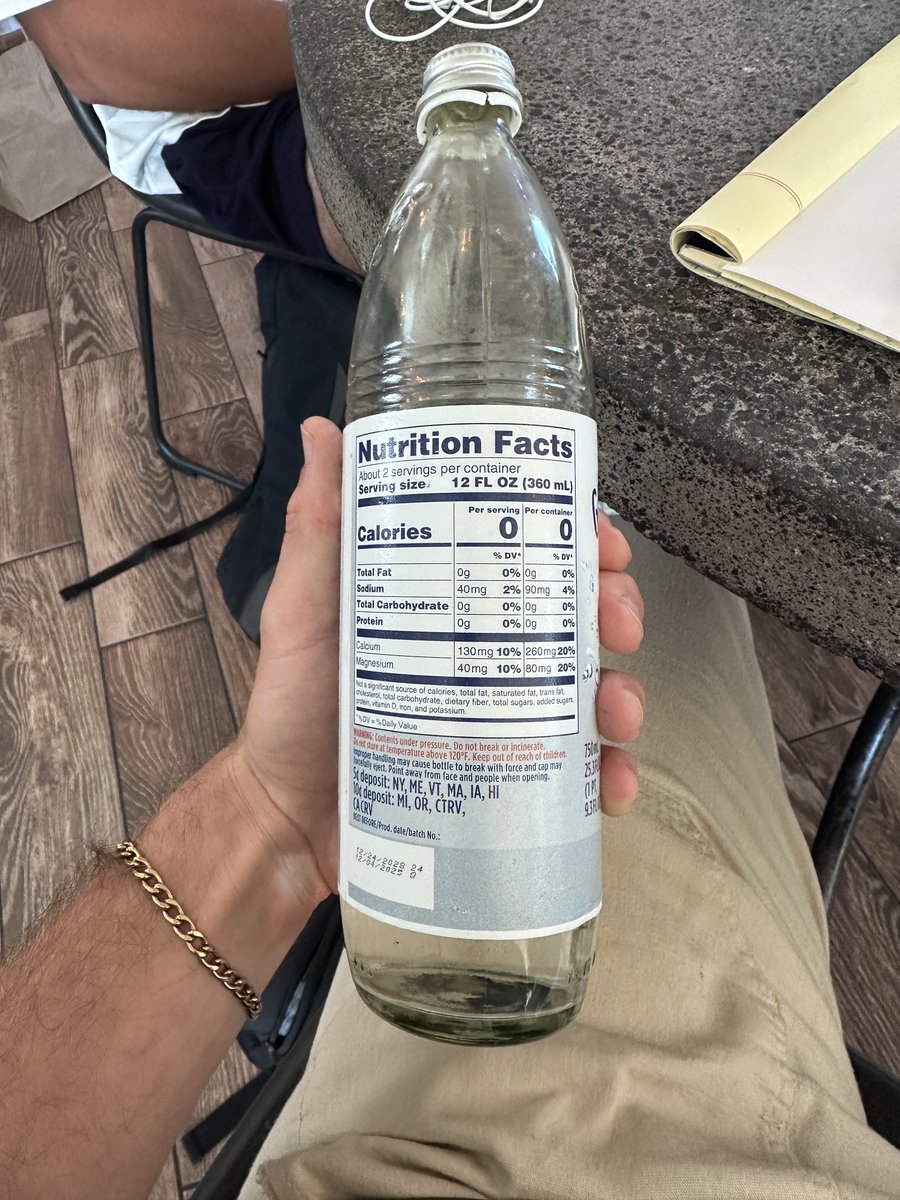
Imagine getting 40% of your daily calcium and magnesium intake from a single bottle of German volcano water
Noah Ryan tweet mediaNoah Ryan tweet media
English
282
183
7.7K
1M
Drebel00
Drebel00@DRebel00·
My experience with K2 and pancreas: I had a few month pancreas problem. Did not know it is pancreas malfunctioning. Tried all supps came to my mind on "gut issues", tried with different foods, not eating. Nothing helped. After 3-4 months went to a doctor to get a diagnosis. Made a USG and found abnormal echo in pancreas. My mind started focusing on it, but did not know what to do except take more fat soluble vitamins. So I started with ADEK (probably low dose K2 mk7). Did not kelp. Then I remembered I have also K2 mk4 5mg per pill. Started taking it. Felt the difference within 24h. After another 24h I was sure it is helping. After about a week all symptoms were gone. Did not get a diagnosis after symptoms resolved. Doc said he did not know what was the problem. 2 years later yet again: same symptoms occured. Started K2 mk4 much faster. It helped yet again. Pancreatic issues are not fun! K2 mk4 is my must have supplement now.
English
5
3
58
4.4K
Master Metabolism
Master Metabolism@lowmegatron·
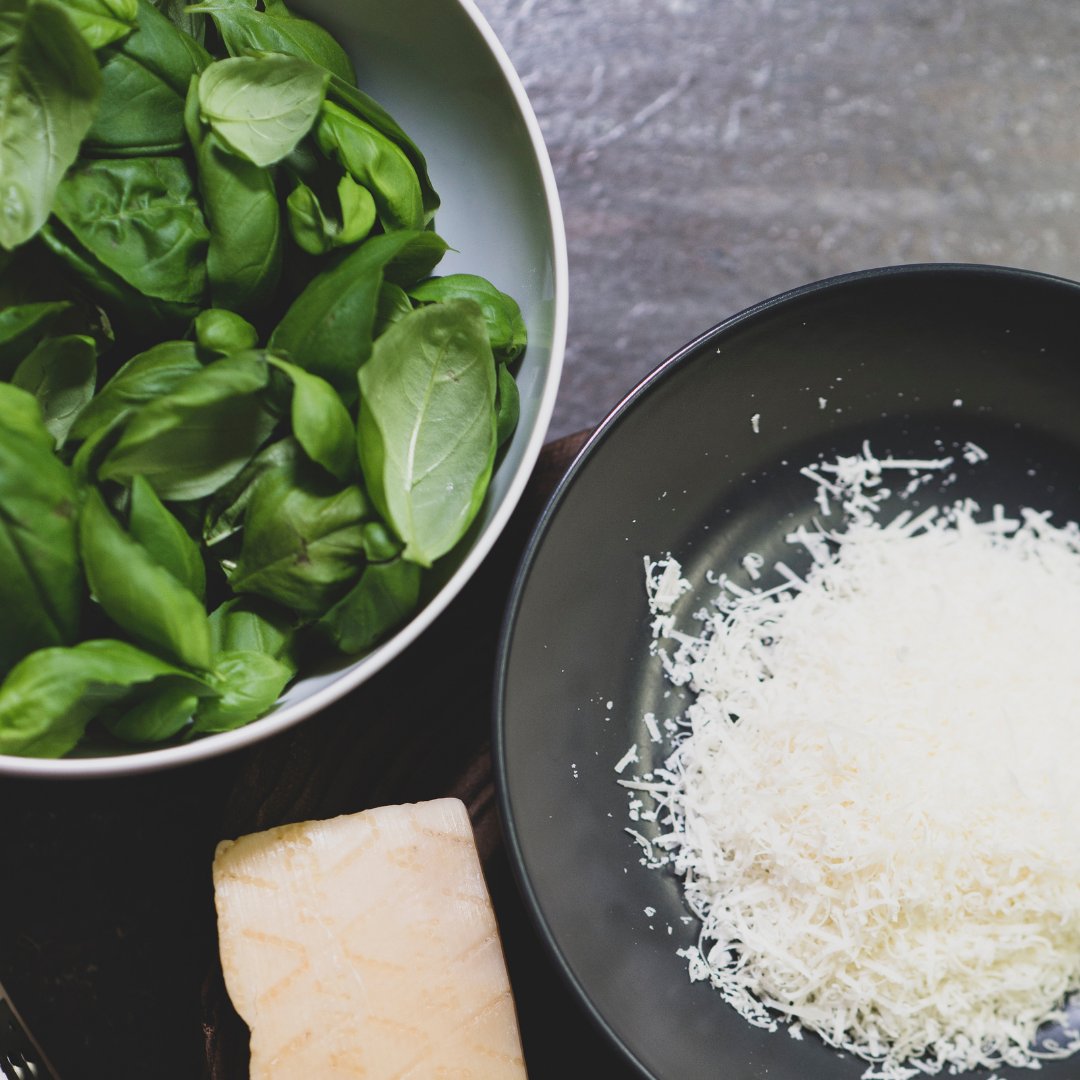
Metabolic issues? Eat cheese and well-cooked leafy greens to boost your intake of vitamin K1 and K2 and protect your pancreas. Vitamin K1 protects the pancreas from calcium dysregulation, which may explain why low vitamin K intake is associated with type 2 diabetes and why vitamin K1 supplementation slows the progression of insulin resistance in men. “These results reveal a critical role of vitamin K-dependent carboxylation in regulation of calcium flux in pancreatic beta cells and in their capacity to adapt to metabolic stress.” Ref: Vitamin K-dependent carboxylation regulates Ca2+ flux and adaptation to metabolic stress in β cells Vitamin K2 has a similar action. ‘In this large cohort of 38,094 Dutch men and women, both dietary K1 and K2 intakes were associated with a reduced risk of type 2 diabetes. This association was linear inverse for K2, whereas a significant risk reduction for K1 was observed at higher intakes, in particular.’ Ref: Dietary Phylloquinone and Menaquinones Intakes and Risk of Type 2 Diabetes “After adjustment for potential confounders, risk of incident diabetes was 17% lower for each additional intake of 100 μg K1/d. Moreover, subjects who increased their dietary intake of vitamin K during the follow-up had a 51% reduced risk of incident diabetes compared with subjects who decreased or did not change the amount of K1 intake.” Ref: Dietary phylloquinone intake and risk of type 2 diabetes in elderly subjects at high risk of cardiovascular disease
Master Metabolism tweet media
English
4
11
97
7.5K
BCG_Paint
BCG_Paint@bgr_paint·
@lowmegatron I had a tiny amount of vodka the other night and woke up feeling better than I have in months. Slept like a rock lol
English
1
0
2
29
Master Metabolism
Master Metabolism@lowmegatron·
On alcohol cravings: “Have you ever had a thyroid test or tried a thyroid supplement? High serotonin activity is often present in hypothyroidism, and alcohol can probably provide temporary compensation for that.” — Ray Peat
Master Metabolism tweet media
Master Metabolism@lowmegatron

Poor glymphatic drainage (brain detox) causes depression and dementia. A shot could help. Low-dose alcohol increases glymphatic drainage - detoxifying the brain. Light drinkers have less risk of depression and dementia than abstainers. Heavy drinkers fare the worst. “We here investigated the effect of acute and chronic alcohol treatments on glymphatic function in mice, finding that acute alcohol intake potently alters glymphatic function in the awake state depending on the dosage. Intermediate alcohol exposure (1.5 g/kg), corresponding to 7.9 standard daily drinks daily (NIH definition; 12-ounce beers containing 5% alcohol, or 5-ounce glasses of wine containing 12% alcohol for a person weighing 70 kg), decreased glymphatic function following both acute and 30 days of chronic exposure. The suppression of glymphatic function was however not permanent, because glymphatic function was restored at 24 hours after termination of chronic moderate alcohol administration. A very high dose of alcohol (4 g/kg), corresponding to 21 standard drinks per day, also acutely reduced glymphatic function. Unexpectedly, however, the low dose of alcohol (0.5 g/kg) significantly improved glymphatic activity, acutely and after 30 days of chronic exposure. The combination of both increased CSF tracer influx and more robust reduction of CSF tracer during prolonged circulation of the CSF tracer suggest that glymphatic clearance capability is increased by low doses of alcohol. The data presented here on effects of alcohol on the glymphatic system seemingly matches the J-shaped model relating dose effects of alcohol on general health and mortality, whereby low doses of alcohol are beneficial, while excessive consumption is detrimental to overall health. Low-to-moderate alcohol intake is associated with a lesser risk of dementia, while heavy drinking for many years confers an increased risk of cognitive decline.” [Beneficial effects of low alcohol exposure, but adverse effects of high alcohol intake on glymphatic function]
English
4
19
502
76.7K
BCG_Paint
BCG_Paint@bgr_paint·
@lowmegatron For cellular you would still want to supplement potentially? While trying to figure out why T3 isn’t acting inside cells
English
1
0
1
286
Master Metabolism
Master Metabolism@lowmegatron·
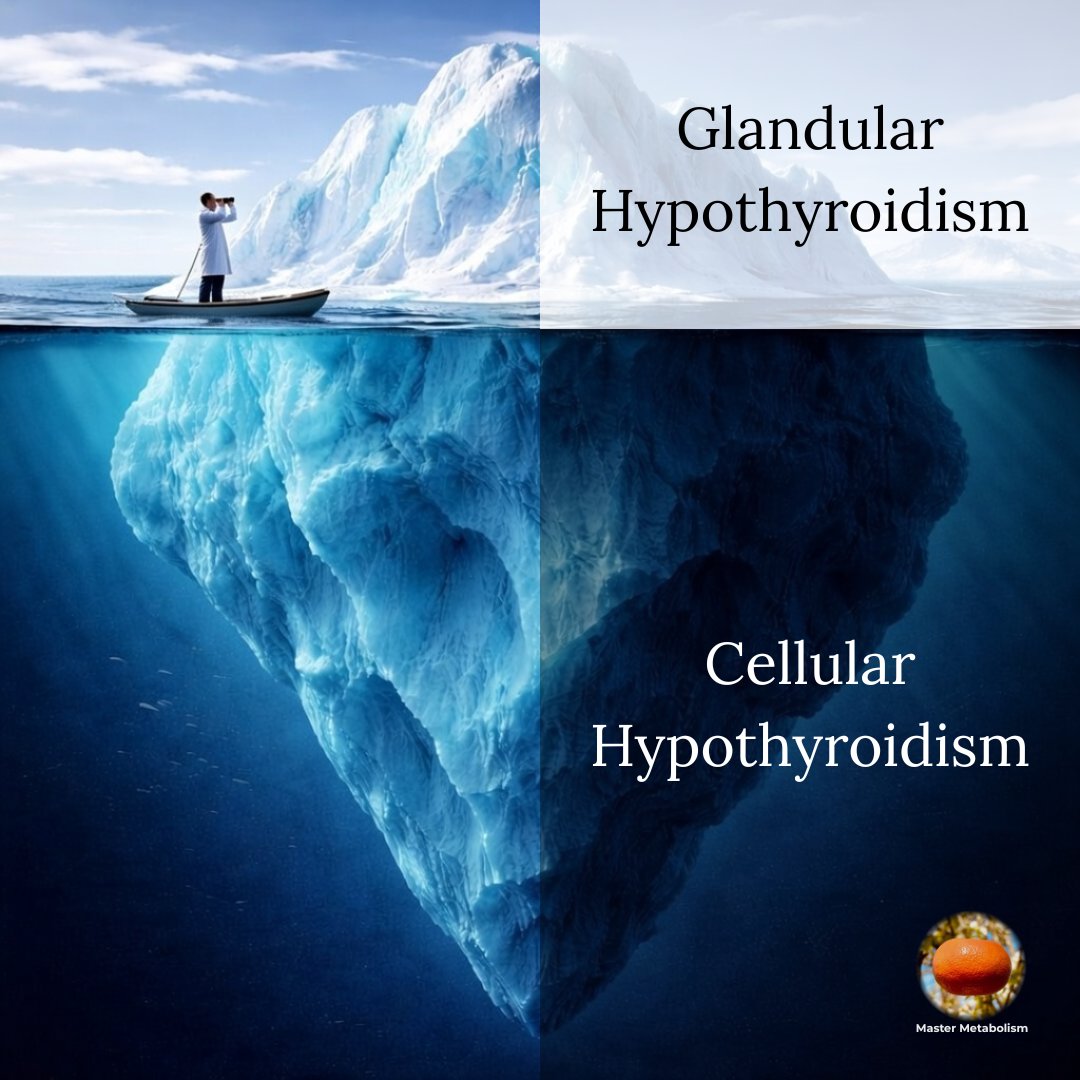
Blood tests can’t detect thyroid hormone in the tissues and cells. They can’t tell you about thyroid hormone activity, which is what matters. They only see what’s going on in the blood. T3 is the active thyroid hormone, with most of its effects occurring outside the blood. Low T3 activity in tissues and cells causes hypothyroid symptoms, which is why many people remain symptomatically hypothyroid even though blood tests look fine. The thyroid gland may be fine. Blood levels may be fine. But neither assesses thyroid hormone activity. T3 is the dominant factor in body temperature, so basal temperature is often a better indicator of thyroid hormone activity than blood tests are. Doctors used to diagnose hypothyroidism based on symptoms, medical history, body temperature, and a trial of desiccated thyroid. Now, most of them focus on blood tests to the exclusion of everything else. Hypothyroid symptoms are systemic in nature, affecting tissues, and caused by decreased thyroid hormone activity, not arbitrary levels of thyroid hormones or TSH in the blood.
Master Metabolism tweet media
English
10
20
225
12.5K
BCG_Paint
BCG_Paint@bgr_paint·
@BioavailableNd Have you ever had someone react poorly to lactoferrin even small doses?
English
0
0
1
584
Ross 🧬🔬
Ross 🧬🔬@GutOptimized·
I often think about this. Likely so many people have damaged membranes. Which is fucking up every part of their health. But doesn’t get considered as a root cause. Doesn’t have a catchy label either.
Zedzies@Zedzies

@PGC1a_RB People haven’t yet figured out that the membranes control mitochondrial state. Highly oxidized/damaged membranes downregulate oxphos. The largest risk of this becoming pathologic is too much iNOS production (NOS boosting drugs, chronic infection, extreme exercise).

English
3
3
36
6.6K
BCG_Paint
BCG_Paint@bgr_paint·
@GutOptimized Would you count dizziness/heavy head sensation as neurological?
English
1
0
0
1.9K
Ross 🧬🔬
Ross 🧬🔬@GutOptimized·
If you have any kind of neurological symptom, glympathic drained MUST be a priority.
Clark Engelbert@MetalsBrah

@GutOptimized Very high roi for metals clearance from the glymphatic system in the brain and zero cost at all. Slept on modality for sure.

English
5
4
168
52.1K
BCG_Paint
BCG_Paint@bgr_paint·
@cynomel I think you drink all the goat milk at my local place💔
English
0
0
0
73
BCG_Paint
BCG_Paint@bgr_paint·
@cynomel Do you get jitters from the methyl b complex?
English
1
0
1
463
BCG_Paint
BCG_Paint@bgr_paint·
@GutOptimized Have you ever worked with people who react to really smal amounts of lactoferrin? 25mg at lunch or dinner and reliably i wake up the next morning feeling terrible, burping, heart feels weird
English
0
0
1
500
Ross 🧬🔬
Ross 🧬🔬@GutOptimized·
Your body right now probably has billions of this endotoxin circulating (about 10–50 pg/mL). This is considered low. For people who are sick, it may be in the trillions (200pg/ml). For some people, even relatively lower levels of endotoxins can trigger inflammation cascades. This really is a silent killer. Use lactoferrin, modified citrus pectin, a proper diet, sweat, get the BLKs going going (bile, liver, kidneys), and don't forget to optimize your microbiome (kefir, BSO, and pomegranate peel tinctures).
English
14
18
276
39.2K
BCG_Paint
BCG_Paint@bgr_paint·
@dannyroddy Would you only use the k2 in higher doses if thyroid was in check?
English
0
0
0
340
BCG_Paint
BCG_Paint@bgr_paint·
@zidegeist That’s interesting. I have been having strong reactions to even small amounts. 25mg makes me feel so bad the next day( I have been taking it in the afternoon)
English
1
0
0
61
zide
zide@zidegeist·
Lactoferrin stimulates your endogenous GLP-1. It dropped my fasting glucose from 90 to 70 within 2 weeks when taken on empty stomach in the morning. This can be great for some but need to be cautious if you’re already insulin sensitive.
English
5
2
55
15.1K
BCG_Paint
BCG_Paint@bgr_paint·
@BioavailableNd Have you ever had someone react poorly to small amounts of lactoferrin?
English
0
0
1
110
Ross 🧬🔬
Ross 🧬🔬@GutOptimized·
You're someone who is histamine intolerant? Klebsiella pneumoniae is capable of producing high amounts of histamine in the gut and, in turn, creating systemic mast cell/histamine issues. This species is often raised in people with IBS. Reduce high histamine for symptom management, but also reduce starch and lactose (as it will ferment) Use polyphenols to inhibit it - especially EGCGs found in green tea. If you need more support, use black seed oil, MCT oil and pomegranate peel tincture - safeguarded antimicrobial stack appropriate for a gentle dysbiosis protocol. Expert tip: zoom in to issues like this, but zoom out and ensure you're forming a plan to address other existing issues as well.
English
9
8
122
17.9K
BCG_Paint
BCG_Paint@bgr_paint·
@GutOptimized I can do some grapes, small amounts of grape juice, an orange. Basically small portions of fructose sources(higher fodmap also a challenge). I get dizzy if I do a normal serving of any of those, also honey is a no go— get dizzy from it. I love all the above so it’s a pain
English
1
0
1
70
Ross 🧬🔬
Ross 🧬🔬@GutOptimized·
@bgr_paint If can't tolerate it at all, I would focus on doing some gut lining, inflammation and leaky gut support. If still can't, then I would work on some gentle dysbiosis/sibo work. Then slowly layer it in. In the mean time blueberries, some starch etc will have to do.
English
1
0
4
414
BCG_Paint
BCG_Paint@bgr_paint·
@GutOptimized Thanks this is great to know I appreciate the response!
English
1
0
1
149
Ross 🧬🔬
Ross 🧬🔬@GutOptimized·
Die offs - the inflammatory response in relation to microbes dying from antimicrobials - go in waves for most people. If an antimicrobial phase last 8 weeks (using herbals), typically for most people, a wave of die off occurs around weeks 2-3, and then another spike around week 6. I've noticed people with SIBO/bacteria follow a more acute spike phase. Yeast issues like candida may have a more steady flow to them. Die-offs with parasites are often the worst and may come the latest. There are of course exceptions where some people don't have die-offs at all. Some die off symptoms include: - anxiety (sometimes paranoia), - very intense diarrhea, - flu like symptoms, - nausea, - flair of skin issues, - occasionally vomiting, - stomach cramps, - intense brain fog, and - constipation. For some it's even more complex as they have multiple forms of infection - especially with hydrogen sulfide sibo. Die-offs are as mentally challenging as physically. Die-offs from person to person can be radically different. Occasionally, die offs don't occur until week 7 of antimicrobials.
BCG_Paint@bgr_paint

@GutOptimized Hey Ross when you or a client have used pomegranate extract or other herbal antimicrobials do you find people go through rounds of die off—Followed by windows of feeling better?

English
4
0
47
4.8K
BCG_Paint
BCG_Paint@bgr_paint·
@GutOptimized Cool! I took it felt nothing for a few days, then felt better than I have in a while for a few days, then back to not great(milder) for a few days so far and hoping the next feel goood section comes soon lol
English
0
0
0
117
Ross 🧬🔬
Ross 🧬🔬@GutOptimized·
When I was super sick and did my first protocol with my mentor in 2019, he used a particular supplement stack on me. In it he had pomegranate peel, lactoferrin, BPC, GHK, NAC, boswellia, meriva curcumin, PHGG, modified citrus pectin, quercetin, glutamine, colostrum, magnesium, passionflower, zinc carnosine, s boulardii, taurine and cod liver oil. Since then, I've probably learnt about 300+ new supplements. Maybe more. However, I still come back to these same supplements. You can pick almost any gut issue, and for that matter, most health issues, and they'll be helpful.
English
12
26
535
71.2K