NOVELBRIEFS

21 posts

NOVELBRIEFS

NOVELBRIEFS

@bokang_13

We read not because it is mandatory to do so, but because we must grow. That’s why I’m here. To share my book experiences with other readers. 📚

Maseru Katılım Kasım 2021
40 Takip Edilen154 Takipçiler
NOVELBRIEFS
NOVELBRIEFS@bokang_13·
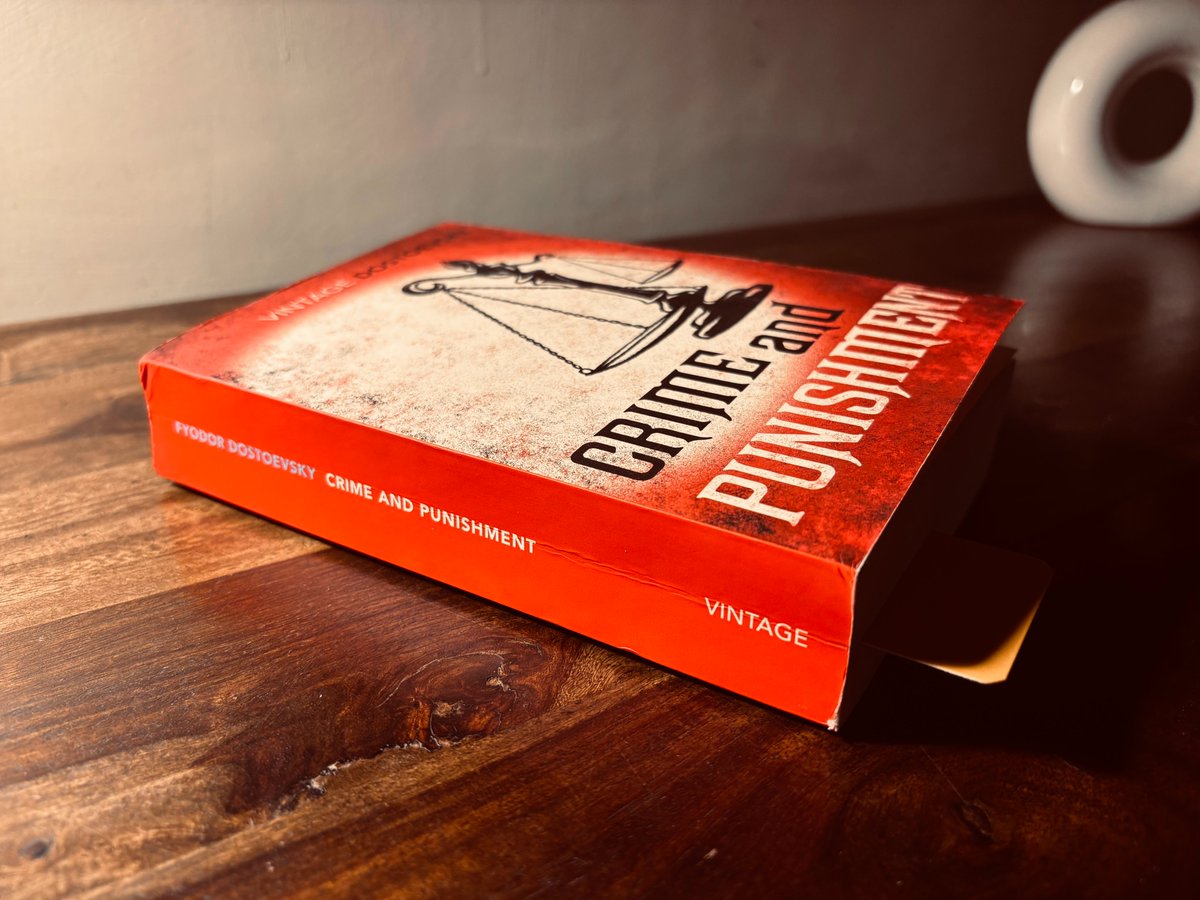
@karunpal @Breakingviewzzz I just got the last two books. Dostoevsky is a must read. His works are famous for their unparalleled psychological depth, intense moral dilemmas, and raw explorations of the human condition.
English
0
0
2
44
Karun Pal
Karun Pal@karunpal·
@Breakingviewzzz I'd suggest this order: 1. Crime and Punishment 2. Notes from Underground 3. The Brothers Karamazov
English
4
1
14
692
Karun Pal
Karun Pal@karunpal·
Rereading Dostoevsky for the third time. He understood human suffering better than any psychologist I've read. Because I believe psychologists observe suffering. Dostoevsky lived inside it. Faced a firing squad. Survived. Spent four years in a Siberian prison camp. Gambled everything away. Loved people who destroyed him. And wrote it all down. As fiction. Because in fiction you can say the truth. The kind of truth that if you say it in open, people will think you're crazy. Read him if you haven't. Reread him if you have. He will show you parts of yourself you didn't know existed.
Karun Pal tweet media
English
21
77
529
26.4K
NOVELBRIEFS
NOVELBRIEFS@bokang_13·
@LesothoTribune I mean I don't mean to undermine Chief Peete's "call" for AI use but uhh, it is rather impractical to surrender problems to this technology. I mean for one, we don't even have an AI governance policy. Let's ruminate South Africa's April scandal on National AI policy.
English
1
0
0
33
Lesotho Tribune
Lesotho Tribune@LesothoTribune·
Principal Chief of Kueneng, Chief Peete Lesaoana Peete, has called on the government to embrace Artificial Intelligence as a way of improving service delivery, strengthening Parliament and creating new opportunities for Basotho. Chief Peete made the call while presenting a Motion before the Senate this week. He urged the government to encourage the use of AI among Members of Parliament and across public institutions to improve efficiency and reduce delays in government services. Read more here lesothotribune.co.ls/senate-chief-u…
Lesotho Tribune tweet media
English
2
1
11
1.5K
NOVELBRIEFS
NOVELBRIEFS@bokang_13·
@TheShiftJournal Machiavelli said the same. When man present themselves to a Prince, they are anxious to please him; so, they present themselves to him with those possessions thy value most.
English
0
0
0
68
The Shift Journal
The Shift Journal@TheShiftJournal·
"People visit the rich with gifts, but they visit the poor with advice." -African Proverb
The Shift Journal tweet media
English
4
73
281
9.6K
NOVELBRIEFS
NOVELBRIEFS@bokang_13·
@sov_media "Our children must look at the things that deformed us yesterday, that are deforming us today." - Wa Thiongo The interests of capitalism have always divided and managed Africa into tribal and religious cliques to perpetuate violence, dwarf us and keep us separated.
English
0
1
6
132
Sovereign Media
Sovereign Media@sov_media·
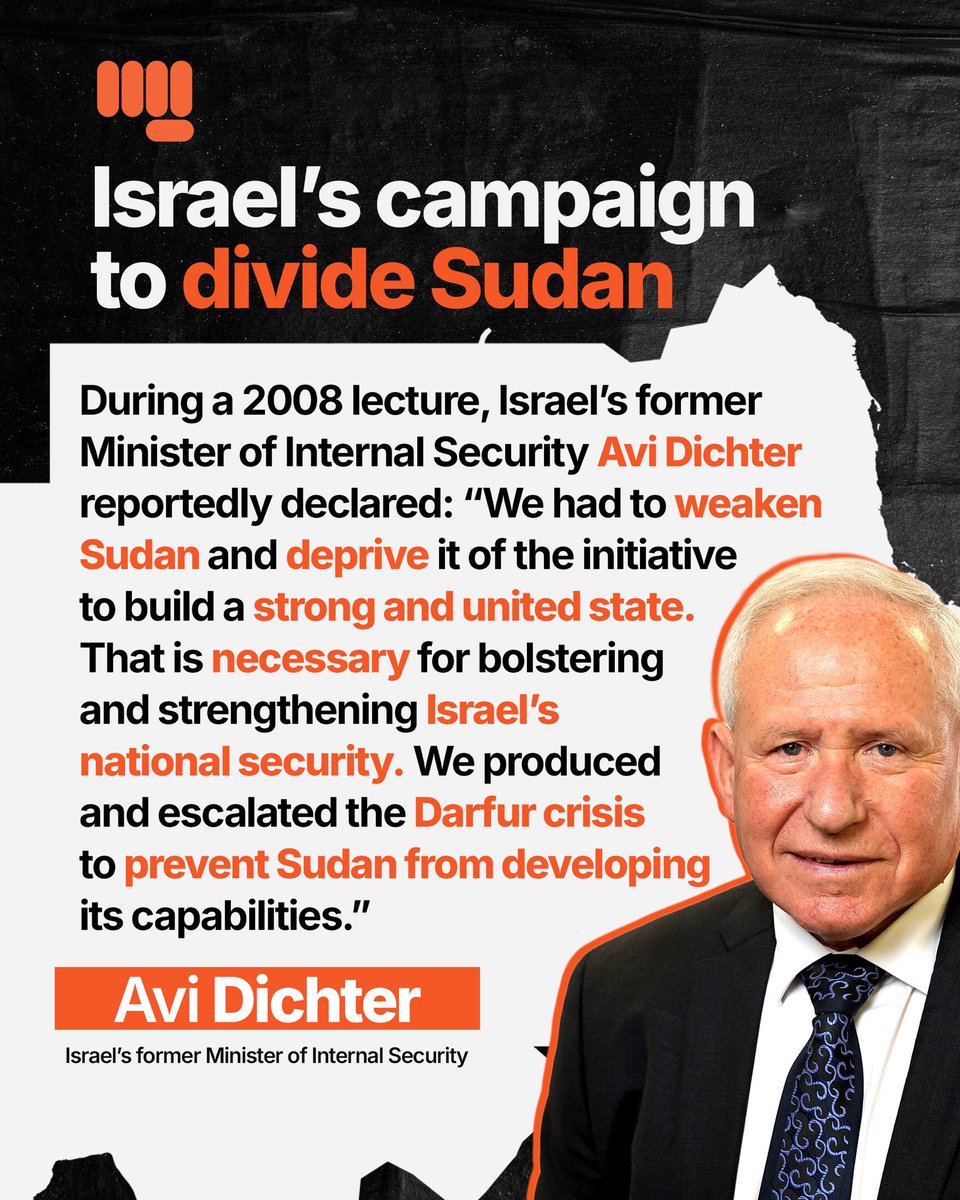
In a chilling 2008 lecture, Isr*el’s former Minister of Internal Security, Avi Dichter laid bare the strategy that has fueled decades of bloodshed in Sudan: "We had to weaken Sudan and deprive it of the initiative to build a strong and united state... We produced and escalated the Darfur crisis to prevent Sudan from developing its capabilities." For Isr*el, a stable, resource-rich Sudan is viewed as an existential threat. Thus, Isr*el has pursued Sudan's destabilisation long before the current crisis. Following Sudan's 1956 independence, Israel funneled weapons and training to separatist South Sudanese rebels. Yotam Gidron, an academic at Durham University in the UK, also exposed how Mossad funded anti-Arab propaganda which fueled the ‘Northern-Arab versus Southern-African’ dichotomy that has been the scourge of Sudan's unity, culminating in South Sudan's eventual secession in 2011. In the years preceding that, Isr*el was exploiting non-Arab grievances in the Darfur region of western Sudan by supporting rebel insurgencies. In 2006, the Sudan Liberation Movement led by Abdelwahid Nur (SLM-AW) announced that it opened an office in Isr*el. During an interview with Al-Jazeera, Khalil Ibrahim, the then-leader of the Justice and Equality Movement (JEM), a rebel group allied to SLM-AW, defended the decision. Back then, those groups fought Arab supremacist militias known as the Janjaweed, who evolved into the UAE-backed Rapid Support Forces (RSF) militia currently perpetrating g*nocide as it vows to destroy the Sudanese state. Via the UAE, Isr*el has ties to the RSF, having provided it with spying and surveillance tools. RSF political officials are openly pro-Israel. One of them, Nasreddine Abdulbari, is Sudan’s former justice minister who signed the Abraham Accords to normalise relations with Isr*el. From the partition of the South to the carnage in Darfur and the current RSF onslaught, Isr*el's objective remains the same: to ensure Sudan never rises.
Sovereign Media tweet media
English
4
107
149
5.2K
NOVELBRIEFS
NOVELBRIEFS@bokang_13·
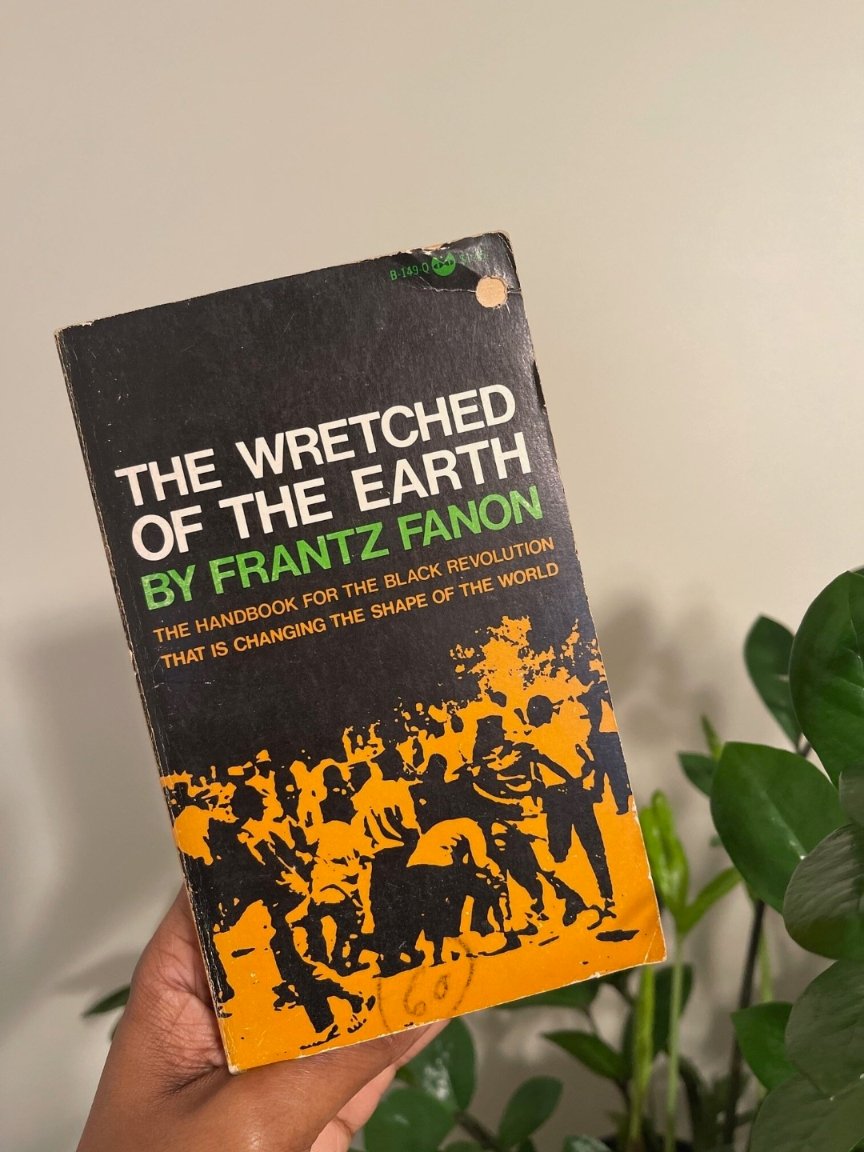
@rirokpik In Black Skins and White Masks, Fanon cautiously breaks down the colonized mind's struggles with linguistic inferiority. It is taught that African dialects are inferior and that fluency in the master's language is the only way for intellectual validity. Fanon is a MUST read.
English
2
3
6
236
NOVELBRIEFS
NOVELBRIEFS@bokang_13·
@Its_ereko "They practiced charity, pity; they even made rules and laws of good conduct for those they had....driven into the streets. ... And did they think we would need their charity when the power worked by us is enough to feed and clothe us all." - Ngugi wa Thiongo
English
0
1
1
14
New Direction AFRICA
New Direction AFRICA@Its_ereko·
Africa has the world's richest resources but the hungriest citizens. We mine cobalt, gold, oil, uranium, and lithium. We grow cocoa, coffee, and cotton. Yet our people starve. Our children miss school. Our clinics have no medicine. The problem is not scarcity. The problem is theft. Foreign corporations extract for pennies. Corrupt leaders sell us out for power. Western powers bomb, sanction, and coup anyone who tries to keep wealth at home. We don't need aid. We need justice. We need to refine our own resources. We need to trade on our own terms. We need leaders who fear us, not London, Paris, or Washington. Until then, Africa will remain the world's richest poor continent. And that is by design.
New Direction AFRICA tweet media
English
26
174
261
3.9K
NOVELBRIEFS
NOVELBRIEFS@bokang_13·
@rirokpik Petals of Blood is another epitome of Wa Thiongo's brilliant works. It not only illustrates the struggle of African countries in archiving social equality and the continued exploitationof Africa's 🌍 wealth.
English
0
8
24
848
ɠɧıʂɧ
ɠɧıʂɧ@rirokpik·
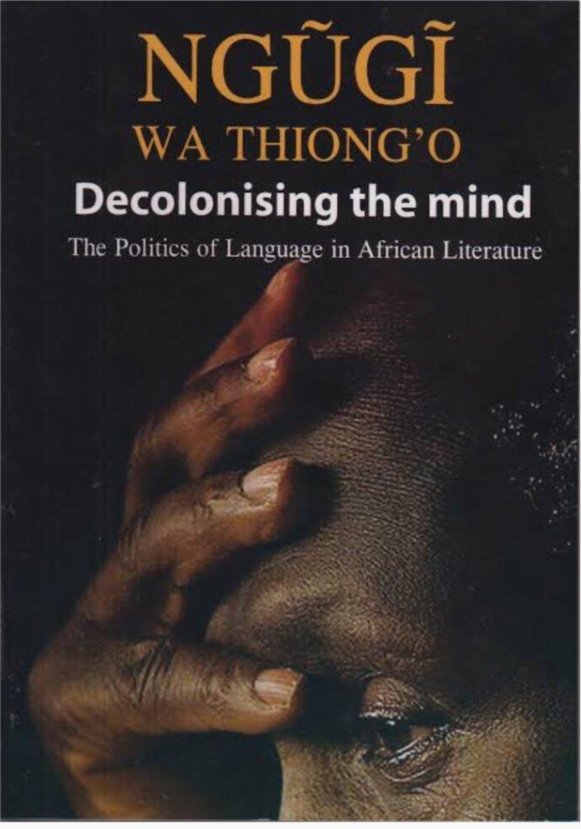
The book examines how colonial languages and education systems shape cultural identity, arguing that reclaiming African languages is central to intellectual and political liberation. Key facts Author: Ngũgĩ wa Thiong'o Published: 1986 Publisher: Heinemann Educational Books Language: English Genre: Literary and cultural criticism.
ɠɧıʂɧ tweet media
ɠɧıʂɧ@rirokpik

I said it before and I'll say it again, read banned books written by black authors, those pages carry real brutal hidden history of black people.
English
19
929
2.6K
64.5K
NOVELBRIEFS retweetledi
TrustAfrica
TrustAfrica@TrustAfrica·
📢 Call for Applications TrustAfrica, in partnership with the @University of Johannesburg’s Centre for Social Change, invites applications for the short learning programme on: Political Economy: African Debt & Economic Justice We encourage civil society actors, researchers, journalists, organisers, trade unions, and policy professionals across Africa to apply and also share widely within their networks. 🗓 Application Deadline: 30 May 2026 More details in the flyer and application link below. uj.ac.za/university-cou… #EconomicJustice #DebtJustice #PoliticalEconomy #Africa #TrustAfrica #StoptheBleeding
TrustAfrica tweet media
English
1
28
93
7.6K
NOVELBRIEFS
NOVELBRIEFS@bokang_13·
@daddyhope Love reading your work. Clear and Concise. Have you ever considered joining Substack? Think your content could really sell well there, or at least providing a more organized collection of your written works.
English
0
0
1
28
Hopewell Chin’ono
Hopewell Chin’ono@daddyhope·
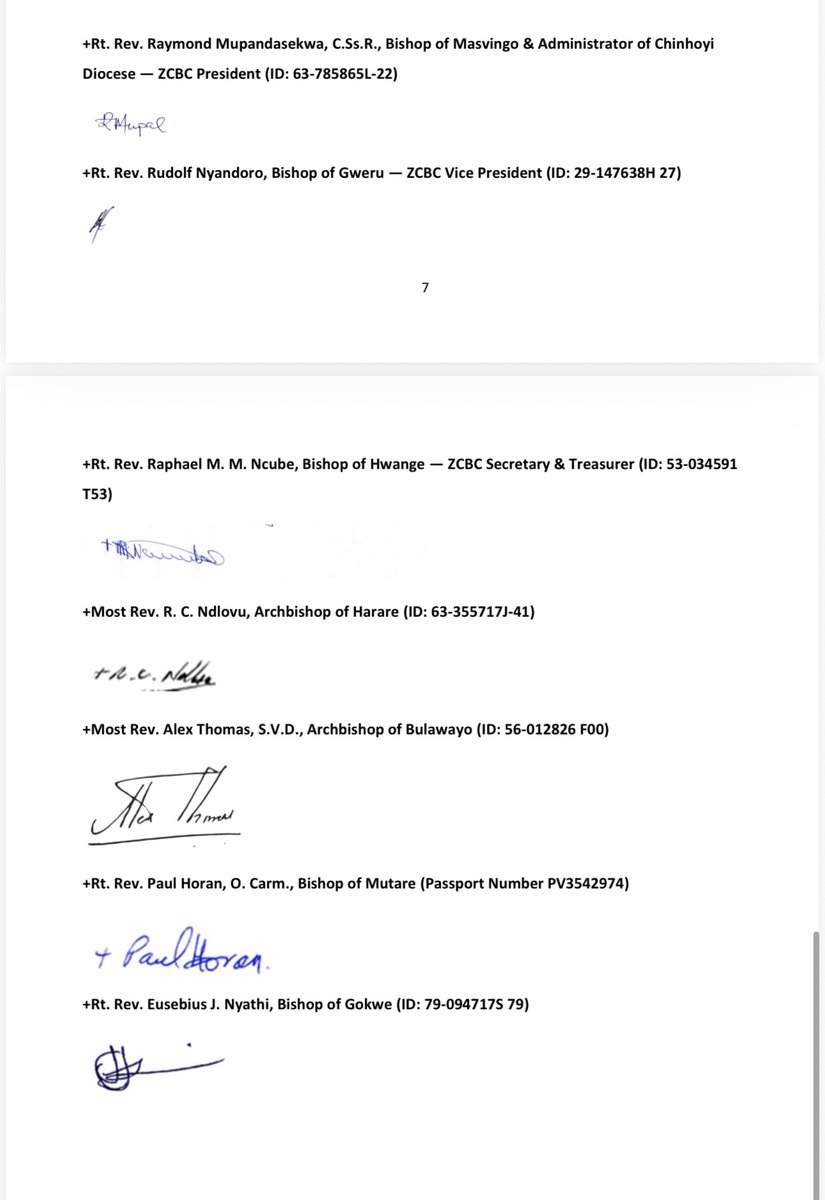
The Zimbabwe Catholic Bishops’ Conference has formally submitted a powerful objection to Constitutional Amendment Bill No. 3, warning Parliament that the proposed changes threaten democracy, constitutionalism, judicial independence, electoral integrity, and the sovereignty of the people. The bishops strongly oppose proposals to abolish direct presidential elections, extend presidential and parliamentary terms from five to seven years, weaken the Zimbabwe Electoral Commission, increase presidential influence over the judiciary and Parliament, abolish key constitutional commissions, and dilute constitutional safeguards designed to prevent abuse of power. In essence, the Catholic Church is arguing that these amendments would fundamentally shift Zimbabwe away from the democratic principles agreed to by citizens in the 2013 Constitution and could dangerously concentrate power in the executive. Full Statement 👇🏿 SUBMISSION TO PARLIAMENT ON THE CONSTITUTION OF ZIMBABWE AMENDMENT (NO. 3) BILL, 2025 12 May 2026 In Defence of Truth, Justice, and the Voice of the People 1. Introduction The Zimbabwe Catholic Bishops’ Conference (ZCBC) respectfully submits its observations and objections regarding the Constitution of Zimbabwe Amendment (No. 3) Bill, 2025 (“CAB3”). The Catholic Church in Zimbabwe participates in this constitutional process not as a political actor, but as a moral and civic voice concerned with the protection of human dignity, constitutionalism, democratic participation, justice, accountability, and the common good. Constitutional questions are not merely technical legal matters; they shape the moral and institutional foundations upon which national life rests. Our Constitution is more than a legal instrument. It is a solemn national covenant born out of the sacrifices, aspirations, and sovereign will of the people of Zimbabwe as expressed through the 2013 referendum. It embodies the principles of constitutional supremacy, separation of powers, accountable governance, protection of rights, and the sovereignty of the people. For this reason, constitutional amendments must strengthen rather than weaken democratic safeguards, public confidence in institutions, and the constitutional protections deliberately entrenched by the people of Zimbabwe. The Conference is deeply concerned that several provisions of CAB3 undermine foundational constitutional principles, weaken institutional independence, diminish direct democratic participation, and erode constitutional safeguards against the concentration and abuse of power. The Conference therefore respectfully urges Parliament to reject those provisions of the Bill that are inconsistent with constitutional democracy, the sovereignty of the people, and the long-term stability and integrity of Zimbabwe’s constitutional order. 2. Constitutionalism, Democracy, and the Sovereignty of the People The Constitution affirms that all public authority derives from the people of Zimbabwe and must always remain accountable to them. Democracy is not merely the holding of elections; it requires meaningful participation, institutional independence, transparency, constitutional fidelity, and respect for the dignity of every citizen. Zimbabwe’s constitutional order also resonates with the African ethical vision of ubuntu/unhu, which recognises leadership as a responsibility of service to the community rather than a mechanism for the concentration of power. Strong and independent institutions are indispensable pillars of democratic life. Public confidence in the Judiciary, the Zimbabwe Electoral Commission (ZEC), prosecutorial authorities, and Parliament itself is essential for national peace, stability, and constitutional legitimacy. The Conference therefore submits that constitutional reform must: • deepen democratic participation, • strengthen constitutional safeguards, • preserve institutional independence, • and protect the sovereign voice of the people. 3. Concerns Regarding the Consultation Process Section 141 of the Constitution obliges Parliament to facilitate meaningful public participation in legislative processes. This obligation is not procedural formality but an expression of democratic sovereignty itself. The Conference is deeply concerned by reports of intimidation, suppression of dissenting voices, disruptions, and unequal participation opportunities during public hearings on CAB3. Such irregularities undermine the integrity of the consultation process and weaken public confidence in constitutional reform. Meaningful consultation must be: • free, • inclusive, • peaceful, • transparent, • and genuinely participatory. The Conference therefore urges Parliament to ensure that constitutional reform processes fully comply with both the letter and spirit of constitutional public participation requirements. ANALYSIS OF KEY PROVISIONS 4. Clause 2: Abolition of Direct Presidential Elections Current Constitutional Position Section 92 of the Constitution presently provides for the direct election of the President by registered voters through universal adult suffrage and secret ballot. This provision gives practical expression to several foundational constitutional principles: • popular sovereignty, • equality of votes, • democratic accountability, • and the principle that executive authority derives directly from the people. The Proposed Amendment Clause 2 seeks to repeal this arrangement and replace it with a system in which the President is elected by Parliament sitting jointly as the Senate and National Assembly. The Conference’s Position The Conference opposes Clause 2 and respectfully submits that it must be withdrawn. The direct election of the President by registered voters is not merely one method among equals; it is the constitutionally chosen expression of the democratic principle that executive authority derives from the people of Zimbabwe. To transfer the election of the Head of State from citizens to Parliament fundamentally alters the source and character of executive legitimacy. Such a profound constitutional change cannot properly be treated as a mere procedural adjustment. Zimbabwe’s liberation struggle was deeply rooted in the principle of “one person, one vote” and the right of citizens to determine their political leadership directly. The right to vote for one’s Head of State forms part of the broader political rights protected under Section 67 of the Constitution and under international instruments such as the International Covenant on Civil and Political Rights (ICCPR). The Conference further notes that the stated justification of reducing “electoral toxicity” is constitutionally insufficient to justify removing the people’s direct vote for President. The Conference therefore respectfully submits that Clause 2 must be withdrawn. Should Parliament nevertheless seek to proceed with such a fundamental alteration of Zimbabwe’s democratic architecture, the matter should be subjected to a national referendum so that the people of Zimbabwe may directly determine the issue themselves. 5. Clauses 3, 7, and 8: Extension of Presidential and Parliamentary Terms The Proposed Amendments The Bill proposes: • extending presidential terms from five to seven years, • extending parliamentary terms from five to seven years, • and applying these extensions to current office holders. The clauses further attempt to operate “notwithstanding Section 328(7)” of the Constitution. The Conference’s Position The Conference firmly opposes Clauses 3, 7, and 8 and respectfully submits that they must be withdrawn in their entirety. Section 328(7) was deliberately entrenched in the Constitution to prevent the use of constitutional amendment powers for incumbency advantage. It expressly protects term-limit provisions from benefiting sitting office holders without approval through a national referendum. This safeguard is one of the most important constitutional protections within Zimbabwe’s democratic order. The Conference respectfully submits that Parliament cannot bypass entrenched constitutional protections merely by inserting the phrase “notwithstanding Section 328(7)” into ordinary amendment provisions. To permit such an approach would weaken constitutional supremacy itself and render constitutional safeguards vulnerable to temporary parliamentary majorities. Term limits are not technical formalities. They are democratic safeguards designed to: • prevent excessive concentration of power, • encourage constitutional accountability, • protect peaceful democratic succession, • and preserve public trust in governance. The comparative African experience demonstrates that attempts to extend incumbency through constitutional amendments have frequently contributed to democratic instability, institutional weakening, and political tension. The Conference therefore respectfully submits that any proposed alteration of presidential or parliamentary term limits must, at minimum, be subjected to direct approval by the people through a national referendum as contemplated by Section 328(7). 6. Clause 6: Presidential Appointment of Additional Senators Clause 6 proposes to increase the number of presidentially appointed senators. The Conference opposes this amendment and respectfully submits that it must be withdrawn. The Senate derives its legitimacy primarily from democratic representation. Increasing presidential appointments within the Senate risks weakening its representative character and creating perceptions of excessive executive influence over the legislative branch. The proposed amendment also contains no sufficiently clear safeguards regarding: • appointment criteria, • transparency, • parliamentary oversight, • or protection against partisan use. The Conference therefore submits that constitutional reform should strengthen rather than dilute the representative and independent character of Parliament. 7. Clauses 9–12: Electoral Governance and the Zimbabwe Electoral Commission The Conference opposes Clauses 9 to 12 and respectfully submits that they must be withdrawn. The independence of the Zimbabwe Electoral Commission is constitutionally protected under Section 235 of the Constitution and remains indispensable to democratic legitimacy and public confidence in elections. The proposed transfer of core electoral functions, including voter registration and management of the voters’ roll, away from ZEC raises serious concerns regarding institutional independence and public trust. The voters’ roll is not merely an administrative register; it is the foundational instrument of democratic participation. Public confidence in its impartial management is therefore essential. The Conference further notes that regional democratic standards, including the SADC Principles and Guidelines Governing Democratic Elections, strongly emphasise the independence of electoral management bodies from executive control. The Conference respectfully submits that Zimbabwe’s electoral institutions should be strengthened, not weakened, and that ZEC’s constitutional mandate over electoral administration must be preserved. 8. Clause 14: Judicial Appointments and Judicial Independence The Conference opposes Clause 14 and respectfully submits that it must be withdrawn. The current constitutional framework governing judicial appointments was deliberately designed to promote: • transparency, • merit, • accountability, • and judicial independence. Public interviews and Judicial Service Commission (JSC) shortlisting processes are not procedural technicalities; they are constitutional safeguards intended to protect the Judiciary from excessive executive influence. The proposed amendments significantly weaken these safeguards by reducing the role of the Judicial Service Commission and increasing presidential discretion in judicial appointments. The Conference is deeply concerned that such changes may undermine public confidence in the independence and impartiality of the Judiciary. An independent Judiciary remains essential for: • constitutional governance, • protection of rights, • separation of powers, • and the rule of law. The Conference therefore respectfully urges Parliament to preserve and strengthen judicial independence rather than weaken existing constitutional safeguards. 9. Clause 15: Constitutional Obligations of the Defence Forces The Conference expresses concern regarding Clause 15 and respectfully recommends that it not be passed in its current form. The proposed replacement of the constitutional duty “to uphold this Constitution” with language requiring conduct merely “in accordance with the Constitution” materially weakens the constitutional fidelity obligations of the Defence Forces. Given Zimbabwe’s constitutional history, the Conference submits that the Defence Forces should remain affirmatively obligated to uphold and defend constitutional democracy and constitutional order. 10. Clauses 17 and 18: Abolition of the Zimbabwe Gender Commission The Conference opposes Clauses 17 and 18 and respectfully submits that they must be withdrawn. The Zimbabwe Gender Commission was constitutionally established to provide specialised and focused institutional protection for gender equality and women’s rights. While institutional efficiency is important, the abolition of a dedicated constitutional body responsible for gender equality risks weakening the practical protection and advancement of women’s rights as guaranteed under the Constitution and international human rights obligations. The Conference therefore respectfully recommends the retention of the Zimbabwe Gender Commission as an independent constitutional institution. 11. Clause 19: Appointment of the Prosecutor-General The Conference opposes Clause 19 and respectfully submits that it must be withdrawn. The independence of prosecutorial authority is fundamental to equal justice under the law and public confidence in the criminal justice system. The removal of mandatory consultation with the Judicial Service Commission in appointing the Prosecutor-General risks creating perceptions of excessive executive influence over prosecutorial decisions. The Conference therefore submits that constitutional safeguards protecting prosecutorial independence should be strengthened rather than weakened. 12. Clause 20: Traditional Leaders and Constitutional Accountability The Conference opposes Clause 20 and respectfully submits that it must be withdrawn. The current constitutional provisions requiring traditional leaders to remain non-partisan and to respect fundamental rights are essential safeguards, particularly within rural communities where traditional leaders exercise substantial social authority and influence. The removal of these constitutional protections risks: • politicising traditional leadership, • weakening constitutional accountability, • and exposing vulnerable communities to discrimination and abuse. The Conference therefore respectfully submits that these constitutional protections should be retained and strengthened. 13. Clause 21: Abolition of the National Peace and Reconciliation Commission The Conference opposes Clause 21 and respectfully submits that it must be withdrawn. Zimbabwe continues to carry unresolved historical wounds arising from political violence, social conflict, and past injustices. The National Peace and Reconciliation Commission remains an important constitutional institution for promoting healing, accountability, reconciliation, and national unity. The abolition of the NPRC without a clear and credible replacement mechanism risks undermining ongoing reconciliation processes and weakening Zimbabwe’s commitment to justice and national healing. The Conference therefore respectfully recommends the retention of the National Peace and Reconciliation Commission. 14. Catholic Social Teaching and Constitutional Responsibility Catholic Social Teaching affirms: • the dignity of every human person, • meaningful participation in public life, • accountability, • subsidiarity, • solidarity, • and the pursuit of the common good. Political authority derives legitimacy from service to the people and must always remain subject to moral and constitutional limits. The Church does not seek partisan political power. However, the Church has both a moral responsibility and constitutional right to speak whenever constitutional developments affect justice, democratic participation, institutional integrity, human dignity, or the welfare of society. The Conference respectfully submits that constitutional reform must: • strengthen democratic accountability, • preserve institutional independence, • protect constitutional safeguards, • and uphold the sovereign will of the people of Zimbabwe. 15. Conclusion The Zimbabwe Catholic Bishops’ Conference reiterates its commitment to peace, justice, constitutionalism, democratic participation, and the common good. For the foregoing constitutional, moral, and democratic reasons, the Conference respectfully urges Parliament to reject those provisions of Constitutional Amendment Bill No. 3 that: • undermine constitutional safeguards, • weaken institutional independence, • diminish direct democratic participation, • compromise accountability, • or erode the sovereign will of the people. Zimbabwe’s Constitution emerged from the sacrifices, hopes, and collective aspirations of the people of Zimbabwe. Its foundational protections must therefore be preserved with wisdom, constitutional fidelity, restraint, and profound respect for the sovereignty of the people. +Rt. Rev. Raymond Mupandasekwa, C.Ss.R., Bishop of Masvingo & Administrator of Chinhoyi Diocese — ZCBC President (ID: 63-785865L-22) +Rt. Rev. Rudolf Nyandoro, Bishop of Gweru — ZCBC Vice President (ID: 29-147638H 27) +Rt. Rev. Raphael M. M. Ncube, Bishop of Hwange — ZCBC Secretary & Treasurer (ID: 53-034591 T53) +Most Rev. R. C. Ndlovu, Archbishop of Harare (ID: 63-355717J-41) +Most Rev. Alex Thomas, S.V.D., Archbishop of Bulawayo (ID: 56-012826 F00) +Rt. Rev. Paul Horan, O. Carm., Bishop of Mutare (Passport Number PV3542974) +Rt. Rev. Eusebius J. Nyathi, Bishop of Gokwe (ID: 79-094717S 79) You can get the full PDF via this link; t.me/informationhub…
Hopewell Chin’ono tweet mediaHopewell Chin’ono tweet media
English
20
179
438
36.8K
NOVELBRIEFS
NOVELBRIEFS@bokang_13·
@cecild84 The South Africa the liberation of which "AFRICA" fought for. It wasn't just South Africans fighting, you had Nigeria with the South Africa Relief Fund, the SADC members providing refuge for black South African citizens and many other contributions by nations across Africa.
English
0
0
1
74
Sahel Revolutionary Soldier
Fellow Africans, you may remember Phakel, the Zula clad Afrophobe that kneeled before a white settler, begging her to love him. The one that said when they kicked all the African, he will rent their homes and become as rich as the white man. Look at him further harassing Africans, telling them to go home by 30th June, or he will not guarantee their personal safety. Is this really the South Africa, whose liberation our ancestors fought for. Is this really the people who our ancestors paid into the Southern African relief funds, to ensure their young people have formal education, rather than Bsntustan education. The South Africa that other Africans were issued national passport to, as the apartheid refused them the right to travel, and gave them a pass that confine them to a particular Bantustan.
English
15
14
41
1.9K
NOVELBRIEFS
NOVELBRIEFS@bokang_13·
@Farida_N Honestly, African countries never "realize" the benefits of GDP growth from FDI (Foreign Direct Investment). The profits are always repatriated by the corporations they use to extract wealth from continent.
English
0
0
4
478
Farida Bemba Nabourema
Farida Bemba Nabourema@Farida_N·
Macron, cut the crap!!! Africa attracted 97 billion dollars in foreign direct investment last year alone according to UNCTAD, without a summit and without you. Your “23 billion euros”, spread over an unspecified number of years, are mostly private sector pledges the French state will take diplomatic credit for without financing. And of those 23 billion, 10.5 billion are from African businesses themselves. Since you want to talk about investment, here is the context you deliberately omitted. Your French companies have been extracting wealth on this continent for decades and make annual returns that dwarf these your 27 billion euros. TotalEnergies alone produces 28% of its global output from Africa. Orange operates across 18 African countries with over 120 million customers. Bolloré at its peak controlled 18 of West Africa's 22 major ports, with 80% of its profits derived from Africa. Orano has been mining uranium in Niger for decades at prices below OECD market rates, leaving behind 20 million tonnes of radioactive waste and uranium concentrations in local drinking water 500 times above safe thresholds. France's development loans from the Agence Française de Développement came with contractual conditions requiring freight to use Bolloré railways, insurance through AXA, and consulting through French firms. The money went from France to Africa and immediately circled back as corporate profit. Let's have a clear look at Africa's market size and economy. Telecommunications generates 180 billion dollars annually, mining oil and gas generations over 900 billion annually. Financial services, construction, manufacturing, tourism, retail and energy collectively add hundreds of billions more, bringing Africa's total nominal GDP to approximately 2.83 trillion dollars. And then there is the creative industry. Africa's creative economy generates between 6 and 10 billion dollars in directly measurable annual revenue today. This industry was built without a single French summit, without a single French pledge, and without your presence in Nairobi. The idea that 27 billion dollars over an unspecified period, of which 10.5 billion are Africa companies’ money you are announcing as an achievement, constitutes something worth celebrating tells us everything about how you see this continent. You genuinely believe we will applaud you for this. You really summoned 30 heads of states over some so called 27 billion euros “investment pledge” over multiple years. You see, that is the particular variety of condescension that caused your military to be expelled from Niger, Mali and Burkina Faso. And since we are being factual: the CFA franc, created on December 25, 1945, has required fourteen of our nations to deposit a portion of their foreign exchange reserves in the French Treasury for eighty years. Kindly return our reserves if you so care about our economic growth. Return the gold. Return the uranium profits extracted from Niger at below-market rates while leaving radioactive contamination in the water. Return the port revenues confiscated by Bollore. Return the decades of oil profits extracted by Total through preferential agreements with the corrupt leaders your government installed and continue to protect. When you have returned all of that, then come back with your 23 billion euros and we will discuss whether it qualifies as a contribution. Until then, please shut up !
Emmanuel Macron@EmmanuelMacron

Quand l’Afrique réussit, l’Europe réussit, et vice-versa ! 23 milliards d'euros d'investissements privés en Afrique ont été annoncés, dont 14 milliards portés par des entreprises françaises. Africa Forward est un sommet d'action.

English
39
524
902
30.2K
NOVELBRIEFS
NOVELBRIEFS@bokang_13·
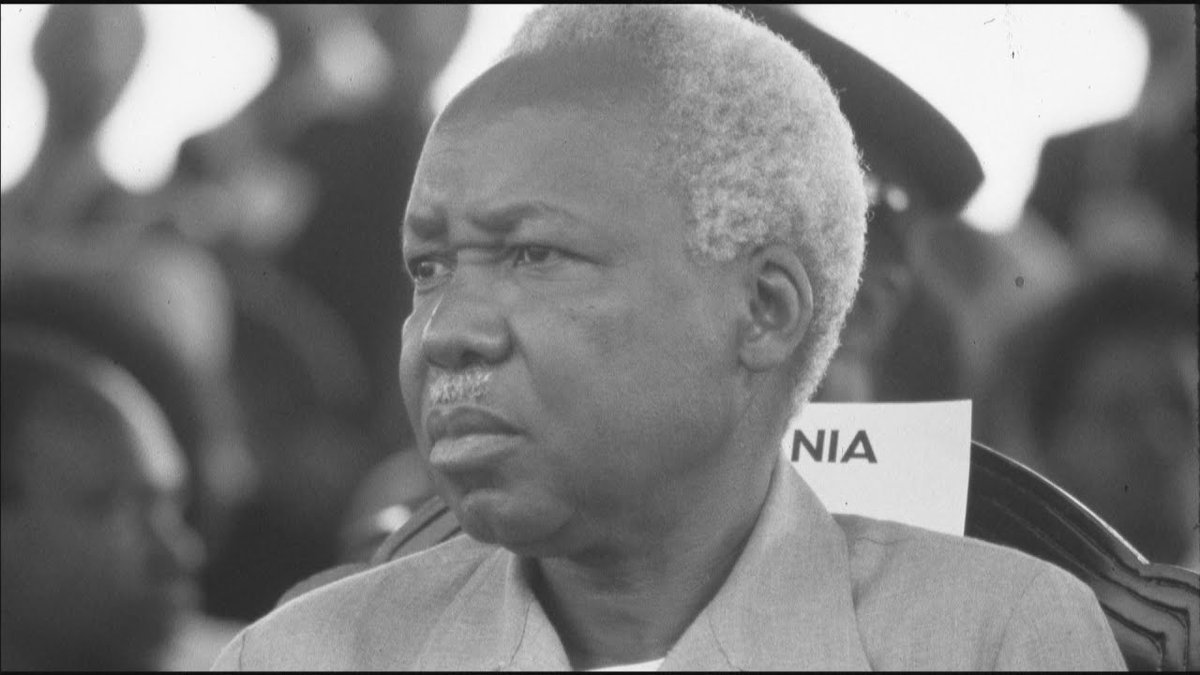
@theelephantinfo Nyerere's UJAMA - the Spirit of Oness and Service to One's Community🪴 Education beyond academic and professional qualification. 🎓
English
0
0
0
34
The Elephant
The Elephant@theelephantinfo·
In Education for Self-Reliance, Mwalimu Julius Nyerere is categorical that colonial education is unsuitable for a post-independent populace because the curriculum and educational infrastructure are designed to create a cadre of entitled individuals obsessed with individual achievements rather than communal cooperation. The well-educated recipients of colonial education are more attuned to profit-making careers and are least committed to service provision. Read Analysis: theelephant.info/analysis/2026/… @ObyObyerodhyamb @m_ogada @wmnjoya @tony_mochama @ReginaldOduor @ArkAnudDinYaSin @WMutunga @jnyairo @NativeLandgrab @DavidNdii @KiamaKaara @jkobuthi @realoyungapala @johngithongo #IWentToAlliance #TheElephant #EliteMediocrity #Governance
The Elephant tweet media
English
2
29
49
1.8K
Africa Facts Zone
Africa Facts Zone@AfricaFactsZone·
⚡⚡⚡An Opposition Party in Kenya has launched a petition challenging the constitutionality of the defense pact between Kenya and France, and called on the Kenyan Parliament and the President to cancel the agreement. It is reported that it will organise a rally against the agreement to on May 12.
Africa Facts Zone tweet mediaAfrica Facts Zone tweet mediaAfrica Facts Zone tweet media
English
39
449
936
34.1K
NOVELBRIEFS
NOVELBRIEFS@bokang_13·
@DOmowale The Mau Mau in their struggle against Imperialism in Kenya were a truly awe inspiring group. First heard of them in Ngugi wa Thiongo's PETALS OF BLOOD
English
0
0
6
352
Dwayne Wong
Dwayne Wong@DOmowale·
The Mau Mau were one of the most significant anti-colonial movements in Africa. The Mau Mau influenced Pan-Africanists throughout the Diaspora including Malcolm X and the Rastas in Jamaica. This is an example of how interconnected our struggles have been.
English
23
1.2K
3.3K
104.7K
NOVELBRIEFS retweetledi
Al Jazeera English
Al Jazeera English@AJEnglish·
France has lost a lot of its relevance and influence in West Africa in recent years. Now it's trying to rebrand itself during a summit with African heads of states in Kenya. Al Jazeera’s Marthe van der Wolf @marthevdwolf explains.
English
76
1.1K
1.9K
206.7K
NOVELBRIEFS
NOVELBRIEFS@bokang_13·
@AfricanHub_ La luta continua. Feels like Burkina Faso is the only African country actively working in our struggle to expel colonial interests.
English
0
0
0
365
African Hub
African Hub@AfricanHub_·
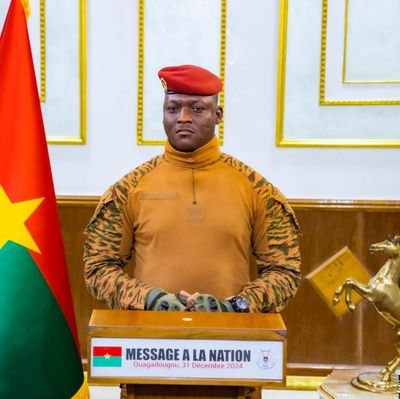
Ibrahim Traore, President of Burkina Faso 🇧🇫 personally declined the invitation to attend the Africa-France summit in Kenya 🇰🇪, Nairobi
African Hub tweet mediaAfrican Hub tweet media
English
157
1.1K
5.8K
77.7K
NOVELBRIEFS
NOVELBRIEFS@bokang_13·
@matinyarare Exactly. Zimbabwe’s gold story is painfully familiar across Africa - from DRC’s coltan to Nigeria’s oil to Ghana’s cocoa. The playbook is the same: capture the state, weaken or bypass export authorities, and let private elites pocket the difference.
English
1
0
1
654
Rutendo Matinyarare
Rutendo Matinyarare@matinyarare·
𝗚𝗢𝗟𝗗 𝗦𝗠𝗨𝗚𝗚𝗟𝗘𝗥𝗦 𝗥𝗢𝗕𝗕𝗜𝗡𝗚 𝗭𝗜𝗠𝗕𝗔𝗕𝗪𝗘. Since sanctions were removed from Zimbabwe in March 2024, the Reserve Bank’s Fidelity Printers and Refineries (FPR) should have reverted to being the only entity allowed to export our gold. This would ensure that 10% royalties are paid on all gold when prices are above $5,000 per ounce, while the Reserve Bank pays producers 30% of their revenue in local currency to retain much-needed foreign currency, leaving more value — about 15% of total exports — in government coffers. However, our gold continues to be flown out of the country on private jets without passing through Fidelity. This robs the state of about 15% in fees and deprives it of a critical mechanism to generate more foreign reserves from raw mineral exports. As a consequence, the nation perpetually suffers from foreign currency shortages. In 2025 our government announced that Zimbabwe exported $1.9 billion worth of gold. Meanwhile, Dubai and Rand Refinery declared more than $8 billion worth of gold imports from Zimbabwe during the same period. These illicit flows of wealth out of the country are a result of private individuals exporting gold instead of Fidelity. This was not an issue when Zimbabwe was under sanctions because Fidelity, as a government entity, could not export gold and receive US dollar transfers due to the fact that US banks were prohibited from clearing payments to Zimbabwean government institutions. Nonetheless, since 4 March 2024, Zimbabwean government institutions were removed from sanctions. Consequently, Fidelity should revert to being the only institution exporting our gold, while MMCZ should be the sole exporter of our minerals, to prevent government losses through under-invoicing and transfer pricing. This is the very reason these institutions were established in the first place. One major reason President Mnangagwa stubbornly refuses to acknowledge that sanctions on the government were removed in 2024, is to provide himself and his cronies with cover to continue smuggling gold without taking it through the Reserve Bank. Yet the very reason the President was placed under Magnitsky sanctions, is because the Americans accuse him of corruption in the form of gold and diamond smuggling, as well as serious human rights abuses, which we are now witnessing due to CAB3. Another major issue is that Fidelity possesses state-of-the-art gold refining equipment that enables it to produce world-grade bullion. However, in 2009 it lost its membership in the London Bullion Market Association (LBMA) after producing less than the required 10 tonnes per year. This resulted in Fidelity losing its LBMA bullion-grade certification. But instead of Mnangagwa pushing for Fidelity to rejoin the LBMA since sanctions were removed — to enable Fidelity to begin producing certified gold bullion that Zimbabwe could sell directly on the market without relying on a Dubai refinery, or more critically, use it as collateral in foreign banks to secure loans worth up to ten times the value of the gold in order to pay our debts — and instead of positioning Zimbabwe to refine gold from Congo, Zambia, and the 48 other African countries that don’t have refineries to earn the massive smelting profits generated during the Chidzero and Tsimba era, the Mnangagwa administration chose not to re-register Fidelity with the LBMA. As a result, the nation is losing out on gold smelting revenues, royalties, and gold-backed loans that could be used to repay sovereign debt, drive infrastructure projects, and strengthen the balance of payments. The reason the President does not want Fidelity to rejoin the LBMA is because his family is now among the top three largest gold producers in Zimbabwe, and by exporting gold directly to Dubai without going through Fidelity, they pocket over 19% of the royalties while avoiding remitting the 30% foreign currency to the Reserve Bank. These are some of the reasons why I say no to 2030.
Rutendo Matinyarare tweet media
English
63
96
287
157.4K
NOVELBRIEFS
NOVELBRIEFS@bokang_13·
@Platoreanimated @Art0fLife_ But doesn't leaving without making your boundaries clear breed resentment? I have always felt like communicating boundaries is the first step in determining the demarcations separating respect and disrespect. Because then, you'll have a reason to demand respect.
English
0
0
0
162
Pill Diddy
Pill Diddy@Platoreanimated·
@Art0fLife_ As a grown man, walking away from problems is a bitch move. As men you solve your problems if you can’t then you move on but trying is everything. He’s speaking the half truth.
English
7
2
15
1.6K
Art of Life 🦋
Art of Life 🦋@Art0fLife_·
He explains how the fastest way to teach respect is by becoming unavailable.
English
33
1.3K
6.6K
186.8K
Alan Graf | 🎥Notion YouTube Creator
YouTube is a FREE marketing But 97% still don’t know how to use it. So I built YouTube Title Mastery Course 50 videos & 17+ hours of video content This should cost $1000, but for the next 24 hrs, it’s FREE! To get it, just: 1. Follow me (so I can DM) 2. RT this tweet 3. Reply "SEND"
Alan Graf | 🎥Notion YouTube Creator tweet media
English
25
16
26
6.9K