noRestBecauseWiked retweetledi
noRestBecauseWiked
11.5K posts

noRestBecauseWiked
@danieldk1
Engineer-er of things, some blinky LED and Art things, a few #Arduino things, lots of buzzwords. masochist to Wireless networks of all types..
Wild west South Africa Katılım Nisan 2009
1.1K Takip Edilen652 Takipçiler


noRestBecauseWiked retweetledi

When you just wanted to fix one thing... 😅
"I’ll just fix that one squeaky door real quick."
3 hours later: 🛠️🏠🏎️
The most relatable 30 seconds of TV ever made. Hal is all of us.
#MalcolmInTheMiddle #Adulting #HomeImprovement #Relatable #DIYLife
English
@EversonLuhanga @SAPoliceService This video should be in the runner up Darwin awards.. They did't win, but got close.. @TheAKGuy
English

The South African Police Service (@SAPoliceService) has warned against the reckless handling of firearms after a viral video allegedly showed women cocking guns inside a house. Police say firearm owners can face criminal charges if unauthorised people access their weapons. SAPS also warned against using imitation guns to intimidate or create fear. #SAPS #Firearms
English
noRestBecauseWiked retweetledi

noRestBecauseWiked retweetledi

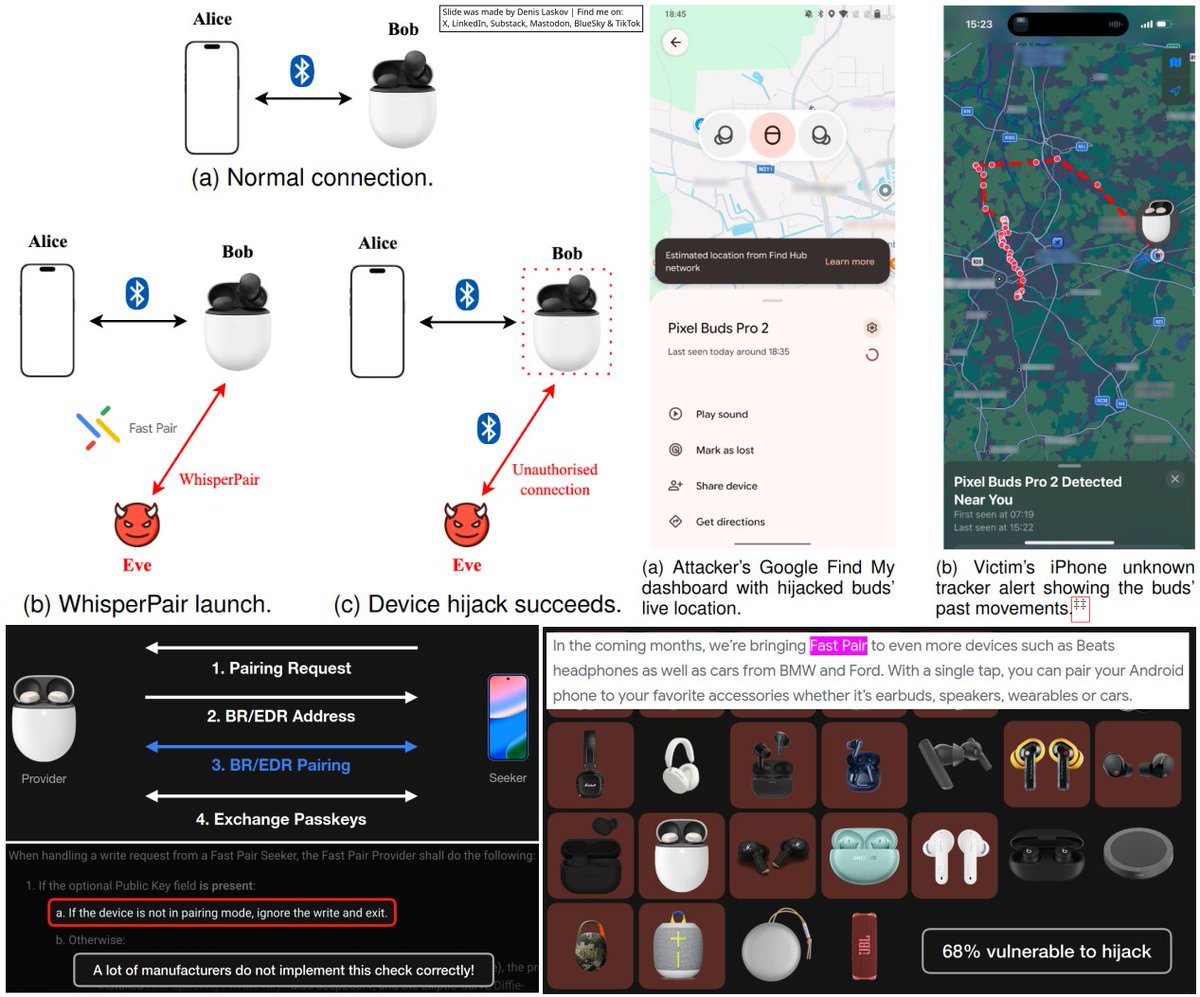
Hacking the Google Fast Pair protocol: Connect to 68% of headphones, earbuds, and cars (?).🎧🚙ᯤ👨🏻💻😱
More details on:
LinkedIn: linkedin.com/posts/dlaskov_…
Substack: it4sec.substack.com/p/hacking-the-…
English



noRestBecauseWiked retweetledi

noRestBecauseWiked retweetledi

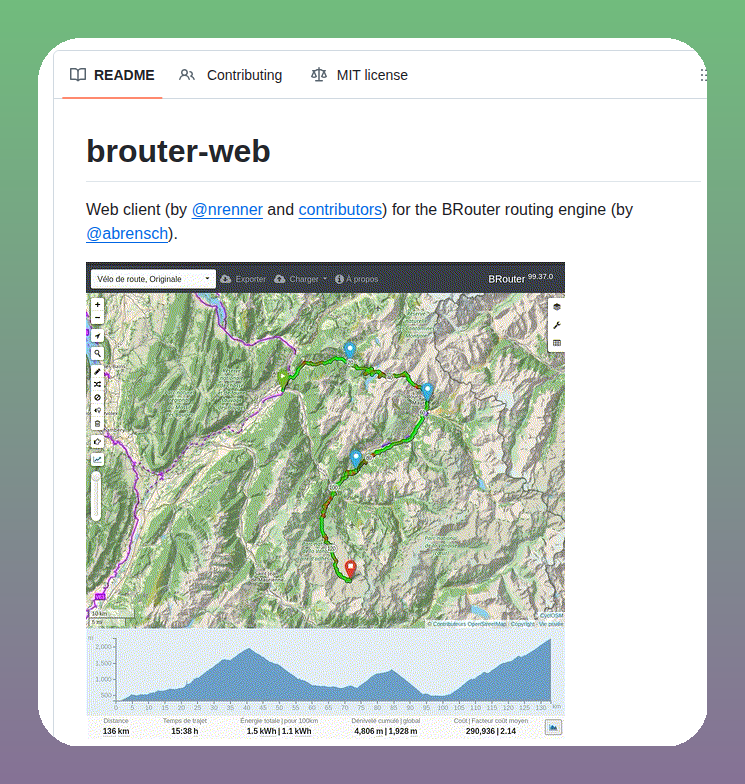
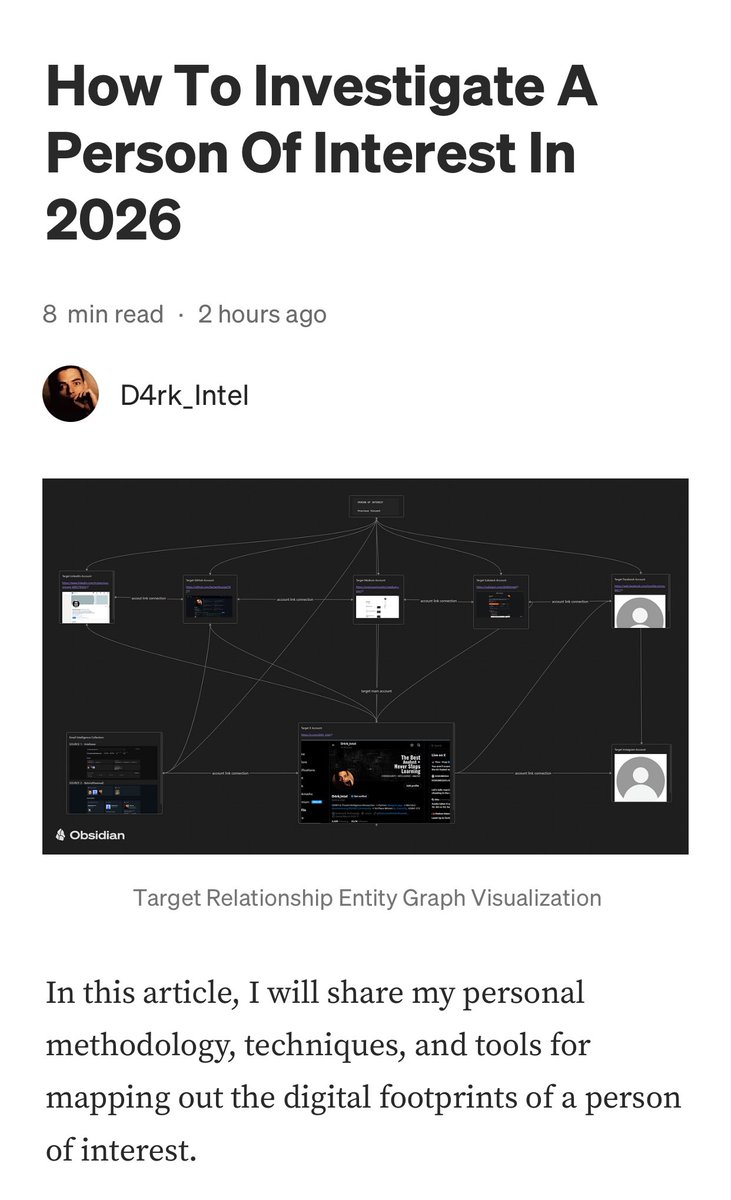
How to Investigate A Person Of Interest In 2026
In this article, I will share my personal methodology, techniques, and tools for mapping out the digital footprints of a person of interest - ethically.
#OSINT #Cybersecurity #ThreatIntelligence
English
noRestBecauseWiked retweetledi

A pre-trained model with no feature engineering, no hyperparameter tuning, and no domain expertise just matched 14 days of computation on a 500-node CPU cluster to forecast crop yields. And it did it in 2 hours on a single GPU.
A team at the European Commission's Joint Research Centre spent 14 days running 500 CPU nodes to forecast South African maize yields. A different model, given the same data, did the job in 360 seconds on 4 CPUs. The accuracy gap was 2 percentage points.
The 14-day pipeline is the standard machine learning workflow for crop forecasting. You start with raw satellite and weather data:
• dekadal time series of FPAR (a measure of green biomass)
• soil moisture
• rainfall
• temperature
• solar radiation.
Then you engineer features: Monthly averages, monthly maxima, monthly sums, different windows over the growing season. Then you test 14 different feature sets across 6 model types (XGBoost, GBR, Random Forest, LASSO, GPR, SVR), with optional principal component analysis, optional MRMR feature selection, and one-hot encoding of region. That's 96 pipeline configurations per model, each with its own hyperparameters to tune, all wrapped in nested leave-one-year-out cross validation to avoid leaking information from the test year. 14 days on a high-throughput cluster with hundreds of nodes.
The alternative is TabPFN, a transformer pretrained on millions of synthetic tabular datasets. You hand it the raw features. No selection, no reduction, no tuning, no engineered aggregates beyond what you've already computed. One forward pass. Done.
For maize, the best ML pipeline (Gaussian Process Regression with reduced remote sensing and soil moisture features, PCA, yield trend, and one-hot encoded region) hit 6.8% rRMSE with R² of 0.91 at the national level. TabPFN hit 8.8% with R² of 0.86. ANOVA found no statistically significant difference between them. Both beat the trend baseline (12.9%) and the peak FPAR baseline (14.8%). For soybeans, the gap was even tighter: 13.51% vs 15.1%. For sunflowers, no significant difference between any of the models tested.
The data setup tells us why this is important. South Africa has 23 years of yield statistics across 5 to 8 provinces. That's 184 labelled observations for maize, 138 for soybeans, 115 for sunflowers. This is obviously small data territory, where deep learning traditionally fails. TabPFN's pretraining on synthetic data lets it sidestep the small-sample problem because it's not really learning the task from your data. It's pattern-matching against everything it's already seen.
The 2024 operational test was the real validation. Both models forecast yields in early April, at 75% of the growing season. Both tracked the official Crop Estimates Committee figures within roughly 10% on maize and 22% on soybeans across 8 provinces. Both flagged the same anomaly in North West province, where they predicted higher yields than CEC, with environmental indicators supporting the model view. TabPFN also produced 95% confidence intervals natively, something the ML pipeline doesn't give you without extra work.
The cost asymmetry is what changes the picture. A government statistical office in Mozambique or Zambia can't justify 14 days on 500 CPUs to fit a maize model. They can run TabPFN on a laptop in 6 minutes. The accuracy penalty is 2 percentage points of rRMSE on a forecast that already sits well inside the noise of the official CEC trend-and-survey methodology. For most operational purposes, that's a free upgrade from no forecast to a usable forecast.
There's a broader pattern here that goes beyond crop yields. Foundation models for tabular data are doing for small structured datasets what large language models did for text. The expensive, bespoke, expert-tuned pipeline used to be the only path to good performance. Now a generic pretrained model gets you 90% of the way for 0.05% of the compute. The remaining gap between TabPFN and the 14-day pipeline is the value an experienced ML engineer adds. That's still positive. It's also small enough that for most users in most settings, it isn't worth paying for.
The authors are now scaling the approach across multiple African countries. If TabPFN holds up in Ethiopia, Kenya, Burkina Faso, the implication is that operational subnational yield forecasting just stopped being a specialist service. It became a default capability anyone with a laptop and the public ASAP environmental data feed can run.
Link to paper: nature.com/articles/s4159…

English
noRestBecauseWiked retweetledi

Another Gift To The World From CERN: Their Entire Set Of KiCad Libraries ift.tt/h1xgPnt
English
noRestBecauseWiked retweetledi

🗼LibreRouter, Reprendre le contrôle de sa connectivité
La plupart des gens pensent que "se connecter" veut dire payer un opérateur telecom pour accéder à leur infrastructure.
Que sans eux, pas de réseau. C'est faux.
Et le LibreRouter en est la preuve concrète.
Le LibreRouter c'est un routeur open source, hardware et software entièrement documentés, modifiables, redistribuables.
Un outil communautaire, né d'une frustration simple : les communautés rurales et isolées n'avaient pas accès à du matériel compatible avec les réseaux mesh, parce que les fabricants verrouillent leur firmware. LibreRouter règle ça à la racine.
Le principe du mesh : au lieu d'un point central qui distribue le signal, et qui est une single point of failure, chaque nœud communique avec deux autres minimum. Si un tombe, le réseau se reconfigure automatiquement. C'est la topologie qui fait la résilience.
Le LibreRouter a trois radios dans un seul boîtier. Deux antennes sectorielles en 5.8 GHz pour les liaisons longue distance entre nœuds, et une radio 2.4 GHz pour l'accès des appareils et pour traverser les obstacles naturels. La 5.8 GHz offre du débit, la 2.4 GHz offre de la pénétration.
Les deux ensemble te donnent un maillage sérieux en zone forestière ou rurale.
Le software s'appelle LibreMesh, basé sur OpenWrt. Il peut aussi être flashé sur d'autres routeurs compatibles, et des builds communautaires existent pour aller encore plus loin. L'interface de gestion : LiMe-App, est accessible depuis n'importe quel navigateur sur le réseau local, sans internet.
Un réseau LibreMesh peut tourner entièrement hors ligne. La citadelle héberge ses propres services locaux, Terrastories pour cartographier les territoires, Mapeo pour la collecte de données de terrain, Manyverse pour la communication asynchrone.
Tu tapes "terrastories.local" dans ton navigateur. C'est tout. Aucun serveur distant, aucune entreprise américaine dans la boucle, aucun point d'interception.
Si un nœud est connecté à internet, tout le réseau partage l'accès.
Mais si aucun ne l'est, le réseau local continue de fonctionner normalement.
Une architecture qui pense la déconnexion comme un état normal, pas comme une panne.
La gestion de la bande passante est intégrée via un système de vouchers, un portail captif qui permet à la communauté de réguler qui accède à internet selon ses propres règles de gouvernance.
C'est la citadelle qui décide, pas l'opérateur.
Des communautés l'ont déployé dans des conditions exigeantes. En Argentine, des réseaux mesh en zone rurale sans couverture opérateur.
Au Brésil, une tour en bambou pour hisser un nœud à la bonne hauteur.
En Inde, un chercheur a recompilé le firmware pour l'adapter à du matériel local moins cher.
C'est ça une vraie communauté technique, elle fork quand les contraintes changent.
Ce que le LibreRouter montre concrètement, c'est que le réseau communautaire n'est pas une utopie.
C'est de l'ingénierie à portée d'une communauté organisée.
Pas besoin d'un opérateur, pas besoin d'une tour télécom, pas besoin d'une autorisation centrale.
L'infrastructure que tu ne possèdes pas te possède, LibreRouter fix this

Français
noRestBecauseWiked retweetledi
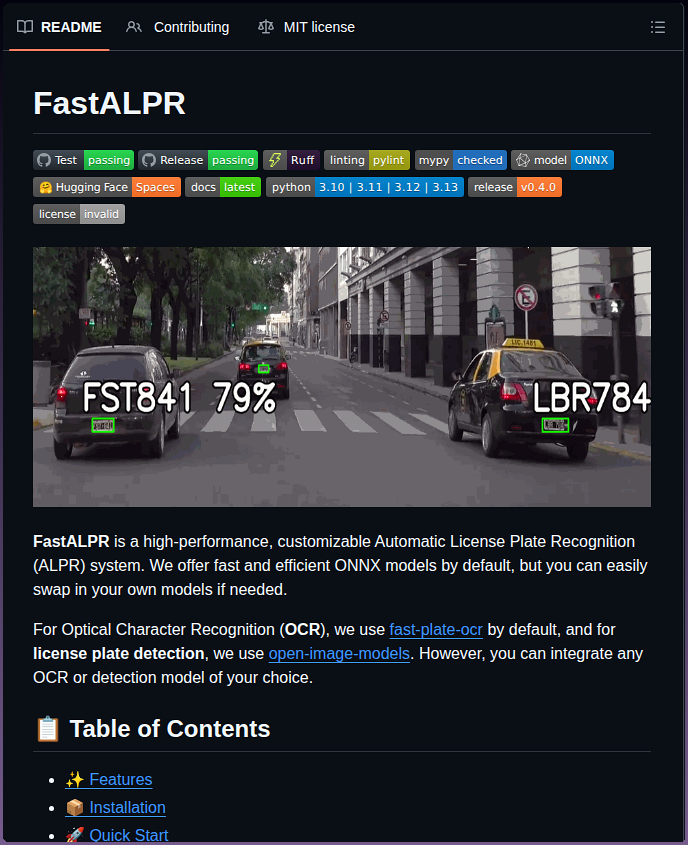
Customizable ONNX license plate recognition with multi-backend support
github.com/ankandrew/fast…
English
noRestBecauseWiked retweetledi

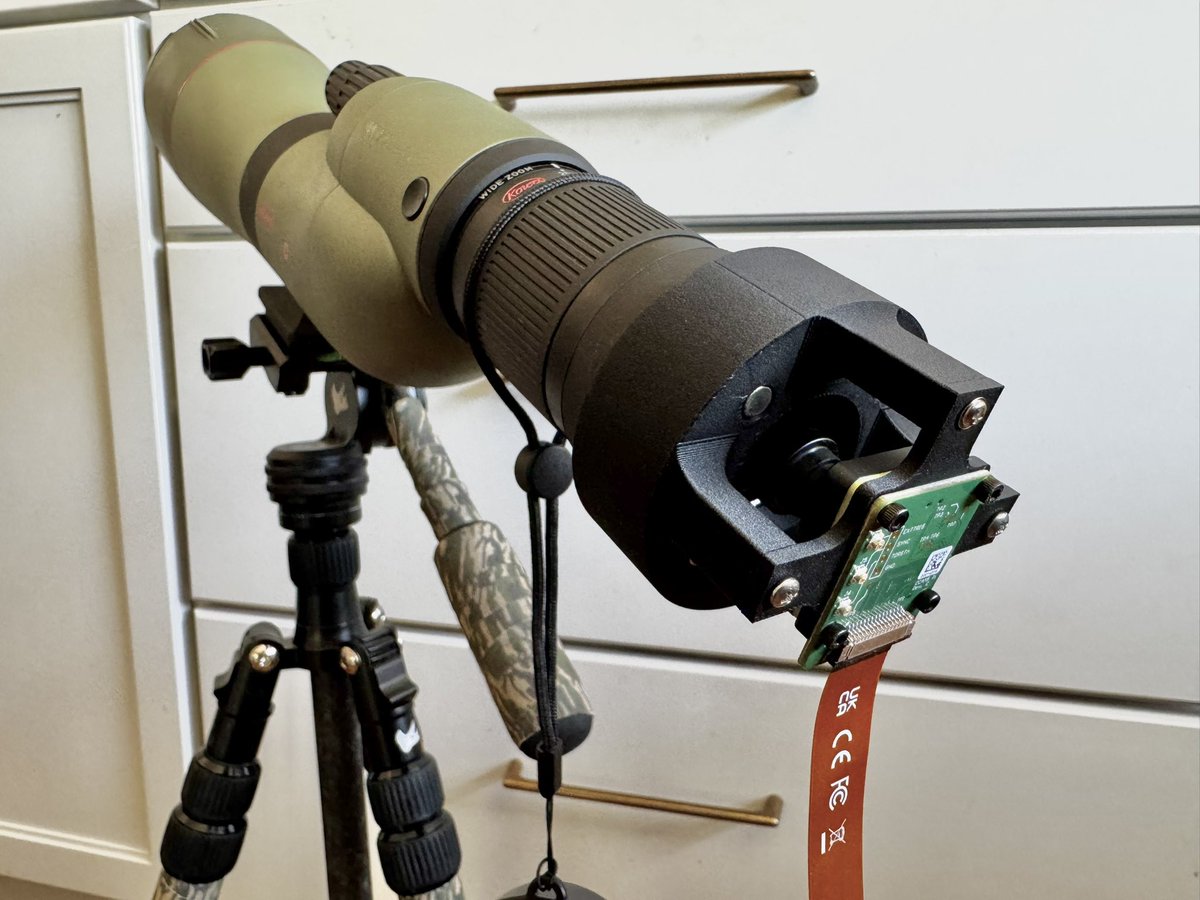
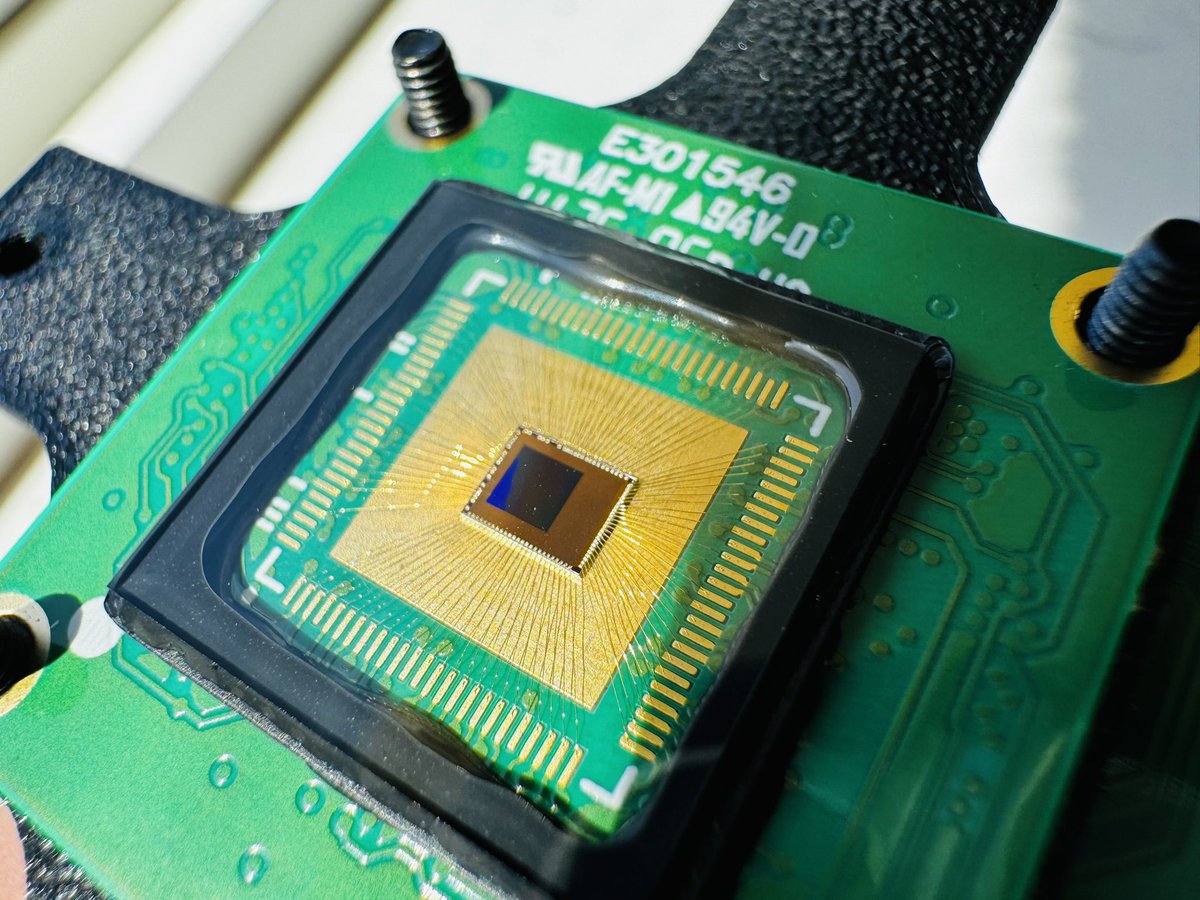
hardware and software almost ready to test bullet tracking

Zack's Lab@zackslab
event sensors are wild. they output asynchronous pixel change events rather than a global or rolling shutter dumping entire frames. this allows for a pseudo high frame rate (10k fps). going to see if i can track bullets in flight. will update soon.
English
noRestBecauseWiked retweetledi

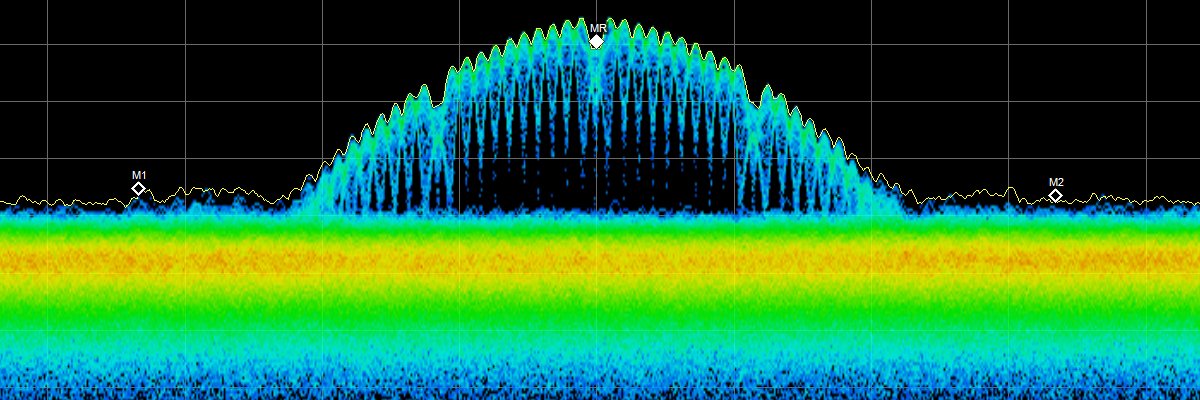
A simplified summary of my simulations of how drone detector antenna placement affects signal reception, expressed as a conditional drone detection range for different frequencies - obtained roughly by normalizing the square root of total gain to a typical drone detection range. Red line - detection distance for antenna on the roof, blue line - for antenna under the windshield.
Considering that the main sector from which drones can approach the vehicle is elevation from 0 to 30 degrees, and also that in reality the glass will attenuate the signal more strongly than in my simulations - mounting the drone detector antennas inside the vehicle significantly reduces its practical drone detection range, especially in the rear hemisphere.
Alex@texhnolyze_d
English
noRestBecauseWiked retweetledi

The Ukrainian company Himera is developing a unified secure mesh network for military radios, UAVs, and UGVs.
The jam-resistant system will feature pseudo-random frequency hopping as well as quantum encryption from the Canadian company Quantropi.
1/

Roy🇨🇦@GrandpaRoy2
Ukrainian encrypted radio communications are all ready to defeat quantum computers. Tactical mesh radio manufacturer Himera has partnered with Canadian cryptology company Quantropi to incorporate post-quantum cryptology. 1/
English
noRestBecauseWiked retweetledi

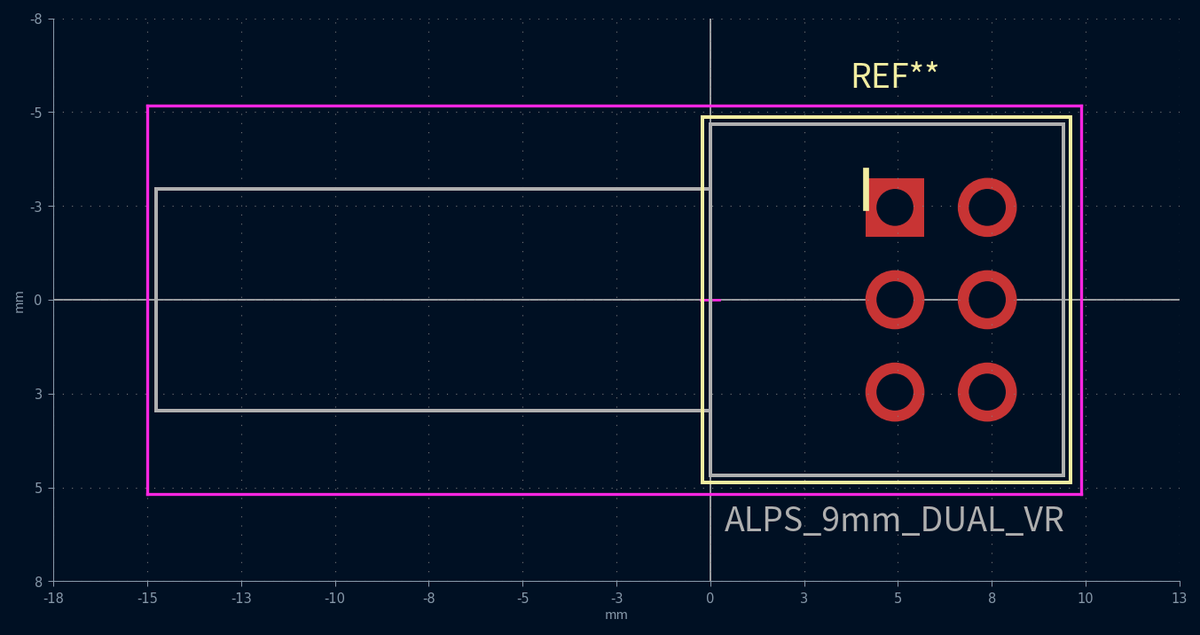
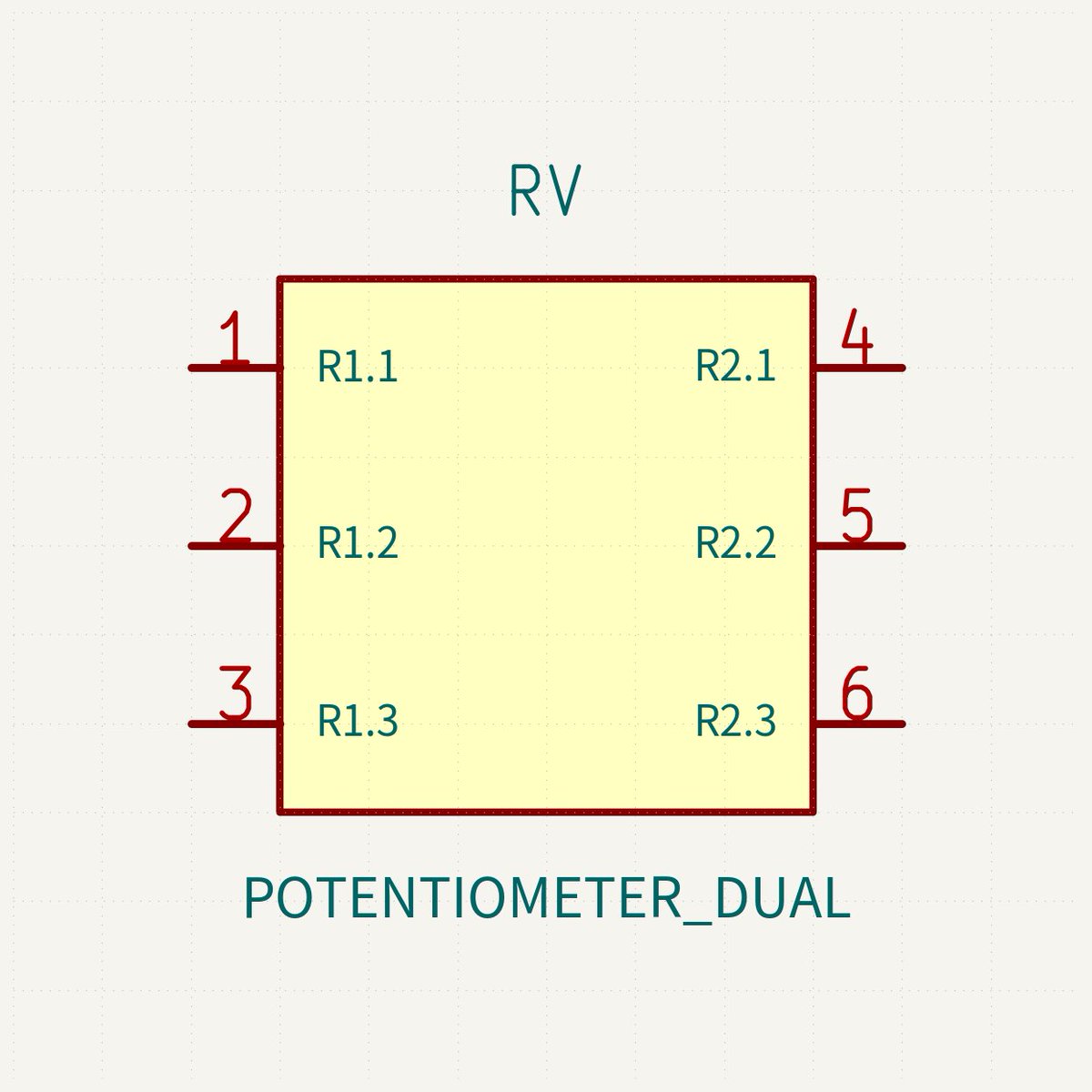
今回のアップデートで、KiCadに対応しました!
PDFのデータシートを入れるだけで、KiCad用のシンボル+フットプリントを自動生成できます。
詳しくはこちら
librizer.app
以下はRK097シリーズの結果です!
akizukidenshi.com/catalog/g/g103…
Librizer@librizer
回路設計で「この部品のライブラリないな…」となったことありませんか? PDFのデータシートを入れるだけで、シンボル+フットプリントを自動生成します。 KiCad / Fusion 対応 librizer.app
日本語
noRestBecauseWiked retweetledi
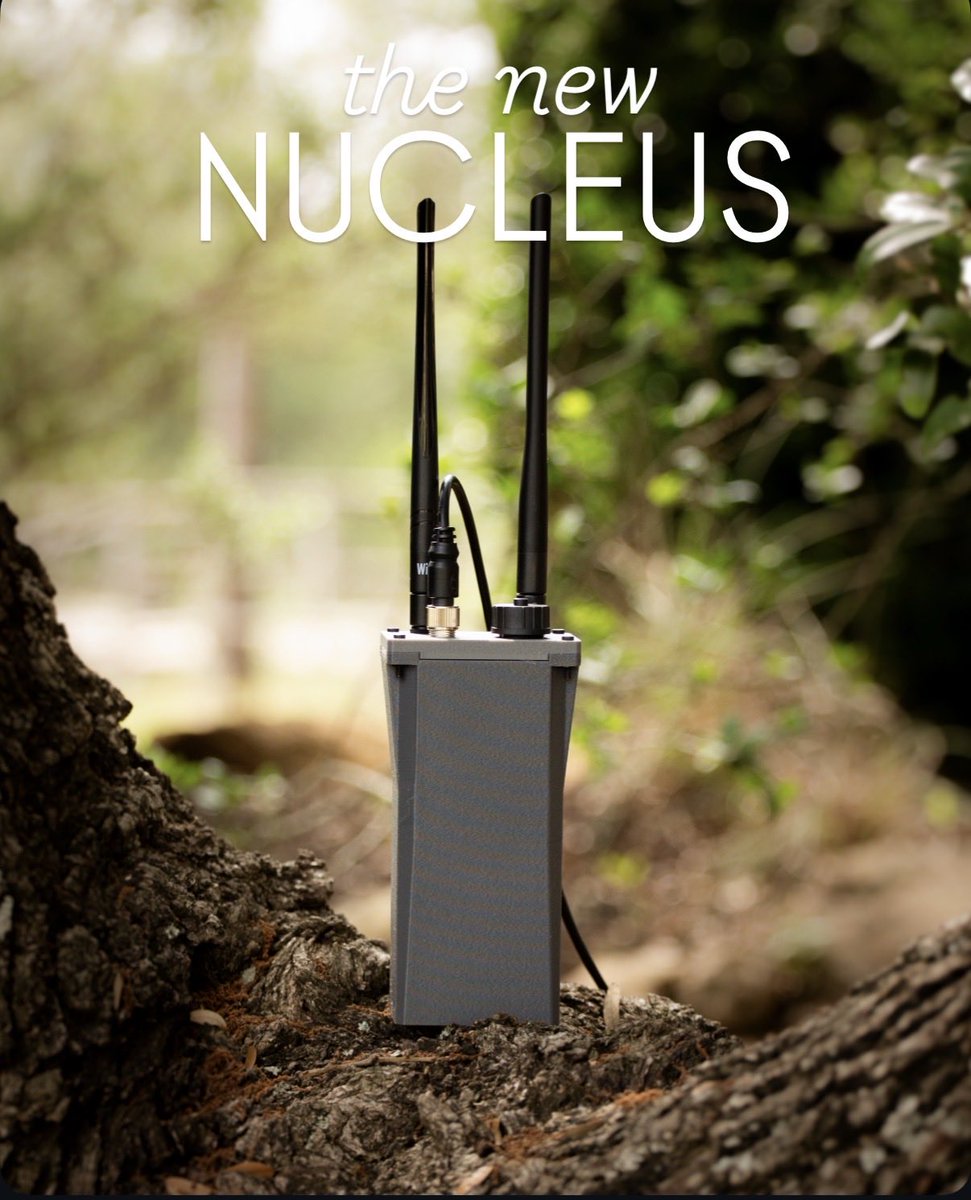
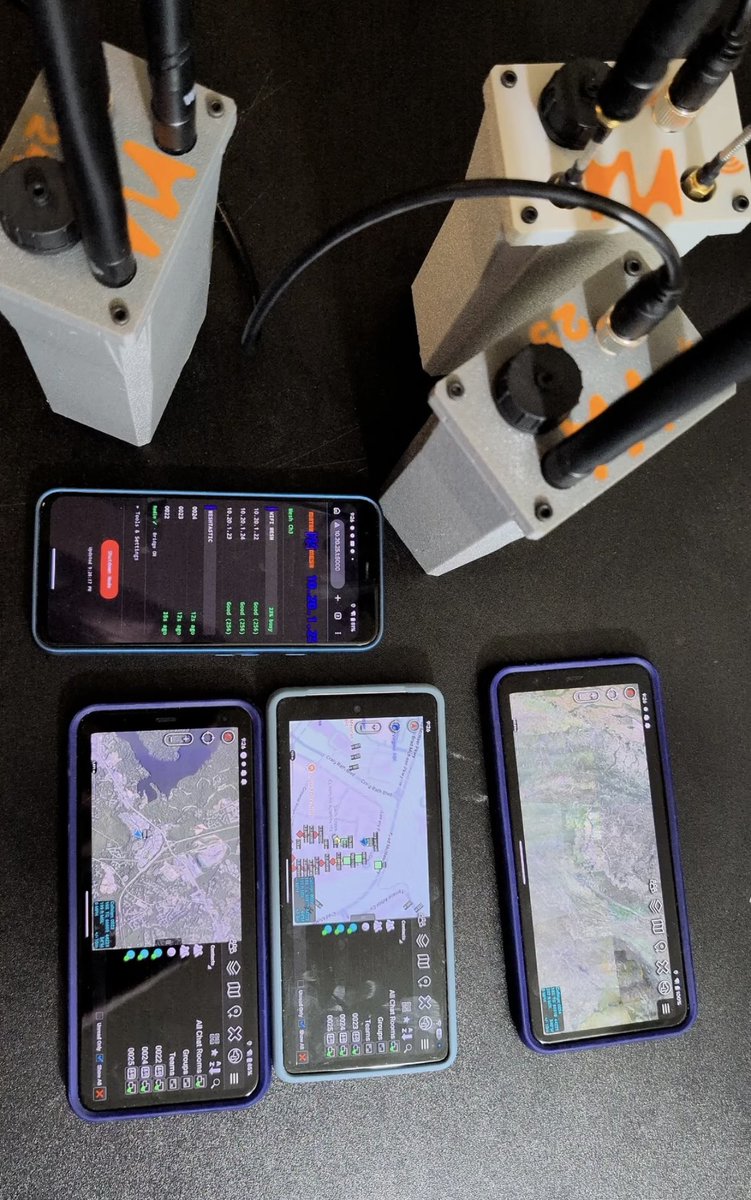
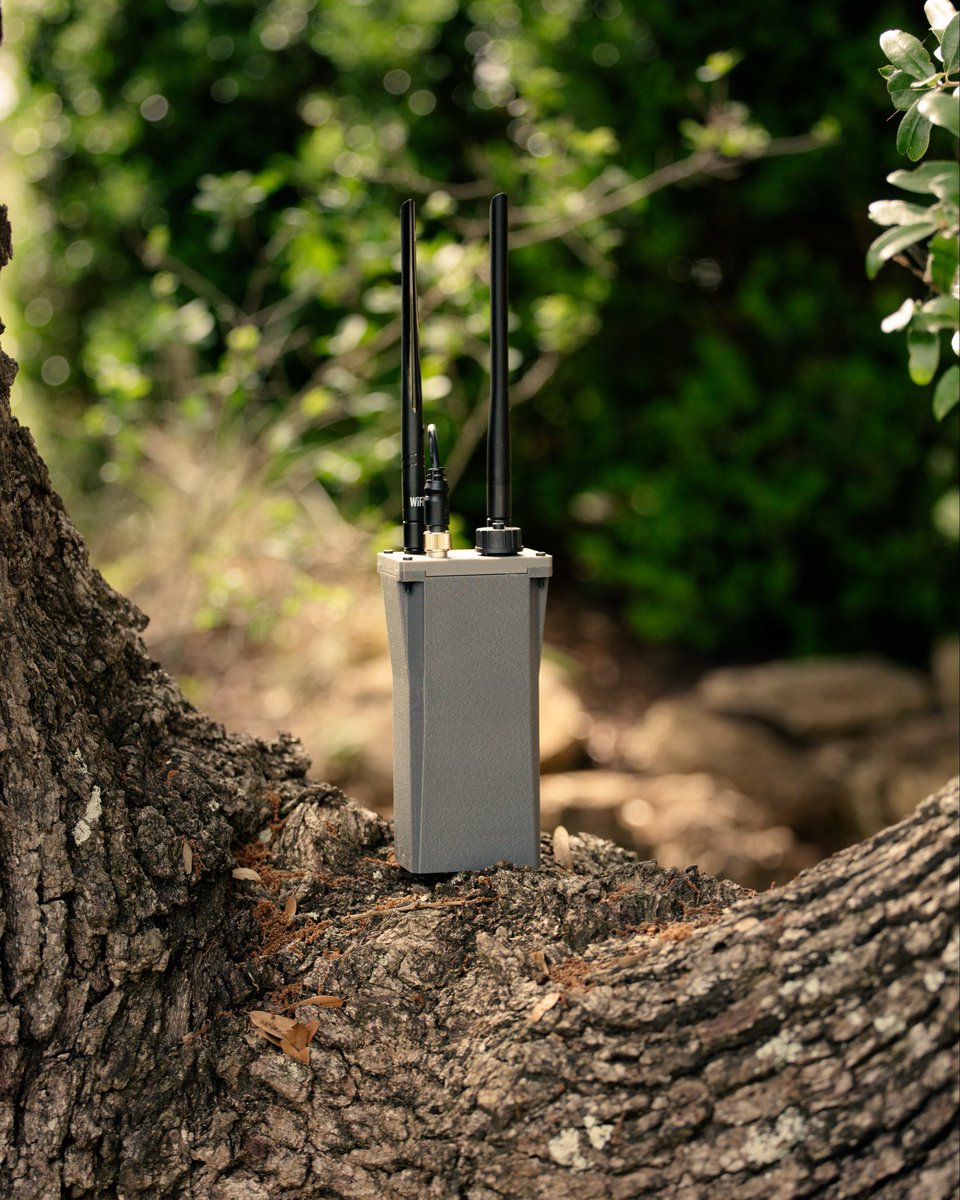
ATAK users — the Nucleus now ships with an onboard LoRa bridge. Connect to the node and both radios work automatically. The bridge manages the switch when distance or terrain calls for LoRa. No plugins or complicated setup required.
New case and antennas round out the hardware update. On the software side: You can stream voice and video on ATAK, or use Reticulum and Jami support for encrypted mesh networking and carrier-independent voice, text, and video — running entirely on hardware you own. New Tailscale integration means remote updates and troubleshooting without anyone on-site.
$600. TAK Server Configured is $650. Check comments to learn more!

English
noRestBecauseWiked retweetledi


noRestBecauseWiked retweetledi
A master course in OSINT techniques and sources for understanding the War in Ukraine.
Clément Molin@clement_molin
Comment suivre la guerre en Ukraine 🇺🇦🇷🇺 soit-même ? Oubliez Liveuamap, oubliez l'ISW, oubliez les médias traditionnel, il est ici question des véritables outils accessibles gratuitement ! Les outils en sources ouvertes pour suivre la guerre en Ukraine : 🧵THREAD🧵1/22 ⬇️
English
noRestBecauseWiked retweetledi