David Faciane
8.6K posts

David Faciane
@davidfaciane
Not here much anymore. Find me on Bluesky: davidfaciane Threads: dfaciane

Atlanta Katılım Nisan 2008
61 Takip Edilen250 Takipçiler
Sabitlenmiş Tweet
David Faciane retweetledi

A transition from La Niña to ENSO-neutral is expected in February-April 2026 (60% chance), with ENSO-neutral likely persisting through the Northern Hemisphere summer (56% chance in June-August 2026). A #LaNina Advisory remains in effect. #ENSO cpc.ncep.noaa.gov/products/analy…

English
David Faciane retweetledi

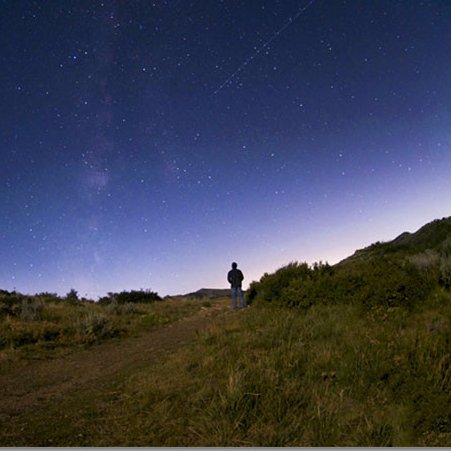
Everyone you love in one photo ❤️
Before its imaging camera was turned off, NASA's Voyager 1 took this iconic photo known as the "Pale Blue Dot" #OTD in 1990. In it, Earth is visible as a miniscule speck in the inky darkness.

English
David Faciane retweetledi

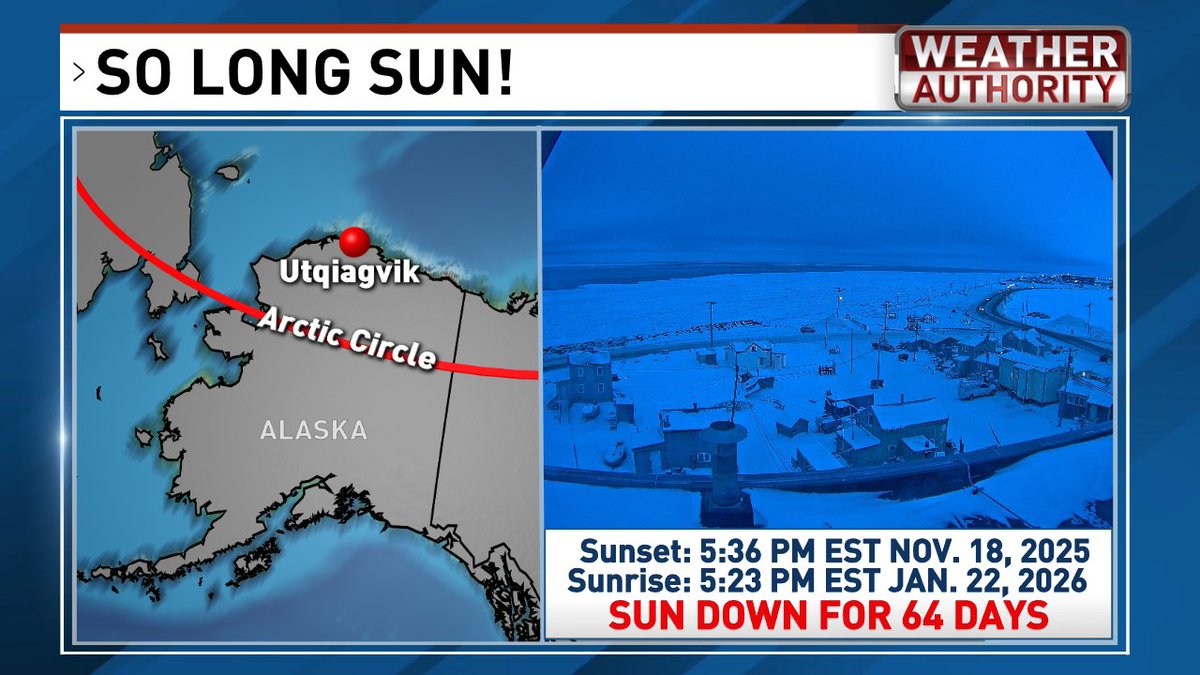
Once the sun sets in Utqiagvik (formerly Barrow), Alaska at 5:36 pm EST tomorrow (November 18th), it won't rise again until 5:23 pm EST, January 22nd. That's 64 days with NO SUN!
Utqiagvik, AK is the northernmost city in the United States and is located roughly 350 miles north of the Arctic Circle. Once "Polar Night" begins, each day until January 22nd will be mostly pitch black. Barrow will still have a few hours of what's known as "twilight", which occurs when the sun is just below the horizon. During twilight, the sky will look like it does here before sunrise and after sunset.
Why does this happen? Because the Earth is tilted 23.5 degrees on its axis, the Northern Hemisphere tilts away from the sun in autumn and winter. Areas north of the Arctic Circle endure more than two months with the sun never rising above the horizon.
ANYWHERE ELSE, USA is fine by me!

English
David Faciane retweetledi

Melissa, now with sustained winds of 175 mph (280 km/hr) and capable of gusts to 260+ mph (425+ km/hr) on windward hilltops, 40" (1000 mm) of rain, and a 13 ft (4 m) storm surge, has started the feared turn to the northwest. First NW then north is the forecast. #Jamaica
GIF
English
David Faciane retweetledi

From a crewmember on yesterday's Teal 74 mission into now-Category 5 Hurricane #Melissa. As clear of an eye as you will see in the Atlantic basin.
English
David Faciane retweetledi

Hurricane HUMBERTO last month makes twelve Category 5 hurricanes in the Atlantic Basin since only 2016.
This is the most ever recorded in a 9-year timeframe since our records began in 1851 — keep in mind that Category 5 hurricanes definitely occurred in the 1800s, however we weren’t able to detect or measure them (first one was recorded in 1924).
The previous record for most Category 5 hurricanes in a 9-year timeframe was 9, set from 1998-2007:
MITCH 1998 - 155 kts (180 mph)
ISABEL 2003 - 145 kts (165 mph)
IVAN 2004 - 145 kts (165 mph)
EMILY 2005 - 140 kts (160 mph)
KATRINA 2005 - 150 kts (175 mph)
RITA 2005 - 155 kts (180 mph)
WILMA 2005 - 160 kts (185 mph)
DEAN 2007 - 150 kts (175 mph) L
FELIX 2007 - 150 kts (175 mph) L at 160
*L = intensity at landfall
Compared to 2016-2025:
MATTHEW 2016 - 145 kts (165 mph)
IRMA 2017 - 155 kts (180 mph) L
MARIA 2017 - 150 kts (175 mph) L at 165
MICHAEL 2018 - 140 kts (160 mph) L
DORIAN 2019 - 160 kts (185 mph) L
LORENZO 2019 - 140 kts (160 mph)
IAN 2022 - 140 kts (160 mph)
LEE 2023 - 145 kts (165 mph)
BERYL 2024 - 145 kts (165 mph)
MILTON 2024 - 155 kts (180 mph)
ERIN 2025 - 140 kts (160 mph)
HUMBERTO 2025 - 140 kts (160 mph)
Our remarkable era of intense hurricane seasons continues.

English
David Faciane retweetledi