

Dd Ddd
3.3K posts


$BTC $64K, $57K, $80K, $67K, $110K, $92K, New ATH

Português

Weekly Journal.
Finally feels like I am back on track.
Decent week. No losses, three trades, and some genuinely good profit secured.
What I liked most is how much I waited. I let my setups actually form and only pulled the trigger when my own criteria fired, no forcing anything into a slow week.
BTC short was a textbook range deviation. Fired it on the normal account and on Breakout both. Partial secured, the rest is risk free and now it is just up to the market from here. +1.1R and running.
JTO was a clean HTF trend reversal, one of the better executions I've had in a while, stacked with confluence on the higher time frames. Also still open, profit secured, risk free. +1R and running.
I also caught a nice OIL long, second week in a row on that one, already around +2R secured. Different instrument, so it does not sit in this crypto journal, but it counts for me.
Where my head is at for July: I am treating this month as a test of process and system, not PnL. Conditions right now are not optimal for how I trade. I work mostly on 1H, 4H and 12H, and this kind of chop is not where my system actually thrives. So there is no point forcing volume just to stay busy.
That is really the win this week. Not the R. A week with zero losses, and more importantly, zero trades taken outside my own system, with real respect for the process. That matters a lot more to me than a big PnL number.
As always, these trades were shared live and in advance, either on public X or the subscribers section. No hindsight trading of squiggles analysis.

English
@CryptoBullGod @gigachad the scary thing will be after i called up for 4 (almost to the day)... a wave 5 still to come for -70% more from here.
I dont know how or why, this is an old chart I continue to monitor though, the wave 5 call is months old and still my bias for the time being

English

@AlgodTrading @FloodCapital So if he loses he will not pay,if you lose you will pay.....hmmm,easyest 200k for him with ZERO stress
English

Sized the bet to 200k with @FloodCapital , the protocol is not worth $250m fdv
lets hope he pays out :)
Algod@AlgodTrading
Taking a $100k bet with @FloodCapital that $syn wont be over $1 for 3 consecutive weeks by Jan 1st 2027 No escrow so both our reputation on the line, easiest bet of my life
English


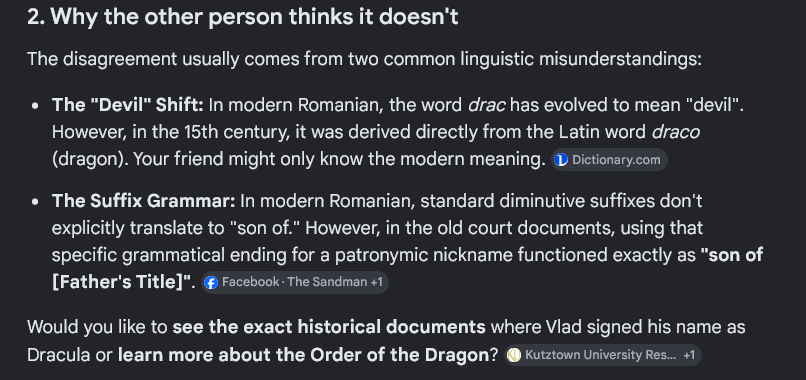


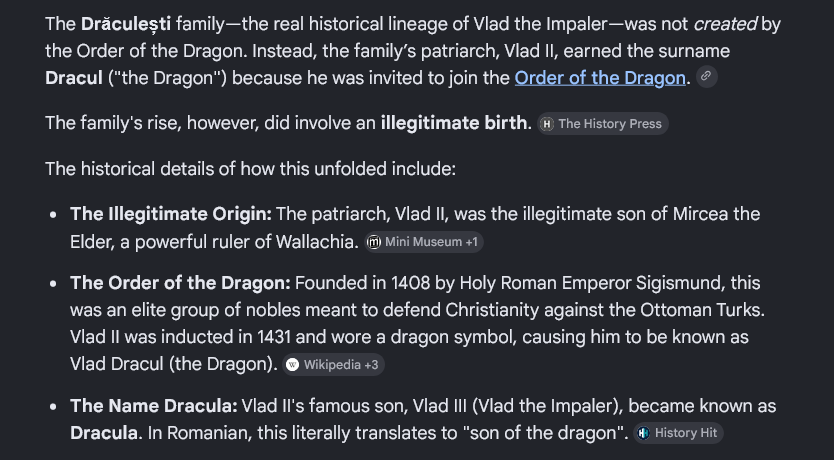
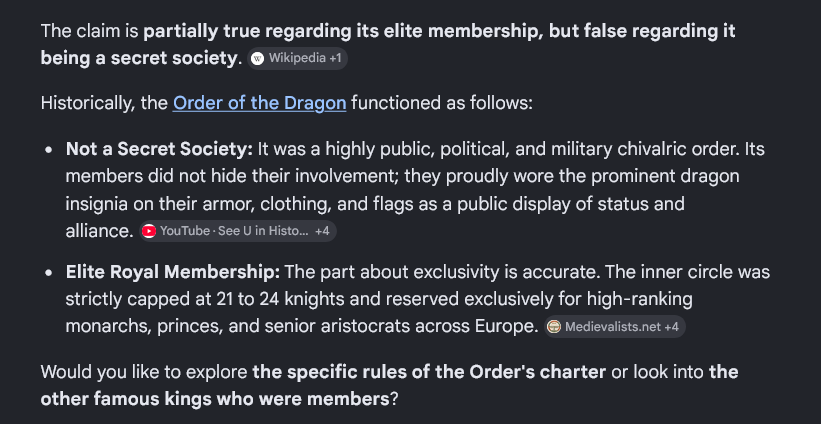
False.
The real & historical Dracul family was created by the Order of the Dragon after an illegitimate birth.
That Order is a secret society that only opens its books to senior level Crown aristocracy & monarchs.
More deception👇🏻
Brother Nathanael@RealBroNat
Dracula was based on the Jew drinking the blood of Christian children.
English
@Jether__ @FattyPatty37043 No it doesn't translate "son of the dragon" loolll
English



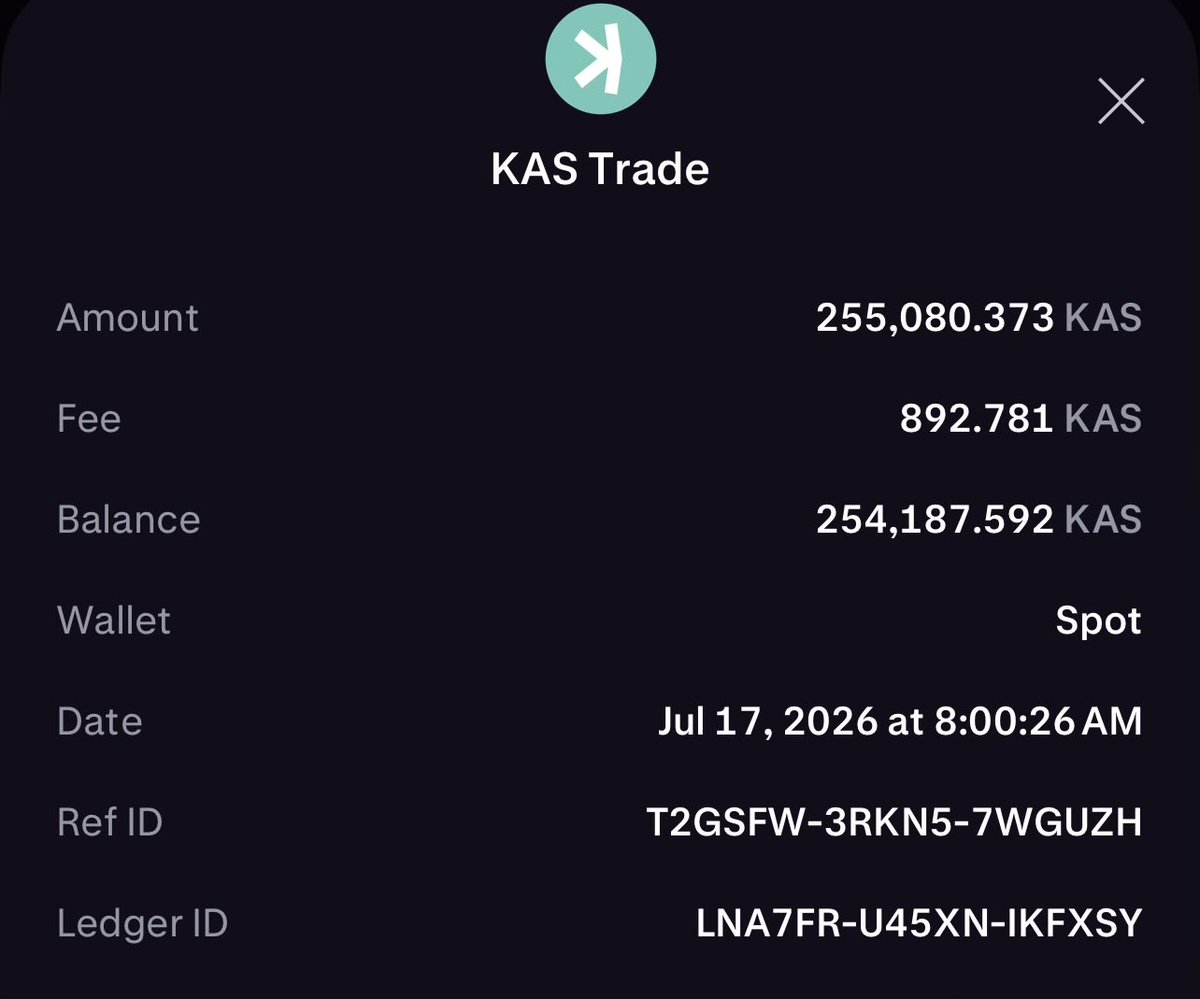
255,000 $KAS purchase
Kaspa remains the most advanced proof of work on the planet with the best fundamentals hands down.
You miss this opportunity that’s on 🫵 I don’t want to hear it from haters in 2028 when we’re trading at $1 or more.
English

Turbo is the most misunderstood product we offer.
People see the 3% drawdown, think "tighter, worse," and scroll. Backwards.
It's the cheapest, most aggressive tool on the board. High conviction, low cost of being wrong. That's the entire point.
It's not the account you sit and grind. It's the one you pull out when you've got a read you trust and you want to press it.
Classic is for your normal game.
Turbo is your conviction account.
English

congrats to both @cakewallet and @stack_wallet.
the monero standards are the tide that rises the rest of the other coins ux.
Nick Research@Nick_Researcher
➥ crypto wallet IP-exposure scorecard my main wallet GOT DRAINED yesterday, so i spent hours checking safer wallets to move on the Open Source Press recently analyzed the network traffic of popular Web3 wallets to identify how much info leaves your device before you even create a wallet the setup was intentionally simple: - clean Android device - no SIM card - fresh APK installation - VPN enabled - every packet logged from the moment the wallet was opened the user never created a wallet, imported a seed phrase & connected an account the only thing measured was what each wallet sent to the internet immediately after launch how the privacy score works? - the score ranges from 0 - 100 - a higher score means less network exposure the ranking is based on 2 simple metrics: → number of unique IP addresses contacted → number of unique domains contacted fewer outbound connections = fewer parties learning your IP address + device info before you even own a wallet privacy ranking post-filtered: [1] Top Tier (90-100) @cakewallet @stack_wallet @zodl_app @Trezor @vultisig @unstoppablebyhs @ZeusLN @phantom @tetherwallet @bluewalletio @zano_project [2] Middle Tier (70-89) @exodus @AtomicWallet @Thorwallet @keplrwallet @TrustWallet @safe @Rabby_io @rainbowdotme @Backpack @EdgeWallet [3] Lower Tier (<70) @Ledger @MetaMask @base wallet @solflare @Cryptocom wallet @Tangem @wallet @SafePal the differences are significant as bellow - Cake Wallet generated 0 outbound packets, 0 DNS requests, contacted 0 domains before user interaction - Zodl contacted just 1 endpoint - Unstoppable contacted only 2 endpoints - Phantom routed third-party services through its own infra, reducing direct exposure to external vendors at the other end: - SafePal contacted 26 domains across 41 IP addresses immediately after launch - OKX Wallet initialized AppsFlyer, Amplitude, OneSignal, ThreatMetrix fingerprinting, Alibaba endpoints, and other services before a wallet even existed many mainstream wallets also initialize analytics, attribution, crash reporting or messaging platforms such as Firebase, AppsFlyer, Segment, Braze, Customerio, Sentry, Crashlytics, Amplitude during cold start that doesn't automatically make them insecure these services help teams improve products, diagnose crashes, and measure usage but they also mean your IP address + device can be visible to multiple third parties before you generate your first private key for anyone who values network privacy, that's an important distinction onchain privacy starts with the wallet you choose but network privacy starts the moment you open the app s/o to @r4nk0X for the great insights
Caseros, Argentina 🇦🇷 English

@BSCNews There's a high probability it's a tier 1 CEX.
share.gemini.google/HeYzXNathGgH
English

Kaspa Entity X Now Holds 1.47B $KAS
Top-tier holder Entity X increases its total position to 1.47B $KAS ($42.9M), solidifying its status as the largest non-exchange entity on the network.
Recent on-chain movements reveal a fresh inflow of 6.8M $KAS sourced from liquidity pools at @Bybit_Official, @Gate, and @Bitget.
This sustained accumulation comes as the @kaspaunchained ecosystem scales its BlockDAG architecture to accommodate increasing demand for high-speed, GPU-mined settlement.
English
@jas_tab074 @BSCNews There is the only posibility,or institutional/maker Makers
English

The $64.5K region was rejected on bitcoin:native
Let's see if we hit the lows (60s)

Chento@ChentoTrades
Position update bitcoin:native Process over outcome. Every time.
English

It's almost like we care about privacy or something 😏
#1 on this list yet again, grateful that we have a whole team bottom to top that are passionate about making privacy a reality and not just a marketing gimmick.
Nick Research@Nick_Researcher
➥ crypto wallet IP-exposure scorecard my main wallet GOT DRAINED yesterday, so i spent hours checking safer wallets to move on the Open Source Press recently analyzed the network traffic of popular Web3 wallets to identify how much info leaves your device before you even create a wallet the setup was intentionally simple: - clean Android device - no SIM card - fresh APK installation - VPN enabled - every packet logged from the moment the wallet was opened the user never created a wallet, imported a seed phrase & connected an account the only thing measured was what each wallet sent to the internet immediately after launch how the privacy score works? - the score ranges from 0 - 100 - a higher score means less network exposure the ranking is based on 2 simple metrics: → number of unique IP addresses contacted → number of unique domains contacted fewer outbound connections = fewer parties learning your IP address + device info before you even own a wallet privacy ranking post-filtered: [1] Top Tier (90-100) @cakewallet @stack_wallet @zodl_app @Trezor @vultisig @unstoppablebyhs @ZeusLN @phantom @tetherwallet @bluewalletio @zano_project [2] Middle Tier (70-89) @exodus @AtomicWallet @Thorwallet @keplrwallet @TrustWallet @safe @Rabby_io @rainbowdotme @Backpack @EdgeWallet [3] Lower Tier (<70) @Ledger @MetaMask @base wallet @solflare @Cryptocom wallet @Tangem @wallet @SafePal the differences are significant as bellow - Cake Wallet generated 0 outbound packets, 0 DNS requests, contacted 0 domains before user interaction - Zodl contacted just 1 endpoint - Unstoppable contacted only 2 endpoints - Phantom routed third-party services through its own infra, reducing direct exposure to external vendors at the other end: - SafePal contacted 26 domains across 41 IP addresses immediately after launch - OKX Wallet initialized AppsFlyer, Amplitude, OneSignal, ThreatMetrix fingerprinting, Alibaba endpoints, and other services before a wallet even existed many mainstream wallets also initialize analytics, attribution, crash reporting or messaging platforms such as Firebase, AppsFlyer, Segment, Braze, Customerio, Sentry, Crashlytics, Amplitude during cold start that doesn't automatically make them insecure these services help teams improve products, diagnose crashes, and measure usage but they also mean your IP address + device can be visible to multiple third parties before you generate your first private key for anyone who values network privacy, that's an important distinction onchain privacy starts with the wallet you choose but network privacy starts the moment you open the app s/o to @r4nk0X for the great insights
English


➥ crypto wallet IP-exposure scorecard
my main wallet GOT DRAINED yesterday, so i spent hours checking safer wallets to move on
the Open Source Press recently analyzed the network traffic of popular Web3 wallets
to identify how much info leaves your device before you even create a wallet
the setup was intentionally simple:
- clean Android device
- no SIM card
- fresh APK installation
- VPN enabled
- every packet logged from the moment the wallet was opened
the user never created a wallet, imported a seed phrase & connected an account
the only thing measured was what each wallet sent to the internet immediately after launch
how the privacy score works?
- the score ranges from 0 - 100
- a higher score means less network exposure
the ranking is based on 2 simple metrics:
→ number of unique IP addresses contacted
→ number of unique domains contacted
fewer outbound connections = fewer parties learning your IP address + device info before you even own a wallet
privacy ranking post-filtered:
[1] Top Tier (90-100)
@cakewallet
@stack_wallet
@zodl_app
@Trezor
@vultisig
@unstoppablebyhs
@ZeusLN
@phantom
@tetherwallet
@bluewalletio
@zano_project
[2] Middle Tier (70-89)
@exodus
@AtomicWallet
@Thorwallet
@keplrwallet
@TrustWallet
@safe
@Rabby_io
@rainbowdotme
@Backpack
@EdgeWallet
[3] Lower Tier (<70)
@Ledger
@MetaMask
@base wallet
@solflare
@Cryptocom wallet
@Tangem
@wallet
@SafePal
the differences are significant as bellow
- Cake Wallet generated 0 outbound packets, 0 DNS requests, contacted 0 domains before user interaction
- Zodl contacted just 1 endpoint
- Unstoppable contacted only 2 endpoints
- Phantom routed third-party services through its own infra, reducing direct exposure to external vendors
at the other end:
- SafePal contacted 26 domains across 41 IP addresses immediately after launch
- OKX Wallet initialized AppsFlyer, Amplitude, OneSignal, ThreatMetrix fingerprinting, Alibaba endpoints, and other services before a wallet even existed
many mainstream wallets also initialize analytics, attribution, crash reporting
or messaging platforms such as Firebase, AppsFlyer, Segment, Braze, Customerio, Sentry, Crashlytics, Amplitude during cold start
that doesn't automatically make them insecure
these services help teams improve products, diagnose crashes, and measure usage
but they also mean your IP address + device can be visible to multiple third parties before you generate your first private key
for anyone who values network privacy, that's an important distinction
onchain privacy starts with the wallet you choose
but network privacy starts the moment you open the app
s/o to @r4nk0X for the great insights

Ranko X@r4nk0X
🧵 you can hold the most private coin on earth. doesn't matter if your wallet app pings 40 servers the second you open it. your IP is out before you generate a key. so I tested 13 web3 wallets on first launch: clean android, no sim apks via gplaydl wifi + vpn pcapdroid per app
English

@FAT_HEAD_DAVE Hi! Our Ring already comes in sizes as small as size 6US, but if there's enough demand, we can make smaller sizes.
English
@Tangem @FAT_HEAD_DAVE :):):))))))):);):):)):):););):):):)))))):);):):):);)):);))));):)):):))&):):):))))
QAM

When is @Tangem dropping the cock ring?
I know a TONNE of people who would store their cryptocurrency in that...
English

$SOL
They refuse to accept that their favorite altcoin will never hit ATHs again.
This was the perfect exit pump FTX needed to offload.
Do the homework on token inflation. Imagine buying an asset when the Solana Foundation can print new tokens out of thin air.
It’s a classic VC driven coin with massive supply concentration in the hands of a few insiders and funds. You think SOL organically went from $7 to $300 cause of "demand" 🤣
How do you realistically attract large buyers when the second you purchase, you instantly become exit liquidity for those same concentrated holders?
Don't hate the player, hate the game. It is what it is. Plenty of major projects died in the 2017–2018 cycle, and we’ll see the same thing happen again and again.

Killa@KillaXBT
I believe $SOL is never reaching ATH's again.
English