J D
5.9K posts


J D
@duinamit
Machine Learning Researcher, Neuroscientist, interested in: politics, geoguessr, triathlon. Living to 180.

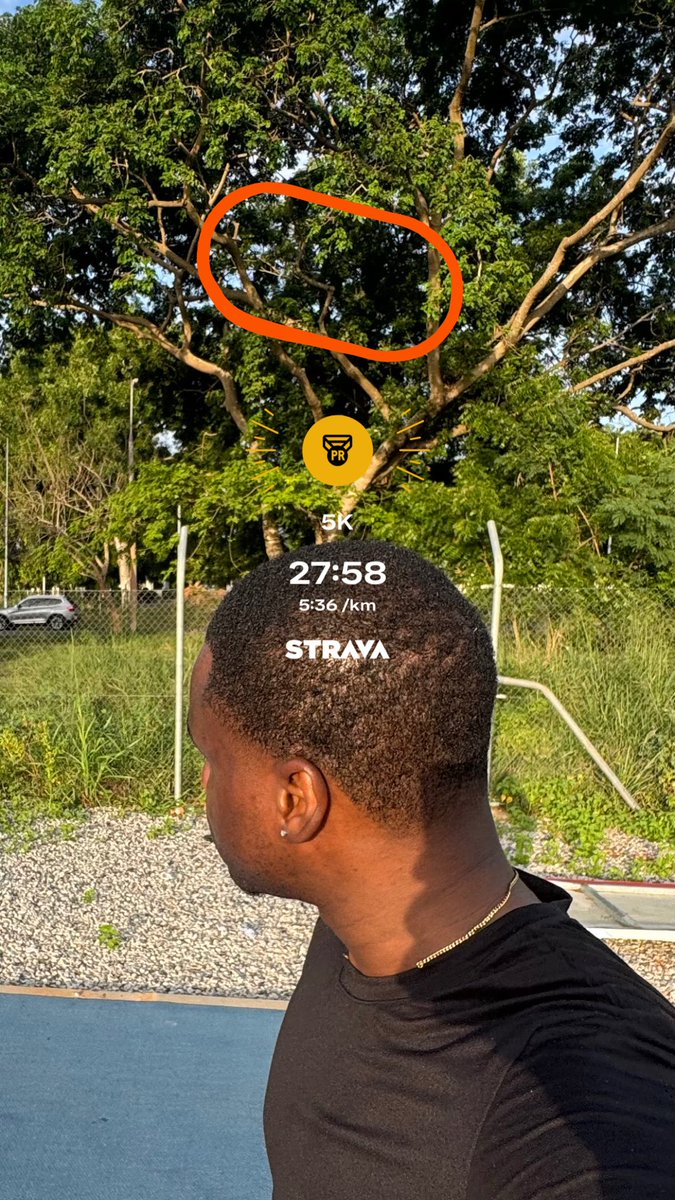


In Deutschland gibt es keine Armut, sondern - wenn überhaupt - Faulheit.

You check your Apple Watch in the morning. Sleep score: 62. You decide it's going to be a foggy day. And then it is. A 2014 Colorado College study suggests the score itself causes the fog. 164 people walked into a lab. Researchers hooked them up to fake EEG equipment and told them the readout would show their REM percentage from the night before. Then they fabricated a number. Half the room was told 28.7%. Half was told 16.2%. The machine wasn't measuring anything. Participants took four cognitive tests. The Paced Auditory Serial Addition Test, where you add numbers spoken at increasing speed and hold your last sum in working memory while computing the next. And the Controlled Oral Word Association Task, where you generate as many words as you can starting with a single letter under time pressure. Both are gold-standard measures of attention and executive function used in clinical neurology. The 28.7% group outperformed the 16.2% group on both. Significantly. How rested participants actually felt that morning predicted nothing. The mechanism is mindset priming an executive resource. When you believe you slept well, you allocate cognitive effort more aggressively. You don't conserve. You don't pre-disengage. Belief about the resource changes how you spend it. Two control conditions ruled out demand characteristics. Participants weren't trying harder because they thought they should. Real measurable cognitive performance shifted with the number on the readout. The Apple Watch sleep score. The Oura ring readiness number. The morning ritual of checking either one is taxing the resource you're about to need. The performance gap from a fabricated REM percentage was larger than the gap from how rested participants actually felt. The number was louder than the night.




krasse leistung du schwanz
You check your Apple Watch in the morning. Sleep score: 62. You decide it's going to be a foggy day. And then it is. A 2014 Colorado College study suggests the score itself causes the fog. 164 people walked into a lab. Researchers hooked them up to fake EEG equipment and told them the readout would show their REM percentage from the night before. Then they fabricated a number. Half the room was told 28.7%. Half was told 16.2%. The machine wasn't measuring anything. Participants took four cognitive tests. The Paced Auditory Serial Addition Test, where you add numbers spoken at increasing speed and hold your last sum in working memory while computing the next. And the Controlled Oral Word Association Task, where you generate as many words as you can starting with a single letter under time pressure. Both are gold-standard measures of attention and executive function used in clinical neurology. The 28.7% group outperformed the 16.2% group on both. Significantly. How rested participants actually felt that morning predicted nothing. The mechanism is mindset priming an executive resource. When you believe you slept well, you allocate cognitive effort more aggressively. You don't conserve. You don't pre-disengage. Belief about the resource changes how you spend it. Two control conditions ruled out demand characteristics. Participants weren't trying harder because they thought they should. Real measurable cognitive performance shifted with the number on the readout. The Apple Watch sleep score. The Oura ring readiness number. The morning ritual of checking either one is taxing the resource you're about to need. The performance gap from a fabricated REM percentage was larger than the gap from how rested participants actually felt. The number was louder than the night.









“Tim Cook can’t innovate.” Inside of iPhone (2007) vs. iPhone Air (2025):