
Etienne Berchtold retweetledi
Etienne Berchtold
13.9K posts
Etienne Berchtold
@ebphilipp
AT ambassador to the #UAE; tweets about foreign & security policy, EU, diplomacy; RT does not mean endorsement
Vienna Katılım Eylül 2012
1.3K Takip Edilen3.4K Takipçiler

Etienne Berchtold retweetledi
Full solidarity with @MohamedBinZayed and the people of the United Arab Emirates following Iran’s unjustified missile and drone attacks on civilian infrastructure. These violations of sovereignty and international law are unacceptable and need to stop.
Iran must engage in negotiations to ensure the ceasefire in Middle East holds. The EU will continue to work with our partners toward de-escalation, reopening the Strait of Hormuz, and a lasting diplomatic solution for regional security.
English
Etienne Berchtold retweetledi

#Iran: Statement by the Spokesperson on latest attacks against neighbouring countries
The EU strongly condemns Iran’s unprovoked missiles and drone strikes against our strategic partners in the Gulf.
We express our solidarity with the UAE and Oman, affected by the strikes.
English
Etienne Berchtold retweetledi
Today, our partner, the UAE, was once again the target of a vicious missiles and drone attacks originating from Iran.
I extend my full solidarity to @MohamedBinZayed, the people of the UAE, and our partners across the Middle East.
These attacks are unacceptable and constitute a clear violation of sovereignty and international law.
Security in the region has direct consequences for Europe.
So we will keep working closely with our partners on de-escalation and diplomatic resolution, to bring an end to the Iranian regime’s brutal actions.
Both against its neighbors and its own people.
English
Etienne Berchtold retweetledi

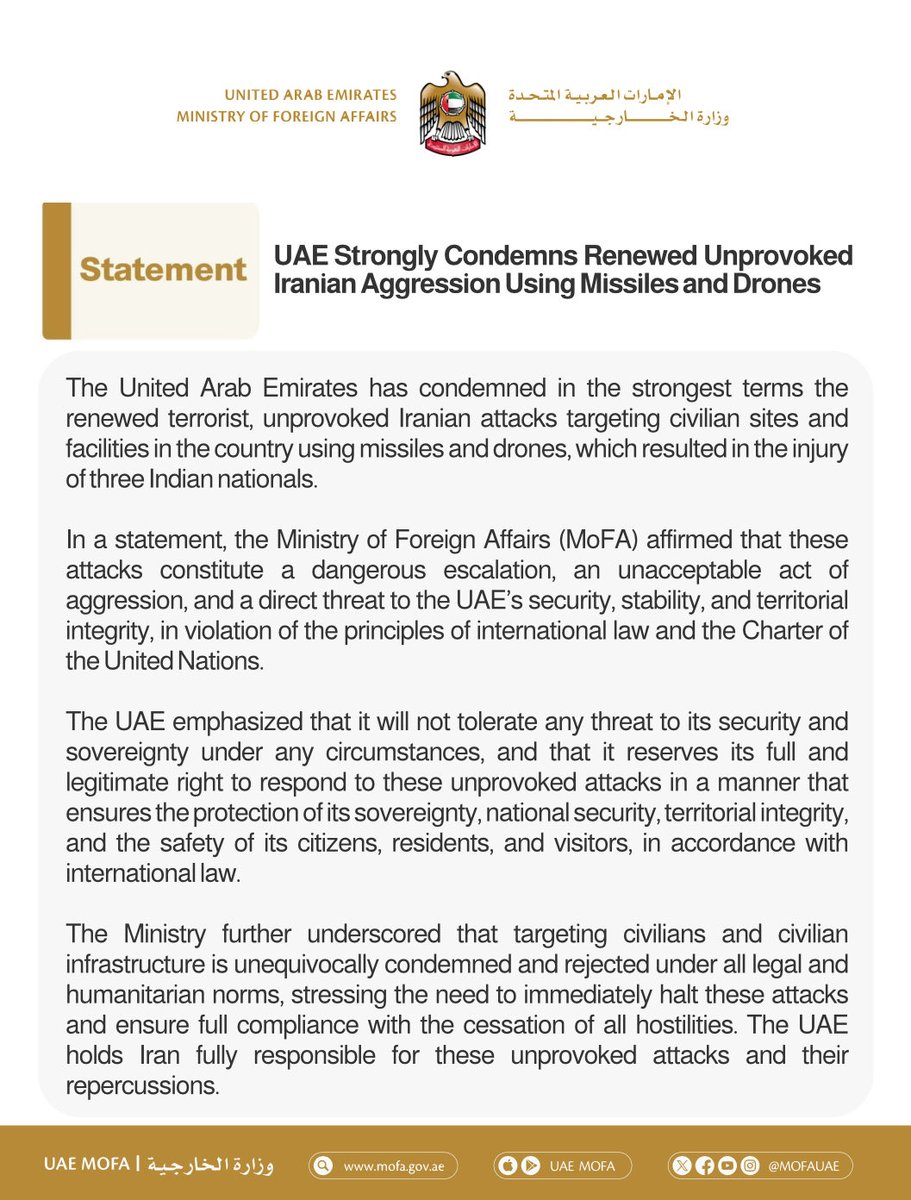
UAE Strongly Condemns Renewed Unprovoked Iranian Aggression Using Missiles and Drones
English
Etienne Berchtold retweetledi

UAE defense ministry says it intercepted three missiles from Iran, and a fourth fell into the sea
First time in almost a month
وزارة الدفاع |MOD UAE@modgovae
تم رصد عدد أربعة صواريخ جوالة قادمة من إيران باتجاه الدولة حيث تم التعامل بنجاح مع ثلاث صورايخ فوق المياة الإقليمية للدولة وسقط آخر في البحر. وأكدت وزارة الدفاع أن الأصوات المسموعة في مناطق متفرقة من الدولة هي نتيجة الاعتراض النجاح للتهديدات الجوية. وتنوه الوزارة الجمهور الكريم بضرورة استقاء المعلومات من مصادرها الرسمية وتقصي الحقائق، إلى جانب الالتزام بكافة إجراءات السلامة العامة أثناء ورود الرسائل التحذيرية. #وزارة_الدفاع #وزارة_الدفاع_الإماراتية #MOD #UAEMinistryOfDefence
English
Etienne Berchtold retweetledi
Etienne Berchtold retweetledi

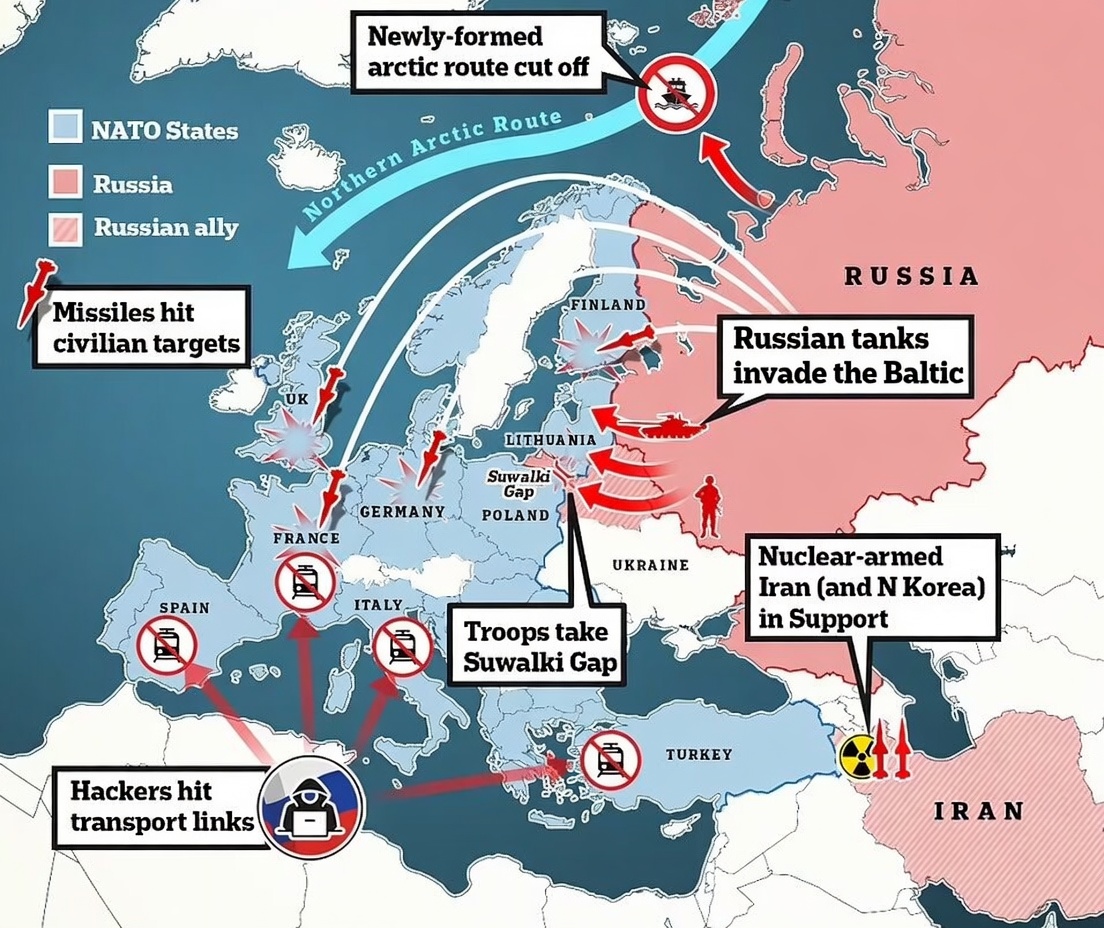
1/ There will never be a better time than now to attack Europe, says a prominent Russian warblogger. Alexey Zhivov says that victory in Ukraine is slipping away, so Russia needs to act like Iran and attack all the facilities in the EU that are being used to help Ukraine. ⬇️
English
Etienne Berchtold retweetledi

Christian leaders in Dubai unite in a powerful ecumenical prayer for peace, highlighting faith, coexistence, and the UAE’s commitment to interfaith harmony.
mrf.lu/F6LB

English
Etienne Berchtold retweetledi
I recommend this clear and sobering analysis of the standoff in the Strait of Hormuz by Richard Fontaine @RHFontaine
Richard Fontaine@RHFontaine
There’s stalemate in the Strait, with the global economy held hostage. The US is considering new options to break the jam: 1. Oil today hit a four-year high. Across the world, inflation is up and growth down. The U.S. is blockading Iranian ports and Iran is blockading the globe. And there is no end in sight. 2. Some are claiming that Iran must cave soon. Its economy, weak before the war, is in shambles. President Trump says Iran is running out of oil storage, and that the backup will “explode” its infrastructure in about three days. He said that four days ago. 3. Betting on Iran’s spontaneous combustion seems like a suboptimal approach to ending the war, to say nothing of reducing energy prices. Tehran has instead proposed a narrow deal to end the blockades. 4. Trump has rejected the approach, rightly worrying that ending the U.S blockade will remove key leverage over Iran, and that future talks on other issues will never bear fruit. So the current approach is to close its ports until Iran submits. 5. But the Iranians retain leverage too, and that’s the problem. Its conventional navy was destroyed but it can still block the Strait of Hormuz. The DIA director recently said that Iran retains thousands of missiles and drones. It is absorbing economic pain but inflicting it as well. 6. A battle of blockades is a bet on the clock: we can hold out longer than they can. Expecting Iran to submit is, however, more questionable than before. From all indications, Iran is now a thinly-veiled military dictatorship. With the IRGC in charge, Iranian agreement on the nuclear file, missiles, support for proxies, and more is virtually unthinkable. 7. Hence the focus on new options, including bombing Iran back to the negotiating table. That, however, poses the same problems as before – attacks on civilian infrastructure harm Iranians but may not move their oppressors. Tehran might retaliate against energy facilities in the Gulf. And there’s no guarantee it’ll work. 8. Some allies are getting testy. The Germany chancellor said that America is being “humiliated” by the Iranian leadership, which is not terribly friendly. Trump reacted by threatening (once again) to pull U.S. troops from Germany. He’d do better to elicit a firm German commitment to join a postwar coalition that will secure the Strait. 9. Ensuring that Iran does not obtain a nuclear weapon is a necessary goal. Stopping its support for proxies, capping its missiles, and ending its domestic repression are very desirable ones. But reopening the Strait should be the immediate aim. That probably requires an interim agreement to lift the twin blockades, leaving other issues to be resolved and, critically, keeping in place all the other forms of pressure. Otherwise, the U.S. has simply bet on the clock, and the clock is ticking.
English
Etienne Berchtold retweetledi

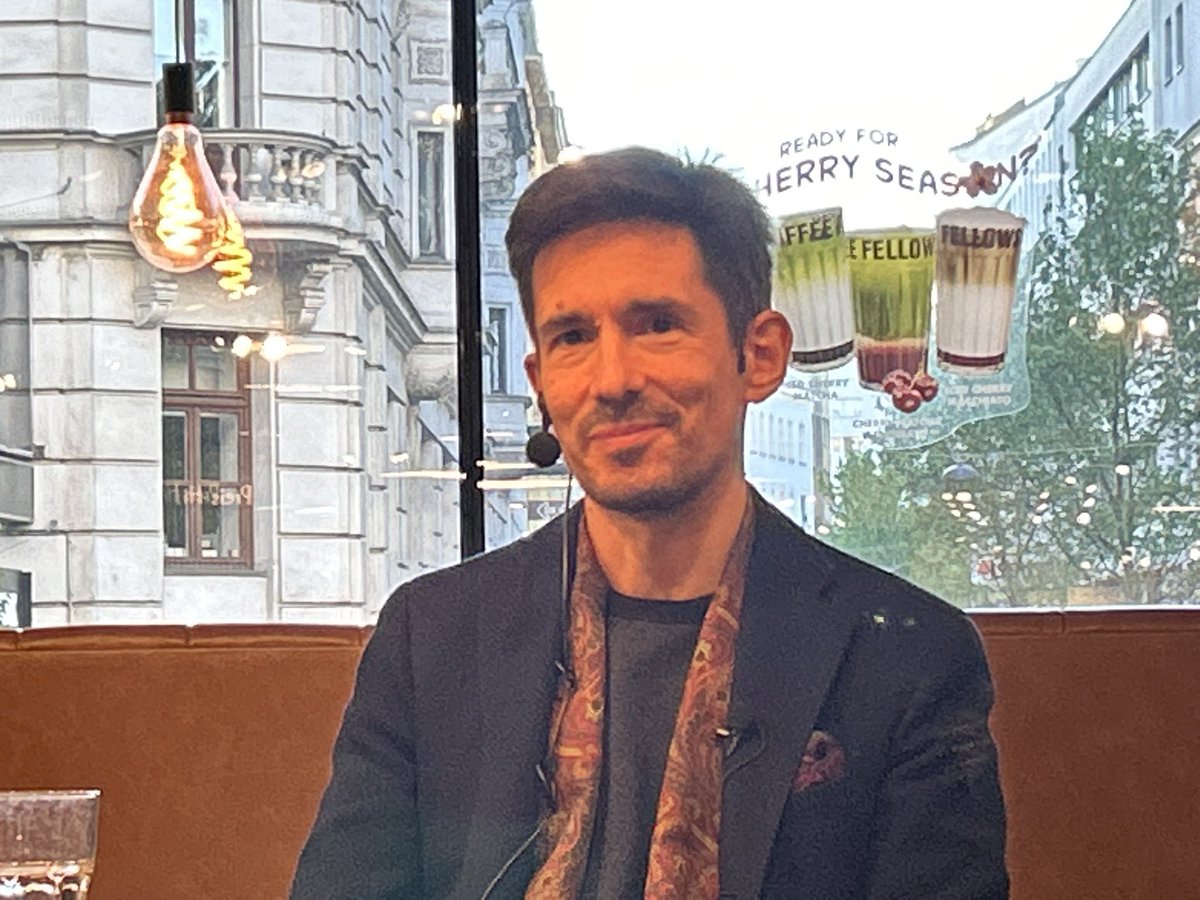
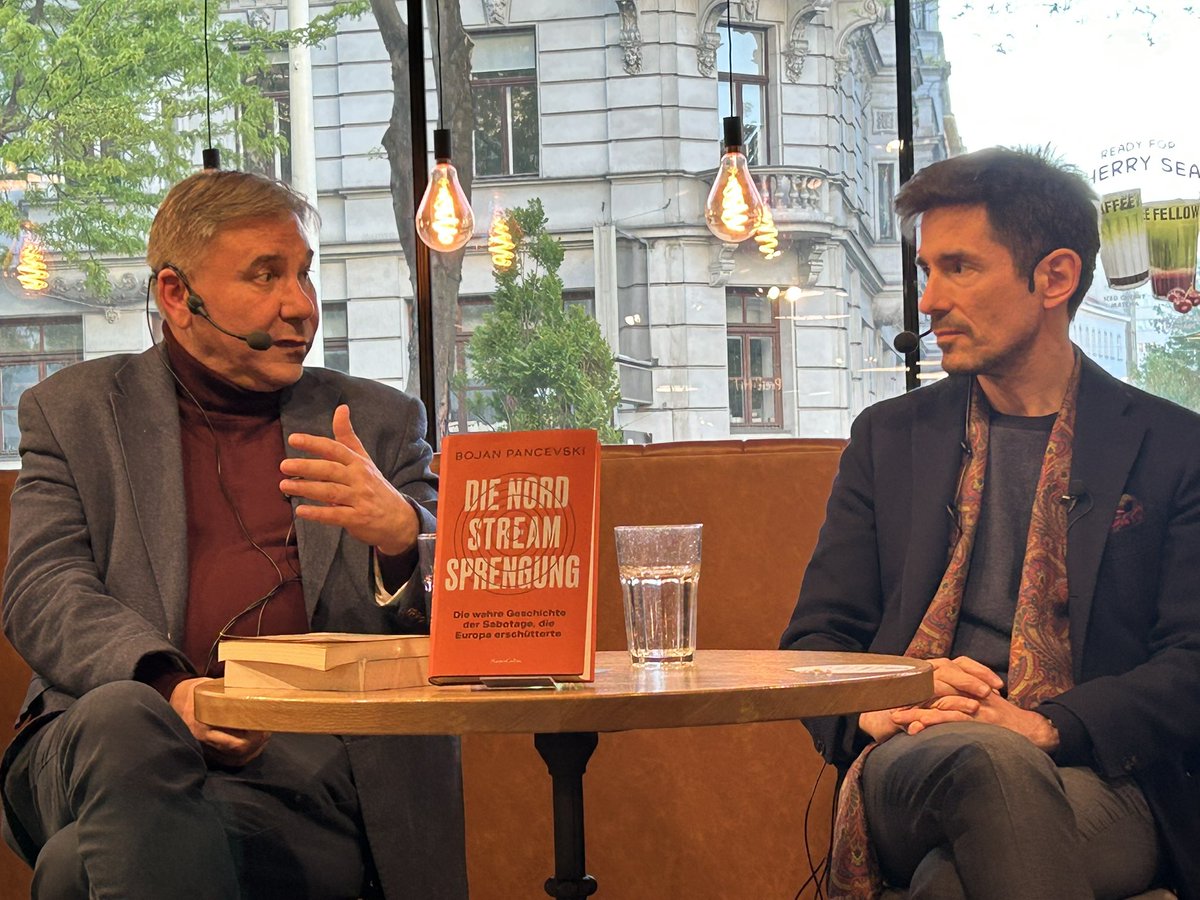
“Real life which is so much more interesting than any movie.”
@bopanc’s inspiring presentation of the German issue of his book on #Nordstream #gas #pipeline sabotage in Vienna’s Thalia along with Ivan Krastev.


English
Etienne Berchtold retweetledi
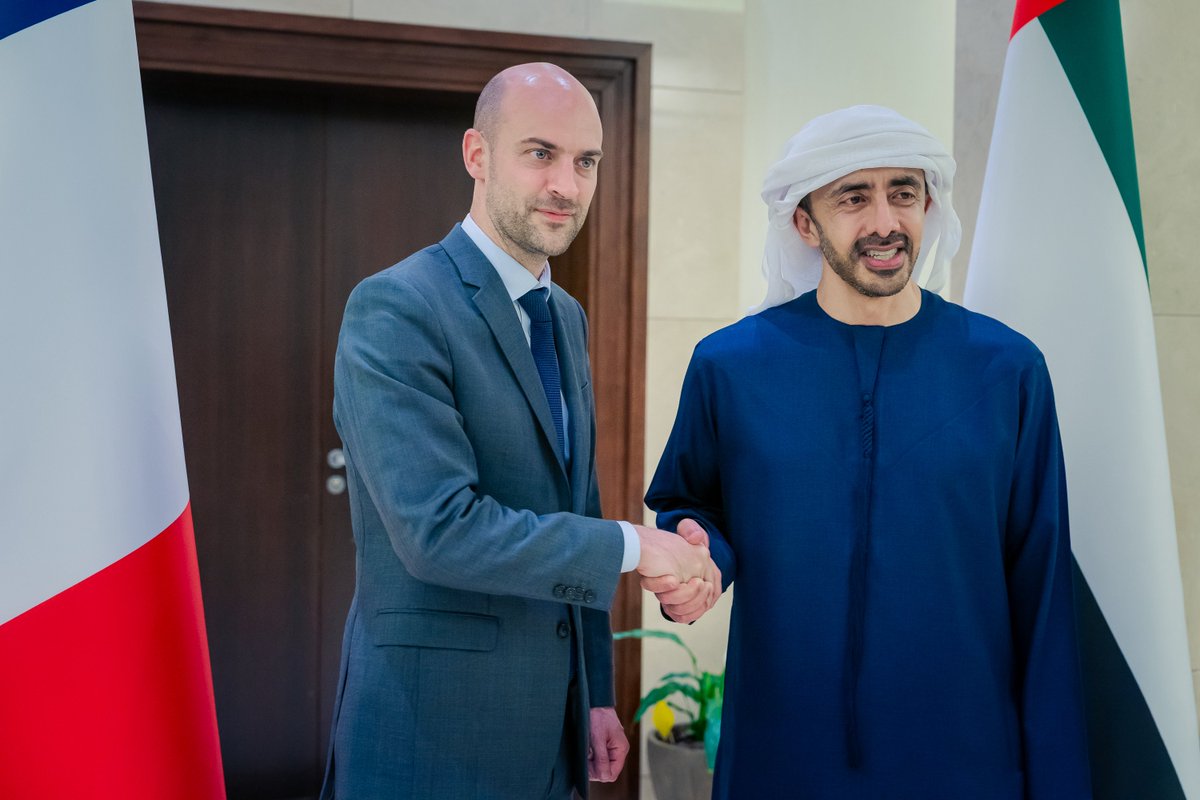
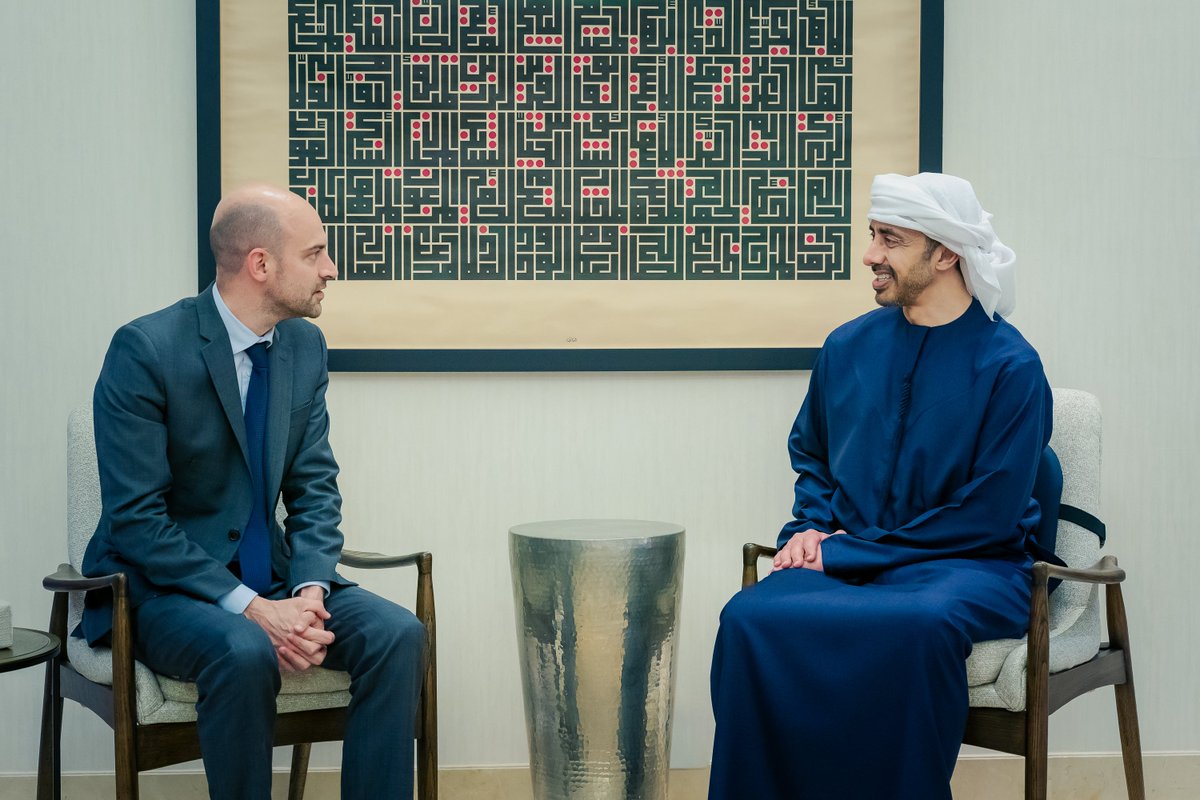
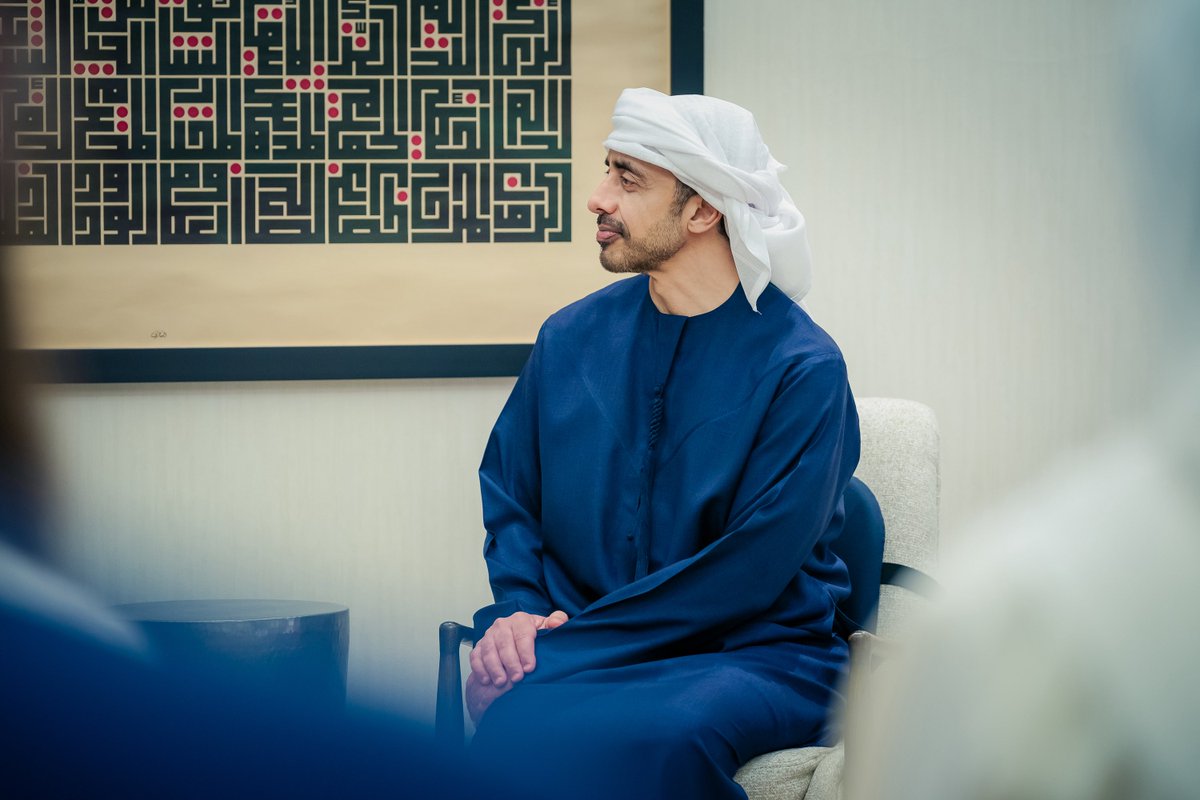
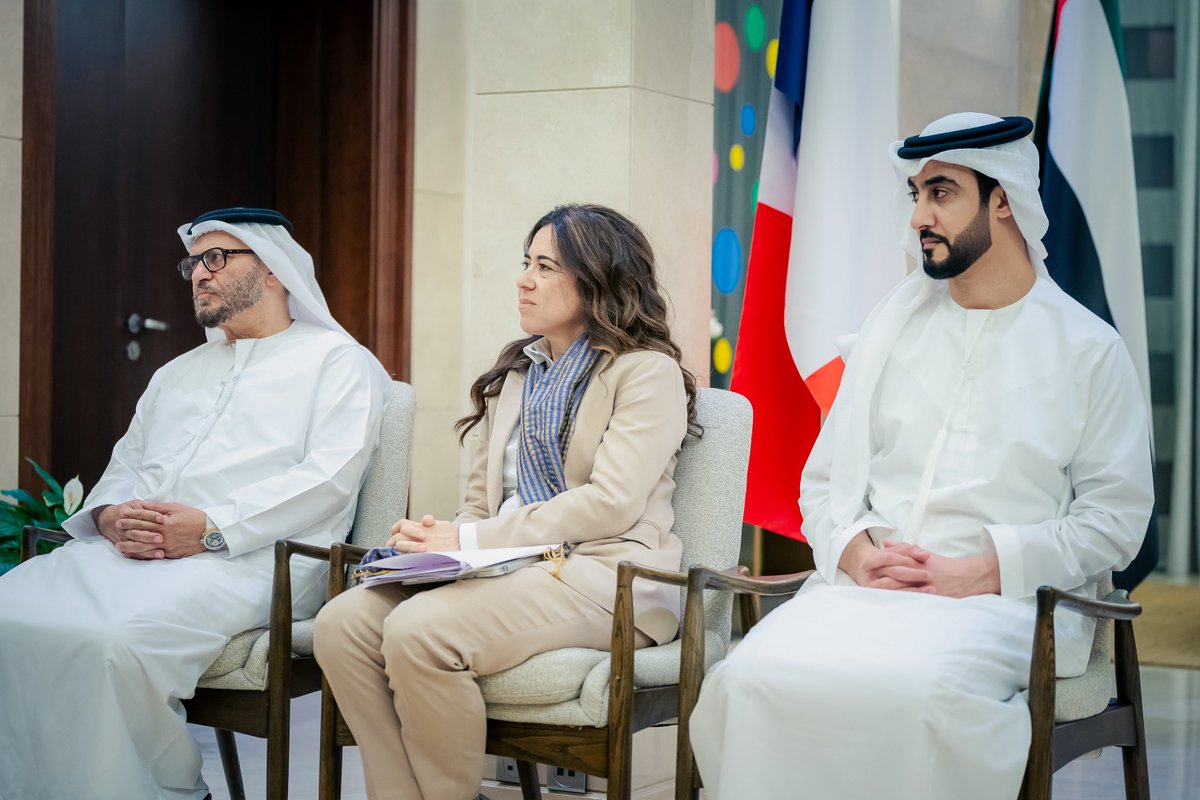
Abdullah bin Zayed received @jnbarrot, where they discussed the repercussions of the unprovoked and terrorist Iranian attacks that targeted the UAE and other countries in the region. Both sides explored the latest regional developments and discussed the strategic exceptional 🇦🇪-🇫🇷 relations, as well as ways to further enhance cooperation across various sectors, including economy, culture, and technology.
English
Etienne Berchtold retweetledi

Since the ceasefire last October, the Board of Peace has SIGNIFICANTLY scaled up support for the people of Gaza. Food aid is reaching 3 times more people than before. Hamas’ theft of aid has dwindled from 90% to less than 1%. According to the United Nations, nutrition has improved dramatically.
We are currently hard at work on the next critical step in Gaza’s recovery: finalizing the process by which Hamas decommissions its weapons and allows for the transition to a new government that will lead the redevelopment of this war-torn region. This will allow us to accelerate aid and rebirth.
The “flotilla” heading to Gaza is the performative love-boat activism of people who know nothing of and care even less for the condition of Gazans. It is distasteful to trade on the misery of people to build your social media profiles.
For those actually wanting to help Gaza, here is a suggestion: use whatever influence you have to maintain the pressure on Hamas so they fulfill their obligations to pave the way forward for the communities they destroyed. If you would like to contribute to the recovery, we welcome support through established humanitarian channels coordinated by the Board of Peace, the United Nations, and the World Bank, so that your contributions reach those who deserve and need our aid.
English
Etienne Berchtold retweetledi
“The GCC politically is dead,” @FirasMaksad tells me, suggesting the UAE’s exit from OPEC isn’t just economic, it signals deeper Gulf fractures.
English
Etienne Berchtold retweetledi

#BreakingNews UAE visitors can now open digital bank accounts in minutes with new 'Tourist Identity' initiative
khaleejtimes.com/uae/uae-visito…

English
Etienne Berchtold retweetledi

.@AlistairCarns visited the UAE, meeting H.E. Mohamed Al Mazrouei & thanking the UAE for keeping people safe,including British nationals
He also visited @_edgegroup & @TIP_UAE & met personnel supporting Typhoon ops—highlighting strong defence ties
@DefenceHQ @modgovae @DSAMEUKMoD
English
Etienne Berchtold retweetledi

In Berlin schließt das Restaurant „Gila & Nancy“ des israelischen Starkochs Eyal Shani, weil anti-israelische Demonstranten das Personal mehrfach angegriffen haben. Berlin ist jetzt schon: dreckig, schmuddelig, unattraktiv, vermüllt, schrottig, aggressiv gegenüber jedem und allem, das nicht ins Weltbild dieser Typen passt. Wenn sie weiter Oberhand bekommen in dieser Stadt und alles so wird wie Neukölln, kann man sie auch gleich komplett dichtmachen. Ich würde in so einer Stadt nicht leben wollen. Für alle Vernünftigen in Berlin: Schade für euch, dass solch wunderbare Orte verschwinden.
Deutsch
Etienne Berchtold retweetledi
Quite the day of news:
- UAE leaves OPEC
- GCC summit 2 months after start of Iran war
- Iraq names new PM-designate
Unpacking all the above with ever-insightful @BeckyCNN @CNNConnect
English
Etienne Berchtold retweetledi

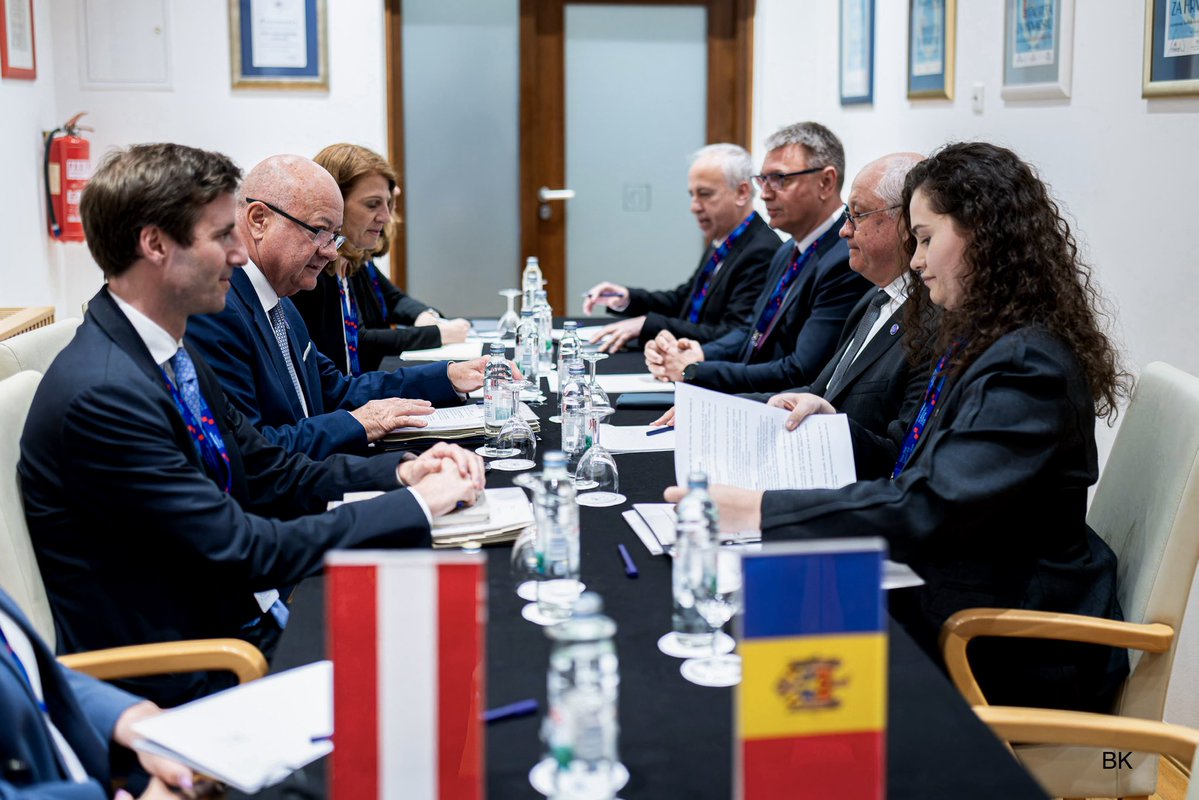
Today I met with Alexandru Munteanu, Prime Minister of the Republic of Moldova.
Moldova has been greatly affected by the consequences of Russia’s brutal war of aggression against Ukraine, particularly in the field of energy security. Austria and the EU will continue to support Moldova and work closely with our Moldovan partners in order to fully support the country’s clear pro-European path. (BK)
📸 BKA/ Schrötter
English
Etienne Berchtold retweetledi

The UAE has taken a sovereign decision in line with its long-term energy strategy, its true production capability and its national interest, as well as global energy market stability.
At ADNOC, our focus is unchanged: meeting the growing energy needs of our customers and partners around the world with reliability, responsibility, and the ambition to deliver more…across oil, gas, chemicals, and low carbon and renewable energy.
Our commitment to our partners remains unwavering. For us, trust, partnership and credibility are not talking points…they are a track record.
سهيل المزروعي@HESuhail
The UAE’s decision to exit from OPEC reflects a policy-driven evolution aligned with long-term market fundamentals. We thank OPEC and its member countries for decades of constructive cooperation. We remain committed to energy security, providing reliable, responsible, and lower-carbon supply while supporting stable global markets. wam.ae/en/article/bzx…
English