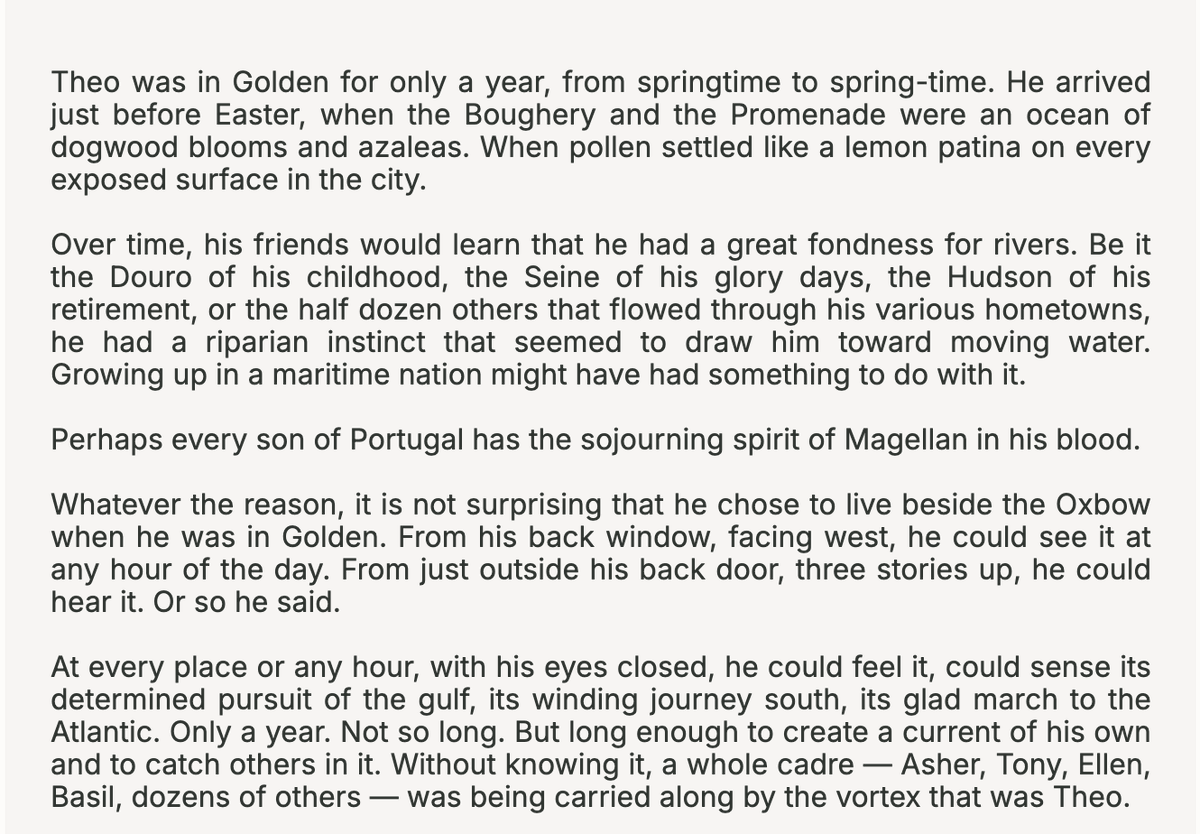
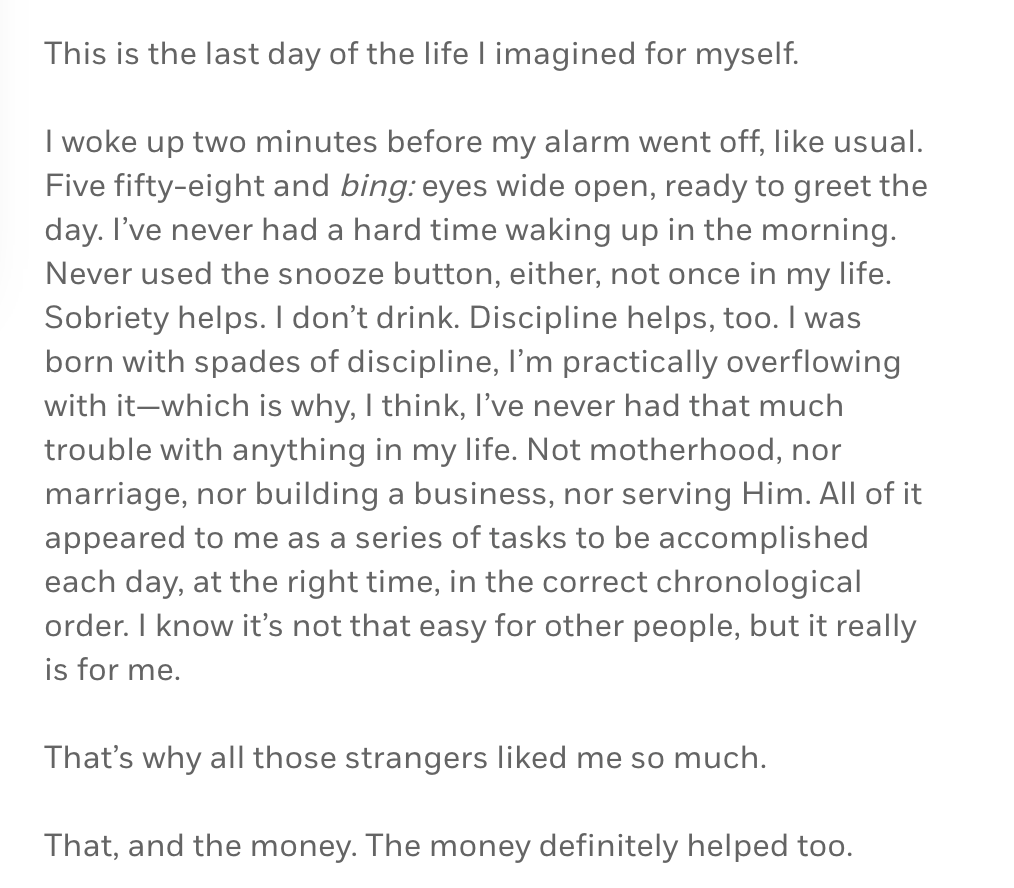
If you're wondering why fewer people read literary fiction today, compare these two novel openings.
One was originally self-published.
The other reflects the dominant style in contemporary publishing.
The difference is night and day.
Widely acclaimed as one of the greatest duets of all time, this 1987 archival footage from Ibiza captures the iconic song "Barcelona." It stands as a vivid testament to the perfect fusion of Montserrat Caballé’s sublime operatic vocals and Freddie Mercury’s captivating stage presence—a masterpiece that left an indelible mark on music history and went on to become the official and defining anthem of the 1992 Summer Olympics in Barcelona.
@Dr_Shiv_kumar_@DocPriyamMD@msimanga_wela Would we see similar results for ruptured brain aneurysms? I mean, do they happen most regularly at a particular time?
My anecdotal evidence seems to agree with early mornings too.
Correct answer: B) Monday morning (6–10 AM).
The highest number of fatal heart attacks occur during the first few hours after waking, with a noticeable peak on Monday mornings. While a person is asleep, his
heart works in a low-demand state. When he wake up, the body releases stress hormones like adrenaline and cortisol, causing a sudden rise in heart rate, blood pressure, and blood clotting activity.
For most people this is harmless. But if someone already has cholesterol plaques in their coronary arteries, this morning surge can cause a plaque to rupture, triggering a clot that blocks blood flow to the heart muscle and causes a heart attack.
Statistically, at what time does the highest number of fatal heart attacks occur?
A) Friday night (after heavy drinking/eating)
B) Monday morning (between 6 AM and 10 AM)
C) Wednesday afternoon (peak stress)
D) Sunday evening (anticipatory anxiety)
Bonus: WHY does your cardiovascular system suddenly fail at this specific time?
Farmers have figured out that the cheapest pesticide is a strip of flowers.
When you plant wildflowers through a crop field, not just around the edge but in strips running through the middle, you get ladybugs, lacewings, hoverflies, and parasitic wasps living in the field instead of visiting it.
They eat the aphids, the caterpillars, and the mites for free, all summer long.
In controlled trials, fields with tailored flower strips had leaf-beetle numbers 40 to 50% lower and crop damage cut by around 60%, enough to drop below the threshold where spraying was even considered worth it.
The flowers attract a standing army to our fields.
We spent decades engineering chemicals to kill the insects eating the crop, when the insects that eat those insects would have worked for the price of seed.
Here's an example of ongoing human physiological change: some people have a third artery in their arm. Some don't.
~10% of people born in the 1880s had the third artery, but ~33% of late 1900s babies have one, and a 2025 Australian cadaver study found it in ~43% of upper limbs.