Mario Nawfal@MarioNawfal
🇵🇰 OPINION: THE PAKISTANI MILITARY JUST DECLARED WAR ON DISSENT, AND IMRAN KHAN IS GROUND ZERO
Something dangerous just happened in Pakistan, and the world should not look away.
The country’s military DGISPR, through its official spokesperson, held one of the most aggressive, unprecedented press conferences in modern Pakistani history. Without naming him directly, the entire briefing was aimed at one man, jailed former Prime Minister Imran Khan.
The military, now led by General Asim Munir and the powerful establishment behind him, accused Imran, the former leader and the most popular political figure in the country, of inciting anti-state sentiment, working against national security, and even encouraging foreign media and intelligence agencies to undermine the army. They called him mentally unstable, a national security threat, and implied he was a tool of foreign powers. His supporters were labeled conspirators, traitors, and agents of chaos.
Let that sink in.
A man who won the votes of tens of millions is allegedly being publicly criminalized for criticizing Asim Munir, the current army chief, and Qamar Bajwa, the former army chief. Not for treason, not for terrorism, but for challenging the narrative.
This isn't just a clash of personalities, this is the full force of a military institution silencing a democratic movement.
And it’s getting worse.
The military has now banned Imran Khan’s own sister, a prominent doctor, from visiting him in jail simply because she reportedly carried a message from her brother criticizing the army chief.
A family member is being denied access for passing on words. Not weapons. Not plans. Words.
They’ve also openly threatened to cut off all visits, even from lawyers, if any political message is conveyed.
This is not justice, this is not due process, this is authoritarian muscle cloaked in national security rhetoric.
And the truth is, none of this is new.
Since 1947, Pakistan’s military has repeatedly inserted itself into civilian politics, removing elected leaders, shaping foreign policy, and deciding the limits of political debate. Every time a civilian leader rises with genuine public backing, the generals move to break them.
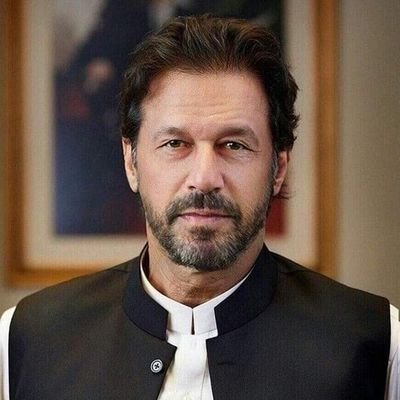
For people unfamiliar with Pakistan’s deep state politics, Imran Khan is not some fringe figure. He’s a former cricket legend turned anti-corruption reformer who challenged the old political order, and allegedly, for that, the military has targeted him relentlessly. Arrests, assassination attempts, media blackouts, now total erasure.
The message is clear, either you support the military or you are the enemy.
This moment matters far beyond Pakistan.
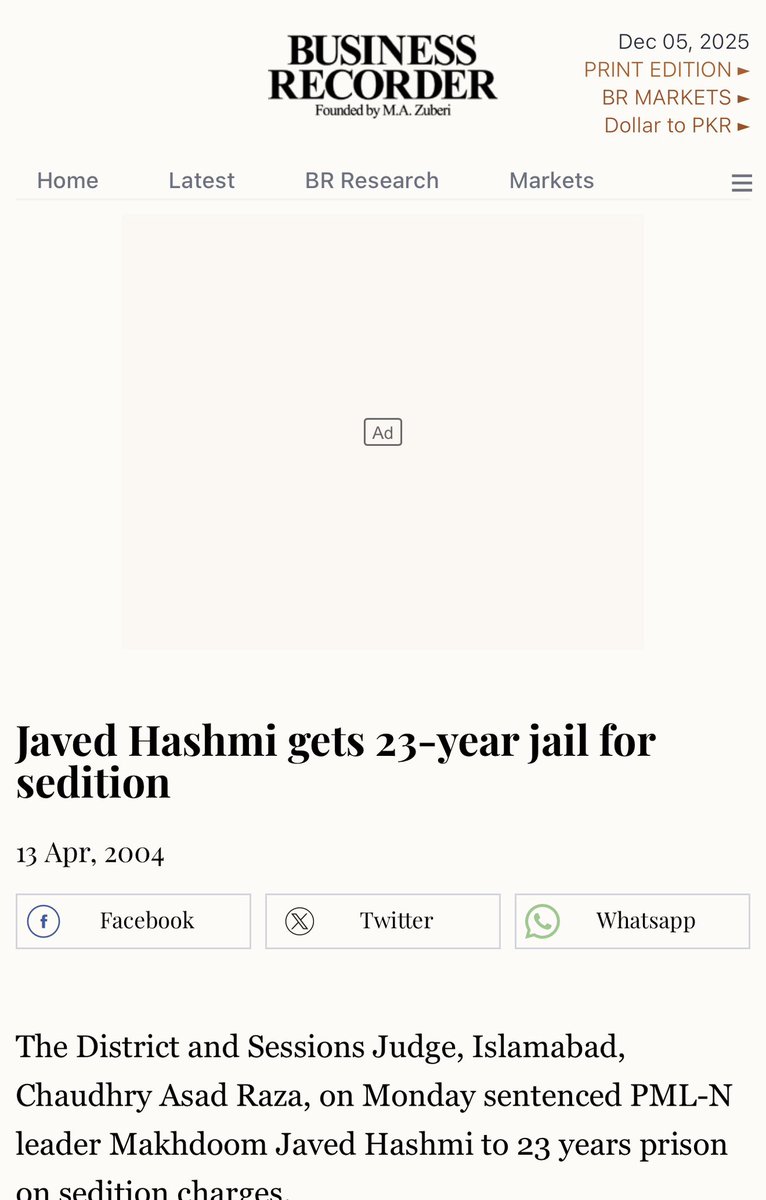
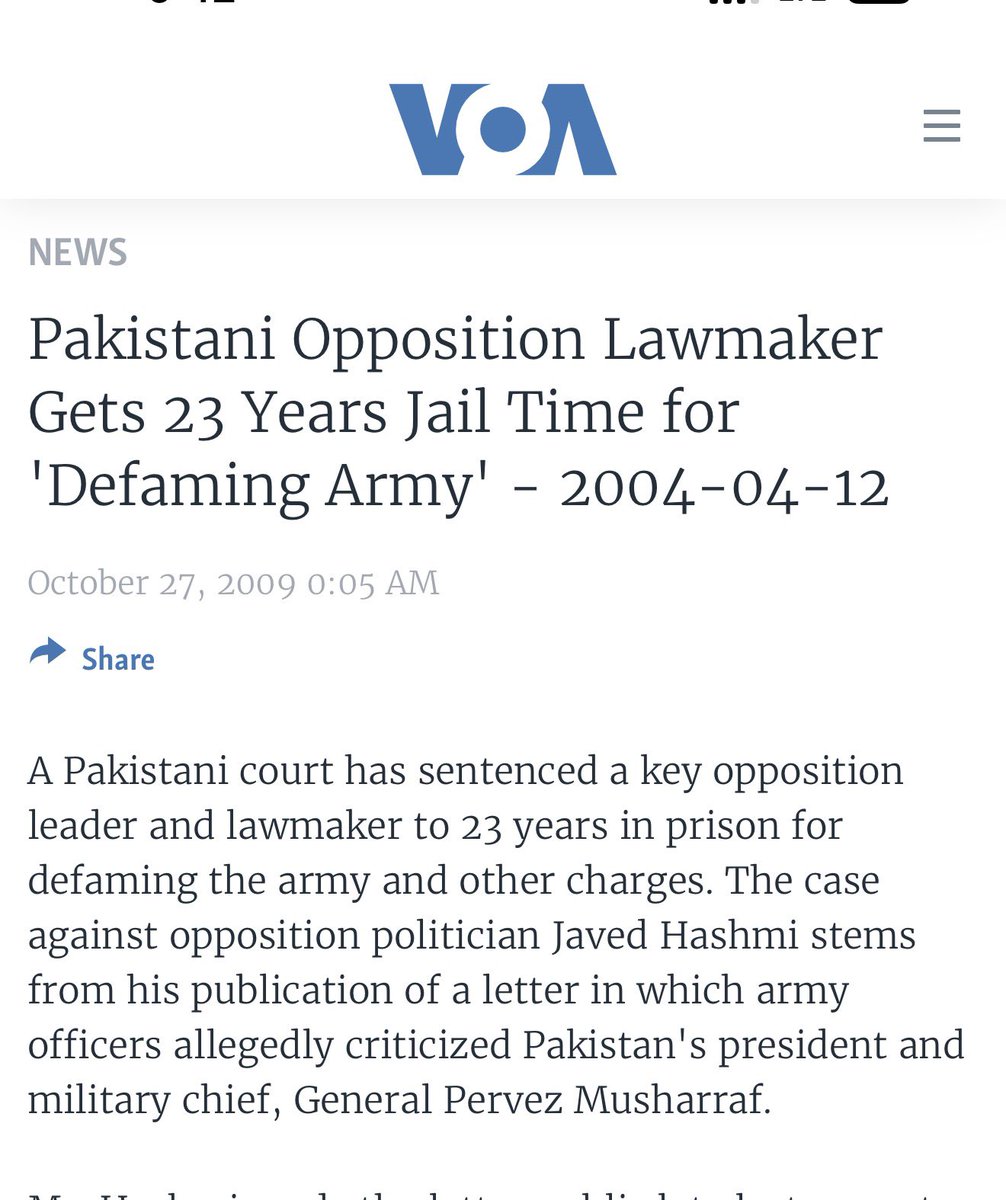
When a nuclear-armed country silences its most popular civilian leader, brands political speech as sedition, and begins dismantling the boundary between security and governance, the entire region becomes more unstable.
It also reveals the cracks in the global democratic order.
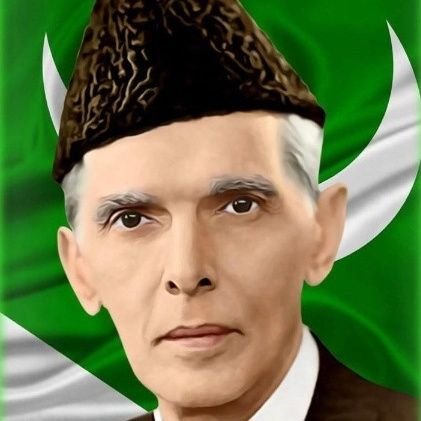
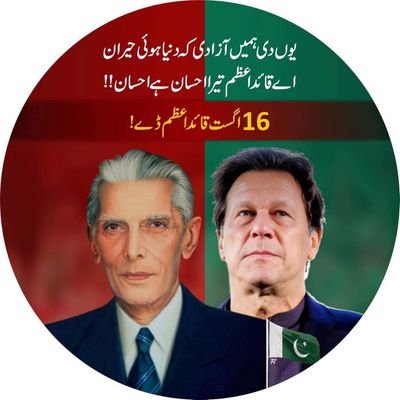
As Muhammad Ali Jinnah, the founder of Pakistan, once warned, the armed forces are the servants of the people. Not the masters.
Imran Khan’s battle is no longer just a domestic one, it’s a test of whether a political movement powered by the people can survive the wrath of an entrenched military elite.
Today it’s banning lawyers, tomorrow, it may be banning elections.
It’s heartbreaking to watch yet another democracy crumble from within.