
George Kirkham

1.9K posts

George Kirkham banner
George Kirkham

George Kirkham

@geehaf

A data warehouse, analytics & visualisation professional. Outside the office, I enjoy retro 6502 assembly language programming. @[email protected]

Sydney Katılım Eylül 2012
398 Takip Edilen172 Takipçiler
George Kirkham retweetledi
Chris Stanley
Chris Stanley@ScubaChris72·
Operation Vostoka, #C64, is 98% of the way there! It's been a long slog but I'd like to extend a secret dossier full of gratitude to Vinny - @FREEZE64UK - for all his testing, suggestions and general support throughout development. Cheers buddy! 🍻
Vinny Mainolfi | FREEZE64.com | Commodore 64@FREEZE64UK

# SPOILER ALERT # Over the past year we have been sharing the development diaries of OPERATION VOSTOKA, which is a game currently in the making by @ScubaChris72 & Roy Widding. Here’s the first ever showing of the game, which is almost complete FREEZE64.com #Commodore64

English

1
2
21
643
George Kirkham
George Kirkham@geehaf·
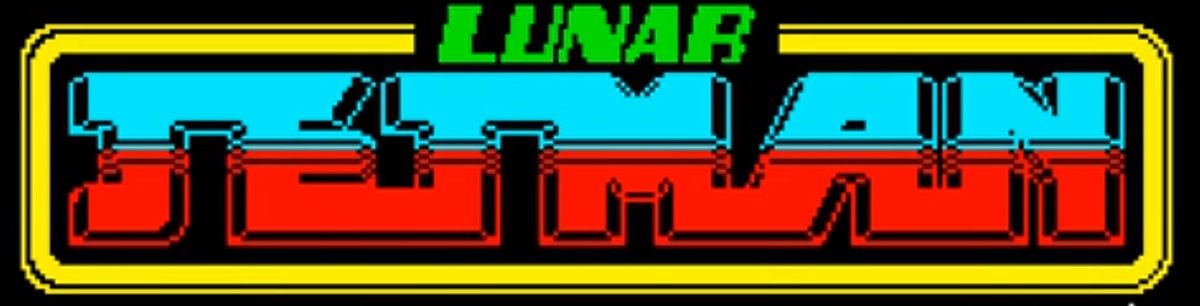
This game never had a C64 fully working port...I think we need to fix that....Anybody else?
George Kirkham tweet media
English
0
0
2
65
h0ffman
h0ffman@therealh0ffman·
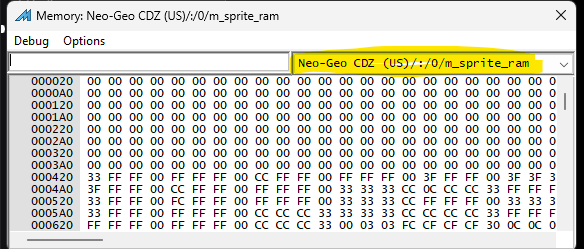
Hey mamedev types.. can you help me out here as I'm hitting my head against a brick wall with the syntax. How the hell do you save this memory area? It's not mapped to the maincpu / 68000!
h0ffman tweet media
English
6
0
11
1.5K
George Kirkham retweetledi
Dave W Plummer
Dave W Plummer@davepl1968·
The very complicated front wheel well of a Boeing 737: You’re standing where the nose wheel lives, surrounded by pressurized hydraulic reservoirs (“green beer kegs”) feeding flight controls, brakes, steering, and thrust reversers. The dense spaghetti of lines isn’t chaos, it’s deliberate redundancy, routed so leaks and failures don’t take everything out at once. The orange-and-black bar is a torque tube (torsion bar, like a Chrysler). Anything striped like that is load-bearing and safety-critical. When the gear comes off the ground, that bar applies a torsional spring force that drives the nose wheels back to straight-ahead. This keeps the wheels aligned so they fit cleanly into the wheel well. This is an old-school, honest airplane: cables, rods, cams, and valves you can literally trace from cockpit input to control surface motion. It was designed to be fixed on a ramp at 2 AM in the rain, assumes things will leak, and favors simple, understood parts over sealed black boxes. Much of this architecture dates back to the 1960s—slide-rule engineering that still passes modern certification—and this bay is why 737s keep flying and why their mechanics are so good.
Dave W Plummer tweet media
English
39
43
558
33.9K
George Kirkham retweetledi
Steve Rosenberg
Steve Rosenberg@BBCSteveR·
Those of us who grew up in 1970s Britain didn’t have mobile phones or computer games. But we did have fantastic children’s TV programmes. Like Rentaghost. Here’s my tribute to a wonderful BBC show that was born 50 years ago. #Rentaghost
English
125
217
2K
114.6K
George Kirkham retweetledi
✸🕊 ▓▒░ Logiker ░▒▓ 🕹✸
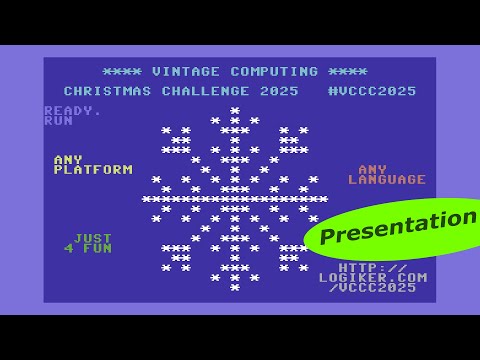
All 190 entries from the Size Coding Challenge and 18 entries from the Wild category are online on Demozoo. Enjoy the incredible code and the creative snowflake-themed demos! #vccc2025" target="_blank" rel="nofollow noopener">demozoo.org/parties/5456/#… #BASIC #assembler
✸🕊 ▓▒░ Logiker ░▒▓ 🕹✸ tweet media
English
1
3
3
126
George Kirkham retweetledi
Commodore Computer Museum 🕹
Commodore Computer Museum 🕹@MuseumCommodore·
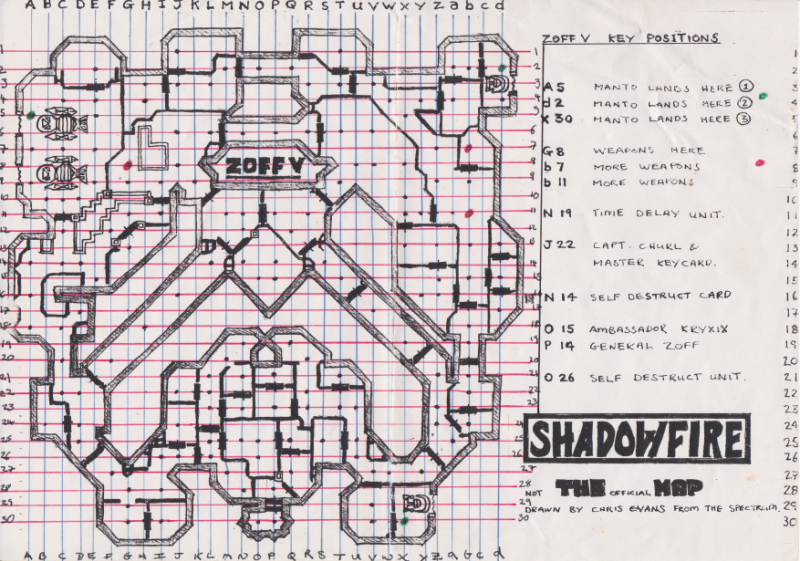
The Lost Art of Mapping Commodore 64 Games In the 1980s, the Commodore 64 brought sprawling RPG worlds into our living rooms, captivating our imaginations with its vibrant graphics and immersive gameplay. But for many, the true magic of games like "Ultima", "The Bard’s Tale", "Pool of Radiance" or "Wasteland" (the list goes on), wasn’t just in the sprites or SID soundtracks—it was the hands-on art/craft of mapping. This now-forgotten practice turned players into cartographers, sketching intricate game worlds on graph paper to navigate their way through dungeons, towns, and uncharted wastelands. Mapping wasn’t just a tool; it was an art form, blending creativity, problem-solving, and a touch of obsession. At the end of the day, without mapping you ended up running around in circles! The Necessity of Mapping Back in the Commodore 64 era (you know, the best era), game design was constrained by hardware limitations. With only 64 kilobytes of RAM, developers couldn’t afford to include luxuries like in-game maps or detailed navigation aids—features commonplace in large modern games. Role-playing games (RPGs), in particular, thrived on complexity, offering sprawling worlds filled with hidden treasures, secret passages, monsters, and deadly traps. But without a map, these labyrinths could be crazyily disorienting... I think of Pool of Radiance where a single wrong turn in a dungeon or city might lead to a dead end, or worse, a room full of trolls! Those trolls were haaarrrdd! The player’s solution: Mapping! What was involved? We would either purchase graph paper (or we drew up our own), pencils, and patience, we meticulously charted our progress through these unforgiving worlds. Each square on the grid represented a tile or step in the game, and players would mark walls, doors, ladders, or key items as they explored. In "Ultima IV", for instance, a dungeon might span multiple floors, each a grid of 16x16 tiles. Mapping meant noting every detail— walls, doors, which tiles held treasure, and where a hidden door (represented by a S). One misstep in recording could render the map useless, forcing players to retrace their steps in both the game and their sketches. This is why we used pencils and rubbers (erasers) and frequently saved our progress. The Craft of Cartography Mapping was more than a practical necessity; it was a deeply engaging (I think this is why these games are so memorable), a process that required focus and creativity. We became architects of our own game worlds; we became masters of our own destiny. A typical map might include notes for specific events (“Orc ambush here!”) or symbols for unique features (a star for a healing fountain or hidden armour). Games like Pool of Radiance pushed us mappers to our limits with devious design choices. The 'Pyramid' included spinning tiles that were disorienting or teleportation traps, or magical mazes. Mapping these required not just spatial awareness but also clever problem-solving to work out the layout through trial and error... alot of errors LOL! The satisfaction of completing a flawless map rivaled the thrill of beating a tough boss or finishing a quest. For many, these maps became cherished memories. I just wish I had kept my maps, but they were sold with my original C64. Do you still have tattered sheets of graph paper, covered in rubber (USA = eraser) smudges and cryptic notes? Why Mapping Mattered Mapping wasn’t just about navigation—it deepened the player’s connection to the game. By painstakingly charting a world, we made the game—the world—personal; it helped us to be enveloped in the world. And I think that’s why Pool of Radiance & Bard’s Tale mean so much to us. Why were we mappers? I think most Commodore 64 owners were tinkerers, explorers, part-time BASIC programmers, DIY’ers, and traders of mix tapes in school yards. Mapping was all part of our Commodore DNA. The Decline of Mapping By the 1990s, mapping began to fade. Newer consoles and PCs offered more processing power, allowing developers to include in-game maps, minimaps, or auto-mapping features, and one day we drew our last map, not knowing it would be our last.
Commodore Computer Museum 🕹 tweet media
English
19
33
377
13.2K
George Kirkham retweetledi
PuNk and Stuff
PuNk and Stuff@PunKandStuff·
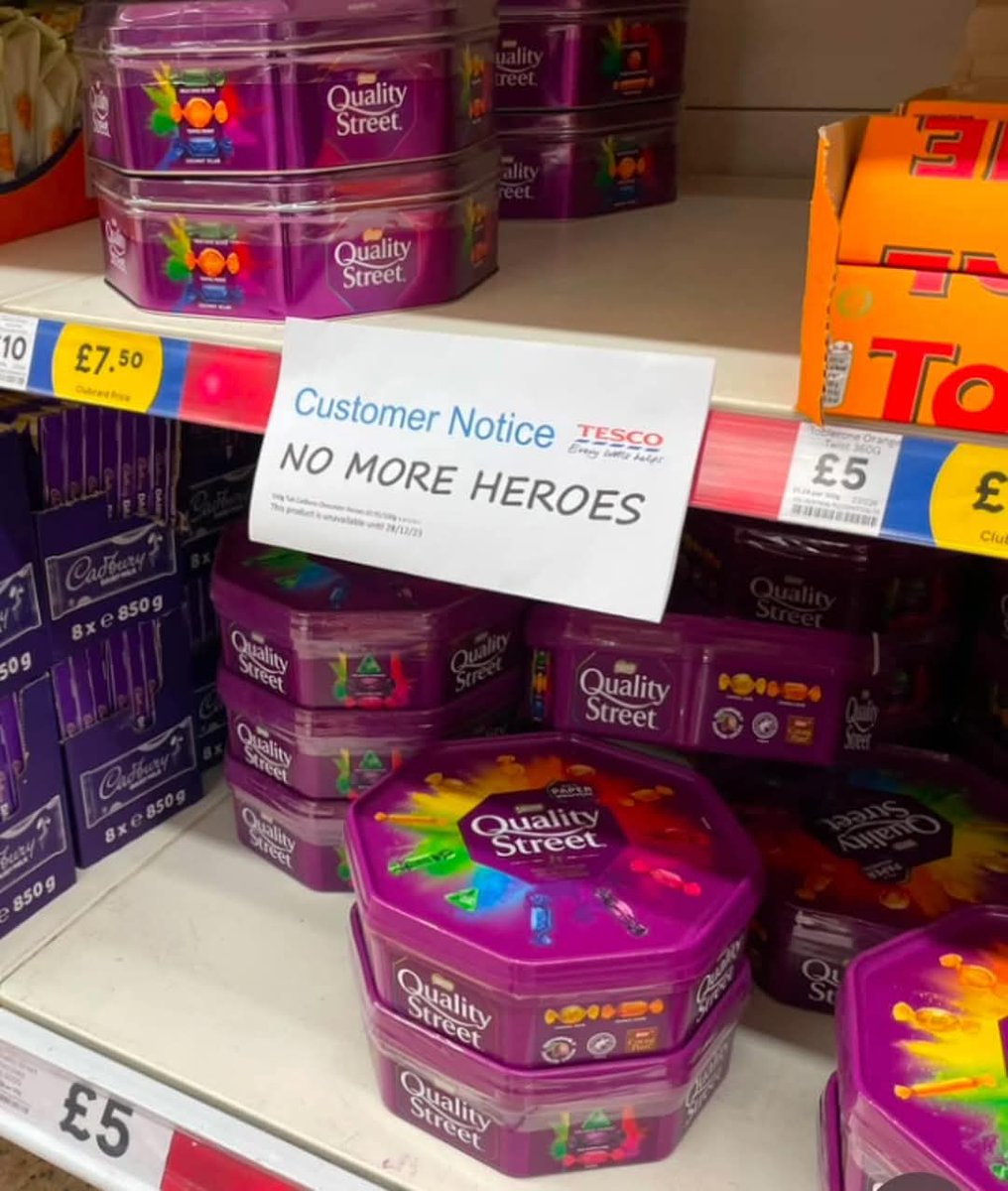
No more heroes any more
PuNk and Stuff tweet media
English
111
497
6.2K
218K