

@DeanTTraining If only making excuses and complaining burned calories, none of these people would be fat!
English
tmyers
1.4K posts

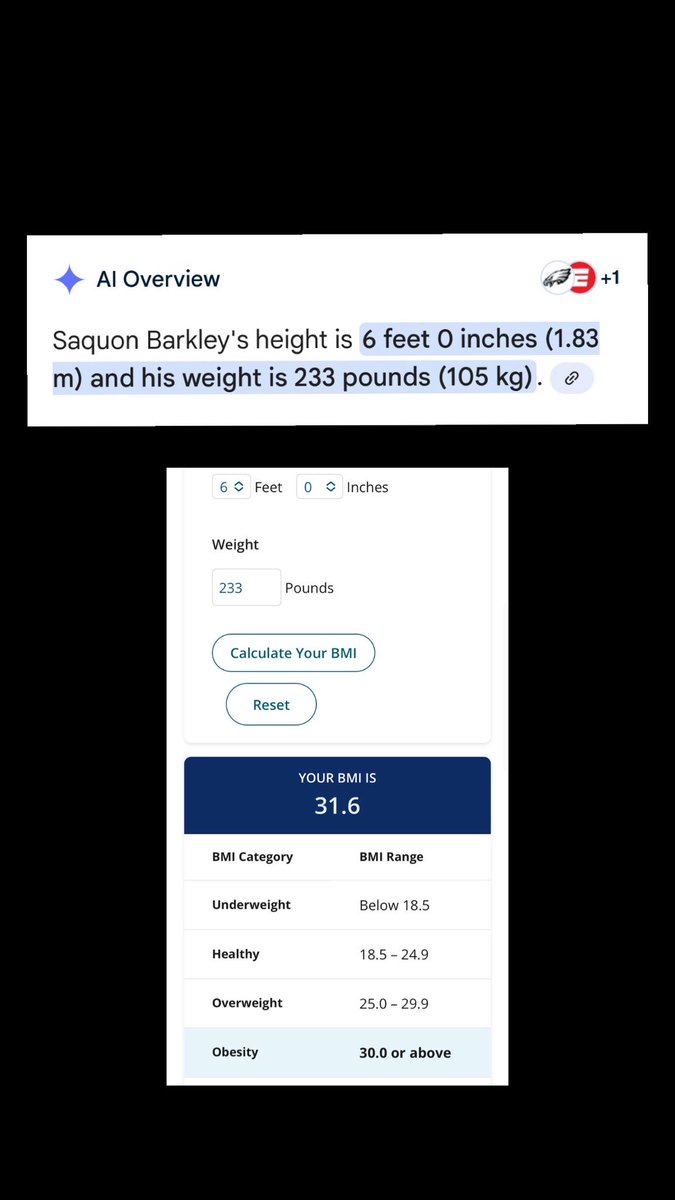
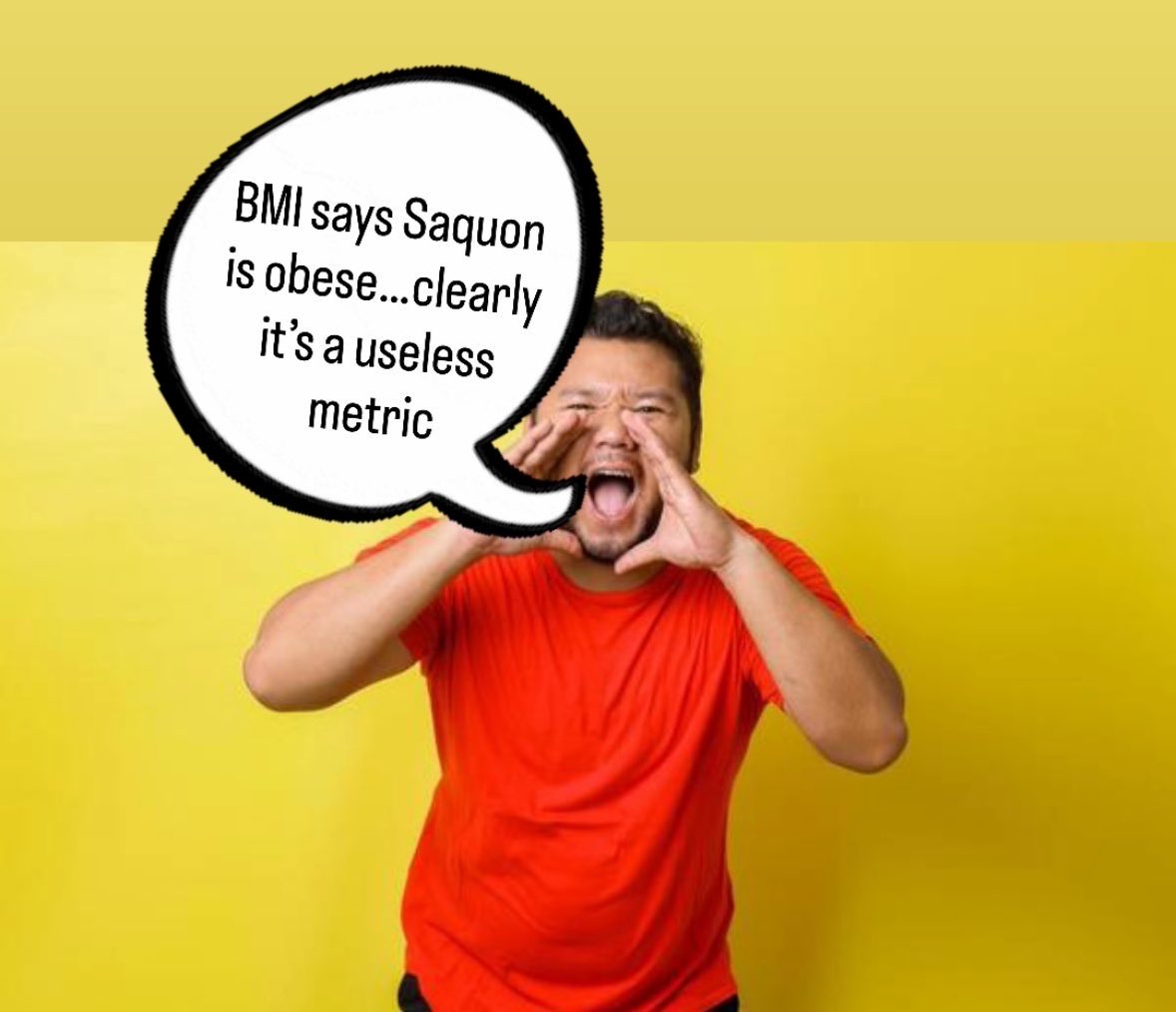

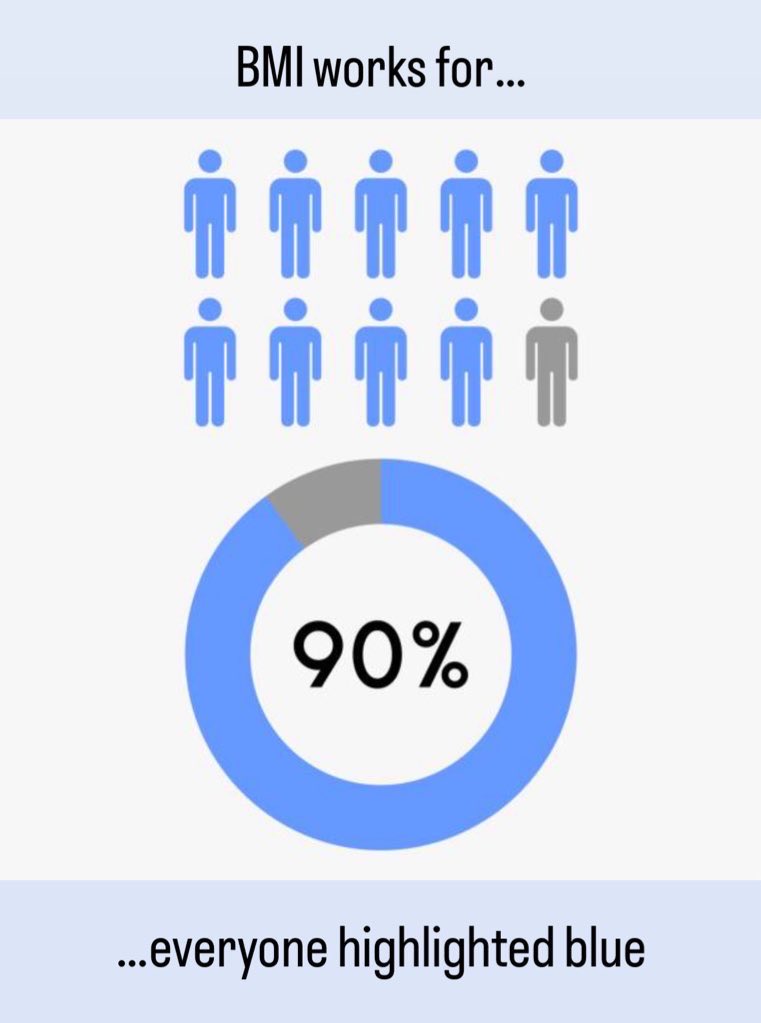
BMI is accurate for people who don’t lift, which is most people.

@VPregel @drterrysimpson @DrSuneelDhand It is, but most people don’t want to give up the addictive foods they love. With proper nutritional education, everyone could eat both less calories and more quantity of food at the same time.

"@MayorofSeattle Katie Wilson has chosen to cast business as a foil rather than a partner," writes @HowardSchultz. "Her socialist rhetoric vilifies employers, even while she continues to rely on them for revenue. She has encouraged residents who disagree with her policies to leave." wsj.com/opinion/seattl… via @WSJopinion Article Text: "Washington state has been my home for more than four decades. I arrived in Seattle with dreams and ambition and ended up building Starbucks into a company known around the world. Many Pacific Northwesterners joined me in shaping the culture, benefits and brand of Starbucks—contributing not only to a business, but also the civic and entrepreneurial life of the area. "I am no longer a resident of Washington. My decision to leave had much to do with family choices and my stage of life. Still, I feel a responsibility to speak up about the business and job climate in a city and state that gave me so many opportunities. "Washington’s economic story over the past half century is extraordinary. Microsoft, Amazon, Costco and a host of other new companies transformed the state into a global center of technology, innovation and logistics. Entrepreneurs exported ideas worldwide. Capital flowed. Wages rose. Imported and homegrown talent flourished. "That ecosystem worked because risk‑taking was rewarded, growth was possible, and civic leadership—while imperfect—understood that private enterprise wasn’t the adversary of the public good. It was one engine for improving the public sphere. "That ecosystem is fractured today. Seattle and much of Washington face serious problems: chronic homelessness, disorder in core business districts, persistent budget deficits, declining public-school outcomes and a slowing technology hiring cycle. These challenges aren’t unique to the state—but Washington’s response to them is. "Seattle’s mayor, Katie Wilson, has chosen to cast business as a foil rather than a partner. Her socialist rhetoric vilifies employers, even while she continues to rely on them for revenue. She has encouraged residents who disagree with her policies to leave. "In the state capital, the Legislature and governor have confronted difficult fiscal trade-offs by emphasizing taxation rather than reform or performance management. The theory appears to be that prosperity can be mandated through redistribution rather than generated through growth. "Washington has a broken tax system. The reliance on sales taxes—10.55% in Seattle—is deeply regressive. The state needs to rewrite its tax code across the board in a way that ensures people and businesses alike pay their share. "But instead of reform, those in power have opted to increase the burden on businesses and successful entrepreneurs in ways that discourage them from growing within the state—at a moment when Washington’s economic situation is growing more fragile. "Microsoft and Amazon—once hiring engines—have slowed recruitment and reduced head counts as they race to build data-center capacity and compete globally. Starbucks recently announced it will shift hundreds of corporate roles to Tennessee. "These companies imported global talent at scale for decades, anchoring an interconnected system of suppliers and startups. As those businesses reduce their local role, Seattle has no clear answer to the question of what will provide the next set of jobs and revenue growth. "Cities and states don’t decline overnight. They drift when public safety, fiscal stability and economic vitality deteriorate together. Downtown vacancies reduce foot traffic. Declining foot traffic weakens small businesses. Employment falls. Revenue shrinks. Services erode. Confidence—something that’s hard to build and easy to lose—begins to evaporate. "Entrepreneurs are accustomed to accountability: If we fail to deliver value, we lose customers. If we misallocate capital, we absorb the loss. Government, too, should be judged by results, not intentions. In Washington, steadily increasing government spending hasn’t delivered commensurate results on a range of issues, from addressing homelessness and drug addiction to poor prospects for new high-school graduates. "Entrepreneurs take risks others won’t. We build before certainty exists. We hire before revenue is guaranteed. We invest locally, pay taxes and support civic institutions. When our companies succeed, entire regions benefit. America can’t afford to forget that. "Leaving doesn’t mean abandoning. My family foundation remains invested in Washington’s future, seeking to help the next generation achieve economic mobility and prosperity. But that future is linked to economic growth and job creation. Across the country, other states are competing for capital and talent by simplifying regulation, reforming tax systems and investing in workforce development. One important initiative comes from the bipartisan National Governors Association, helping states craft pro-entrepreneurship policies. "I hope Washington’s leaders will embrace these policies and forge a new compact—one grounded in job creation, sensible taxation and accountable public spending. Washington once embodied the future of the U.S. economy, and it can again. But the current government needs to learn that future entrepreneurs won’t be attracted by ineffective public systems, especially when joined with policy and political rhetoric that demonize businesses." Mr. Schultz is a former CEO and chairman emeritus of Starbucks.
@jponline77 @drterrysimpson (And yes I have to count calories daily, and it’s a struggle and takes years, which is why it’s so hard. Most people can’t accept, for example, that they basically need to commit to clean eating for years. No restaurants, no holiday splurges, maybe 2-3 “cheats”/mo max.)

@jwhittenbergK5 Couldn’t read it, behind the WSJ paywall. Care to summarize?




“Portion control at restaurants is nearly impossible.” Ok, try this: 1. Load up on protein first. It leaves less room in your stomach for carbs and fats. 2. Box up half of your meal as soon as you get it. Only eat the half of the meal that’s on your plate 3. Eat less food during the day so you have more calories saved up for a bigger meal at the restaurant. 4. Make sure you’re super active (training and walking) so you burn enough calories to offset a higher food intake.

Really happy to share this follow-up with you. Remember the story I had about the boy in the tent? Mom and son got into treatment shortly after the story aired. Mom is nearly five months sober, boy just had his 10th birthday party. Story below:


@queerBengali GLP-1 is NOT as well studied as these others. For diabetes absolutely. The effects of this drug on moderately overweight people are just now being discovered





𝐓𝐇𝐄 𝐄𝐀𝐒𝐓𝐒𝐈𝐃𝐄 𝐋𝐔𝐗𝐔𝐑𝐘 𝐌𝐀𝐑𝐊𝐄𝐓 𝐉𝐔𝐒𝐓 𝐁𝐋𝐈𝐍𝐊𝐄𝐃 — 𝐀𝐍𝐃 𝐈𝐓 𝐋𝐎𝐎𝐊𝐒 𝐀 𝐋𝐎𝐓 𝐋𝐈𝐊𝐄 𝐂𝐀𝐏𝐈𝐓𝐀𝐋 𝐅𝐋𝐈𝐆𝐇𝐓. Open Zillow in Bellevue, Medina, Hunts Point, Clyde Hill, or Kirkland right now and you’ll see something the Seattle-area market has rarely experienced at this scale: A surge of ultra-luxury listings hitting all at once. And the timing is impossible to ignore. In March 2026, Washington Democrats approved the largest expansion of state-level wealth and income taxation in modern state history: — 9.9% income tax on household income above $1 million — 1% annual tax on certain financial assets above $100 million — Capital gains tax increased from 7% to 9.9% for gains above $1 million Economists warned for years that highly mobile wealth would respond quickly once Washington abandoned its long-held no-income-tax structure. Now the market is reacting in real time. Luxury inventory across King County has surged, especially in the $5M+ category. Realtors are increasingly discussing residency shifts, secondary-home conversions, and “lock-and-leave” strategies as high earners evaluate tax exposure under Washington’s residency rules. This matters because Washington’s economic engine is unusually dependent on a small concentration of high-income tech leadership and equity compensation. Microsoft. Amazon. T-Mobile. Starbucks. The executives, founders, investors, and senior engineers who built the Eastside economy are also the exact taxpayers most capable of relocating assets, residency, and future investment activity. That is the central gamble Olympia just made: Can Washington collect significantly more revenue from high earners before enough of them change domicile, investment behavior, or business expansion plans? Over the next several quarterly revenue reports — and over the next few Bellevue luxury-market cycles — we’re going to find out. One thing is already clear: When policymakers target highly mobile wealth, the first signals often appear in luxury real estate inventory long before they appear in official tax receipts.

BREAKING: BMO found the average cost of a date has surged over the past few years. The average date for a millennial is now $252 and the average (up 32% from 2025) and Gen-Z is spending an average $205.

Chicago Alderman William Hall wants to see Walgreens face charges for closing (over a shoplifting crisis)
