Edward C. Yong ن

152.8K posts

Edward C. Yong ن banner
Edward C. Yong ن

Edward C. Yong ن

@infernoxv

Classics. Eastern Churches. Early Music. Bass. Lute. Early Guitar. Fencer. Troll of Heretics. Jacobite. Father of #LatinHaiku. English, Latin, Ελληνικα, 中粵吳

Constantinople, 900 A.D. Katılım Mart 2008
2.4K Takip Edilen2.5K Takipçiler
Edward C. Yong ن retweetledi
삼중/모리코아(morikoa)
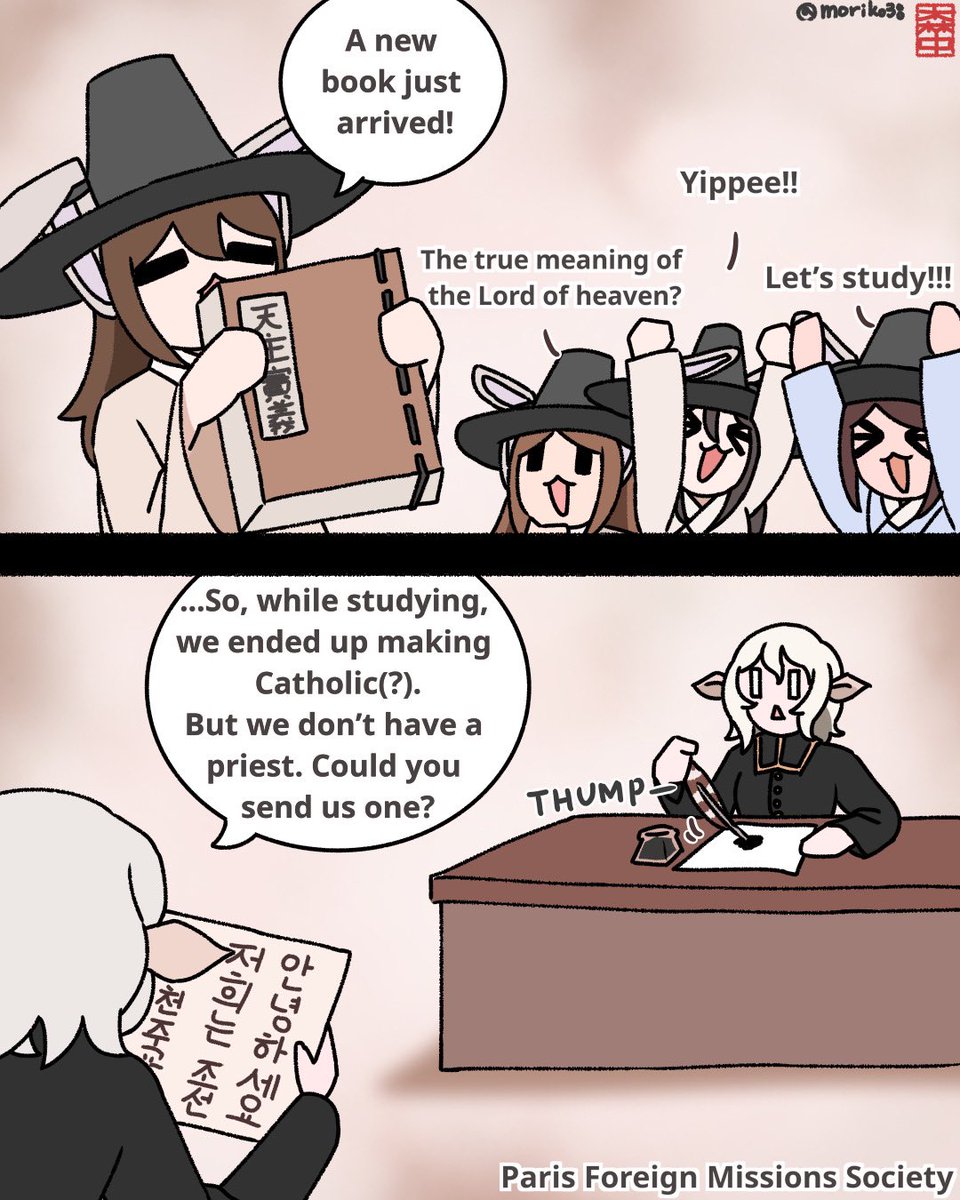
Today, I will explain the history of Catholic persecution in Korea. As I mentioned before, Korea was unique in that some people became Catholics on their own before missionaries arrived. Up until this point, Catholicism was regarded as an unusual but tolerable study.
삼중/모리코아(morikoa) tweet media
English
11
54
446
5.8K
Edward C. Yong ن retweetledi
Asian Dawn
Asian Dawn@AsianDawn4·
🇰🇷🇩🇪 German woman blown away by South Korean infrastructure. •Wireless Charging Stations •High-Tech Bus Stops A/C and Heater •24-Hour Automated Ramen Shops •Power Bank Rental Stations •LED Crosswalks Koreans sent thousands of students to study engineering in Germany. The Germans taught them the essentials to make it in life. Now, as Germany de-industrializes by shipping in millions of migrants, it's the other way around between Germans and Koreans
English
38
50
333
19.2K
Edward C. Yong ن retweetledi
Legal Mindset
Legal Mindset@TheLegalMindset·
Johnny Somali (Ramsey Khalid Ismael) truly thought he would not spend one day in jail, but just pay a fine and go home. Todays sentence of 6 months in prison with labor, an additional 20 days detention and sex offender status proves him wrong yet again.
English
665
1.5K
24K
1.2M
Edward C. Yong ن retweetledi
Chrysoloras
Chrysoloras@Alyunan00·
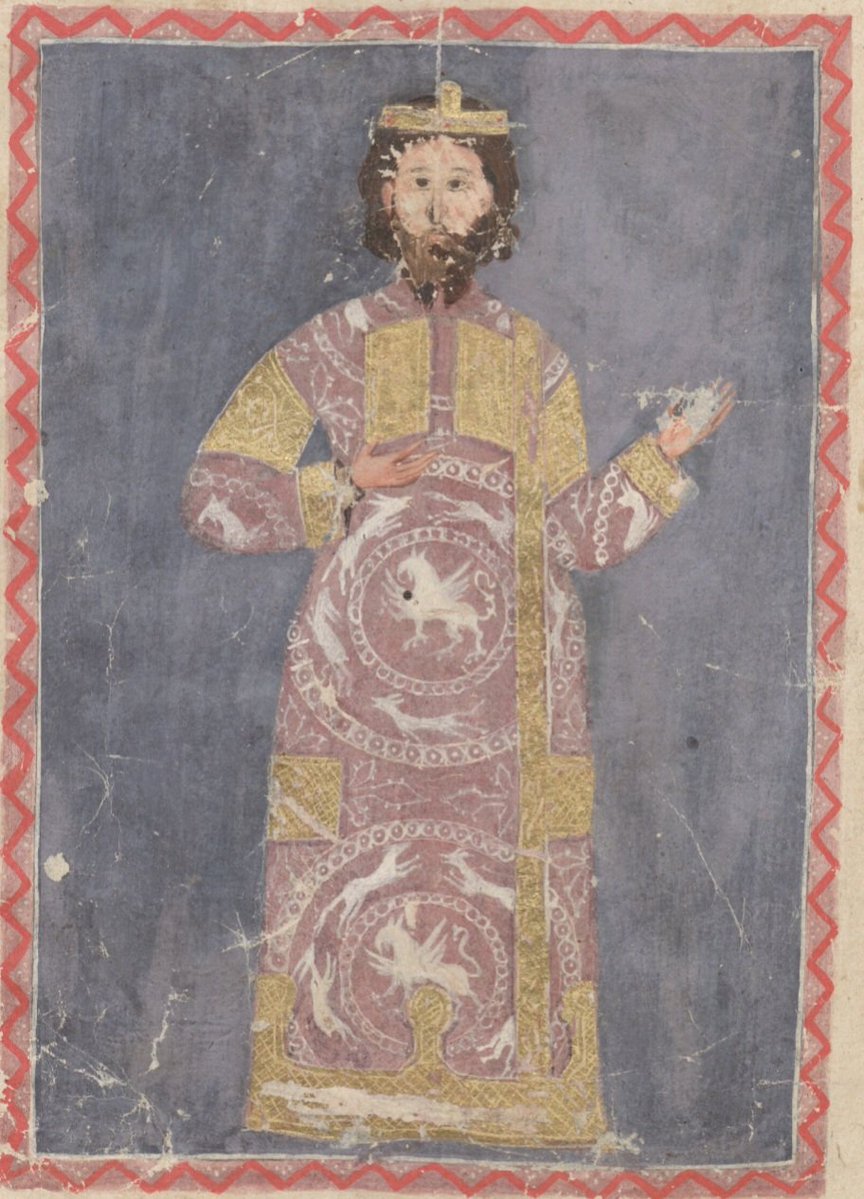
List of offices in order of precedence in the Palaiologian court: 1. δεσπότης (despotēs) 2. σεβαστοκράτωρ (sebastokratōr) 3. καῖσαρ (kaisar) 4. πανυπερσεβαστός (panhypersebastos) 5. πρωτοβεστιάριος (prōtovestiarios) 6. μέγας δούξ (megas doux) 7. μέγας δομέστικος (megas domestikos) 8. πρωτοστράτωρ (prōtostratōr) 9. μέγας λογοθέτης (megas logothetēs) 10. μέγας στρατοπεδάρχης (megas stratopedarchēs) 11. μέγας πριμικήριος (megas primikērios) 12. μέγας κοντόσταυλος (megas kontostavlos) 13. ἐπὶ τοῦ κανικλείου (epi tou kanikleiou) 14. πρωτοσεβαστός (prōtosebastos) 15. πιγκέρνης (pinkernēs) 16. παρακοιμώμενος (parakoimōmenos) 17. παρακοιμώμενος τοῦ κοιτώνος (parakoimōmenos tou koitōnos) 18. μέγας βαϊούλος (megas vaioulos) 19. κουροπαλάτης (kouropalatēs) 20. πρωτοβεστιάριτης (prōtovestiaritēs) 21. δομέστικος τῆς τραπέζης (domestikos tēs trapezēs) 22. ἐπὶ τῆς τραπέζης (epi tēs trapezēs) 23. λογοθέτης τοῦ γενικοῦ (logothetēs tou genikou) 24. μέγας παπίας (megas papias) 25. ἔπαρχος (eparchos) 26. μέγας δρουγγάριος τῆς βίγλης (megas droungarios tēs viglēs) 27. μέγας ἑταιρειάρχης (megas hetaireiarchēs) 28. λογοθέτης τοῦ δρόμου (logothetēs tou dromou) 29. ὕπατος τῶν φιλοσόφων (hypatos tōn philosophōn) 30. μέγας χαρτουλάριος (megas chartoularios) 31. μυστικός (mystikos) 32. πρωτασηκρήτις (prōtasēkritēs) 33. ἐπὶ τοῦ στρατοῦ (epi tou stratou) 34. μέγας δρουγγάριος τοῦ στόλου (megas droungarios tou stolou) 35. δομέστικος τῶν σχολῶν (domestikos tōn scholōn) 36. πριμικήριος τῆς αὐλῆς (primikērios tēs aulēs) 37. πρωτοσπαθάριος (prōtospatharios) 38. μέγας ἄρχων (megas archōn) 39. τατάς τῆς αὐλῆς (tatas tēs aulēs) 40. μέγας τζαούσιος (megas tzaousios) 41. πραίτωρ τοῦ δήμου (praitōr tou dēmou) 42. λογοθέτης τῶν οἰκειακῶν (logothetēs tōn oikeiakōn) 43. μέγας λογαριαστής (megas logariastēs) 44. ἐπὶ τῶν δεήσεων (epi tōn deēseōn) 45. ἀρχιδιάκονος (archidiakonos) 46. σκουτέριος (skouterios) 47. πρωτοκυνηγός (prōtokynēgos) 48. ἀμηράλιος (amēralios) 49. ἀκτουάριος (aktouarios) 50. μέγας ἀδνουμιάστης (megas adnoumiastēs) 51. κοιαίστωρ (koiaistor) 52. λογοθέτης τοῦ στρατιωτικοῦ (logothetēs tou stratiōtikou) 53. πρωτοϊερακάριος (prōtoierakarios) 54. κριτής τοῦ βέλου (kritēs tou vēlou) 55. μέγας διερμηνευτής (megas diermēneutēs) 56. λογοθέτης τῶν ἀγελῶν (logothetēs tōn agelōn) 57. δικαιοφύλαξ (dikaiophylax) 58. ἀκόλουθος (akolouthos) 59. ὀρφανοτρόφος (orphanotrophos) 60. πρωτονοτάριος (prōtonotarios) 61. κριτής τοῦ φωσσάτου (kritēs tou phossatou) 62. δομέστικος τῶν τειχέων (domestikos tōn teicheōn) 63. πρωταλλαγάτωρ (prōtallagatōr) 64. βεστιαρίου (vestiariou) 65. στρατοπεδάρχης τῶν μονοκαβάλλων (stratopedarchēs tōn monokavalōn) 66. στρατοπεδάρχης τῶν τζαγγρατόρων (stratopedarchēs tōn tzanggratorōn) 67. στρατοπεδάρχης τῶν μουρτάτων (stratopedarchēs tōn mourtatōn) 68. στρατοπεδάρχης τῶν τζακώνων (stratopedarchēs tōn tzakōnōn) 69. ἐπὶ τῶν ἀναμνήσεων (epi tōn anamneseon) 70. προκαθήμενος τοῦ κοιτώνος (prokathēmenos tou koitōnos) 71. προκαθήμενος τοῦ βεστιαρίου (prokathēmenos tou vestiariou) 72. δομέστικος τῶν θεμάτων (domestikos tōn thematōn) 73. πρωτοκόμης (prōtokomēs) 74. δομέστικος τῶν ἀνατολικῶν θεμάτων (domestikos tōn anatolikōn thematōn) 75. δομέστικος τῶν δυτικῶν θεμάτων (domestikos tōn dytikōn thematōn) 76. προκαθήμενος τῶν μεγάλων παλατίων (prokathēmenos tōn megalōn palatiōn) 77. προκαθήμενος τῶν Βλαχερνῶν παλατίων (prokathēmenos tōn Blachernōn palatiōn) 78. λογαριαστής τῆς αὐλῆς (logariastēs tēs aulēs) 79. μέγας δοικητής (megas doikētēs) 80. νομοφύλαξ (nomophylax) 81. βεστιάριος (vestiarios) 82. ἑταιρειάρχης (hetaireiarchēs) 83. ἄρχων τοῦ ἀλλαγίου (archōn tou allagiou) 84. μέγας μυρταΐτης (megas myrtaites) 85. κριτής τοῦ σεκρέτου (kritēs tou sekretou) 86. ῥαβδοῦχοι (ravdouchoi) 87. καβαλλάριοι (kavallarioi) 88. σεβαστός (sebastos) 89. προκαθήμενος κάστρου / πόλεως (prokathēmenos kastrou / poleōs) 90. δρουγγάριος στόλου (droungarios stolou) 91. κόμης (komēs)
Chrysoloras tweet media
18
121
730
26.8K
Edward C. Yong ن retweetledi
Thomas Wier
Thomas Wier@thomas_wier·
Weekly Georgian Etymology: ბრწყინვალე brc̣q̇invale 'brilliant, bright', from Old Georgian ႡႰႼႷႨႬႥႠႪႤႡႠ brc̣q̇invaleba, from Proto-Kartvelian *berc̣q̇-/*berc̣ʲq̇ spark, glow. Paschal Week is traditionally called ბრწყინვალე შვიდეული Brc̣q̇invale Švideuli, lit. 'Brilliant Septuple'.
Thomas Wier tweet media
Eesti
1
3
43
2.2K
Edward C. Yong ن retweetledi
The Byzantine Legacy
The Byzantine Legacy@ByzantineLegacy·
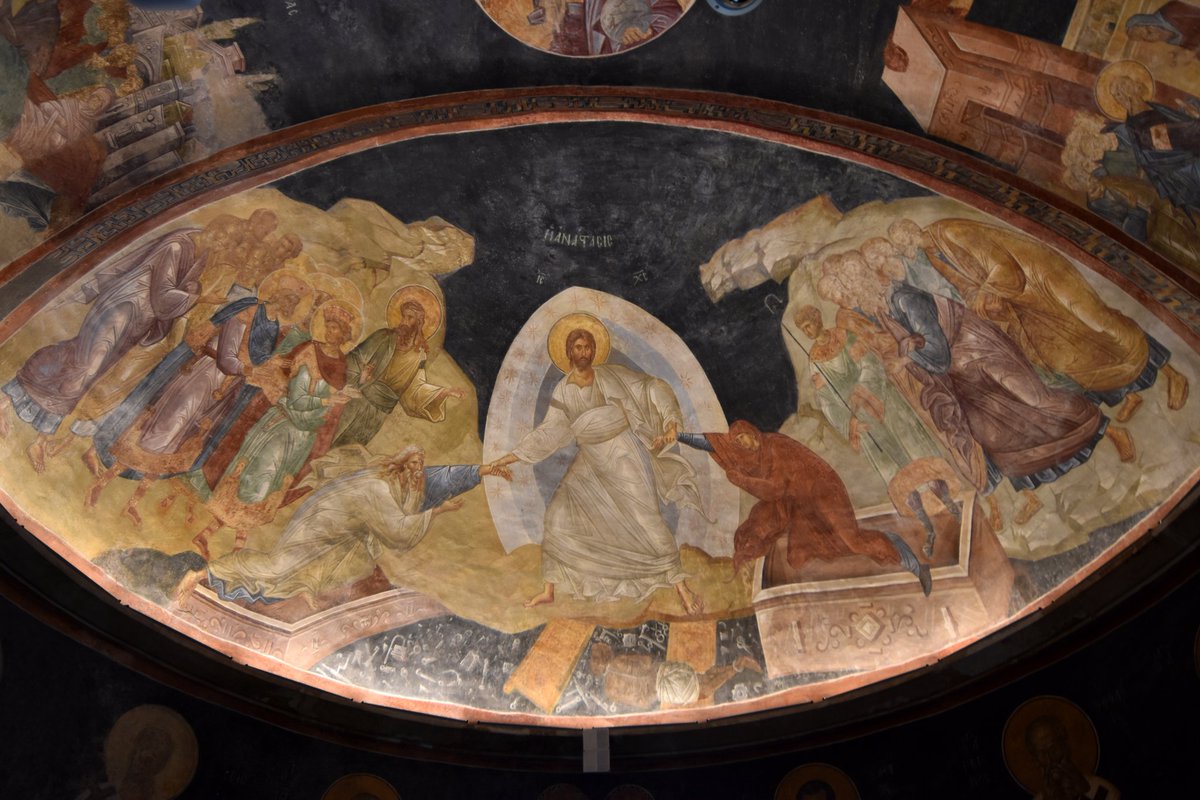
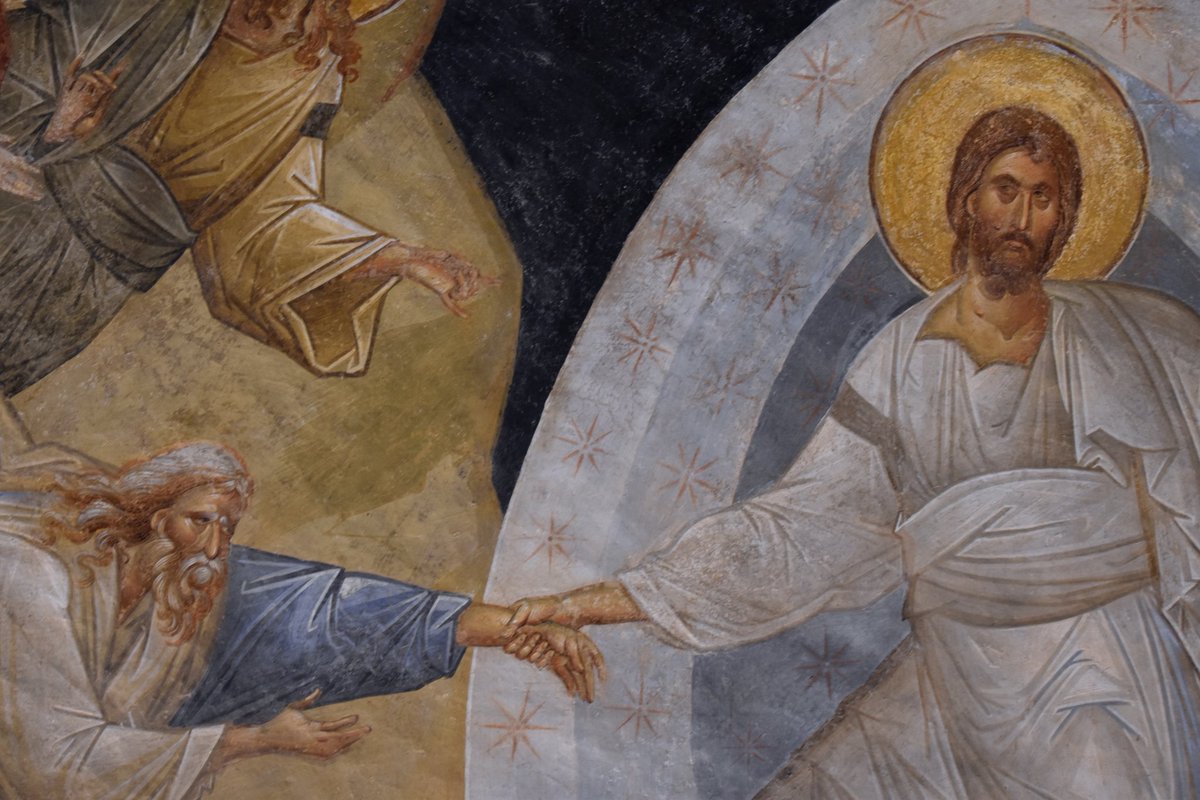
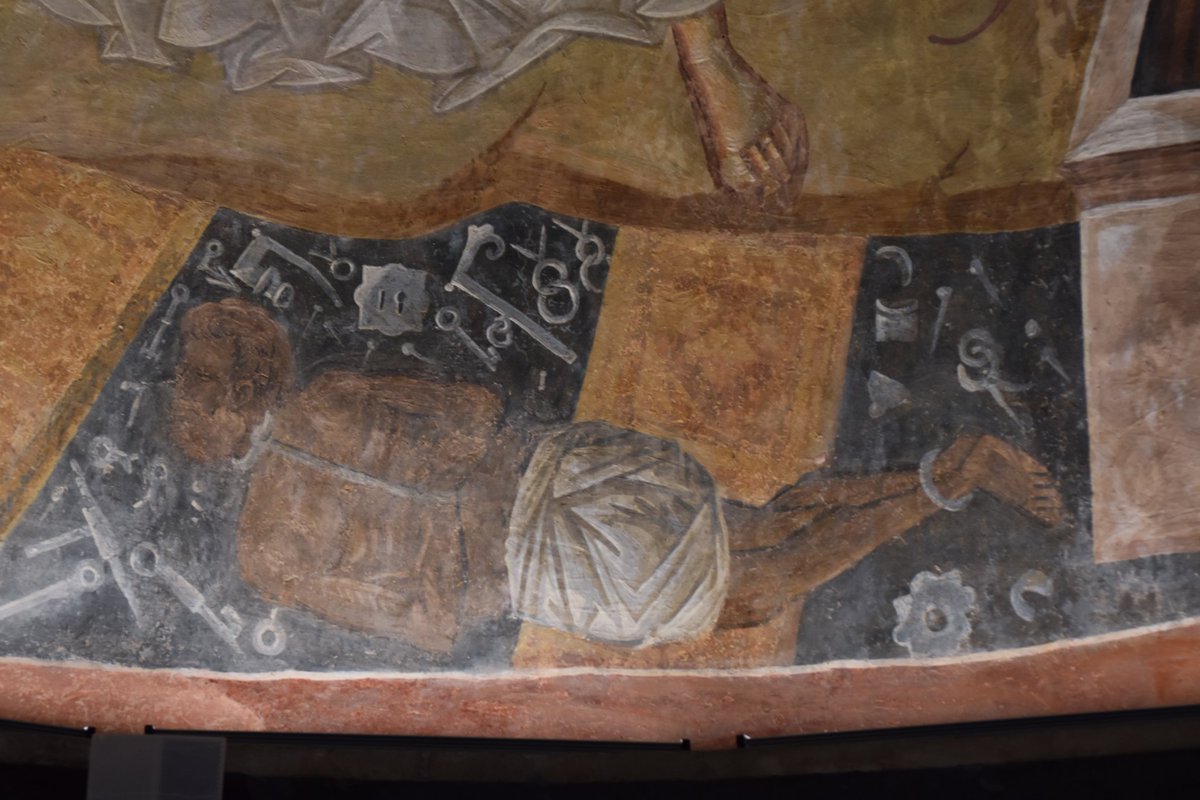
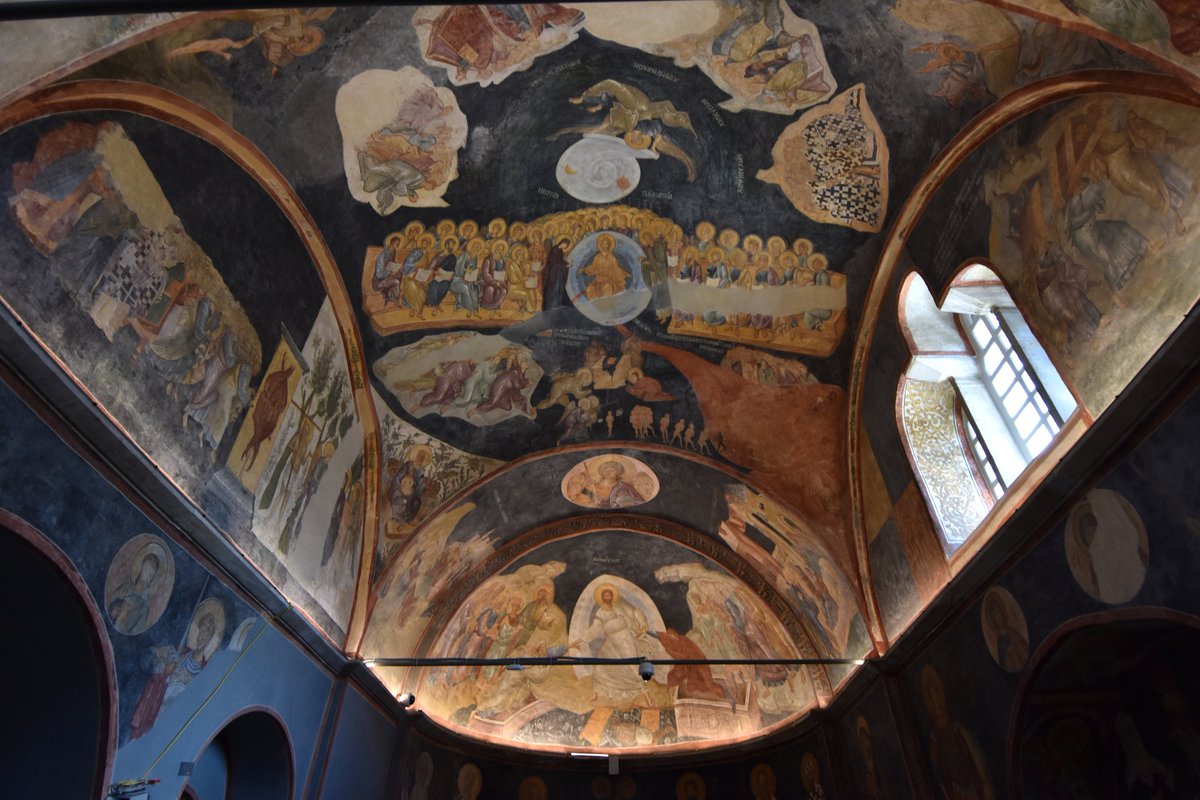
Χριστός Ανέστη, Христос воскресе, Христос васкрсе, Hristos a înviat, ქრისტე აღსდგა Anastasis (Resurrection of Christ) at Chora/Kariye Orthodox Christians celebrate Holy Pascha (Easter) today. Chora's fresco of the Anastasis (Resurrection of Christ), also known as the Harrowing of Hell, depicts Christ pulling Adam and Eve from their tombs. Beneath him is a bound and gagged Satan and the broken gate of hell, depicted as locks and keys scattered about. The Last Judgment is depicted above the Anastasis.
The Byzantine Legacy tweet mediaThe Byzantine Legacy tweet mediaThe Byzantine Legacy tweet mediaThe Byzantine Legacy tweet media
2
70
328
8.5K
Edward C. Yong ن retweetledi
Armand D'Angour
Armand D'Angour@ArmandDAngour·
And it goes without saying- though perhaps it shouldn’t- that one should be able to read and recite the hexameter fluently and correctly in rhythm, with a full and natural understanding of metrical devices such as synizesis, diaerisis, correption and so on.
Armand D'Angour@ArmandDAngour

@PompeyTrogue @hekwoys One must do more than read, though. Full annotations on each passage or verse, and huge vocab lists - to be learned by heart - are required if one is to know the epics well.

English
3
3
58
3.5K
Edward C. Yong ن retweetledi
Homer Pavlos
Homer Pavlos@HomerPavlos·
On March 30, 1822, when the massacre in Chios began, the Muslim Turks had clear orders. The Sultan had commanded that all Greek Christians be slaughtered, except for boys aged 3-12 and women from 12 to 40. These would be captured and destined for the slave markets. Young girls were raped publicly in the streets, and newlyweds in front of their husbands, who were then slaughtered. Others were raped in front of their parents, after which the men's genitals were cut off. Women over 40 were set on fire and left to burn alive. Pregnant women had their bellies ripped open and their fetuses pulled out, while small children were thrown forcefully against rocks. The frenzy of the Muslims was unprecedented. Many Turkish soldiers cut off the heads of Greek Christians and then licked their swords. With this act, they believed they would earn a place in paradise. Others were hanged from the island's trees for deterrence. Severed human limbs and corpses were scattered on the streets, while the sea had turned red from the blood. The smoke from the burning houses had covered all of Chios, while the flames made the night look like day.Several women from Chios preferred death over dishonor and slavery. They committed suicide by jumping off cliffs. Some were killed while defending their children, siblings, and husbands. Even among those who were captured, some died on hunger strike.Destitute women and children from the island were crammed into ships and transported to the markets of Smyrna and Constantinople, where they were sold as slaves at humiliating prices. By May 1, 1822, over 41.000 slave ownership documents, known as "teskerés", had been issued in Chios. According to the French-language newspaper of Smyrna, Spectateur Oriental, by May 10, duties had been paid at the Smyrna customs for 40,000 slaves. The priest Welsh from the English embassy in Constantinople recorded what he saw in those days at the city's slave market: "The Turks treated the women from Chios with utmost contempt. They examined them, groped them like butchers do lambs, and bought them for 100 grosia to 3 pounds per head. About 500 women from Chios were sold in the fish market." The tragic events of Chios shocked Europe and America. For many weeks, the European press reported daily information and descriptions about the fate of the inhabitants, the massacres, the plunder, and the sale of women and children in the slave markets. Korais writes in a letter to Varvakis: "Imagine that you see Christ on the Cross, drenched in His blood, and calling out to you these paternal words: My son Varvakis, many thousands of captives baptized in my name are in danger at this hour of renouncing me and embracing the abominable religion of Mohammed. Behold the time, baptized in my name, beloved son, to save your baptized brothers from the Turkish defilement." The horrific images of the crimes of the Muslims against the Greek Christians were never erased from the collective memory of Europeans. Great European artists were so shocked by the descriptions that they created important works inspired by Chios. The famous painting by Delacroix is exhibited to this day in a prominent position at the Louvre. Victor Hugo's poem titled "The Greek Child" is a moving record. But the most famous sculpture of 19th-century America also stands out, named: the "Greek Slave." The sculptor Hiram Powers began carving it about twenty years after the tragic events. The statue depicts a young woman, nude, bound with chains. In one hand, she holds a small cross on a chain. Powers himself describes the subject of his work as follows: "The Slave has been abducted by the Turks from one of the Greek Islands during the Greek Revolution, the history of which is known to all. Her father and mother, and perhaps all her relatives, have been exterminated by her enemies, and she alone was kept alive, as a treasure that could not be thrown away. Now she is among barbarian strangers, under the pressure of the full recollection of the catastrophic events that led her to this state. She stands exposed to the gaze of people she abhors, and awaits her fate with intense anxiety, which is mitigated by her trust in the goodness of God. Gather all these sufferings together, and add to them the strength and resignation of a Christian, and there is no room left for shame." (You can search for the sculpture to see it; I'm not uploading it because X might take down the post for sensitive content.) As a Greek, I will use my weapon, the knowledge of my history, to warn as many as I can about the violent and barbaric invasion of Islam and the war we are experiencing today. I will do whatever I can to warn you. - Homer Pavlos
Homer Pavlos tweet media
Homer Pavlos@HomerPavlos

When Muslims killed Greek Bishop Gerasimos of Rethymno in 1821, they opened his chest, removed his heart, and sprinkled their banners with its blood in order to achieve victories against the infidels. The entire description of the incident directly evokes cannibalism from a primitive era. (Theochares Detorakis, "History of Crete") Apart from the official executions, there were also the mass slaughters of Christian populations in cases where the Islamic-Ottoman state wanted to demonstrate its power. The main pretext for the massacres was reprisals against revolutionary movements. Alongside the official figures who were publicly executed (bishops, notables, etc.), unruly hordes of Janissaries would rush into Christian homes, break down doors, kill anyone they found in front of them, and then plunder the house, seizing whatever they liked. When leaving, in many cases they also set the house on fire. Now, the hooks or "tsigkelia", as the Muslim Turks called them. On the walls of cities or on specially erected scaffolds, large hooks with sharp, sharpened points were fixed. The naked victim was thrown onto the hooks from high up on the walls or was hoisted up with special pulleys and dropped onto the hooks of the scaffolds. There he remained impaled for days, tormented by terrible pains until he finally expired. If, moreover, the hooks had not pierced a vital organ, the torture could last several days. Historical accounts mention the presence of such a scaffold with hooks in the central square of Heraklion (Candia), where many Cretans, mainly rebels, met their tragic end. One torture that the Muslim Turks carried out when they had no time for anything else was the breaking of limbs. They usually did this to prisoners they had captured in the countryside and did not want to transport to the city for something "more entertaining," either because they were in a hurry or because they did not want to take on the risks of a possible transfer. With an axe they smashed the main joints of the victim's limbs (shoulder, elbow, hip, knee) and several bones (humerus, femur, tibia). The victim was then unable to move at all, while terrible pains shook his body from the shattered joints. The executioners left him helpless and departed, so that he would die a few hours or at most two days later, or become prey to wild animals in the wilderness. An equally torture is that of beheading. The Ottoman lords even had a well-known proverb on their lips: "A head that does not bow falls." The execution of the sentence was carried out in public view by a specialized executioner called "makelaris" (a Greek-Byzantine word meaning "butcher" that derives from ancient Greek), with the well-known curved Ottoman sword, the "yataghan". The victim arrived at the place of slaughter ridiculed and publicly shamed. Before the execution he had, as a rule, been beaten and often mutilated. The punishment itself was painless and instantaneous, but the entire preceding process made it agonizing. The body and head remained exposed for days, just as in the other tortures we mentioned earlier. Often the victim's head was impaled on a pole and paraded through the city, especially if the victim happened to be an officially wanted person (e.g., Ali Pasha). Other times it was preserved and sent to the Sultan himself, as happened with the head of Ali Pasha. Still other times the head remained hung or impaled in a prominent position for days, until the natural decomposition of its features began. The torture of beheading is naturally connected with the fate of the Four Martyrs. The Synaxarion of the Saints confirms everything I have said so far. After harsh tortures and public humiliation through the streets of Rethymno, the Saints (Manuel, Angelos, George and Nicholas) ended up in the square of the Great Gate, which today bears their name in their honor, to be beheaded. This is recent history. Tortures ended almost 200 years before when we destroyed the Ottoman Empire. And if you think they changed, you should start reading their comments on my posts or the reposts. This is who they are. This is Islam - Homer Pavlos

English
178
2.4K
5.8K
293.1K
Edward C. Yong ن
Edward C. Yong ن@infernoxv·
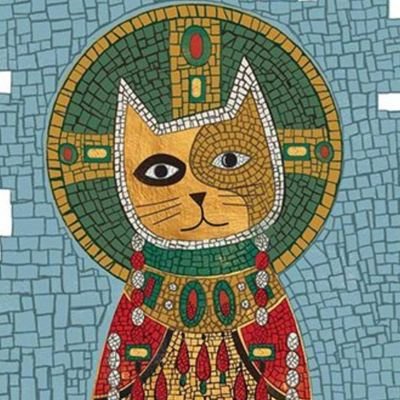
my fursister wishes a very Happy Easter to those celebrating it on the Gregorian paschalion!
Edward C. Yong ن tweet mediaEdward C. Yong ن tweet media
English
0
0
2
57
Edward C. Yong ن retweetledi
Imperator Cat
Imperator Cat@CatImperator·
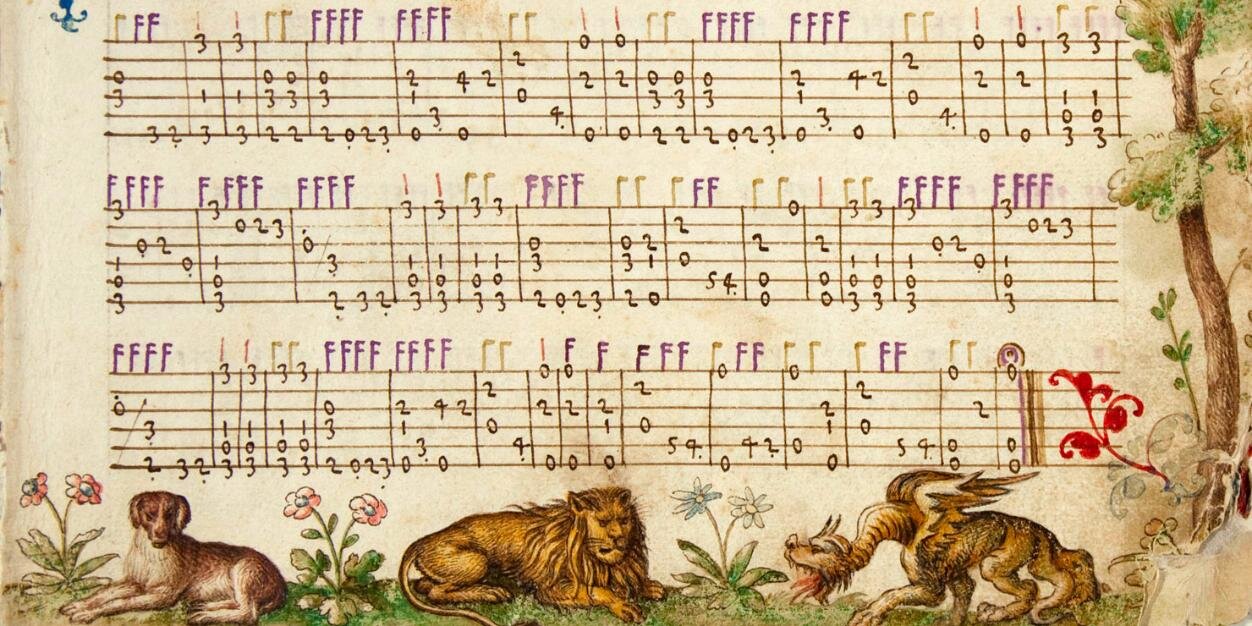
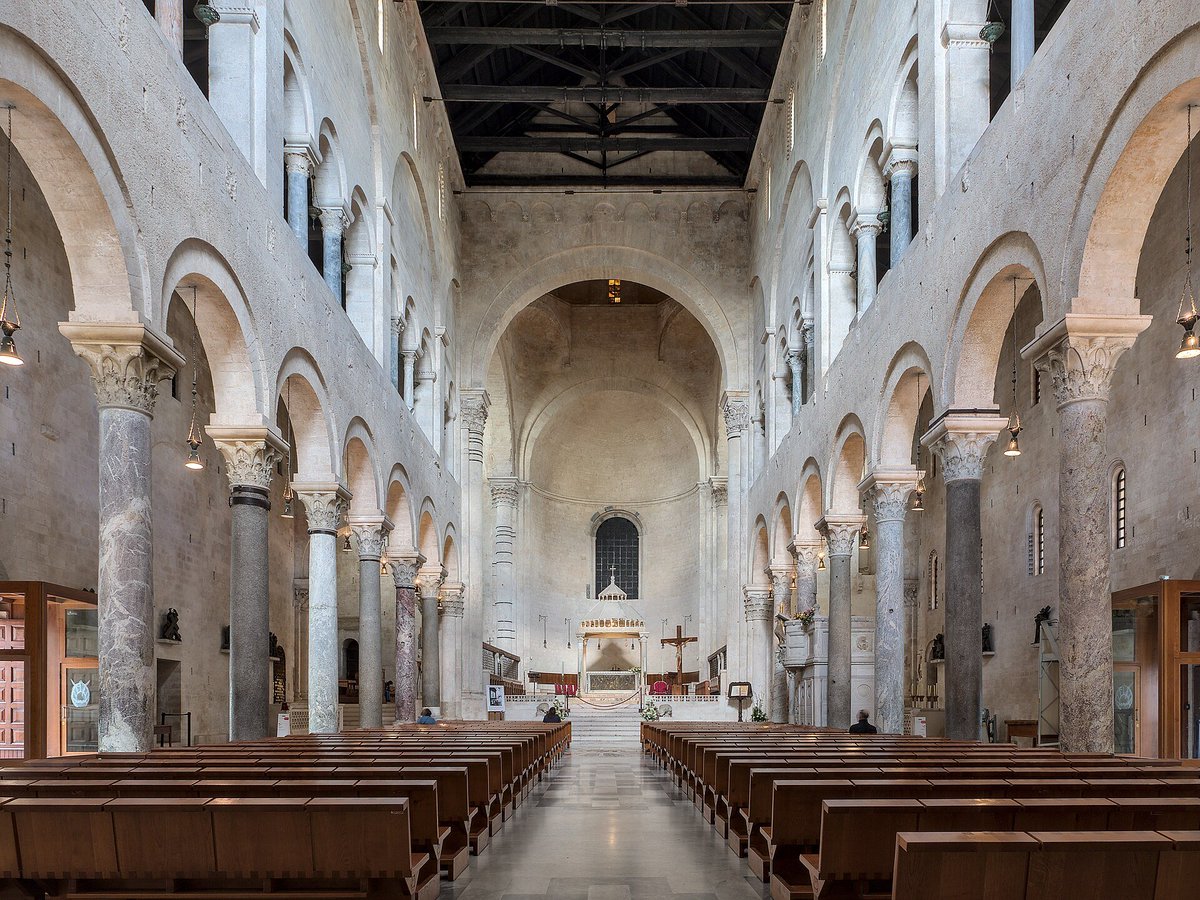
Picture this: You are a citizen of Bari. It is early 1024 AD, Easter vigil at a great imperial cathedral. A deacon is singing a hymn inviting all creatures on Earth and in Heaven to exult at the news of Christ resurrection. Unrolling a giant roll - the exultet A thread🧵
Imperator Cat tweet mediaImperator Cat tweet media
English
2
36
275
11K
Edward C. Yong ن retweetledi
The Aramaic Wire ܣܘܪܝܐ
The Aramaic Wire ܣܘܪܝܐ@AramaicWire·
An Assyrian boy in Iraq singing a rare Aramaic hymn called “O’ Gannana”. It translates to “O Gardener”, recounting the story of Mary Magdalene encountering the empty tomb. She thought He was the Gardener, before realizing He Lives. We must rescue this dying language.
English
97
2.7K
10.6K
431.6K
Edward C. Yong ن
Edward C. Yong ن@infernoxv·
someone i know went and bought a 1.5 ct natural diamond and made a nose stud with it. today she went to a classical concert and had to stifle a sneeze. yup... that stud shot out, only the gods know where. none of the staff could find it after the concert. roll eyes.
English
1
0
5
110
Edward C. Yong ن retweetledi
Louie Buana (new account)
Louie Buana (new account)@hey_louie·
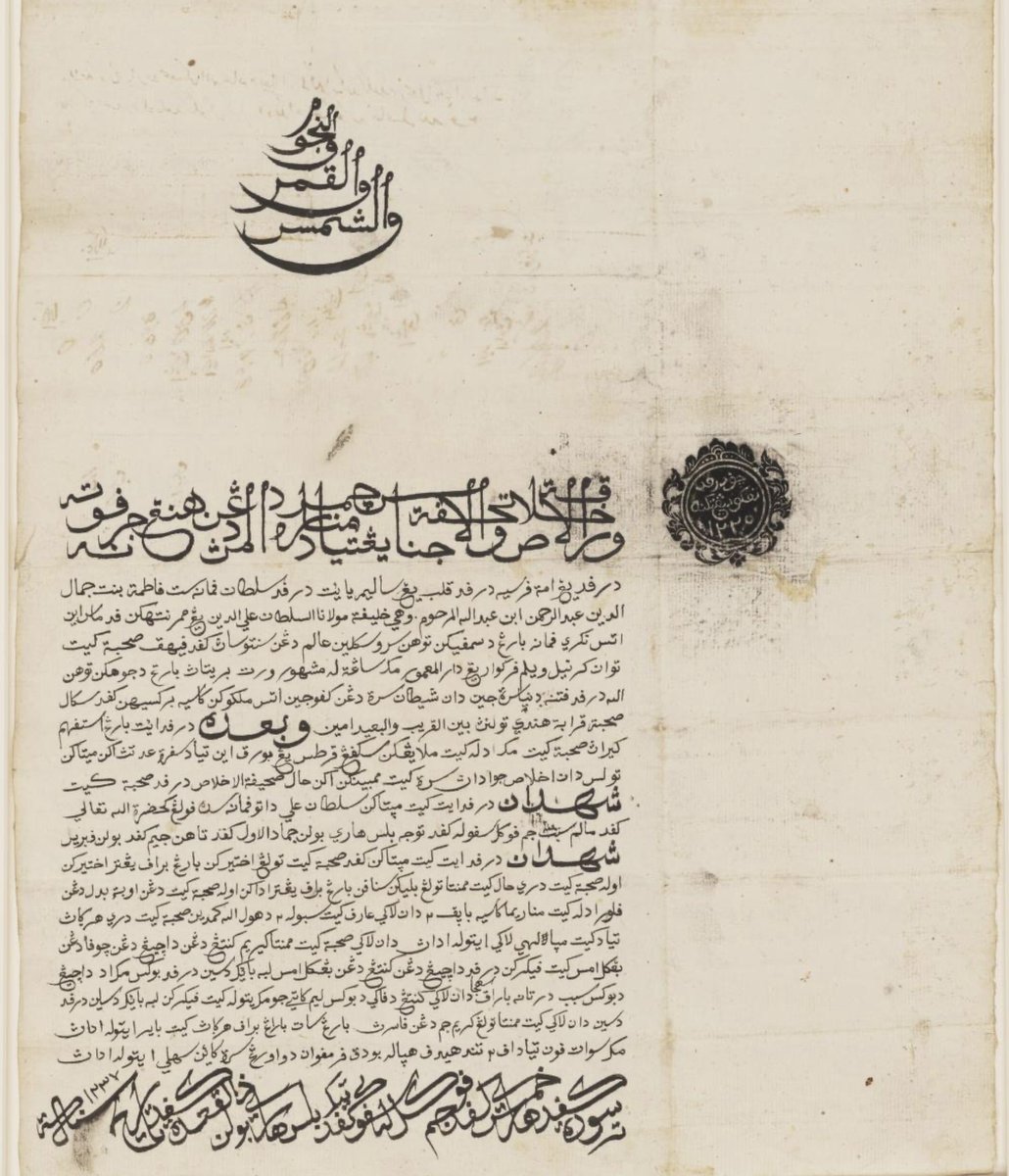
A Malay letter written by a Bugis queen, Siti Fatimah from Pammana (now part of Wajo) addressed to William Farquhar in Singapore, 1822. It reflects her familiarity with Indian Ocean trade, such as the quality of weighing instruments from Ceylon. Library of Congress collection.
Louie Buana (new account) tweet media
English
8
330
1.2K
35.2K
Edward C. Yong ن retweetledi
ShadowsOfConstantinople
ShadowsOfConstantinople@RomeInTheEast·
The Roman state would have kept using it and repairing it if they weren’t conquered. It was in active use in 1453. This is pure propaganda. Up next…If there were no Turks, the pyramids of Egypt would not have survived to our day.
ShadowsOfConstantinople tweet media
English
57
106
1.7K
61K
Edward C. Yong ن retweetledi
Daniel Buck, “Youngest Old Man in Ed Reform”
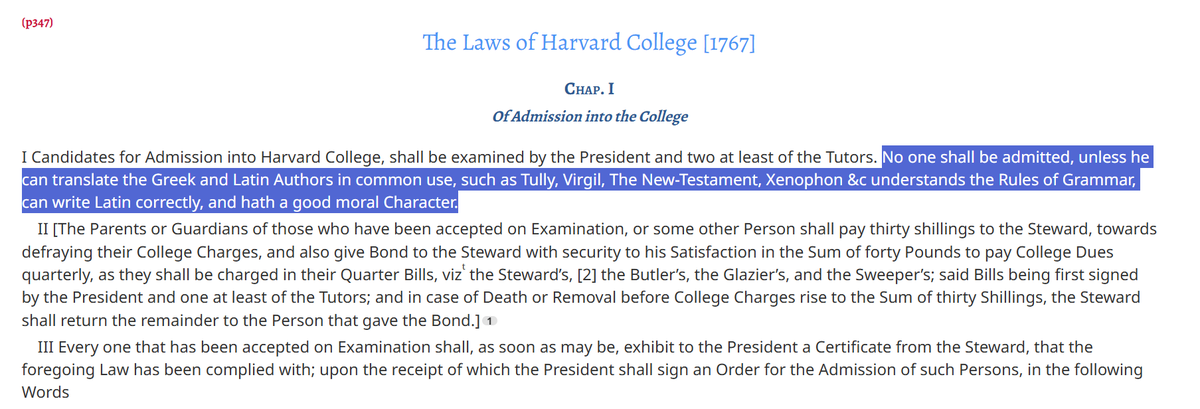
Harvard circa 1700s: "No student shall be admitted unless they can translate Greek and Latin authors such as Tully, Virgil, The New-Testament, & Xenophon." Harvard circa 2026: "We can't assign whole novels anymore."
Daniel Buck, “Youngest Old Man in Ed Reform” tweet media
English
299
5.4K
27.5K
1.9M
Edward C. Yong ن
Edward C. Yong ن@infernoxv·
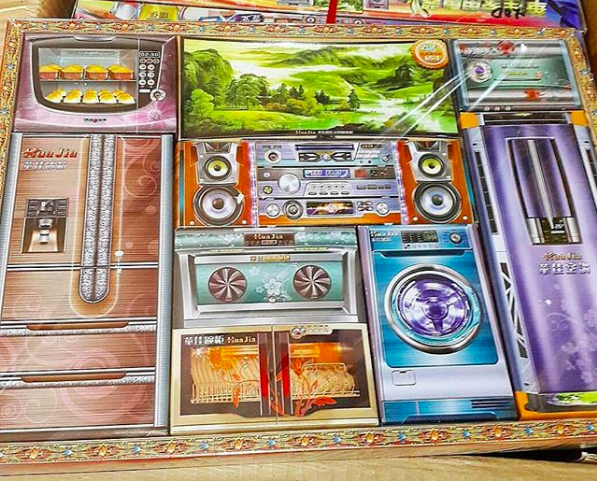
good grief… the latest offering from the makers of paper goods burned for the dead…
Edward C. Yong ن tweet mediaEdward C. Yong ن tweet media
English
2
0
1
0
Edward C. Yong ن
Edward C. Yong ن@infernoxv·
bedroom sets, pets (with pet food), entertainment, even kitchen applicances. can't see that dishwasher ever getting used though, everyone knows Chinese wash by hand and use the dishwasher as a drying rack or for extra storage space.
Edward C. Yong ن tweet mediaEdward C. Yong ن tweet mediaEdward C. Yong ن tweet mediaEdward C. Yong ن tweet media
English
1
0
3
0
Edward C. Yong ن retweetledi
翳盫✥Ⲓⲱⲁⲛⲛⲏⲥ
翳盫✥Ⲓⲱⲁⲛⲛⲏⲥ@persimmonios·
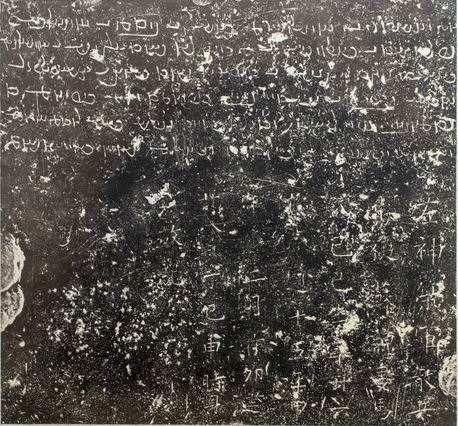
Pahlavi-Chinese tombstone This is the tomb of Masis, daughter of Su Liang, the commander of the Left Shence Army cavalry, who passed away at the age of 26. May you return to the embrace of the angel of light, Ahura Mazda, and enjoy peace and tranquility in heaven.
翳盫✥Ⲓⲱⲁⲛⲛⲏⲥ tweet media
English
8
105
554
19.2K
Edward C. Yong ن retweetledi
Tanner Cartwright 🇺🇸
Tanner Cartwright 🇺🇸@TanneriteCortez·
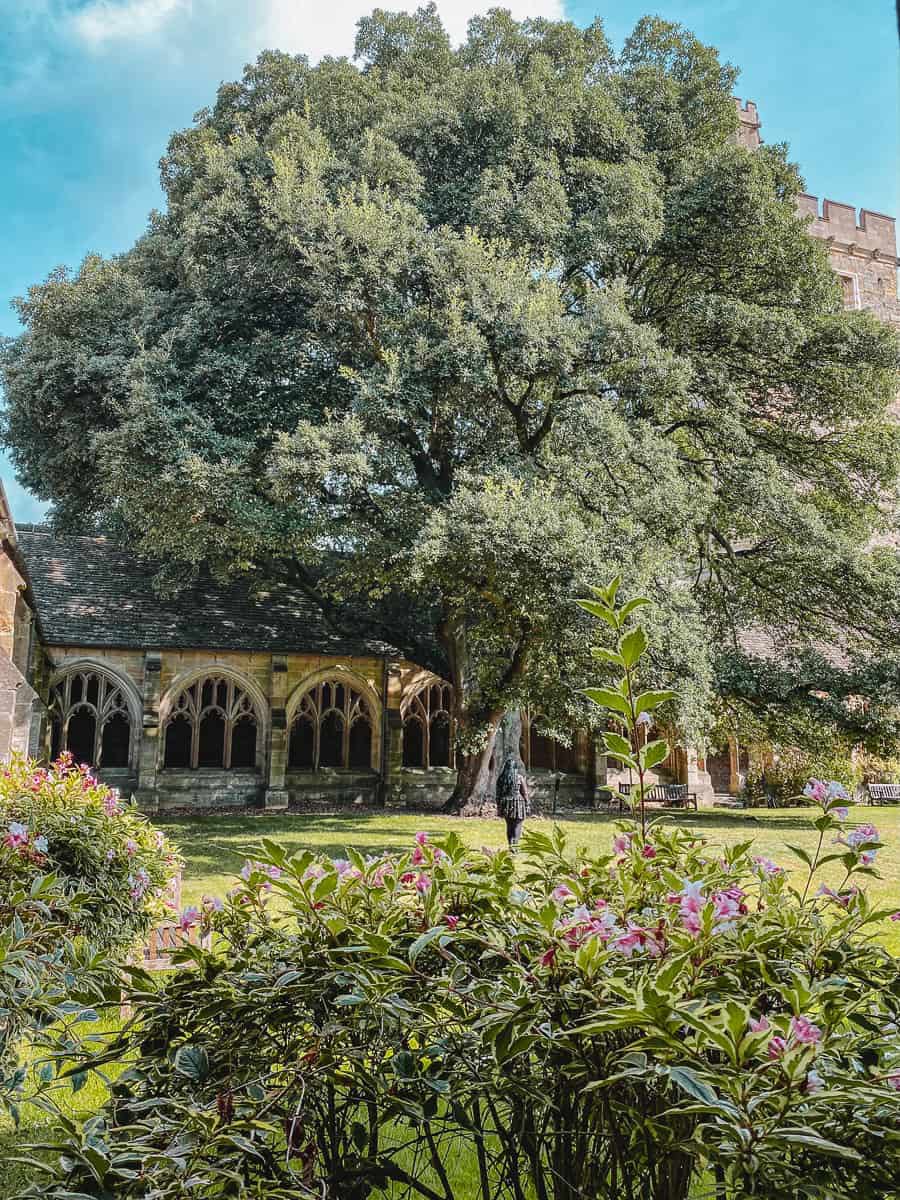
I often think about the fact that Oxford University planted oak trees on sight that would be mature and ready when the beams in the building needed to be replaced (about 500 years). We no longer think like this and it shows.
Tanner Cartwright 🇺🇸 tweet media
English
47
739
11.6K
215.6K
Edward C. Yong ن retweetledi
T. ☀️
T. ☀️@levantophile·
I am struck, and pleasantly amused, by the flawless, highly ornate Arabic prose of this late 19th-century Cambridge Persianist, who was evidently an accomplished Arabist as well. Incidentally, this is one reason I find Edward Said’s Orientalism overly dismissive and uncharitable toward Western scholars. Men like Browne devoted an extraordinary effort to mastering a difficult language and culture, and that kind of devotion is hard to see as anything other than a labor of love, especially when his Arabic is so poetic and refined. (I must admit, I am envious!) Ironically, Arabists like Browne likely possessed a far more advanced command of Arabic than Said ever did.
Fitzroy Morrissey@fitzmorrissey

I love this: the Cambridge Persianist Edward Granville Browne writing to Ignaz Goldziher in Arabic rhymed prose (sajʿ). Let’s bring this back among Arabist colleagues!

English
56
120
1.5K
197.5K