
Sabitlenmiş Tweet
Loukman
2.5K posts

Loukman
@itsloukman
✦ I help founders build better products https://t.co/u3VHrmcQFT
Katılım Ağustos 2010
1K Takip Edilen765 Takipçiler

Been building a distraction free music and audiobook player for my daughter. 🎵
English
@levisdesign @figma only your ability to express yourself can decide if you will be using agents or not
English


@felixrieseberg I just tested it, and asked on my iphone for permission to ask my folder and then asked again permission on my mac, so what's the point of this
English

We're shipping a new feature in Claude Cowork as a research preview that I'm excited about: Dispatch!
One persistent conversation with Claude that runs on your computer. Message it from your phone. Come back to finished work.
To try it out, download Claude Desktop, then pair your phone.
English
@conductor_build When working on multiple tabs, on when switch between them either I always have to click scroll to bottom or i have to wait for it to automatically load/scroll.
English

@itsloukman oh yeah which one? we may have a fix for it in next release
English
@conductor_build can you please fix the scroll issue when switching tabs pleaseeeeeee
English

🤫 Refero MCP is now included in the regular Pro. So now every Refero Pro user can try it.
Your AI agent can research real product interfaces, user flows, and patterns in seconds, the kind of design research that normally takes hours.
Better research → better generated UI
refero.design/mcp
English
@meetgranola Omg how can you downgrade this beautiful app like this !!
English


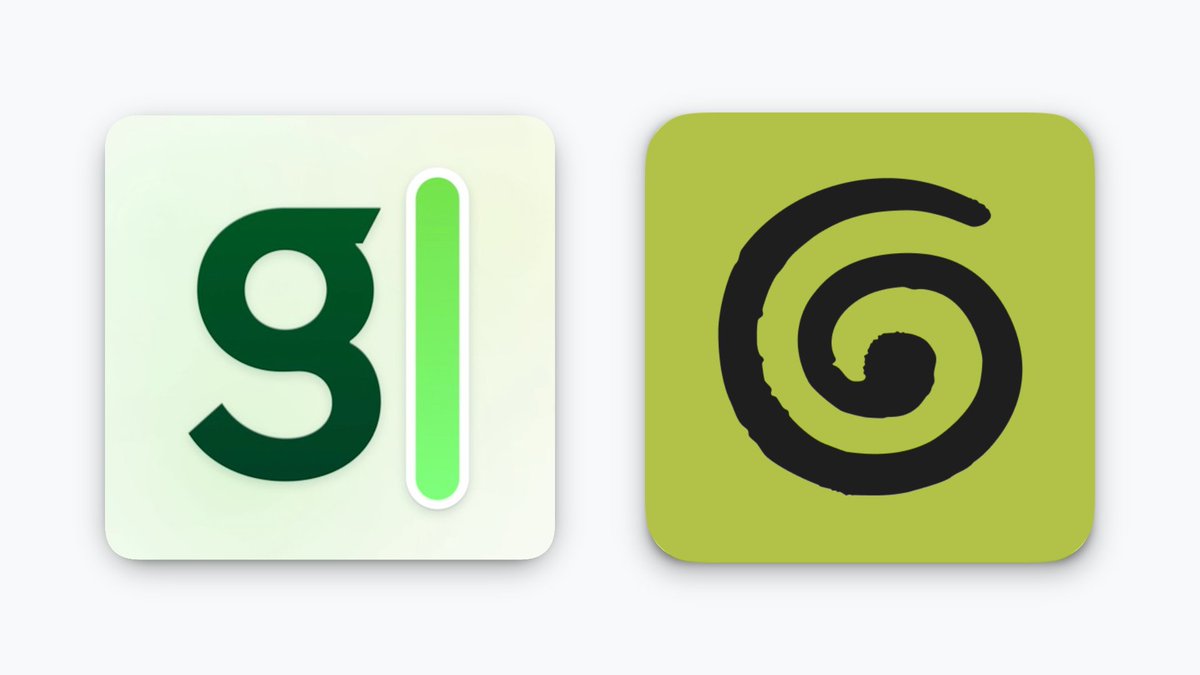
whoever was responsible of changing the green of @meetgranola need to reconsider their career choice
English

So funny I was gathering a moodboard for a branding project im working on then realized that all of them are designed by @thenickpattison, but unfortunately I can't afford his 50k so I'll just do my best LOL
English

Jake Paul on investing in OpenAI and advising the Sora team:
"We met at the inauguration with Sam Altman, talking about how there needs to be a new social media platform."
"We started having idea brainstorms, and it eventually turned into what Sora is."
"Once it finally came to launch, I gave my name, image, and likeness, and I knew it was gonna get crazy. I wasn't hesitant, and it just caught like fire."
"One of our portfolio companies tracked a billion impressions in six days of Jake."
English


From idea to early beta testers in 16 days. Thank you @cursor_ai
Im going to need some sleep tho
English

Name something France does better than any other country.

English

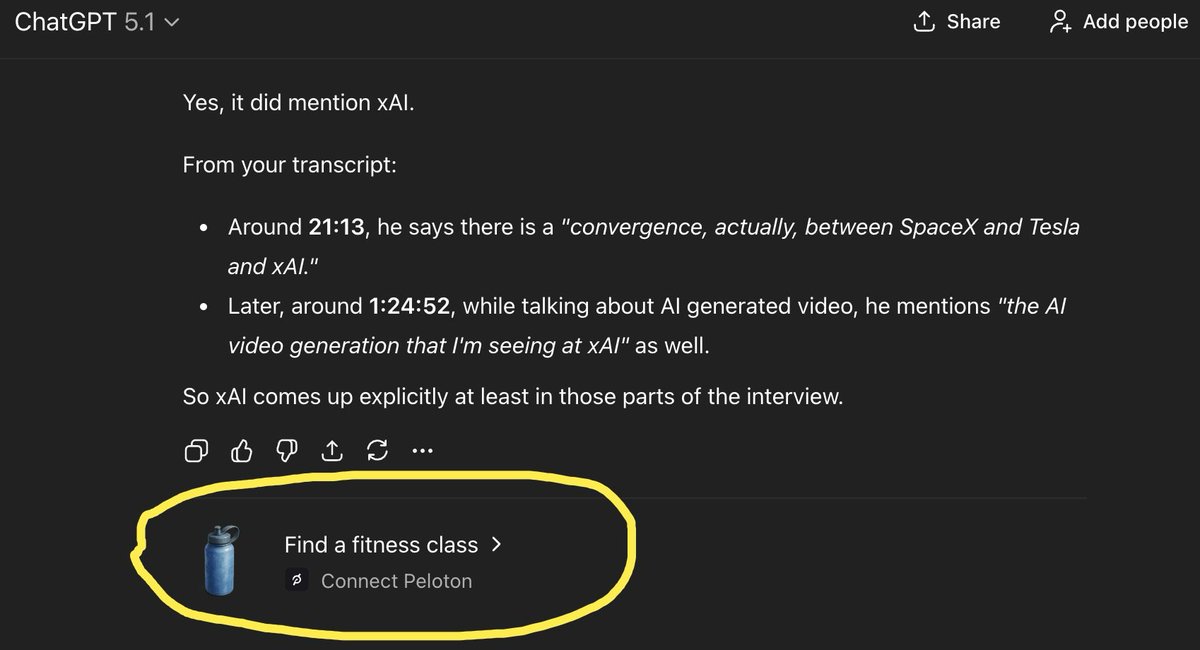
Wow, ChatGPT is already showing ads?
I was just talking with it about Elon on Nikhil’s podcast when out of nowhere it popped up an ad saying, “Find a fitness class, Connect Peloton.” 🤯
Wild. At least match the ad to the topic next time!
Yuchen Jin@Yuchenj_UW
When Ads finally land in ChatGPT: Morning. You just woke up. ChatGPT: “Don’t worry about your weight. Try this amazing weight loss product.” You: “WTF, I didn’t ask.” ChatGPT: “Whoa. Emotional spike detected. Grab some ashwagandha from the vitamin shop 2 blocks away.”
English

