@StockSavvyShay Do you use @public for investing or just info and charts?
English
James Chuck
5.5K posts



$AMZN JUST HIT NEW ALL-TIME HIGHS








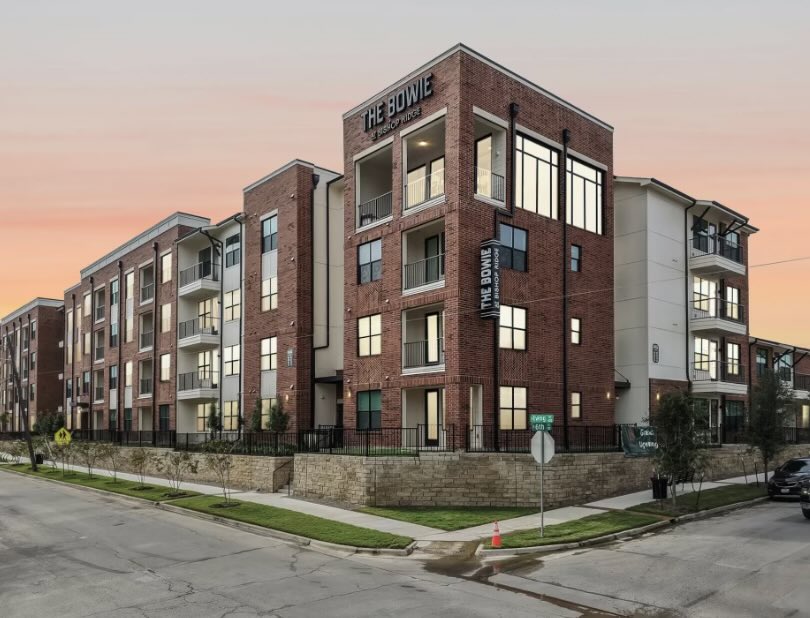



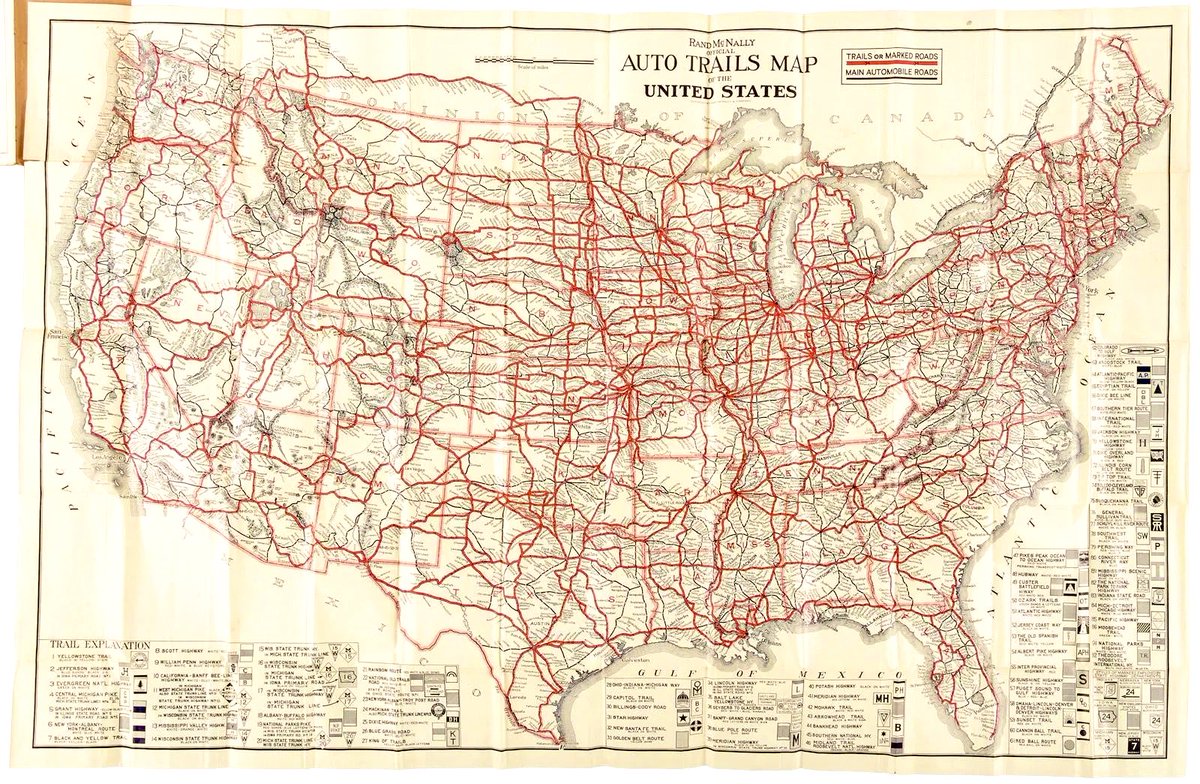



There's a pattern that predicts where land values will reprice years before the cranes show up. New York saw it. Chicago saw it. Atlanta saw it. Dallas is next. Big cities across the country are facing the same dilemma. The suburbs keep growing while the urban core fights to keep up. People want walkability and community, but they're leaving for places that feel safer, cleaner, and easier to navigate. Meanwhile, cities like Dallas, Chicago, and Atlanta have big ambitions. They want to be world class. They want to attract people, businesses, and jobs. They want to keep companies from relocating to the suburbs. They want to convince young talent to live and work downtown instead of moving to Austin or Nashville or Phoenix. That takes money. Aging infrastructure needs replacing. New amenities need building. Public spaces need to compete with the best in the world. The tax base isn't shrinking. But it's not growing fast enough to fund those ambitions without raising rates. And raising rates just pushes more people and businesses out the door. There's another approach. Build infrastructure that makes land more valuable. Not highways. Not stadiums. Trails. It sounds almost too simple. But the math works. When you build a connected trail network, you create the walkability and community people are craving. Neighborhoods that were cut off become accessible. People start moving in instead of moving out. Land values rise. And when land values rise, tax revenue grows without raising anyone's rate. You can see this pattern in cities across the country, regardless of how well they're run otherwise. New York built the High Line. Property values within a few blocks jumped 35%. Whatever you think about New York's politics, that project worked. Chicago built The 606. Home prices along the trail spiked 48% compared to similar neighborhoods without access. Atlanta built the BeltLine. Developers have spent more than $9 billion building along it. The pattern holds whether the city is red, blue, or purple. Build the connection. Land reprices. Dallas is now running this experiment at the largest scale any American city has attempted. The Loop is a 50-mile trail circuit that will connect the Katy Trail, White Rock Lake, the Trinity Forest, Fair Park, the Design District, and Pleasant Grove into one continuous network. One network. Every quadrant. It looks like a park system. It functions like an economic engine. Here's how it works. When people can get from one neighborhood to another easily, both neighborhoods become more valuable. When they can't, values stay stuck. Highways and dead-end streets cut neighborhoods off from each other. Money stops flowing. Businesses can't reach customers. Land sits undervalued for decades. But when you remove those barriers, everything changes. People flow between neighborhoods. Retail follows. Restaurants follow. Employers follow. Land prices adjust to reflect the new reality. The Design District is proof that this works in Dallas, and that the Katy Trail wasn't a one-time fluke. A few years ago, the city built the Hi Line Connector, a short trail segment that plugged the Design District into the Uptown trail network. Before that connection, the Design District was an isolated pocket of warehouses and showrooms. Afterward, it became part of the Uptown ecosystem. The results were dramatic. Taxable value has climbed 383%. Developers started flipping their blueprints. Buildings now face the trail, not the street. That shift only happens when an amenity is powerful enough to move rents. South Dallas is next. A new 1,200-foot pedestrian bridge is about to open the Trinity Forest Spine Trail, connecting neighborhoods like Dolphin Heights and Parkdale to the rest of the city's trail network for the first time. These areas have been cut off for decades. The Trinity River, the railroad, and a tangle of highways kept them isolated. Property values stayed low because movement was hard. That's about to change. Every city that built a loop trail system saw the same result. Remove the barriers. Capital follows. The investors who understand this pattern are already moving. Trails aren't expenses. They're leading indicators. They tell you where land is about to reprice, years before the cranes show up. If you want to understand where Dallas is heading over the next decade, don't watch the skyline. Follow the trail.