Jose C Souto, MD

22K posts

Jose C Souto, MD banner
Jose C Souto, MD

Jose C Souto, MD

@jcsouto

Médico, autor do livro Uma Dieta Além da Moda; apreciador de Brahms, Bach, Kurt Atterberg e coisas ainda mais estranhas; fã de Carl Sagan desde criancinha

Porto Alegre - Brazil Katılım Haziran 2009
68 Takip Edilen14.4K Takipçiler
Sabitlenmiş Tweet
Jose C Souto, MD
Jose C Souto, MD@jcsouto·
Obrigado a todos que estão ajudando a manter o livro Uma Dieta Além da Moda entre os mais vendidos no Brasil na categoria não-ficção (Lista Nielsen-PublishNews) 😊👍🤝 amzn.to/45d5w7Q
Jose C Souto, MD tweet media
PublishNews@publishnews

#MaisVendidos: Os três autores estrearam na lista de Não Ficção, enquanto a nova edição de 'Diário de Pilar na Amazônia' debutou em Ficção / @jcsouto @VeraIaconelli @IandeAlbuquerq | @PublishNews publishnews.com.br/materias/2023/…

Português
11
7
127
13.9K
Jose C Souto, MD retweetledi
Michael Morelli
Michael Morelli@morellifit·
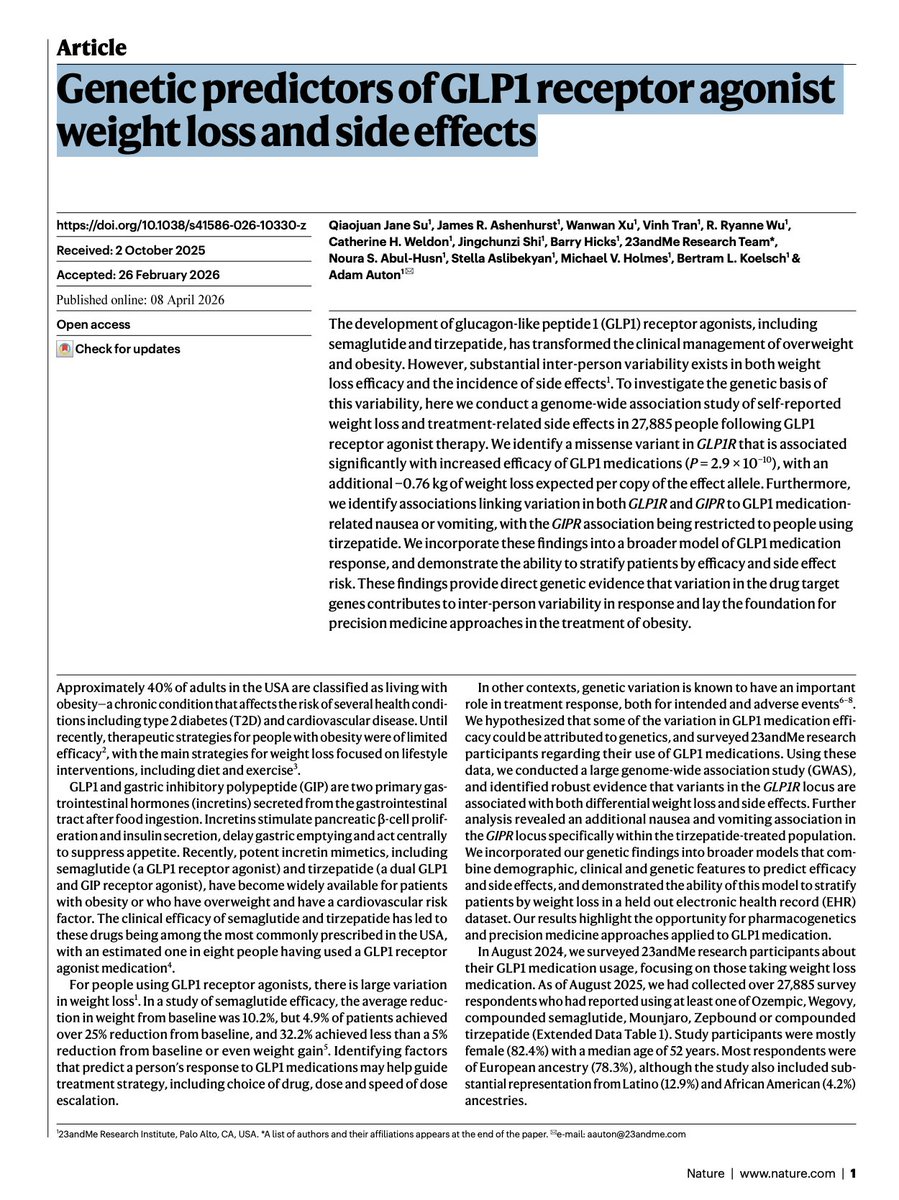
A massive Nature study of 27,885 GLP-1 users just dropped some major news about Ozempic and tirzepatide. Your DNA determines how much weight you lose and how bad the side effects hit. 1 in 3 people see minimal results, and now we know why: (1/9)
Michael Morelli tweet media
English
50
360
2K
469.7K
Jose C Souto, MD retweetledi
Dr. Henrique Athayde
Dr. Henrique Athayde@drathaydemed·
Um novo capítulo no tratamento da obesidade começou. Após uma série de estudos clínicos bem-sucedidos, o orforglipron foi aprovado pelo FDA e chegará ao mercado como Foundayo, um agonista de GLP-1 oral não peptídico para adultos com obesidade ou sobrepeso com comorbidades. ✅ Ensaios fase 3, randomizados, duplo-cegos, com seguimento de 72 semanas ✅ Redução média de peso ~12% vs ~1% placebo ✅ Melhoras consistentes em PAS, não-HDL, triglicerídeos e circunferência abdominal ✅ Small molecule de uso oral diário, sem restrição alimentar A ferramenta evolui, mas o raciocínio clínico continua sendo decisivo.
Dr. Henrique Athayde tweet media
Português
2
2
13
1.3K
Jose C Souto, MD retweetledi
Michael Mindrum, MD
Michael Mindrum, MD@MichaelMindrum·
1/3: Systematic review of 36 studies on GLP-1 RA and GLP-1/GIP agonist exposure in pregnancy and lactation. Bottom line: no consistent signal for major congenital malformations with periconceptional/early-pregnancy exposure in adjusted analyses. doi.org/10.1111/dom.70…
English
1
9
34
6.1K
Jose C Souto, MD retweetledi
Prof Kausik Ray FMedSci
Prof Kausik Ray FMedSci@ProfKausikRay·
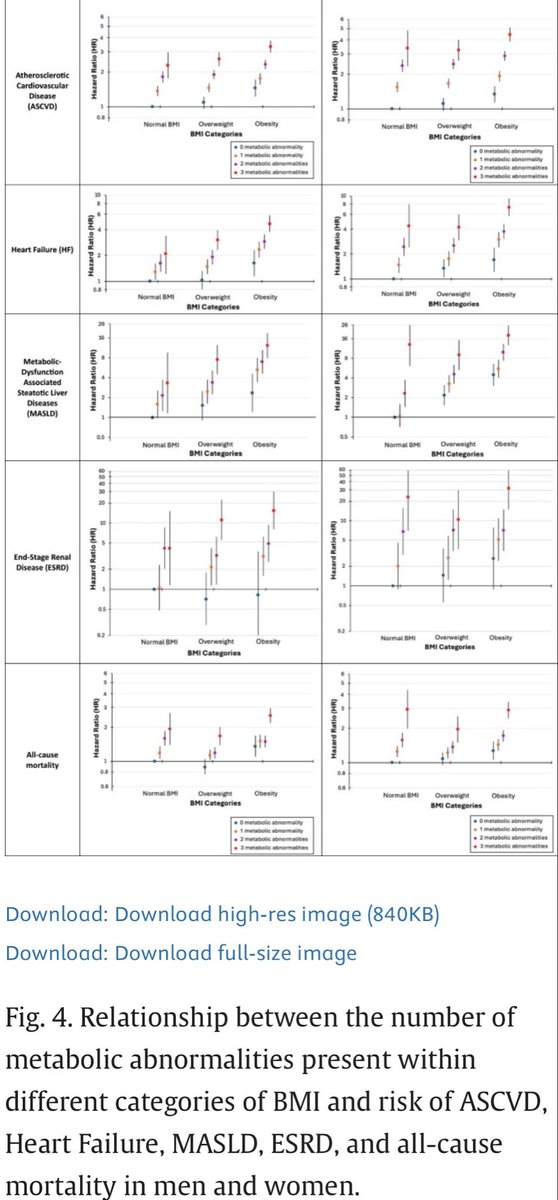
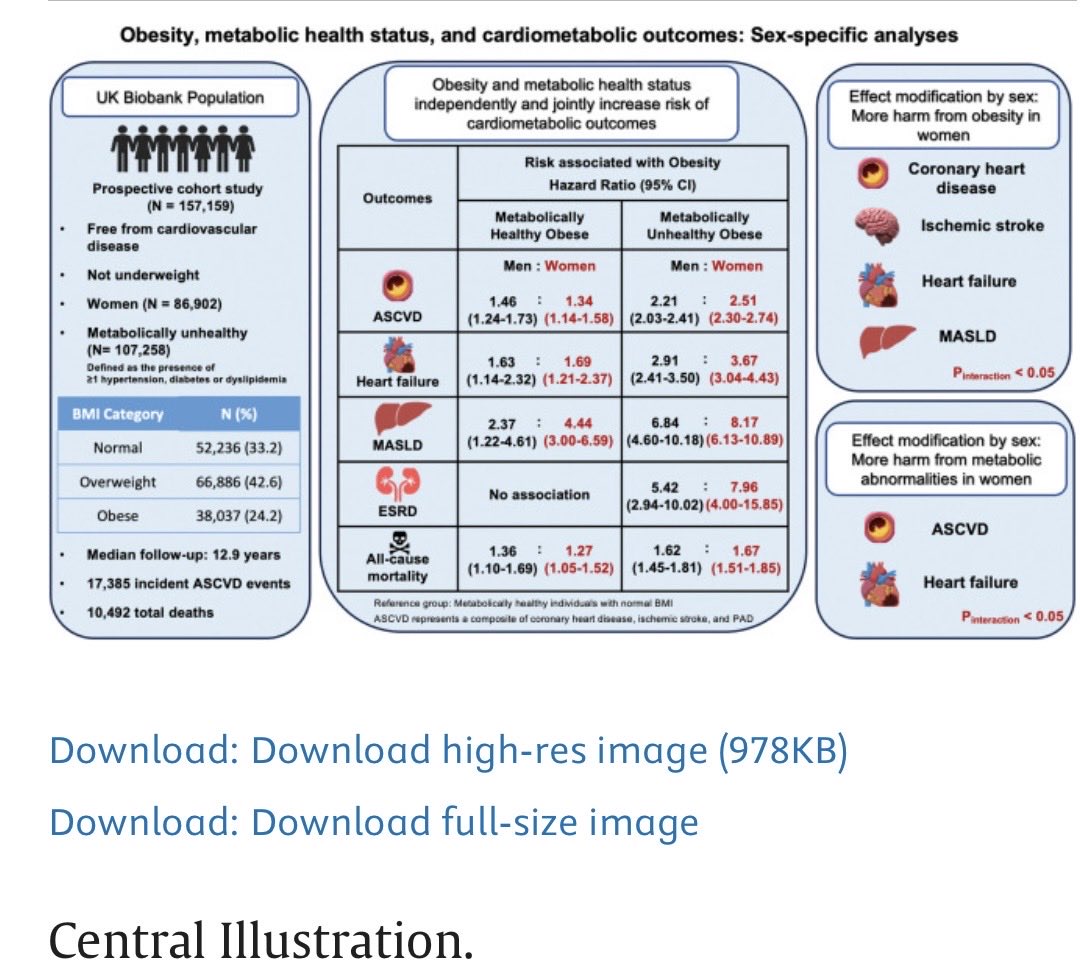
Finally CRP or inflammation was the biggest mediation of risk for all outcomes especially in women. Findings which mirror observations with GLP1s
English
1
1
7
312
Jose C Souto, MD retweetledi
@DocMeetings - Urology
@DocMeetings - Urology@docmeetings·
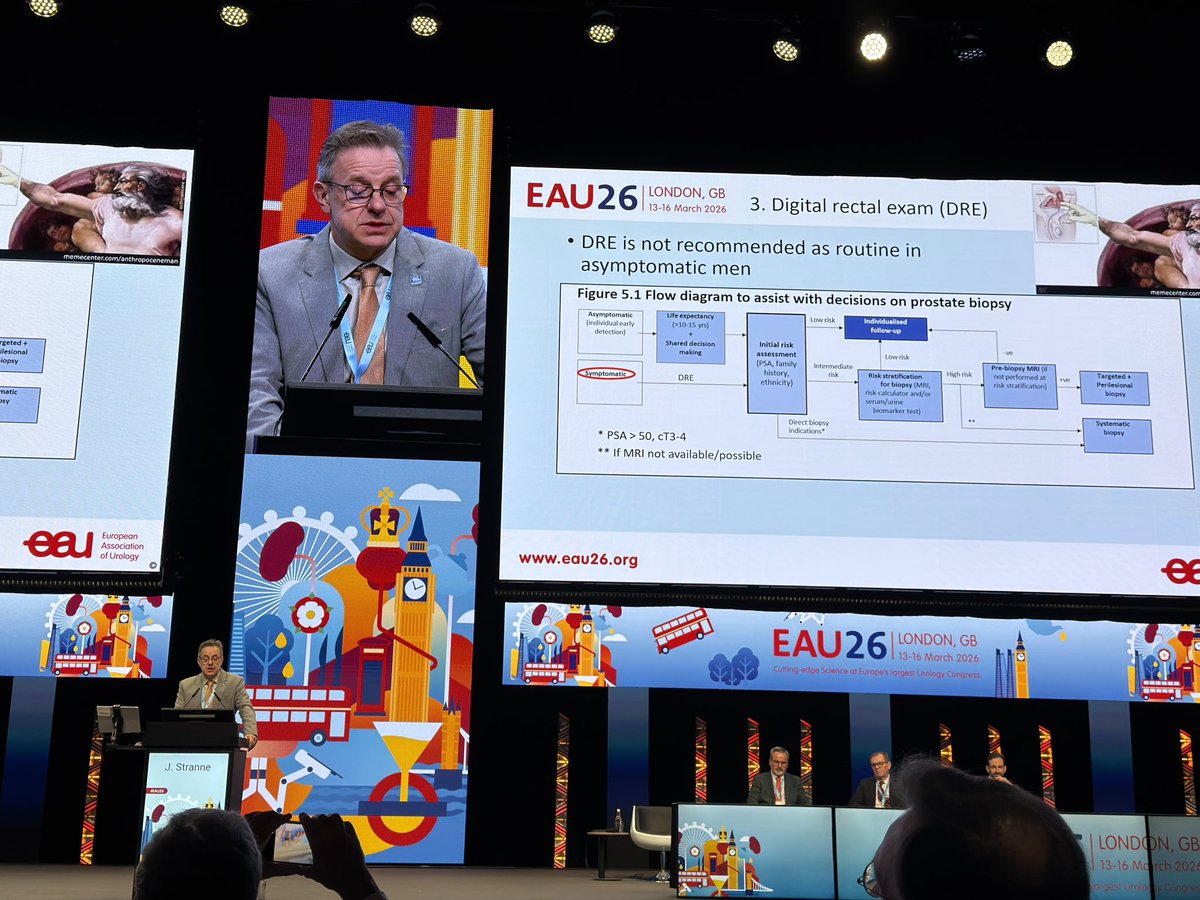
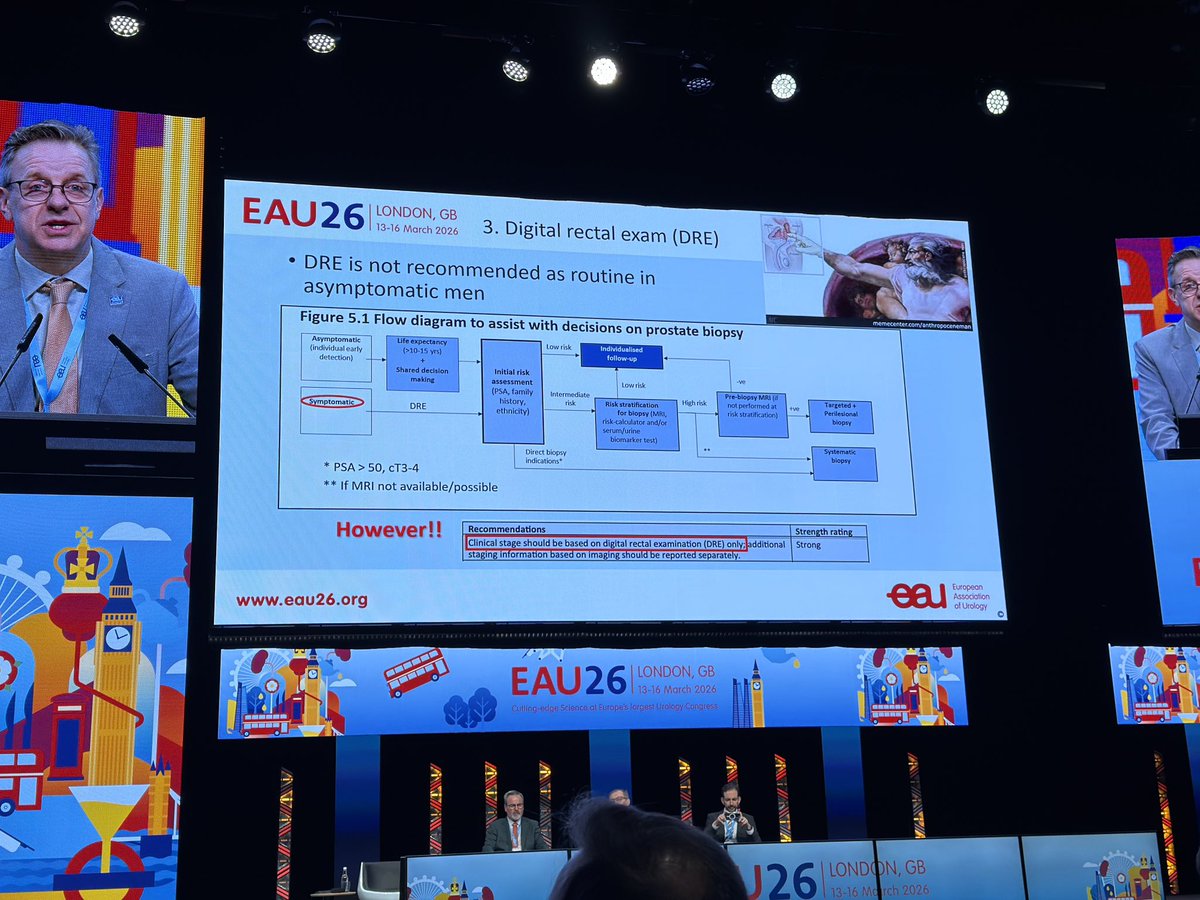
PRostate cancer guidelines 2026 update. Digital rectal exam NOW no more recommended for Asymptomatic men SO NO MORE FOR Screening Important for standing and for early diagnosis for SYMPTOMS only @Uroweb
@DocMeetings - Urology tweet media@DocMeetings - Urology tweet media
English
4
91
215
33.4K
Jose C Souto, MD
Jose C Souto, MD@jcsouto·
@MichaelMindrum The authors have modelled weight plateau at 75% of weight regain (approximately 60 weeks) The problem is that this is total weight, not fat. Since some 30%+ of the weight loss is FFM, this 75% weight regain may well be 100% fat regain
English
0
0
2
39
Michael Mindrum, MD
Michael Mindrum, MD@MichaelMindrum·
Although to my eye wouldn’t call this a plateau yet
English
1
1
2
174
Jose C Souto, MD retweetledi
Raphael Nishimura
Raphael Nishimura@rnishimura·
@igoreckert “To consult the statistician after an experiment is finished is often merely to ask him to conduct a post mortem examination. He can perhaps say what the experiment died of.” R.A. Fisher (1938)
English
1
3
33
1.5K
Jose C Souto, MD retweetledi
Guilherme
Guilherme@guilherme_·
Bom, diante dessa última entrevista, acho razoável afirmar: Não há nada que indique que a polilaminina recupere a função pós lesão medular até o momento. Não dá pra dizer sequer que é uma substância promissora.
Português
5
22
323
15.8K
Jose C Souto, MD retweetledi
Igor Eckert
Igor Eckert@igoreckert·
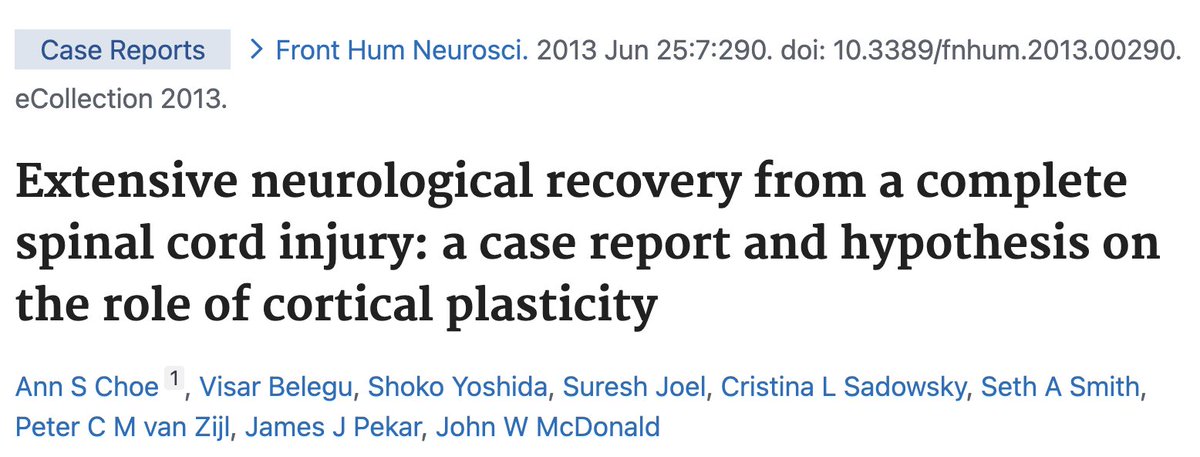
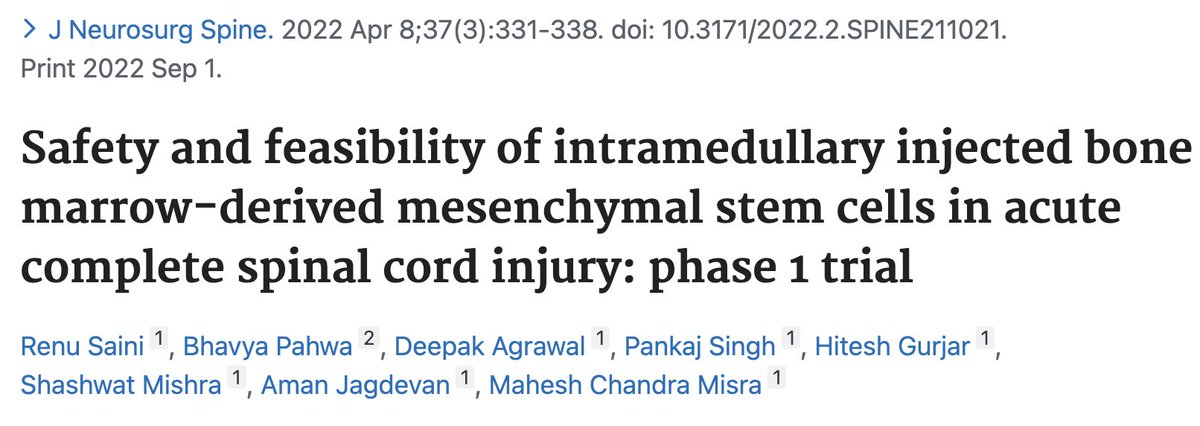
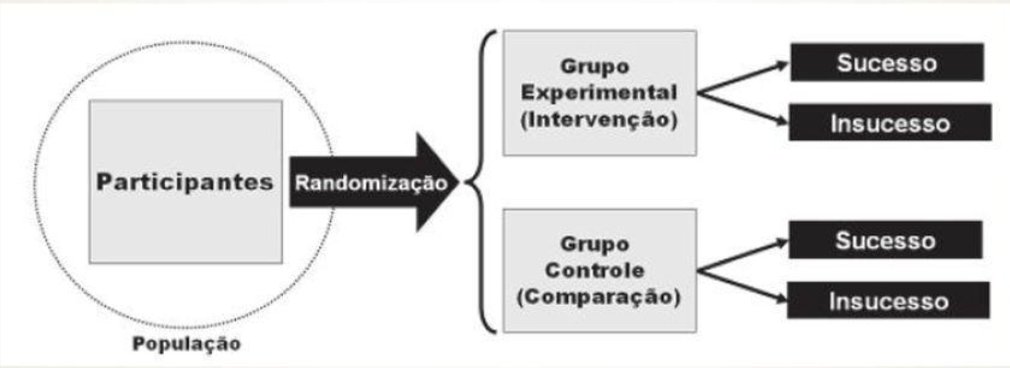
É complicado dizer que os pacientes que receberam polilaminina poderiam ter evoluído muito bem mesmo sem receber a droga. Provável que vc seja até xingado. Mesmo que essa ideia seja totalmente razoável, cientificamente falando... 2 motivos são bem claros: 1- Uma das coisas que explica uma grande melhora nesses casos é o paciente não ter verdadeiramente uma lesão completa, mas sim uma lesão incompleta que parecia completa na avaliação inicial. É completamente normal "errar" nessa avaliação, principalmente quando o trauma ocorreu em menos de 24-48 horas. Os especialistas na área sabem muito bem disso, e estimam que ~20% das lesões que parecem completas inicialmente no fundo não são. “Diversos fatores, incluindo choque medular, sedação, dor e lesões concomitantes, podem interferir na confiabilidade do exame neurológico inicial, especialmente se este for realizado nas primeiras horas ou dias após a lesão, levando, assim, a altas taxas de conversão para pacientes com lesão medular erroneamente classificados como completos.” Mas as pessoas ñ recebem bem essa ideia. Talvez porque pareça um ataque pessoal. Dizer que "a lesão talvez não fosse completa, talvez não fosse tão grave" dá a entender que: -- Os médicos/pesquisadores responsáveis pela avaliação foram "incompetentes" -- Os médicos/pesquisadores responsáveis "não sabem o que estão fazendo" -- Ou pior: que os médicos/pesquisadores estão "mentindo" "Se eu estou dizendo que era lesão completa mesmo, e que era uma lesão muito grave mesmo... vc tem que acreditar em mim. Eu sou especialista nisso, acha que não sei o que estou fazendo? Ou vc vai dizer que estou agindo de má fé?" Não, não é incompetência nem má fé... Mesmo os avaliadores mais bem treinados do mundo sabem que existe uma boa chance de estarem errados ao avaliar um paciente nas primeiras horas (fase hiperaguda) da lesão medular. Se as pessoas não sabem disso, fica realmente difícil de entender essa discussão. Fica parecendo que são críticas infundadas, com motivos escusos. Outro ponto: 2- Todo cientista tem o dever de procurar por furos em hipóteses. Seja na hipótese dos outros, seja na sua própria. Vamos trabalhar com esta hipótese: "polilaminina CAUSOU a melhora clínica fenomenal que foi observada com o voluntário Bruno Drummond" Em outras palavras: o paciente não teria tido a mesma evolução que teve (deambulando com independência total em 2 anos!) se não tivesse recebido o medicamento. Mas de onde surgiu essa hipótese? Ela surgiu de uma observação: o paciente recebeu polilaminina depois do acidente que causou a lesão medular, e depois de 2 anos ele estava muito melhor. É possível que polilaminina tenha ajudado? Sim, é plenamente possível! Depois de ser aplicada, o paciente melhorou. Mas, antes de aceitar que essa hipótese é verdadeira, o cientista precisa descartar todas as outras possíveis explicações para o fenômeno que foi observado. E bem, que outras explicações explicariam essa observação, além de um efeito real da polilaminina? Em outras palavras: se a polilaminina NÃO causou benefício algum, o que faria Bruno melhorar tanto? Uma das explicações é a neuroplasticidade: a capacidade do nosso cérebro reorganizar sua estrutura, função e conexões em resposta a aprendizados, experiências ou... lesões. Embora seja raro, o paciente com lesão grave na medula espinhal pode se recuperar. Existem casos documentados na literatura de pacientes assim. Um dos relatos mais completos foi, inclusive, muito similar ao do paciente Bruno! Uma lesão cervical (C3–C6), em um jovem de 22 anos após acidente automobilístico. Apresentação clínica compatível com tetraplegia completa, ausência total de função motora e sensória por 6 semanas (ASIA A). Mas na 6ª semana, esse paciente teve um movimento voluntário. No mês 11, conseguiu sentar sem ajuda. No mês 15, caminhou pela primeira vez sozinho! Devagar foi progredindo, e em poucos anos se tornou totalmente independente, caminha e corre, vive vida normal. Tem apenas sequelas residuais leves — quase idênticas às do Bruno. Tudo isso sem ter recebido nenhum medicamento experimental e, mais impressionante ainda: sem ter recebido os tratamentos modernos que hoje os pacientes com lesão medular felizmente têm acesso. Isso porque o acidente aconteceu em 1974. Ele não teve acesso a cirurgia de descompressão precoce, que por si só DOBRA as chances de voltar a andar. Não teve acesso também a fisioterapia intensiva com profissionais: fazia alongamentos em casa por 150 min/dia, com ajuda da família, sem equipamentos especiais, natação ou musculação adaptada. Mas atenção: este relato de caso não comprova que o caso de Bruno foi "leve", ou que sua lesão não foi mesmo uma lesão completa — apesar de ser uma possibilidade. Este relato de caso também não reduz, de forma alguma, os méritos dos esforços do Bruno e de todos os profissionais que trabalharam em sua reabilitação. Casos assim comprovam apenas uma coisa: que é possível, sim, que pessoas com lesão medular voltem a andar. Inclusive pacientes tetraplégicos, que tiveram lesões realmente graves! Sabendo disso, o cientista sabe que ainda não é possível aceitar sua hipótese. Apesar de seu profundo desejo e esperança. Ele sabe que um caso de sucesso, por mais impressionante (e emocionante) que seja, não é uma observação tão surpreendente. Ele sabe que casos similares aconteceram no passado, mesmo com pacientes que não tiveram a oportunidade de receber fisioterapia de alto nível. Então o cientista reconhece que existem outras possíveis explicações para sua observação, e coloca a razão acima da emoção. Mas nem todo mundo pensa como cientista. Se vc diz que existem outras explicações por trás da melhora de pacientes como o Bruno, e que portanto o caso de sucesso dele não é confiável para dizer se o tratamento funciona... É provável que vc seja xingado. Porque parece que vc está sendo insensível com o paciente — principalmente se ele mesmo acredita MUITO que a polilaminina contribuiu para sua melhora (o que não é problema algum, por sinal!) Ou pior: pode parecer que vc está menosprezando a evolução do paciente. Como se não fosse "nada demais", como se fosse algo "comum"... E isso não tem o menor cabimento! Voltar a andar em menos de 2 anos, sobretudo em casos de lesão grave mesmo, é atípico. Isso deve ser reconhecido, e o sucesso merece ser celebrado. Ao mesmo tempo, devemos reconhecer que esse sucesso não é tão incomum a ponto de nos convencer que a aplicação de um novo medicamento teve contribuição nessa evolução. É justamente por saber disso que o cientista testa hipóteses de um jeito diferente. Em vez de oferecer o tratamento para alguns pacientes e esperar para ver o que vai acontecer depois, ele usa experimentos mais confiáveis: Os ensaios clínicos aleatorizados, onde um grupo de pacientes recebe o novo medicamento, enquanto outro grupo de pacientes não recebe. Quando bem conduzido, este experimento permite que o cientista descarte todas as outras possíveis explicações para sua observação. Erro de classificação na avaliação inicial da escala ASIA, extensão da lesão, idade do paciente, presença de lesões secundárias, qualidade do manejo hemodinâmico, qualidade da fisioterapia, rapidez para realizar cirurgia precoce... não importa. Nada disso vai nos atrapalhar. Porque a aleatorização não deixa ;) Ao final do estudo, temos certeza que qualquer diferença observada entre a evolução clínica dos pacientes que receberam o medicamento (vs. aqueles que não receberam) foi causada pelo medicamento. É assim que descobrimos se a polilaminina aumenta mesmo as chances de voltar a andar. Do mesmíssimo jeito que, todo ano, descobrimos se centenas de novos tratamentos em saúde funcionam para todas as possíveis condições. Sim, inclusive tratamentos para lesão medular aguda aplicados em poucas horas, injetados diretamente na medula, igualzinho à polilaminina 👇 Por fim, não custa reforçar: É plenamente possível que polilaminina seja segura e eficaz. Este post não defende que o tratamento NÃO funciona, muito menos que você não deva torcer pra que dê certo! Meu objetivo aqui é informar, provocar reflexões e, sendo otimista, poupar pessoas vulneráveis de expectativas desalinhadas com a realidade. Afinal, não é para isso que serve a ciência? PS: escrevi esse texto mesmo sabendo que serei (novamente) xingado, acusado e (pessoalmente) criticado Se vc chegou até aqui e mesmo assim acha uma boa ideia fazer isso, só peço que vc reflita se realmente discorda dos meus argumentos — ou se apenas está se manifestando de forma impulsiva por qualquer outra razão. Caso vc tenha contrapontos bem construídos p/ apresentar, ficarei feliz de vê-los.
Igor Eckert tweet mediaIgor Eckert tweet mediaIgor Eckert tweet mediaIgor Eckert tweet media
Igor Eckert@igoreckert

NENHUM estudo clínico de lesão medular aguda descarta a possibilidade de que parte de seus pacientes estiveram em choque medular inicialmente — sobretudo os estudos de intervenção precoce, em que o grau de comprometimento dos pacientes é avaliado em menos de 72 horas. Isso é muito óbvio, e está MUITO CLARO na literatura. Mas tem gente acreditando MESMO que nenhum paciente no estudo da polilaminina estava em choque medular. Só pq uma pesquisadora disse isso em uma entrevista! Tem gente acreditando mesmo que não é possível que a recuperação fenomenal de voluntários como Bruno Drummond pudesse ter ocorrido mesmo na ausência da injeção de polilaminina em sua medula. E sim, continuarão acreditando. Muitos infelizmente já chegaram em um ponto de não-retorno. Virou religião.

Português
2
11
90
5.9K
Jose C Souto, MD retweetledi
Thiago
Thiago@titaniumneck·
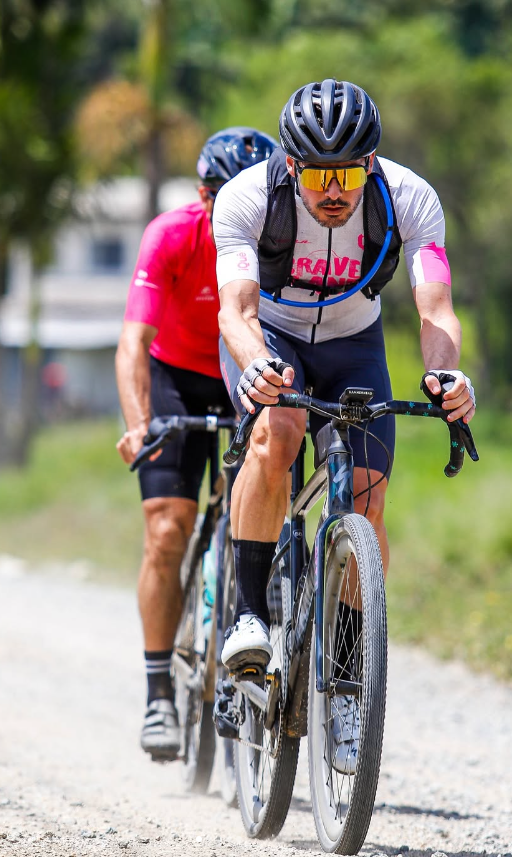
@igoreckert Tive lesão medular na c4-c5, não tinha movimentos abaixo do pescoço até 3 dias depois do acidente. Não havia polilaminina na época. Esse sou eu hoje (ficaram algumas sequelas)
Thiago tweet media
Português
3
11
422
15.3K
Jose C Souto, MD retweetledi
Ethan J. Weiss
Ethan J. Weiss@ethanjweiss·
I am still not sure how any of this relates to the breathless media blitz a year ago which was based on the very data you are now calling into question but that you and your colleagues chose to publish and promote like it was the discovery of penicillin. Do your original conclusions stand? Or are you now basing your new conclusions on a subset of 8 of the originally 100 highly self-selected and non-randomized individuals in your observational cohort? And for the record, why do you think this study (thank you for not calling it a trial) caused so much confusion? x.com/nicknorwitz/st…
Nick Norwitz MD PhD@nicknorwitz

I realize the KETO-CTA study has caused a lot of confusion over the past year. That's why my colleagues and I are so excited to clarify matters. I also recognize that the chronology of events, the complexities of the scientific bureaucracy, and additional analyses conducted out of necessity, add additional layers of complexity. So let me make it as simple as possible with this little graph. The massive red bar represents the original Cleerly analysis, which—unbeknownst to myself, Dave, and Adrian—was inappropriately unblinded. Cleerly refused to redo the analysis with proper blinded, so multiple independent analyses were performed, including by HeartFlow, which was properly blinded, and by the pre-registered QAngio methodology. As you can see, these are in tight alignment. Additionally, as a workaround to obtain a blinded Cleerly analysis, several participants were generous enough to resubmit their scans via their personal cardiologists to serve as a de facto Cleerly blinded analysis, allowing us to see whether Cleerly would replicate their results under blinded conditions. They did not. The median progression for these eight participants dropped from 18.9 mm³ non-calcified plaque volume to <1, i.e. no plaque progression. In fact the mean progression went from around +20 to −5 mm³, a COMPLETE DIRECTIONAL REVERSAL Now, some are incorrectly suggesting we are trying to hang our hats on an N = 8 and performing mental gymnastics for data we don’t like. Forgive me for saying it, but this is an ignorant—if not outright stupid—claim that itself requires willful ignorance or mental gymnastics. We are not hanging our hat on eight participants. We are hanging our hat on: 👉Three coherent analyses that largely agree with each other, including ... 👉The pre-specified methodology, and ... 👉An independent fully blinded analysis, and... 👉A blinded analysis done by Cleerly itself which could not be more discordant from the original unblinded Cleerly analysis (which Cleerly refused to repeat in a blinded fashion). Those are the facts. And while science is never settled, the data on this KETO-CTA board looks a lot like checkmate. ht/@AdrianSotoMota @realDaveFeldman

English
12
11
103
20.4K
Jose C Souto, MD retweetledi
World Health Organization (WHO)
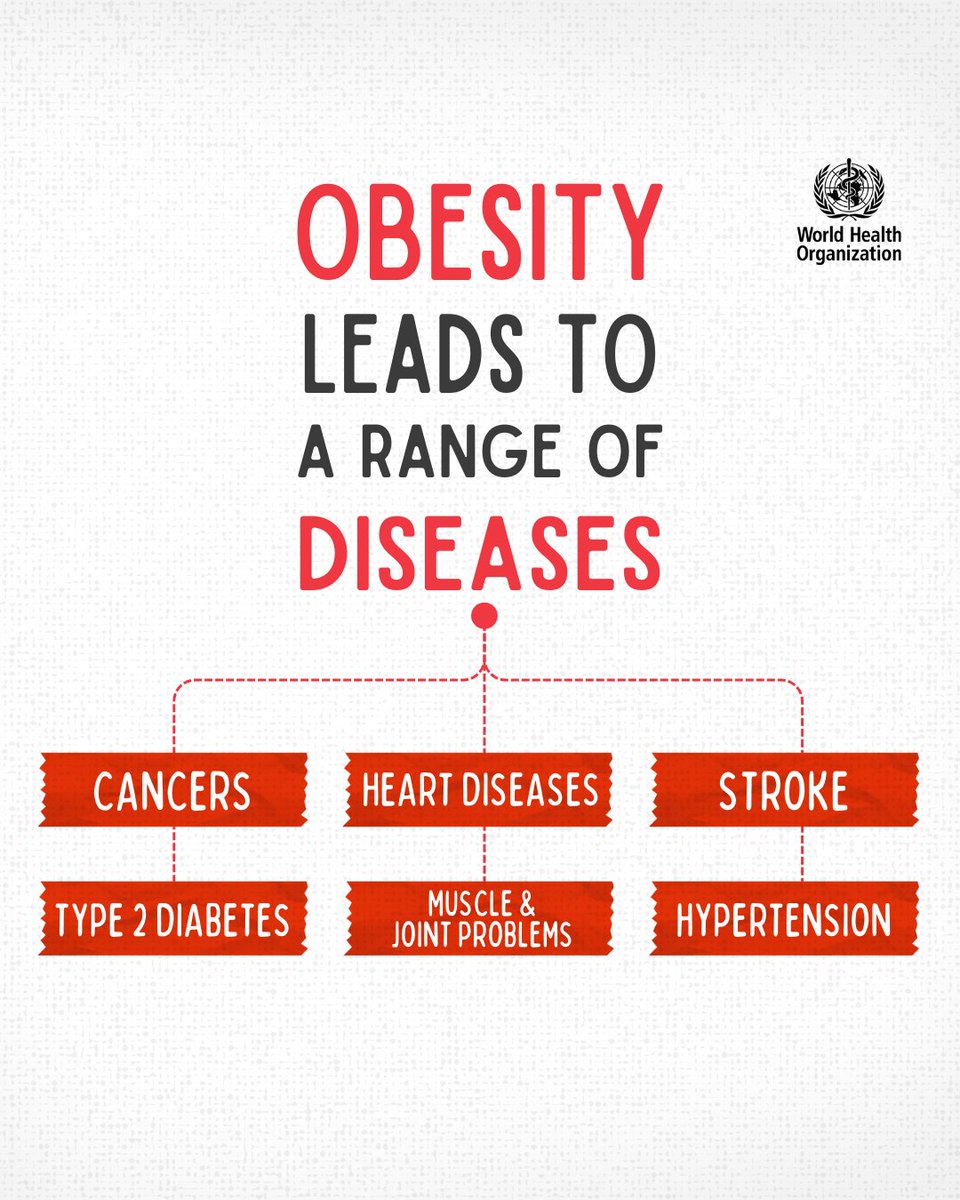
Today is #WorldObesityDay Did you know? 1 in 8 people worldwide are living with obesity — across every age, every background, every family. Obesity drives some of today's most serious health conditions: type 2 diabetes, hypertension, cardiovascular disease. And it's rarely just about personal choices. Biology, environment, access - these shape our health. Healthier lives begin with healthier surroundings. Let's build environments where everyone has a real chance to thrive. Learn how to manage obesity: bit.ly/4l4o1E6
World Health Organization (WHO) tweet media
English
49
245
515
291.6K
Jose C Souto, MD retweetledi
Jay Giri
Jay Giri@jaygirimd·
🧵 1/ Many are prob confused about what all the debate is about the Keto diet & its relationship to serum lipids as well as potential CV effects of this I’ll try to break this down below (hopefully fairly) Disclaimer: I’m not a lipid expert but have great interest in the field
Nick Norwitz MD PhD@nicknorwitz

I feel like I can breathe again! Get ready for a rant I've been waiting to let loose for a year. 🔥 First, here are the core facts about the Keto-CTA study to date: 🚨PART 1: THE FACTS 👉From its inception, Dave, Adrian, and I, being associated via the funding body (the Citizen Science Foundation), were blinded to certain elements of the data. The purpose was to protect the integrity of the project. 👉The profound irony is this also meant that, prior to publication, we couldn’t perform certain ‘checks’ and had to trust others to do so. Speaking for myself, it’s now painfully clear that was a mistake. 👉However, after the April 7th paper was published, "anomalies" (if I’m being polite) were noted with the Cleerly scans. 👉 Cleerly refused to redo the scans, despite multiple requests and being offered payment. 👉Importantly, and to my dismay, the original Cleerly reads were UNBLINDED, introducing a major source of bias. 👉At additional expensive, the scans were rerun through HeartFlow in a properly blinded analysis, and via the pre-specified QAngio methodology. 👉HeartFlow and QAngio agreed with each other and were discordant with the Cleerly analysis. 🚨PART 2: THE NEW NEWS What happened next was brilliant! And, truth be told, I only found out about it yesterday. For my own legal security – and at the recommendation of my friend and colleague who was taking the worst of it on the back end – there was a lot I didn’t know until this point. This is what happened… 👉Several participants independently submitted their scans to Cleerly as a workaround to obtain a truly blinded Cleerly analysis. 👉Those results were highly discordant with the original Cleerly analysis and aligned with the HeartFlow and QAngio analyses. The difference between the original Cleerly scans and the repeated blinded scans was massive! The original unblinded analysis reported a +20.9 mm³ mean increase in non-calcified plaque volume, while the blinded repeats showed a -5.1 mm³ mean decrease. I mean, MY GOODNESS!!! I basically did a backflip when I found out (@realDaveFeldman can release the footage of the meeting at his discretion) If you’ve been following the KETO-CTA story up to this point, the consistency of the findings across HeartFlow, QAngio, and now Cleerly itself (based on the blinded reads) should bring much-needed clarity. The converging results fundamentally reshape the narrative and directly refute the claim that the study demonstrates massive, unprecedented plaque progression in LMHR and near-LMHR And, after all that, the fact remains that every single analysis found no association between ApoB levels or LDL exposure and plaque progression. LET ME REPEAT: And, after all that, the fact remains that every single analysis found no association between ApoB levels or LDL exposure and plaque progression. 🚨 PART 3: NEXT STEPS In terms of next steps, I’ll quote my colleague Dave: “we have already taken steps regarding last year’s paper that contained the original Cleerly analysis.” I’ll leave it at that for now so I don’t overstep. But let me say, that’s the highly polished and diplomatic version. I certainly have stronger words about this process, but perhaps now is not the time. Where I will speak more plainly is in regard to the behavior of some detractors over the past several months. In a few cases, I’ve reached out privately to individuals who should know better, gently suggesting that, in light of the new evidence (Heartflow and QAngio), it might be time to reassess or lighten the abuse. For anyone sincerely paying attention—and for anyone with even modest insight into how scientific bureaucracy works—I hope it is now clear why we were not more forthcoming earlier in the process. 👉And trust me when I say, it’s never been harder to keep my mouth shut about anything in my life. I've accumulated more cortisol AUC in the last 11 months then in the entirety of my life to age 29. 🚨PART 4: SPEAKING FOR MYSELF Speaking for myself, I have been beyond frustrated and disappointed. At multiple stages, it has become painfully—and increasingly—clear to me that our scientific system, which presents itself as purely meritocratic, is far more political than most would imagine. These are difficult words for me to say as someone who comes from a family of doctors and scientists and who has spent his entire career in academic institutions—multiple Ivy League universities @Harvard @dartmouth, two doctorates, and top-ranked institutions in both England @UniofOxford and the United States. I was groomed in conventional academic medicine. If I have any bias, it’s to see the best in conventional medicine and modern scientific process. Most of my loved ones have made their living within this ecosystem. But when you pull back the curtain, the reality can be sobering. To those detractors who have verbally abused or personally attacked my colleagues and me—perhaps out of naivete or ignorance—I will say this plainly: it’s time to check yourselves. Too many people have spoken out of turn, seemingly to score points rather than to engage thoughtfully with an evolving scientific story—one that has been evolving for quite some time. When the HeartFlow and QAngio analyses were released, that alone should have prompted serious reflection. At minimum, it should have raised questions. The subsequent silence from some of the loudest critics, after they believed they had “won” a round, is telling. Science deserves better than scorekeeping. It deserves intellectual honesty and the humility to update one’s position when new evidence emerges. At times over the last year, the lack of curiosity, sincerity, and intellectual honesty from people who I tried to give the benefit of the doubt has made me want to vomit. And trust me when I say, this isn’t a victory lap. This is a promise. We are now over a hurdle that I have been waiting for almost a year. And frankly, I am ready to run headfirst through brick walls with my colleagues and friends by my side — those whom I trust to pursue the hard questions and the honest answers — and do so indefinitely using the tools and resources at our disposal, even when, and especially when, the scales are improperly tilted against us. Lucky for us, the intellectual environment is expanding — the black box of academia beginning to crack open. So someone hand me a crowbar, because I’m committing myself fully and completely, over the coming years and decades, to prying it wide open. Not gently. Not quietly. But decisively. My final words of this verbose dissertation? LFG

English
5
29
89
36K
Jose C Souto, MD retweetledi
Renan de Araujo
Renan de Araujo@Araujo_Renan·
Queria começar a thread dizendo que pessoalmente não tenho nada contra a Profa. Dra. Tatiana Sampaio. Também digo que não vou FOCAR a polêmica do uso ou não de placebo no grupo controle, meu foco é na visão panorâmica do caso no contexto de desenvolvimento de fármacos.
Renan de Araujo@Araujo_Renan

Vou fazer uma thread sobre a questão da polilaminina depois de ter visto o roda viva de ontem dando a minha opinião como pesquisador da área de desenvolvimento de medicamentos pq tô vendo que tá virando um debate bem maniqueista - ou é a cura ou ela é golpista - e não é bem assim

Português
4
19
108
15.4K