Handre@Handre
Soviet chandelier factories received production quotas measured in tons, not quality or function. Factory managers responded rationally to the incentive structure: they packed chandeliers with extra metal, concrete, and lead weights to hit their tonnage targets. The heavier the chandelier, the better their performance metrics looked to central planners in Moscow.
Apartment dwellers across the USSR paid the price. Chandeliers weighing hundreds of pounds crashed through ceilings, destroying furniture and injuring families below. Reports from the 1970s and 1980s document dozens of ceiling collapses in Kiev, Leningrad, and Moscow as these industrial monstrosities proved too heavy for residential construction. Factory managers got their bonuses while citizens dodged falling light fixtures.
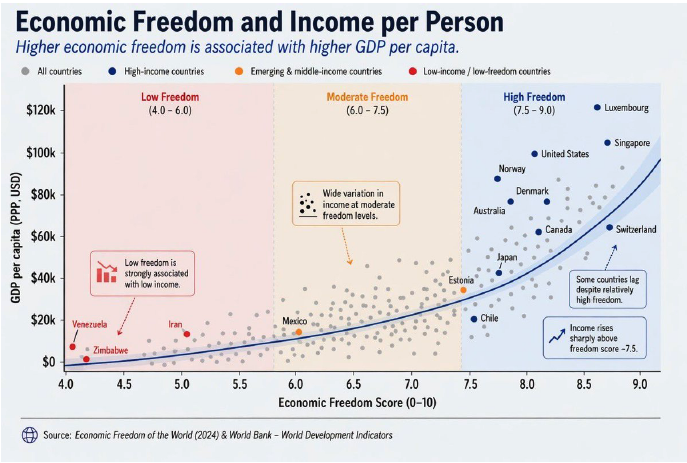
The system worked exactly as designed. When you divorce production decisions from market prices and consumer preferences, you get perverse outcomes. Central planners measured success through crude metrics they could track from their desks, not through the satisfaction of end users. Factory managers optimized for the measurement system, not for making chandeliers that actually functioned as lighting.
You see identical dynamics today wherever bureaucrats substitute their judgment for market mechanisms. Public school systems optimize for standardized test scores rather than education. Hospitals game Medicare reimbursement codes rather than focus on patient outcomes. Police departments chase arrest quotas rather than reducing crime. The Soviet chandelier problem lives on in every corner of the administrative state.
The market solves the chandelier problem instantly through profit and loss. Customers refuse to buy chandeliers that destroy their homes, driving bad producers out of business and rewarding those who build functional products.